
You’re standing in the vet’s office, and the number on the estimate has more zeros than you expected. Torn ACL. Surgery, anesthesia, follow-up visits. The total comes to $4,000, and your stomach drops because you know you’re about to make a decision based on your bank account instead of your pet’s best interest.
That moment the one where cost and care collide is exactly why so many pet owners start asking the same question: is pet insurance actually worth it, or is it just another monthly bill that never pays off?
Here’s the honest answer: it depends, and not in a vague, dodge-the-question way. Tre are specific, concrete factors that tip the math one direction or the other, and by the end of this guide, you’ll know exactly which side of that line you fall on.
Save this guide before your next vet visit turns into a financial decision you weren’t prepared for.
Pet insurance tends to make the most financial sense when you enroll a pet while they’re young and healthy, when you own a breed prone to expensive genetic or chronic conditions, and when a surprise $3,000-plus vet bill would genuinely strain your budget. It tends to make less sense for older pets with existing conditions, or for owners who have already built a dedicated emergency fund large enough to self-insure.
1. The Real Cost of an Emergency Vet Bill

This is the number that changes minds. A single emergency swallowed foreign object, broken bone, sudden illness can run into the thousands before you’ve even gotten a diagnosis. The average pet household spends around $1,700 annually on their pet, roughly $200 more than in recent years, and that figure doesn’t include a true emergency surgery or a cancer diagnosis.
Here’s the thing: most pet owners don’t have a spare $3,000 to $10,000 sitting around for a worst-case scenario. Insurance exists specifically to close that gap between what an emergency costs and what your savings account can absorb.
2. What Pet Insurance Actually Covers
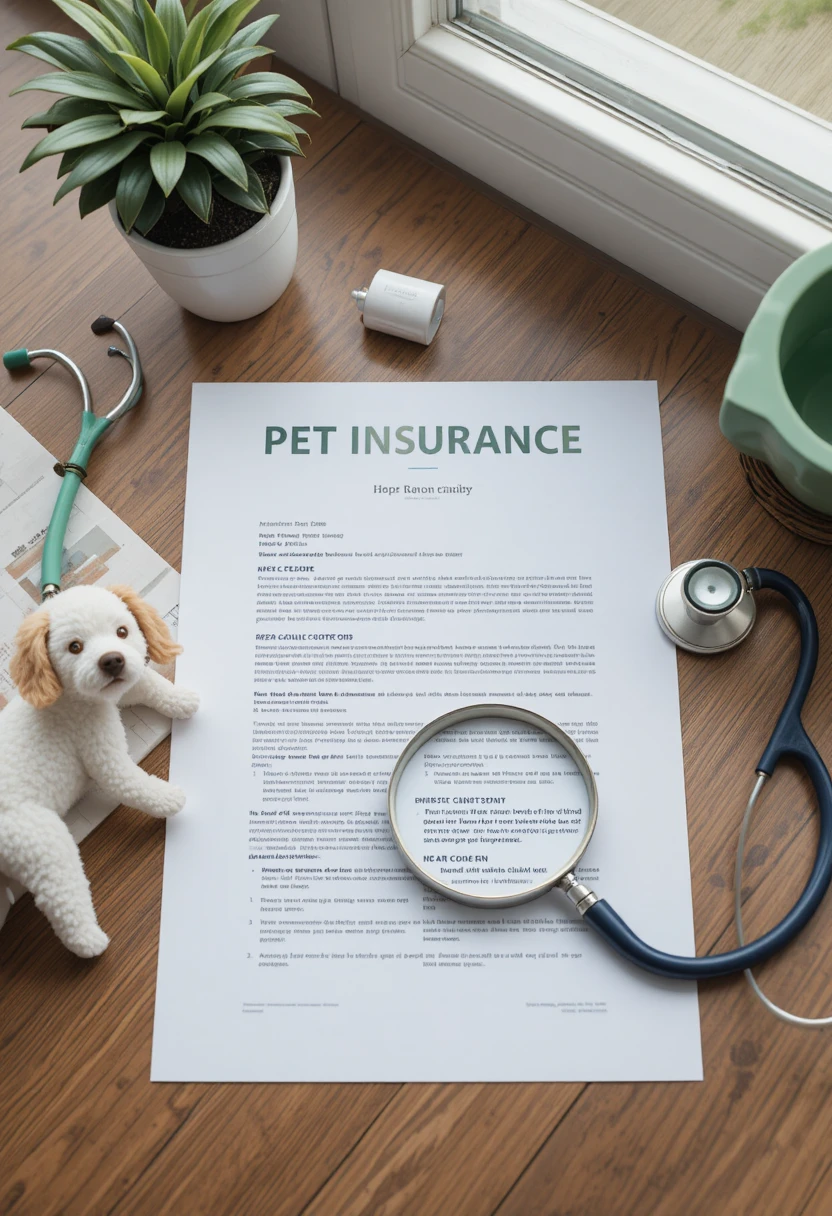
Before deciding if it’s worth it, you need to know what you’re actually buying. Pet insurance typically reimburses you for vet bills related to covered conditions, letting you make treatment decisions based on what’s medically best rather than what you can afford in the moment. Most comprehensive policies reimburse a percentage of the bill after you meet your deductible. Best Friends Animal Society
Coverage generally falls into three tiers:
- Accident-only — covers injuries like broken bones, swallowed objects, or car accidents
- Accident and illness — the most common option, adding coverage for diseases like cancer, diabetes, and infections
- Wellness add-ons — optional coverage for vaccines, checkups, and preventive care
Bucket brigade moment: but here’s the catch nobody mentions in the sales pitch —
3. The Monthly Premium Cost

Average monthly premiums for accident-and-illness dog policies climbed to around $62 per month in 2024, up significantly since 2019, while cat policies averaged about $32 per month. Multiply that out, and you’re looking at $384 to $744 a year for a cat, or up to $744-plus a year for a dog, before you’ve filed a single claim.
That’s a real number to weigh against your pet’s breed, age, and health history which brings us to the next point.
4. Your Pet’s Breed Matters More Than You Think

Some breeds are simply more likely to develop expensive conditions over their lifetime. Pet insurance tends to be a great fit for breeds prone to costly health issues, like French Bulldogs or Golden Retrievers, whose owners often face hip dysplasia, breathing complications, or cancer treatment costs that can run into five figures.
If you own a breed with known genetic predispositions, that alone can tip the scale firmly toward “worth it.”
Read Also: Pets Nestly
5. Your Pet’s Age at Enrollment

This is the single most important timing factor. Pet insurance makes the most financial sense when your pet is still young and healthy, since policies are cheaper before age-related illnesses and decline set in. Waiting until your pet is a senior citizen often means higher premiums and a longer list of excluded preexisting conditions. CNBC
Quick tip to save for later: the best time to buy pet insurance is almost always the day you bring your pet home, not the day they get sick.
6. Waiting Periods You Need to Know About

Every pet insurance policy has a waiting period, and this trips up more new pet owners than almost anything else on this list. If your pet is injured or becomes ill during this waiting period, it’s typically treated as a preexisting condition and the claim won’t be approved. U.S. News & World Report
Typical waiting period ranges:
- Accident coverage: often 24 hours to 15 days
- Illness coverage: commonly 14 to 30 days
- Orthopedic conditions (hip dysplasia, cruciate ligament tears): frequently six months or longer
Because many conditions develop gradually, insurers often assume they existed before a formal diagnosis, which is exactly why enrolling early reduces your risk of a denied claim. ConsumerAffairs
7. Preexisting Conditions Are Never Covered

This is the fine print that catches people off guard after the fact. Like most health insurance policies, pet insurance doesn’t cover preexisting conditions issues your vet had already diagnosed before you took out the policy. If your cat already has diagnosed kidney disease or your dog has a known heart murmur, don’t expect a new policy to cover treatment for it. Britannica
Some insurers do make exceptions. Certain providers will waive the preexisting label if your pet has been free of symptoms and treatment for a defined period, often six months to a year, but this varies significantly by company and shouldn’t be assumed.
8. Deductibles, Reimbursement Rates, and Payout Caps

Not all policies pay out the same way, and this is where the real math happens. Companies typically charge a deductible, then reimburse anywhere from 70% to 100% of the vet bill, with some insurers requiring a copay at the time of service. As a general rule, cheaper plans provide less coverage, so a bargain premium often means a bigger out-of-pocket surprise later.
Before you enroll, check for:
- Annual deductible amount (per-incident vs. annual)
- Reimbursement percentage (usually 70 to 90%)
- Annual or lifetime payout maximum
- Any per-condition caps buried in the fine print
9. Peace of Mind Has Real Value

There’s a less tangible but very real benefit here that’s easy to overlook when you’re only looking at spreadsheets. For many owners, the real value of pet insurance isn’t just help with a five-figure bill it’s not having to think twice when something goes wrong. Pawlicy Advisor
That’s worth naming honestly: insurance doesn’t just protect your wallet, it protects your ability to make a fast, clear-headed medical decision instead of a financially panicked one.
10. The Rising Popularity Signals Something

You’re far from alone in weighing this decision. Roughly 6.4 million pets in the U.S. were insured in 2024, a jump of nearly 22% from the year before. That growth reflects a broader shift: more owners are learning the hard way that vet bills don’t wait until savings catch up.
11. It’s Not Guaranteed to Save You Money Long-Term

Here’s the honest counterpoint that deserves equal weight. Pet insurance can offer peace of mind, but it’s not a given that it will save you money policies vary widely and lifetime premium costs could outpace what a single emergency would have cost you out of pocket. If your pet lives a long, health-issue-free life, you may end up paying more in premiums over the years than you would have paid for the occasional vet visit.
This doesn’t mean insurance is a bad idea. It means it functions like all insurance: you’re paying for protection against a possibility, not guaranteed savings.
12. Alternatives Worth Comparing

Pet insurance isn’t the only way to prepare for vet bills. Common alternatives include:
- A dedicated pet emergency fund — setting aside the equivalent of a monthly premium into a separate savings account
- Veterinary care credit programs — financing options offered through many vet clinics for larger bills
- Wellness-only plans — lower-cost coverage focused on routine care rather than emergencies
Some owners combine a modest accident-only policy with a self-funded savings cushion, splitting the risk between insurance and personal savings rather than relying entirely on one or the other.
13. Real Owners Weigh In

It’s worth hearing how this plays out for actual pet owners, not just industry statistics. One dog owner who enrolled her puppy in pet insurance appreciated that the preventive care add-on covered part of the neuter surgery and vaccine costs, though she noted that vet office fees which made up roughly half her typical bill were only covered at an additional cost. That kind of gap is common, and it’s exactly why reading the coverage details matters more than the marketing headline.
How to Decide: A Simple Framework
Run through these questions honestly:
- Could you comfortably pay a $3,000 to $10,000 emergency vet bill today without financial stress? If not, insurance likely earns its premium.
- Is your pet young, or a breed prone to costly conditions? Both favor enrolling sooner rather than later.
- Do you already have a dedicated pet emergency fund with several thousand dollars in it? If yes, self-insuring may work just as well.
- Are you comfortable reading the fine print on deductibles, waiting periods, and exclusions? Insurance only delivers value if the policy actually matches your pet’s needs.
Quick summary you can save: young, healthy pet + no dedicated emergency fund + breed prone to health issues = insurance is likely worth it. Senior pet with existing conditions + solid savings cushion = self-insuring may make more sense.
Frequently Asked Questions
Is pet insurance worth it for an older cat or dog?
It can be, but expect higher premiums and more excluded preexisting conditions the older your pet is at enrollment, since insurers price policies based on age-related risk.
Does pet insurance cover routine checkups and vaccines?
Only if you add a wellness plan, which is usually a separate add-on. Standard accident-and-illness policies typically focus on unexpected medical events, not routine preventive care.
How much does pet insurance typically cost per month?
Averages vary, but recent industry data puts dog policies around $62 per month and cat policies around $32 per month for accident-and-illness coverage, though your pet’s age, breed, and location will shift that number up or down.
Can I switch pet insurance providers without losing coverage?
You can switch, but be aware that a new waiting period will apply with the new insurer, and any conditions diagnosed under your previous policy may be treated as preexisting by the new one.
Is it better to save money myself instead of buying pet insurance?
Both approaches can work. A large, dedicated emergency fund gives you full control with no monthly premium, while insurance spreads the risk and can cover costs that exceed what you’ve saved, especially during the early years before your fund has time to grow.
The Bottom Line
There’s no universal answer to whether pet insurance is worth it, but there is a clear way to find your answer: look at your pet’s age and breed, be honest about what a surprise vet bill would do to your finances, and read the coverage details instead of the marketing headline. For many owners, insurance is exactly the kind of protection that turns a terrifying vet bill into a manageable one. For others with a solid savings cushion, self-insuring works just as well.