
Your dog just swallowed something he shouldn’t have. Or your cat’s annual checkup revealed something the vet wants to “keep an eye on.” Suddenly you’re staring at a bill that could stretch from a few hundred dollars into the thousands, and you’re wondering why you never got around to signing up for pet insurance.
If you’re reading this, you’re already ahead of most pet owners. You’re doing the research before the emergency happens, not during it. That single decision could save you thousands of dollars and, more importantly, could mean you never have to choose between your pet’s health and your bank account balance.
The problem is that “pet insurance” isn’t one product. It’s a crowded, confusing marketplace of more than a dozen companies, each with different reimbursement models, waiting periods, exclusions, and price tags. Some cover dental illness. Some don’t. Some pay your vet directly. Most make you pay upfront and wait for reimbursement. Some cap what they’ll pay for a single condition over your pet’s lifetime. Others don’t cap anything at all.
This guide breaks down the best pet insurance companies of 2026, what each one does well, where each one falls short, and exactly how to think about matching a plan to your pet’s age, breed, and your budget. By the end, you’ll know exactly which providers deserve a spot on your shortlist.
Why Pet Insurance Matters More Than Ever in 2026
Veterinary medicine has gotten remarkably advanced. Pets can now receive MRIs, chemotherapy, orthopedic surgery, and specialist care that rivals human medicine. That’s wonderful news for your pet’s life expectancy. It’s also the reason vet bills have climbed so sharply.
Average monthly premiums for insured pets currently sit somewhere in the range of $30 to $85 depending on the pet, the plan, and where you live, with dogs typically costing more to insure than cats. Meanwhile, a single emergency surgery or cancer treatment can easily run into the thousands. The math tends to favor having a plan in place before you need it, since pre existing conditions are excluded by virtually every insurer once they appear on record.
The bottom line: pet insurance isn’t about whether something might go wrong. With a living, curious, food stealing, plant chewing animal in your home, something eventually will. The question is just how much of that bill you want to be responsible for.
How We Compared These Pet Insurance Companies
Before jumping into the list, here’s what actually matters when evaluating a provider, and what this comparison is built around:
Coverage scope. Does the plan cover accidents and illness, or accidents only? Are hereditary and congenital conditions included? Is there a dental illness benefit? Are alternative therapies like acupuncture or hydrotherapy included?
Customization. Can you adjust your deductible, reimbursement percentage, and annual limit to fit your budget, or are you locked into one rigid structure?
Claims experience. How fast does the company pay out, and can it pay your vet directly instead of making you front the cash?
Waiting periods. How long before your coverage actually kicks in for accidents versus illnesses versus specific conditions like cruciate ligament injuries?
Price relative to value. Not just “who’s cheapest,” but who delivers the most coverage per dollar for pets in a similar situation to yours.
Exclusions and caps. Are there per condition payout limits, age cutoffs for enrollment, or breed specific exclusions?
With that framework in mind, here are the pet insurance companies worth your attention this year.
1. Pumpkin Pet Insurance: Best Overall for Comprehensive Coverage

Pumpkin has built a reputation as one of the most complete plans on the market, consistently landing at or near the top of independent rankings. It includes coverage most competitors treat as an add on, such as behavioral therapy, dental illness, microchipping complications, and breed specific hereditary conditions.
What stands out: Pumpkin’s “Preventive Essentials” package is a genuinely useful wellness add on, covering routine vaccines, annual exams, and flea and heartworm prevention rather than only unexpected emergencies.
Where it falls short: Premiums tend to run on the higher end, and Pumpkin doesn’t offer unlimited annual coverage on every plan tier.
Best for: Owners who want one plan that covers almost everything without piecing together add ons from several providers.
2. ASPCA Pet Health Insurance: Best for Multi Pet Households

Backed by the well known animal welfare organization’s name, ASPCA Pet Health Insurance offers accident and illness plans alongside a separate accident only option, plus a multi pet discount that makes it attractive for households with more than one animal.
What stands out: ASPCA is one of the few insurers that also covers horses, and it offers flexible customization across deductibles, reimbursement rates, and annual limits.
Where it falls short: Some customers report that claims processing, while reliable, can take longer than instant claim competitors like Lemonade.
Best for: Multi pet families and owners looking for a well established, financially stable underwriter.
3. Pets Best: Best for Low Cost, High Value Coverage
Pets Best routinely earns top marks for delivering strong coverage at a below average price. Its Elite plan includes vet exam fees, behavioral therapy consultations, and holistic treatments like chiropractic care and cold laser therapy, which many competitors either exclude or charge extra for.
What stands out: Pets Best offers a rare 24 hour turnaround on many claims and the option for direct vet payment through its app.
Where it falls short: The cheapest plan tiers (Essential) trim down coverage meaningfully, so you need to read the fine print to know what you’re actually buying.
Best for: Budget conscious owners who still want comprehensive protection.
4. Lemonade Pet Insurance: Best for Tech Savvy Owners and Fast Claims

Lemonade uses an AI driven claims system that can process and pay simple claims within minutes rather than days. It’s consistently ranked among the most affordable providers and layers on discounts for bundling with renters or homeowners insurance, adopting from a shelter, and insuring multiple pets.
What stands out: The claims speed is genuinely different from the rest of the industry, and Lemonade donates unclaimed premiums to charities the policyholder selects.
Where it falls short: Lemonade isn’t available in every state yet, and its wellness add ons are less robust than Pumpkin’s.
Best for: Younger, digitally native pet owners who value a slick app experience and rapid reimbursement.
Read Also: 11+ Signs of Dehydration in Cats Every Owner Should Know (Before It Becomes an Emergency)
5. Figo Pet Insurance: Best for Customizable Reimbursement

Figo lets you dial in your reimbursement rate up to 100 percent, which is higher than most competitors cap out at (typically 90 percent). It also offers unlimited annual and lifetime benefit options.
What stands out: The Figo app includes a “Pet Cloud” feature with lost pet tools and a network of pet sitters, which is a nice bonus beyond the insurance itself.
Where it falls short: Higher reimbursement rates come with higher premiums, so you’ll want to run the numbers against your actual budget.
Best for: Owners who want maximum reimbursement flexibility and don’t mind paying more for it.
6. Spot Pet Insurance: Best for Unlimited Coverage Options
Spot offers accident and illness plans with unlimited annual limits available even at lower price points than some competitors charge for capped coverage. It also includes a 30 day money back guarantee.
What stands out: Spot covers behavioral issues, prescription food and supplements, and alternative therapies as standard inclusions rather than pricey add ons.
Where it falls short: Waiting periods for orthopedic conditions run longer than average unless you pay for an exam waiver.
Best for: Owners of breeds prone to chronic or long term conditions who want a true unlimited safety net.
7. MetLife Pet Insurance: Best for Exotic Pets and Multi Species Families

While most insurers only cover dogs and cats, MetLife extends coverage to birds, reptiles, rabbits, guinea pigs, ferrets, and several other species, along with a zero day accident waiting period, meaning coverage for accidents begins the moment your policy is active.
What stands out: MetLife’s multi pet family plans let you insure several pets under one shared deductible structure, which can simplify both paperwork and cost.
Where it falls short: Its illness coverage waiting period is standard length, and exotic pet coverage options are more limited than its dog and cat plans.
Best for: Households with exotic pets or several animals of different species.
8. Nationwide Pet Insurance: Best for Whole Pet Wellness Plans
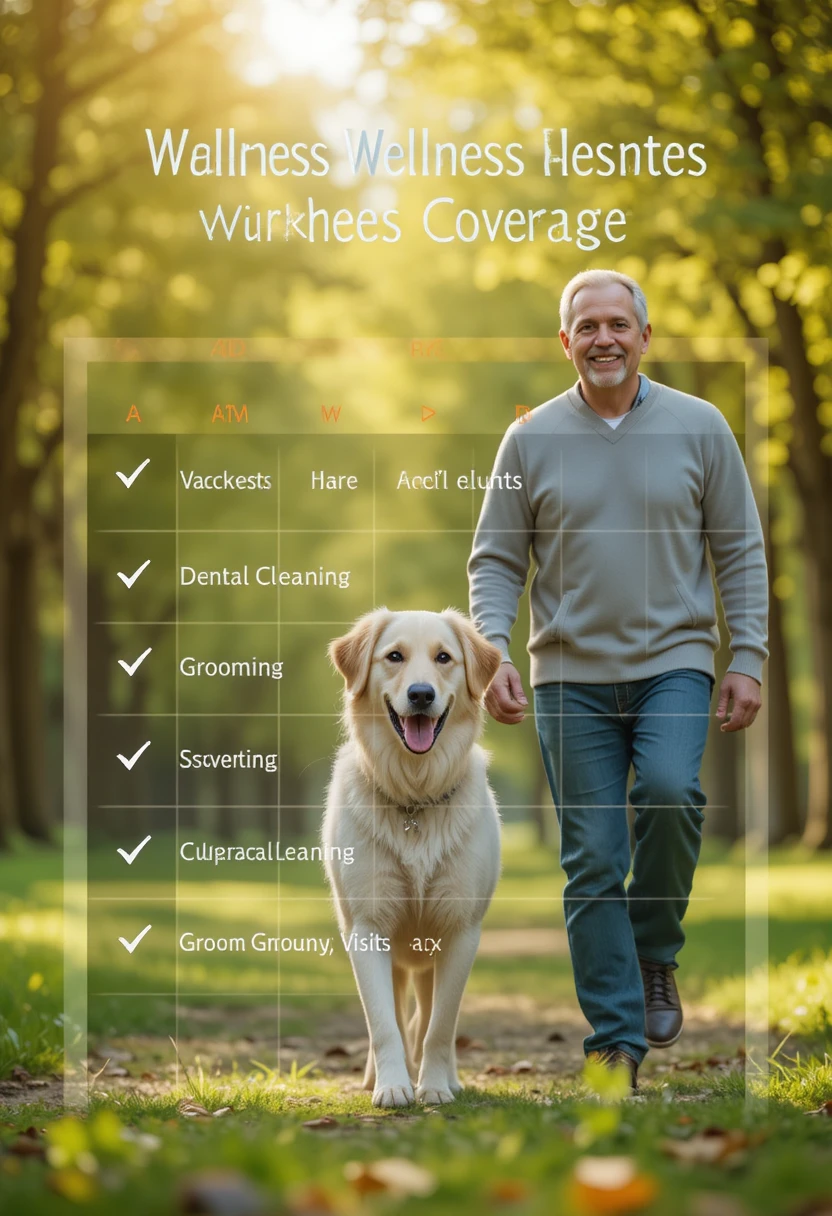
Nationwide is one of the longest running names in the pet insurance space and offers a distinctive “Whole Pet with Wellness” plan that bundles illness, accident, and routine wellness coverage into a single policy rather than separate add ons.
What stands out: Nationwide is also one of the only providers offering coverage for birds and exotic pets alongside dogs and cats through its avian and exotic pet plan.
Where it falls short: Reimbursement is based on a benefit schedule for some plans rather than actual vet bills, which can mean lower payouts than percentage based competitors.
Best for: Owners who want routine and wellness care bundled with major medical coverage.
9. Embrace Pet Insurance: Best for Diminishing Deductibles

Embrace has a standout feature called the “Healthy Pet Deductible,” which lowers your deductible by a set amount every year you don’t file a claim, rewarding preventive care over time.
What stands out: Embrace also covers orthopedic conditions and exam fees as standard, along with a wellness rewards program you can apply toward routine costs.
Where it falls short: There’s an accident waiting period of two days, slightly longer than the zero day waits some competitors offer.
Best for: Owners of young, generally healthy pets who want their deductible to shrink over time.
10. Healthy Paws: Best for Unlimited Lifetime Benefits
Healthy Paws offers unlimited annual and lifetime payouts on every single plan, with no caps on payouts for any condition, which matters enormously if your pet develops a chronic illness that requires years of ongoing treatment.
What stands out: Claims are typically processed within two days, and the company has one of the highest customer satisfaction scores in the industry.
Where it falls short: Healthy Paws doesn’t offer a wellness or routine care add on, and it doesn’t accept new enrollments for pets over a certain age.
Best for: Owners who prioritize unlimited lifetime coverage above all else and are enrolling a younger pet.
11. Fetch Pet Insurance: Best for Dental and Holistic Coverage
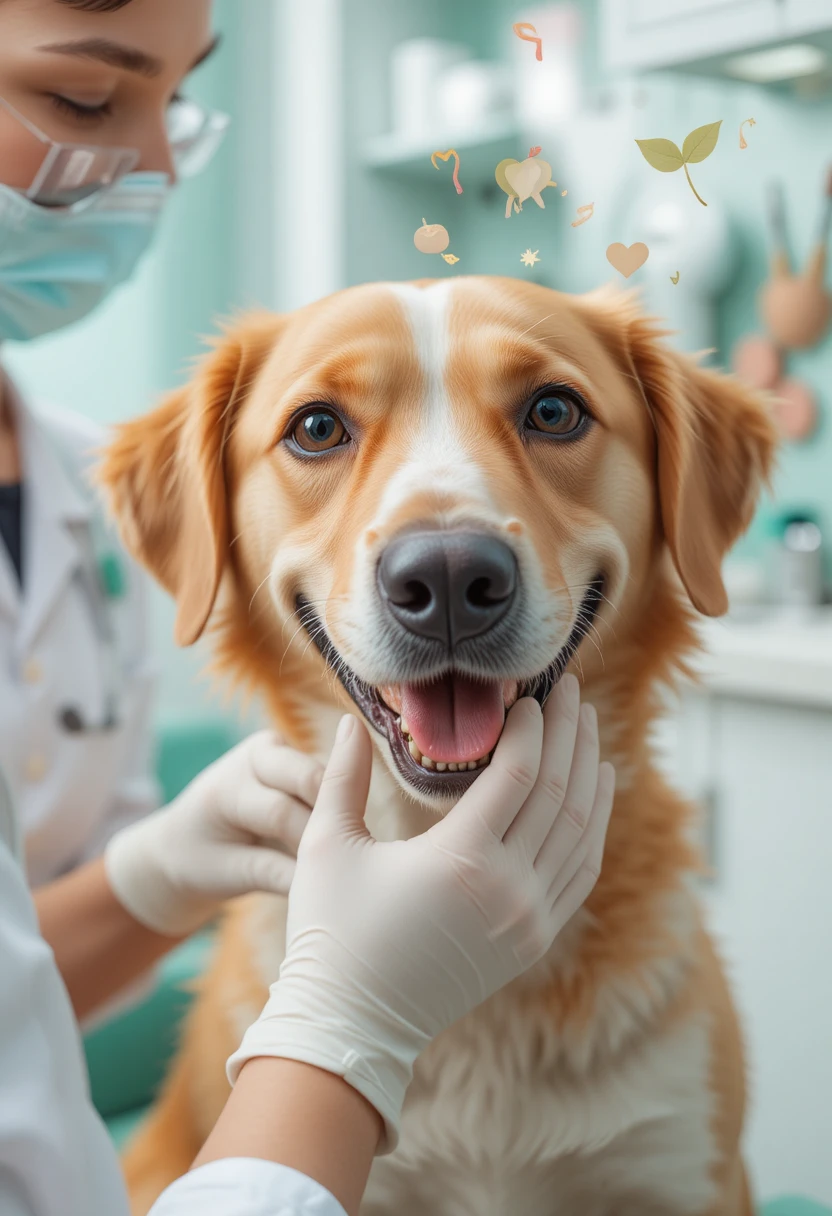
Fetch stands out for its dental illness coverage, which many competitors either exclude entirely or offer only as a pricey add on, along with coverage for exam fees on sick visits and a range of holistic treatments.
What stands out: Fetch offers a 24/7 telehealth vet line included with every policy, useful for late night questions before you decide whether an emergency visit is necessary.
Where it falls short: Premiums run on the higher side, particularly for large breed dogs.
Best for: Owners specifically worried about dental disease or who want holistic care included by default.
12. Prudent Pet: Best Value Plan for Budget Conscious Owners

Prudent Pet’s Essential plan has repeatedly scored as one of the best value options available, combining competitive pricing with genuinely comprehensive coverage rather than a stripped down bare bones policy.
What stands out: Prudent Pet includes an unlimited plan tier at a price point that undercuts several premium competitors, plus a wellness add on for routine costs.
Where it falls short: Customer service reviews are mixed compared to more established names like Pets Best or ASPCA.
Best for: Owners who want the best possible coverage to price ratio without sacrificing comprehensiveness.
13. AKC Pet Insurance: Best for Purebred and Breed Specific Needs

Backed by the American Kennel Club, this provider offers plans tailored with breed specific risk data baked into underwriting, which can be useful for owners of breeds prone to particular hereditary conditions.
What stands out: AKC offers a direct pay option so your vet can be paid straight from the insurer rather than you fronting the bill.
Where it falls short: Coverage options and add ons are somewhat less extensive than newer, tech forward competitors.
Best for: Owners of purebred dogs who want underwriting informed by breed specific health data.
Quick Comparison: Which Pet Insurance Company Fits Your Situation
Rather than trying to declare one single “best” company, here’s how to match your situation to the right pick:
- Want the most complete coverage available: Pumpkin
- Have multiple pets: ASPCA or MetLife
- Want the cheapest solid plan: Pets Best or Prudent Pet
- Want lightning fast claims: Lemonade
- Want maximum reimbursement flexibility: Figo
- Have an older or chronically ill pet: Spot or Healthy Paws
- Own exotic pets: MetLife or Nationwide
- Worried about dental disease: Fetch
- Want your deductible to shrink over time: Embrace
- Own a purebred dog: AKC
What Pet Insurance Typically Does Not Cover
Even the most generous plans share common exclusions worth knowing before you sign up:
Pre existing conditions are excluded almost universally, meaning any symptom or diagnosis that appeared before your policy’s effective date, or during the waiting period, generally won’t be covered. Cosmetic procedures like tail docking or ear cropping are typically excluded. Breeding related costs, including pregnancy and whelping, are usually not covered. Preventive and routine care such as annual exams, vaccines, and flea prevention require a separate wellness add on with most providers, since standard accident and illness plans are built around unexpected medical events rather than routine upkeep.
How Much Does Pet Insurance Actually Cost
Your premium depends heavily on your pet’s species, breed, age, and your location, along with the deductible, reimbursement rate, and annual limit you choose. As a general guide, dog insurance tends to average somewhere in the $60 to $85 monthly range, while cat insurance often runs closer to $30 to $45 monthly, though your specific quote could land well outside those ranges depending on your pet and where you live.
The biggest cost lever you control is your deductible and reimbursement percentage. A higher deductible and lower reimbursement rate will shrink your monthly premium, but it also means you’ll be paying more out of pocket when you actually file a claim. It’s worth running quotes at a few different configurations before deciding, since the “cheapest looking” monthly premium isn’t always the best value once you account for what you’d owe during an actual emergency.
Frequently Asked Questions About Pet Insurance
Is pet insurance worth it?
For most owners, yes, particularly if you’d struggle to pay a sudden four figure or five figure vet bill in cash. Even owners who never file a major claim often say the peace of mind alone justified the monthly cost.
What age should I insure my pet?
The earlier the better. Enrolling a young, healthy puppy or kitten means fewer pre existing conditions will exist on their record, and premiums are typically lower while they’re young.
Does pet insurance cover pre existing conditions?
Almost never, with rare exceptions for conditions that can be considered “cured” after a certain waiting period, such as some past injuries. Chronic or ongoing conditions will not be covered once diagnosed.
Can I use any veterinarian?
Yes, virtually all pet insurance companies let you visit any licensed veterinarian, unlike human health insurance networks. Some also offer optional direct vet payment so you don’t have to front the bill.
How long is the waiting period before coverage starts?
This varies by provider and by condition type. Accidents are often covered within a couple of days, while illnesses typically require a two week waiting period, and specific conditions like cruciate ligament injuries can carry waiting periods of six months or more with some insurers.
Final Thoughts:
There’s no single “best” pet insurance company for every pet owner, and honestly, that’s a good thing. It means you have real options depending on what matters most to your household, whether that’s rock bottom pricing, unlimited lifetime payouts, lightning fast claims, or coverage for an exotic species most insurers ignore.
The smartest approach is to gather quotes from at least two or three of the providers above using the same deductible, reimbursement rate, and annual limit, so you’re comparing true apples to apples pricing rather than being swayed by a lowball quote that hides a much thinner benefit. Read the sample policy documents, check what’s excluded, and confirm the waiting periods before you commit.