
Your cat used to leap onto the counter without a second thought. Now she pauses at the bottom, calculates the jump, and sometimes just walks away instead. If you’ve noticed little shifts like this, you’re not imagining things, and you’re definitely not alone. Senior cats go through real physical and behavioral changes, and knowing what to watch for (and what to adjust at home) can add genuinely comfortable, happy years to your cat’s life.
This guide walks through 16+ practical senior cat care tips covering health monitoring, diet, mobility, mental wellbeing, and the small home adjustments that make a bigger difference than most owners expect. Keep reading through the mobility section. Tip number nine is the one most senior cat owners don’t think about until their cat is already struggling.
Save this guide so you have it on hand as your cat moves through their golden years.
When Is a Cat Considered “Senior”?
The American Association of Feline Practitioners considers cats seven years and older to be senior, which surprises a lot of owners who picture a much older cat when they hear the word “senior.” At this stage, your cat’s body starts changing in ways that are often subtle at first: slightly less muscle tone, a bit more stiffness after naps, maybe a little pickier about food. None of this means your cat’s best years are behind them. It just means their care needs start shifting, and the sooner you adjust, the more comfortable those years will be.
16+ Senior Cat Care Tips Every Owner Should Know
1. Schedule Twice Yearly Vet Checkups

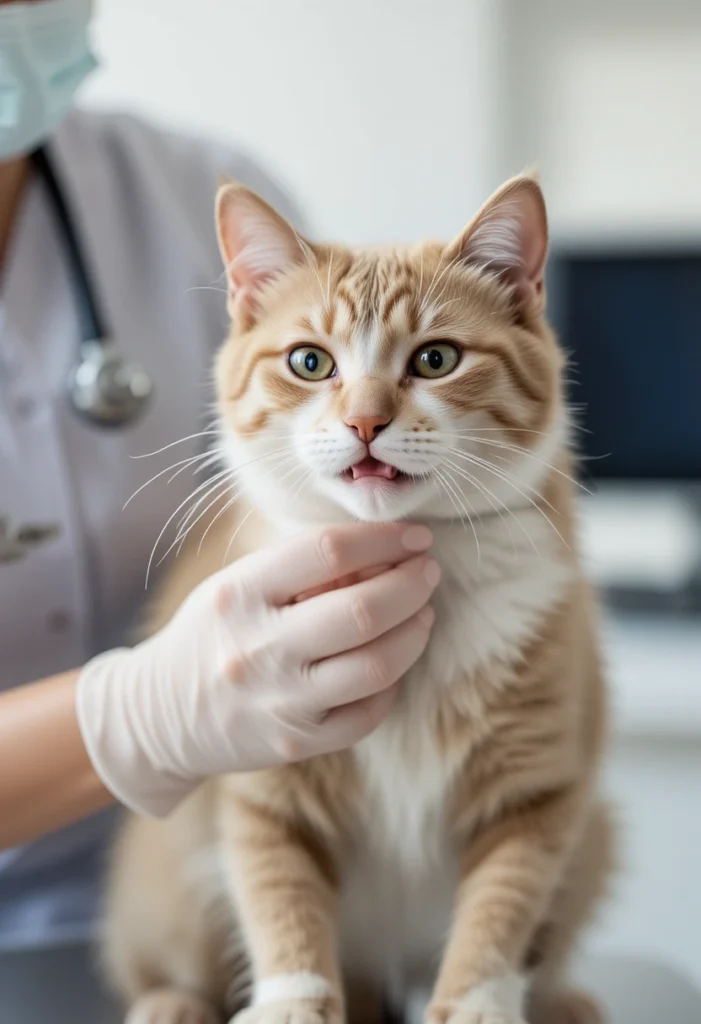
Senior cats benefit from veterinarian checkups at least twice a year rather than the once a year visit that works fine for younger adult cats. Cats age faster than people, so a checkup every six months for cats between ten and fifteen years old catches problems while they’re still manageable. These visits let your vet track subtle changes in weight, bloodwork, and mobility before they become serious.
Read Also: How to Groom a Dog at Home: The Complete Step-by-Step Guide
2. Watch Closely for Weight Loss
Weight loss is often one of the very first signs of illness in senior cats, and it can happen even if your cat is eating the same amount or more than usual, particularly with conditions like hyperthyroidism or diabetes. Weight loss in older cats can also point to kidney disease, gastrointestinal cancers, or dental disease that makes eating painful. Any noticeable drop deserves a vet visit rather than a wait and see approach.
3. Don’t Ignore Weight Gain Either
It’s easy to assume weight loss is the only concern with aging cats, but weight gain can also occur in senior cats when calorie intake stays the same while activity levels drop, and extra weight raises the risk of several other health problems. Keeping an eye on body condition in both directions matters just as much as watching the number on the scale.
4. Adjust Their Diet for Senior Needs
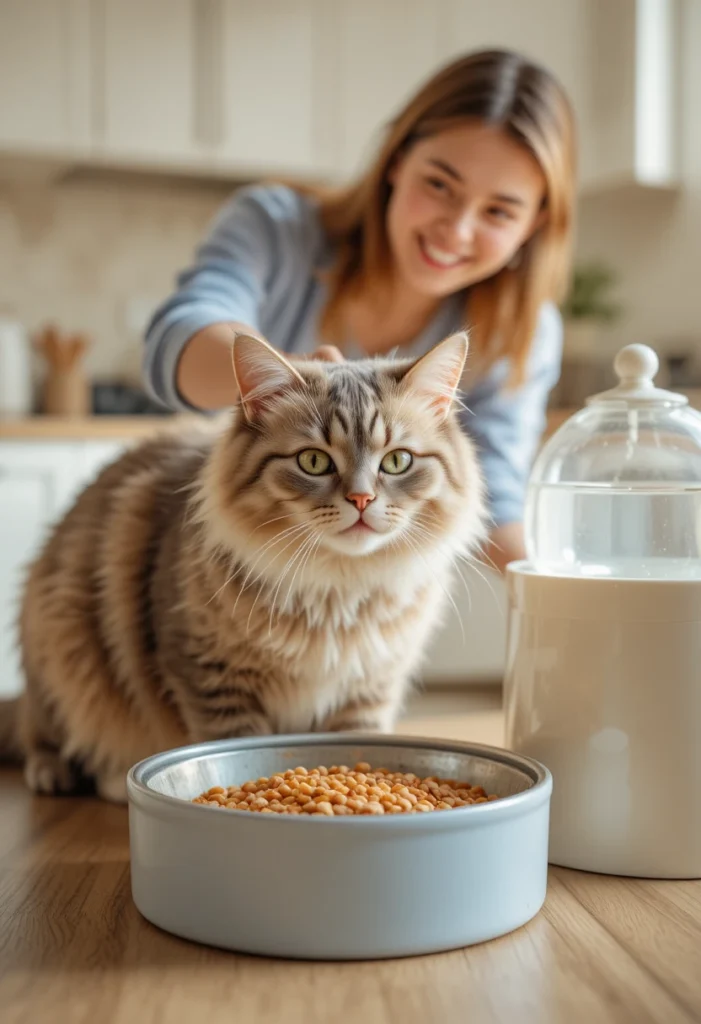
As cats age, they typically become less active and need fewer calories than they did as younger adults, so a food formulated for their life stage can help maintain a healthy weight. If your cat is doing well on their current adult food, it’s often fine to keep them on it, but staying in close contact with your vet about any specific nutritional needs is important, especially if an illness is involved.
5. Make Meals More Appealing if Appetite Drops
If your senior cat’s appetite decreases, switching from kibble to wet food, warming the food slightly, or offering a stronger flavor like fish can encourage them to eat. Feeding several smaller meals throughout the day instead of one large serving can also ease digestion for a cat whose system has slowed down.
6. Prioritize Dental Care
Brushing your senior cat’s teeth at home with a cat safe toothbrush and toothpaste helps prevent gum disease and other mouth issues, and regular professional cleanings matter too. Dental pain is an easy thing to miss, but it’s a common hidden cause of reduced appetite in older cats.
7. Provide Raised Food and Water Bowls
Raised food and water bowls help cats with degenerative joint disease avoid having to bend down uncomfortably to eat and drink, which can make mealtimes noticeably more comfortable for a cat dealing with arthritis.
8. Add Steps or Ramps for Favorite Spots
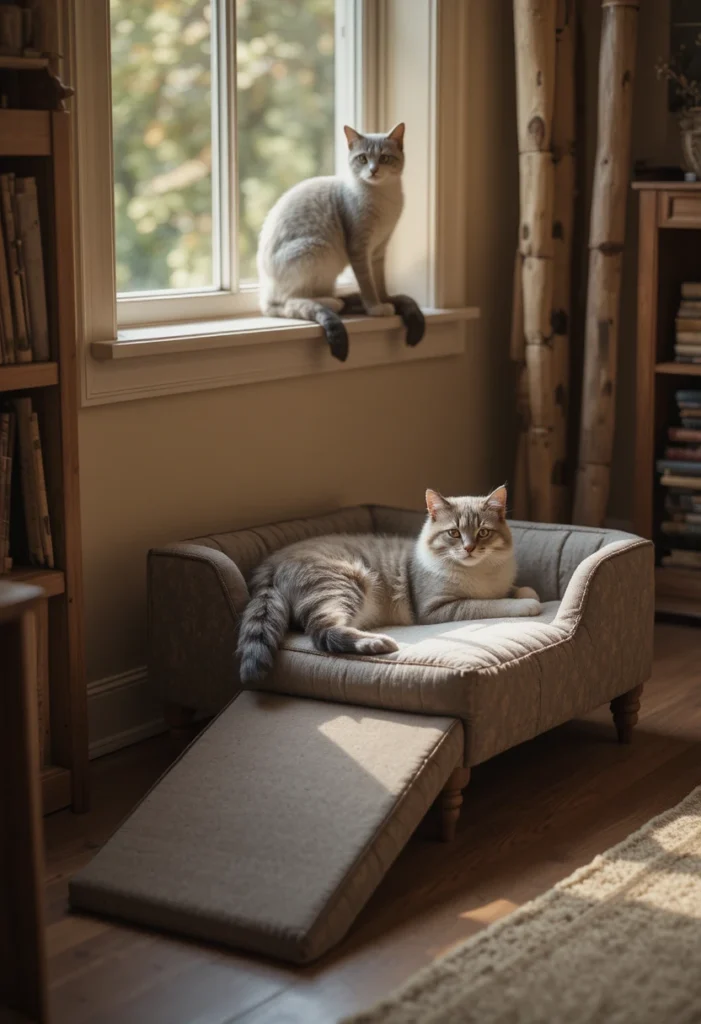
If your cat is having trouble jumping up to a favorite windowsill or bed, adding steps or a ramp gives them access again without the strain on aging joints. This one small change often restores access to a spot your cat used to love but had quietly given up on.
9. Upgrade Their Bedding
Older cats often need extra padding and warmth for comfort, so providing soft bedding at their preferred resting spots is a simple, high impact change. Look for orthopedic style cat beds in the areas where your cat naturally spends the most time.
10. Place Resources in Multiple Locations
Spreading food, water, litter boxes, and bedding across multiple locations in your home means your cat doesn’t need to travel far or navigate stairs repeatedly just to access their basic needs. This matters even more in multi level homes.
11. Keep Up with Grooming
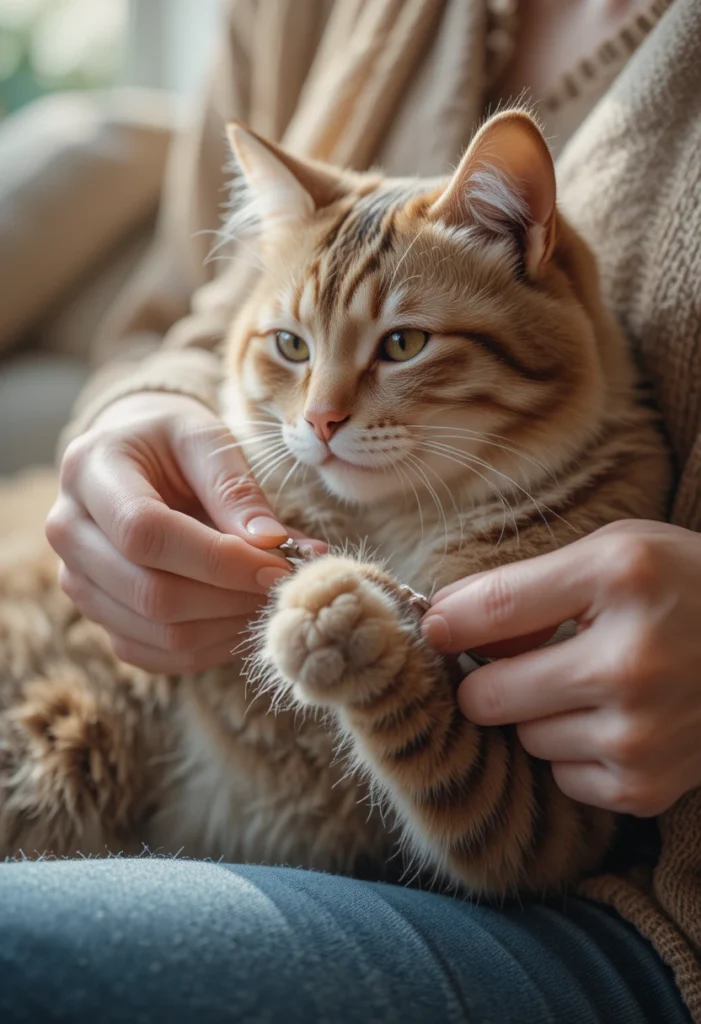
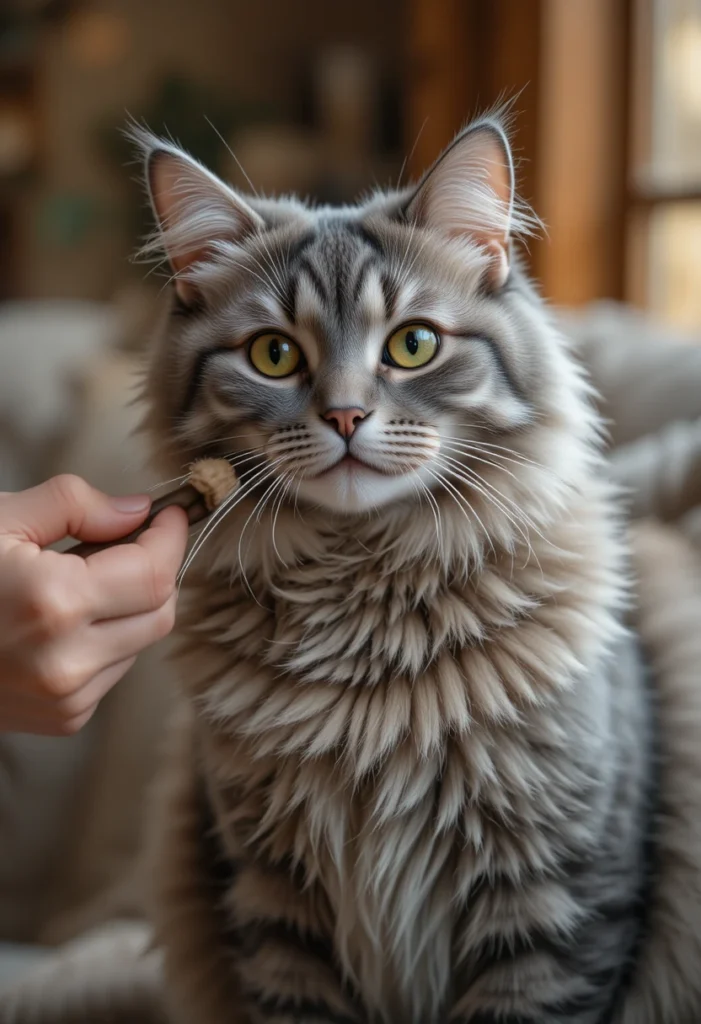
Gently brushing or combing your senior cat helps since they often struggle to groom themselves as thoroughly as they used to, and keeping nails trimmed prevents overgrowth. Overgrown nails on an arthritic senior cat can curl into the paw pad, which is genuinely painful, so regular trims are more than a cosmetic step.
12. Watch for Mobility and Arthritis Signs
Stiffness after sleeping, hesitation before jumping, or a noticeable change in how your cat moves around the house are common signs of joint discomfort. Combined with the environmental adjustments above (ramps, raised bowls, soft bedding), a conversation with your vet about pain management options can meaningfully improve your cat’s comfort.
13. Encourage Hydration
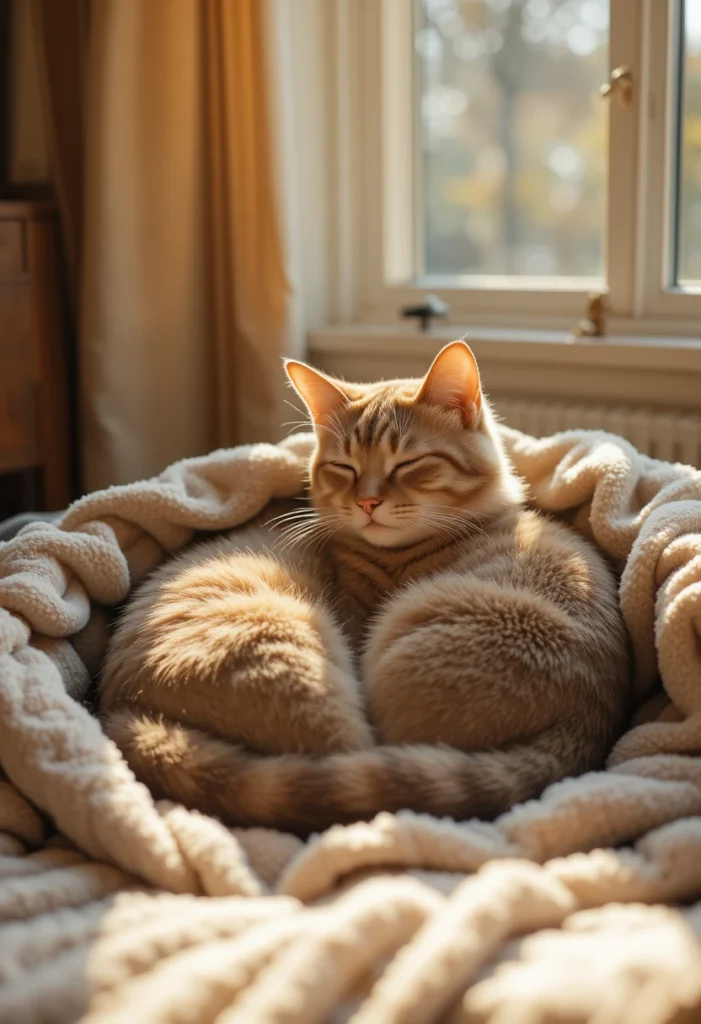
Older cats, especially those with kidney concerns, benefit from extra encouragement to drink. Wet food, multiple water stations, and a cat water fountain can all help keep hydration levels up, which supports kidney function and overall comfort.
14. Maintain a Consistent Routine
Keeping a consistent daily routine matters for senior cats, since predictability reduces stress, and stress can worsen appetite loss and general wellbeing in an aging cat. Try to keep feeding times, litter box locations, and household patterns as stable as possible.
15. Pay Attention to Behavior Changes
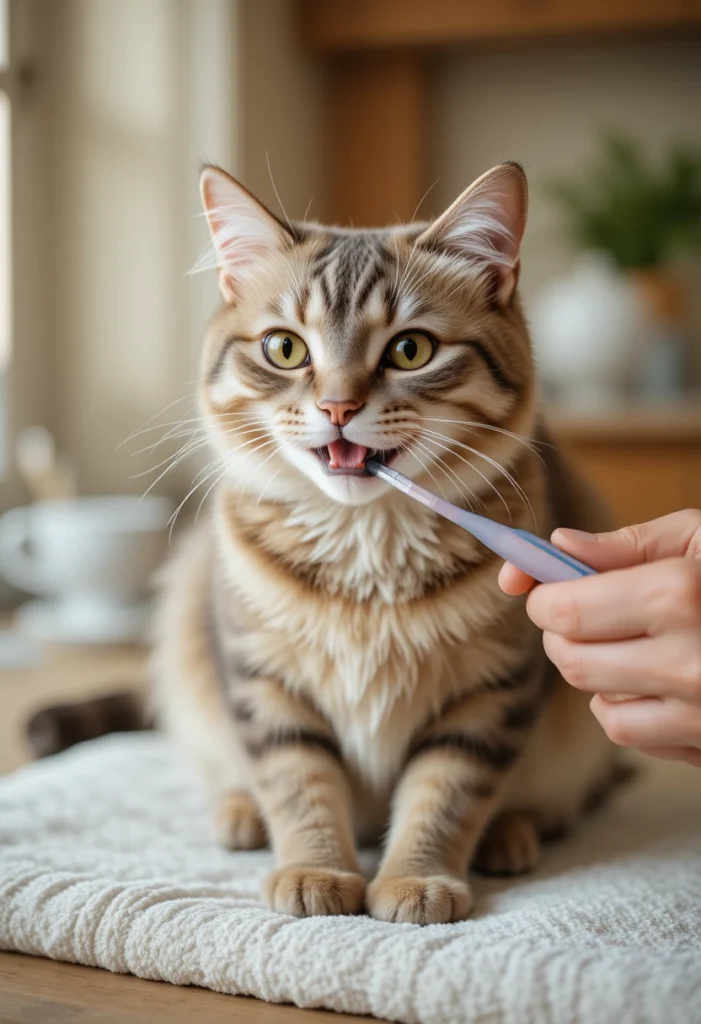
Your cat’s temperament may shift as they age, and a once independent cat may suddenly want to be near you constantly. Increased vocalization, new anxiety, or unusual clinginess are all worth mentioning to your vet, since they can sometimes point to cognitive changes or underlying discomfort rather than just a personality shift.
16. Keep Their Mind Engaged
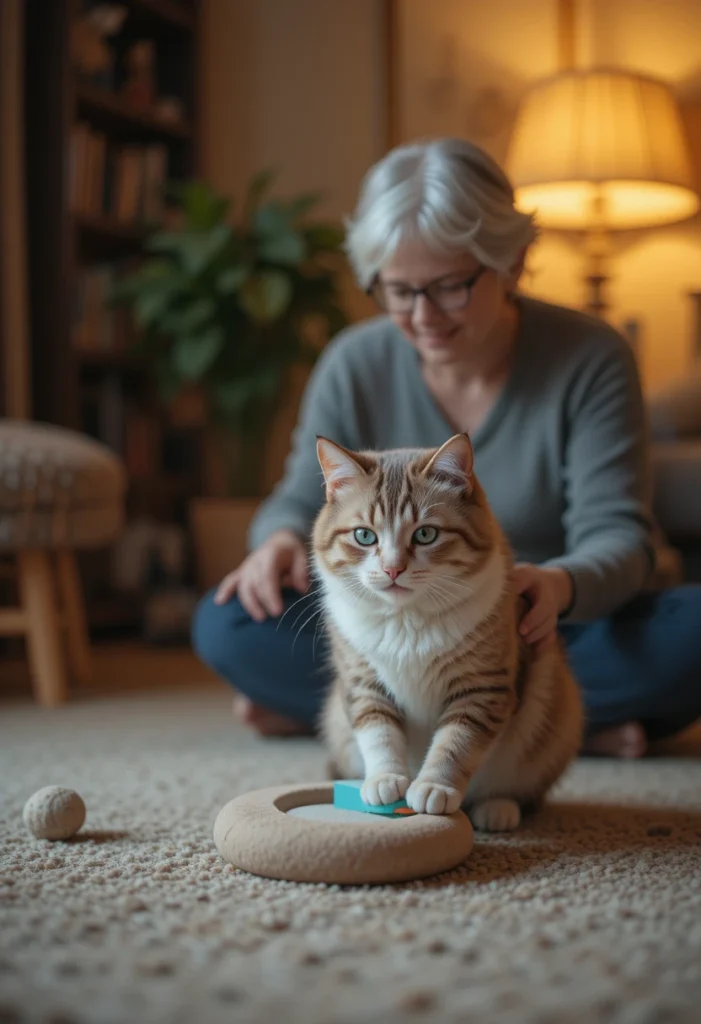
Mental stimulation matters just as much as physical comfort. Gentle interactive play, puzzle feeders, and simple environmental enrichment help keep an aging cat’s mind active, which supports overall quality of life even as physical activity naturally slows down.
17. Reduce Stress Around Vet Visits
Getting your cat comfortable with their carrier ahead of time, and allowing plenty of time to arrive at the vet unhurried, helps reduce the stress of checkups, and asking whether the clinic offers a cat only waiting area or the option to go straight to the exam room can further ease anxiety for an older cat who doesn’t handle stress as easily as they once did.
18. Give Them Patience, Attention, and Plenty of Love
The most important thing you can do for your senior cat is give them plenty of love, and be patient with them as they navigate age related changes, bringing them to the vet whenever something feels off rather than waiting to see if it resolves on its own.
Common Health Conditions to Watch For
Being aware of the conditions senior cats are more prone to helps you catch problems early rather than after they’ve progressed.
- Kidney disease. One of the most common conditions in aging cats, often first noticed through increased thirst and urination.
- Hyperthyroidism. Can cause weight loss despite a normal or increased appetite.
- Diabetes. Often shows up alongside changes in thirst, urination, and weight.
- Arthritis. Extremely common in senior cats and frequently underdiagnosed since cats hide pain well.
- Dental disease. A frequent hidden cause of reduced appetite and discomfort while eating.
- Cognitive decline. Can show up as confusion, increased vocalization, or changes in sleep patterns.
Your vet will check for conditions like arthritis, kidney disease, diabetes, and dental issues during regular senior wellness visits, which is exactly why those twice yearly checkups matter so much more once your cat crosses into their senior years.
Planning for the Cost of Senior Cat Care
Veterinary costs tend to climb as cats age, simply because more monitoring and more treatment options come into play. Pet insurance offers real peace of mind by helping you afford whatever treatment your cat needs, so you can focus on their recovery instead of the bill, though it’s best purchased while your cat is still young and healthy, since most insurers won’t cover preexisting conditions once your cat is already older. If your cat is already a senior and uninsured, it’s still worth shopping around, since some policies are more accommodating of older pets than others, as long as you check the fine print carefully.
Frequently Asked Questions
At what age is a cat considered senior?
Most veterinary guidance considers cats seven years and older to be senior, though many cats don’t show noticeable signs of aging until closer to ten or eleven.
How often should a senior cat see the vet?
Senior cats between ten and fifteen years old generally benefit from a checkup every six months, and even more frequent visits may be recommended for cats with an existing health condition.
Why is my senior cat suddenly more clingy?
A shift toward wanting to be closer to you is a common behavior change in aging cats, though it’s worth mentioning to your vet, since increased clinginess can sometimes accompany cognitive changes or discomfort.
Should I switch my senior cat’s food even if they seem healthy?
If your cat is doing well on their current adult food, it’s often fine to continue it, but staying in touch with your vet ensures any emerging needs, like kidney support or weight management, are addressed early.
The Bottom Line
Caring for a senior cat isn’t about one dramatic change. It’s a series of small, thoughtful adjustments: a ramp here, a raised bowl there, an extra vet visit twice a year instead of once, and a lot of patience as your cat’s needs shift. None of these tips require expensive renovations or complicated routines, but together they make a real difference in how comfortable your cat’s later years actually feel.
If you take away just one thing from this guide, let it be this: subtle changes, a little more stiffness, a little less appetite, a little more clinginess, are worth mentioning to your vet rather than writing off as “just getting old.” Early attention is what turns a senior cat’s golden years into genuinely golden ones.