
You’ve probably met a dog that seemed to read your mind. It anticipated the walk before you grabbed the leash. It “asked” to go out by tapping a bell. It learned a brand-new trick after watching you do it just once. That’s not luck that’s brainpower, and some breeds have it in spades.
If you’re choosing a puppy, trying to figure out why your dog keeps outsmarting your babyproofing, or just love a good ranking, this guide breaks down the 12+ smartest dog breeds in the world, based on decades of canine cognition research and real-world working performance. We’ll also cover what “smart” actually means for a dog, the tradeoffs of owning a genius breed, and how to keep that big brain from getting bored (and destructive).
Here’s the thing: intelligence isn’t one-size-fits-all in dogs, and the breed at #7 on this list is proof that smart doesn’t always mean obedient.
How We Ranked Canine Intelligence
Dog cognition researcher Dr. Stanley Coren popularized the framework most trainers and behaviorists still use today, and it breaks canine smarts into three categories:
- Instinctive intelligence — what a breed was originally bred to do (herding, retrieving, guarding, scenting).
- Adaptive intelligence — a dog’s ability to solve problems on its own, without human instruction.
- Working and obedience intelligence — how quickly a dog learns new commands and how reliably it obeys them.
This ranking leans heavily on that third category, since it’s ethe most measurable and the one most owners actually care about day to day, but instinctive and adaptive smarts get called out for every breed below too. A dog that’s fast to train isn’t always the same dog that’s fast to problem-solve on its own and that distinction matters more than most rankings admit.
The 12+ Smartest Dog Breeds, Ranked
1. Border Collie
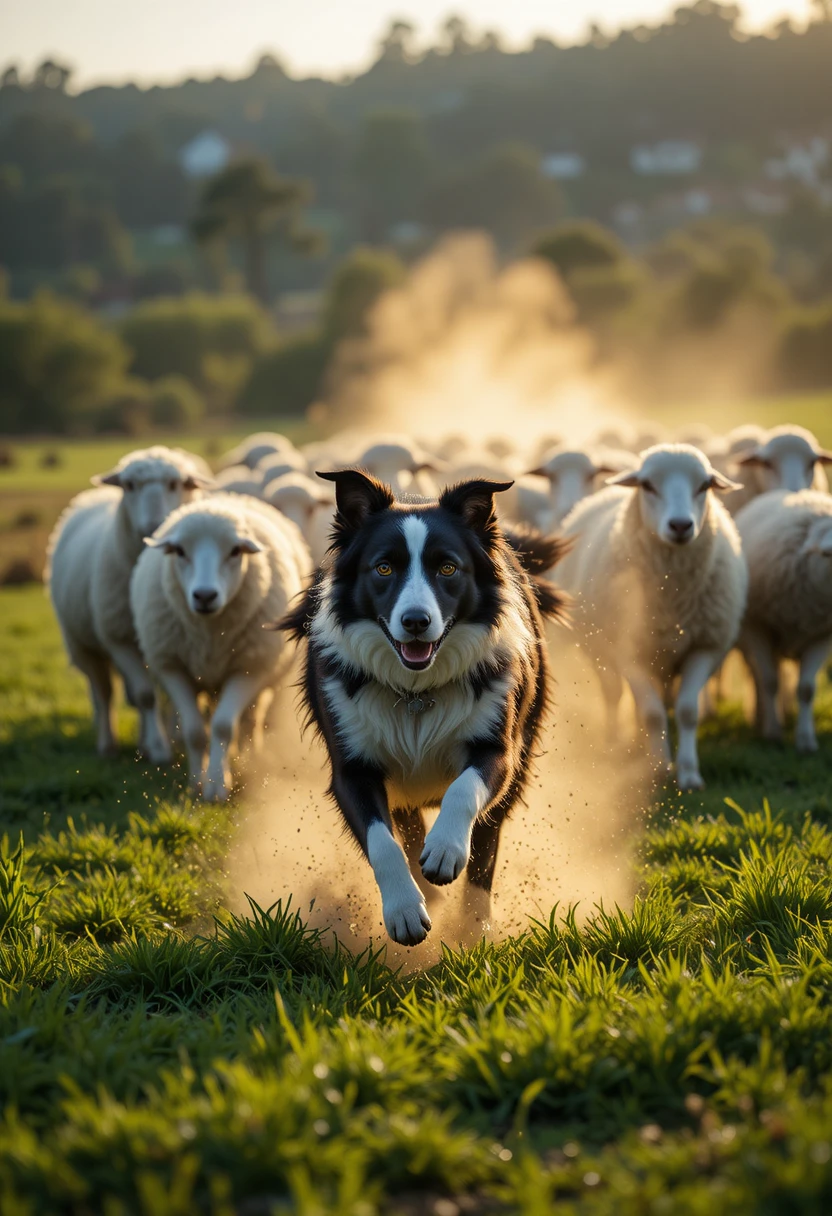
The Border Collie tops nearly every intelligence list ever published, and for good reason. Bred to herd sheep across miles of open Scottish hillside with almost no direct instruction, this breed developed an extraordinary capacity for reading subtle cues and making independent decisions. Border Collies have been documented learning brand-new commands in under five repetitions and recognizing hundreds of distinct object names.
Quick take: Best for active owners who can match this breed’s need for a job. A bored Border Collie will find its own “job,” and you probably won’t love it.
2. Poodle

Don’t let the fancy haircut fool you the Poodle (Standard, Miniature, and Toy alike) is one of the most trainable breeds on the planet. Originally bred as a water retriever, Poodles combine sharp problem-solving with an eager-to-please streak that makes them a favorite in obedience and agility rings.
Quick take: Great for owners who want a highly trainable dog in a low-shedding coat.
3. German Shepherd
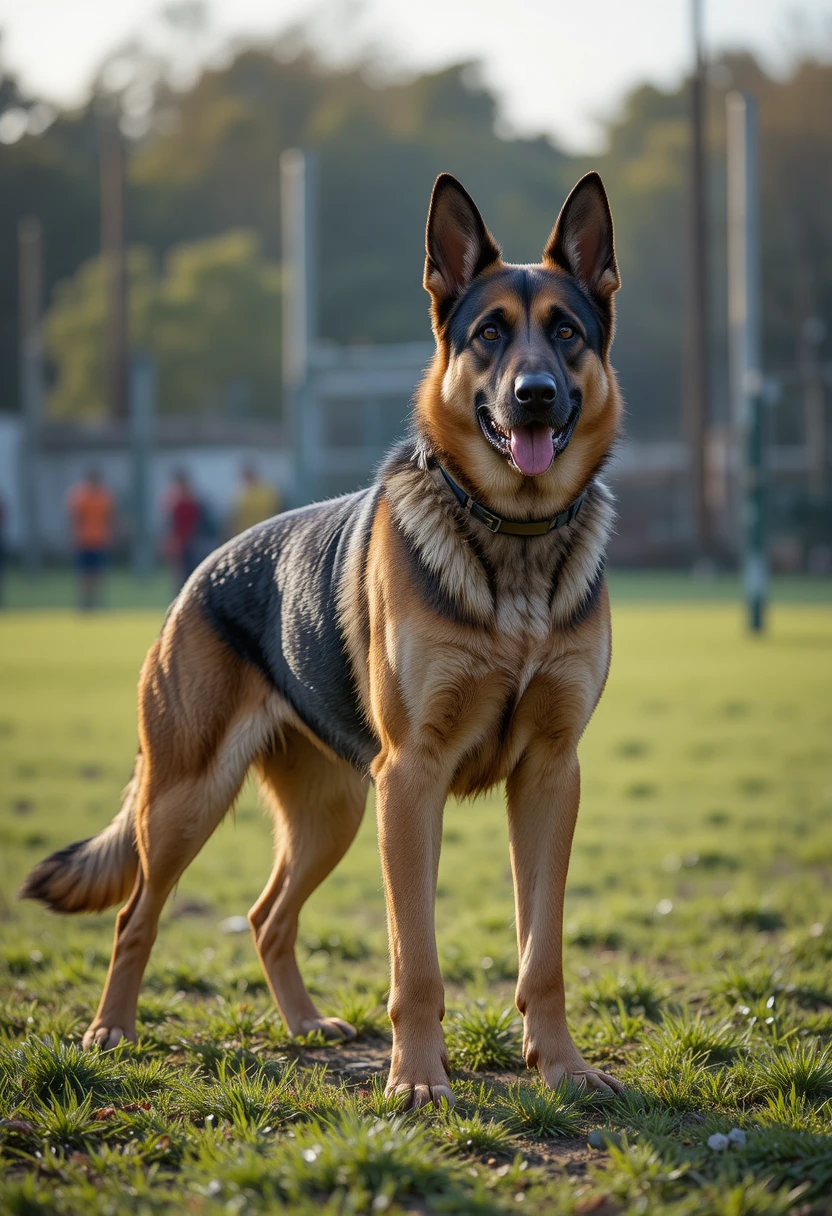
German Shepherds built their reputation the hard way through decades of police work, military service, search-and-rescue missions, and guide-dog training. This breed pairs quick learning with genuine problem-solving under pressure, which is exactly why it’s the go-to choice for jobs where a mistake actually matters.
Quick take: Best for experienced owners ready to provide structured training and daily mental work.
4. Golden Retriever

Here’s the one that surprises people: Golden Retrievers aren’t just friendly, they’re genuinely brilliant. Their combination of trainability and biddability (a fancy word for “eager to do what you ask”) makes them one of the top breeds for therapy work, service dog roles, and competitive obedience.
Quick take: Best all-around family dog on this list smart, gentle, and easy to live with.
Read Also: Pets Nestly
5. Doberman Pinscher
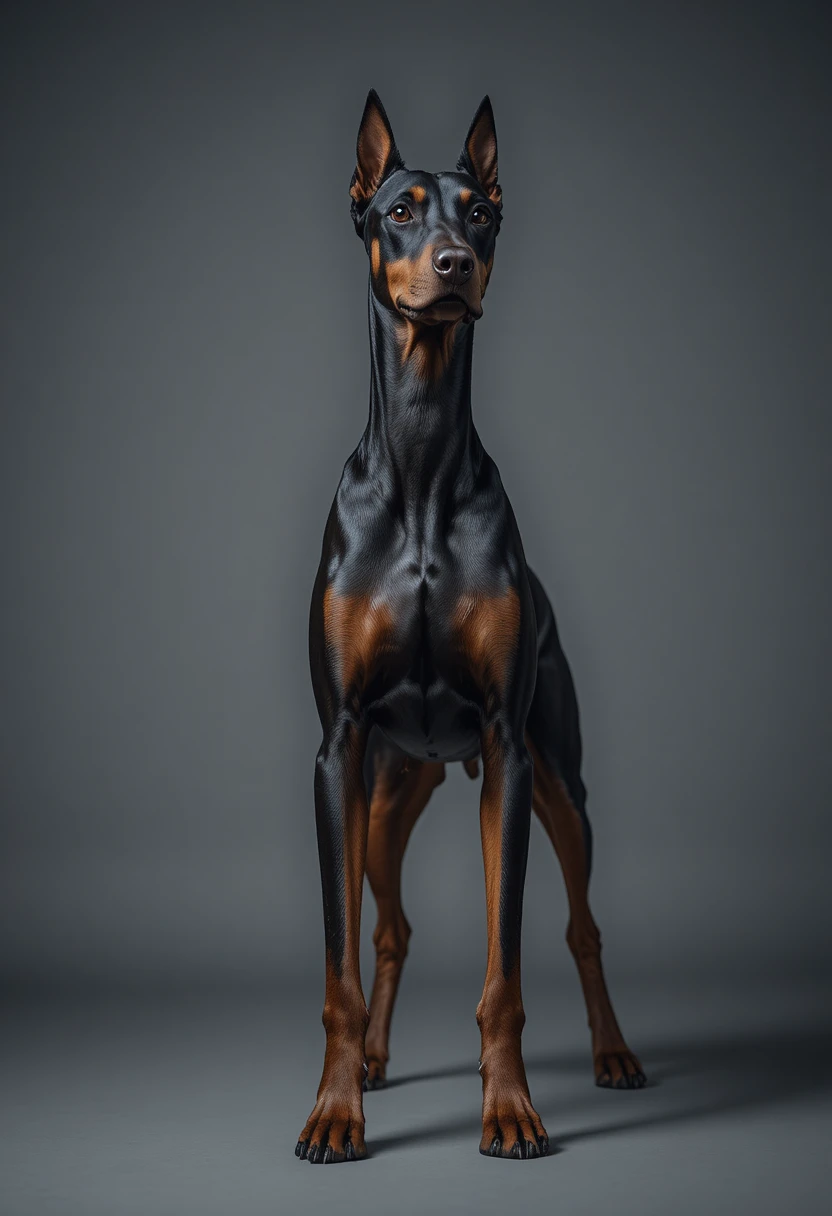
Bred specifically as a personal protection dog in the 1890s, the Doberman had to be smart enough to make split-second judgment calls. That instinctive intelligence, combined with strong obedience training, makes this breed one of the sharpest and most misunderstood on any list.
Quick take: Best for confident owners who want a dog that’s equal parts loyal, athletic, and mentally engaged.
6. Shetland Sheepdog
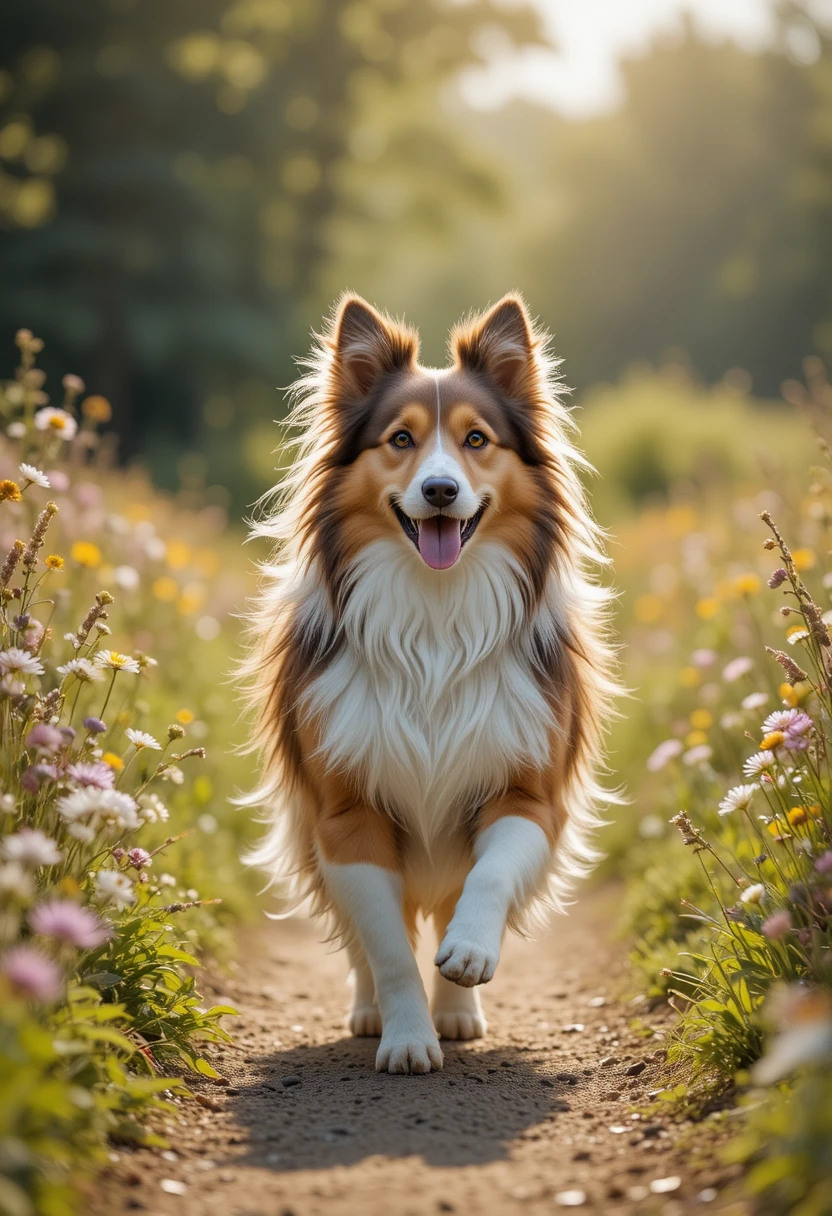
A “Collie in miniature,” the Shetland Sheepdog (or Sheltie) packs serious brainpower into a compact frame. Originally used to herd sheep and ponies across the rugged terrain of the Shetland Islands, this breed excels in agility, obedience, and trick training.
Quick take: Ideal for apartment or small-home owners who still want a dog capable of advanced training.
7. Labrador Retriever
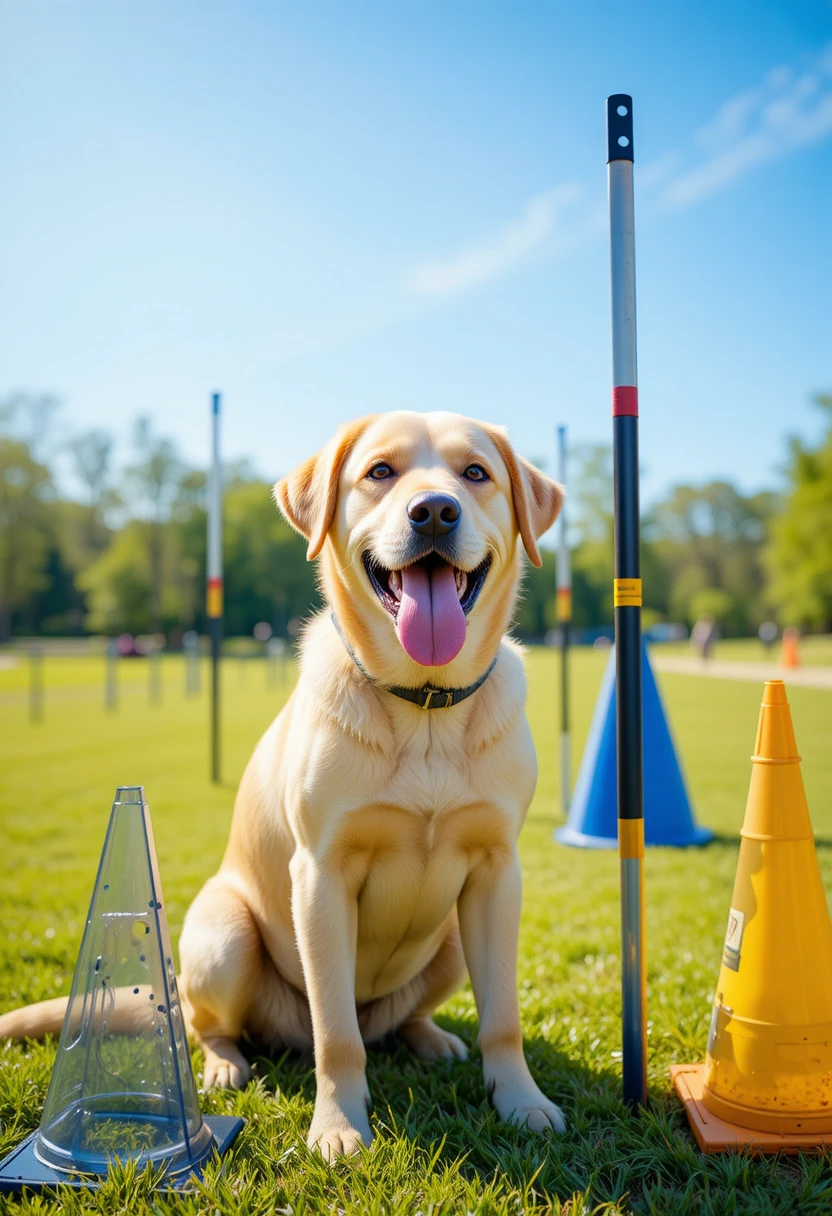
The most popular breed in the U.S. isn’t just popular for its personality — Labs are genuinely quick learners. That’s exactly why they dominate roles as service dogs, search-and-rescue partners, and detection dogs for police and airport security. Smart doesn’t always mean well-behaved, though a Lab’s intelligence paired with high energy can mean a counter-surfing, shoe-stealing genius if that brain isn’t given a job.
8. Papillon
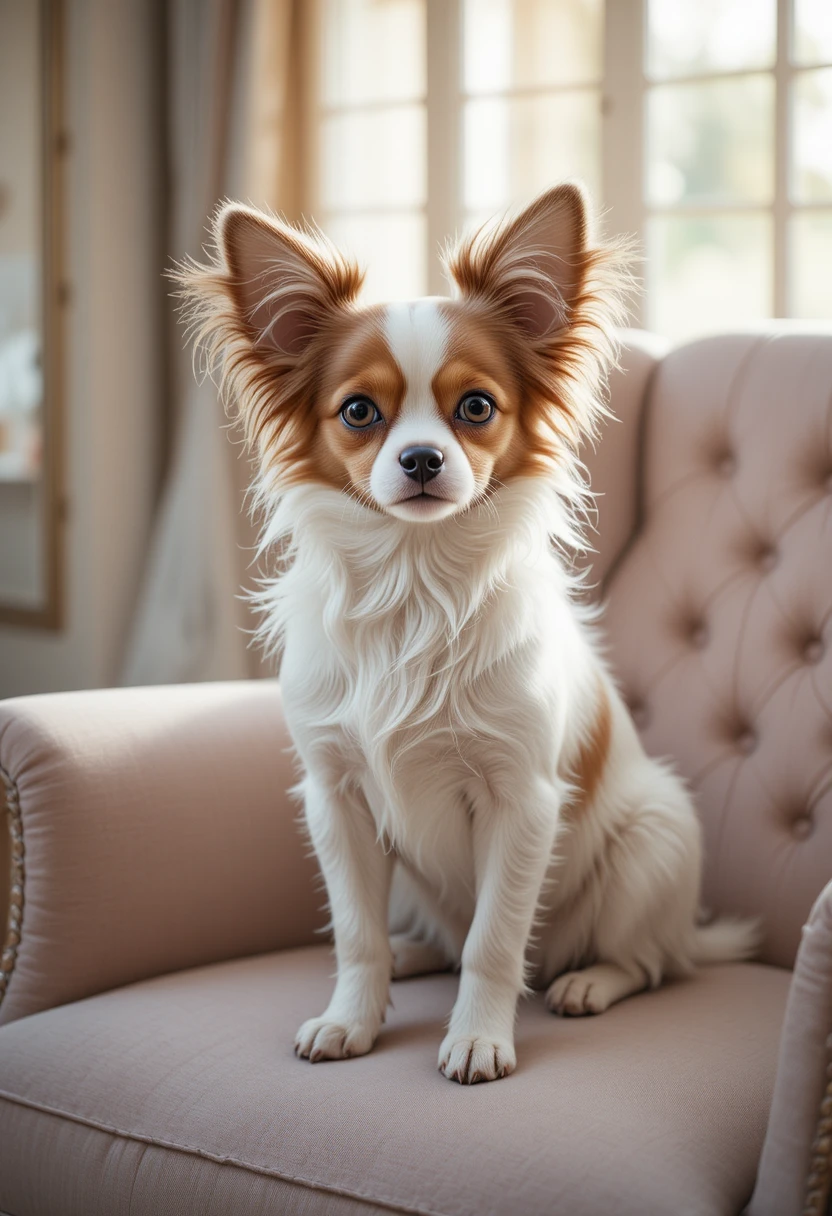
The only Toy Group breed to consistently crack the top 10, the Papillon is proof that intelligence isn’t about size. These butterfly-eared dogs are fast learners and top performers in agility competitions, regularly outscoring far larger breeds.
Quick take: Perfect for owners who want big-dog smarts in a small-dog body.
9. Rottweiler
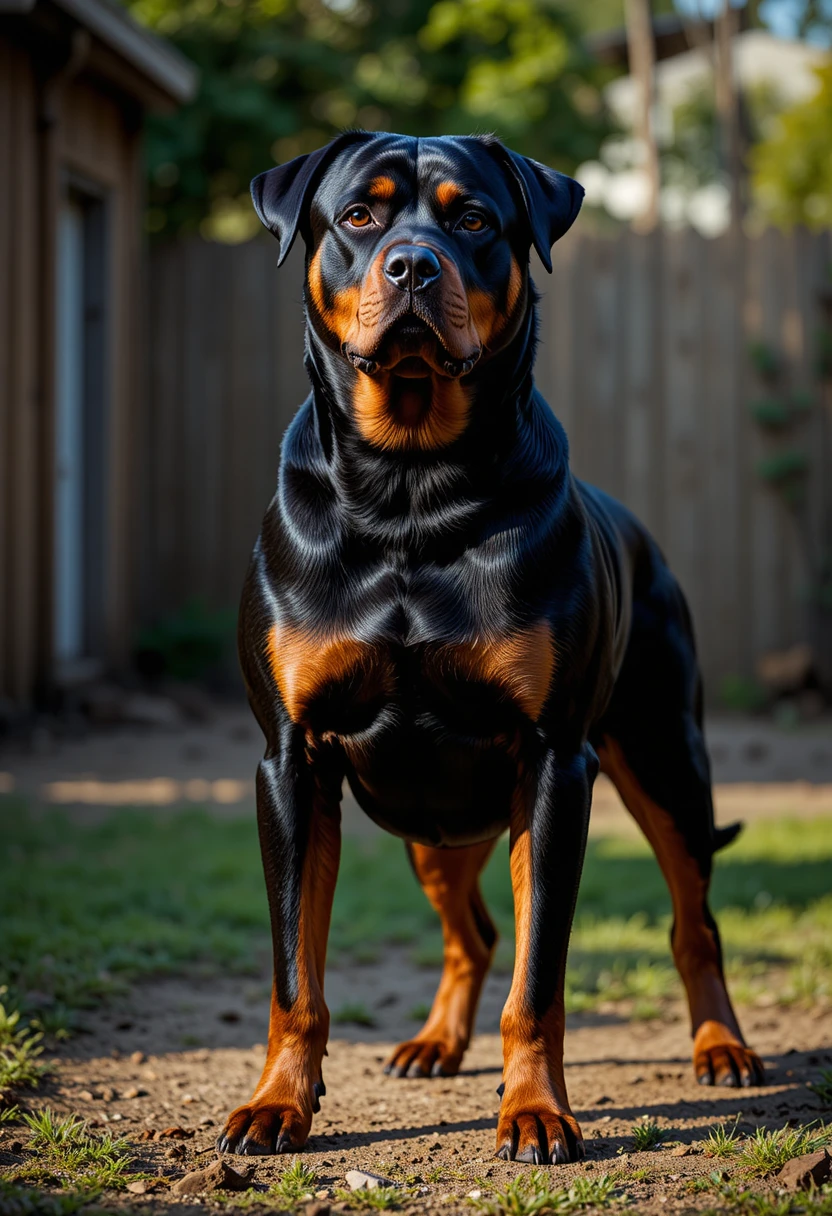
Rottweilers descend from Roman cattle-driving dogs, and that working heritage shows. This breed is a confident, deliberate thinker Rotties tend to assess a situation before acting, which reads as calm intelligence rather than frantic energy.
10. Australian Cattle Dog

Also known as the Blue or Red Heeler, the Australian Cattle Dog was bred to move stubborn cattle across the Outback a job that demands constant, independent problem-solving. This breed is tenacious, endlessly energetic, and needs a serious outlet for its brainpower.
11. Pembroke Welsh Corgi
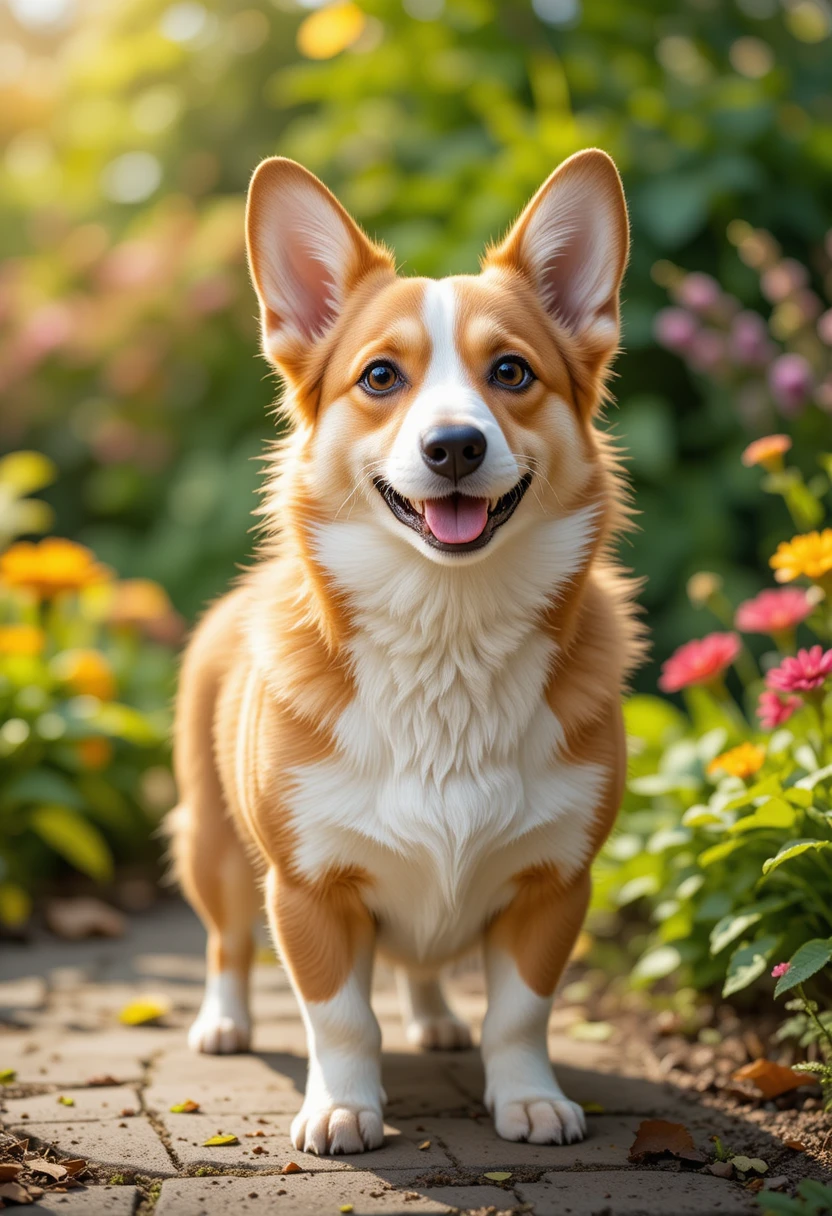
Don’t underestimate the short legs. Corgis were bred to herd livestock many times their size by nipping at heels and outmaneuvering the herd a job that requires quick thinking and confidence. This breed remains one of the sharpest in the Herding Group.
Quick take: Great for owners who want herding-dog smarts without a herding-dog size.
12. Belgian Malinois
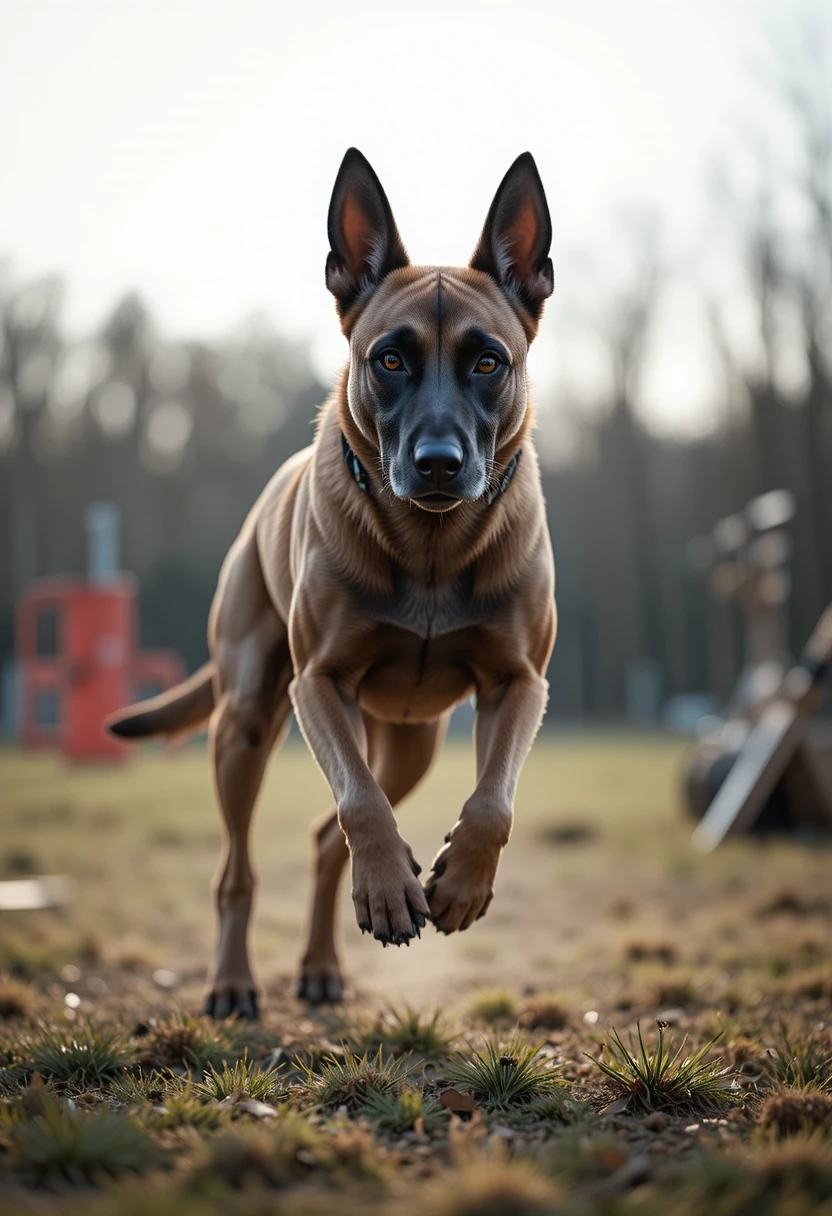
Increasingly the breed of choice for military and police K9 units (often edging out the German Shepherd in recent decades), the Belgian Malinois combines extreme trainability with intense drive. This is a dog that learns fast and never seems to run out of energy to apply it.
Quick take: Best for highly experienced owners or working homes this is not a first-time-dog-owner breed.
13. Australian Shepherd
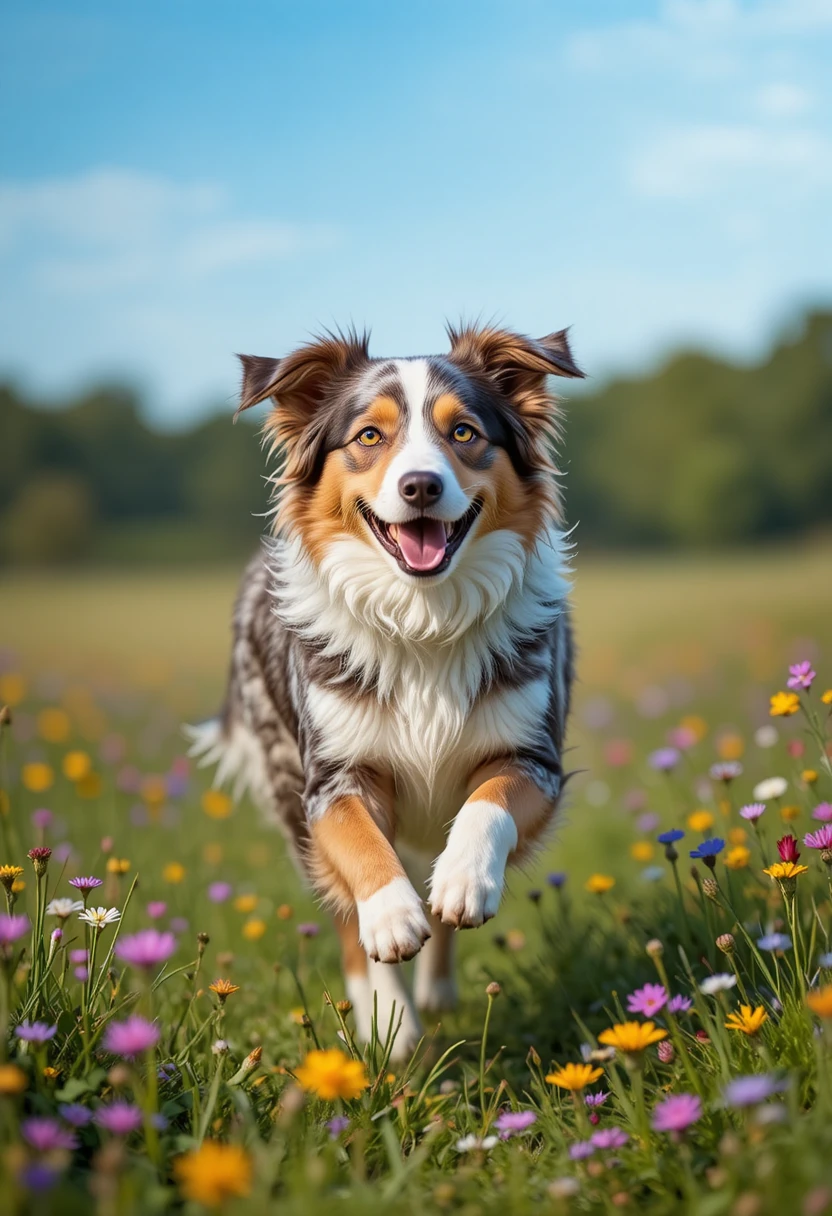
Despite the name, this breed was actually developed in the American West to herd sheep. Aussies are quick studies, highly responsive to training, and known for a near-telepathic ability to anticipate what their handler wants next.
Quick take: Ideal for active families involved in dog sports like agility or flyball.
14. Standard Schnauzer
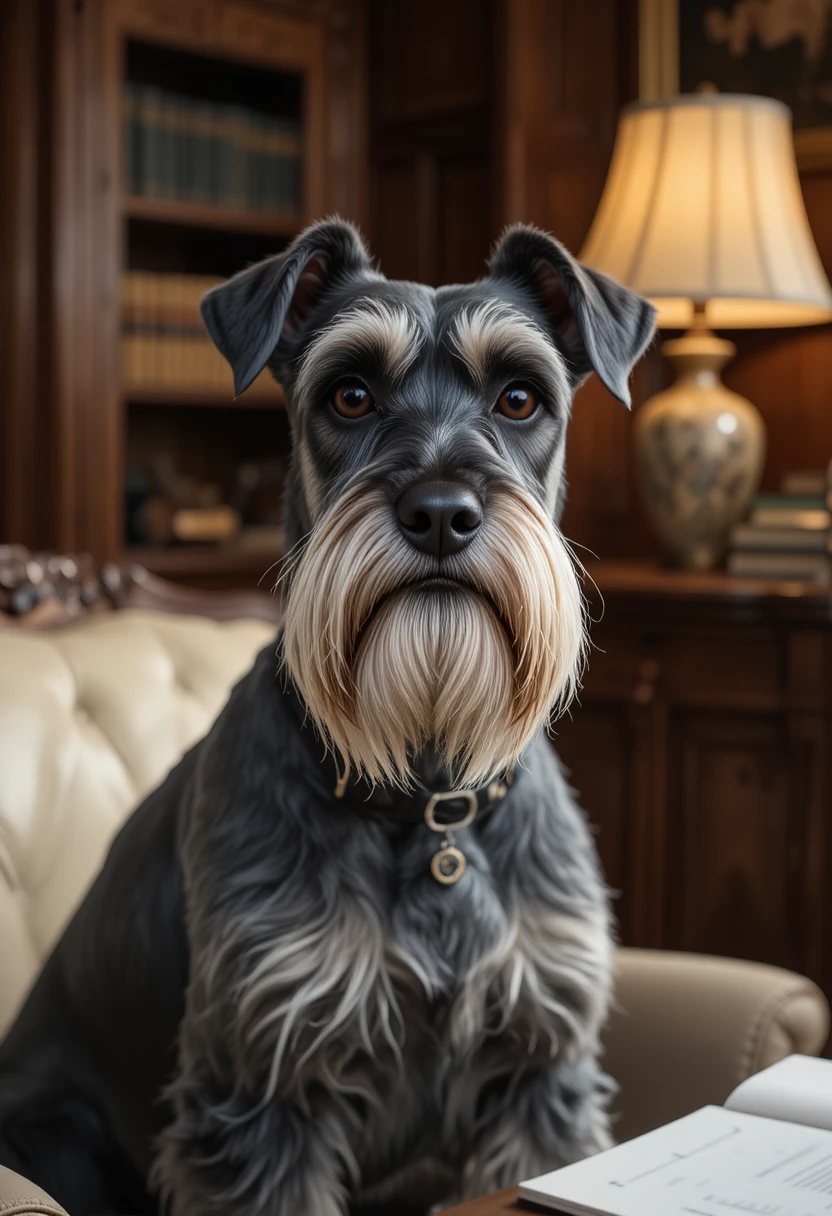
Often overlooked, the Standard Schnauzer is a sharp, independent problem-solver that was originally bred as an all-purpose farm dog ratter, guardian, and herder in one. That versatility bred a dog capable of thinking on its own rather than waiting for instruction.
Quick take: Great for owners who want a low-shedding, medium-sized dog with real working intelligence.
What Actually Makes a Dog “Smart”?
Quick summary: intelligence in dogs isn’t one trait it’s three working together.
- Instinctive intelligence: the specialized skill a breed was built for (herding, retrieving, guarding).
- Adaptive intelligence: independent problem-solving figuring out how to open a gate or get a toy out from under the couch.
- Working/obedience intelligence: how fast a dog picks up new commands and how reliably it follows them.
A dog can be sky-high in one category and average in another. Herding breeds tend to dominate adaptive intelligence because they historically had to make split-second decisions without a human nearby. Retrievers and companion breeds often top the obedience category because they were bred to work closely with people. Neither is “smarter” overall they’re just smart in different, breed-specific ways.
Are Smart Dog Breeds Right for You? The Honest Pros and Cons
Pin this checklist before you commit to a genius breed.
Pros:
- Faster, easier training for basic commands and manners
- Excel in dog sports (agility, obedience, flyball, scent work)
- Strong working ability if you need a service, therapy, or task-trained dog
- Deeply bonded, attentive companions
Cons:
- Boredom leads to destructive behavior chewing, digging, escaping
- Many need daily mental and physical exercise, not just a walk around the block
- Some (Border Collies, Malinois, Cattle Dogs) are genuinely poor fits for low-activity households
- Independent problem-solvers can also be independent-minded about not listening
Here’s the thing most breed lists skip: a smart dog with an under-stimulated brain isn’t a well-behaved dog. It’s often the opposite.
How to Keep a Smart Dog Mentally Stimulated
Save this list you’ll want it on hand once you bring one of these breeds home.
- Puzzle feeders and snuffle mats — turn mealtime into a problem to solve.
- New tricks weekly — smart breeds get bored repeating the same five commands.
- Scent work games — hide treats around the house or yard and let your dog “hunt.”
- Structured training sessions — 10–15 focused minutes daily beats an hour of unfocused play.
- Dog sports — agility, flyball, herding trials, or nosework classes give working breeds an outlet built for their instincts.
- Rotate toys — swapping toys weekly keeps novelty high without buying anything new.
Frequently Asked Questions
What is the smartest dog breed in the world?
The Border Collie is most consistently ranked the smartest dog breed, thanks to its exceptional obedience intelligence and problem-solving ability developed through generations of independent herding work.
Are smart dog breeds harder to train?
Generally, no smart breeds tend to be easier to train on commands. The challenge is usually keeping them engaged long-term, since these breeds get bored with repetition faster than less driven breeds.
What’s the smartest small dog breed?
The Papillon is widely considered the smartest small/toy breed, regularly outperforming much larger dogs in agility and obedience competitions.
Is a smart dog breed a good fit for a first-time owner?
It depends on the breed. Golden Retrievers, Poodles, and Shelties tend to be forgiving, beginner-friendly choices. Breeds like the Belgian Malinois, Border Collie, and Australian Cattle Dog are usually better suited to experienced owners who can meet their exercise and training needs.
Do mixed-breed dogs count as “smart”?
Absolutely. Intelligence rankings focus on purebreds because their traits are more predictable, but mixed-breed dogs can be every bit as intelligent sometimes more so, thanks to hybrid vigor and varied instincts.
Final Thoughts
Smart dog breeds make incredible companions, working partners, and sport dogs but that intelligence comes with a responsibility to keep their minds as busy as their bodies. Whether you’re drawn to the tireless Border Collie, the elegant Poodle, or the compact genius of the Papillon, the right “smart” breed for you depends less on raw brainpower and more on whether your lifestyle can keep up with it.