
You fill the bowl the way you always do. Same food, same spot, same time. But this time your cat walks past it, sniffs the air, and just. leaves. No dramatic meow, no protest. Just silence where there used to be enthusiastic crunching.
If you’re staring at a full bowl and a cat who won’t touch it, you’re probably running through every worst-case scenario in your head right now. Take a breath. Most of the time, a skipped meal or two has a simple explanation, and you’re about to learn exactly what to look for.
Here’s the thing: appetite loss in cats can range from “she’s just being dramatic about the new food” to “this is a medical emergency.” The tricky part is that the early signs often look identical. That’s exactly why this guide walks through every major reason a cat stops eating, in order from most common to most urgent, so you know precisely what you’re dealing with and when it’s time to call the vet.
Save this guide now so you have it on hand the next time mealtime goes sideways.
Quick Answer: Is This an Emergency?
Before diving into the full list, here’s the one rule every cat owner needs tattooed on their brain: a cat that refuses food for more than 24 hours needs veterinary attention. Cats aren’t built to skip meals the way dogs or humans are. Their bodies can develop a dangerous condition called hepatic lipidosis (fatty liver disease) surprisingly fast when they stop eating, especially in overweight cats.
So while you’re working through this list, keep the clock running. A skipped breakfast is worth watching. A skipped breakfast, lunch, and dinner is worth a phone call.
1. Stress or a Change in Environment
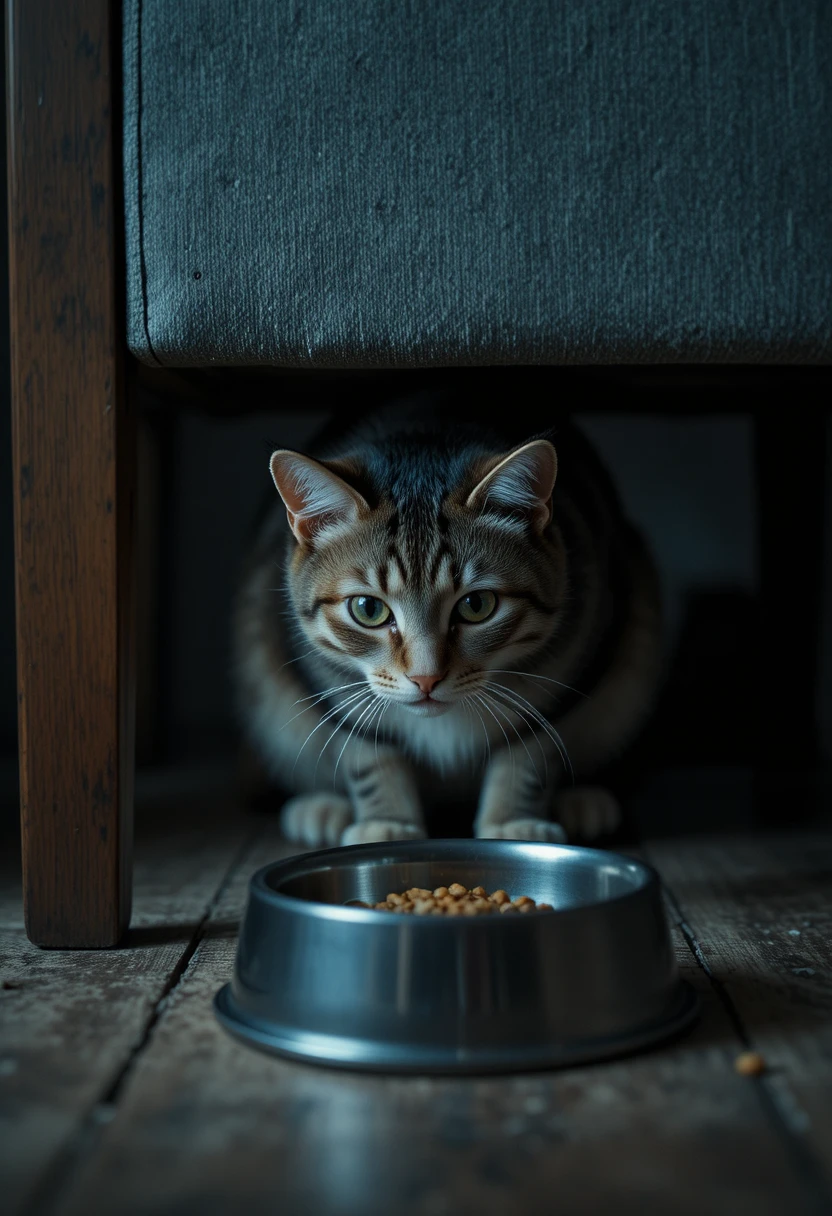
Cats are creatures of habit, and they take routine disruption personally. New furniture, a recent move, houseguests, construction noise next door, or even rearranging the living room can be enough to throw off a sensitive cat’s appetite.
Common triggers include:
- Moving to a new home
- A new pet or baby in the household
- Loud noises or construction
- Changes to the litter box location
- The owner’s schedule suddenly shifting
Most cats bounce back within a day or two once they’ve had time to reassess that the “new normal” isn’t actually a threat. If your cat is hiding more than usual alongside the appetite dip, stress is a likely culprit.
2. A New Pet or the Loss of One
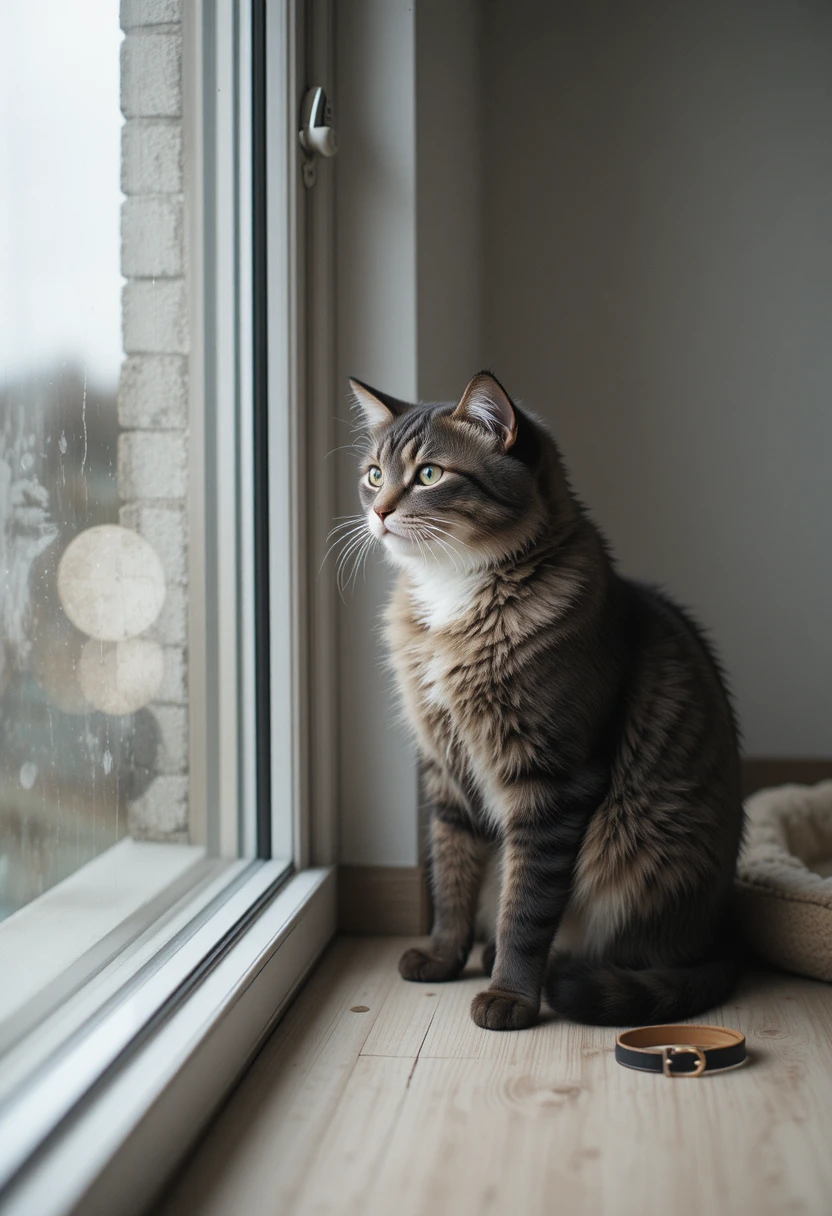
This deserves its own spot on the list because it hits harder than ordinary environmental stress. Cats form real attachments, and both the arrival of a new animal and the disappearance of a companion (through rehoming, a new baby, or the death of a housemate pet) can trigger a grief-like response that includes skipping meals.
Give your cat extra one-on-one time during this adjustment period. Sit near the food bowl, talk softly, and let them come to it on their own terms rather than forcing interaction.
3. Dental Pain or Mouth Problems
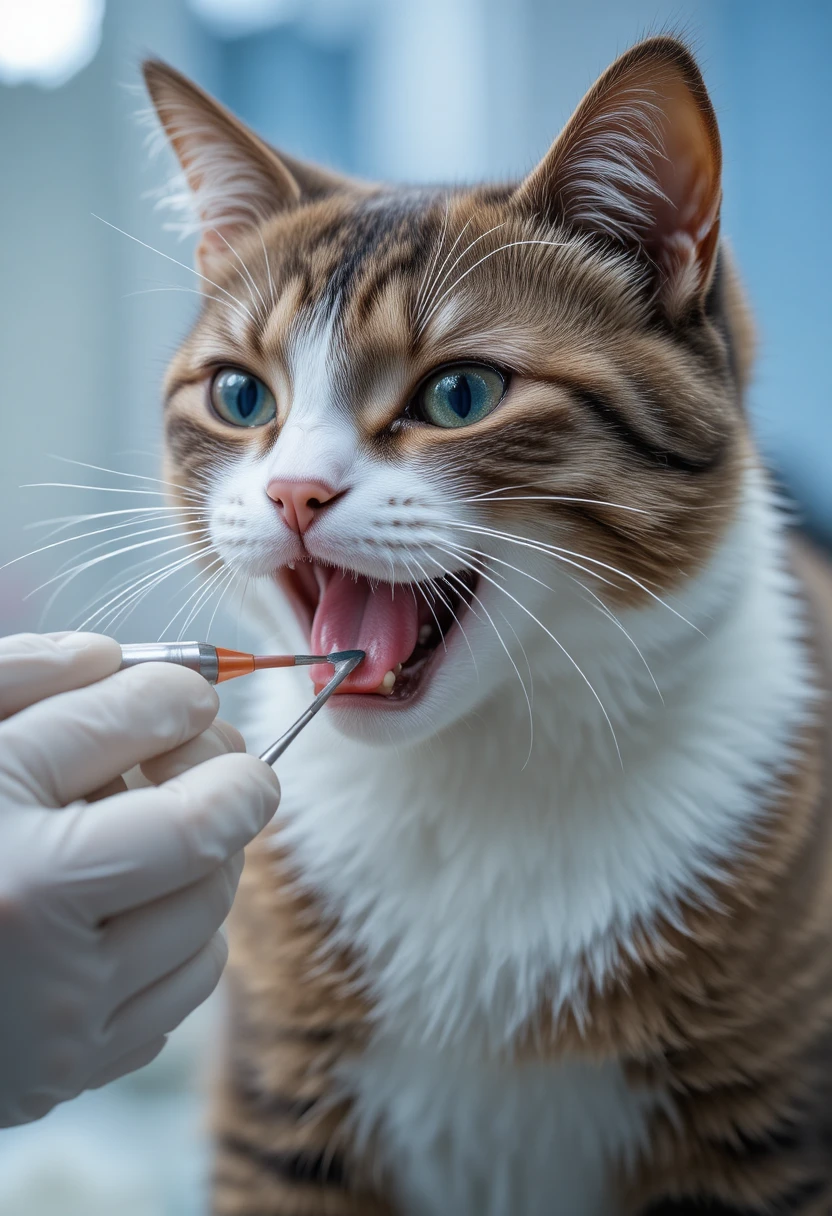
This is one of the most overlooked reasons cats stop eating, because the cat still acts mostly normal otherwise. Painful teeth, gum disease, a broken tooth, or inflammation inside the mouth (stomatitis) can make every bite feel like torture.
Watch for these tell-tale signs:
- Approaching the bowl, then backing away without eating
- Dropping food out of the mouth mid-chew
- Pawing at the face or mouth
- Bad breath
- Preferring wet food over crunchy kibble suddenly
If your cat seems hungry hovering near the bowl, meowing at you but won’t actually eat, dental pain should be near the top of your suspect list.
4. Digestive Upset or Nausea
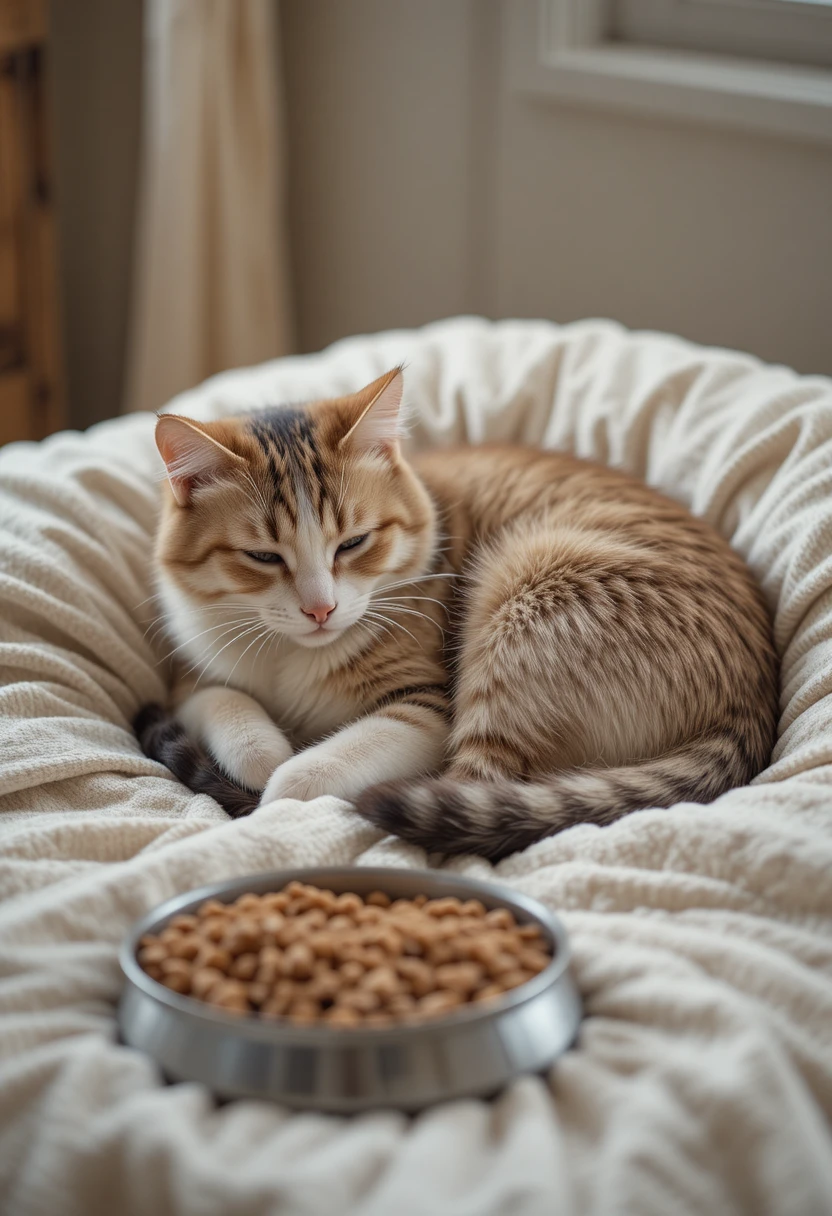
Cats experiencing nausea often display a very specific behavior: they’ll approach the food, sniff it, maybe even lick it once, and then walk away looking almost offended. Vomiting, diarrhea, hairballs, or a mild stomach bug can all cause this temporary aversion.
Nausea triggers to watch for:
- Recent hairball buildup
- Eating too fast (leading to regurgitation)
- Mild food intolerance
- A recent dietary indiscretion (getting into something they shouldn’t have)
If nausea is paired with repeated vomiting or lethargy, this moves from “watch and wait” into “call the vet” territory quickly.
Read Also: How to Get Rid of Fleas in the House: 11+ Ideas That Actually Work
5. Food Aversion or Pickiness
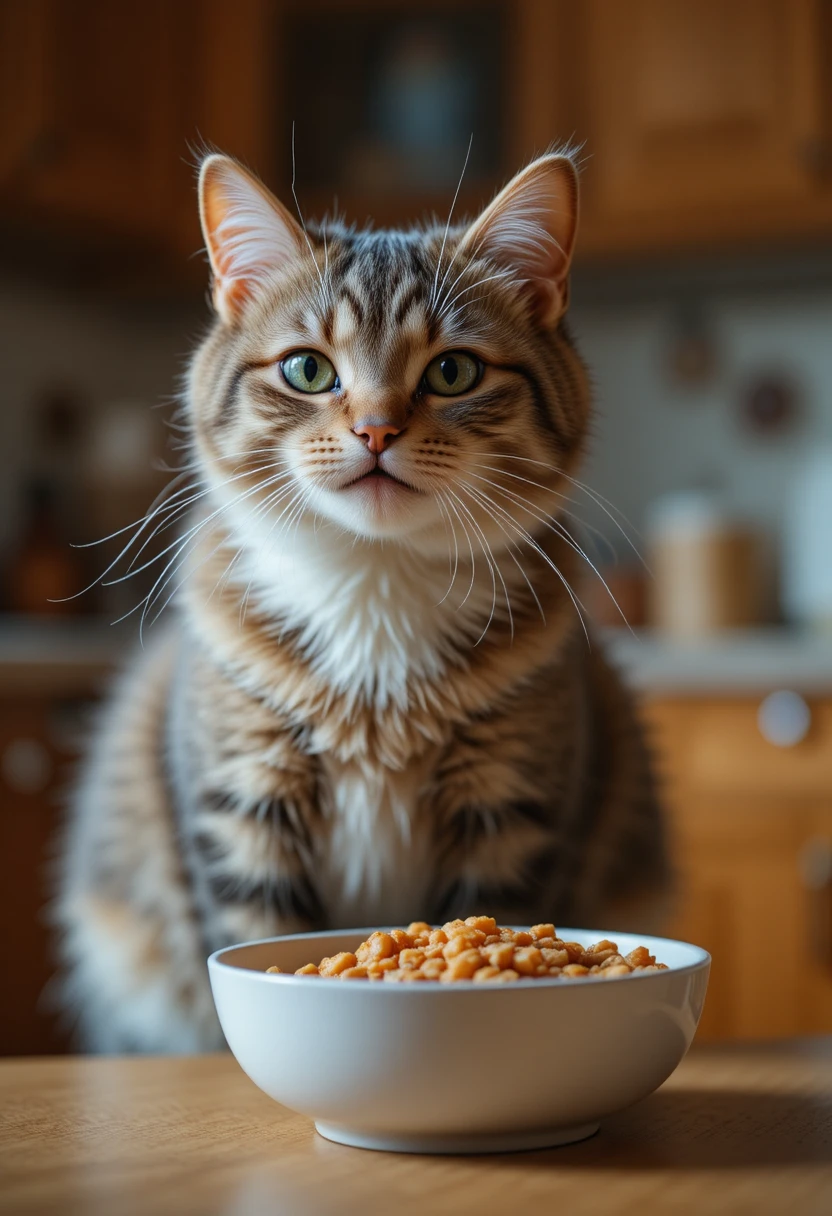
Sometimes the explanation really is as simple as: your cat doesn’t like what’s in the bowl today. Cats have strong preferences around flavor, texture, temperature, and even the smell of the food container it came from.
Things that can trigger sudden food rejection:
- A new bag or can of the same brand (slight recipe or texture changes happen)
- Food that’s gone stale or picked up an off odor
- Food served too cold, straight from the fridge
- A recent attempt to switch brands too abruptly
Quick fix: Try warming wet food slightly to release more aroma, or offer a small portion of their previous trusted food alongside the new option to compare.
6. Dirty Food Bowls or an Unpleasant Feeding Area
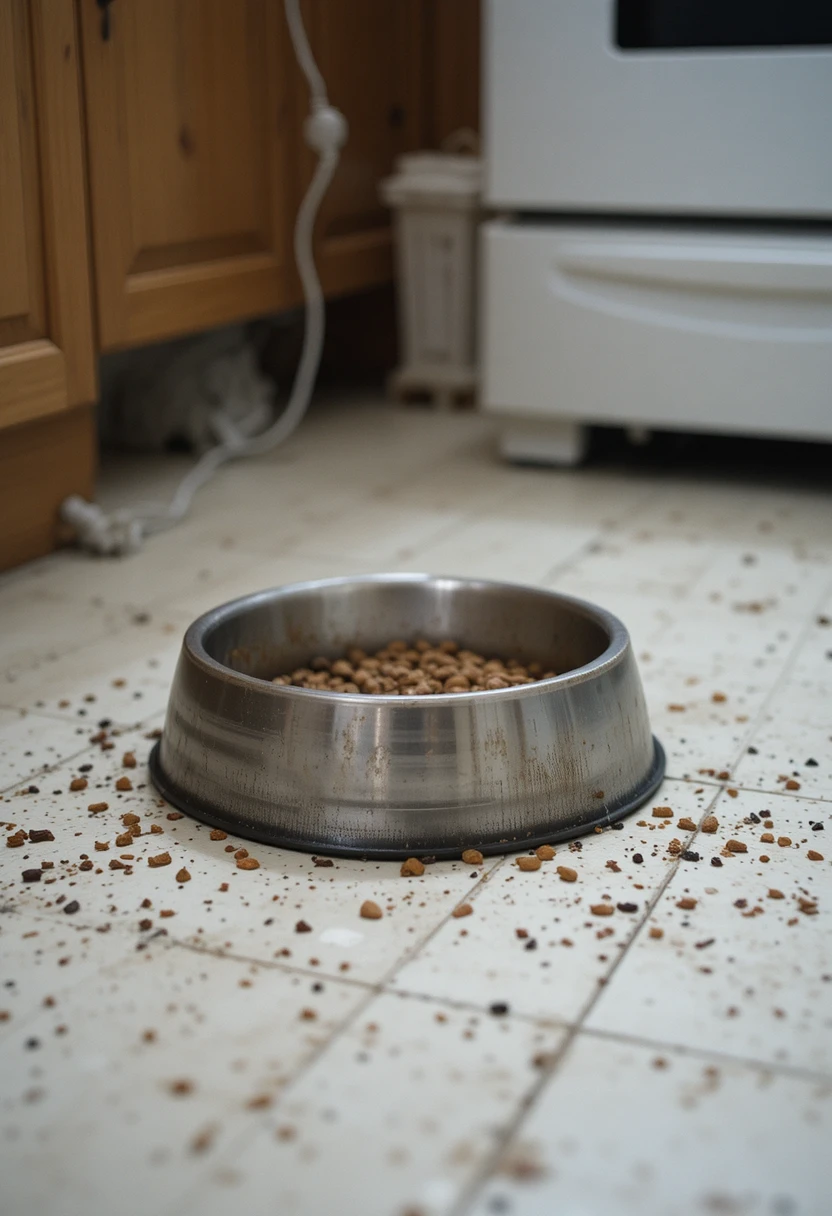
It sounds almost too simple to be true, but cats are famously fastidious, and a food bowl with lingering old-food residue or a feeding station placed too close to the litter box can be enough to shut down their appetite entirely.
Do a quick five-second check:
- Is the bowl clean and dry, or has it been “topped off” for days?
- Is the food too close to the litter box or a noisy appliance?
- Has the feeding location recently changed?
Swapping to a clean bowl in a quiet, low-traffic corner solves this one surprisingly often.
7. Recent Vaccination or Vet Visit
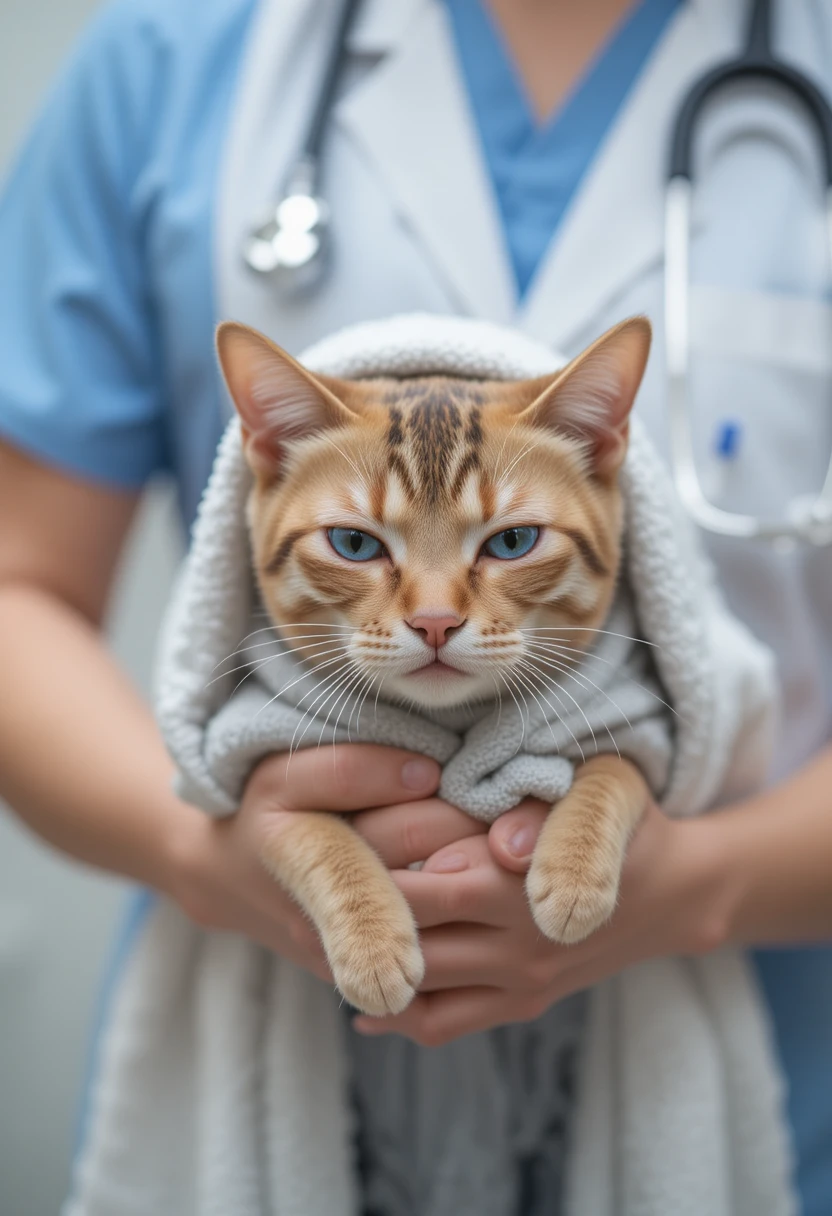
Did the appetite loss start right after a checkup? Mild, short-term appetite suppression is a known and generally harmless response to vaccines and the stress of a vet visit itself. This typically resolves within 24 to 48 hours without any intervention needed.
If it stretches beyond two days, or your cat seems lethargic on top of not eating, it’s worth a follow-up call to the clinic that saw them.
8. Travel or Unfamiliar Surroundings
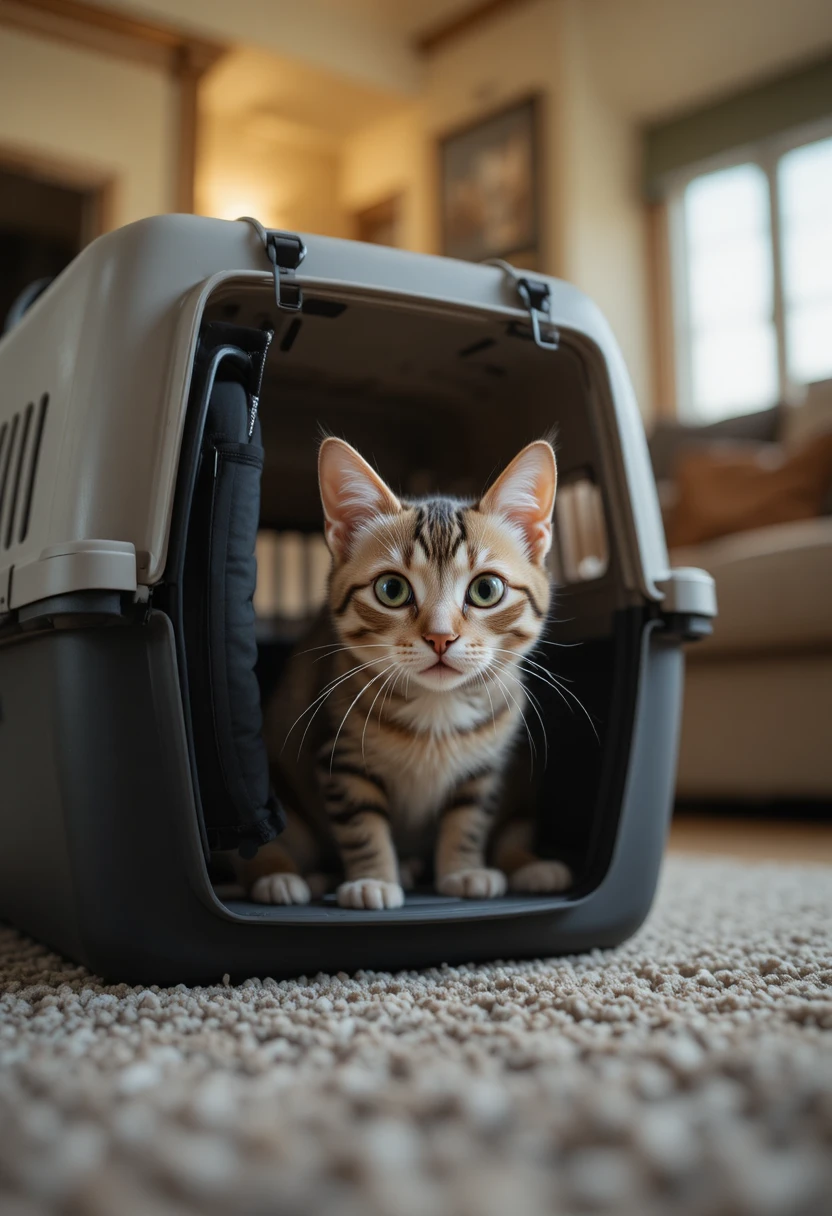
Boarding, a car trip, or even just visiting a relative’s house can be enough to put a cat off their food entirely. Combine unfamiliar surroundings with possible motion sickness, and you’ve got a cat who’s simply too unsettled or too nauseous to eat.
Bringing your cat’s own bowl, blanket, and a small amount of their regular food when traveling can help ease the transition and speed up their return to normal eating.
9. Underlying Illness (Kidney Disease, Diabetes, or Infection)
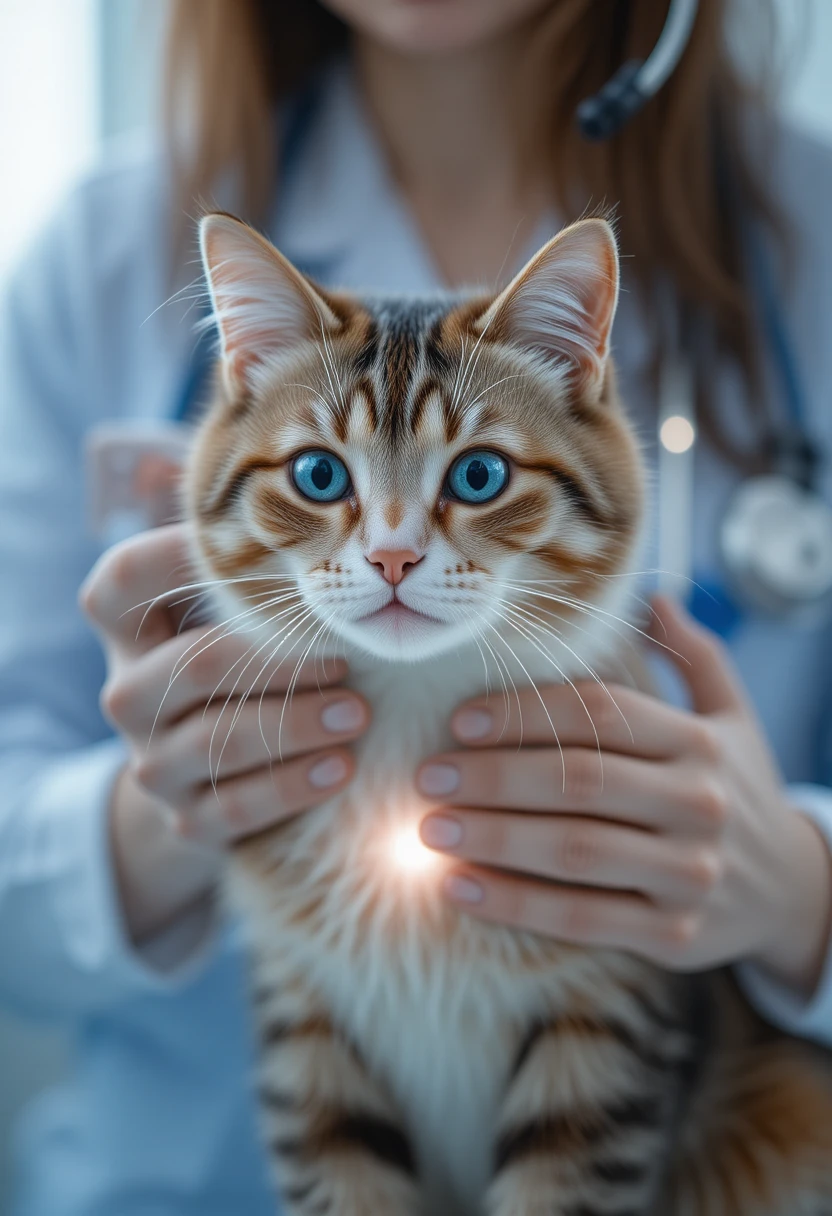
This is the category that deserves the most respect on this list, because loss of appetite is one of the earliest and most reliable warning signs of internal illness in cats. Conditions like kidney disease, diabetes, pancreatitis, liver disease, and infections can all present with reduced appetite before any other obvious symptom shows up.
Additional signs that point toward an underlying medical issue:
- Increased or decreased thirst
- Weight loss despite normal or increased food intake previously
- Lethargy or hiding more than usual
- Changes in litter box habits
- Vomiting or diarrhea
If your cat’s appetite loss is paired with any of these, don’t wait it out. This is the point where “let’s monitor at home” needs to become “let’s call the vet today.”
10. Upper Respiratory Infection (“Kitty Colds”)
Cats rely heavily on their sense of smell to want to eat at all. When a respiratory infection clogs up their nose, food simply stops smelling appealing even if it tastes exactly the same. This is essentially the feline version of losing your appetite when you have a stuffy nose from a cold.
Signs your cat may have an upper respiratory infection:
- Sneezing or nasal discharge
- Watery eyes
- Congested or noisy breathing
- Lethargy alongside the reduced appetite
Most cats recover within a week to 10 days. Gently warming food to boost its aroma can help entice them to eat while they recover. If symptoms persist beyond 48 hours or worsen, a vet visit is warranted.
11. Pain That Isn’t Related to the Mouth

Cats are notorious for hiding pain, and appetite is often the first thing to go when something hurts whether it’s arthritis in an older cat, an injury, or abdominal discomfort. Since cats can’t tell you where it hurts, a drop in appetite combined with reduced movement, reluctance to jump, or hiding more than normal is worth flagging to your vet.
12. Age-Related Changes in Senior Cats
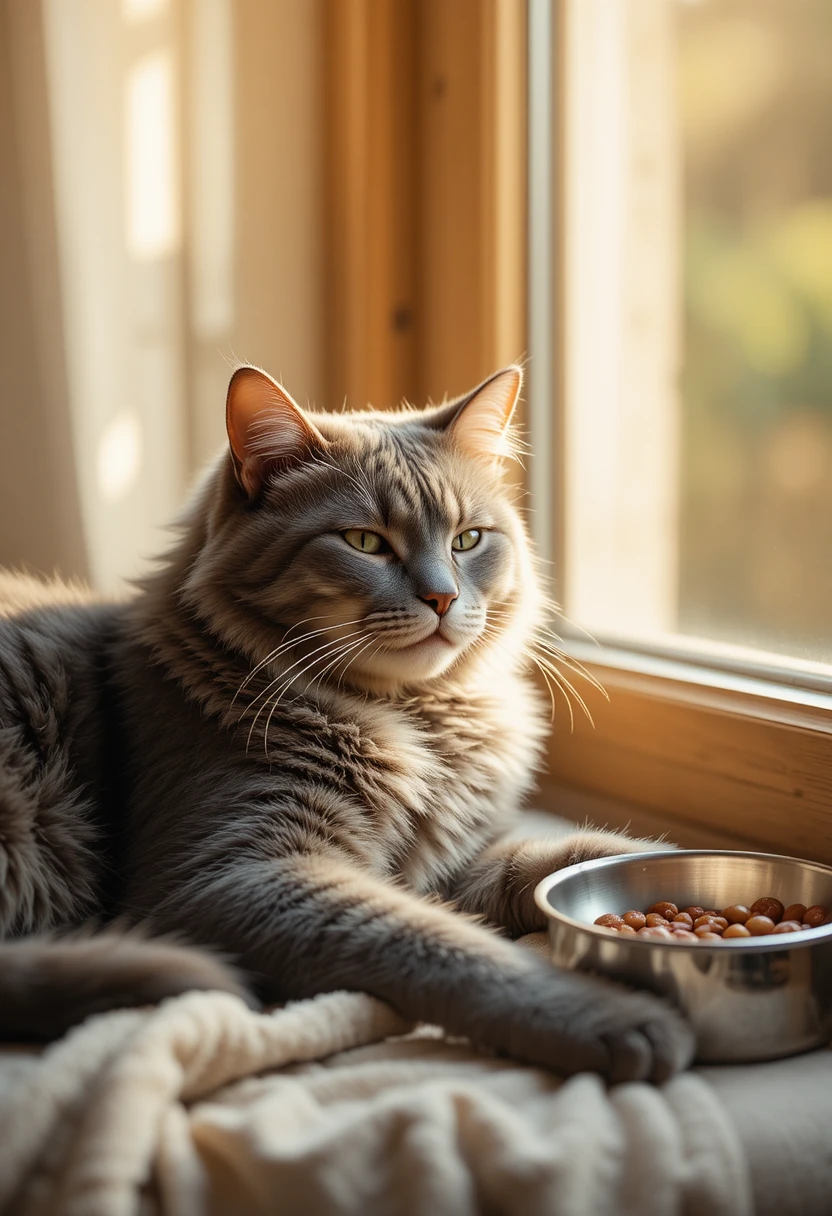
Older cats naturally experience gradual changes in metabolism, smell, and sometimes cognitive function, all of which can chip away at appetite over time. Senior cats are also more prone to the medical conditions listed above (kidney disease, dental disease, arthritis), which makes appetite loss in an older cat something that deserves closer attention and more frequent veterinary checkups rather than an automatic “they’re just getting old” shrug.
13. Something Toxic or an Obstruction
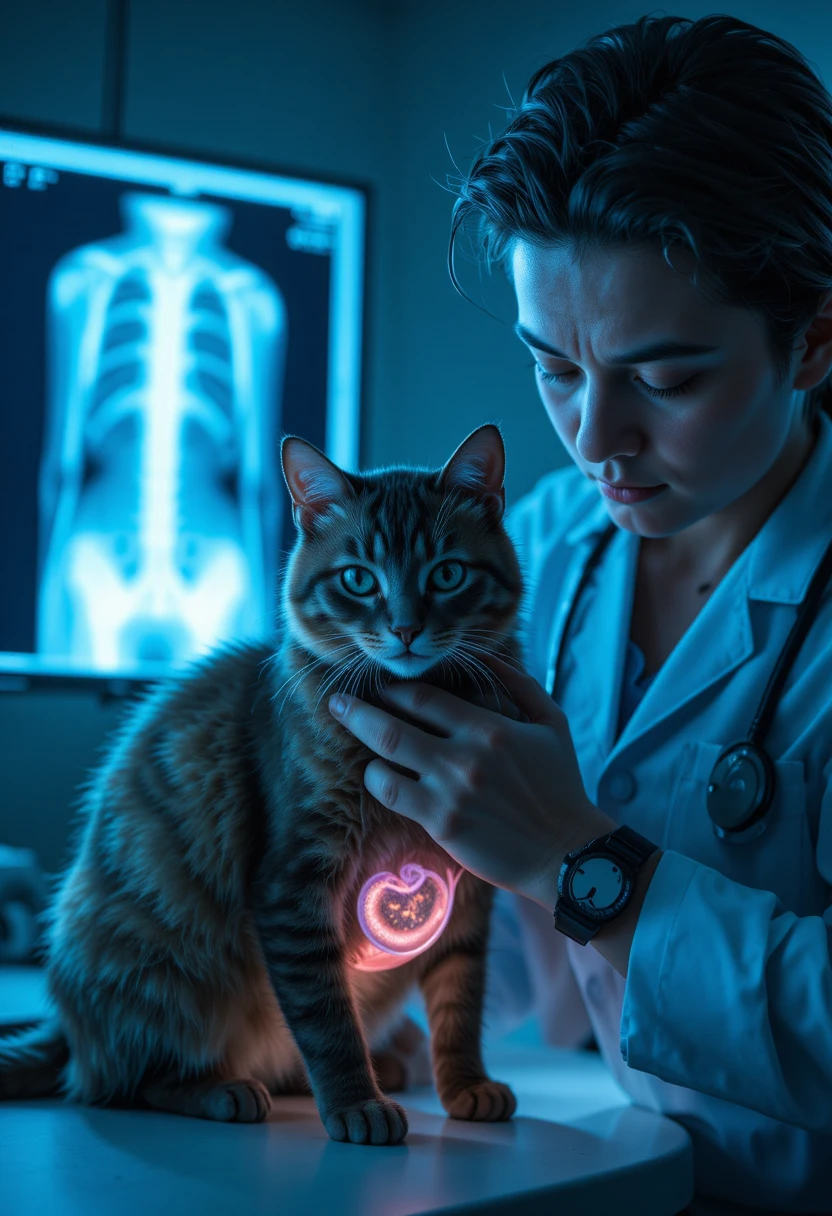
If your cat has gotten into a toxic plant, household chemical, or a foreign object that’s now stuck somewhere in their digestive tract, appetite loss is often one of the first symptoms frequently paired with vomiting, lethargy, or visible distress. This category is a true emergency. If you suspect your cat ingested something toxic or swallowed something they shouldn’t have, contact your vet or an emergency animal poison control line immediately rather than waiting to see if symptoms improve.
What To Do Right Now If Your Cat Won’t Eat
Here’s the thing: you don’t need to panic, but you also shouldn’t just wait indefinitely. Use this quick action plan:
- Rule out the simple stuff first. Check the bowl’s cleanliness, the food’s freshness, and whether anything in the environment recently changed.
- Try gentle enticements. Warm wet food slightly, offer a small amount by hand, or try a different texture (pate versus shreds) to see if that sparks interest.
- Watch the clock. Note exactly when your cat last ate normally.
- Track other symptoms. Vomiting, diarrhea, hiding, changes in thirst, or litter box changes all matter to your vet’s diagnosis.
- Call your vet at the 24-hour mark, sooner if any other symptom shows up alongside the appetite loss.
Quick summary you can save: if it’s been less than 24 hours and your cat is otherwise acting normal, monitor closely. If it’s been 24+ hours, or any other symptom is present, call your vet the same day.
Frequently Asked Questions
Why is my cat not eating but still drinking water?
This pattern often points toward nausea, dental pain, or stress rather than dehydration, since thirst and appetite are regulated somewhat separately in the body. That said, it can also be an early sign of kidney disease, so it’s still worth a vet call if it continues beyond a day.
How long can a cat go without eating before it’s dangerous?
Most veterinary sources agree that 24 hours without food warrants a call to the vet, and going 2 to 3 days without eating puts a cat at real risk for hepatic lipidosis, a serious liver condition.
My cat is eating less than usual but not refusing food completely is that still a concern?
A gradual decrease over several days is still worth mentioning to your vet, even if your cat isn’t fully refusing food, since subtle changes can be an early sign of an underlying condition.
Could switching cat food cause this?
Yes. Cats can be slow to accept new flavors or textures, and abrupt food changes are a common, usually harmless cause of temporary appetite loss. Transitioning gradually over 5 to 7 days by mixing old and new food tends to prevent this.
Should I just leave food out all day if my cat won’t eat on schedule?
Leaving a small amount of food available can help, but don’t rely on this alone if your cat has gone a full day without eating anything at all that situation calls for a vet, not just a full bowl left out.
The Bottom Line
A cat that suddenly stops eating is sending you a message, even if you can’t immediately tell what it says. Sometimes that message is “I don’t love this new food” and sometimes it’s “something is genuinely wrong.” The good news is that you now have a clear roadmap: check the simple explanations first, watch closely for other symptoms, and treat the 24-hour mark as your line in the sand for calling the vet.