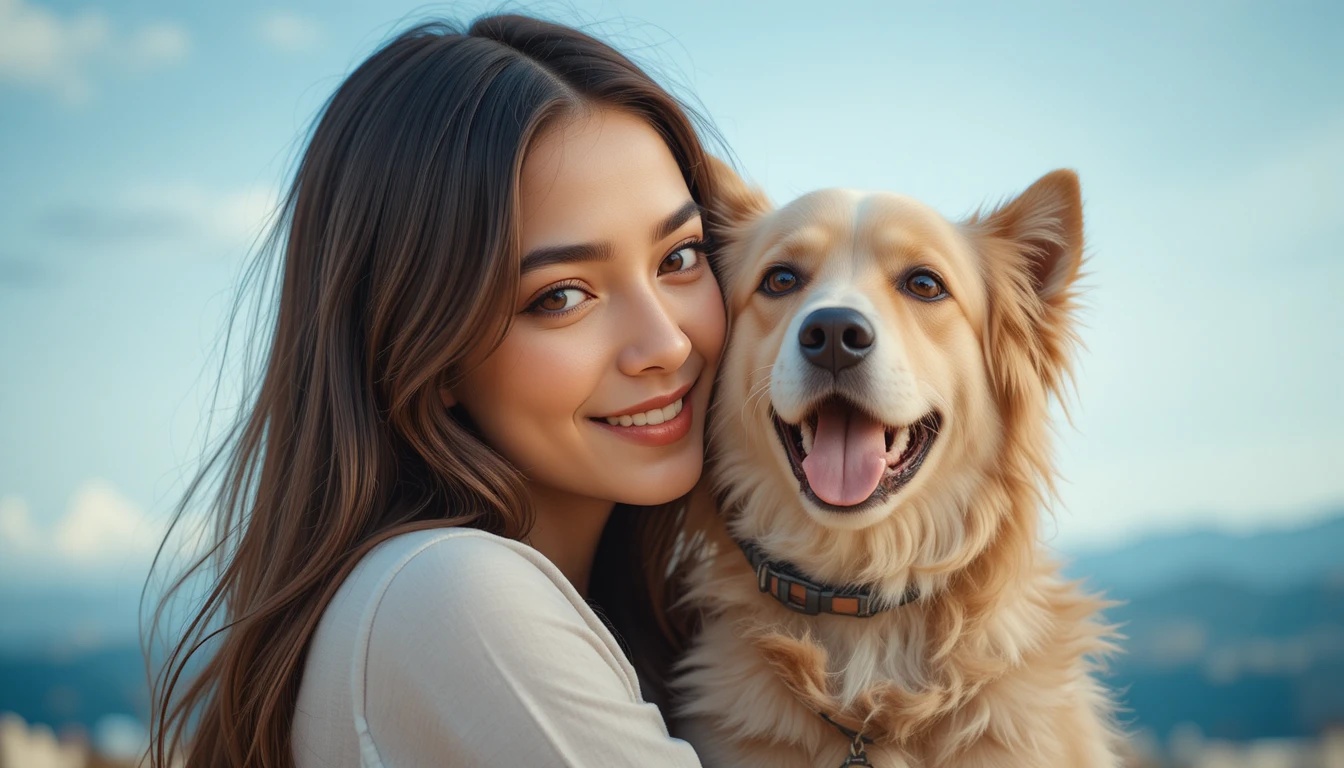
There’s a special kind of loneliness that can creep into the quiet hours of retirement the ones between phone calls, between visits, between the busy years and now. A dog doesn’t just fill that silence. It gives you a reason to get up, a warm body to sit beside, and something to love that loves you back without conditions.
But not every dog fits every lifestyle, and that’s especially true for seniors. The wrong breed can mean vet bills you didn’t budget for, a dog too strong to walk safely, or a coat that needs more grooming than you have energy for. The right breed, on the other hand, can lower your blood pressure, get you outside for gentle daily walks, and give your days a rhythm worth waking up for.
We’ve pulled together the 11+ best dog breeds for seniors dogs known for calm temperaments, manageable size, low-to-moderate exercise needs, and genuine devotion to their favorite person. Whether you’re an active retiree who wants a walking buddy or someone who dreams of a lap-warmer for movie nights, there’s a breed on this list for you.
What to Look for in a Senior-Friendly Dog
Before jumping into the list, it helps to know what actually makes a breed “senior-friendly.” According to veterinary guidance, the best fit usually comes down to a few key factors:
- Energy level A dog whose exercise needs match your own daily routine, not the routine you wish you had.
- Size Smaller dogs are easier to lift, bathe, and control on a leash, and they’re gentler on aging joints and balance.
- Grooming needs Some breeds need daily brushing and monthly grooming visits; others need almost none.
- Temperament Calm, affectionate dogs that don’t require intense training or constant supervision tend to be the best match.
- Health and lifespan Breeds prone to fewer chronic health issues mean fewer surprise vet visits.
Keep these in mind as you read, because the “best” breed really depends on your life not just a ranking.
1. Cavalier King Charles Spaniel
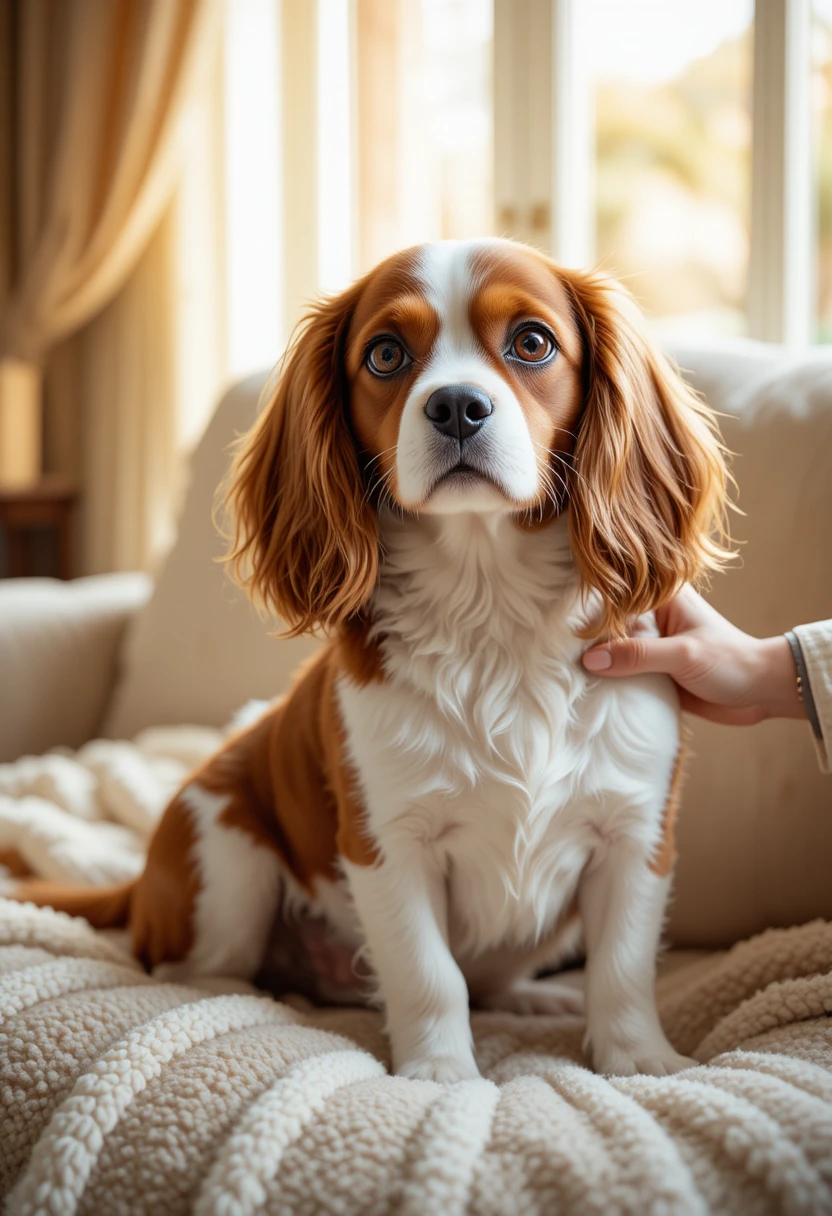
If there’s one breed that shows up on almost every “best for seniors” list, it’s the Cavalier. These small, silky-eared dogs were practically bred to be companions quite literally, they descend from lapdogs kept by British royalty.
Why they’re great for seniors:
- Gentle, affectionate, and eager to snuggle
- Adapts easily to an active or relaxed lifestyle
- Great with grandchildren and visitors
- Typically weighs 13–18 pounds easy to lift and manage
Something to know: Cavaliers thrive on companionship and don’t do well left alone for long stretches, so they’re best suited to seniors who are home often.
💡 Save-worthy tip: Cavaliers are sometimes called “comforter spaniels” for their knack of curling right into your lap and staying there a trait many seniors say makes all the difference on quiet afternoons.
2. Bichon Frise
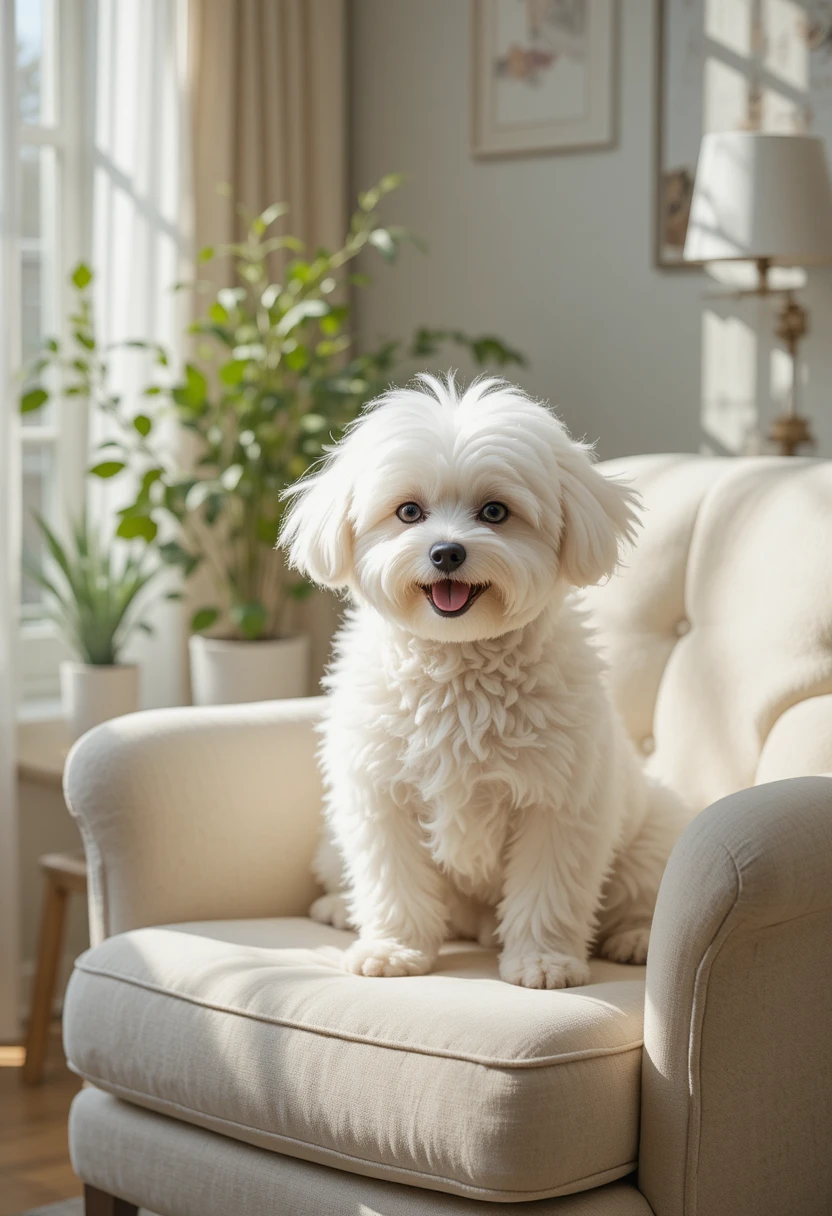
This cheerful little cotton-ball of a dog is practically built for joy. Bichons are playful without being hyper, and their hypoallergenic coat makes them a smart pick if allergies are a concern.
Why they’re great for seniors:
- Low-shedding and allergy-friendly
- Playful, upbeat personality that lifts the mood
- Comfortable in apartments and smaller homes
- Short daily walks are usually enough exercise
Something to know: Their curly coat needs regular brushing and occasional grooming appointments to prevent matting.
3. Shih Tzu

Bred centuries ago to be palace pets in China, the Shih Tzu has one job in life: being close to you. These sturdy little “lion dogs” are famously content lap-warmers.
Why they’re great for seniors:
- Calm, affectionate temperament
- Minimal exercise requirements — perfect for less mobile seniors
- Sturdy build despite their small size
- Loves nothing more than sitting beside you
Something to know: Their long, flowing coat needs daily brushing, though many owners opt for a shorter “puppy cut” to cut down on maintenance.
4. Toy or Miniature Poodle
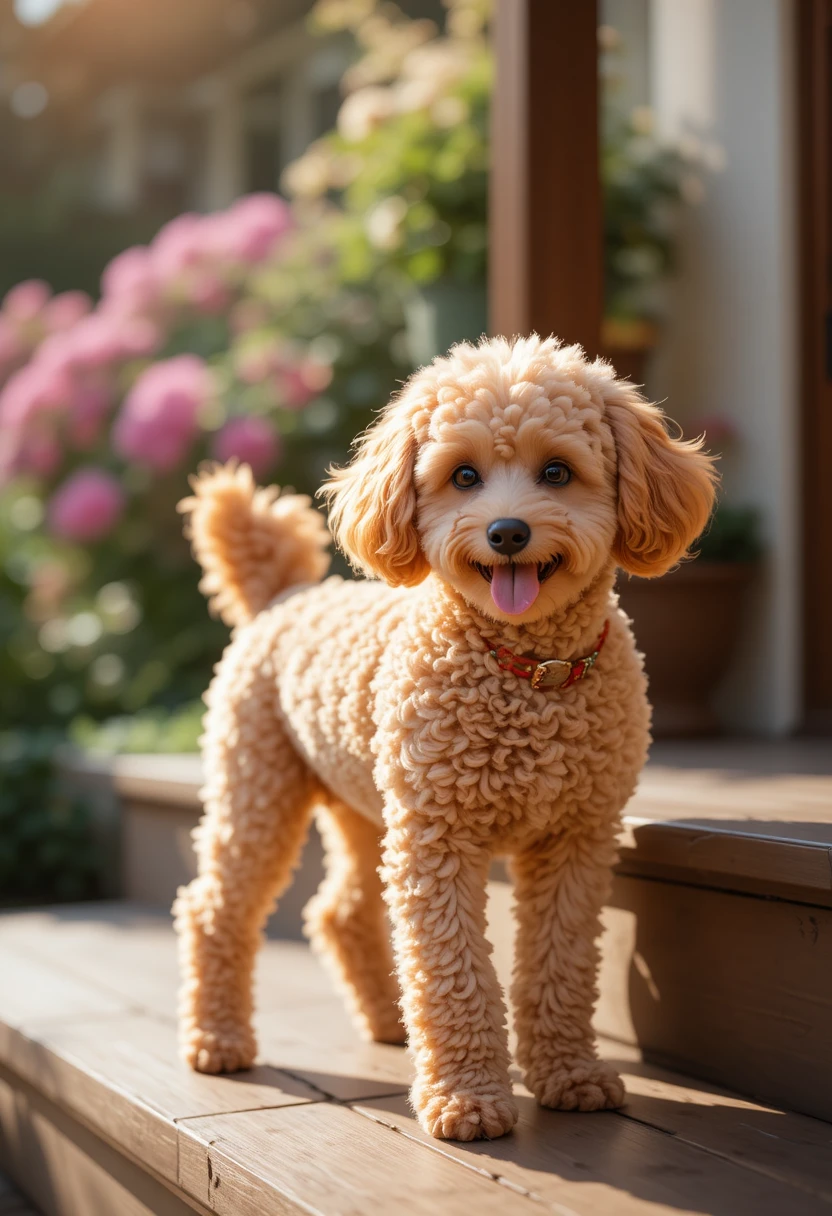
Don’t let the fancy haircuts fool you poodles are among the smartest dog breeds in the world, and that intelligence makes them remarkably easy to train, even later in life.
Why they’re great for seniors:
- Hypoallergenic and low-shedding
- Highly trainable and eager to please
- Available in toy (4–6 lbs) and miniature (10–15 lbs) sizes
- Long lifespan, often 12–16 years
Something to know: Poodles are more energetic than some breeds on this list and enjoy a daily walk plus some interactive play, so they suit seniors who want a companion that keeps them moving.
Read Also: Why Is My Cat Not Eating? 10+ Reasons Behind Sudden Appetite Loss
5. Maltese
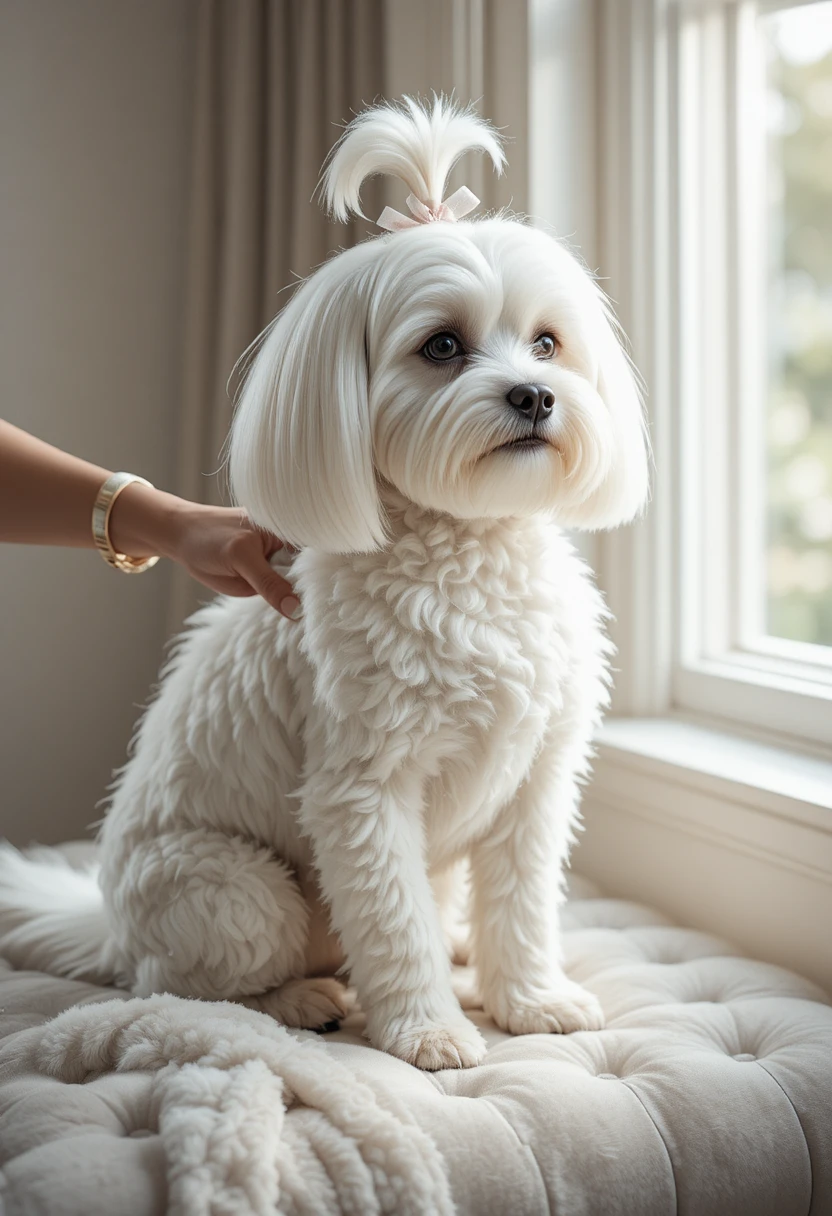
The Maltese is one of the smallest and most devoted companion breeds around, with a flowing white coat and a personality built entirely around being near you.
Why they’re great for seniors:
- Tiny size (usually under 7 pounds) makes them easy to carry and handle
- Gentle, playful, and intelligent
- Minimal exercise needs
- Adapts beautifully to apartment living
Something to know: That gorgeous coat requires frequent brushing to stay tangle-free, though many owners keep it trimmed short for easier upkeep.
6. Pug
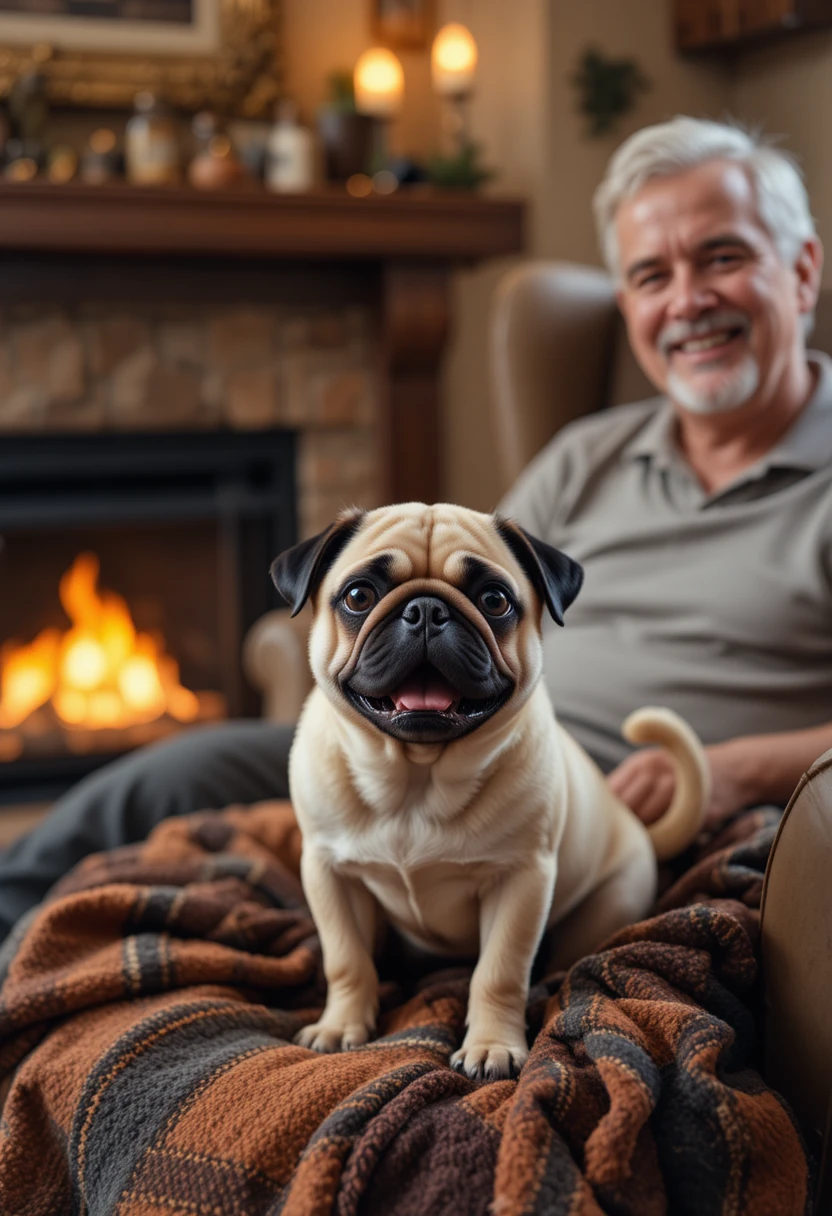
Pugs have a knack for turning nap time into a bonding activity. Their comedic, laid-back personality has made them a longtime favorite among people who want a low-key, deeply affectionate pet.
Why they’re great for seniors:
- Loves lounging and cuddling more than running
- Minimal exercise requirements
- Sturdy, compact build
- Rarely barks excessively
Something to know: Pugs are brachycephalic (flat-faced), which means they can struggle in extreme heat and may snore — something to consider if you live somewhere warm.
7. Pomeranian
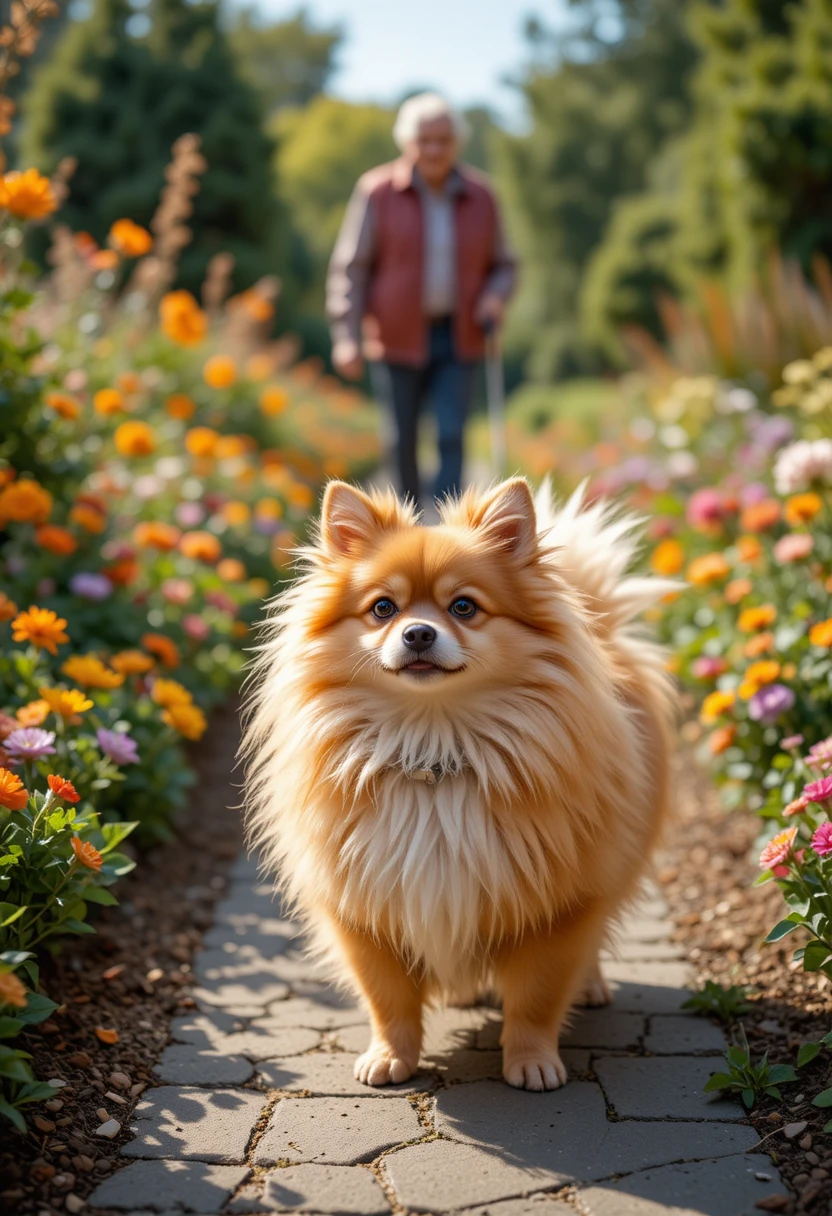
Fluffy, alert, and endlessly affectionate, Pomeranians pack a big personality into a tiny frame. They’re known for bonding intensely with their favorite person, which many seniors find touching rather than overwhelming.
Why they’re great for seniors:
- Small and easy to handle
- Very affectionate and attentive
- Trainable, despite an independent streak
- Doesn’t need intense exercise
Something to know: Their thick double coat needs regular brushing, and they can be a bit more vocal than other toy breeds — worth considering if you live in close quarters with neighbors.
8. Havanese

Originally bred as companion dogs in Cuba, Havanese dogs are cheerful, people-oriented, and surprisingly easy to train some are even used as therapy dogs because of their gentle, intuitive nature.
Why they’re great for seniors:
- Extremely people-focused and affectionate
- Smart and easy to train
- Low exercise needs
- Great temperament for therapy or emotional support roles
Something to know: Havanese thrive on togetherness, so they’re best for seniors who spend a lot of time at home.
9. Cocker Spaniel
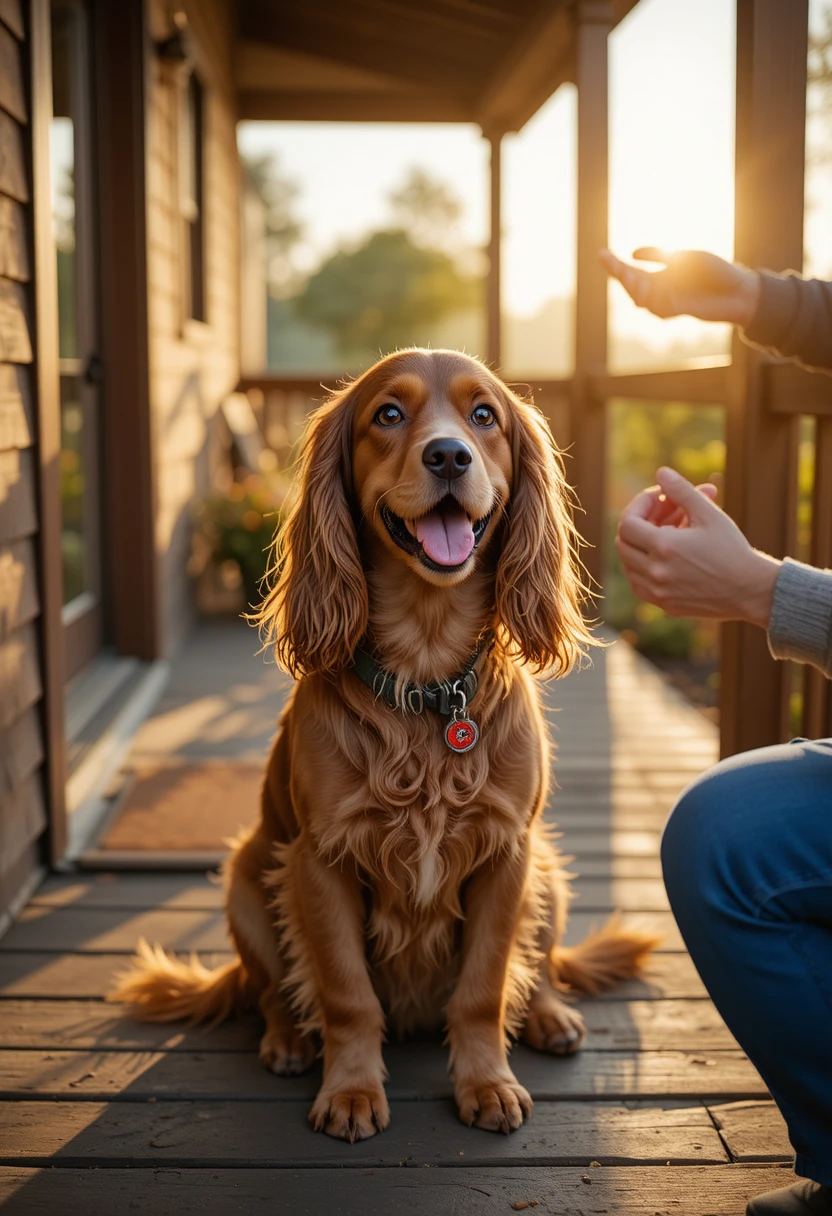
A step up in size from the toy breeds on this list, the Cocker Spaniel offers a sweet, gentle temperament in a slightly sturdier package a nice middle ground for seniors who want a bit more dog without sacrificing calm energy.
Why they’re great for seniors:
- Friendly, gentle, and eager to please
- Low-to-moderate shedding
- Adapts well to different living situations
- Loyal and easy to bond with
Something to know: Their long, silky ears and coat need regular grooming to prevent matting and ear infections.
10. Beagle
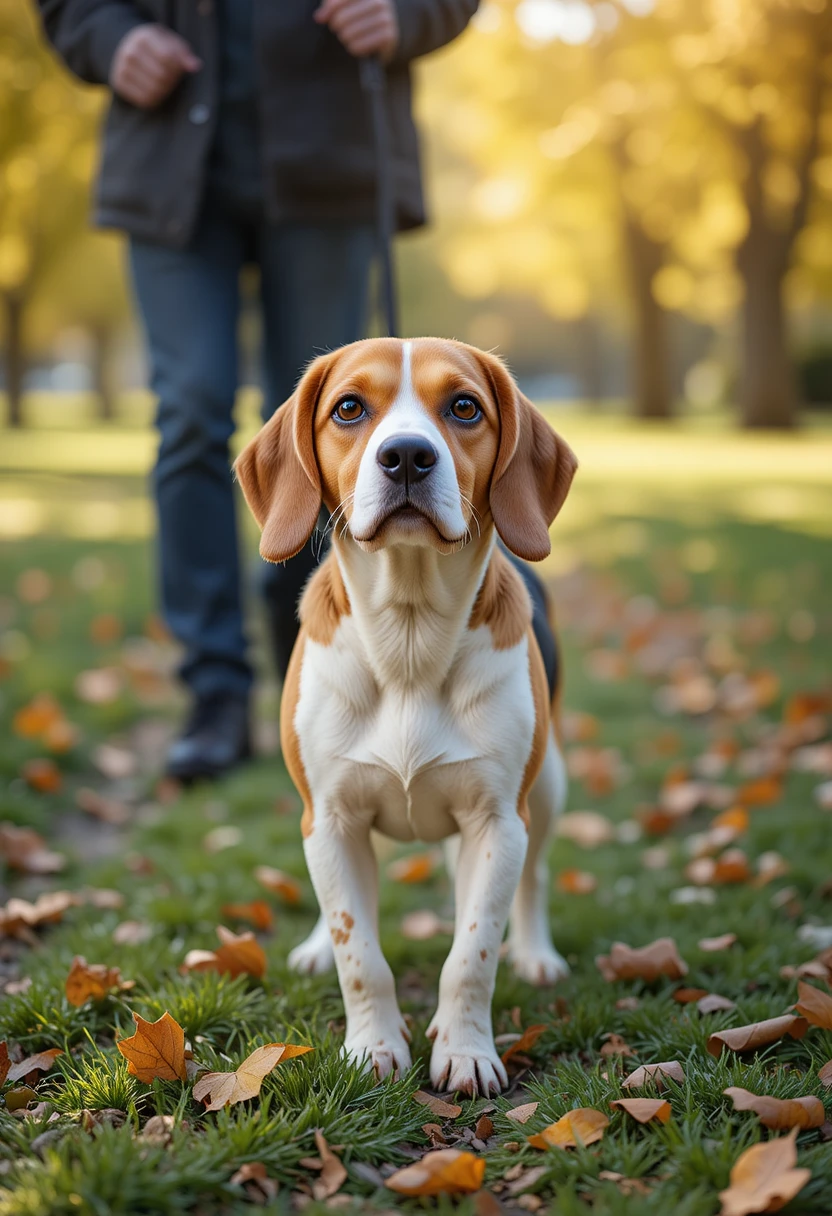
For seniors with a yard and a bit more pep in their step, the Beagle brings loyalty, warmth, and a nose for adventure. These classic hound dogs are wonderful with visiting grandchildren and love a good sniff around the backyard.
Why they’re great for seniors:
- Friendly, loving, and social
- Great with visiting family, including kids
- Short coat means easy grooming
- Moderate exercise keeps you moving too
Something to know: Beagles were bred to bay and howl while hunting, so expect some vocal moments not the best fit for thin apartment walls.
11. French Bulldog
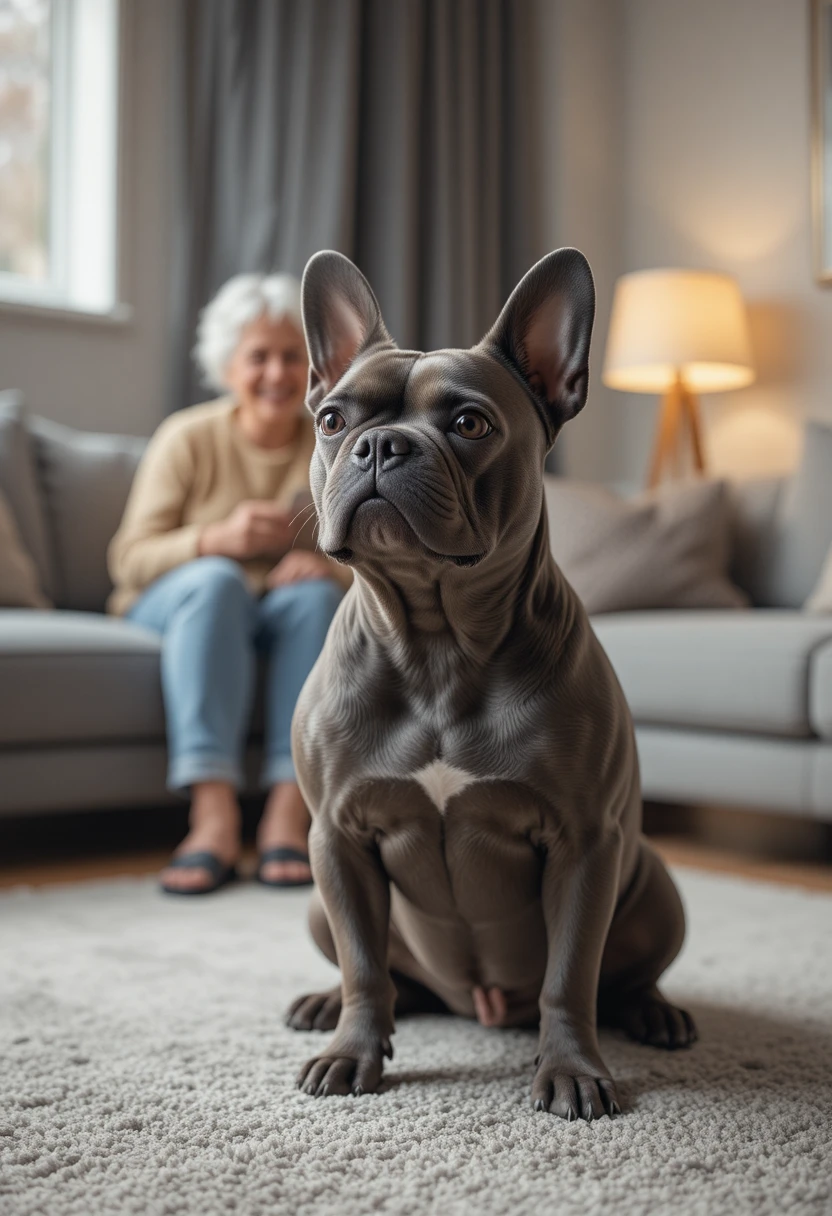
Frenchies have surged in popularity for good reason: they’re compact, low-energy, and full of personality, making them an easygoing choice for seniors who want companionship without a demanding exercise schedule.
Why they’re great for seniors:
- Low exercise requirements short walks are plenty
- Compact and easy to manage on a leash
- Affectionate and comical, great mood-lifters
- Doesn’t bark excessively
Something to know: Like Pugs, French Bulldogs are brachycephalic and can be sensitive to heat, so keep walks to cooler parts of the day.
12. Greyhound
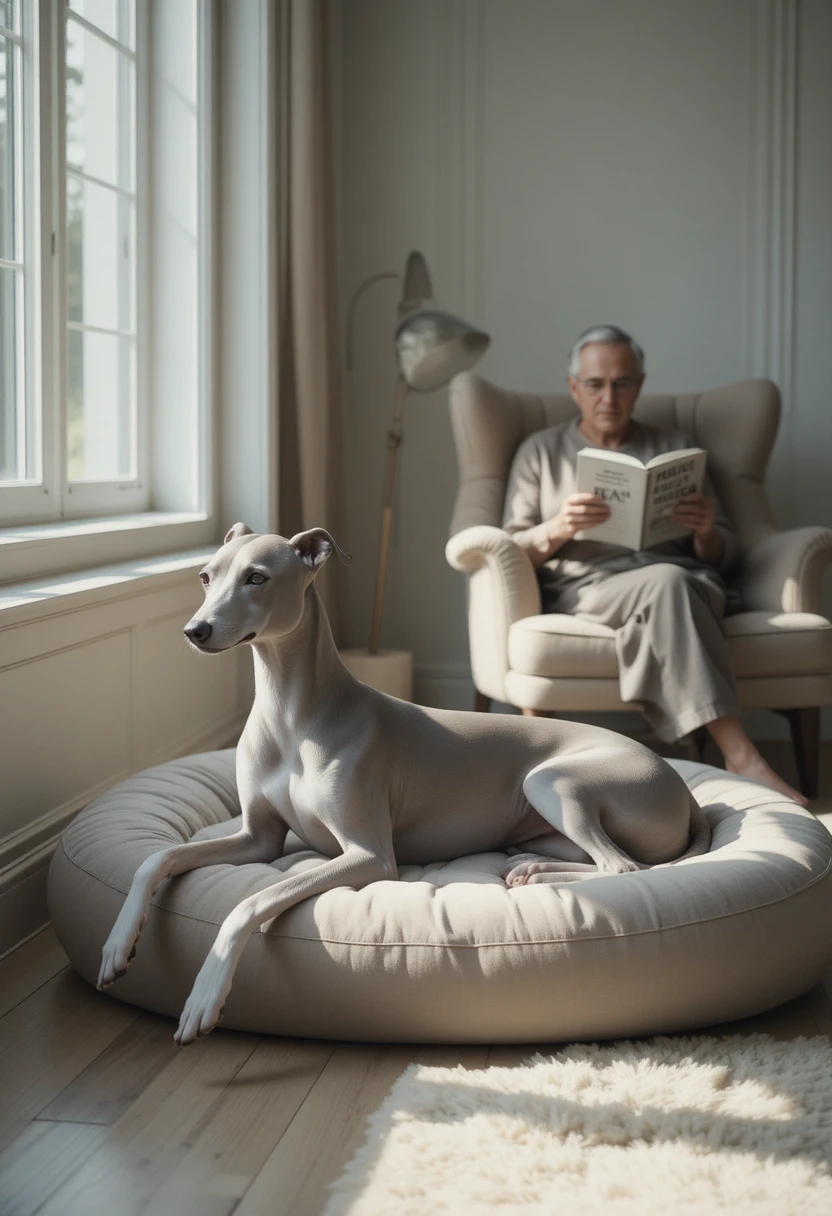
It might surprise you to see a large breed on this list, but retired racing Greyhounds are famously known as “45-mph couch potatoes.” After a quick burst of energy, they’re happy to nap for the rest of the day.
Why they’re great for seniors:
- Calm, quiet, and gentle despite their size
- Low exercise needs once past puppyhood
- Short coat, easy grooming
- Many are adopted as adults, skipping the puppy stage entirely
Something to know: Because of their size, a Greyhound may not suit seniors who need a dog they can easily lift or physically restrain.
Bonus: Consider a Senior Rescue Dog
One option that doesn’t get talked about enough: adopting an older rescue dog, regardless of breed. Senior dogs are typically already calm, house-trained, and past the destructive puppy phase a natural match for a senior owner’s pace of life. Shelters are full of gentle, loving adult dogs simply waiting for someone with time and love to give.
How to Choose the Right Breed for You
With so many wonderful options, narrowing it down comes back to a few honest questions:
- How active am I really, day to day? Not how active you’d like to be how active you actually are.
- Do I have grandchildren or visitors often? Some breeds (like Beagles and Cavaliers) are especially good with kids.
- Can I manage daily brushing, or would I prefer a low-maintenance coat?
- Am I comfortable with a dog that needs to be lifted occasionally, or do I want something sturdier?
- Does my living situation (apartment, house, senior community) have any pet size or breed restrictions?
Frequently Asked Questions
What is the calmest dog breed for seniors?
The Shih Tzu, Cavalier King Charles Spaniel, and Pug are consistently among the calmest breeds, needing minimal exercise and thriving on quiet companionship.
What is the best low-maintenance dog for elderly people?
French Bulldogs and Pugs require the least grooming and exercise, making them ideal for seniors who want a devoted companion without a demanding routine.
Are small dogs better for seniors than large dogs?
Generally, yes smaller dogs are easier to lift, bathe, and control on walks, which matters more as mobility and strength change. That said, calm large breeds like Greyhounds can also be wonderful companions.
Is it a good idea for a senior living alone to get a dog?
For many seniors, a dog provides valuable companionship, routine, and even health benefits like lower blood pressure and reduced loneliness. It’s worth having a backup care plan in place (a neighbor, family member, or pet sitter) in case of illness or travel.
What dog breed is best for a senior with limited mobility?
Toy breeds like the Maltese, Shih Tzu, and Pomeranian need very little exercise and are easy to manage physically, making them ideal for seniors with mobility challenges.
Final Thoughts
Choosing a dog in your senior years isn’t just about picking a cute face it’s about finding a companion whose needs match your lifestyle so the relationship feels like a joy, not a strain. Whether you fall in love with the regal calm of a Cavalier, the comic charm of a Pug, or the surprising laziness of a retired Greyhound, the right dog can bring warmth, routine, and unconditional love into your everyday life.
Take your time, meet a few breeds in person if you can, and don’t be afraid to consider a mellow older rescue dog sometimes the best companion isn’t a puppy at all, but a dog who’s just as ready to slow down and enjoy life with you.