
Your cat could be in pain right now and you’d probably never know it.
That’s not meant to scare you it’s just how cats are wired. Thousands of years of evolution taught them that showing weakness gets you eaten, so even a healthy-looking, purring, food-bowl-emptying cat can be quietly masking a problem underneath. That’s exactly why the question “how often should I take my cat to the vet?” matters so much more than most owners realize.
Here’s the good news: once you know your cat’s life stage and the handful of warning signs to watch for, you’ll never have to guess again. Below, you’ll find the exact visit schedule vets recommend for every age, plus 11+ signs that mean “stop waiting, book the appointment today.” Stick around for the fourth sign it’s the one most owners brush off as “probably nothing” until it isn’t.
Quick Answer: Cat Vet Visit Frequency at a Glance
If you only have 10 seconds, here’s the cheat sheet:
- Kittens (8 weeks–1 year): Monthly visits
- Adult cats (1–6 years): Once a year
- Mature cats (7–10 years): Once a year, sometimes every 6 months
- Senior cats (10–14 years): Every 6 months
- Geriatric cats (15+ years): Every 3–4 months
- Any age, any time: Immediately if you notice one of the 11+ warning signs below
Now let’s break down exactly why and what actually happens at each of these visits, so you’re never caught off guard.
1. Kittens Need Monthly Vet Visits (8 Weeks to 1 Year)
Kittenhood is the busiest stretch of vet visits your cat will ever have, and there’s a good reason for it.
Between roughly 6–8 weeks and 18–20 weeks of age, kittens are still building their immune systems from scratch. A single vaccine can’t do the job alone it takes a series of boosters, spaced a few weeks apart, to give your kitten real protection against diseases like feline panleukopenia and calicivirus.
During these early visits, your vet will typically:
- Check for parasites (kittens pick these up shockingly easily, often from their mother)
- Administer the FVRCP and feline leukemia vaccine series
- Monitor growth and weight gain
- Discuss spaying or neutering, usually scheduled around 5–6 months
Here’s the thing: skipping even one of these appointments can leave a gap in your kitten’s immunity at the exact moment they’re most vulnerable. Think of the monthly kitten visit less as a checkup and more as building a foundation that protects your cat for the next 15+ years.
2. Adult Cats (1–6 Years) Need Annual Wellness Exams
Once your cat crosses their first birthday, the schedule finally relaxes but it doesn’t disappear.
Healthy adult cats should still see the vet once a year, even if they seem perfectly fine. This one trips up a lot of owners, because a cat that’s eating, playing, and using the litter box normally looks like a cat with nothing to worry about.
But there’s a catch: cats are experts at hiding early-stage illness. Dental disease, minor heart murmurs, and the earliest signs of kidney changes rarely show any outward symptoms until they’ve progressed. An annual exam typically includes:
- A full head-to-tail physical exam
- Weight and body condition check
- Vaccine booster review
- Dental assessment
- A conversation about diet, parasite prevention, and any behavior changes
If your indoor-only cat almost never goes outside, you might wonder if this visit is really necessary. It is. Indoor cats still need core vaccines, dental checks, and weight monitoring indoor living reduces some risks, but it doesn’t eliminate the need for a professional set of eyes once a year.
3. Mature Cats (7–10 Years) May Need to Step Up to Every 6 Months

Somewhere around age 7, your cat quietly crosses into “mature” territory and this is where some vets start recommending twice-yearly visits instead of once.
Why the change? Age-related conditions like early kidney disease, hyperthyroidism, and arthritis tend to start creeping in during this window, often with subtle symptoms your cat can’t tell you about. A cat that’s simply “slowing down a bit” might just be aging normally or might be dealing with joint pain that a vet could catch and treat.
At this stage, ask your vet about adding:
- Baseline bloodwork (so you have numbers to compare against later)
- Blood pressure screening
- More detailed dental X-rays if there’s any tartar buildup
4. Senior Cats (10–14 Years) Should See the Vet Every 6 Months
Once your cat hits double digits, the twice-a-year schedule becomes the standard recommendation, not just an option.
Senior cats are considerably more likely to develop chronic conditions chronic kidney disease, diabetes, hyperthyroidism, and arthritis are all common in this age group. The catch is that these conditions are highly manageable if caught early, but can become serious if left unchecked for a full year.
A senior wellness visit usually includes everything from the adult exam, plus:
- Routine bloodwork and urinalysis
- Thyroid level checks
- Blood pressure monitoring
- A closer look at joint mobility and muscle condition
5. Geriatric Cats (15+ Years) Often Need Visits Every 3–4 Months
For cats in their late teens, some veterinarians recommend stepping up to quarterly visits especially if your cat already has a diagnosed condition like kidney disease or hyperthyroidism that needs regular monitoring.
At this stage, frequent visits aren’t about waiting for something to go wrong. They’re about fine-tuning treatment in real time adjusting medication doses, catching new issues within weeks instead of months, and keeping your cat as comfortable as possible in their final years.
6. Cats With Chronic Conditions Follow a Custom Schedule
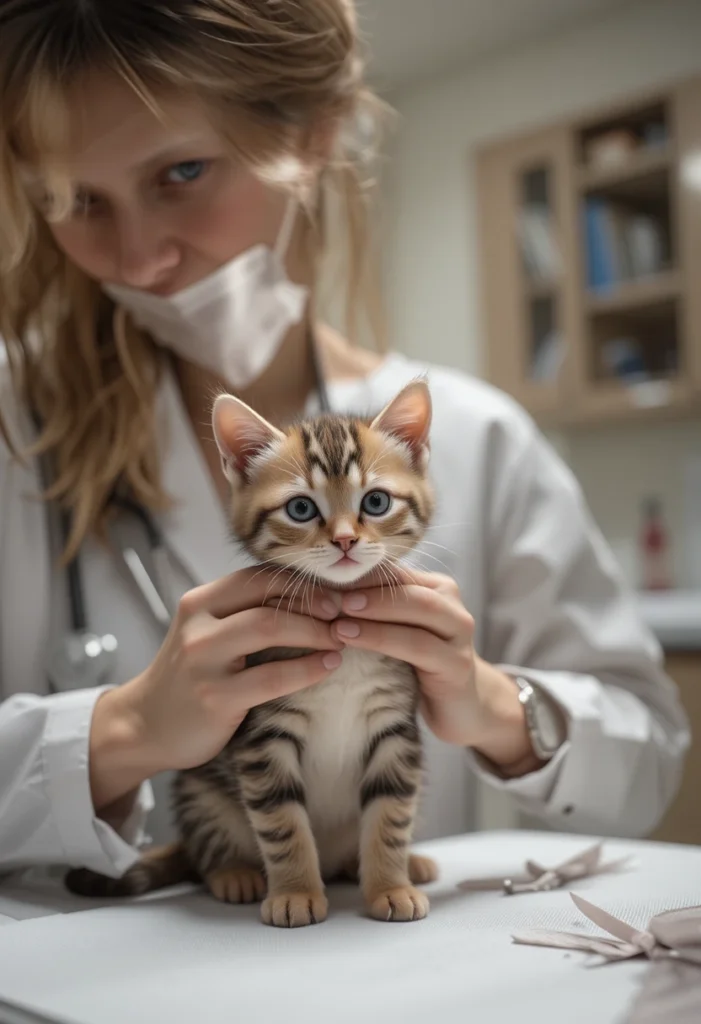
If your cat has already been diagnosed with something like diabetes, kidney disease, or hyperthyroidism, forget the age-based chart entirely. Your vet will set a personalized follow-up schedule based on how well the condition is being managed sometimes every few weeks at first, then stretching out as things stabilize.
This is one area where it genuinely pays to trust your vet’s specific recommendation over any generic guideline you read online (including this one).
7. Indoor-Only Cats Still Need Regular Checkups
It’s tempting to assume that a cat who never sets a paw outside is basically risk-free. Unfortunately, that’s not quite true.
Indoor cats can still develop dental disease, obesity, urinary blockages, and age-related organ issues none of which require outdoor exposure. Being indoor-only lowers your cat’s risk of injury and infectious disease, but it doesn’t lower their risk of the internal, age-related conditions that annual exams are designed to catch.
Some vets may discuss stretching a healthy indoor adult cat to an every-other-year schedule, but this should always be a decision made together with your veterinarian never a default.
Now that you know the schedule, here’s the part that matters just as much: the warning signs that mean “don’t wait for the next scheduled visit.”
11+ Signs Your Cat Needs to See the Vet Right Away
Scheduled wellness exams catch a lot — but they can’t catch everything between visits. If you notice any of the following, it’s time to call your vet, regardless of when the next annual checkup is due.
1. Not Eating for More Than 24 Hours
A cat that skips one meal might just be picky. A cat that skips a full day of food is telling you something is wrong. Cats can develop a dangerous liver condition called hepatic lipidosis surprisingly fast when they stop eating, so this is never a “wait and see” situation.
2. Difficulty Breathing
Open-mouth breathing, wheezing, rapid breathing, or gasping are all red flags. Cats are built to breathe quietly and efficiently through their nose any obvious struggle to breathe is an emergency, not a “let’s monitor it” situation.
3. Straining in the Litter Box
Here’s the sign most owners get wrong: a cat making repeated trips to the litter box with little or no urine coming out isn’t constipated they may have a urinary blockage. This is especially dangerous in male cats and can become life-threatening within 24 to 48 hours if untreated. If you see this, don’t wait until morning.
Read Also: 14+ Pet Insurance for Pre-Existing Conditions Ideas (What Actually Works in 2026)
4. Persistent Vomiting or Diarrhea
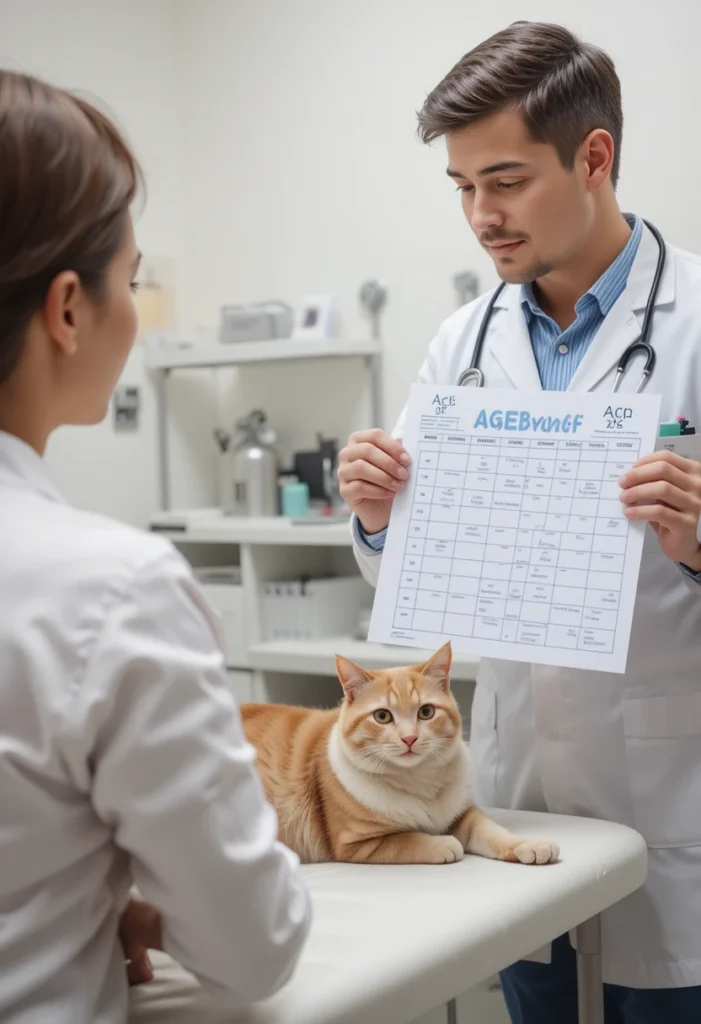
An occasional hairball or one loose stool usually isn’t cause for panic. Vomiting or diarrhea that happens repeatedly in a single day, or continues for more than a day, is different it can lead to dangerous dehydration fast and often points to something more serious than an upset stomach.
5. Hiding More Than Usual
Cats hide when they don’t feel well. If your normally social cat suddenly disappears under the bed for hours or days at a time, treat it as a message, not a personality change.
6. Sudden Weight Loss or Gain
Unexplained weight loss can signal hyperthyroidism, diabetes, or kidney disease. Unexplained weight gain can point to metabolic issues or simply too many treats either way, it’s worth a professional opinion rather than a guess.
7. Bad Breath, Drooling, or Pawing at the Mouth
Dental disease is one of the most common and most overlooked health issues in cats. Persistent bad breath isn’t just unpleasant; it’s often a sign of infected gums or teeth that need treatment before the problem spreads.
8. Limping or Reluctance to Jump
Cats are natural climbers and jumpers. A cat that suddenly hesitates before jumping onto the couch, or favors one leg, could be dealing with an injury or early arthritis both of which are far easier to manage when caught early.
9. Changes in Litter Box Habits
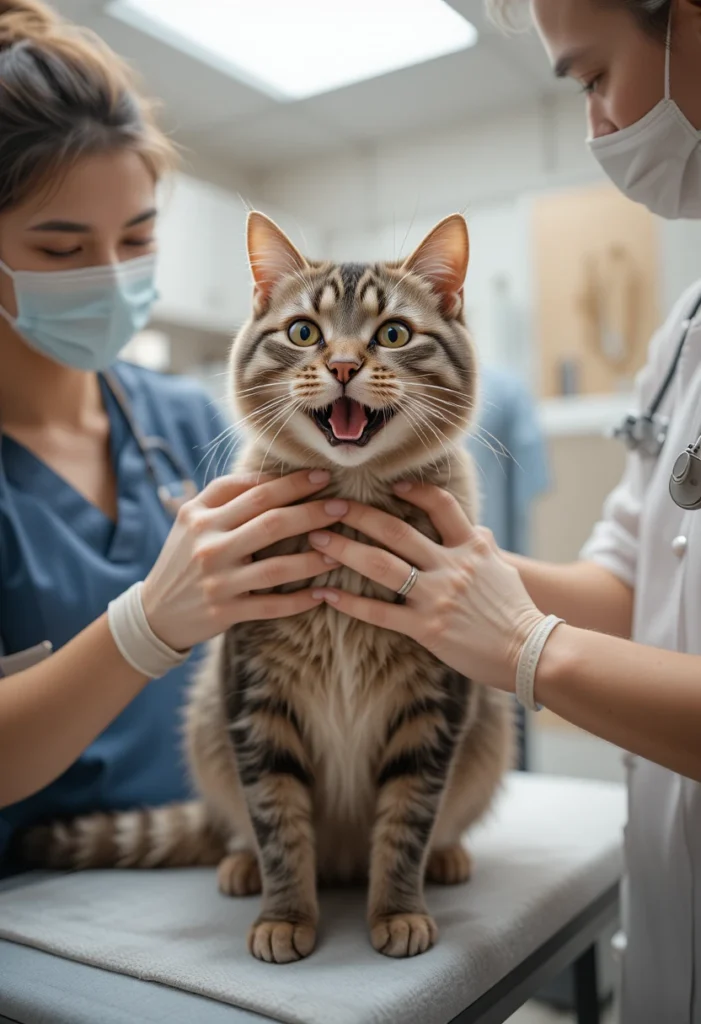
Going outside the box, urinating more frequently, or producing unusually large amounts of urine can all point to urinary tract issues, diabetes, or kidney disease. Any sudden change in bathroom habits deserves a vet’s attention.
10. Unusual Lethargy
A cat that sleeps 16 hours a day is normal. A cat that suddenly seems weak, unsteady, or uninterested in anything including food and play is not. Sudden lethargy is one of the clearest signals that something is physically wrong.
11. Visible Injury or Uncontrolled Bleeding
Open wounds, limping after a fall, or any bleeding that doesn’t stop within a few minutes of applying gentle pressure all warrant an immediate vet visit, even if your cat seems otherwise alert.
12. Seizures, Head Tilting, or Loss of Balance
Any neurological symptom stumbling, sudden blindness, a tilted head, or a seizure should be treated as an emergency. These signs can point to anything from poisoning to a neurological condition, and time matters.
13. Excessive Thirst
If your cat’s water bowl is suddenly emptying much faster than usual, it’s often one of the earliest signs of diabetes or kidney disease both conditions where early treatment makes a real difference in long-term outcomes.
So what does this mean for you? If you spot even one of these signs, that single symptom outweighs any calendar. Vet visit schedules are a floor, not a ceiling they tell you the minimum your cat needs, not the maximum.
Frequently Asked Questions
Do indoor cats need to go to the vet as often as outdoor cats?
Yes. Indoor cats face a lower risk of injury and infectious disease, but they’re still susceptible to dental disease, obesity, and age-related conditions like kidney disease all of which annual exams are designed to catch early.
Is it normal for my cat to hate going to the vet?
Very common. Many cats find carriers, car rides, and unfamiliar environments stressful. Leaving the carrier out at home so it feels familiar, using a calming spray, and choosing a low-stress or “fear-free” certified clinic can all help make visits easier.
How much does a routine cat vet visit usually cost?
Costs vary widely by location and what’s included, but a standard wellness exam is typically far less expensive than emergency care which is one more reason routine visits are worth prioritizing.
Can I skip a year if my cat seems perfectly healthy?
It’s not recommended. Many common cat illnesses show no visible symptoms until they’ve progressed. The entire point of an annual exam is catching what you can’t see at home.
What’s the single biggest reason cats miss vet visits?
Stress and difficulty with carriers/transport is one of the most common reasons cited by veterinary organizations not lack of concern from owners. Talking to your vet about low-stress handling techniques can make a real difference.
The Bottom Line
There’s no single answer to “how often should I take my cat to the vet” it depends on your cat’s age, health history, and whether anything seems off. But if you remember nothing else, remember this: kittens need monthly visits, adult cats need annual visits, seniors need visits every six months, and any warning sign on this list means “now,” not “next scheduled appointment.”