
Your cat walked past her food bowl this morning without so much as a sniff. She’s curled up in a spot she never usually chooses, and something about her just feels… off. You can’t explain it, but you know your cat, and this isn’t her.
That instinct is worth trusting.
Cats are experts at hiding pain and sickness. It’s a survival trait passed down from their wild ancestors, who couldn’t afford to look weak in front of predators. The problem is, that same instinct makes it terrifyingly easy for a serious illness to go unnoticed in your living room until it’s an emergency.
Save this guide. Below are 12+ signs of illness in cats that every owner needs to recognize, what they might mean, and exactly when a “keep an eye on it” situation turns into a “get to the vet now” situation. By the end, you’ll know how to read your cat’s body language like a second language, and you’ll never second-guess that gut feeling again.
Why Cats Hide Being Sick (And Why You Have to Look Closer)
Before diving into the individual signs, it helps to understand why this is so tricky in the first place.
In the wild, a sick or injured cat is an easy target. So evolution wired cats to mask discomfort as long as possible, sometimes until they physically can’t anymore. That means by the time a cat is obviously, dramatically ill, the underlying problem may have been building for weeks or even months.
Here’s the thing: this doesn’t mean your cat is being secretive or difficult. It means you have to become the detective. The good news? Once you know what to look for, sick cat symptoms are actually easier to spot than most owners think, because they almost always show up as a change from your cat’s normal baseline.
That’s the golden rule to keep in mind through this entire guide: it’s not about what’s “normal” for cats in general, it’s about what’s normal for your cat.
1. Sudden Changes in Appetite
A cat who skips one meal because a bird flew by the window is not necessarily sick. A cat who hasn’t touched food in 24 hours absolutely needs attention.
Watch for both directions:
- Eating noticeably less or turning away from favorite foods, which can point to nausea, dental pain, or a dozen other underlying issues.
- Eating noticeably more, which sounds harmless but can actually be an early sign of hyperthyroidism, diabetes, or intestinal problems.
Cats have a uniquely dangerous relationship with food refusal. Going without eating for more than a day or two can trigger a serious liver condition called hepatic lipidosis, especially in overweight cats. So even a “small” appetite change deserves a same-day phone call to your vet if it lasts more than 24 hours.
Quick tip: Track your cat’s eating with a simple daily check rather than relying on memory. It’s the easiest early-warning system you have.
2. Increased or Decreased Thirst

Water intake is one of the most overlooked sick cat symptoms, mostly because most owners have no idea how much their cat normally drinks.
A cat who suddenly starts draining the water bowl multiple times a day could be showing signs of kidney disease, diabetes, or a thyroid problem. On the flip side, a cat drinking noticeably less, especially alongside lethargy, can be dehydrated from an illness that’s already progressing.
But there’s a catch: cats on wet food naturally drink less than cats on dry food, so don’t panic over normal variation. What matters is a change from your cat’s own usual pattern.
3. Vomiting That Isn’t Just a Hairball
Occasional vomiting isn’t automatically an emergency. Cats vomit hairballs, they vomit if they eat too fast, and they vomit the odd time their stomach is just unhappy.
What should worry you is a pattern, not a single event. Pay close attention if you notice:
- Vomiting more than once or twice in a week
- Vomiting alongside lethargy or appetite loss
- Vomit that looks like clear foam, bile (yellow-green), or contains blood
- Repeated attempts to vomit with nothing coming up (this can signal a life-threatening blockage)
Persistent vomiting can point to anything from a dietary indiscretion to an intestinal obstruction, kidney disease, or liver problems. If it’s happening more than two or three days in a row, it’s time to call the vet, not wait it out.
4. Diarrhea or Constipation
Litter box output tells you more about your cat’s health than almost anything else, which is exactly why it’s worth paying attention during scooping.
Diarrhea is usually obvious, but constipation can sneak by unnoticed for longer. Small, hard, or infrequent stools are actually an early warning sign that’s often linked to dehydration or kidney disease. Either extreme, if it lasts more than a day or two, deserves a vet visit.
Save-worthy tip: If you scoop daily, you’ll notice changes almost immediately, long before your cat shows any other symptoms.
5. Straining, Frequency Changes, or Blood in the Litter Box
This one deserves its own spot on the list because it’s genuinely urgent, especially in male cats.
Watch for:
- Straining to urinate with little or no output
- Frequent trips to the litter box
- Crying out while using the litter box
- Blood in urine or stool
- Urinating outside the litter box for the first time
A cat straining to urinate, particularly a male cat, can be dealing with a urinary blockage. This is a genuine emergency that can become fatal within 24 to 48 hours if untreated. If you see your cat repeatedly entering and leaving the litter box without producing urine, treat it as urgent and call your vet or an emergency clinic immediately.
6. Unexplained Weight Loss or Weight Gain
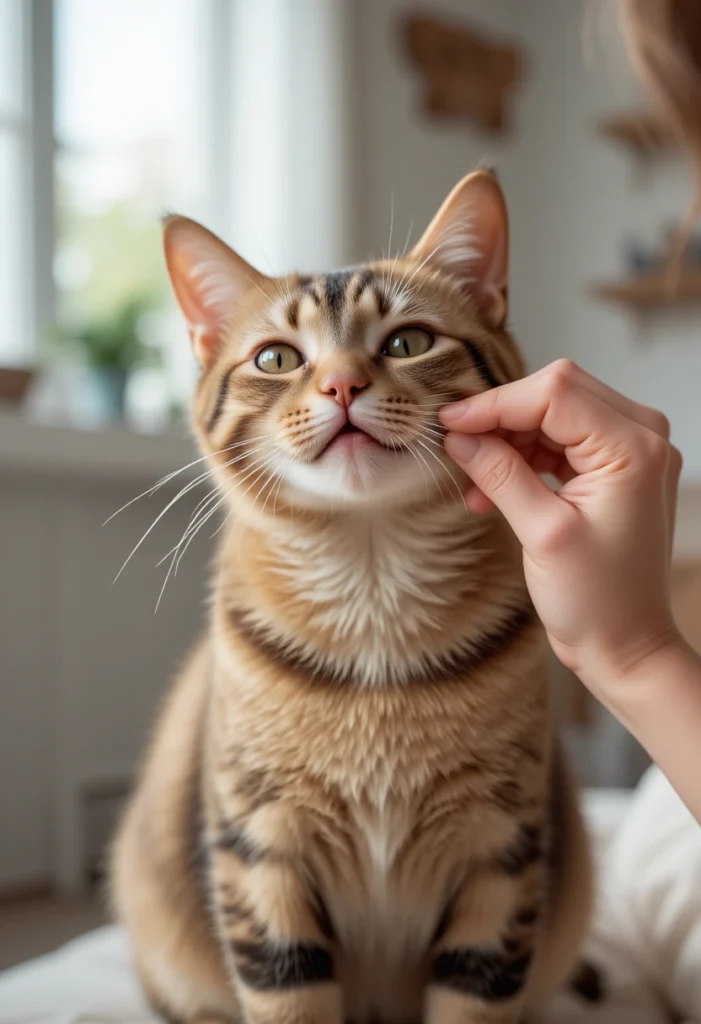
Weight changes hide easily under fur, which is exactly why so many owners miss them until the change is dramatic.
Try this simple at-home check: run your hands gently along your cat’s ribs and spine every couple of weeks. You should feel ribs without seeing them clearly, and the spine shouldn’t feel sharp or overly prominent.
Unexplained weight loss, even in a cat who “seems fine otherwise,” can indicate hyperthyroidism, diabetes, kidney disease, or intestinal issues. Weight gain deserves attention too, since it raises the risk of diabetes and joint problems down the line.
Here’s the thing: sudden weight loss in an older cat is one of the most common early clues of a chronic illness, and it’s often the first sign owners notice before anything else changes.
Read Also: How Much Does Dog Surgery Cost? 13+ Real Price Ranges Pet Owners Should Know
7. Lethargy and Sleeping More Than Usual
Cats sleep a lot. That’s normal. What’s not normal is a cat who’s harder to rouse than usual, who shows no interest in toys or attention, or who seems flat and disconnected even when you’re right there with them.
Lethargy is one of those signs of illness in cats that’s easy to dismiss because it looks so much like a cat just relaxing. The difference is engagement. A resting healthy cat still perks up for food, play, or your voice. A lethargic sick cat often doesn’t.
If this lasts more than a day, especially paired with any other symptom on this list, it’s worth a vet visit.
8. Hiding or Sudden Behavioral Changes
So what does this mean for you as an owner? Behavior changes are often the earliest signal you’ll get, arriving before any physical symptom does.
A social cat suddenly avoiding the family, hiding under the bed, or seeking out quiet corners is a classic sign something’s wrong. Just as telling is the opposite: a normally independent cat becoming unusually clingy, following you room to room, or wanting constant contact.
Also watch for:
- Increased irritability or aggression when handled
- Avoiding being picked up or touched in certain areas
- A change in how your cat carries their head or tail
- Hunched or “tucked in” posture
Cats can’t tell you where it hurts, so behavior is often the closest thing to a direct message you’ll get.
9. Grooming Changes: Too Little or Too Much
Grooming is a cat’s version of a daily health check, and it’s a reliable barometer for you too.
Under-grooming shows up as a dull, greasy, or matted coat, sometimes with visible dandruff. It often means your cat feels too unwell to keep up their usual routine, which can point to pain, dental disease, or a systemic illness.
Over-grooming, on the other hand, especially licking one spot until fur thins or skin turns raw, is frequently a sign of pain, allergies, or stress-related illness rather than simple vanity.
Either direction is your cat telling you something’s changed, even if they can’t say what.
10. Bad Breath, Drooling, or Mouth Pain
Bad breath isn’t just unpleasant to smell, it’s frequently a sign of dental disease, which affects the vast majority of adult cats to some degree.
Other oral warning signs include:
- Drooling, especially if it’s new
- Pawing at the mouth or face
- Reluctance to eat crunchy food or chewing on one side only
- Bleeding or visibly inflamed gums
- A strong or unusual odor from the mouth
Left untreated, dental disease is genuinely painful and can lead to infections that affect other organs. If your cat’s breath has changed noticeably, it’s worth a look under the lip and a mention at their next vet visit.
11. Eye or Nose Discharge

Healthy cats don’t have ongoing discharge from their eyes or nose. If you’re seeing any of the following, it’s worth investigating:
- Watery, thick, or colored eye discharge
- Redness, cloudiness, or squinting
- A visible third eyelid covering part of the eye
- Nasal discharge, especially if thick or colored
- Sneezing that doesn’t stop after a day or two
The third eyelid showing more than usual is a particularly useful early clue. It can point to dehydration, systemic illness, or general discomfort, even before more obvious symptoms appear. Eye issues in particular can escalate fast, so don’t wait more than a day or two before getting them checked.
12. Breathing Changes: Coughing, Wheezing, or Labored Breathing
This is one of the signs of illness in cats that owners most often miss, simply because cats rarely cough or wheeze the way dogs do.
Watch for:
- Breathing that looks fast, shallow, or effortful
- Open-mouth breathing (almost always abnormal in cats)
- Coughing or wheezing
- Sitting with elbows out or neck extended to breathe
- Reluctance to lie down flat, or sleeping with the head raised
This one doesn’t wait. Any sign of breathing difficulty in a cat should be treated as an emergency. Cats compensate for respiratory distress so well that by the time it’s visible, they may already be in serious trouble.
Bonus Sign 13: Changes in Vocalization
Cats who suddenly become unusually vocal, especially with a different tone (yowling, crying, or an unfamiliar meow), may be expressing pain, confusion, or discomfort. This is especially worth noting in senior cats, where increased nighttime vocalization can be linked to cognitive changes, hyperthyroidism, or high blood pressure.
A cat who goes quiet after being talkative their whole life is just as worth noting. Any real shift in vocal habits deserves attention.
What Illnesses Are Behind These Symptoms?
It helps to understand that the signs above are rarely tied to just one disease. Most of them are your cat’s body sending up the same flare for several possible underlying causes, which is exactly why professional diagnosis matters instead of guessing at home.
Some of the most common culprits behind these symptoms include:
- Kidney disease, common in older cats, often shows up first as increased thirst, weight loss, and subtle appetite changes.
- Hyperthyroidism, which can cause increased appetite paired with weight loss, along with restlessness or increased vocalization.
- Diabetes mellitus, marked by increased thirst and urination, sometimes alongside weight loss despite a normal or increased appetite.
- Dental disease, affecting the majority of adult cats to some degree, and frequently behind bad breath, drooling, and appetite changes.
- Urinary tract issues, ranging from infections to blockages, usually showing up as litter box straining or changes in frequency.
- Upper respiratory infections, which typically bring on sneezing, nasal or eye discharge, and reduced energy.
- Intestinal parasites or dietary intolerances, often behind ongoing vomiting or diarrhea that doesn’t resolve on its own.
None of this is meant to help you self-diagnose. It’s meant to show you why the same symptom, like weight loss or increased thirst, can point in several different directions, and why a vet visit with bloodwork is the only real way to know what’s actually going on.
Special Considerations for Senior Cats
Cats age seven and older deserve extra attention, because many of the conditions behind these symptoms become significantly more common with age. Kidney disease, hyperthyroidism, arthritis, and cognitive changes are all far more likely to show up in senior cats, and their symptoms can be easy to write off as “just getting old.”
A senior cat who’s slowing down on the stairs, sleeping more, or eating a little differently isn’t necessarily just aging gracefully. These are often the same early warning signs covered above, just showing up more gradually. Twice-yearly wellness visits for senior cats give your vet the best chance of catching these changes through bloodwork, long before symptoms become obvious at home.
How to Track Symptoms Before Your Vet Visit
When you do notice one or more of these signs, a little preparation goes a long way at the vet’s office. Before your appointment, try to jot down:
- When the symptom started and whether it’s constant or comes and goes
- Any changes in food, environment, or routine around the same time
- What your cat’s litter box output has looked like
- Photos or short videos of unusual behavior, breathing, or movement
This one small habit can shave real time off getting to a diagnosis, since vets are working from a much clearer picture instead of piecing together a vague “she’s just not herself” description.
How to Do a 2-Minute At-Home Cat Health Check
You don’t need special training to catch problems early. Build this into a weekly routine:
- Run your hands along the ribs and spine to check for weight changes.
- Look at the eyes, ears, and nose for discharge, redness, or odor.
- Check the mouth and gums for color, swelling, or bad breath.
- Feel the coat for dullness, mats, bald patches, or lumps.
- Watch how they move for stiffness, hesitation on stairs, or a changed gait.
- Note appetite, thirst, and litter box habits compared to their normal pattern.
Pin this checklist so it’s easy to find next time you’re doing a quick once-over with your cat on your lap.
When to Call the Vet Immediately
Most signs on this list deserve a call within a day or two. Some deserve one right now. Treat these as true emergencies:
- Difficulty breathing or open-mouth breathing
- Repeated straining in the litter box with no urine produced
- Collapse, seizures, or extreme weakness
- Pale, blue-tinged, or yellow (jaundiced) gums
- Vomiting or diarrhea combined with lethargy for more than 24 hours
- Suspected poisoning or ingestion of a toxic substance
- Sudden inability to use the back legs
If in doubt, call your vet or an emergency animal hospital and describe exactly what you’re seeing. It’s always better to make the call and be told it’s minor than to wait and find out it wasn’t.
Frequently Asked Questions
How can I tell if my cat is sick or just tired?
Look at engagement, not just activity level. A tired healthy cat still perks up for food, affection, or a favorite toy. A sick cat often stays withdrawn even when you try to engage them, and this usually pairs with at least one other sign from this list.
What is the most common early sign of illness in cats?
Appetite and litter box changes tend to show up earliest, simply because they’re tied to so many different conditions. That’s why a daily glance at food, water, and the litter box catches more problems than almost any other habit.
Should I worry about one-time vomiting?
Usually not, especially if your cat seems otherwise normal afterward. Repeated vomiting, or vomiting paired with lethargy or appetite loss, is what warrants a vet visit.
How often should I take my cat for checkups if they seem healthy?
Most healthy adult cats benefit from an annual wellness exam, and senior cats (roughly age 10 and up) often do better with checkups every six months, since early signs of chronic illness are easier to catch before symptoms show at home.
The Bottom Line
Your cat can’t tell you when something’s wrong, but their body and behavior almost always do, if you know what to watch for. The 12+ signs of illness in cats covered here, from appetite and thirst changes to breathing trouble and grooming shifts, are the earliest, most reliable clues you’ll get.
You don’t need to be anxious about every small change. You just need to know your cat’s normal baseline and trust yourself when something shifts away from it. That instinct you had at the very start of this article? It’s usually right.