One day your dog is bounding up the stairs two at a time. The next, you catch them hesitating at the bottom, working up the nerve for a climb that used to be effortless. It’s such a small moment that you almost miss it. But it’s also exactly the kind of clue that tells you something bigger is happening.
Here’s the thing: dogs don’t announce that they’re getting older. The signs creep in gradually — a little more gray around the muzzle here, a little less enthusiasm for the ball there — until one day you realize your energetic companion has quietly become a senior. And here’s what makes this tricky: some of these changes are perfectly normal parts of aging, while others are your dog’s way of telling you something needs a vet’s attention.
By the end of this guide, you’ll know exactly which signs are just “getting older” and which ones deserve a phone call to your vet. Save this now so you have it on hand as your dog moves into their golden years.
When Does a Dog Actually Become “Senior”?
Before diving into the signs themselves, it helps to know when to start watching for them. Aging timelines vary dramatically by size and breed. A giant breed like a Great Dane is often considered senior around age six, while a small breed like a Chihuahua may not be considered a senior dog until seven to ten years old. Larger dogs simply age faster, which means the signs below can show up years earlier in a Great Dane than in a Yorkie.
Knowing your dog’s expected senior timeline means you won’t be caught off guard, and you’ll be watching for these changes at the right time instead of dismissing them as “just a bad day.”
1. Graying Fur, Especially Around the Muzzle
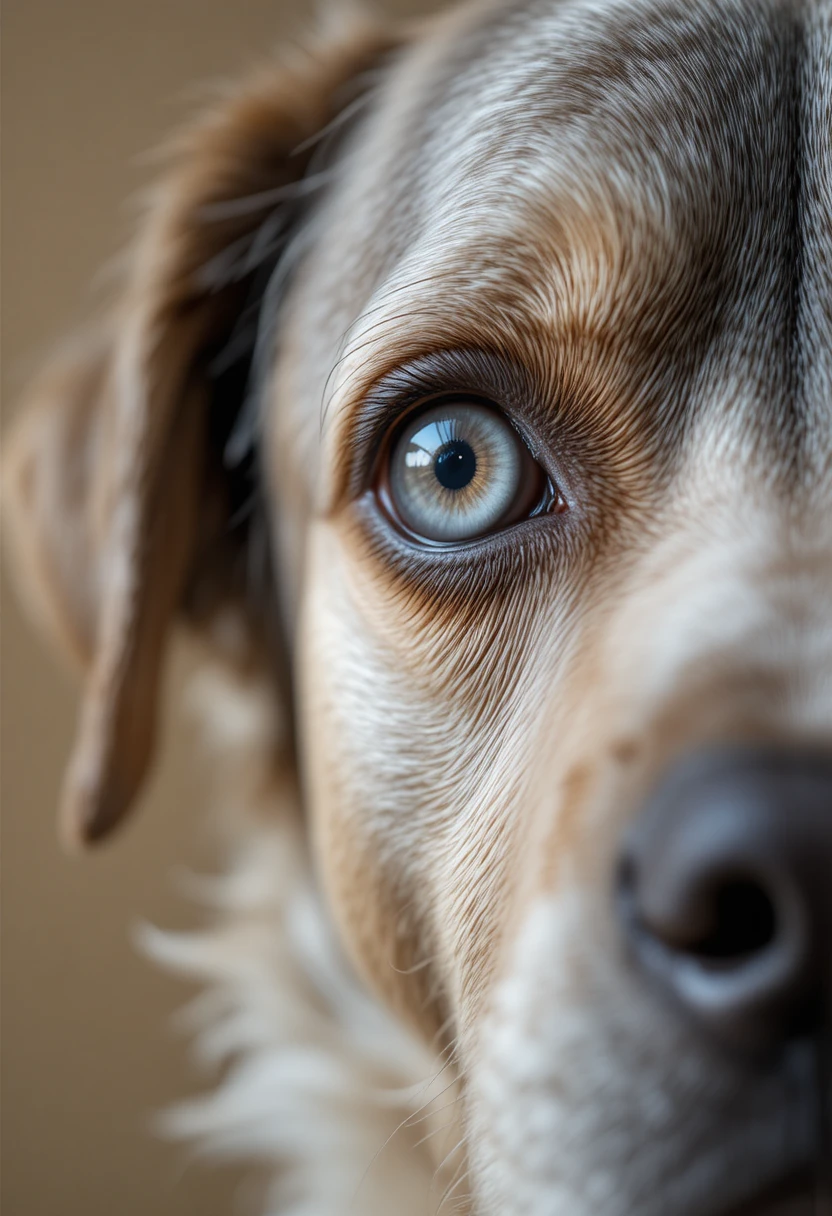
This is often the very first visible sign, and it’s usually the one people notice with a mix of fondness and a small pang of “wait, when did that happen?” Graying and thinning hair, along with diminished hearing and declining eyesight, are among the most common and normal markers of aging in both dogs and cats.
The gray typically starts around the muzzle and eyes before spreading, similar to how gray hair appears in people. On its own, this is purely cosmetic and nothing to worry about.
2. Cloudy or Hazy Eyes
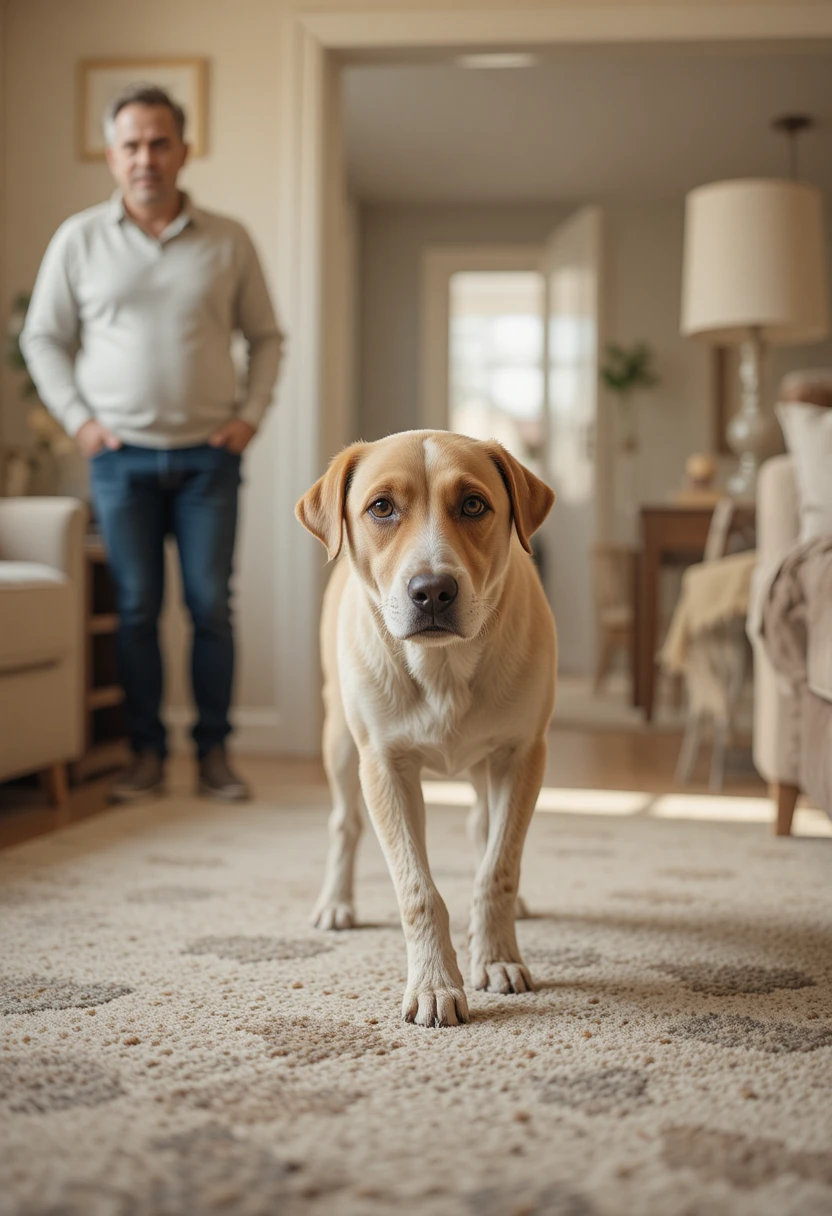
If you look closely and notice your dog’s eyes have taken on a slightly bluish-gray haze, you’re likely seeing a completely normal age-related change called lenticular sclerosis. It’s a fairly common occurrence in senior dogs and typically doesn’t affect their vision.
However, cloudiness can also signal something that does need treatment:
- Cataracts (which can eventually impair vision)
- Other eye diseases or infections
- General vision loss
If you notice your dog bumping into furniture, hesitating at stairs, or struggling to find toys they used to spot instantly, that’s a stronger signal of actual vision loss rather than harmless cloudiness, and it’s worth a vet visit either way just to rule out something treatable.
3. Slowing Down and Difficulty Getting Around
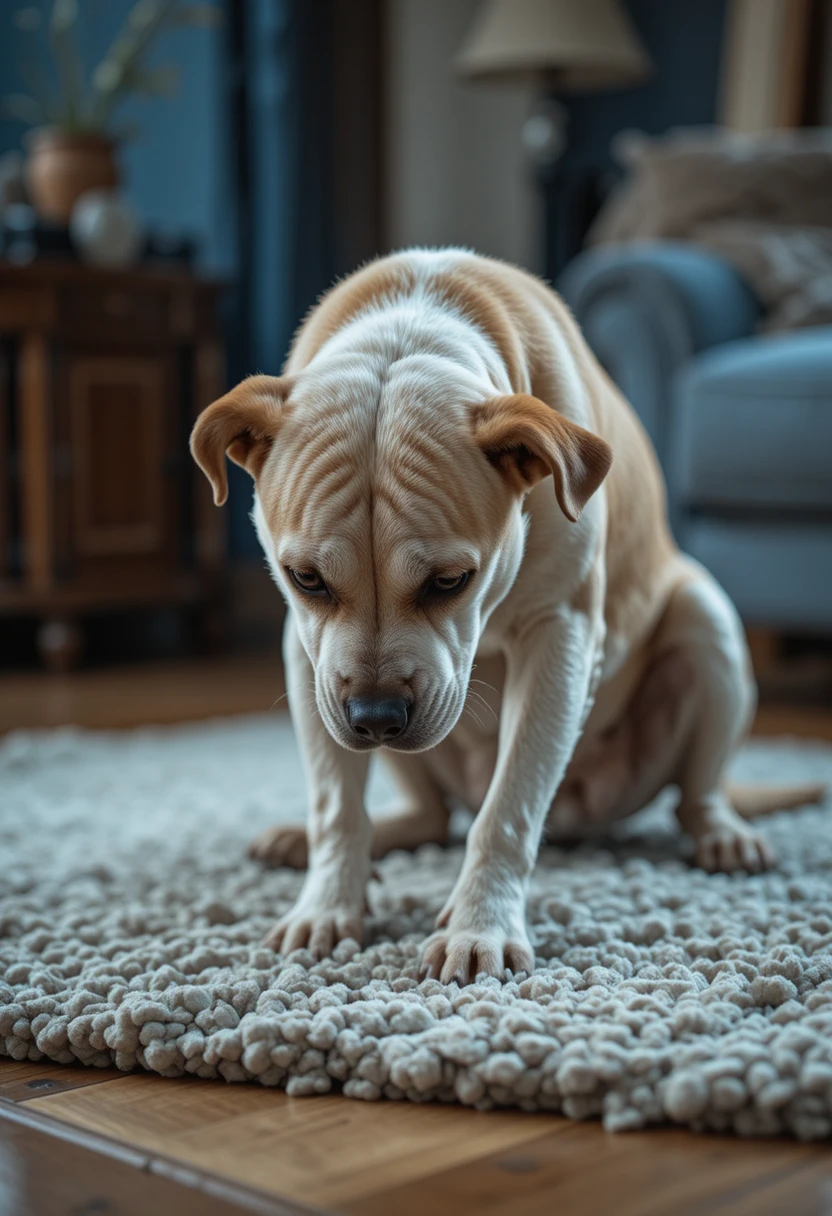
This is one of the most common signs owners notice first. An older dog may start having trouble with stairs, hesitate before jumping into the car, or take longer to get up after a nap, sometimes showing visible weakness in their back legs.
While some slowdown is a natural part of getting older, this particular sign is worth paying close attention to because it often points to something treatable underneath.
4. Stiffness, Limping, or Reluctance to Move
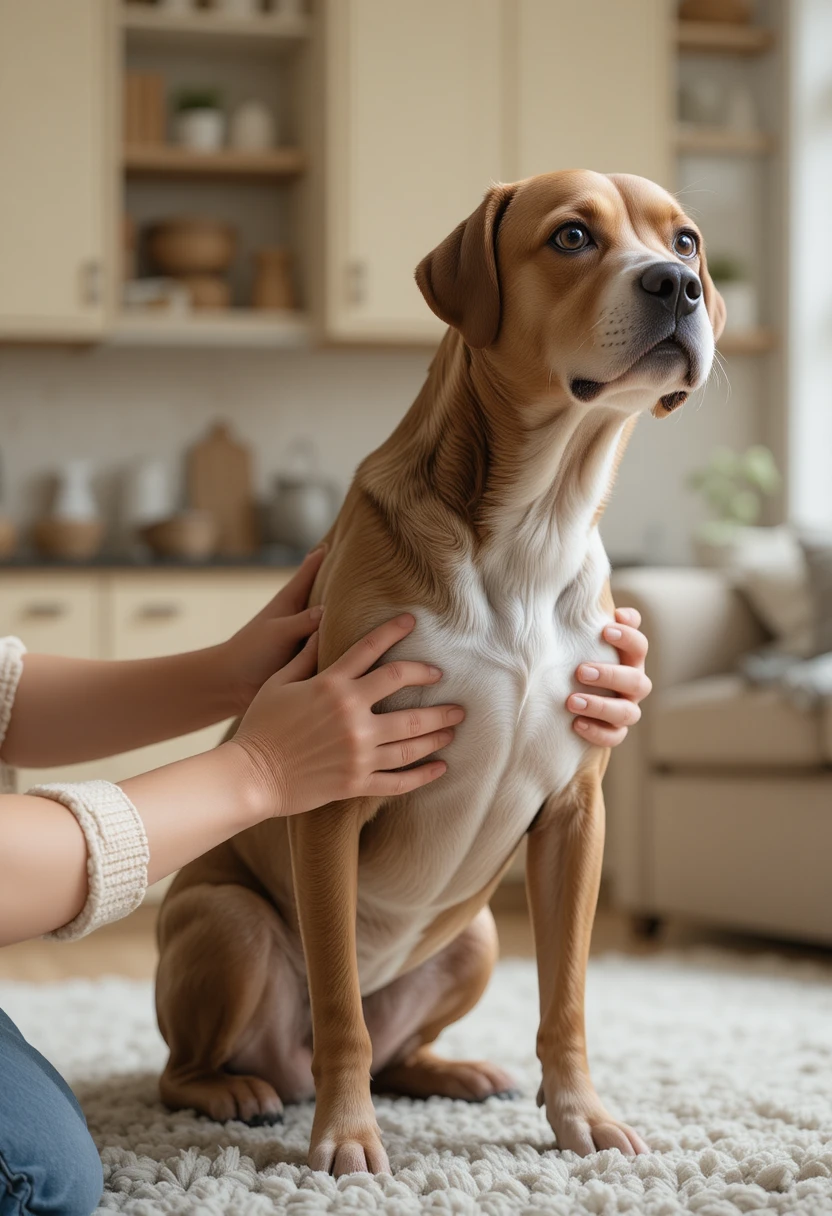
If your dog would rather stay curled up than go for their usual walk, joint pain is frequently the reason why. Stiff joints and osteoarthritis are extremely common in older dogs, since the cartilage protecting their joints naturally wears down over time, just like it does in humans.
Watch for these arthritis-related clues:
- Stiffness that’s worse in the morning or after resting
- Reluctance to climb stairs
- A noticeable limp or favoring one leg
- Difficulty settling into a comfortable lying position
Larger breeds carry more weight on their joints, which means bigger dogs and overweight dogs of any size face extra pressure that can accelerate joint issues. Regular veterinary checkups make it possible to catch joint disease early, before it progresses into constant discomfort.
Read Also: 12+ Smartest Dog Breeds Ranked: The Ultimate Intelligence Guide
5. Weight Changes in Either Direction
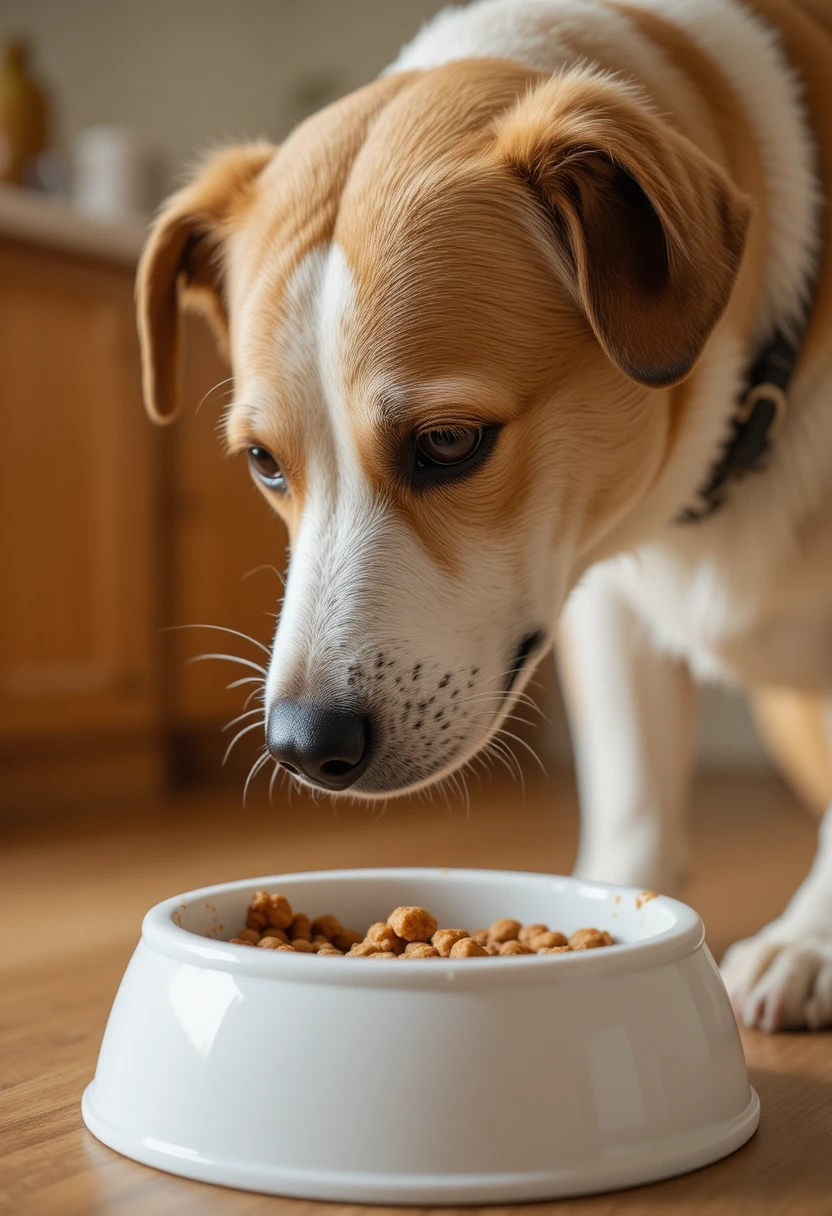
Weight can swing two very different directions as dogs age, and both deserve attention. As dogs slow down and become less active, they often gain weight, something that’s frequently manageable with a simple diet adjustment. On the flip side, unexplained or rapid weight loss can be caused by reduced muscle mass, but it can also point toward a more serious underlying issue that warrants veterinary bloodwork.
Quick summary you can save: gradual weight gain in a slowing-down senior is usually a diet fix. Sudden or unexplained weight loss is always worth a vet visit.
6. A Smaller Appetite or Pickier Eating
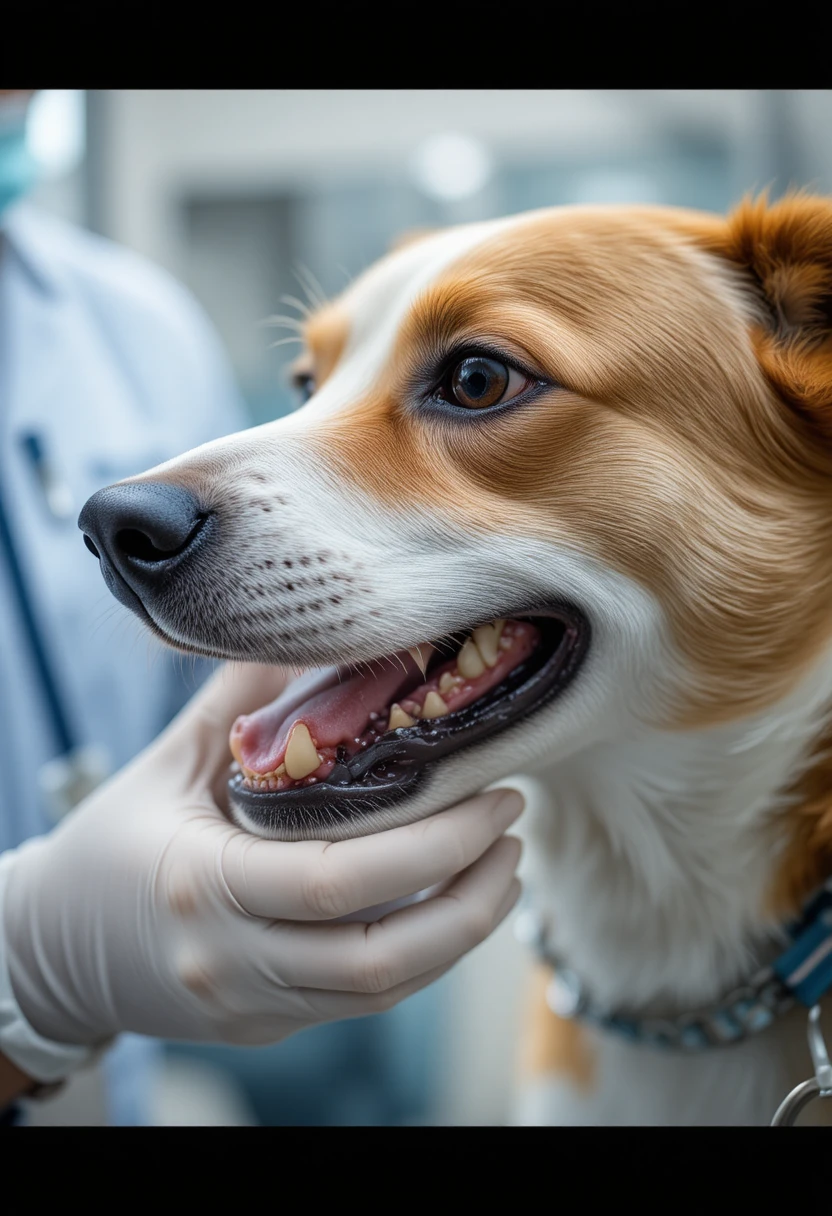
Older dogs often develop smaller appetites, and some even need a bit of coaxing to finish their meals. This can simply be part of a naturally reduced metabolism, but it’s important to confirm with your vet that decreased appetite and any accompanying weight loss aren’t signs of an underlying health condition rather than simple aging.
7. Bad Breath or Dental Changes
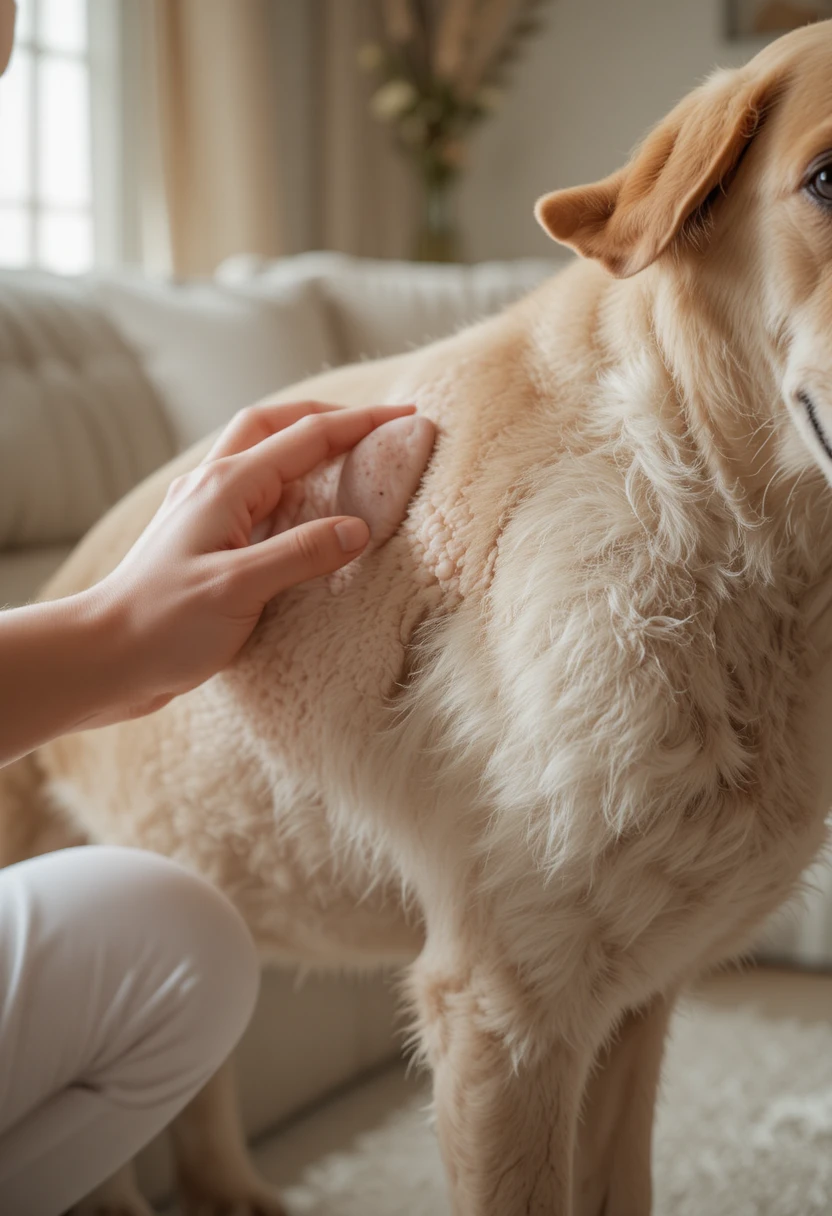
If your dog’s breath suddenly goes from “typical dog breath” to genuinely unpleasant, their mouth is trying to tell you something. Bad breath in aging dogs typically points to gum disease or tooth decay, and a vet may recommend a cleaning or bloodwork to rule out infection.
An aging dog’s immune system also weakens over time, making it harder for their body to fight off oral infections the way it once did easily. Regular dental checkups become even more important during the senior years.
8. New Lumps or Bumps Under the Skin
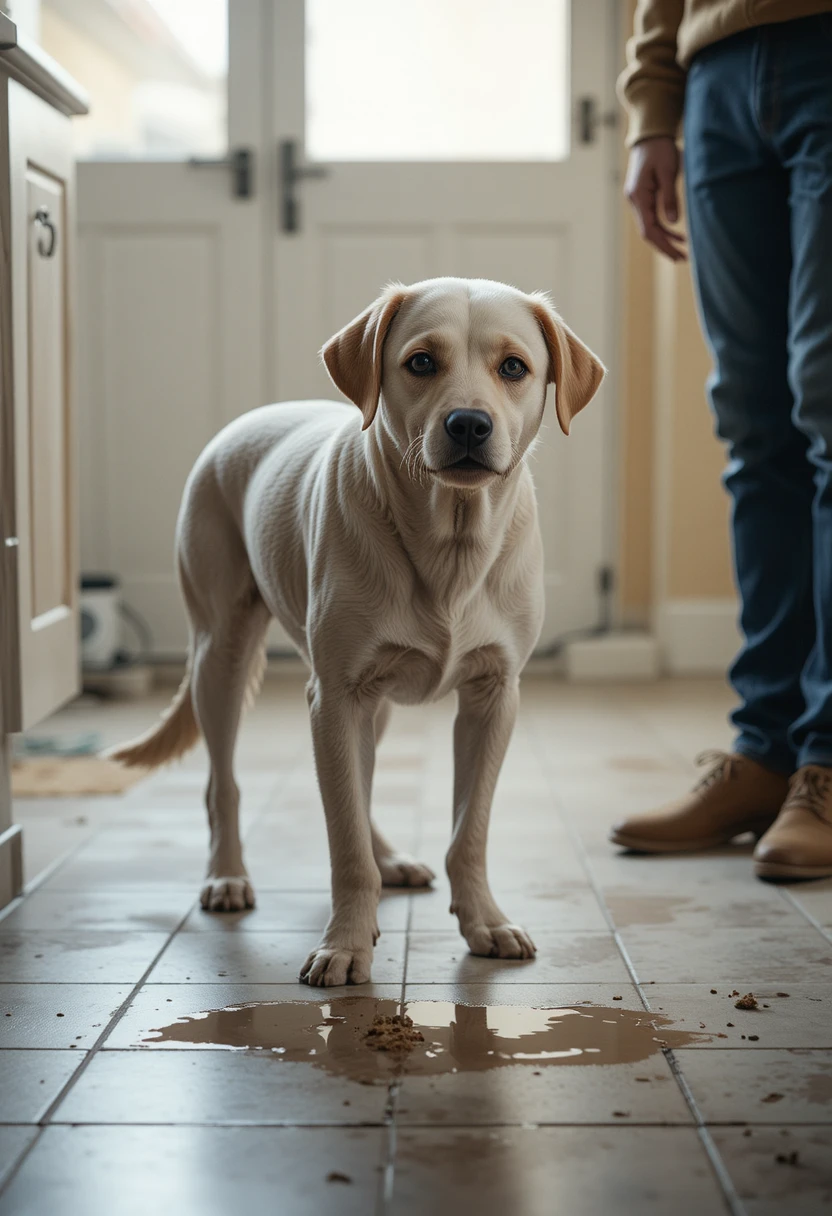
Finding a new lump on your senior dog can be alarming, and it’s completely understandable to fear the worst. The reassuring news: older dogs are more prone to developing lipomas, which are harmless fatty deposits under the skin. That said, any new lump should still be checked by your vet, just to confirm it’s benign rather than something more serious.
9. Increased Urination or House Accidents
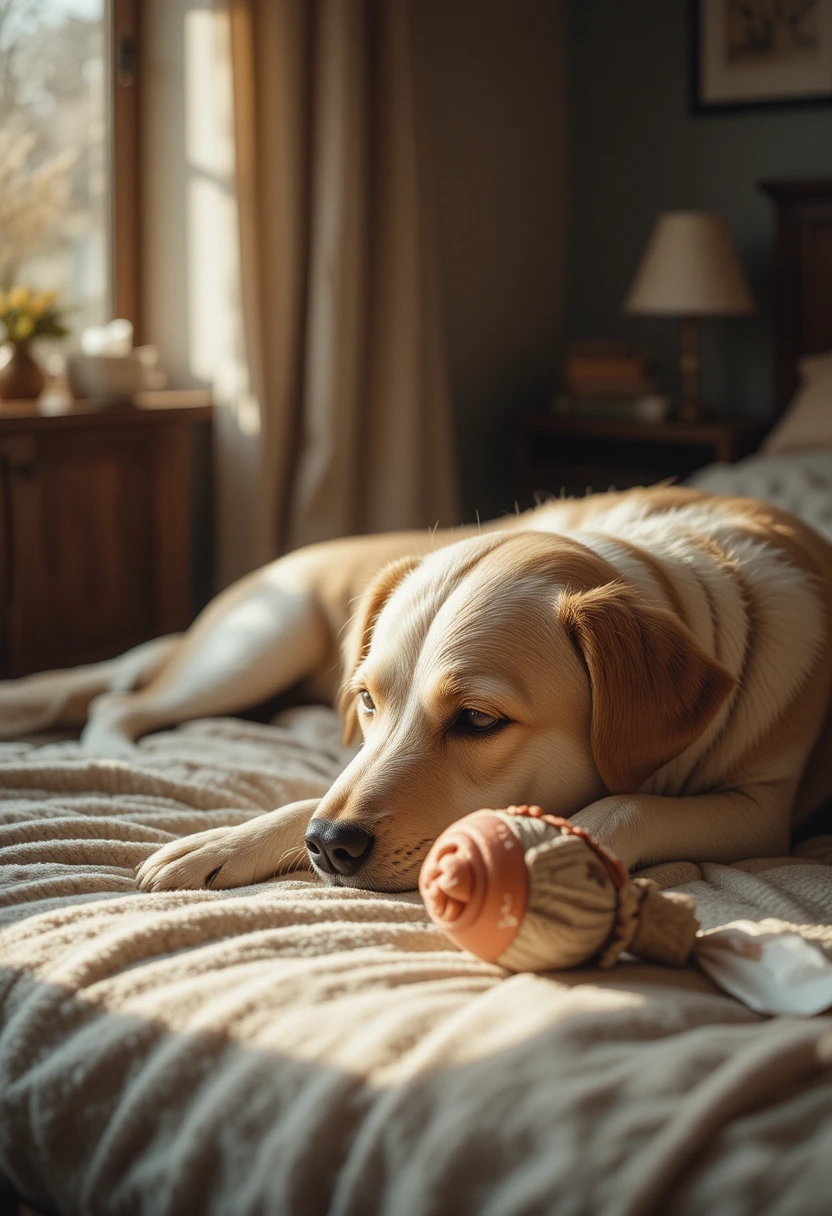
This is one of the signs that catches families off guard because it can feel like a behavioral regression rather than a health issue. Increased or strained urination can indicate kidney disease or a urinary tract infection, both of which show up more frequently in middle-aged to senior dogs.
It’s also worth remembering that house accidents in a senior dog are never intentional; your dog isn’t misbehaving; their body is changing in ways they can’t control. Speaking with your vet can identify the underlying cause and often lead to medication or dietary changes that significantly improve things.
10. Behavioral Changes and Reduced Interest in Favorite Activities
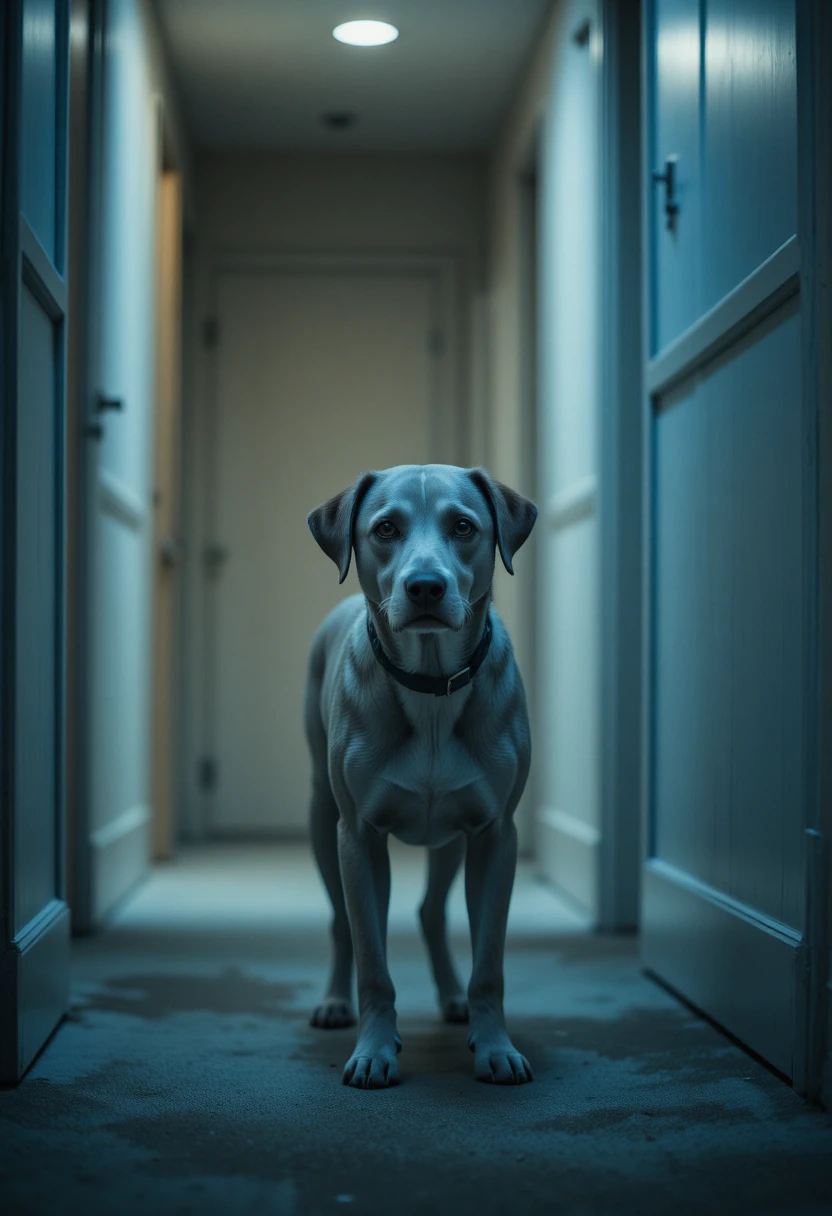
If your dog seems less excited about the walk, the ball, or the visitors at the door, this is often one of the earliest behavioral signs of aging. Seniors may become more irritable or reluctant to engage in activities they used to love, particularly if they’re dealing with pain or discomfort from arthritis or another underlying condition.
In general, most senior dogs simply prefer calmer, lower-key activities than they did as energetic adults, and will naturally spend more time resting.
11. Confusion or Signs of Cognitive Decline
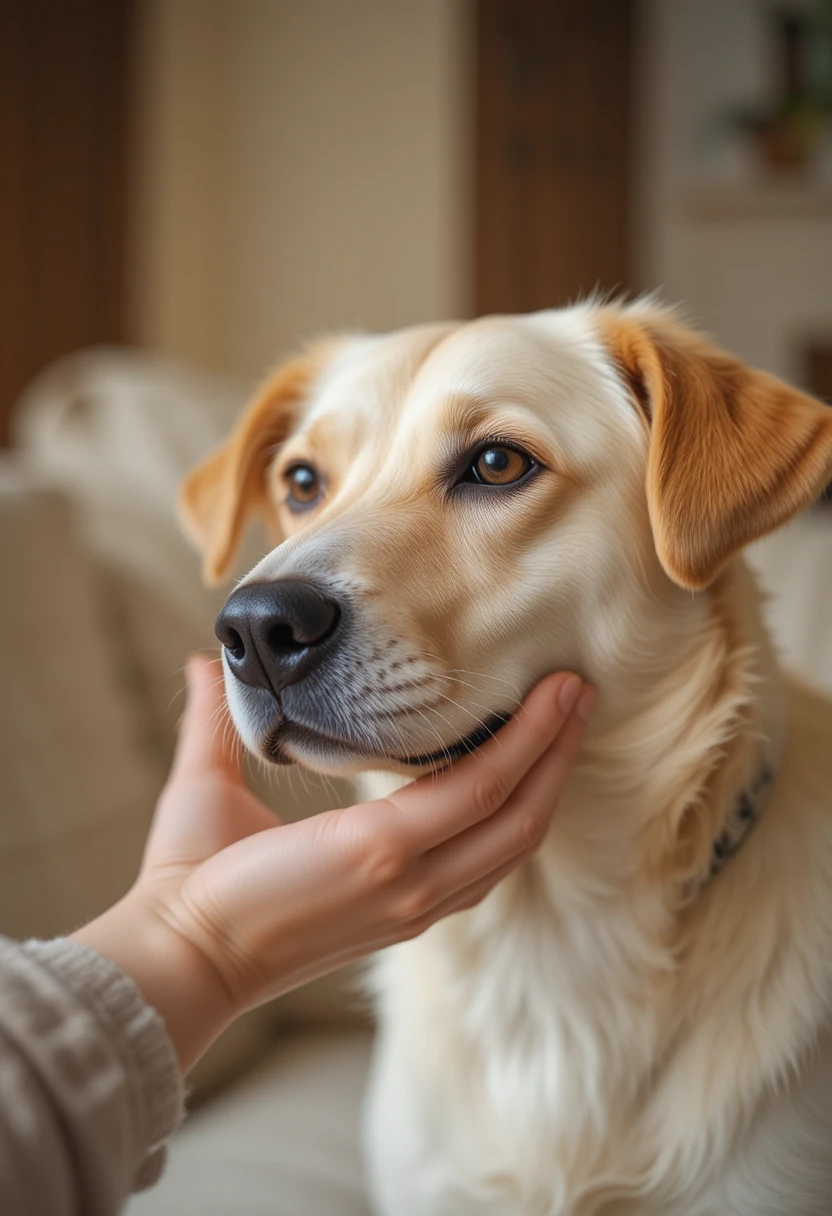
This is the sign that tends to worry owners most, and understandably so. Senior dogs can develop canine cognitive dysfunction (CCD), a condition similar to Alzheimer’s in humans. It often first shows up as confusion, restlessness, or vocalization during the evening hours, sometimes called “Sundowners Syndrome.”
Signs of possible cognitive decline include:
- Getting “lost” or disoriented in familiar spaces
- Staring blankly at walls or into space
- Increased nighttime restlessness or pacing
- Reduced interaction with family members
- Changes in sleep-wake patterns
Because cognitive decline can also stem from other treatable medical conditions, it’s important to have your vet rule those out first rather than assuming it’s simply “old age dementia.”
12. Hearing Loss
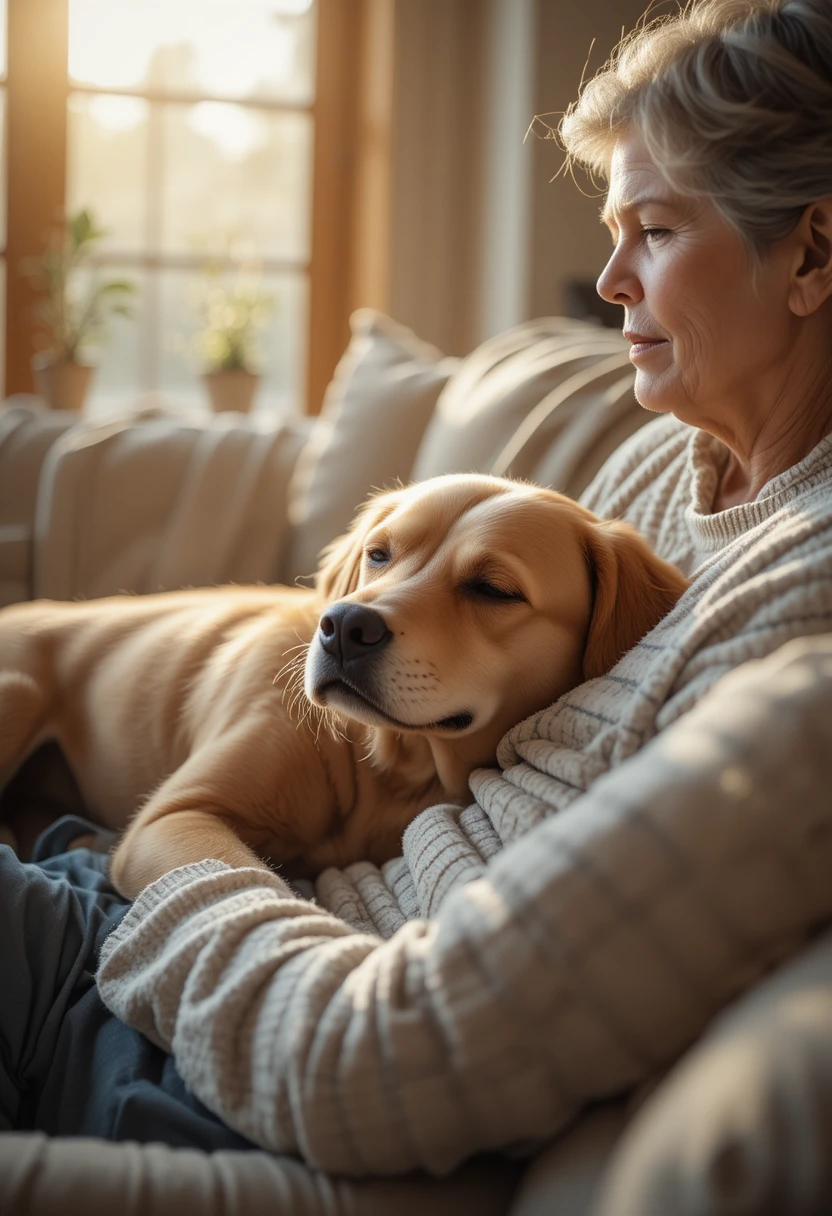
Diminished hearing is another one of the classic, largely normal markers of canine aging. You might notice your dog no longer reacts to the doorbell, sleeps through sounds that used to wake them instantly, or needs a firmer touch to get their attention. While hearing loss itself usually isn’t treatable, adjusting how you communicate using hand signals or vibrations instead of relying purely on voice commands can make a big difference in your senior dog’s quality of life.
13. Withdrawing or Spending More Time Alone
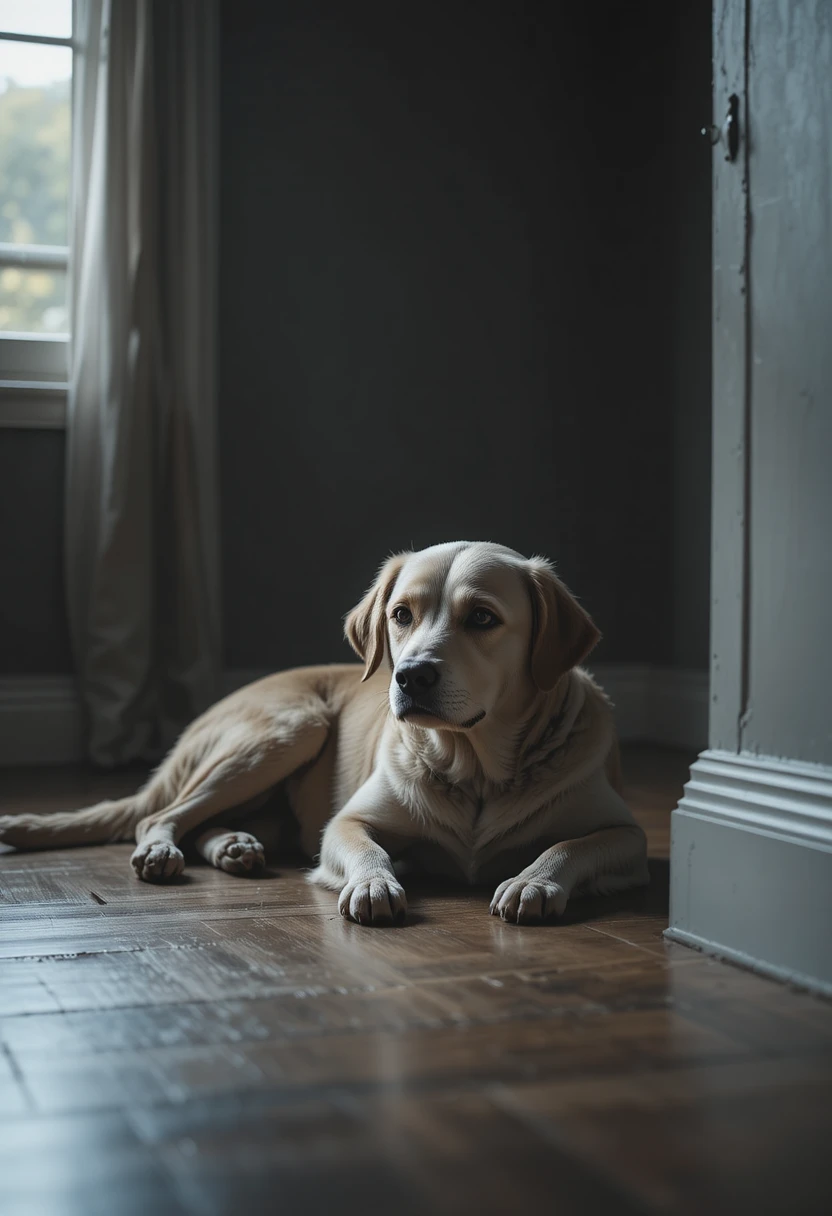
A senior dog gradually choosing to spend more time away from the family’s usual activity, rather than in the middle of it, is a change worth noting. This withdrawal is often simply a natural coping response to diminishing energy levels, but a sudden, dramatic increase in isolation combined with other symptoms on this list is worth mentioning at your next vet visit.
How to Support Your Aging Dog at Home
Once you’ve spotted a few of these signs, small home adjustments can make a real difference in your senior dog’s day-to-day comfort:
- Add an elevated dog bed to ease pressure on aging joints
- Switch to elevated food and water bowls to reduce neck and joint strain while eating
- Put down rugs or non-slip mats in areas where hardwood or tile floors might cause slipping
- Offer mental enrichment through sniff-focused walks or puzzle toys, especially if physical activity has become limited
- Schedule more frequent vet checkups to catch developing issues early rather than after they’ve progressed
When to Call the Vet
Getting older isn’t a disease in itself, and plenty of senior dogs live long, genuinely happy lives well into their golden years. But certain combinations of signs deserve a prompt call to your vet rather than a “let’s just watch it” approach:
- Sudden or unexplained weight loss
- New lumps or bumps of any kind
- A dramatic increase in house accidents
- Signs of pain, including limping, reluctance to move, or vocalizing when touched
- Noticeable confusion, disorientation, or significant nighttime restlessness
- Vision changes accompanied by bumping into objects
Trust your instincts here. You know your dog’s normal baseline better than anyone, and any change that feels sudden or severe is worth a conversation with your vet rather than waiting it out.
Frequently Asked Questions
At what age is a dog considered senior?
It depends heavily on size. Giant breeds are often considered senior around six years old, medium breeds a bit later, and small breeds sometimes not until seven to ten years old, since smaller dogs generally age more slowly.
Are cloudy eyes in older dogs always a sign of cataracts?
Not necessarily. Many senior dogs develop a bluish haze called lenticular sclerosis that’s a normal part of aging and doesn’t affect vision, but a vet visit can confirm whether it’s this harmless change or an actual cataract that needs monitoring.
Is it normal for a senior dog to sleep significantly more?
Some increase in sleep is completely normal for senior dogs, but a dramatic, sudden jump in sleeping or lethargy beyond your dog’s usual pattern is worth mentioning to your vet, since it can also indicate an underlying health issue.
Can canine cognitive dysfunction be treated?
While it can’t be fully cured, many dogs benefit from a combination of environmental enrichment, dietary support, and in some cases medication prescribed by a vet, especially when caught early.
Should I change my senior dog’s diet automatically once they show signs of aging?
Diet adjustments can help with weight management and joint support, but it’s best to work with your vet first to rule out any underlying condition rather than switching foods on your own without a check-up.
The Bottom Line
Watching your dog age is one of the more bittersweet parts of being a pet owner, but knowledge really is the best tool you have here. Most of these signs the gray muzzle, the cloudy eyes, the slower mornings are simply part of your dog’s natural life stage, not something to panic over. Others, like sudden weight loss, new lumps, or dramatic behavior changes, are your dog’s way of asking for a vet’s help.