
There’s a specific moment every dog owner remembers: the first time you notice gray creeping into the muzzle, or your dog hesitates before jumping onto the couch they used to launch onto without thinking.
It’s a strange feeling part tenderness, part quiet worry. Your dog is still your dog, but something has shifted, and you’re not entirely sure what to do about it. That uncertainty is exactly why so many owners search for how to care for a senior dog the moment they notice the first signs of aging.
Here’s the reassuring part: senior dog care isn’t complicated once you know what to focus on. Below are 11+ practical ideas covering everything from diet to home modifications to the health checks vets say get missed most often that can genuinely add comfortable, happy years to your dog’s life. Idea number 6 is the one veterinarians say gets overlooked more than any other.
When Does a Dog Actually Become a “Senior”?
Before diving into the tips, it helps to know when this stage actually begins because the answer isn’t as simple as a single birthday.
Dogs become senior at very different ages depending on size giant breeds by 5-6 years, large breeds by 7, medium breeds by 8, and small breeds by 9-10. The old rule of thumb that all dogs are senior at 7 misses giant breeds entirely, since a Great Dane ages far faster than a Chihuahua.
Here’s the thing: the earlier you recognize this shift, the earlier you can start making the small adjustments below and small adjustments made early tend to matter far more than big changes made late.
1. Schedule Twice-Yearly Vet Visits Instead of Annual Ones
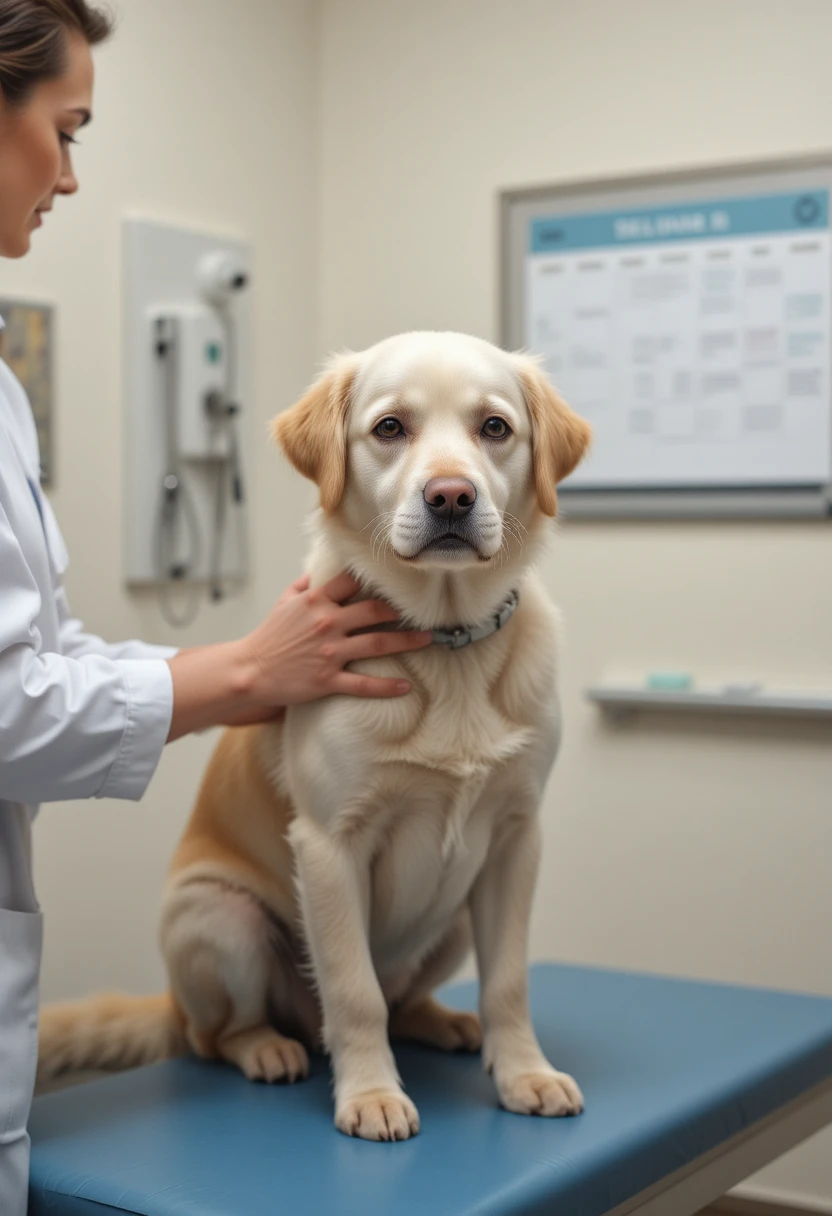
This is the single biggest shift in senior dog care, and it’s non-negotiable.
The single most important dog care tip for seniors is scheduling vet visits twice per year once your dog turns 7, a recommendation echoed by AAHA and dvm360. Senior dogs benefit from twice-yearly wellness exams plus annual bloodwork, which catches kidney disease, thyroid problems, and dental disease 1-2 years earlier than annual-only exams.
So what does this mean for you? Six months might not sound like a long time, but for a senior dog, it’s long enough for a slow-developing condition to go from “easily managed” to “much harder to treat.” Twice-yearly visits aren’t excessive caution they’re the difference between catching a problem early and catching it late.
2. Watch for the Four Most-Missed Senior Conditions

Knowing what to watch for at home is just as important as the vet visits themselves. The four most-missed senior conditions are dental disease, affecting roughly 70% of dogs over 8; arthritis, affecting roughly 50% of dogs over 10; kidney disease, affecting roughly 30% of dogs over 10; and cognitive dysfunction, affecting roughly 30% of dogs over 11.
The signs are often subtle bad breath, a slight slowdown in eating and most owners assume these are just normal aging rather than something treatable. That assumption is exactly what lets these conditions progress further than they need to.
3. Take Dental Health Seriously
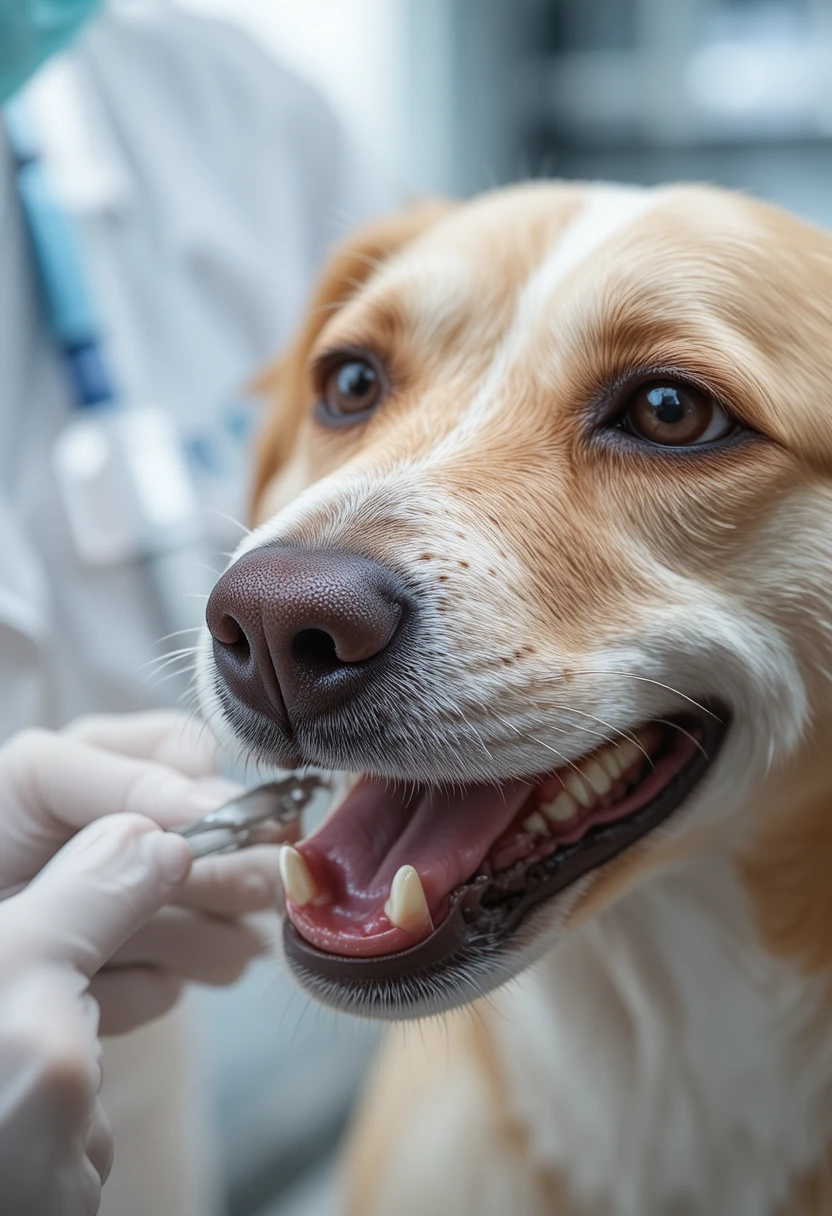
Bad breath in an older dog isn’t just an unpleasant smell to tolerate — it’s frequently a sign of active periodontal disease. Severe periodontal disease can cause heart valve infection, kidney damage, and chronic pain, which is why anesthesia-required dental cleanings every 1-2 years are considered standard senior preventive care.
If your dog has never had a professional dental cleaning, bring it up at their next wellness visit especially if you’ve noticed tartar buildup, drooling, or reluctance to chew.
4. Don’t Write Off Stiffness as “Just Getting Old
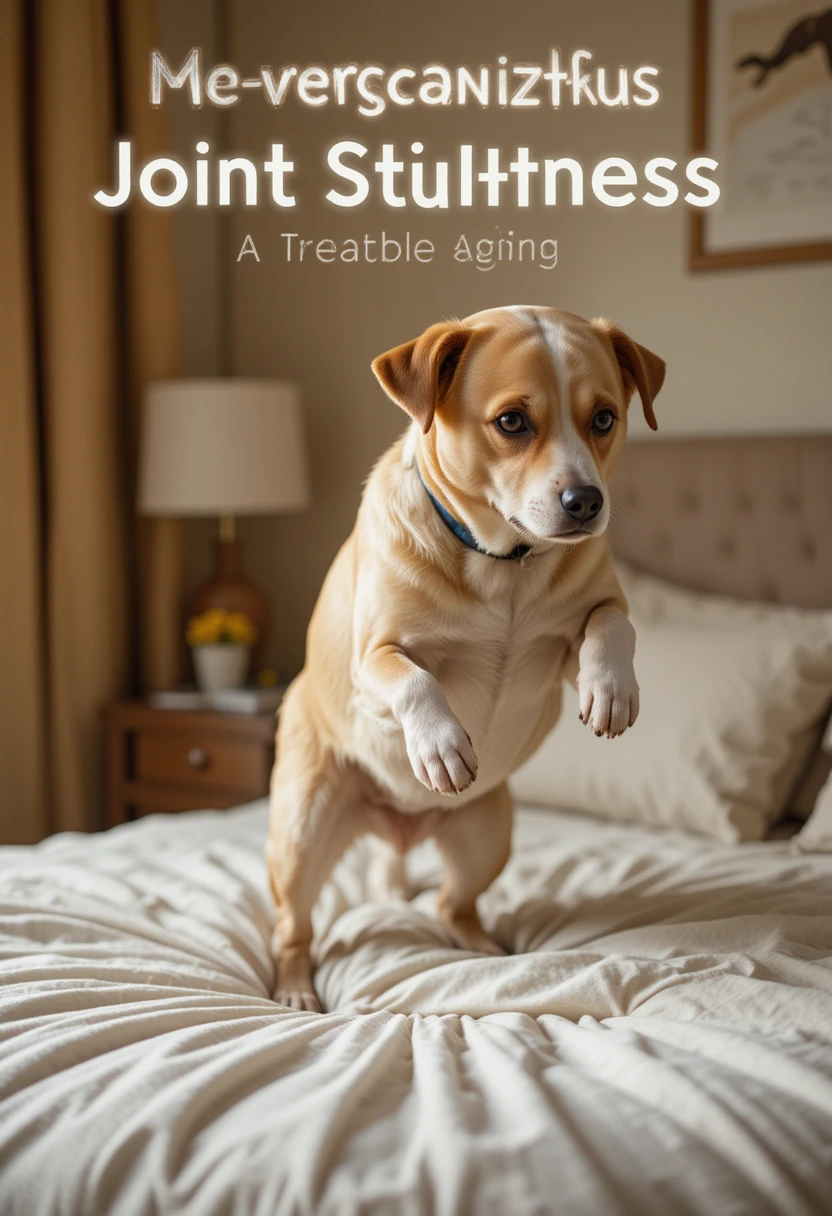
Arthritis is widely under-treated in dogs because owners often interpret stiffness as simply slowing down with age. The good news is that modern options go well beyond a joint supplement. Modern arthritis management includes joint-supplement diets, prescription NSAIDs, monoclonal antibody injections like Librela, gabapentin for breakthrough pain, weight management, and controlled exercise, and can dramatically improve quality of life in arthritic senior dogs.
If your dog hesitates on stairs, seems slow to rise after resting, or has stopped jumping onto furniture they used to enjoy, that’s worth a specific conversation with your vet not just an assumption that it comes with the territory.
Read Also: 10+ Best Dog Clippers for Home Grooming: The Complete Buyer’s Guide
5. Adjust Exercise, Don’t Eliminate It
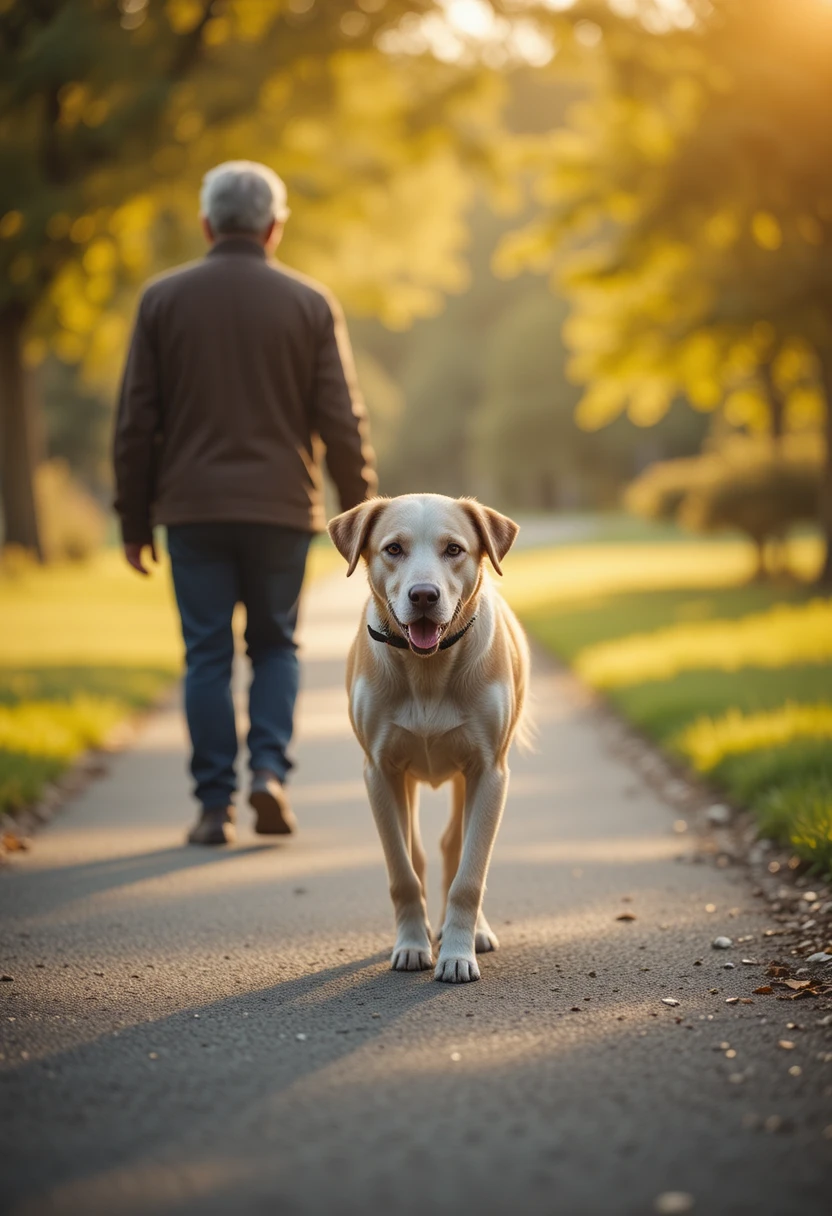
It’s tempting to think a senior dog needs to slow down to the point of barely moving. That’s actually the opposite of what most dogs need. Senior dogs need continued daily exercise to maintain muscle mass, joint health, and cognitive function the form changes, with shorter walks more frequently, swimming if arthritis allows, and controlled fetch instead of high-impact running.
Here’s the thing: muscle loss in senior dogs makes joint pain worse, not better, because muscles support the joints. Gentle, consistent movement protects the very joints that stiffness is trying to protect by resting.
6. Change One Variable at a Time — Never All at Once

This is the tip veterinarians say gets skipped constantly, and it can genuinely make troubleshooting harder when something goes wrong.
Avoid changing food, supplements, and medications at the same time. Changing one variable at a time lets you isolate the cause if your dog has a reaction, instead of guessing which change triggered it.
If your dog needs a new food, a new joint supplement, and a new medication, introduce them one at a time, spaced a week or two apart if possible. It’s slower, but it means that if your dog has an upset stomach or a behavior change, you’ll actually know which change caused it.
7. Switch to an Age-Appropriate Diet — Gradually
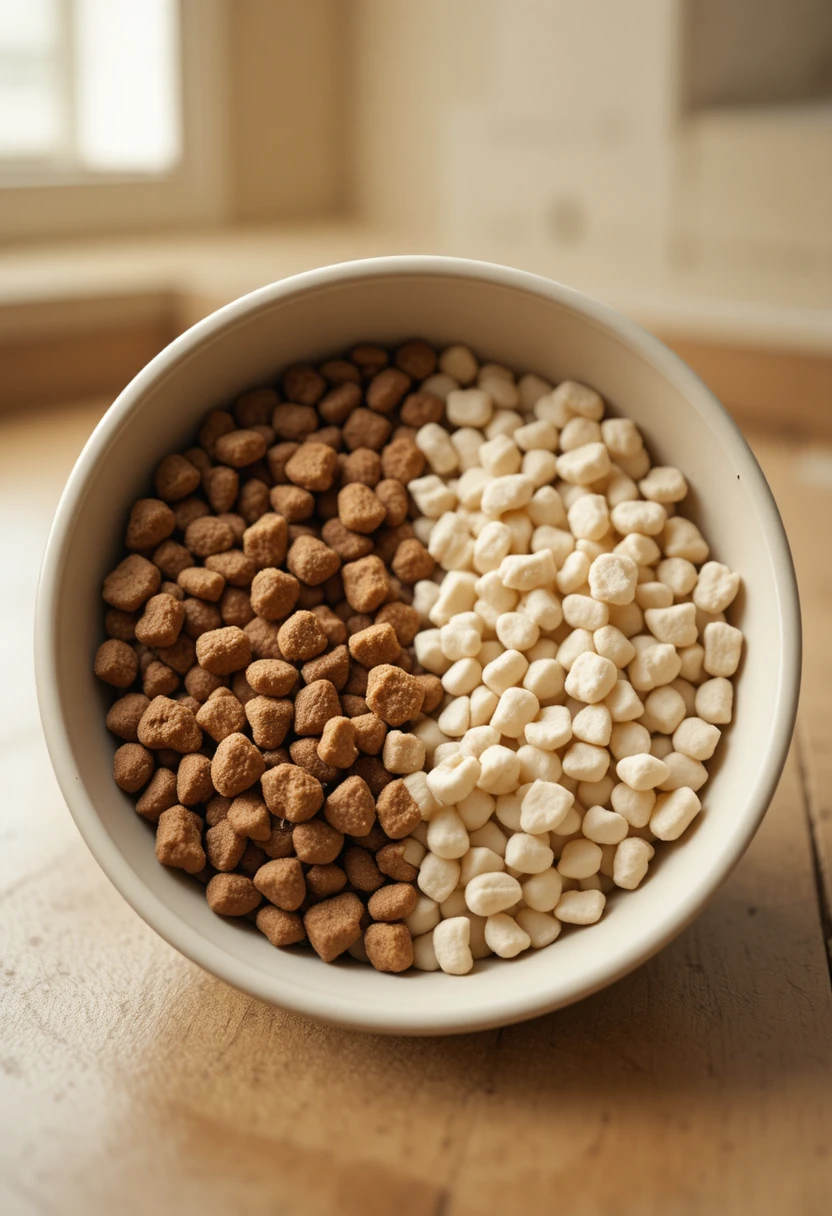
Senior dogs often need fewer calories (since activity levels drop) but more targeted nutrients to support joints, kidneys, and cognitive function. It’s always best to consult your veterinarian before switching your dog’s food to ensure you choose a formula designed specifically for senior pets.
Whatever new food you choose, transition gradually rather than swapping bowls overnight this prevents the digestive upset that a sudden switch almost always causes in sensitive senior stomachs. Mix increasing amounts of the new food into the old food over 7 to 10 days.
8. Watch the Treats and Table Scraps Closely
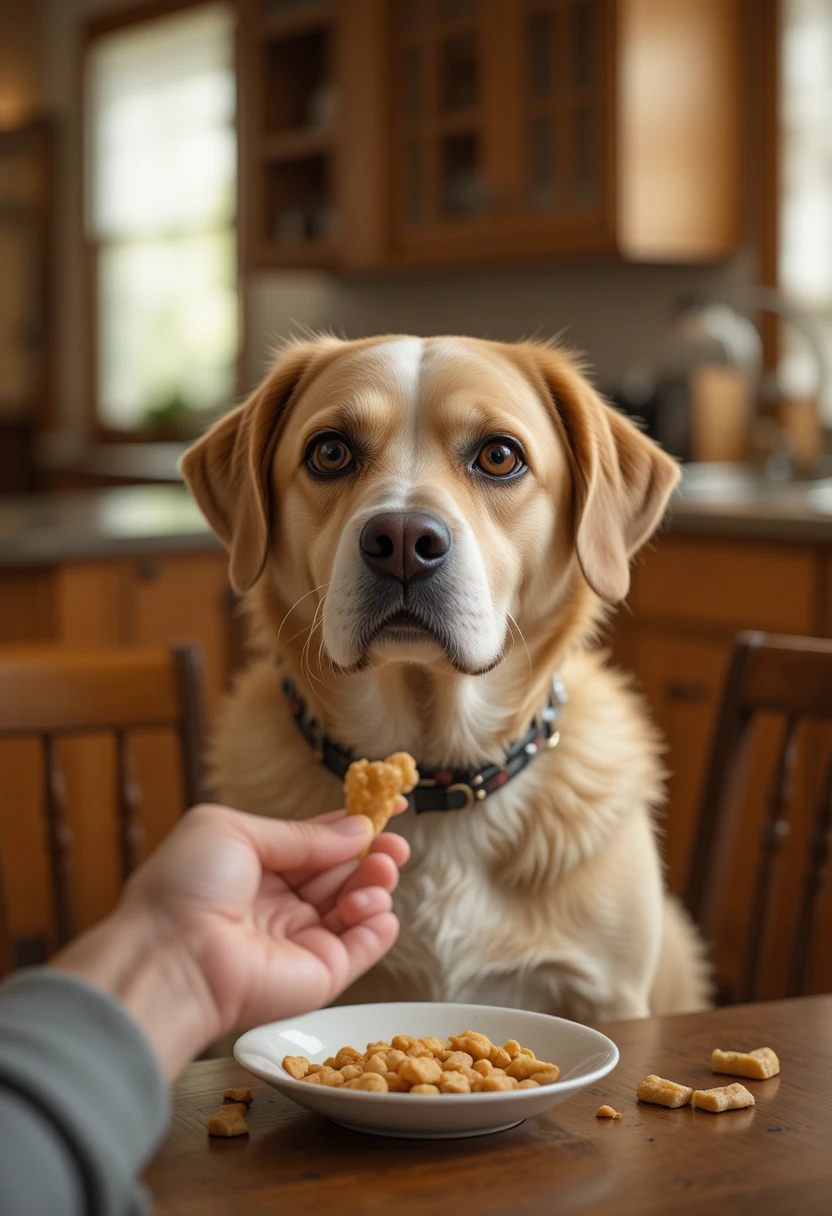
That daily “just a little bite” habit matters more in senior dogs than it did when they were young and burning it off easily. Avoid high-sodium treats, foods with artificial preservatives, and table scraps high in fat, since these can worsen conditions like kidney disease and pancreatitis that are common in older dogs.
If your dog has been diagnosed with an early kidney or pancreatic issue, this becomes even more important what seemed like a harmless treat in their younger years can put real strain on organs that are already working harder than before.
9. Make Traction the First Home Modification You Tackle
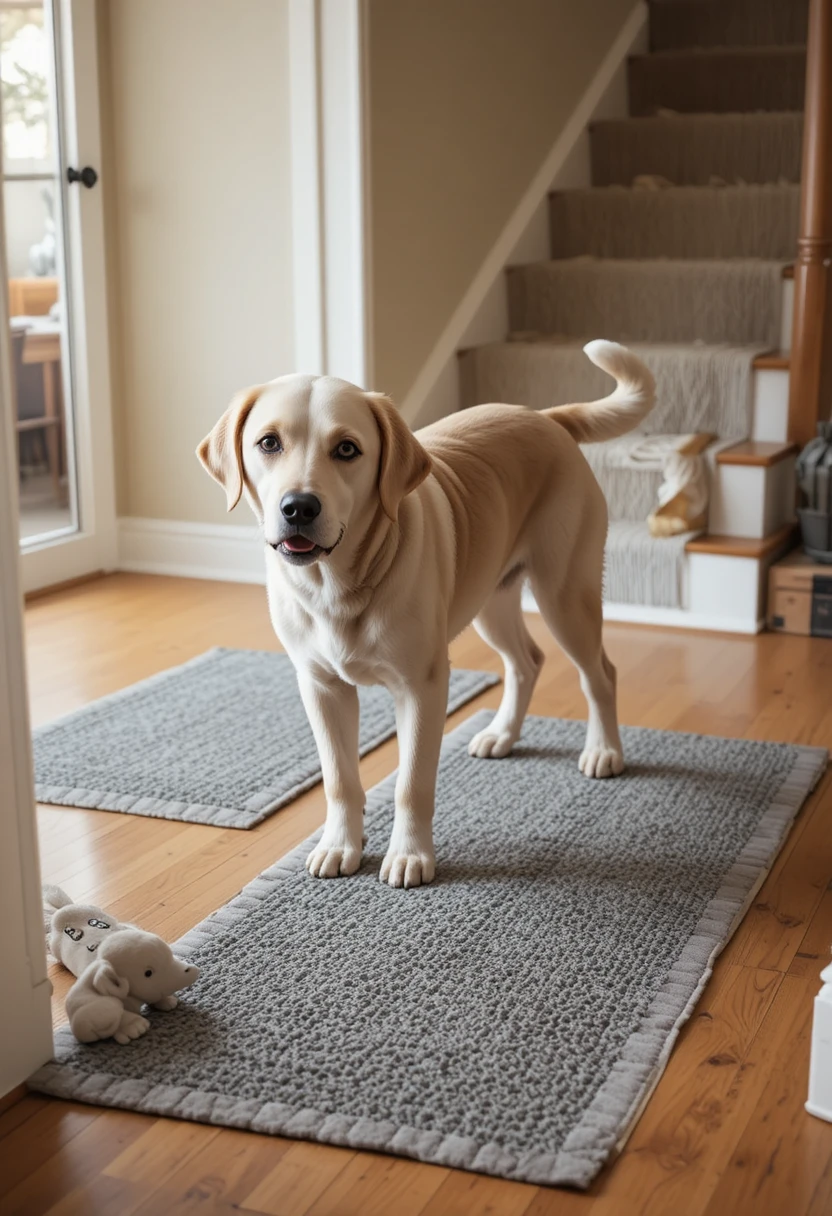
If you’re only going to make one change to your home for a senior dog, make it this one. The first priority is traction lay non-slip rugs or foam tiles along the path your dog travels most, from their bed to their food, water, and exit door, before making any other modifications
Hardwood and tile floors that were never a problem for a younger dog can become genuinely dangerous for a senior dog with weakening joints or early arthritis, since a single slip can cause an injury that sets back their mobility for weeks.
10. Add Orthopedic Support and Easier Access

Once traction is handled, a few additional home adjustments make a noticeable difference:
- Orthopedic dog beds relieve pressure on aching joints and pressure points, especially for dogs who sleep for long stretches.
- Ramps or steps near the couch, bed, or car help dogs avoid painful jumping while still letting them stay close to you.
- Raised food and water bowls reduce strain on the neck and joints for dogs with arthritis or mobility issues.
None of these are expensive changes, but together they remove a lot of the small daily strain that adds up over time.
11. Keep Their Mind Active, Not Just Their Body

Physical health gets most of the attention in senior dog care, but mental engagement matters just as much especially given how common cognitive dysfunction becomes with age. Mental enrichment, social interaction, and home modifications can improve quality of life for aging dogs just as much as physical adjustments do.
Simple, low-impact ways to keep a senior dog mentally engaged include:
- Puzzle feeders instead of a plain food bowl
- Short training refreshers using cues they already know (confidence-building, not new tricks)
- Sniff-focused walks where the pace matters less than the exploring
- Continued social time with familiar people and pets
12. Report Behavior Changes Instead of Dismissing Them

It’s easy to write off a new behavior more anxiety at night, confusion in familiar rooms, changes in sleep patterns as simply “part of getting old.” Behavior changes are meaningful clues about your dog’s health and should not be dismissed as just aging. IDEXX Pet Health
In addition to regular vet checkups, it’s best to report any changes in their health or behavior to your vet so they can act quickly. Confusion, disorientation, or a disrupted sleep-wake cycle can be early signs of cognitive dysfunction a condition that’s far easier to slow down when caught early than when it’s already significantly affecting your dog’s daily life.
13. Manage Weight as Carefully as Diet
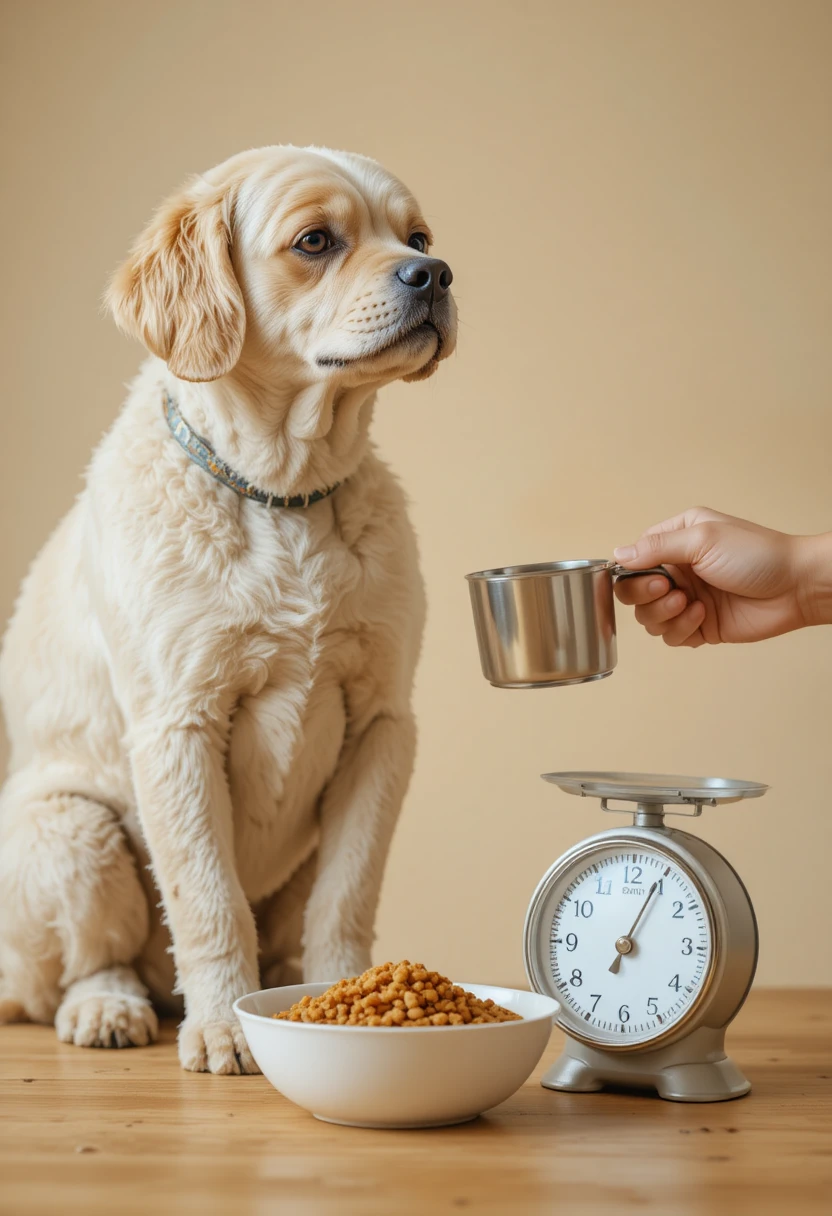
Extra weight puts direct strain on joints that are already under more stress than they used to be. Proper nutrition, weight management, and exercise help support healthy aging in senior dogs, and the three work together you can’t fully solve joint pain with supplements alone if your dog is also carrying extra weight on those same joints.
Ask your vet for your specific dog’s ideal weight range at their next visit, and adjust portion sizes accordingly rather than estimating.
14. Keep Consistency in Their Routine

Senior dogs, especially those with early cognitive changes, tend to feel more secure with predictable routines consistent meal times, consistent walk times, and familiar furniture kept in familiar places. It’s a small thing, but for a dog whose senses or memory may be starting to shift, consistency reduces a surprising amount of daily stress.
Frequently Asked Questions
At what age is a dog considered senior?
It depends heavily on size. Giant breeds are often considered senior by 5–6 years, large breeds around 7, medium breeds around 8, and small breeds around 9–10.
How often should a senior dog see the vet?
Twice a year is the standard recommendation from veterinary organizations, compared to once a year for younger adult dogs, specifically because it catches age-related conditions earlier.
Is it normal for a senior dog to sleep a lot more?
Increased sleep is common in senior dogs, but a sudden, dramatic increase paired with other changes — reduced appetite, confusion, or reluctance to move is worth mentioning to your vet rather than assuming it’s simply age.
What’s the best type of exercise for an arthritic senior dog?
Low-impact options like shorter, more frequent walks and swimming are generally easier on arthritic joints than high-impact activities like running or jumping for fetch.
Should I switch my senior dog to a new food right away?
Only with a gradual transition over 7 to 10 days, and ideally after a conversation with your vet about which senior formula best fits your dog’s specific needs.
The Bottom Line
Caring for a senior dog isn’t about dramatic changes it’s about a series of small, consistent adjustments: more frequent vet visits, gentler but still regular exercise, careful diet transitions, a few thoughtful home modifications, and simply paying closer attention to changes you might have once brushed off.
None of these ideas require becoming a different kind of pet owner overnight. They just require noticing what your dog’s body is telling you and trusting that the gray muzzle in front of you still has plenty of good years left, if you help them along the way.