
If your dog has crossed into their senior years, you have probably noticed the small signs. The stairs take a beat longer. There is more gray around the muzzle. Breakfast doesn’t disappear quite as eagerly. These changes feel gradual from the outside, but inside an aging dog’s body, things are shifting much faster than they used to. That is exactly why the answer to “how often should senior dogs see the vet” matters more than it did when your dog was young and bulletproof.
This guide breaks down exactly how often senior dogs should be examined, what actually happens during those visits, and the signs that mean it is time to go in sooner rather than later.
Quick Answer
Most healthy senior dogs should see the vet twice a year, roughly every six months. Dogs managing a chronic condition, or those nearing the end of life, often need more frequent visits, sometimes every one to three months, depending on what their vet recommends.
When Is a Dog Actually Considered Senior?
There is no single magic birthday. Most dogs are considered senior around age 7, but this shifts significantly by size and breed.
- Small breeds (Chihuahuas, Yorkies, dachshunds) often are not considered senior until age 8 to 10, since they tend to age more slowly.
- Medium breeds typically reach senior status around age 7.
- Large and giant breeds (Great Danes, Mastiffs, Irish Wolfhounds, Saint Bernards) can be considered senior as early as age 5 or 6, since bigger dogs age faster and face a shorter overall lifespan.
Knowing where your dog falls on this scale is the first step in figuring out how proactive you should be about scheduling checkups.
1. Twice a Year Is the Standard Recommendation

The single most consistent guideline across veterinary sources is this: healthy senior dogs should be seen twice yearly, roughly every six months, for wellness exams and geriatric screening. This is double the frequency recommended for healthy young adult dogs, who typically only need one annual visit.
The reasoning comes down to how quickly time actually moves for an aging dog’s body. A single calendar year can represent several years of physiological change in a senior dog, meaning conditions like kidney disease, heart disease, or arthritis can progress from mild to serious in the gap between annual visits. A six month rhythm catches that drift while it is still manageable.
Read Also: How to Trim Dog Nails Without Cutting the Quick: 13+ Tips That Actually Work
2. Why Twice a Year Beats Once a Year for Seniors
It is tempting to assume that if your dog seems fine, an annual visit is enough. The problem is that dogs are remarkably good at masking pain and illness, an instinct left over from their wild ancestors who needed to hide weakness from predators. Many serious conditions, including early kidney disease, don’t produce obvious symptoms until they are already advanced.
Twice yearly visits create more frequent checkpoints for catching subtle shifts in weight, mobility, bloodwork values, or behavior before they become emergencies. Earlier detection generally means simpler, less expensive, and more effective treatment than catching the same issue months later.
3. What a Typical Senior Wellness Exam Actually Covers
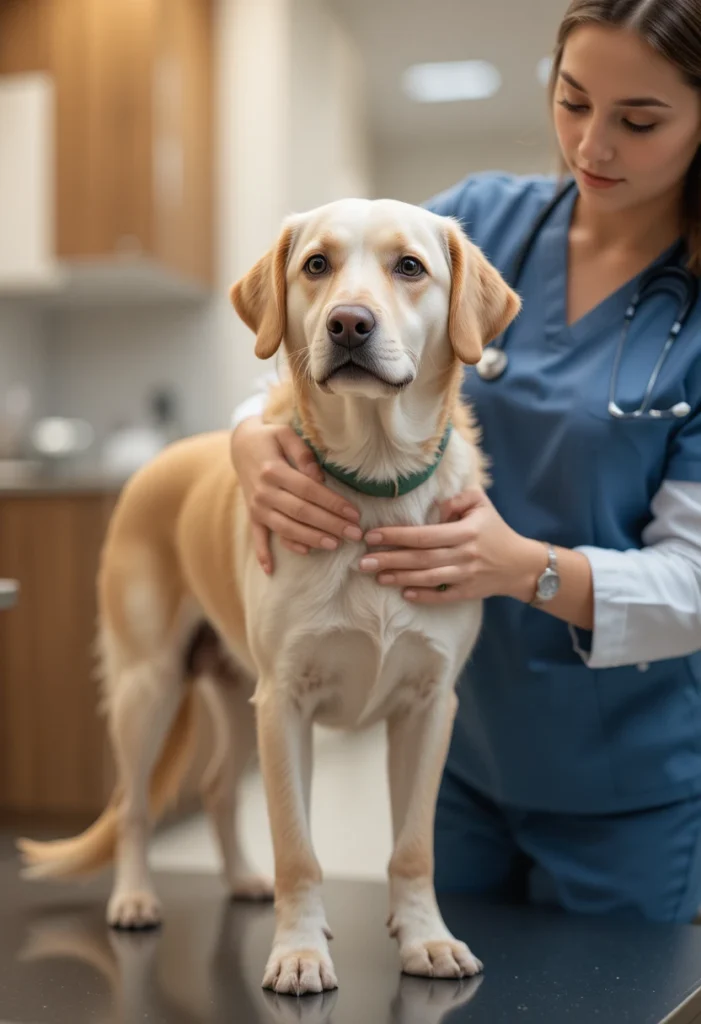
A senior wellness visit is more involved than a standard checkup. Expect your vet to cover:
- A full physical exam from nose to tail
- A review of diet, activity level, and any behavior changes you’ve noticed
- Weight and body condition assessment
- Joint and mobility evaluation for signs of arthritis
- Dental examination, since dental disease becomes far more common with age
- Vision and hearing checks
- A cognitive screening for signs of canine dementia or disorientation
The goal is not to hunt for problems that aren’t there. It is to build a clear baseline of exactly where your dog stands today, so that any change from that baseline becomes visible and actionable at the next visit.
4. Geriatric Screening Goes Beyond the Basic Checkup
In addition to the physical exam, most vets recommend geriatric-specific diagnostics for senior dogs, which typically include:
- Bloodwork to check kidney and liver function, since these organs are common early failure points
- Urinalysis to catch kidney issues or diabetes before symptoms appear
- Blood pressure screening, especially important for dogs with existing heart or kidney concerns
- X-rays, when appropriate, to look for arthritis, tumors, or other structural changes
These tests give your vet an internal picture that a physical exam alone simply cannot provide.
5. Dogs With Chronic Conditions Need More Frequent Visits
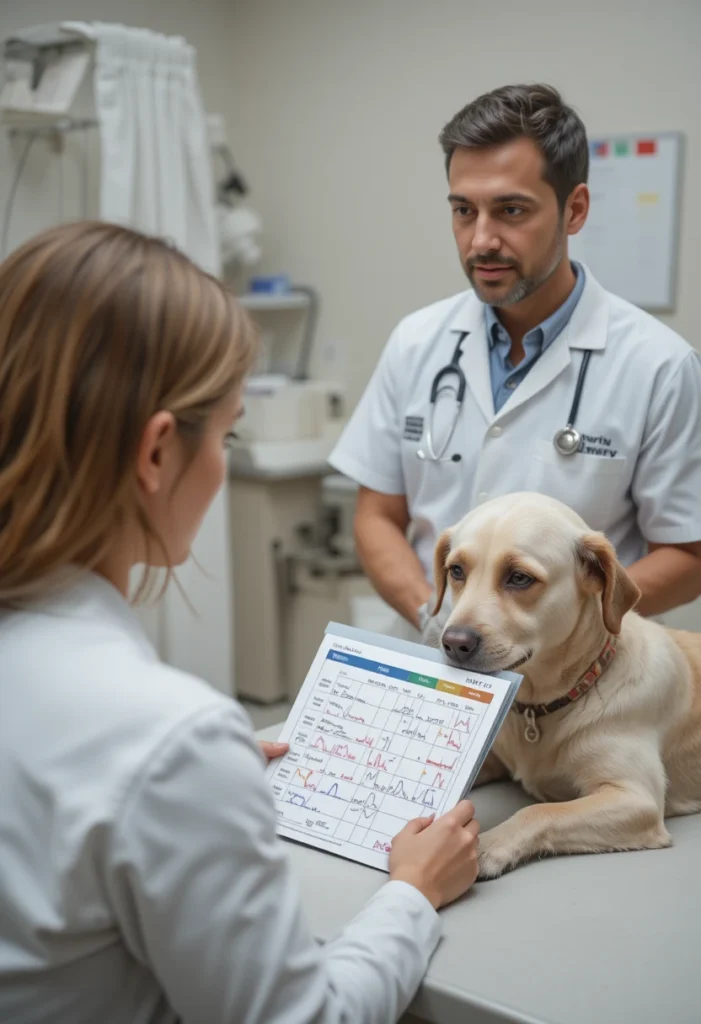
Twice a year is the baseline for a healthy senior dog with no existing issues. If your dog is already managing a chronic condition, arthritis, kidney disease, diabetes, or heart disease, your vet will likely recommend closer monitoring, sometimes every one to three months, depending on how stable the condition is and how often medication doses need adjusting.
This is not a sign that something is going badly. It is simply how ongoing conditions are managed responsibly in aging pets, since dosages and treatment plans often need to shift as the underlying disease progresses or stabilizes.
6. Dogs Near the End of Life May Need Monthly or More Frequent Visits
As a senior dog begins to decline more noticeably, either mentally or physically, some vets recommend moving beyond the standard twice-yearly schedule entirely. These are sometimes called comfort or quality-of-life visits, and they focus less on diagnosing new problems and more on assessing comfort, adjusting pain management, and helping you make informed decisions about your dog’s care.
One striking pattern many veterinarians report is that a significant number of owners approaching end-of-life decisions have not brought their dog in for six to twelve months beforehand. Staying engaged with more frequent visits during this stage can meaningfully improve a dog’s comfort and quality of life in their final chapter.
7. Breed and Size Change the Timeline
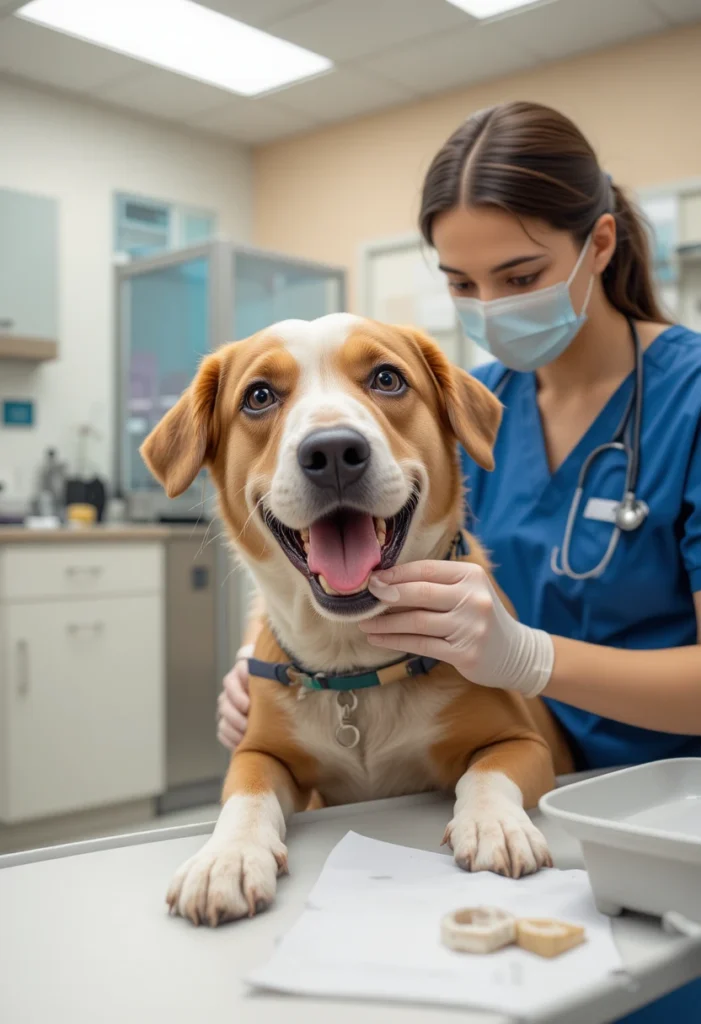
Because larger breeds age faster and tend to develop age-related conditions earlier, some vets recommend that giant breed dogs begin the twice-yearly senior schedule as early as age 5, well before a small breed dog would need the same frequency. If you have a large or giant breed, it is worth asking your vet whether your dog’s “senior clock” should start earlier than the standard guideline.
8. Watch for Symptoms That Mean You Shouldn’t Wait
Scheduled visits are only half the picture. Certain changes warrant an appointment right away, regardless of when the next scheduled checkup falls:
- Noticeable weight loss or weight gain
- Increased thirst or urination
- New lumps, bumps, or swelling
- Limping, stiffness, or reluctance to use stairs
- Disorientation, pacing, or changes in sleep patterns
- Bad breath, drooling, or difficulty chewing
- Vomiting, diarrhea, or appetite changes lasting more than a day
- Noticeable changes in vision or hearing
Any of these signs are reason enough to move up your next visit rather than waiting for the six month mark.
9. The Cost of Waiting Is Usually Higher Than the Cost of Checking
It is understandable to hesitate about the added expense of twice-yearly visits, especially when your dog seems perfectly healthy. But catching a condition early is almost always cheaper and less invasive than treating the same issue once it has progressed. A kidney condition caught through routine bloodwork is far easier and less expensive to manage than one discovered only after your dog is already showing symptoms.
Thinking of these visits as a form of prevention, rather than an optional expense, tends to shift the math in their favor over the long run.
10. Consistency With One Vet Makes a Real Difference
Seeing the same veterinarian consistently for these senior wellness visits allows them to track subtle trends over time, small shifts in weight, bloodwork values, or mobility that might not stand out in a single visit but become meaningful when compared across several. This kind of longitudinal tracking is one of the biggest practical advantages of sticking to a regular twice-yearly schedule with the same practice.
11. Talk to Your Vet About Your Dog’s Specific Risk Factors
General guidelines are a strong starting point, but your vet knows your individual dog’s breed tendencies, medical history, and current condition better than any blog post can. If your dog has a breed predisposition toward a particular condition, or has already shown early warning signs of one, your vet may recommend a schedule that differs from the standard twice-yearly baseline. It’s always worth asking directly rather than assuming the general guideline applies perfectly to your specific dog.
A Simple Senior Vet Visit Schedule to Follow
| Situation | Recommended Frequency |
|---|---|
| Healthy senior dog, no known conditions | Every 6 months |
| Senior dog managing a chronic condition | Every 1 to 3 months, per vet guidance |
| Senior dog in declining health or end of life | Monthly or as needed for comfort care |
| New or worsening symptoms appear | Immediately, regardless of schedule |
Frequently Asked Questions
At what age is a dog considered senior?
Most dogs are considered senior around age 7, though large and giant breeds may reach senior status by age 5 or 6, while small breeds may not show significant aging until age 8 to 10.
Do senior dogs really need to go to the vet twice a year if they seem healthy?
Yes. Many serious conditions don’t produce obvious symptoms early on, and dogs are naturally skilled at hiding discomfort, so regular exams catch problems long before outward signs appear.
What tests are typically included in a senior dog wellness exam?
Expect a full physical exam, bloodwork, urinalysis, blood pressure screening, and often dental and joint evaluations, with X-rays added when needed.
Should I take my senior dog to the vet more often if they have arthritis or another chronic condition?
Generally yes. Chronic conditions usually require closer monitoring, often every one to three months, so medications and treatment plans can be adjusted as needed.
What are warning signs that mean I shouldn’t wait for the next scheduled visit?
Sudden weight changes, increased thirst or urination, new lumps, limping, disorientation, or appetite changes lasting more than a day are all reasons to schedule a visit right away.
The Bottom Line
For most healthy senior dogs, twice a year is the standard, and for good reason. Aging happens faster than it appears from the outside, and a consistent six month rhythm gives your vet the best chance of catching problems while they are still easy to manage. If your dog is already managing a chronic condition or is nearing the end of their life, that frequency often needs to increase, and that’s a normal, expected part of caring for an aging pet rather than a sign that something has gone wrong. The best approach is simple: keep the standard schedule as your baseline, stay alert to changes in between visits, and lean on your vet’s guidance for anything specific to your dog’s breed, history, and current health.