You’ve decided it’s time. A dog is joining your life, and you’re equal parts excited and terrified because the internet has about 4,000 conflicting opinions on which breed is “the one” for beginners.
Here’s the truth: the best first dog isn’t the cutest one on Instagram. It’s the one whose energy, size, and personality actually match your daily life. Get that match right, and you’ll have an easy, joyful bond for the next decade-plus. Get it wrong, and even a “good” breed can feel like a full-time battle.
This guide breaks down 15+ of the most beginner-friendly dog breeds, what makes each one easy to live with, who they’re best suited for, and how to actually choose between them so you walk into your first dog-parent chapter prepared, not overwhelmed.
What Makes a Dog Breed “Good” for First-Time Owners?
Before jumping into the list, it helps to know what you’re actually screening for. The best beginner breeds tend to share these traits:
- Trainable and eager to please — they pick up commands quickly and don’t need advanced handling skills
- Stable, predictable temperament — not prone to extreme anxiety, aggression, or reactivity
- Manageable exercise needs — enough to be healthy, not so much that you need to be a marathon runner
- Moderate grooming demands — or at least predictable ones you can budget time and money for
- Good social tolerance — comfortable around kids, other pets, and strangers with basic socialization
None of this means “low effort.” Every dog needs training, structure, and attention. These breeds are simply more forgiving while you’re still learning the ropes.
The Best Dog Breeds for First-Time Owners
1. Labrador Retriever
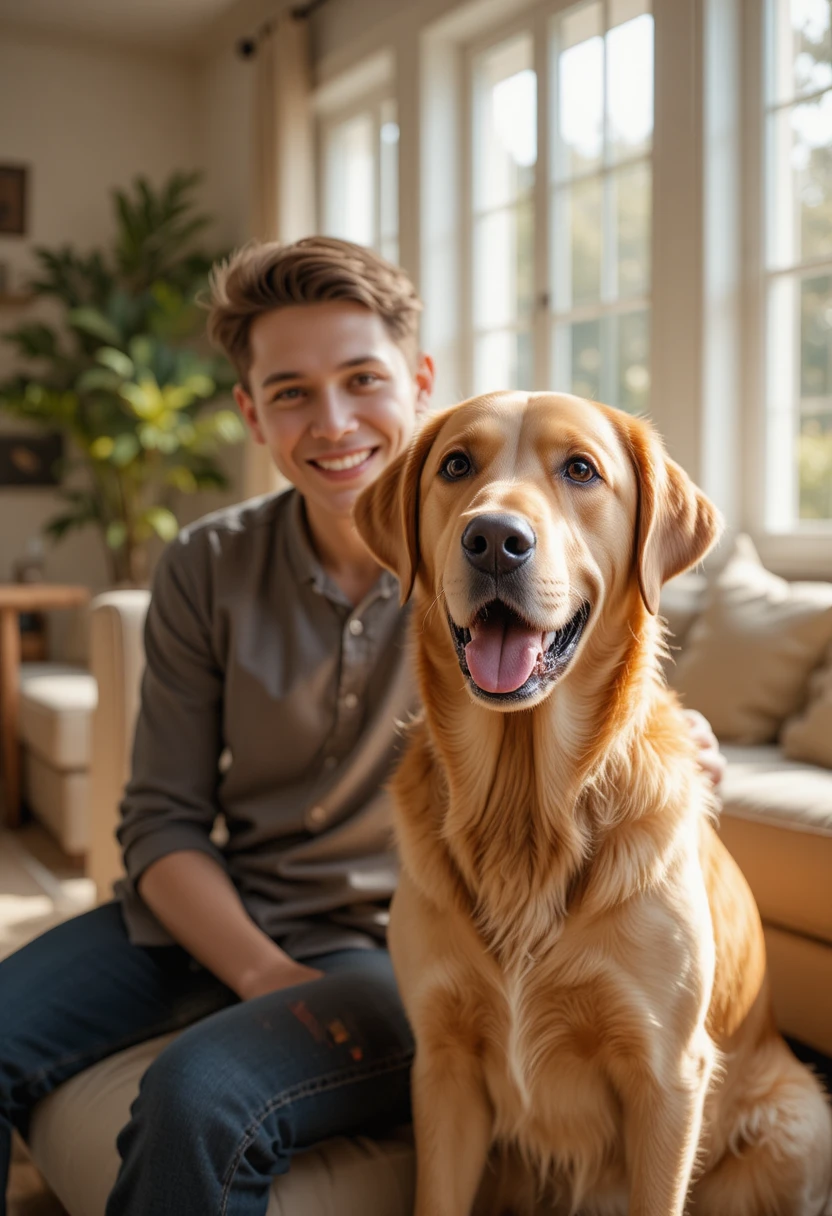
Labs are the golden standard of “easy” dogs for a reason. They’re intelligent, eager to please, and generally have a great temperament calm and playful, which makes them a good fit for families or single owners.
Good for: Active households, families with kids, first-timers who want a classic, loyal companion.
Watch for: They need daily exercise and can gain weight fast if you’re not careful with portions.
2. Golden Retriever
Golden Retrievers are intelligent, easy to train, and their calm nature makes them good with kids. They’re often the dog people picture when they imagine a “family dog.”
Good for: Families, homes with yards, owners who want an affectionate, patient companion.
Watch for: Heavy shedding, especially seasonally a good vacuum is non-negotiable.
3. Cavalier King Charles Spaniel

The Cavalier is small and sweet, loves being with humans, and gets along well with every member of the family. It adapts to its owner’s lifestyle, whether laid-back or active, and has a moderate energy level that doesn’t demand much exercise.
Good for: Apartment dwellers, first-timers who want a lap dog with a big heart.
Watch for: They don’t love being left alone for long stretches, so they suit owners who work from home or have flexible schedules.
Read Also: 13 Ways to Introduce a Puppy to Other Pets Without the Drama
4. Poodle (Toy, Miniature, or Standard)
Poodles are highly intelligent and adept at learning new tricks, and their playful, loyal, loving nature makes them a great choice for first-time owners. Just know they’re also high-energy. Most need at least two walks a day, and without enough stimulation they can become bored and unhappy.
Good for: Owners who want a trainable, low-shed dog and don’t mind grooming upkeep.
Watch for: Their coats need daily brushing plus a professional groom three to four times a year to prevent matting.
The Bichon Frise is a happy-go-lucky dog that loves cuddling and human companionship, hardly sheds, and is playful but gentle making it great for families with kids and other pets, while not needing much room to run and play.
5. Bichon Frise
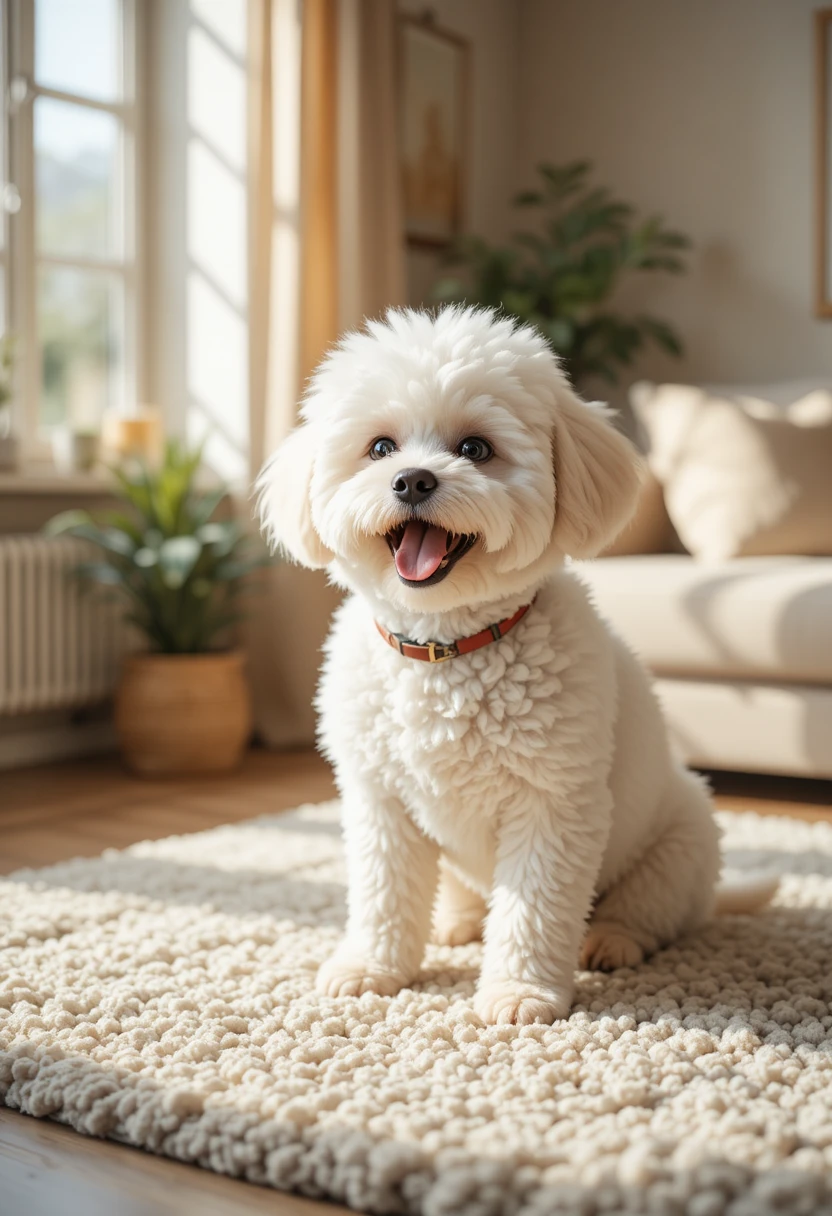
Good for: Small spaces, allergy-conscious households, anyone wanting a cheerful, affectionate shadow.
Watch for: Bichons can suffer badly from separation anxiety, so they do best with owners who aren’t gone all day.
6. Boston Terrier
Boston Terriers are affectionate, adaptable, playful, and people-oriented they generally get along with kids and other pets, making them an excellent choice for first-time dog owners.
Good for: City living, apartments, owners who want a compact dog with a big personality.
Watch for: As a brachycephalic (flat-faced) breed, they can struggle in heat and heavy exercise keep walks moderate in summer.
7. Shih Tzu
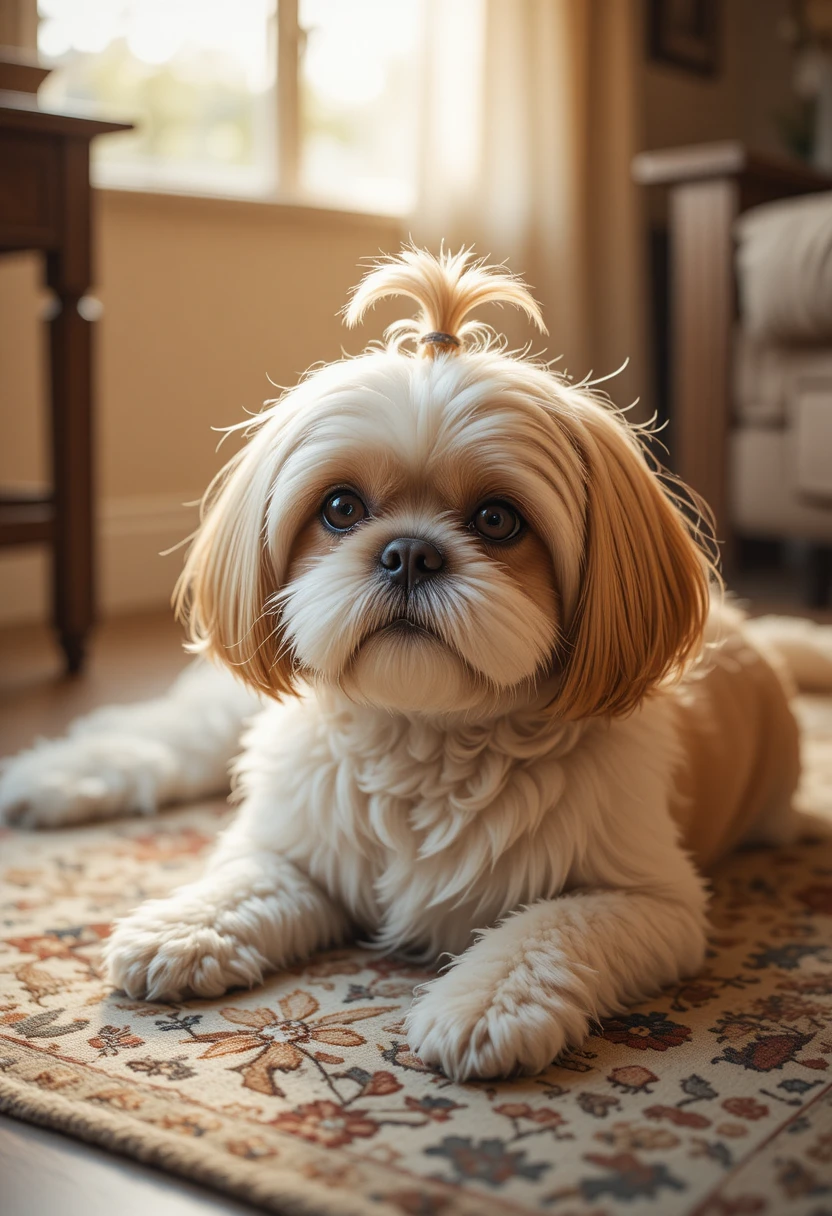
Shih Tzus may look regal, but they’re affectionate lap dogs at heart who thrive on companionship. They don’t require much outdoor exercise, making them a great fit for apartment dwellers, and their sweet, manageable size suits beginners well.
Good for: Apartment living, seniors, first-timers who want a low-exercise, high-affection dog.
Watch for: Their long coat needs regular brushing and trims.
8. Papillon
Papillons are loyal, affectionate, and adapt easily to their owner’s lifestyle. Weighing under 10 pounds and standing shorter than 11 inches, they’re small enough for apartment living without needing a yard, and their exercise needs are modest just 20 to 30 minutes a day. Despite their long, silky coat, they need surprisingly little grooming since they lack an undercoat.
Good for: Small-space living, owners who want a smart, low-maintenance-coat companion.
Watch for: Their small size means they need gentle handling around young children.
9. Beagle
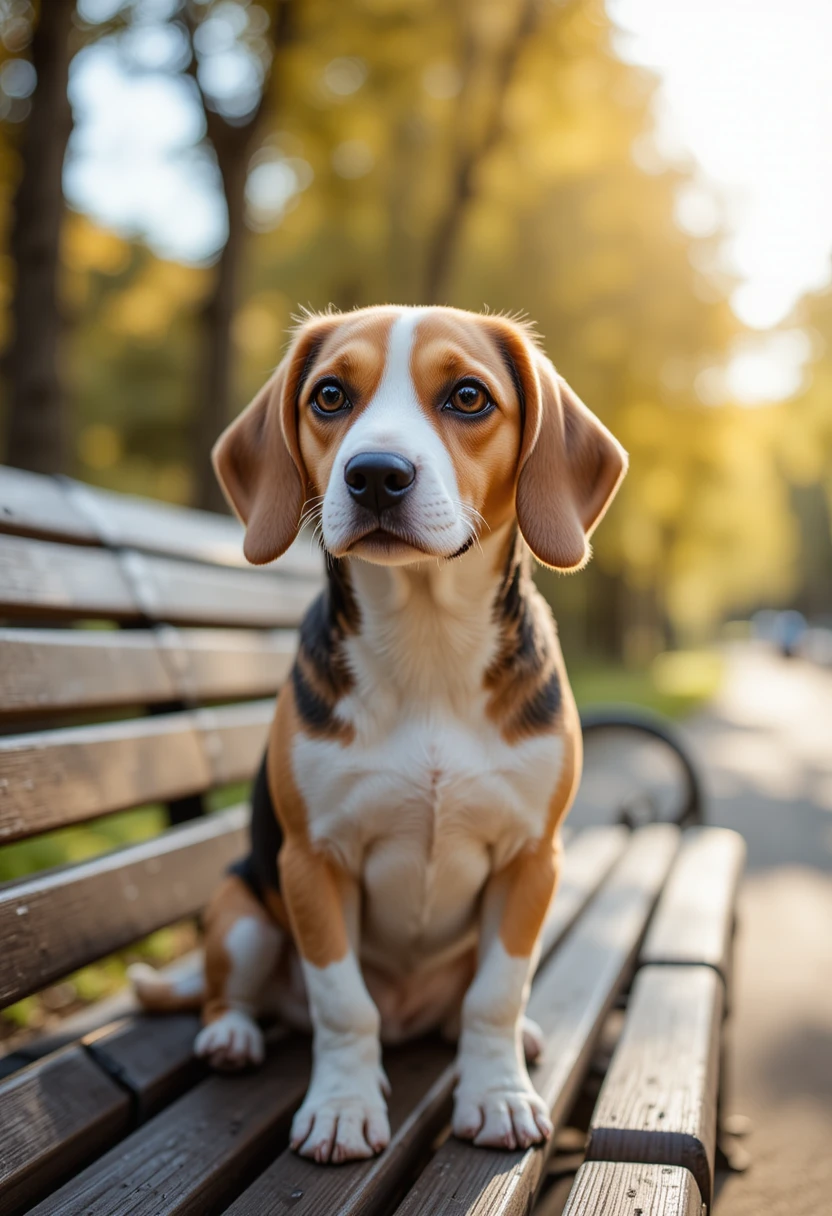
Beagles are friendly, curious, and pack-oriented they genuinely love people and other dogs, which makes socialization feel almost effortless. They’re a sturdy, medium-sized breed that does well in most households.
Good for: Families, multi-pet homes, owners who want a merry, food-motivated dog that’s easy to train with treats.
Watch for: Their nose runs the show. A strong scent can override recall, so secure fencing and leash discipline matter.
10. Boxer
Boxers are a larger, active breed that’s both loyal and playful, and when properly trained and socialized, they get along well with children and tend to be protective of younger family members. While rambunctious, they’re easy to train, especially when young but they need a lot of exercise, so a large yard or a running partner is a must.
Good for: Active first-timers, families with older kids, homes with yard space.
Watch for: Their high energy as puppies means consistent early training pays off fast.
11. Cocker Spaniel
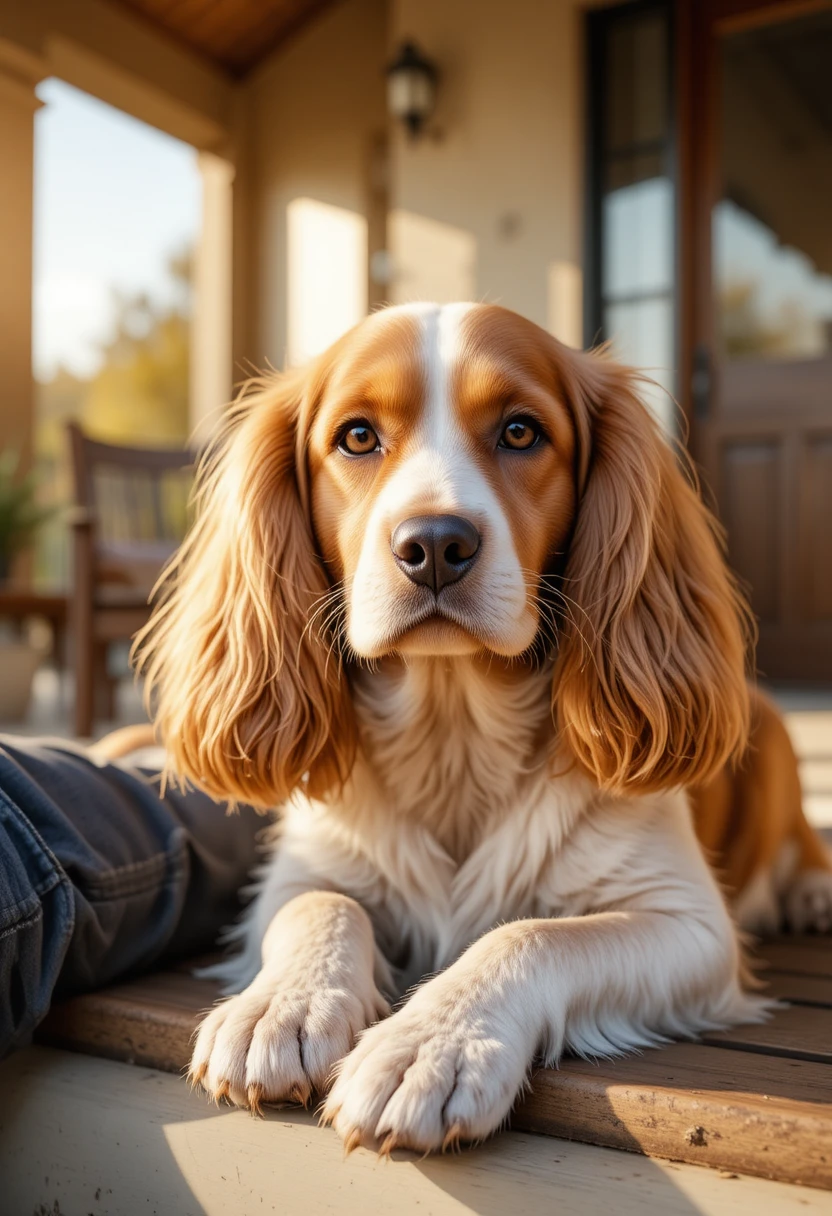
Gentle, eager, and affectionate, Cocker Spaniels were bred to work closely with people, and it shows in how attached and trainable they are. They do well in families and adapt to moderately active lifestyles.
Good for: Owners who want a soulful, people-focused companion with classic good looks.
Watch for: Their ears and coat require regular grooming and ear-cleaning to prevent infections.
12. Pug
Pugs are comedic, affectionate, and famously low on exercise demands, making them a favorite for apartment and city dwellers who want a devoted companion without a high-intensity routine.
Good for: First-timers who want minimal exercise needs and maximum personality.
Watch for: Like other flat-faced breeds, they’re sensitive to heat and need careful weight management.
13. French Bulldog
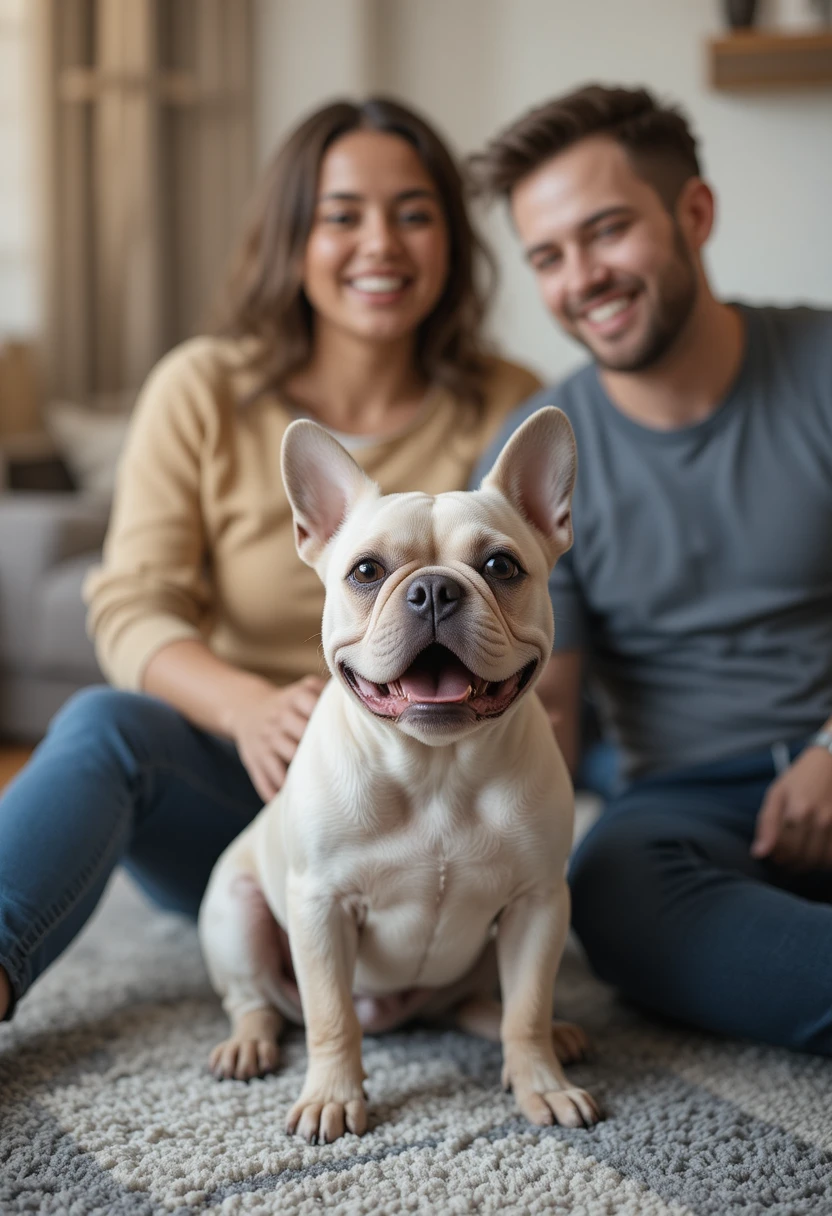
Frenchies are compact, low-energy, and famously social they bond fast and don’t require extensive exercise, which makes them approachable for beginners short on time or space.
Good for: Apartments, first-timers who want a “velcro dog” without marathon walk requirements.
Watch for: Brachycephalic health considerations mean vet visits and heat-awareness are extra important.
14. Greyhound
Greyhounds are gentle and loving despite their sleek, athletic build, and while they do have some specific needs, they make great first-time pets. Built to run, they need a couple of walks a day a short one in the morning and a longer one in the afternoon or evening.
Good for: Owners who assume “athletic dog” means “high-maintenance” Greyhounds are surprisingly couch-loving between walks.
Watch for: Their thin coat means they get cold easily; a dog jacket in winter isn’t optional.
15. Cockapoo (or other Poodle-mix “doodles”)
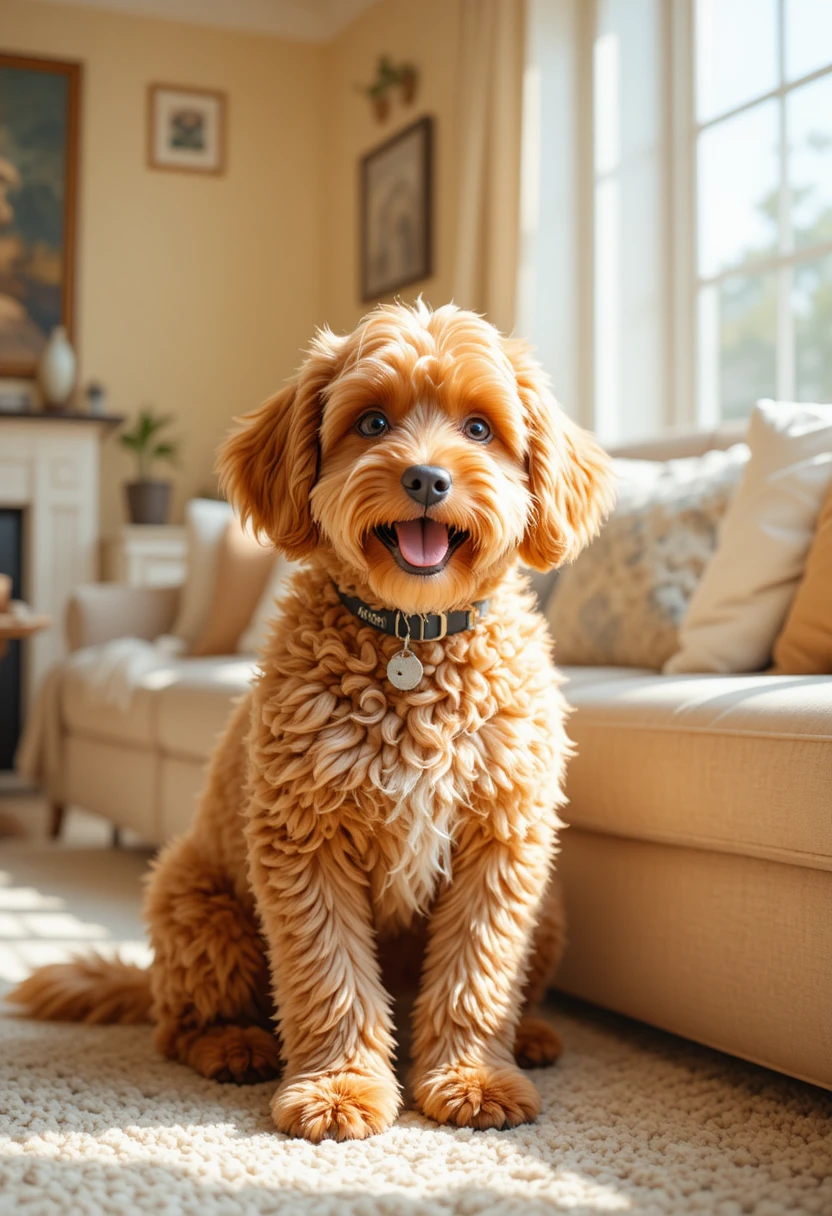
Combining the trainability of a Poodle with the friendliness of a Cocker Spaniel, Cockapoos are popular first-dog picks for a reason: adaptable size, gentle temperament, and a coat that (with grooming) sheds minimally.
Good for: Families wanting a low-shed, affectionate, trainable companion.
Watch for: Because they’re a mixed breed, temperament and coat type can vary between individual dogs meet the specific puppy or dog before committing.
How to Choose the Right Breed for Your Life
Instead of picking based on looks alone, filter by these four questions:
1. How much space do you have?
Apartment → Cavalier, Shih Tzu, Papillon, French Bulldog, Pug
Yard/house → Labrador, Golden Retriever, Boxer, Beagle
2. How active are you, really?
High activity → Boxer, Labrador, Poodle, Greyhound
Low-to-moderate activity → Cavalier, Shih Tzu, Pug, French Bulldog
3. Do you have kids or other pets?
Beagles, Labradors, Golden Retrievers, and Boston Terriers are known for adaptable, social temperaments around children and other animals.
4. How much time can you realistically give a dog daily?
If you’re gone 9+ hours a day, avoid breeds prone to separation anxiety like Bichons or Cavaliers unless you can add daycare or a midday walker into the routine.
Common First-Time Owner Mistakes to Avoid
- Choosing based on appearance alone, without researching energy level or grooming needs
- Underestimating the cost of food, vet visits, grooming, and unexpected emergencies
- Skipping early socialization, which shapes temperament far more than breed alone
- Assuming “easy breed” means “no training needed” every dog needs consistent, positive-reinforcement training
- Not researching breed-specific health risks (like hip dysplasia in larger breeds or brachycephalic airway concerns in flat-faced dogs)
Frequently Asked Questions
What is the easiest dog breed for a first-time owner?
Labrador Retrievers and Golden Retrievers are frequently recommended as the easiest first dogs thanks to their trainability, stable temperament, and forgiving nature with new owners.
What is the best small dog breed for beginners?
Cavalier King Charles Spaniels, Bichon Frises, and Shih Tzus are excellent small-breed choices all are affectionate, adaptable, and manageable in apartments.
Are big dogs harder for first-time owners?
Not necessarily. Size matters less than temperament and exercise needs. A calm large breed (like a Golden Retriever) can be easier to manage than a high-strung small breed.
How much exercise does a first dog typically need?
It varies widely by breed anywhere from 20–30 minutes a day (Papillons, Shih Tzus) to 60+ minutes for higher-energy breeds like Labradors and Boxers.
Should first-time owners consider adopting a mixed breed?
Absolutely. Shelter mixed breeds can make wonderful first dogs just ask shelter staff about the dog’s known temperament and energy level before committing.
Is it better to get a puppy or an adult dog as a first-timer?
Adult dogs can actually be easier for beginners since their temperament and energy level are already established, whereas puppies require more intensive training and supervision.
Final Thoughts
There’s no single “best” dog breed for first-time owners there’s only the best breed for you. Match the dog’s energy, size, and needs to your actual daily life, not your Pinterest board, and you’ll set yourself (and your new best friend) up for a genuinely great life together.
Whichever breed you choose, the fundamentals stay the same: consistent training, early socialization, regular vet care, and a whole lot of patience during those first few months. Get those right, and any breed on this list can become the perfect first dog.