
One moment your dog seems fine. The next, they’re pacing restlessly, trying to vomit with nothing coming up, and their belly looks strangely swollen. If this sounds familiar, you need to act fast because what you’re witnessing could be bloat, one of the most life-threatening emergencies in veterinary medicine.
Bloat, medically known as gastric dilatation-volvulus (GDV), can turn from a subtle discomfort into a full-blown crisis in a matter of hours. Recognizing the warning signs early and knowing exactly what to do next can be the difference between life and death for your dog. This guide covers 14+ signs of bloat to watch for, why it happens, and the emergency steps you need to take immediately.
What Is Bloat (GDV) in Dogs?
Bloat occurs when a dog’s stomach fills rapidly with gas, food, or fluid, causing it to swell. In many cases, the distended stomach then twists on itself a rotation known as volvulus which cuts off blood flow to the stomach and surrounding organs. Without immediate surgical intervention, this cascade of events leads to shock, tissue death, and ultimately, a fatal outcome.
Not every case of bloat involves twisting. Simple gastric dilation can sometimes resolve with prompt veterinary treatment, but there’s no way to know at home whether your dog’s stomach has twisted or not which is exactly why every suspected case must be treated as a true emergency.
Which Dogs Are Most at Risk?
While bloat can technically happen to any dog, it’s far more common in large and giant breeds with deep chests, including:
- Great Danes
- German Shepherds
- Standard Poodles
- Doberman Pinschers
- Weimaraners
- Saint Bernards
- Basset Hounds
Additional risk factors include eating quickly, eating one large meal per day instead of several smaller ones, exercising vigorously right after eating, being an older dog, and having an anxious or nervous temperament.
14+ Signs of Bloat You Should Never Ignore
Some symptoms of bloat are obvious, while others are easy to miss in the early stages. Here’s what to watch for.
1. A Visibly Swollen or Distended Abdomen
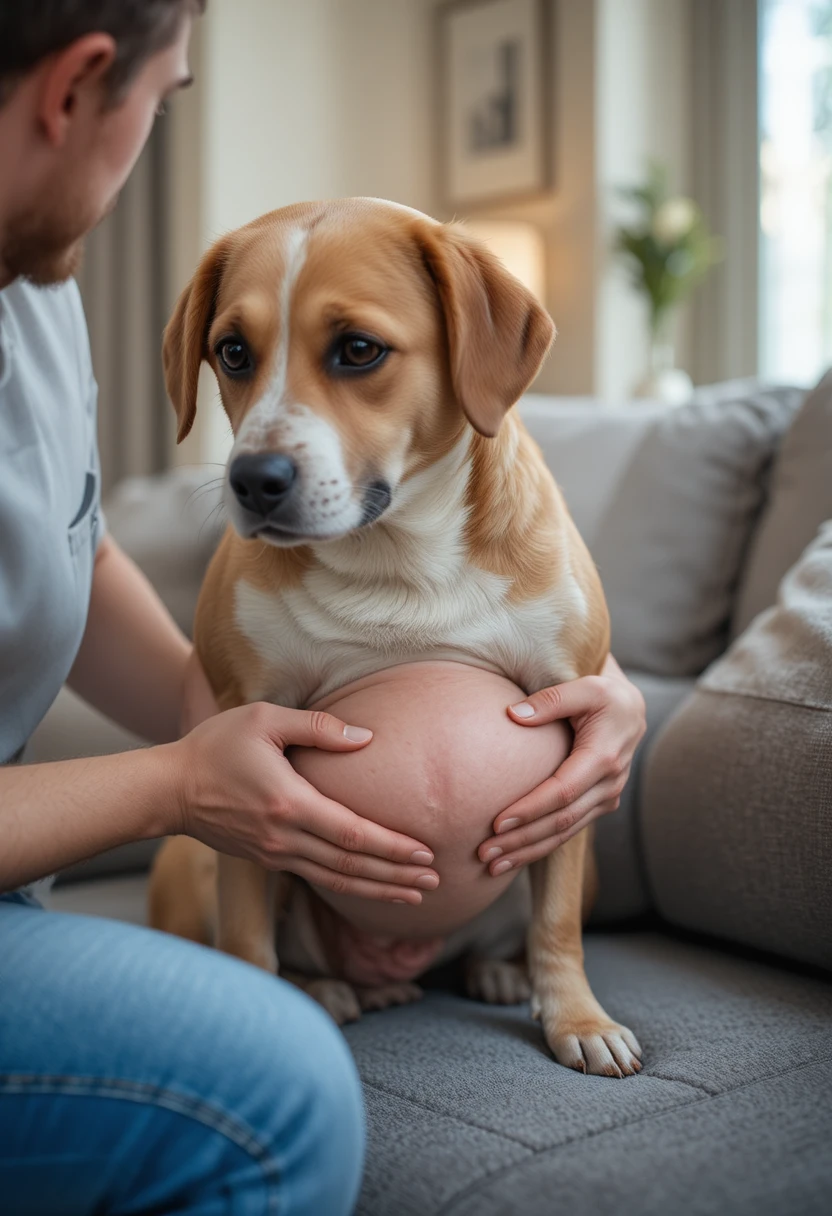
The most recognizable sign of bloat is a stomach that looks noticeably swollen, often more pronounced on the left side just behind the ribcage. In early stages, this swelling may be subtle, so don’t wait for it to become obvious before seeking help.
2. Unproductive Retching
One of the most telling signs of bloat is a dog that repeatedly tries to vomit but produces little to nothing sometimes just white foam or mucus. This “dry heaving” happens because the twisted or distended stomach can’t actually expel its contents.
3. Restlessness and Pacing
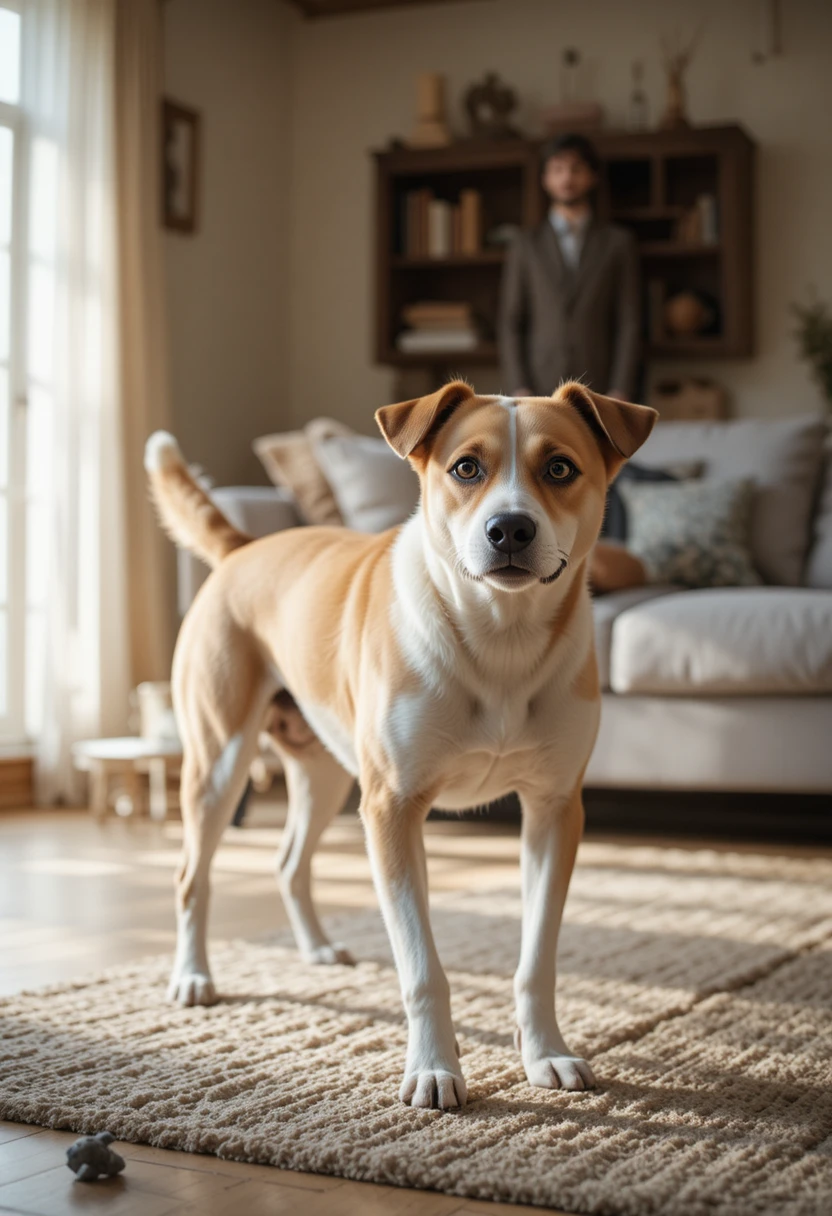
A dog with bloat often can’t seem to get comfortable. You may notice them pacing around the room, unable to settle, lie down, or find a comfortable position.
Read Also: 13 Ways to Introduce a Puppy to Other Pets Without the Drama
4. Excessive Drooling
Sudden, heavy drooling more than usual can be an early warning sign, often accompanying nausea and abdominal discomfort.
5. Abdominal Pain When Touched
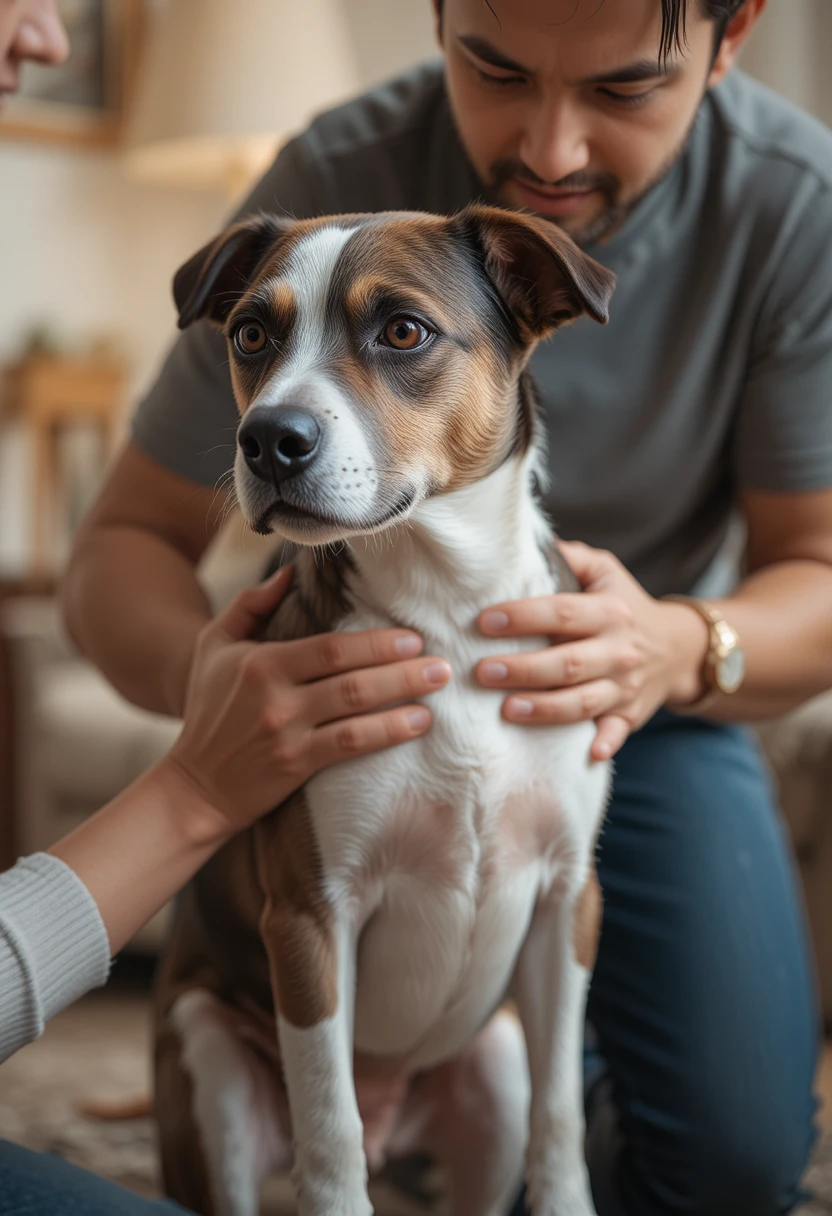
If your dog flinches, whines, or tries to move away when you touch or press gently on their belly, this pain response is a red flag that shouldn’t be dismissed.
6. A Hunched or “Praying” Posture
Dogs in pain from bloat sometimes stretch their front legs forward while keeping their rear end raised, or hunch their back in an attempt to relieve abdominal pressure.
7. Rapid, Shallow Breathing
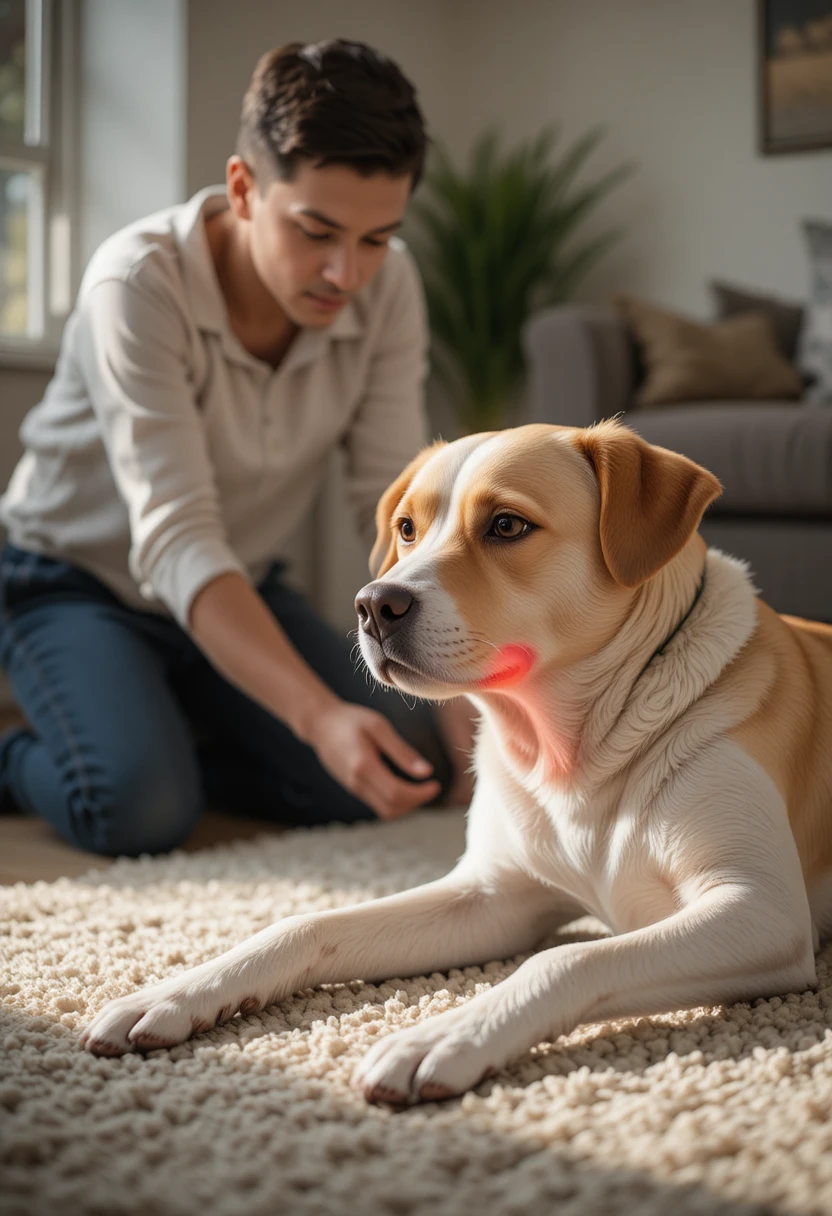
As the swollen stomach presses against the diaphragm and lungs, breathing can become fast, shallow, or labored.
8. Weakness or Collapse
As bloat progresses and shock sets in, dogs may become weak, wobbly, or collapse entirely. This is a sign of a rapidly worsening emergency and requires immediate transport to an emergency vet.
9. Pale or Discolored Gums
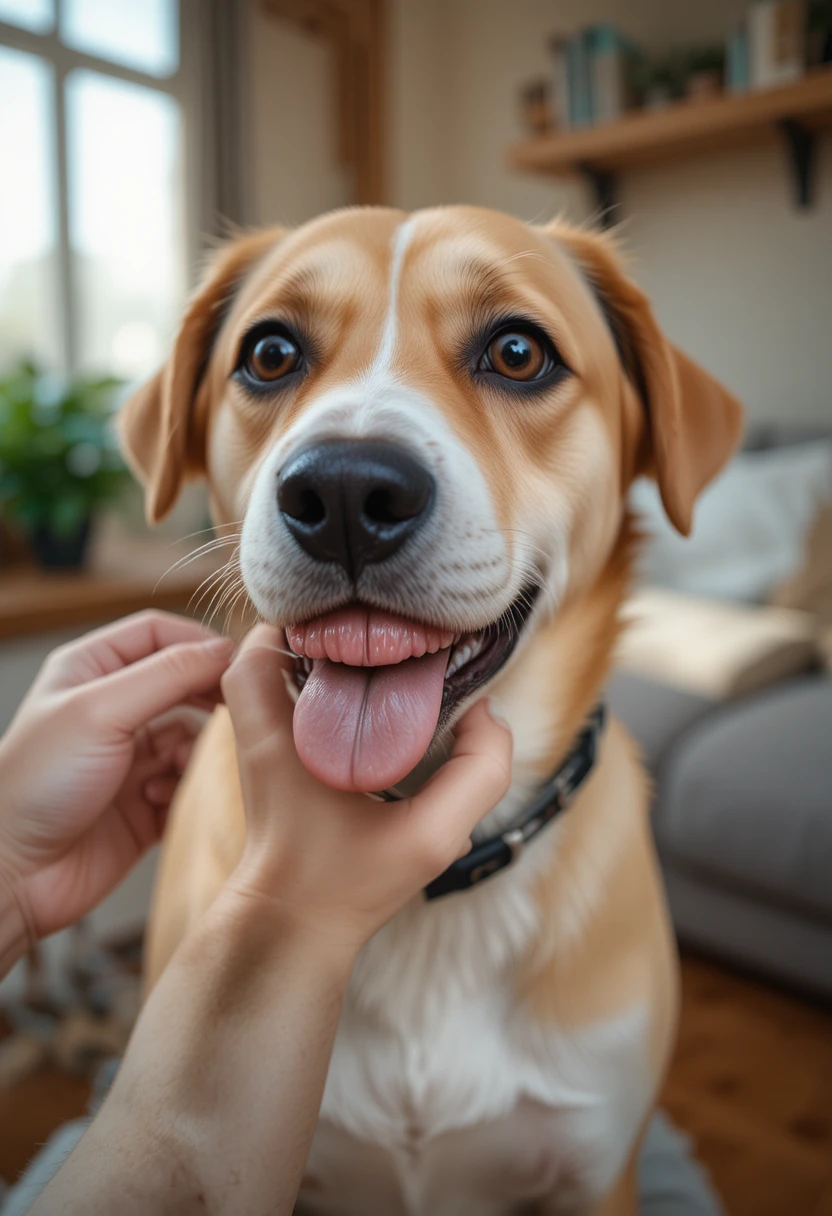
Gums that appear pale, gray, or bluish can indicate poor circulation and early shock both hallmark signs of advanced bloat.
10. Rapid Heart Rate
An unusually fast, weak, or irregular heartbeat can signal that your dog’s body is going into shock as a result of restricted blood flow.
11. Anxious or Distressed Behavior
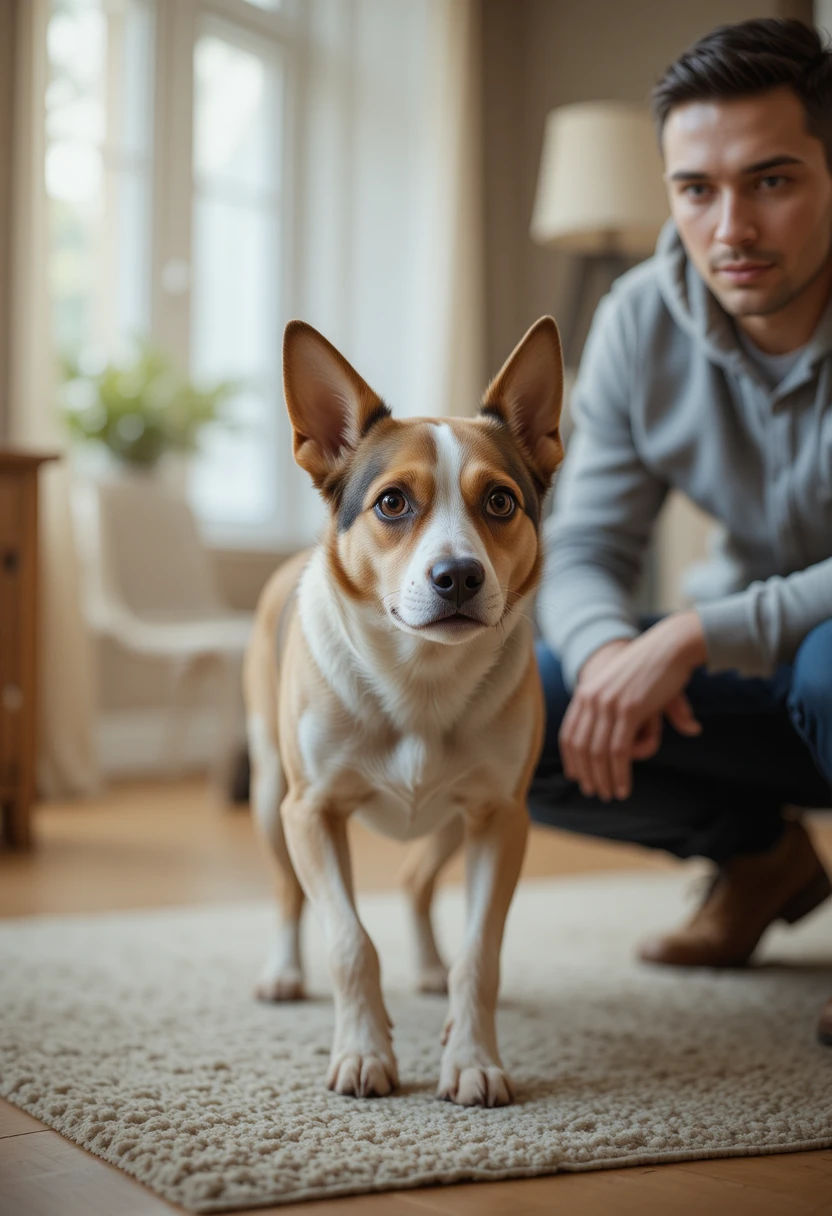
Beyond simple restlessness, some dogs with bloat display outright distress whining, panting excessively, or seeming unusually anxious without an obvious trigger.
12. A Hollow, Drum-Like Sound When the Abdomen Is Tapped
Veterinarians often check for this classic sign: gently tapping the swollen belly produces a hollow, drum-like sound caused by trapped gas similar to tapping on a balloon.
13. Loss of Appetite
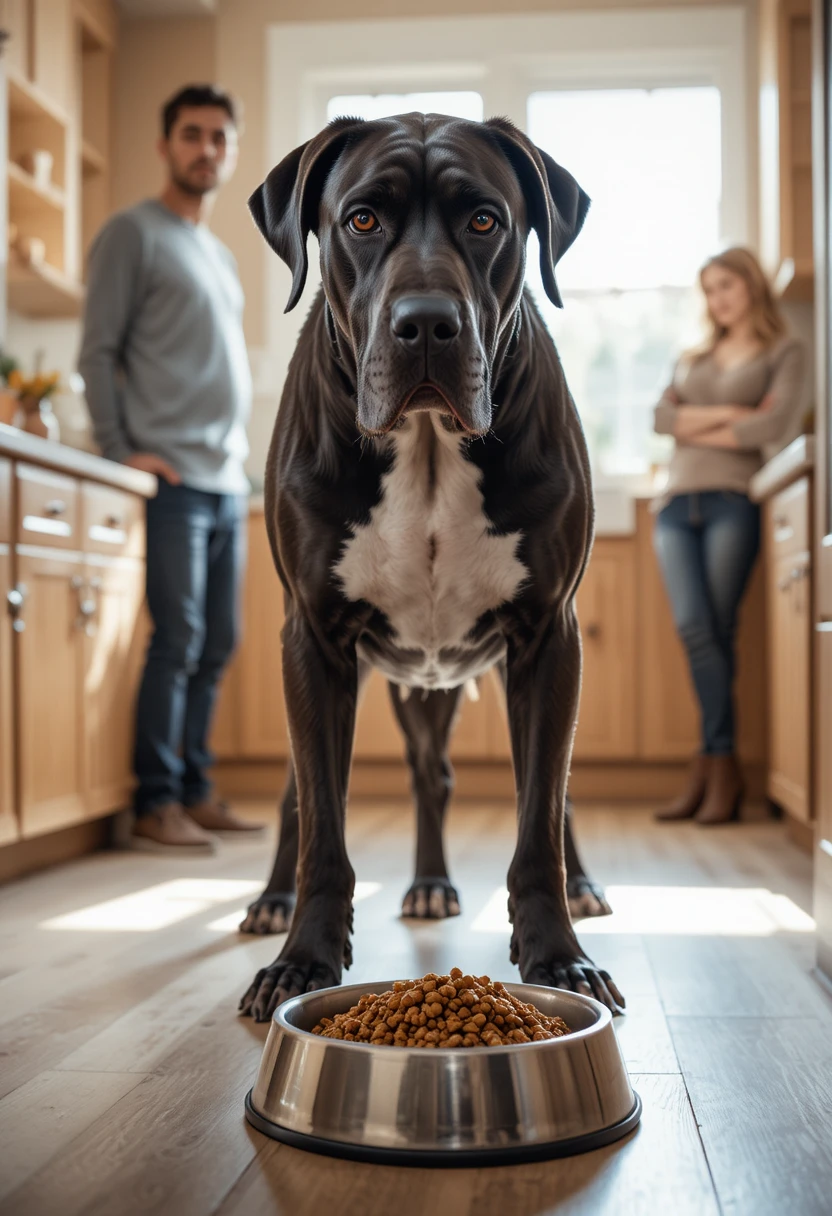
A dog that suddenly refuses food, especially paired with any of the symptoms above, should be taken seriously, particularly if they normally have a healthy appetite.
14. Straining to Defecate With No Result
Some dogs with bloat appear to strain as though trying to have a bowel movement, but nothing happens — a symptom of the digestive tract being blocked by the swollen or twisted stomach.
15. Sudden Collapse After a Large Meal or Vigorous Exercise
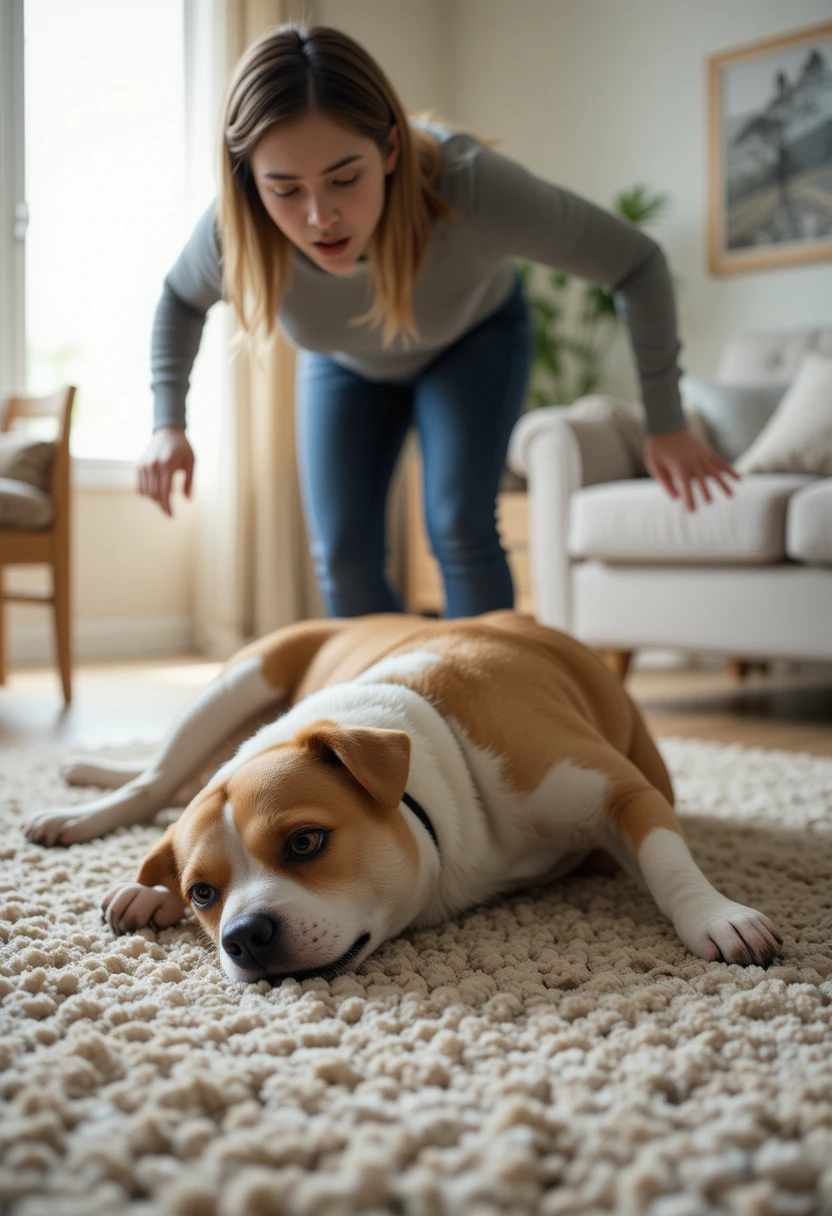
If your dog collapses or shows severe distress shortly after eating a large meal or exercising heavily afterward, treat this as an emergency, since this timing pattern is strongly associated with bloat.
16. Cold Extremities
As shock sets in, reduced circulation can cause a dog’s paws, ears, or legs to feel unusually cold to the touch.
What to Do If You Suspect Bloat
If your dog shows any combination of these signs, time is critical. Here’s what to do immediately:
- Call your emergency vet or nearest animal hospital right away and let them know you’re on your way with a suspected bloat case, so they can prepare before you arrive.
- Do not give food, water, or medication. Anything you give by mouth could worsen the situation or delay proper treatment.
- Do not attempt to treat this at home. There is no safe home remedy for bloat this condition requires emergency surgery in most cases.
- Transport your dog carefully and calmly. Avoid unnecessary movement or stress, and get to the vet as quickly and safely as possible.
- Stay calm. Dogs pick up on their owner’s stress, and staying composed helps keep your dog calmer during an already frightening situation.
Every minute matters. Bloat can progress from mild symptoms to a life-threatening crisis within one to two hours, so never adopt a “wait and see” approach.
Can Bloat Be Prevented?
While there’s no guaranteed way to prevent bloat, certain habits may help lower the risk, especially in predisposed breeds:
- Feed smaller, more frequent meals instead of one large meal per day
- Use slow-feeder bowls to prevent your dog from gulping food too quickly
- Avoid vigorous exercise right before or after meals
- Limit large amounts of water intake right after eating
- Talk to your vet about a preventive gastropexy if you have a high-risk breed, especially during another surgery like spaying or neutering
- Manage your dog’s stress and anxiety levels, since anxious or high-strung temperaments have been associated with increased risk
Frequently Asked Questions
How quickly can bloat kill a dog?
Bloat can progress from initial symptoms to a life-threatening emergency within just one to two hours, which is why immediate veterinary care is critical the moment symptoms appear.
Is bloat always fatal?
No. With fast veterinary intervention, many dogs recover fully. However, without treatment, bloat is almost always fatal, and even with treatment it remains a serious, high-risk condition.
Can small dogs get bloat?
Bloat is far more common in large, deep-chested breeds, but it can occur in dogs of any size, so any dog showing symptoms should be treated as an emergency.
What’s the difference between bloat and GDV?
Bloat (gastric dilation) refers to the stomach filling with gas or fluid and swelling. GDV specifically refers to the stomach twisting after distension, which cuts off blood flow and is significantly more dangerous.
Should I try to make my dog vomit if I suspect bloat?
No. Never attempt to induce vomiting or give any home remedy for suspected bloat. This condition requires immediate professional veterinary evaluation and often emergency surgery.
Final Thoughts
Bloat is one of the few true “every minute counts” emergencies in dog ownership. Knowing the warning signs from a swollen belly and unproductive retching to pale gums and sudden weakness gives you the power to act fast when it matters most. If you ever suspect your dog is experiencing bloat, don’t wait, don’t try home remedies, and don’t hesitate: get to an emergency veterinarian immediately.