
If your dog scratches for an hour after every bath, shakes off flakes like confetti, or comes out of the tub redder than when they went in, the shampoo you’re using is probably part of the problem not the solution. Dogs with sensitive skin need a completely different formula than the bottle sitting in most pet store aisles, and picking the wrong one can turn a routine bath into a week of itching, redness, or even a full-blown flare-up.
This guide breaks down 14+ dog shampoo ideas specifically formulated for sensitive skin organized by formula type and what each one actually does so you can match the right shampoo to your dog’s exact symptoms instead of guessing. We’ll also cover the ingredients to avoid, how to spot sensitive skin in the first place, and bathing tips that make a real difference.
Here’s the thing: not every “sensitive skin” shampoo on a shelf is created equal, and the ingredient list matters far more than the label.
Signs Your Dog Has Sensitive Skin
Before you shop, confirm you’re solving the right problem. Common signs include:
- Excessive scratching, licking, or chewing at the skin
- Redness, rashes, or visible irritation
- Dry, flaky patches or a dull, brittle coat
- Hot spots that appear suddenly after bathing or being outdoors
- A reaction (itching, hives, redness) within a day or two of using a new shampoo
If your dog shows several of these signs consistently, a targeted sensitive-skin shampoo not just a “gentle” or “natural” label is worth prioritizing. Persistent or worsening symptoms should always be checked by a vet first, since sensitive skin can sometimes signal an underlying allergy or infection that shampoo alone won’t fix.
What to Look For (and Avoid) in a Sensitive-Skin Shampoo
Save this checklist for your next shopping trip.
Look for:
- Colloidal oatmeal, aloe vera, or chamomile as soothing agents
- A pH balanced specifically for dogs (around 6.5–7.5, not the 5.5 pH of human skin)
- Soap-free, sulfate-free formulas
- Fragrance-free or naturally scented (not synthetic perfume) options
- Moisturizing ingredients like coconut oil, shea butter, or oatmeal
Avoid:
- Sulfates (SLS/SLES), which strip natural oils
- Parabens and artificial dyes
- Heavy synthetic fragrances
- Human shampoo ever. Your dog’s skin pH and barrier are different from yours, and human formulas can cause real irritation.
The 14+ Best Dog Shampoo Ideas for Sensitive Skin
1. Colloidal Oatmeal Shampoo
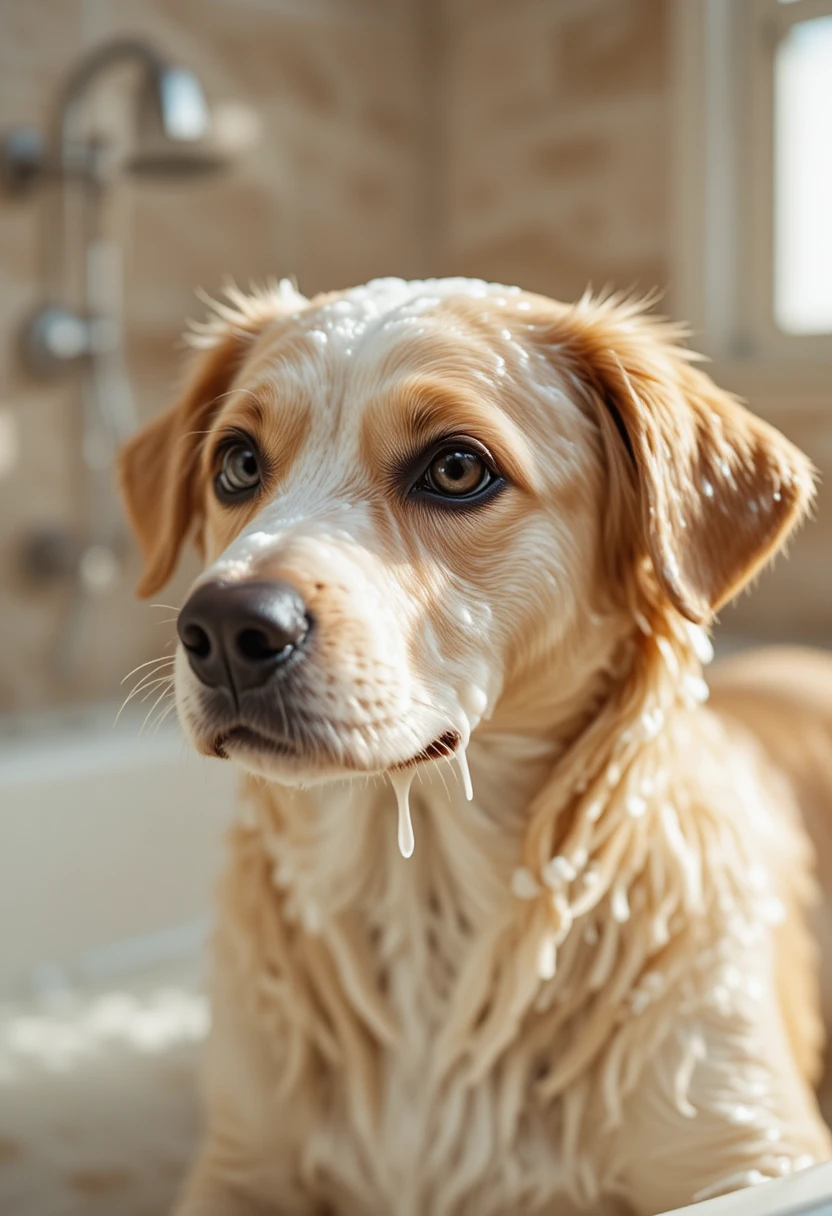
The gold standard for sensitive, itchy skin. Colloidal oatmeal (oatmeal ground into a fine powder and suspended in liquid) forms a soothing barrier on the skin, calming irritation and locking in moisture. It’s one of the most universally recommended ingredients across veterinary and grooming sources for exactly this reason.
Best for: General itching, dry skin, or dogs prone to flare-ups after bathing.
2. Aloe Vera & Chamomile Formula
Aloe vera cools and soothes inflamed skin, while chamomile has natural calming properties that reduce redness. Together, they make a gentle combination well-suited to dogs whose skin reacts to almost everything.
Best for: Dogs with visible redness or skin that seems reactive to most products.
3. Hypoallergenic, Fragrance-Free Formula
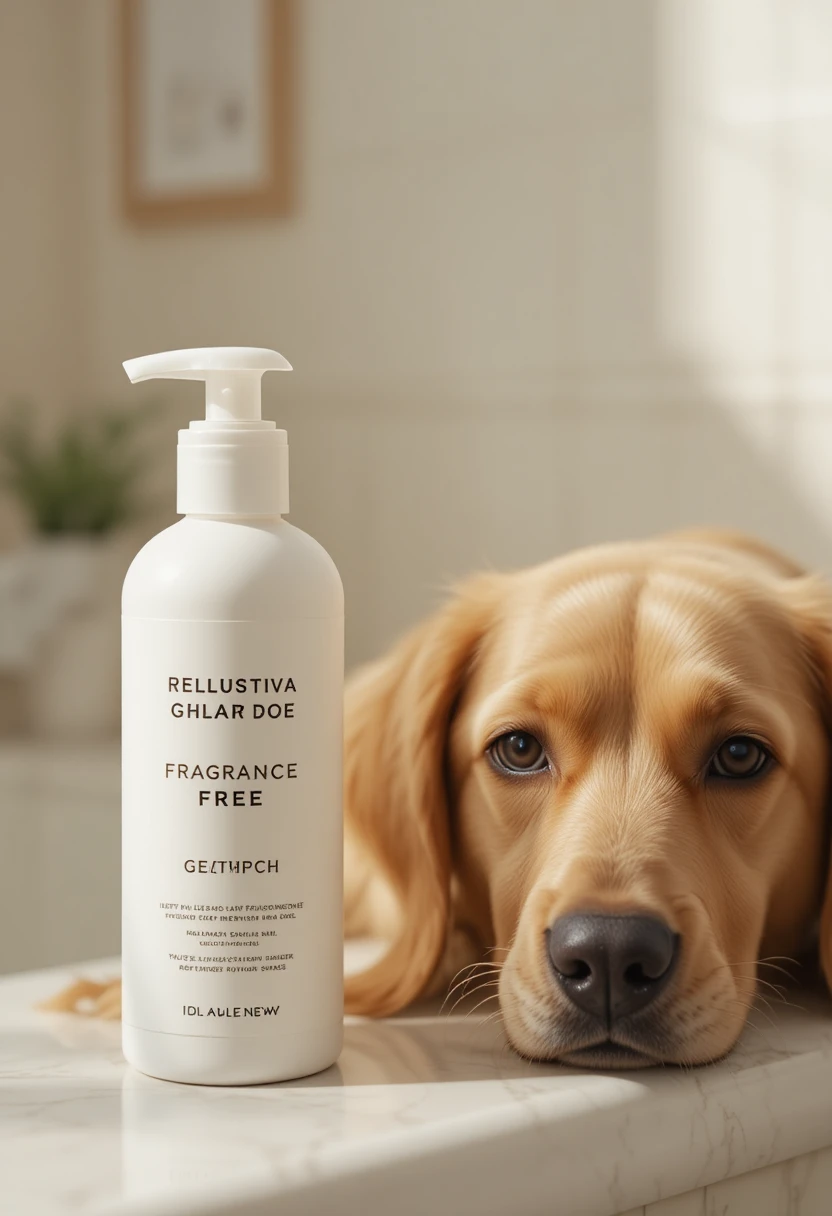
If your dog’s sensitivity is triggered by scent specifically, a true fragrance-free (not just “unscented,” which can still mean masking agents) hypoallergenic formula removes one of the most common irritant categories entirely.
Best for: Dogs with confirmed fragrance sensitivities or unexplained reactions to scented products.
Read Also: How Much Should I Feed My Dog? 12 Simple Ideas to Get Portions Right Every Time
4. pH-Balanced Soap-Free Shampoo
Soap-based cleansers can be too harsh and alkaline for canine skin. A soap-free, pH-balanced formula cleans effectively without disrupting your dog’s natural skin barrier which is often the root cause of ongoing sensitivity.
Best for: Dogs who seem to get more irritated the more often they’re bathed.
5. Sulfate-Free Cleansing Shampoo
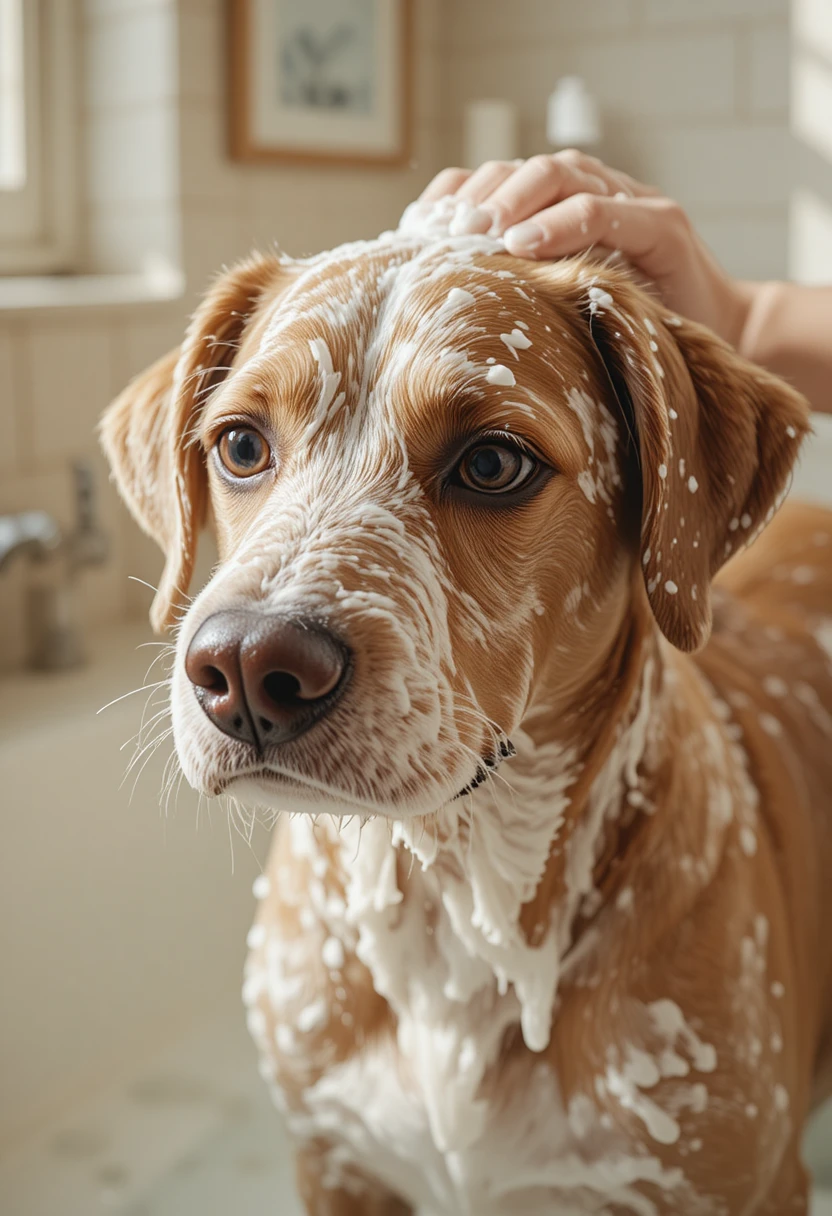
Sulfates create that satisfying lather most shampoos rely on, but they’re also notorious for stripping natural oils and drying out sensitive skin. A sulfate-free formula trades a big lather for a formula that won’t leave skin tight and flaky afterward.
Best for: Dogs with naturally dry or flaky skin, even without obvious allergies.
6. Anti-Itch Medicated Shampoo
For dogs already dealing with active itching, a medicated formula (often oatmeal-based with added anti-itch ingredients like pramoxine) goes a step beyond general sensitivity care to directly target discomfort.
Best for: Dogs mid-flare-up who need faster relief, not just prevention. Check with your vet before using medicated formulas regularly.
7. Antifungal/Antibacterial Medicated Shampoo
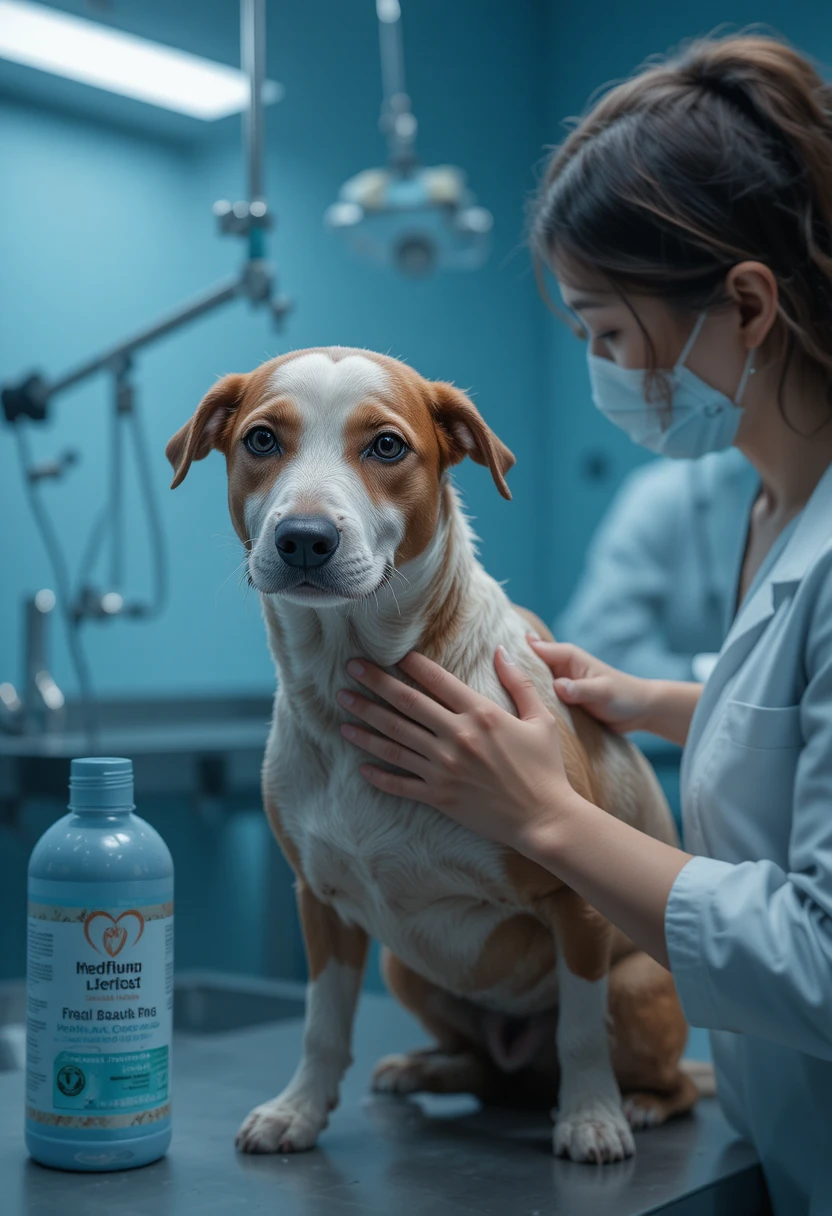
Some sensitive-skin symptoms persistent hot spots, a musty odor, or greasy patches point to a secondary yeast or bacterial issue rather than simple dryness. Medicated shampoos with antifungal or antibacterial properties are designed to treat this specifically and should generally be vet-recommended.
Best for: Dogs with recurring hot spots or a vet-suspected skin infection.
8. Clinical Seborrhea/Scaling Shampoo
For dogs with more serious, chronic skin conditions like seborrhea, some clinical-grade shampoos use active ingredients such as salicylic acid or micronized sulfur to manage scaling and persistent irritation that general hypoallergenic formulas can’t resolve. These are treatment products, not everyday shampoos use only under veterinary guidance.
Best for: Diagnosed chronic skin conditions, not general sensitivity.
9. Coconut Oil-Based Moisturizing Shampoo
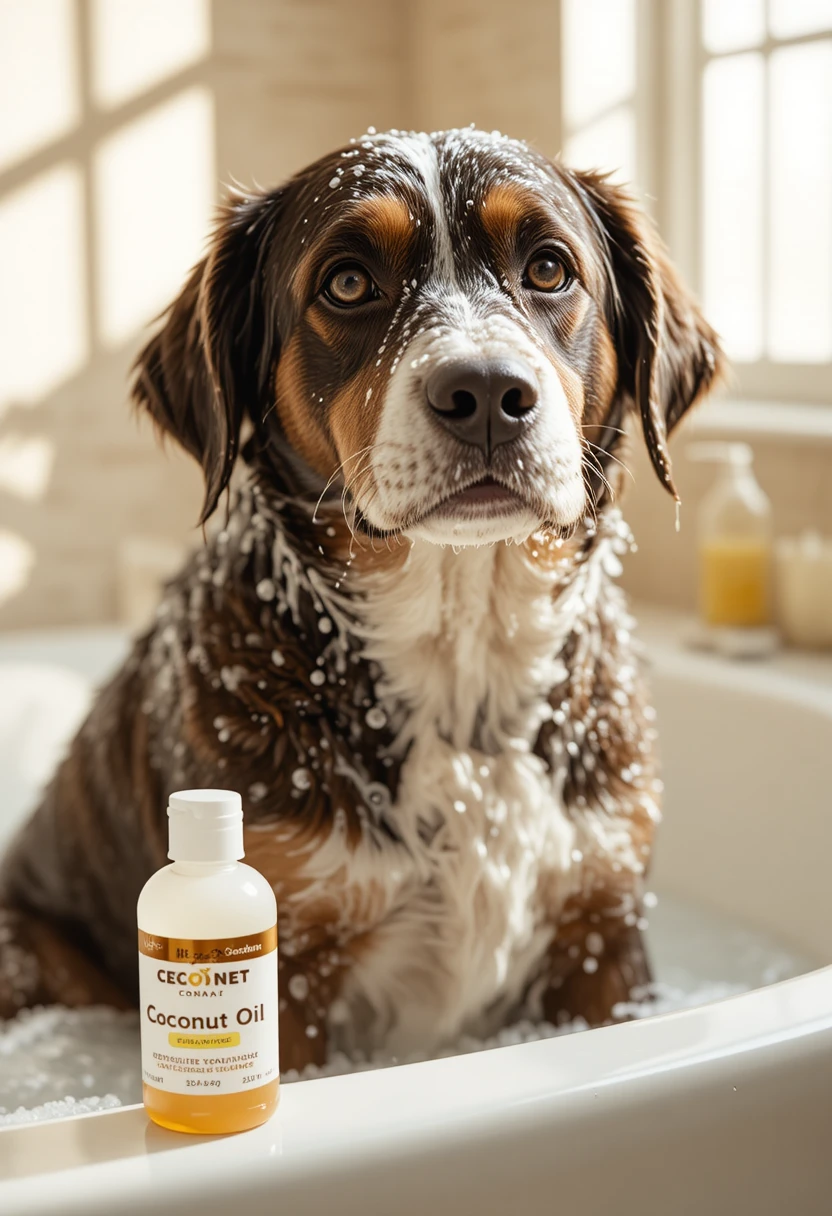
This is the idea most itch-relief-focused shampoos miss: cleaning isn’t enough sensitive skin needs active moisture replacement. Coconut oil formulas cleanse while depositing lightweight moisture back into the coat and skin, which is especially helpful in dry climates or winter months.
Best for: Dogs with dry, brittle coats alongside their skin sensitivity.
10. Shea Butter Conditioning Shampoo
Similar to coconut oil, shea butter is a deeply moisturizing, fatty-acid-rich ingredient that helps restore a compromised skin barrier. It pairs particularly well with oatmeal-based formulas for dogs with both dryness and itchiness.
Best for: Long-haired or thick-coated breeds prone to dry skin underneath the fur.
11. Tearless, Puppy-Safe Formula
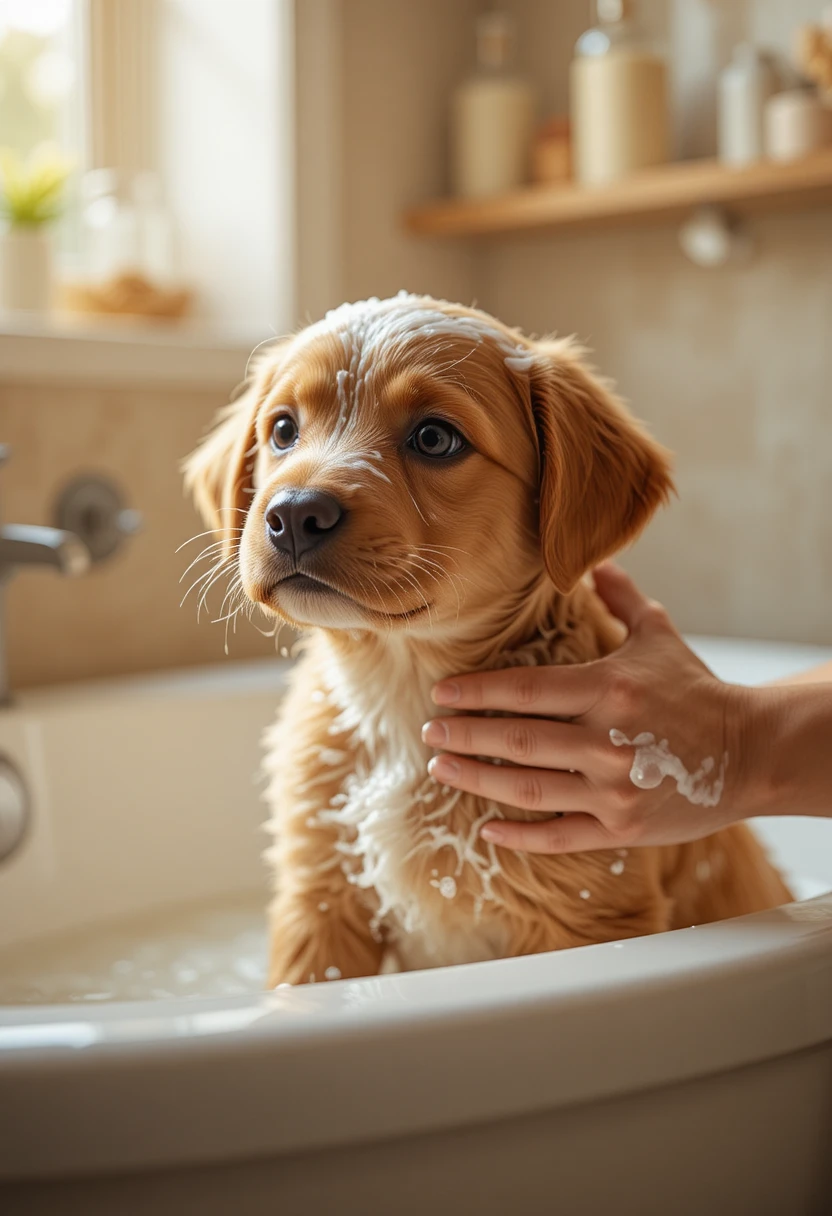
Puppies have thinner, more delicate skin than adult dogs, which means even a “gentle” adult formula can be too harsh. A tearless, puppy-specific formula is milder across the board and safe for younger, more reactive skin.
Best for: Puppies or newly adopted dogs with unknown skin sensitivities.
12. Natural/Organic Certified Formula
For owners who want to minimize any synthetic ingredient exposure entirely, certified natural or organic formulas skip synthetic preservatives and fillers in favor of plant-based ingredients often built around a base of oatmeal, aloe, or herbal extracts.
Best for: Dogs sensitive to a wide range of synthetic additives, or owners who prefer an ingredients-first approach.
13. 2-in-1 Shampoo & Conditioner
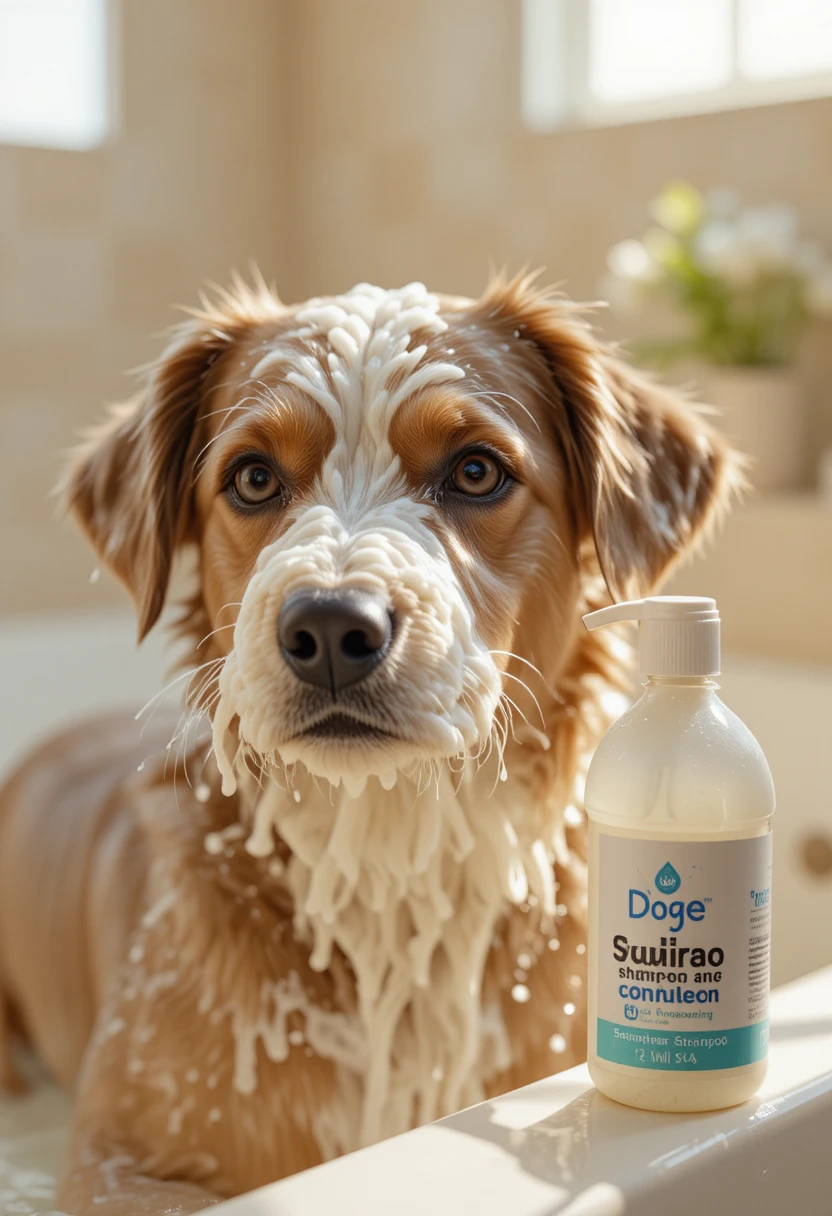
Washing alone can leave sensitive skin slightly more dehydrated, even with a gentle formula. A combined shampoo-and-conditioner saves a step while ensuring the coat and skin get a moisture boost in the same bath useful for owners who don’t want to layer multiple products.
Best for: Owners who want simplicity without skipping the moisturizing step.
14. Waterless/Dry Shampoo for Sensitive Skin
For dogs who can’t tolerate frequent full baths (post-surgery, extreme skin sensitivity, or senior dogs who find bathing stressful), a waterless dry shampoo formulated with the same soothing ingredients offers a gentler alternative between full washes.
Best for: Touch-ups between baths, senior dogs, or dogs recovering from a skin flare-up.
15. Fragrance-Free Deodorizing Formula
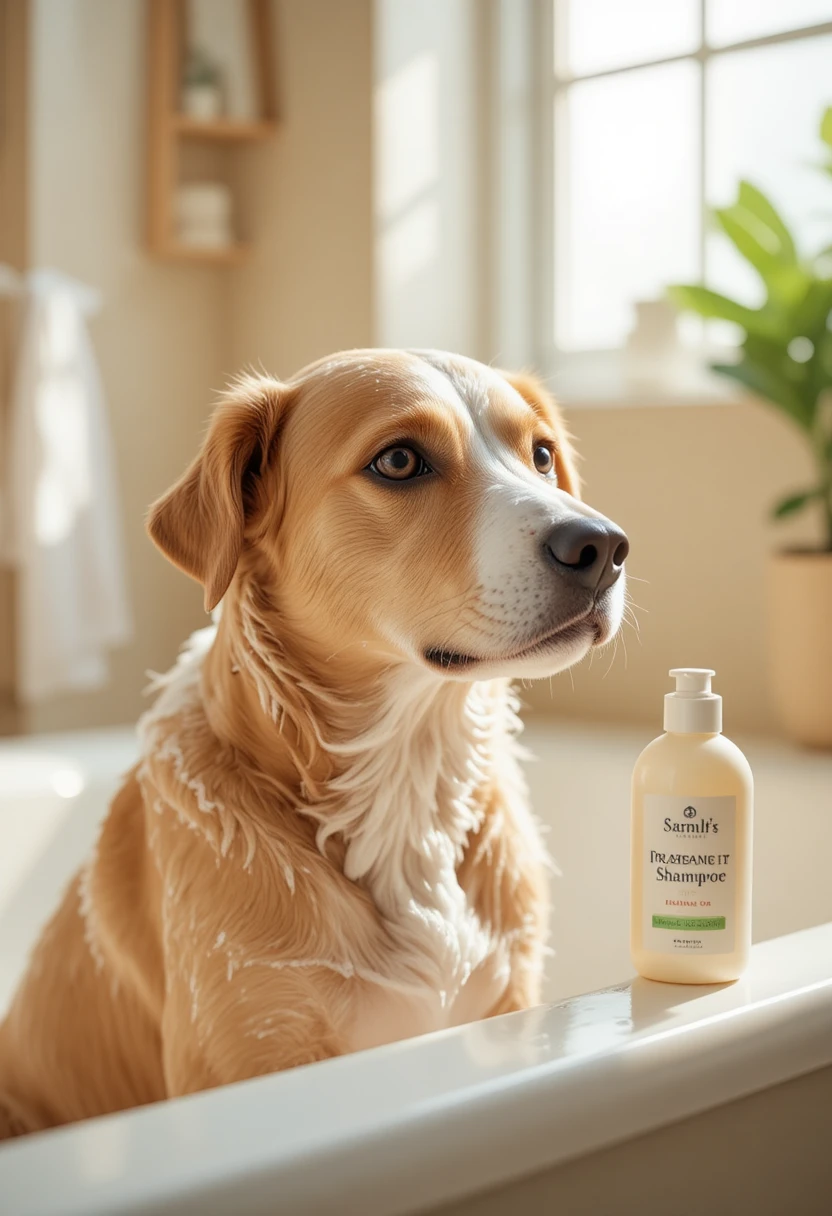
Sensitive-skin dogs still get into things that need a wash, but standard “odor control” shampoos often lean hard on fragrance to mask smell. A fragrance-free deodorizing formula uses odor-neutralizing ingredients instead of perfume, so you get a fresh-smelling dog without the irritation risk.
Best for: Dogs who need frequent washing but react to scented deodorizing shampoos.
How to Bathe a Dog with Sensitive Skin (Without Making It Worse)
A few small habits make a bigger difference than the shampoo alone:
- Use lukewarm water — hot water strips natural oils and can worsen dryness.
- Don’t over-bathe — most sensitive-skin dogs do best with a bath every 3–4 weeks unless a vet recommends otherwise.
- Rinse thoroughly — leftover shampoo residue is one of the most common causes of post-bath itching.
- Pat, don’t rub, dry — vigorous towel-drying can irritate already-sensitive skin.
- Patch-test new products — apply a small amount to one area and wait 24 hours before a full bath with any new shampoo.
Frequently Asked Questions
What ingredients should I avoid in a dog shampoo for sensitive skin?
Avoid sulfates, parabens, artificial dyes, and heavy synthetic fragrances. These are among the most common triggers for irritation in dogs with sensitive skin.
How often should I bathe a dog with sensitive skin?
Most dogs with sensitive skin do best with a bath every 3–4 weeks, though this varies by breed, coat type, and the underlying cause of the sensitivity. Overbathing even with a gentle shampoo can worsen dryness.
Can I use oatmeal baby shampoo on my dog instead?
No. Even mild human shampoos are formulated for a different skin pH than dogs have, and can disrupt your dog’s skin barrier over time. Always choose a shampoo formulated specifically for dogs.
Is a medicated shampoo the same as a sensitive-skin shampoo?
Not exactly. Medicated shampoos target specific conditions (infections, seborrhea, active itching) and are often meant for short-term or vet-guided use, while general sensitive-skin shampoos are formulated for regular, ongoing use.
What’s the fastest way to soothe a dog’s itchy skin after a bad reaction?
Rinse thoroughly with cool water to remove any residue, avoid further products until the skin calms down, and contact your vet if redness, swelling, or intense itching persists beyond a day.
Final Thoughts
Sensitive skin doesn’t mean bath time has to be stressful for you or your dog. The right formula whether that’s a soothing colloidal oatmeal wash, a deeply moisturizing coconut oil blend, or a vet-guided medicated shampoo can turn bath day from a dreaded chore into an actual comfort routine. Match the formula to your dog’s specific symptoms, patch-test anything new, and when in doubt, loop in your vet before switching to a medicated option.