
You spot your cat scratching behind the ear for the third time in an hour, flip back their fur, and there it is that telltale gritty black “flea dirt” you were hoping you wouldn’t find. Now what?
Here’s the good news: you don’t need to panic, and you definitely don’t need to reach for the nearest home remedy hack you saw online (some of those, as we’ll cover below, can actually hurt your cat). What you need is a clear plan and that’s exactly what this guide gives you.
Below are 16 vet-informed flea treatment ideas for cats, covering topical treatments, oral medications, collars, kitten-safe options, natural and environmental methods, and just as importantly the “natural” remedies you should never use. By the end, you’ll know exactly which option fits your cat’s age, lifestyle, and comfort level.
Save this guide so you have it on hand the next time flea season sneaks up on you.
How to Choose the Right Flea Treatment for Your Cat
Before jumping into the list, a few quick factors will narrow things down fast:
- Your cat’s age and weight Many flea products have strict minimum age/weight requirements, especially for kittens.
- Indoor vs. outdoor lifestyle Outdoor cats face heavier exposure and often need broader parasite coverage (fleas, ticks, and sometimes heartworm).
- Application tolerance Some cats hate topical liquids on their skin; others won’t tolerate a pill. Knowing your cat’s personality saves you a fight.
- Existing infestation vs. prevention A cat covered in fleas right now needs a faster-acting solution than a cat you’re simply protecting going forward.
- Multi-pet households If you have dogs too, you’ll need species-specific products; dog flea treatments can be dangerous for cats.
Always confirm any new flea product with your veterinarian first, especially if your cat is a kitten, pregnant, nursing, senior, or on other medications.
Topical & Oral Treatments (The Core Options)
1. Prescription-Strength Spot On Treatments
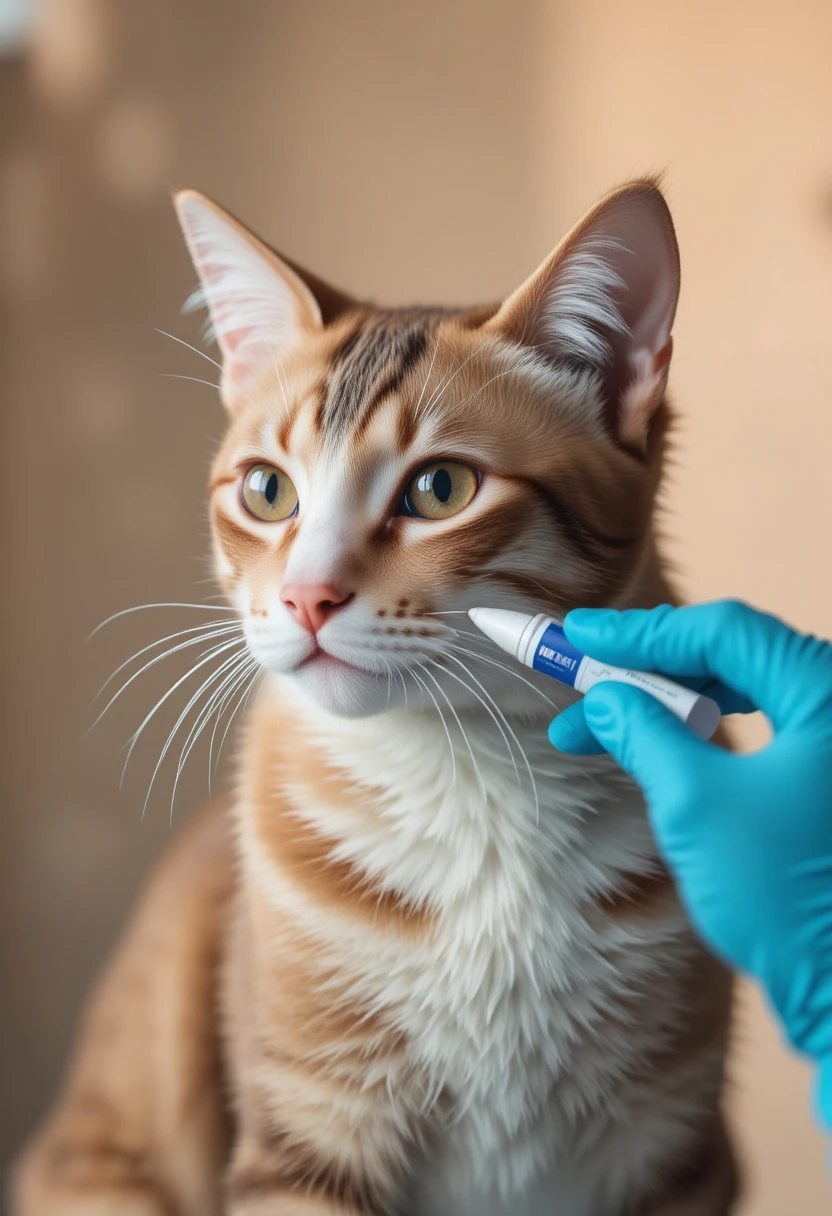
Spot-on treatments are applied directly to the skin, usually between the shoulder blades where your cat can’t lick it off. They’re one of the most widely used flea solutions because they’re simple to apply and typically provide a full month of protection. Popular formulations in this category include products like Frontline Plus, Advantage II, and Revolution each varying slightly in what parasites they cover beyond fleas.
Best for: Cat owners who want a low-effort, once-a-month routine.
2. Oral Flea Chewables
For cats who despise anything applied to their fur, a monthly chewable tablet can be a game-changer. These are ingested rather than absorbed through the skin, so there’s no wet spot to worry about and no risk of it rubbing off on furniture or your hands.
Best for: Cats who tolerate treats/pills better than topicals.
3. Fast-Acting Oral Pills for Active Infestations
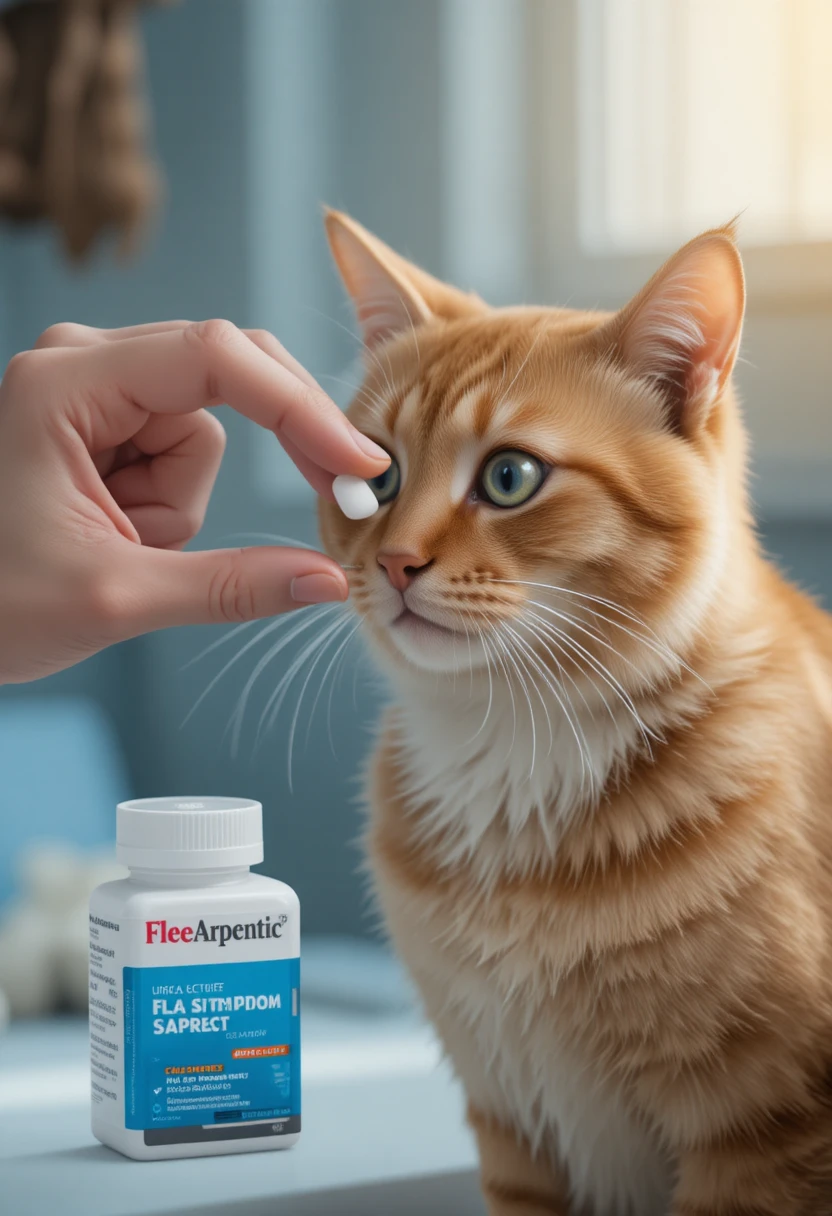
If your cat already has visible fleas, a fast-acting oral option (the cat-specific version of products like Capstar) can start killing adult fleas within 30 minutes. These aren’t long-term prevention think of them as a “reset button” you follow up with a monthly product.
Best for: Emergency flea outbreaks, not ongoing prevention.
Read Also: How Long Do Fleas Live Without a Host? (Plus 12+ Ways to Starve Them Out for Good)
4. Vet-Prescribed Combination Parasite Protection
Some monthly treatments (such as NexGard Combo) go beyond fleas to also cover ticks, ear mites, and certain intestinal worms in one dose. If your cat spends any time outdoors, this broader coverage is worth discussing with your vet.
Best for: Outdoor or indoor-outdoor cats with higher parasite exposure.
5. Flea Collars
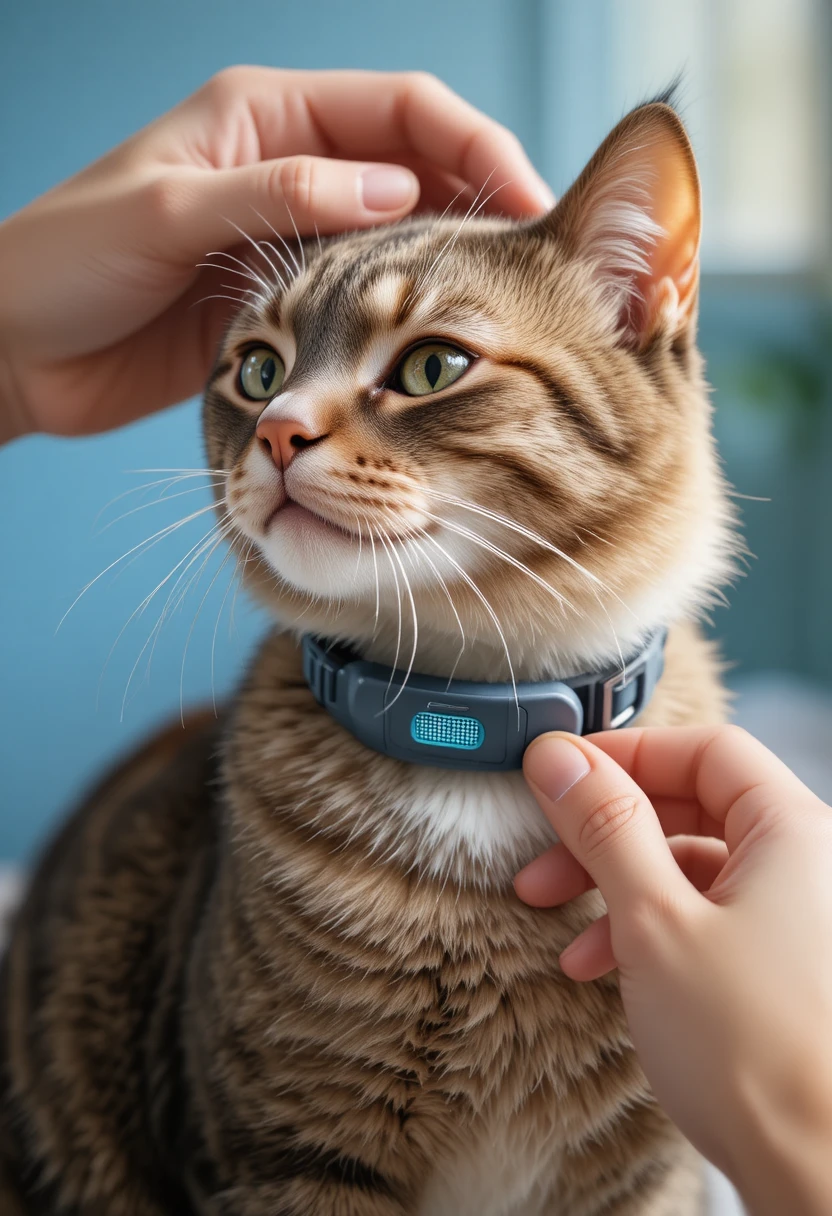
Modern flea collars (like Seresto) have come a long way from the cheap drugstore versions of the past. Quality collars release active ingredients slowly over several months, offering some of the longest continuous protection windows available.
Best for: Owners who don’t want to remember a monthly application date.
Bathing, Combing & Physical Removal Methods
6. Cat-Safe Flea Shampoo
A lukewarm bath with a shampoo formulated specifically for cats can physically remove adult fleas and soothe irritated skin. Two safety notes matter here: never use a dog flea shampoo on a cat (many contain permethrin, which is toxic to felines), and skip the bath entirely if your cat becomes distressed by water a flea comb achieves nearly the same result with far less stress.
Best for: A gentle first step during an active flea problem.
7. Daily Flea Combing
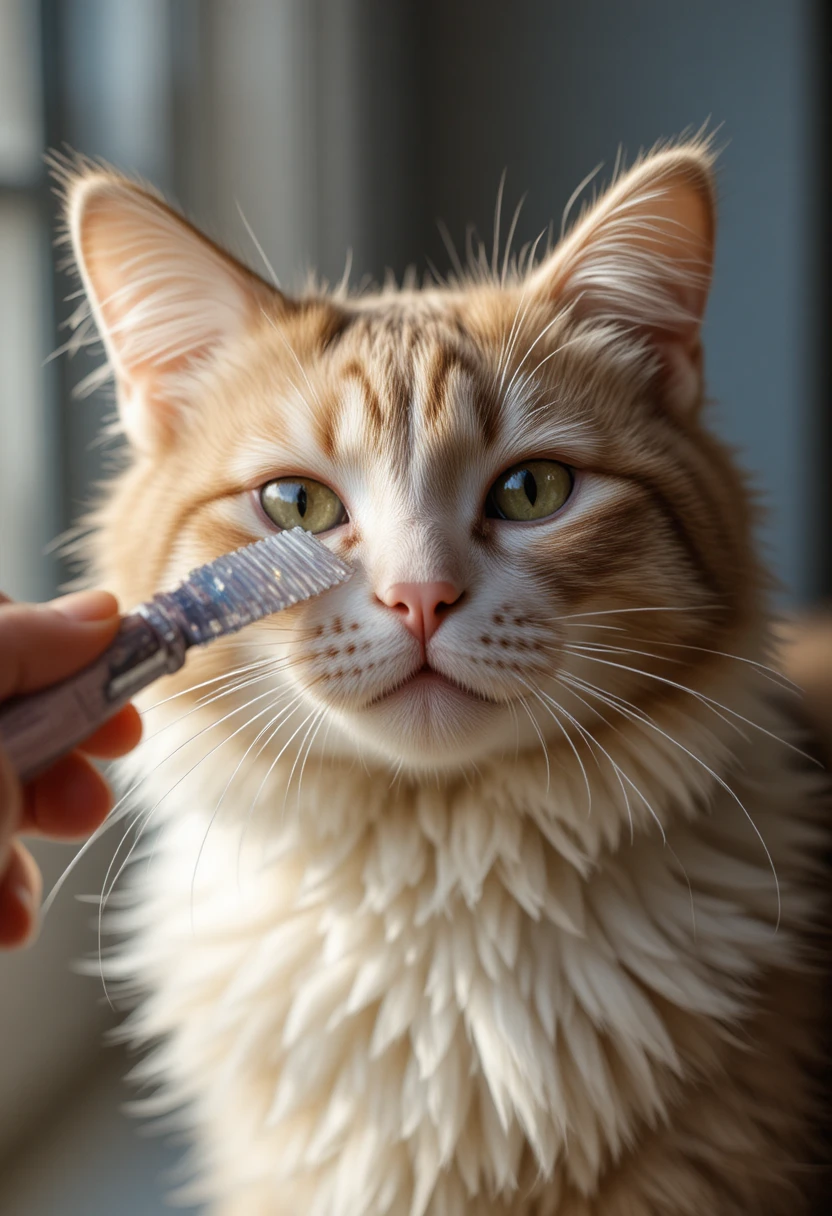
Never underestimate a simple fine-toothed flea comb. Dipping it in soapy water between passes drowns the fleas you catch, and daily combing sessions double as bonding time with your cat.
Best for: Kittens, senior cats, or any cat too young/fragile for chemical treatments.
8. Kitten-Safe Spot-On Formulas
Many flea products aren’t approved for kittens under 8-12 weeks old. Look specifically for products labeled safe for young kittens by both age and weight using an adult formula on a kitten can be dangerous.
Best for: Kittens showing early signs of fleas, once they’re old enough for any topical use.
9. Cat-Safe Environmental Sprays
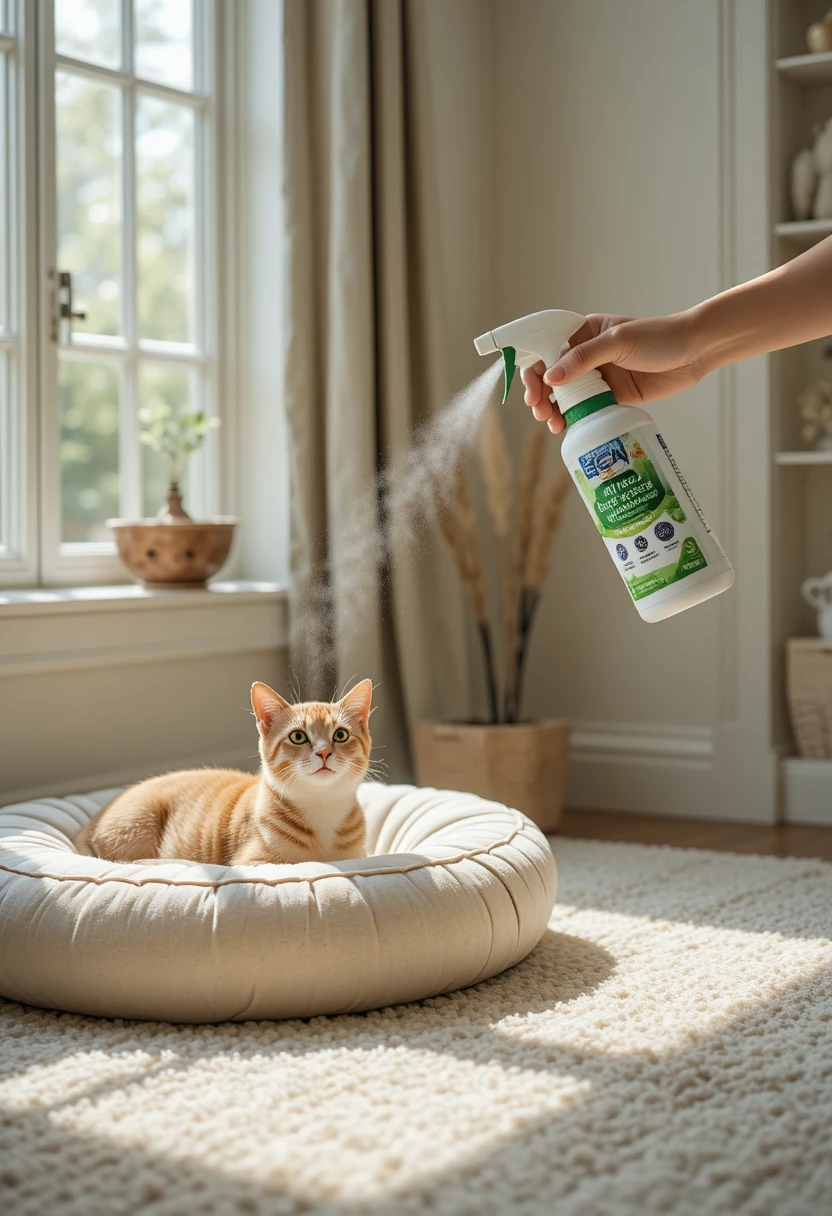
Beyond treating your cat directly, a pet-safe spray designed for furniture, carpets, and bedding can knock out fleas and eggs hiding in your home’s soft surfaces a step most owners forget.
Best for: Homes dealing with an active infestation, not just an on-cat treatment.
Environmental & Prevention Strategies
Treating your cat is only half the battle fleas lay eggs in your home, not just on your pet.
10. Vacuum Daily During an Outbreak
Fleas lay eggs that fall off your cat and into carpets, rugs, and cracks in flooring. Daily vacuuming (and immediately emptying the canister or bag outside) removes eggs and larvae before they mature.
11. Hot-Wash Bedding Weekly
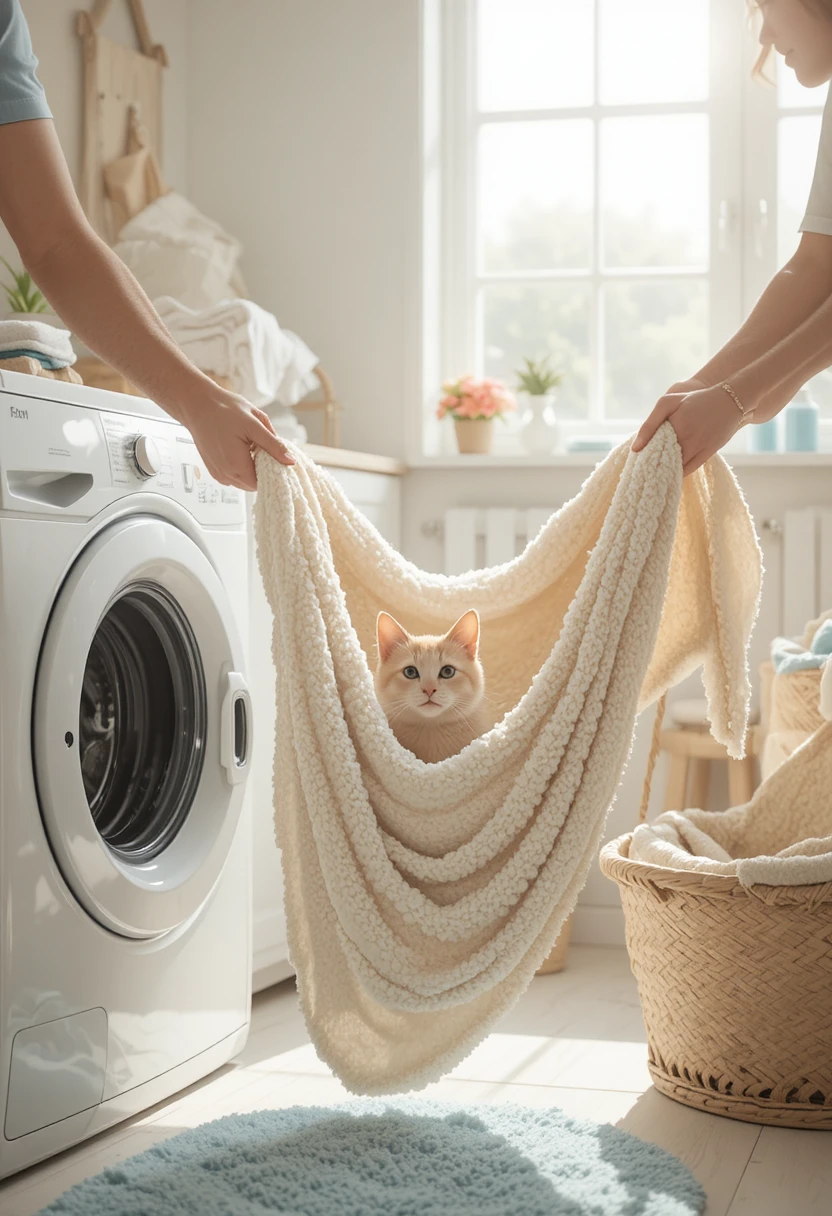
Wash your cat’s bedding and your own, if they sleep with you in hot water weekly during an active flea problem. Heat kills fleas at every life stage.
12. Treat Every Pet in the Household at Once
Fleas don’t stay loyal to one pet. If you have a dog and a cat, both need species-appropriate treatment simultaneously, or the untreated pet becomes a constant reinfestation source.
13. Address Outdoor Areas for Outdoor Cats

If your cat spends time in the yard, consider a pet-safe yard treatment for shaded, humid areas where fleas thrive — porches, under decks, and shaded flower beds are common hotspots.
14. Flea Traps for Monitoring
A simple light-and-sticky-pad flea trap won’t solve an infestation on its own, but it’s a useful early-warning tool to confirm whether fleas are actually present in your home before you commit to a full treatment plan.
15. Stick to a Year-Round Prevention Schedule
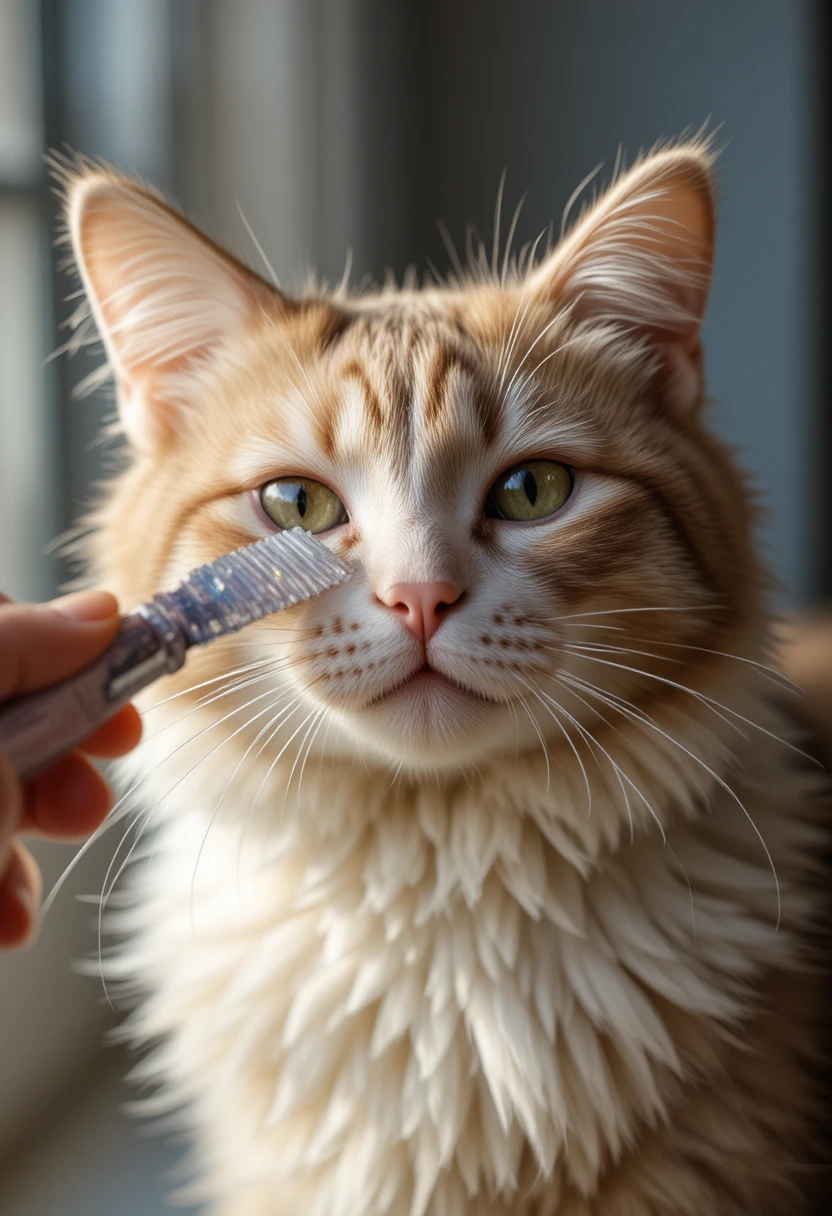
Even indoor-only cats can be exposed fleas hitch rides in on clothing, shoes, or other pets. A consistent monthly prevention product, applied year-round rather than “seasonally,” is the single most effective way to avoid ever dealing with an infestation.
This is the section most flea-treatment articles skip and it might be the most important one here.
16. Skip Essential Oils, Garlic, and DIY “Natural” Sprays
Save this warning, because it could prevent a vet emergency.
Cats lack a specific liver enzyme that other mammals use to break down many plant compounds, which means substances that are mildly irritating to dogs can be genuinely toxic to cats. Specifically avoid:
- Essential oils Tea tree, eucalyptus, citrus, peppermint, clove, pennyroyal, cinnamon, and wintergreen oils are among the most dangerous. Even “diluted” versions marketed as pet-safe carry real risk, since cats groom themselves constantly and will ingest whatever is on their fur.
- Garlic A common but false “natural” flea remedy; garlic is toxic to cats and can cause anemia.
- Apple cider vinegar Widely repeated online, but it doesn’t reliably kill fleas and offers no real benefit.
- Baking soda Not effective against fleas, and risky if a cat ingests too much.
- Dog flea products Never apply a flea shampoo, spot-on, or collar labeled for dogs to a cat. Permethrin, common in dog formulas, can cause tremors, seizures, and death in cats even in small amounts.
If you want a natural-leaning approach, stick to the physical and environmental methods above combing, bathing with cat-safe shampoo, vacuuming, and hot-washing bedding. These genuinely work without the toxicity risk.
How to Apply Flea Treatment Correctly
However you choose to treat your cat, application technique matters:
- Part the fur down to the skin (for topicals) rather than applying on top of the coat.
- Apply between the shoulder blades, where your cat can’t reach to lick it off.
- Keep your cat away from bathing for at least 24-48 hours before and after a topical application.
- Watch your cat for a few hours afterward for any signs of sensitivity excessive drooling, scratching at the application site, or lethargy.
- Always weigh your cat before dosing flea medications are formulated by weight, and guessing can lead to under- or over-dosing.
Frequently Asked Questions
How often should I treat my cat for fleas?
Most preventive products are designed for monthly use, even during colder months when you might assume fleas aren’t active. Consistency matters more than intensity.
Can indoor-only cats get fleas?
Yes. Fleas can enter your home on clothing, shoes, other pets, or through window screens indoor-only status reduces risk but doesn’t eliminate it.
Are natural flea remedies ever safe for cats?
Physical methods (combing, bathing, vacuuming, hot-washing bedding) are safe and genuinely effective. Ingredient-based “natural” remedies like essential oils or garlic are not see the safety section above.
What’s the fastest way to kill fleas already on my cat?
A fast-acting oral flea pill combined with a thorough flea-combing session is typically the quickest way to knock down an active infestation, followed by a monthly preventive to stop it from returning.
Do I need to treat my house, or just my cat?
Both. The vast majority of a flea population eggs, larvae, and pupae lives in your carpets, bedding, and furniture, not on your cat. Skipping environmental treatment is the most common reason infestations return.
The Bottom Line
Fleas are unpleasant, but they’re also one of the most manageable pet health issues once you know what actually works. Choose a treatment method your cat will tolerate consistently, treat your home alongside your cat, and steer clear of “natural” trends that sound appealing but carry real toxicity risk.