If your dog leaves a trail of fur wherever they go, sheds like it’s a competitive sport, or seems to grow a whole new coat every few months, you’re probably dealing with a double coat. Breeds like Huskies, German Shepherds, Corgis, and Golden Retrievers weren’t built for a quick once-over with a regular brush their fur has two distinct layers, and grooming them the wrong way can leave you with mats, skin irritation, and a house that never stops looking dusted in hair.
The good news is that grooming a double-coated dog isn’t complicated once you understand what you’re actually working with. Below are 15+ practical, tested ideas to help you groom your double-coated dog at home from tool selection to bathing technique to seasonal shedding strategy so your dog stays comfortable, healthy, and mat-free year-round.
What Is a Double Coat, and Why Does It Need Special Care?
A double coat consists of two layers: a soft, dense undercoat that insulates against heat and cold, and a coarser topcoat (or guard coat) that repels water, dirt, and debris. This combination is common in breeds that originated in extreme climates, including German Shepherds, Siberian Huskies, Corgis, Golden Retrievers, Chow Chows, Shiba Inus, and Bernese Mountain Dogs.
The undercoat is the layer that causes the most trouble. It sheds constantly, and if it isn’t regularly removed, loose hair gets trapped against the skin, tangles with the topcoat, and forms mats. Left unaddressed, mats can trap moisture and bacteria against the skin, leading to hot spots, irritation, and infection. That’s why grooming a double-coated dog isn’t just about appearance it’s a genuine health and comfort issue.
Tools You’ll Need Before You Start
Before diving into technique, it helps to have the right equipment on hand. A few essentials make the entire process faster and far less stressful for your dog:
- Undercoat rake — designed to reach through the topcoat and pull loose undercoat fur without damaging the guard hairs
- Slicker brush — good for finishing touches and smoothing the topcoat
- Wide-tooth comb — helpful for checking your work and catching small tangles
- Detangler spray — loosens mats before brushing to reduce pulling
- Dog-specific shampoo and conditioner — human products can strip natural oils and irritate skin
- High-velocity dryer (optional) — speeds up drying and helps blow out loose undercoat after a bath
- Grooming table or non-slip mat — gives your dog a stable, consistent spot for grooming sessions
With your tools ready, here are 15+ ideas to make grooming a double-coated dog easier, more effective, and less stressful for both of you.
15+ Ideas for Grooming a Double-Coated Dog at Home
1. Brush Before You Bathe, Not After
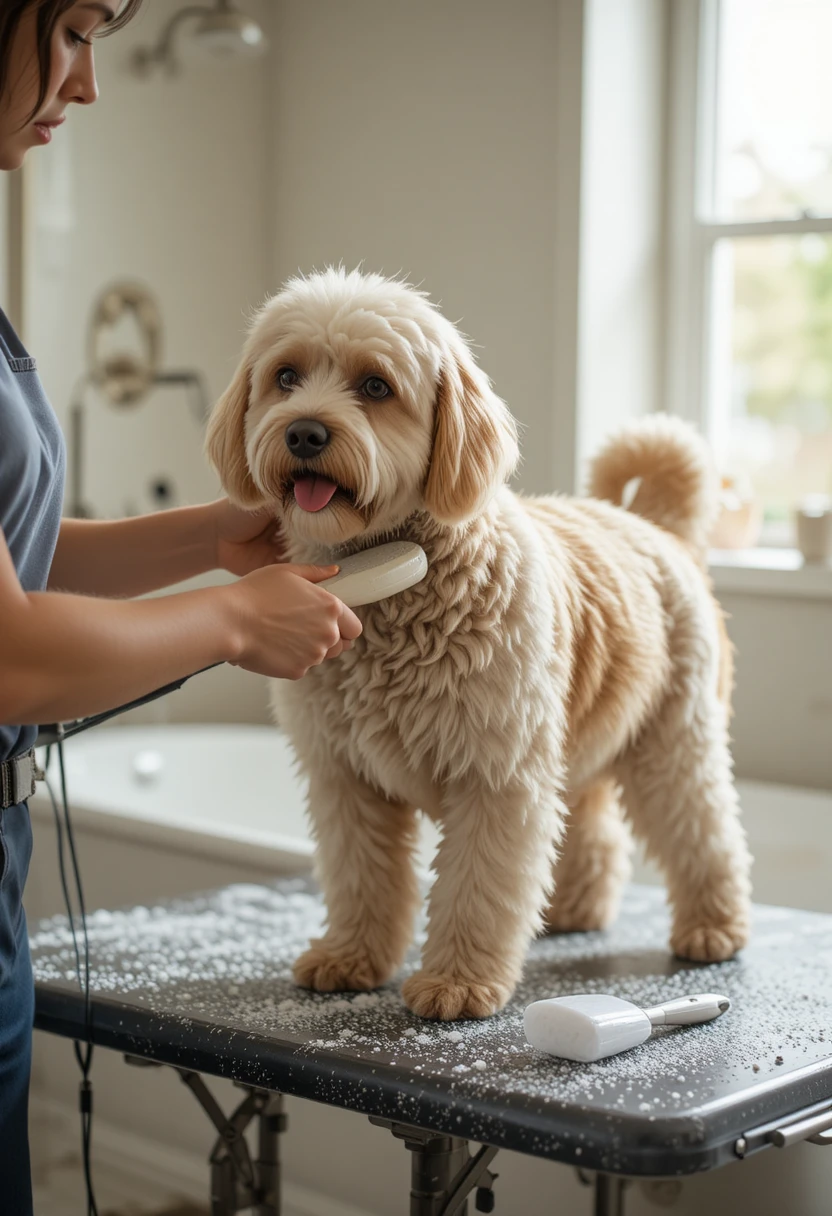
Always work through mats and loose undercoat with a rake or slicker brush before your dog gets wet. Water tightens existing mats, making them far harder to remove once soaked. Pre-brushing also helps shampoo and conditioner reach the skin more effectively during the bath.
2. Work in Sections, Not All at Once
Instead of brushing randomly, divide your dog’s body into sections legs, chest, back, belly, tail and work through each one methodically from the skin outward. This ensures you’re not just skimming the topcoat while leaving the undercoat untouched underneath.
3. Always Brush in the Direction of Hair Growth
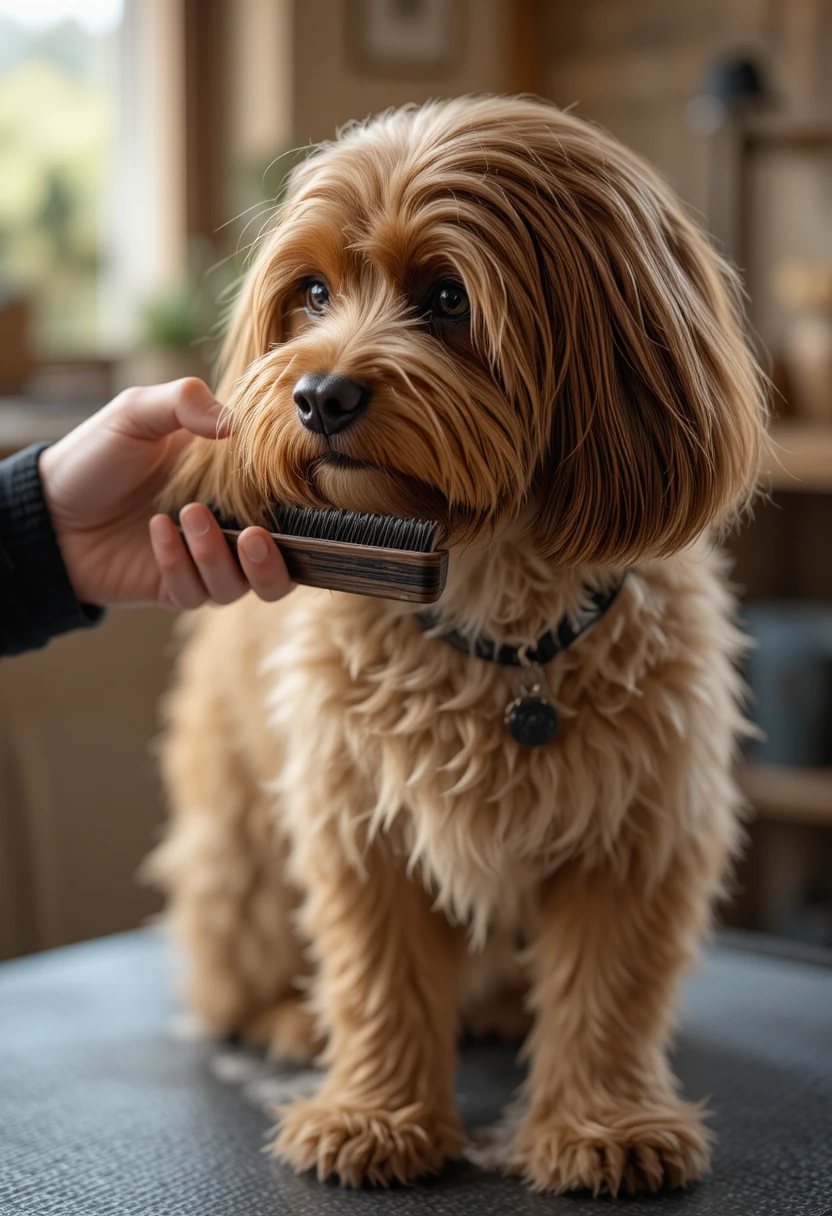
Brushing against the grain can irritate the skin and damage the topcoat over time. Use short, gentle strokes that follow the natural direction the fur grows, and let the rake or brush do the work rather than pressing hard.
Read Also: How Much Should I Feed My Dog? 12 Simple Ideas to Get Portions Right Every Time
4. Use an Undercoat Rake for the Heavy Lifting
A slicker brush alone won’t get through a thick double coat. An undercoat rake is specifically designed with longer, wider teeth that reach past the topcoat and pull loose fur from the dense layer underneath this is the tool that actually controls shedding.
5. Finish With a Slicker Brush for a Polished Look
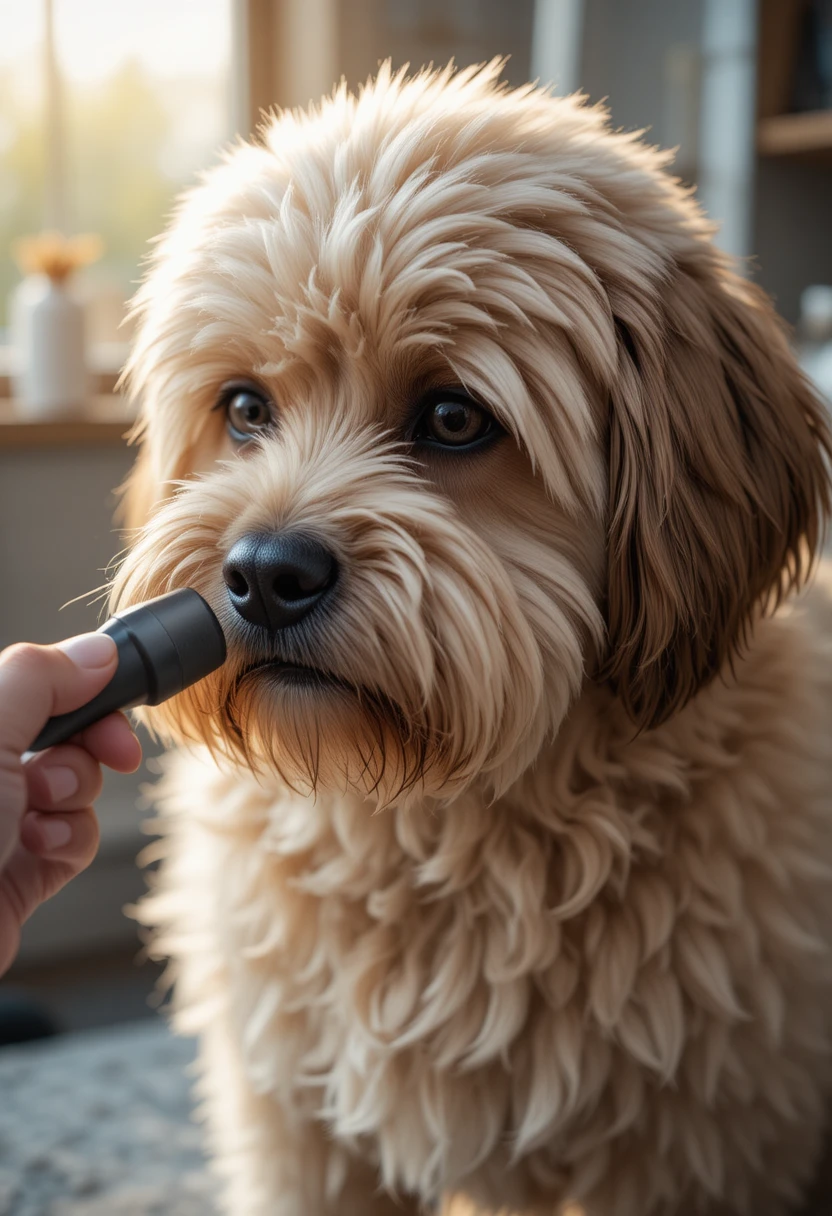
Once the undercoat rake has done its job, go back over the coat with a slicker brush. This smooths the topcoat, removes any remaining loose hairs, and leaves the coat looking neat and glossy rather than fluffed up and disheveled.
6. Never Shave a Double Coat
It’s tempting to think shaving will solve shedding once and for all, but it does the opposite. Shaving removes the protective topcoat, which regulates body temperature and shields skin from sunburn. It can also cause the coat to grow back unevenly or improperly, sometimes permanently altering its texture.
7. Bathe Every 6–8 Weeks (Not More)
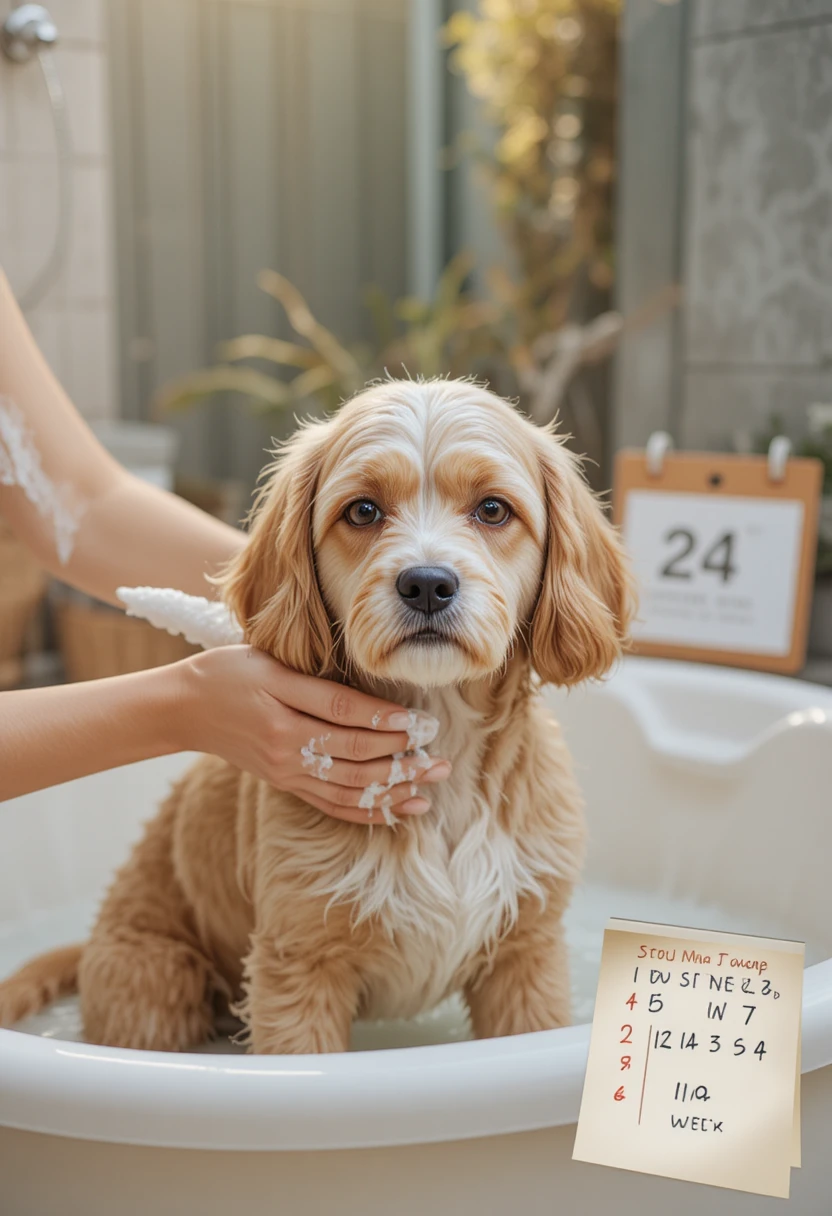
Double-coated dogs don’t need frequent baths. Over-bathing strips natural oils that keep the skin and coat healthy. A bath every 6–8 weeks or as needed for dirt and odor combined with regular brushing is usually enough to keep the coat clean and healthy.
8. Soak the Coat Fully Before Shampooing
A double coat resists water more than you’d expect, especially the topcoat. Take extra time to soak your dog down to the skin with warm water before applying shampoo, otherwise you risk washing only the surface layer while trapped dirt stays underneath.
9. Use a De-Shedding Shampoo During Peak Shedding Season
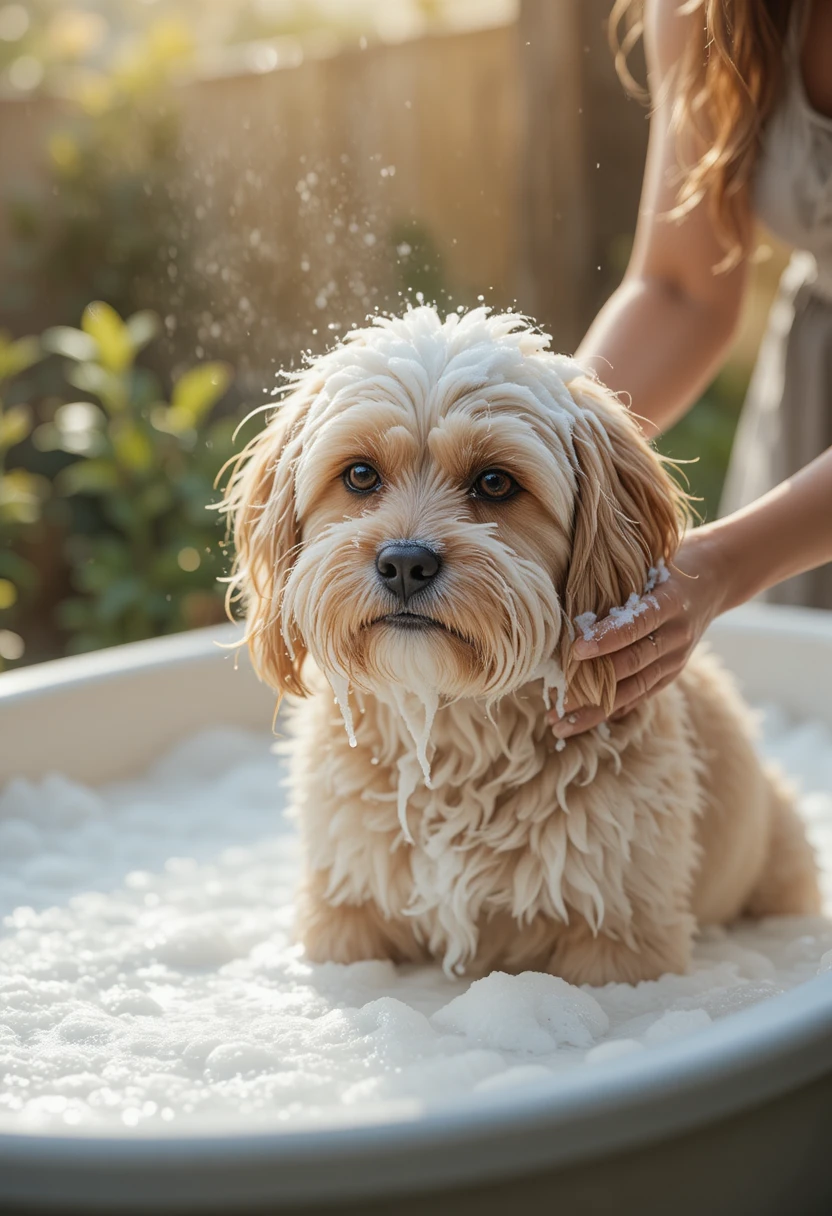
During spring and fall “coat blow” periods, a de-shedding or deep-conditioning shampoo can help loosen the undercoat, making it significantly easier to rake out once your dog is dry. Look for formulas designed specifically for double coats rather than generic dog shampoos.
10. Rinse Thoroughly Then Rinse Again
Leftover shampoo or conditioner residue is one of the most common causes of itchy, flaky skin in double-coated dogs. Because their coat is so dense, it takes longer to fully rinse than you’d expect. Take an extra minute to make sure the water runs completely clear.
11. Dry From the Skin Out, Not Just the Surface
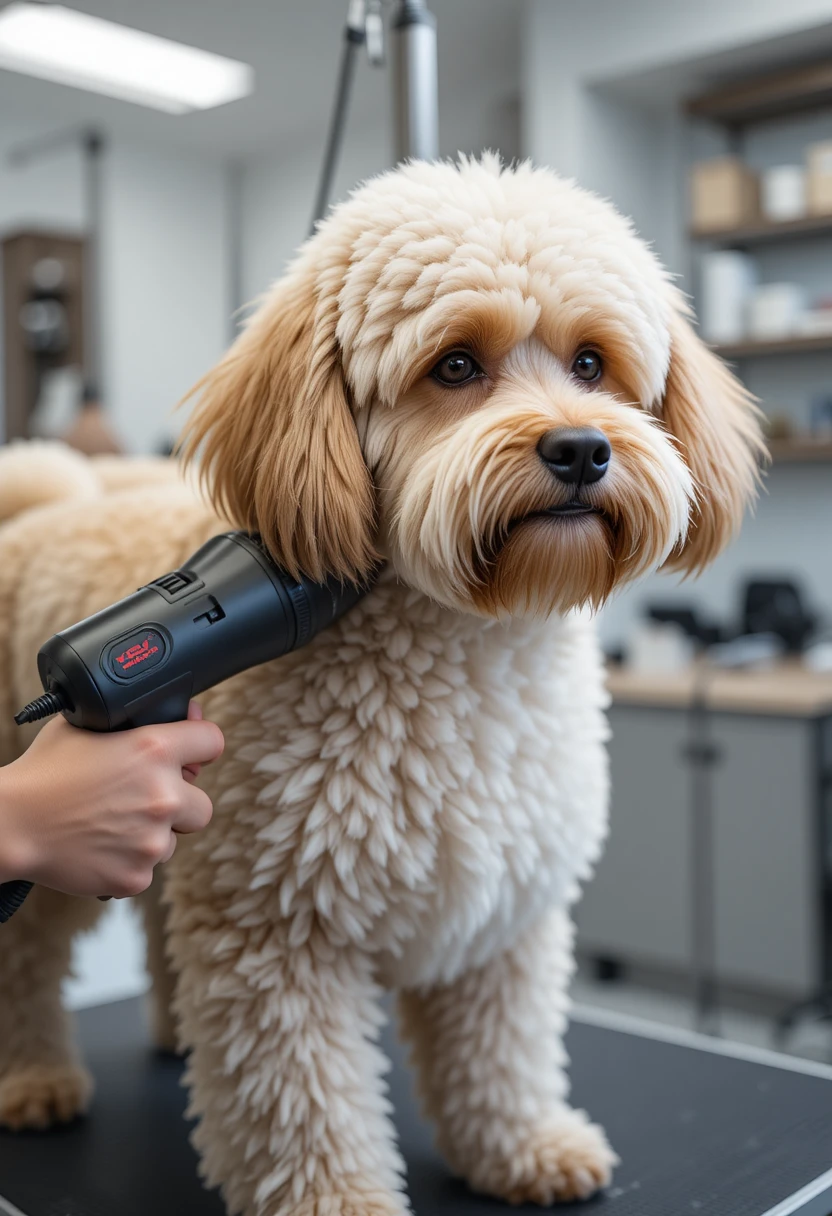
Air-drying a thick double coat can leave the undercoat damp for hours, which creates the perfect environment for bacteria and skin irritation. A high-velocity pet dryer is the gold standard here it blasts water (and loose undercoat) out from the base of the fur, not just the surface.
12. Brush Again While Damp Drying
If you’re air-drying, brush periodically while the coat is still slightly damp. This prevents the undercoat from drying into clumps and mats, especially around the ears, legs, and tail where tangles form most easily.
13. Increase Brushing Frequency During Shedding Season
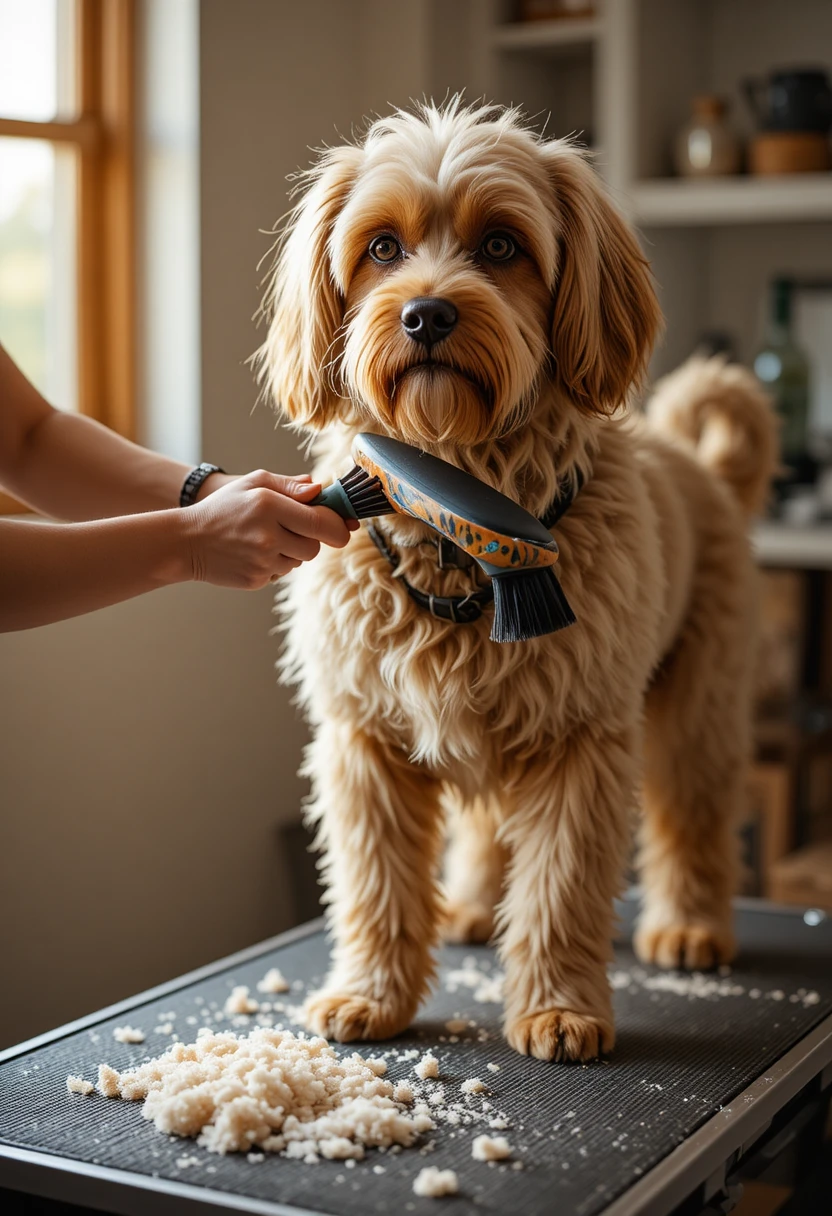
Most double-coated breeds “blow their coat” twice a year, typically in spring and fall, shedding significantly more undercoat than usual. During these windows, increase brushing from once a week to every other day, or even daily for heavy shedders, to keep mats from forming.
14. Pay Extra Attention to Friction Zones
Certain areas mat faster than others behind the ears, under the collar, in the armpits, and around the tail base. These friction zones deserve extra attention during every grooming session, since mats here tend to sit directly against sensitive skin.
15. Use a Detangler Spray on Stubborn Mats
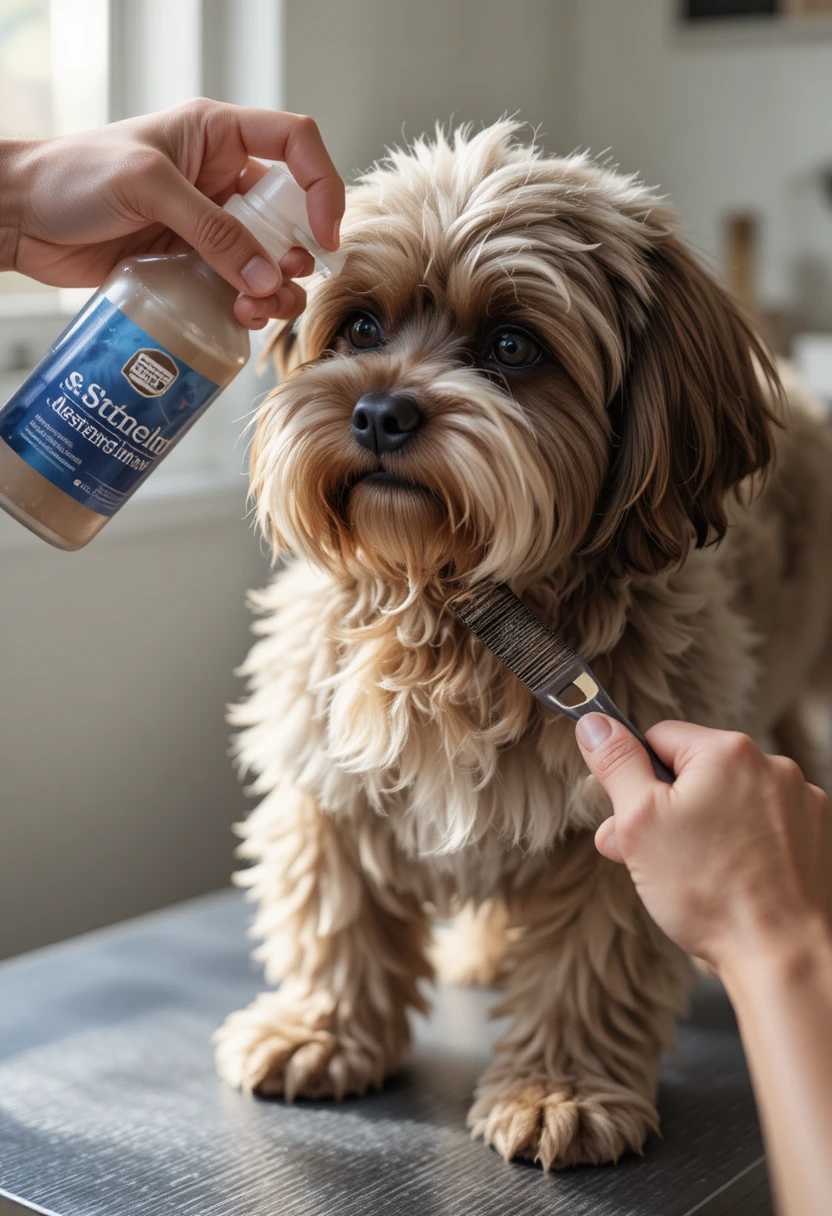
For mats that resist brushing, spritz a dog-safe detangler spray directly onto the knot and let it sit for a minute before gently working it apart with your fingers, followed by a comb. Never yank a mat out dry it’s painful and can tear the skin.
16. Trim Only Where Necessary
Unlike single-coated breeds, double-coated dogs generally shouldn’t be trimmed all over. Light trimming around the paws, sanitary areas, and any severely matted sections is fine, but the body coat should be left largely intact to preserve its insulating function.
17. Keep Grooming Sessions Short and Positive
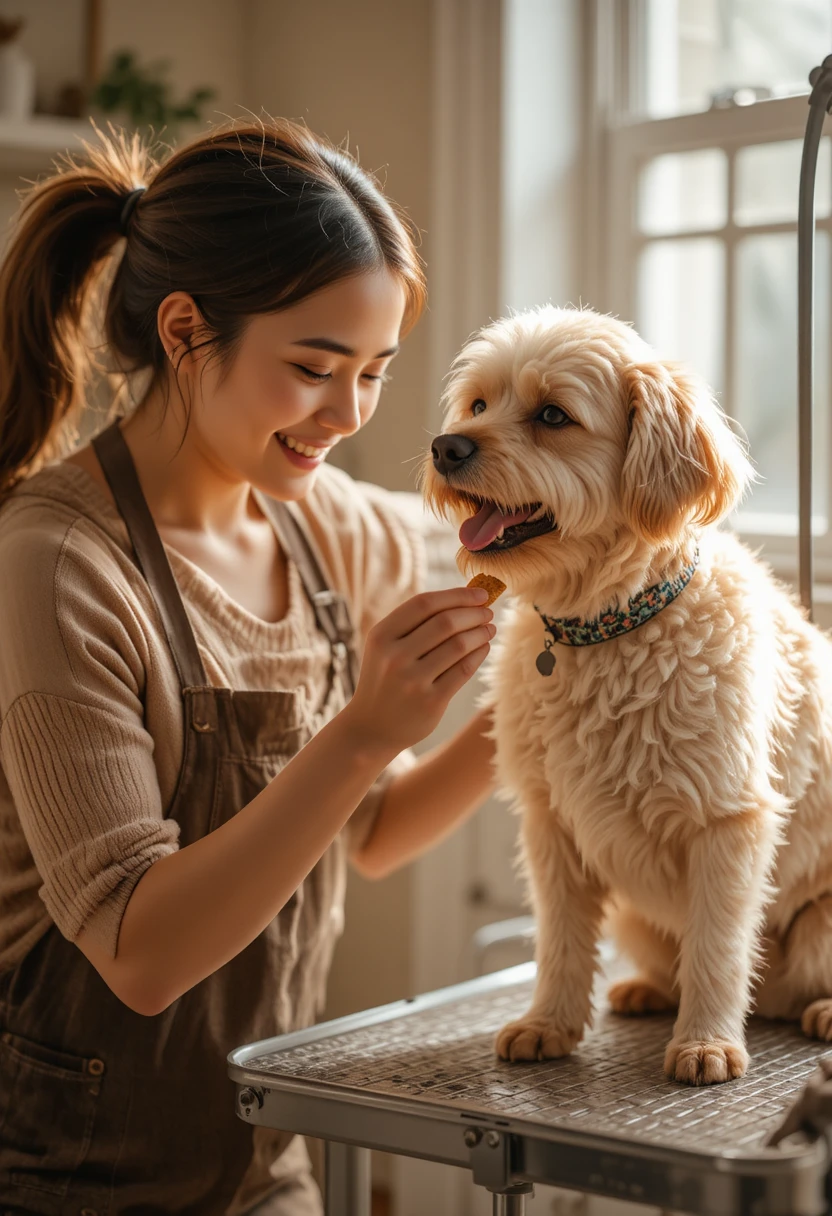
Especially for puppies or dogs new to grooming, shorter, more frequent sessions build tolerance far better than one long, stressful marathon brushing. Pair grooming with treats and a calm tone so your dog associates the process with something positive rather than something to avoid.
18. Don’t Forget Nails, Ears, and Paw Pads
A full grooming routine goes beyond the coat. Check ears weekly for wax or debris buildup, trim nails every 3–4 weeks to prevent discomfort, and inspect paw pads for matting or debris, especially in dogs with feathering around the feet.
Common Double-Coated Dog Grooming Mistakes to Avoid
Even well-meaning owners make a few consistent mistakes that undo their grooming efforts:
- Shaving the coat “to help with shedding.” As covered above, this damages the coat’s natural function and doesn’t actually reduce long-term shedding.
- Only brushing the topcoat. This leaves the undercoat the real source of shedding and matting completely untouched.
- Skipping brushing between baths. Grooming isn’t a once-a-month event; consistency is what prevents mats from forming in the first place.
- Using human shampoo. Human hair products have a different pH than dog skin and can cause dryness or irritation.
- Brushing too hard or too fast. This causes discomfort, which teaches your dog to dread grooming sessions rather than tolerate them calmly.
How Often Should You Groom a Double-Coated Dog?
As a general guideline:
- Brushing: At least once or twice a week during normal months; every other day (or daily) during shedding season
- Bathing: Every 6–8 weeks, or sooner if visibly dirty
- Nail trims: Every 3–4 weeks
- Ear checks: Weekly
- Professional grooming: Every 8–12 weeks, especially helpful for deep de-shedding treatments that are harder to replicate at home
Frequently Asked Questions
Should I shave my double-coated dog in summer?
No. Shaving removes the topcoat’s protective, insulating function and can actually make it harder for your dog to regulate body temperature, while increasing the risk of sunburn.
How do I know if my dog has a double coat?
Part the fur down to the skin if you see a soft, dense underlayer beneath a coarser top layer of longer guard hairs, your dog has a double coat. Breeds like Huskies, Corgis, German Shepherds, and Golden Retrievers are classic examples.
What’s the difference between an undercoat rake and a slicker brush?
An undercoat rake has longer, wider-set teeth designed to reach through the topcoat and pull loose fur from the dense undercoat. A slicker brush has fine, closely spaced pins better suited for smoothing the topcoat and catching smaller tangles.
Why does my double-coated dog shed so much even with regular brushing?
Shedding is a natural, ongoing process for double-coated breeds, and it intensifies significantly during seasonal coat blows in spring and fall. Regular brushing manages shedding but won’t eliminate it entirely.
Can I use a deshedding tool too often?
Deshedding tools like undercoat rakes are safe for regular use (a few times a week), but overuse or aggressive technique can irritate the skin or damage the topcoat, so gentle, consistent sessions are better than occasional harsh ones.
Final Thoughts
Grooming a double-coated dog doesn’t have to feel overwhelming once you understand the two-layer system you’re working with. The key ideas to remember: never shave the coat, focus on the undercoat (not just the surface), bathe in moderation, dry thoroughly, and increase your grooming frequency during seasonal shedding. With the right tools and a consistent routine, you’ll cut down on loose fur around the house, prevent painful mats, and keep your dog’s coat doing exactly what nature designed it to do protecting them in every season.