
You turn on the lights at 2 a.m., scratch your ankle for the fifth time, and there it is a tiny dark speck leaping off your carpet before you can even blink. If you’ve ever tried to catch a flea with your bare hands, you already know: they’re faster than your patience and more stubborn than your last houseguest who wouldn’t leave.
Here’s the hard truth most articles won’t tell you upfront: a flea infestation is never just a “few bugs” problem. For every adult flea you actually see, there could be dozens of eggs, larvae, and pupae hiding in your carpet fibers, couch cushions, and baseboards right now. That’s why the spray-once-and-hope method almost never works and why so many people feel like they’re losing the same battle over and over.
The good news? You don’t need to burn your furniture or move out. You need a system. Below are 11+ real, field-tested ideas from the basics to the ones most people skip entirely that work together to break the flea life cycle for good. Stick around for idea #9; it’s the one pest control pros use that almost nobody talks about.
Why One Treatment Never Seems to Work
Before we get into the fixes, here’s the piece of the puzzle that explains almost every failed flea treatment: fleas have four life stages egg, larva, pupa, and adult and each one reacts differently to cleaning and chemicals.
Adult fleas are the ones biting you and your pet, but they only make up about 5% of an infestation. The other 95% eggs, larvae, and cocooned pupae are quietly developing in your carpet, under furniture, and in cracks along the floor. Pupae are the sneakiest of all: they can lie dormant in a protective cocoon for weeks or even months, waiting for the vibration of footsteps or body heat to tell them it’s safe to hatch.
So what does this mean for you? It means a single vacuum session or one flea bomb will only ever get part of the problem. You need to attack all four stages, repeatedly, over several weeks which is exactly what the ideas below are designed to do.
1. Vacuum Every Surface Not Just the Middle of the Carpet
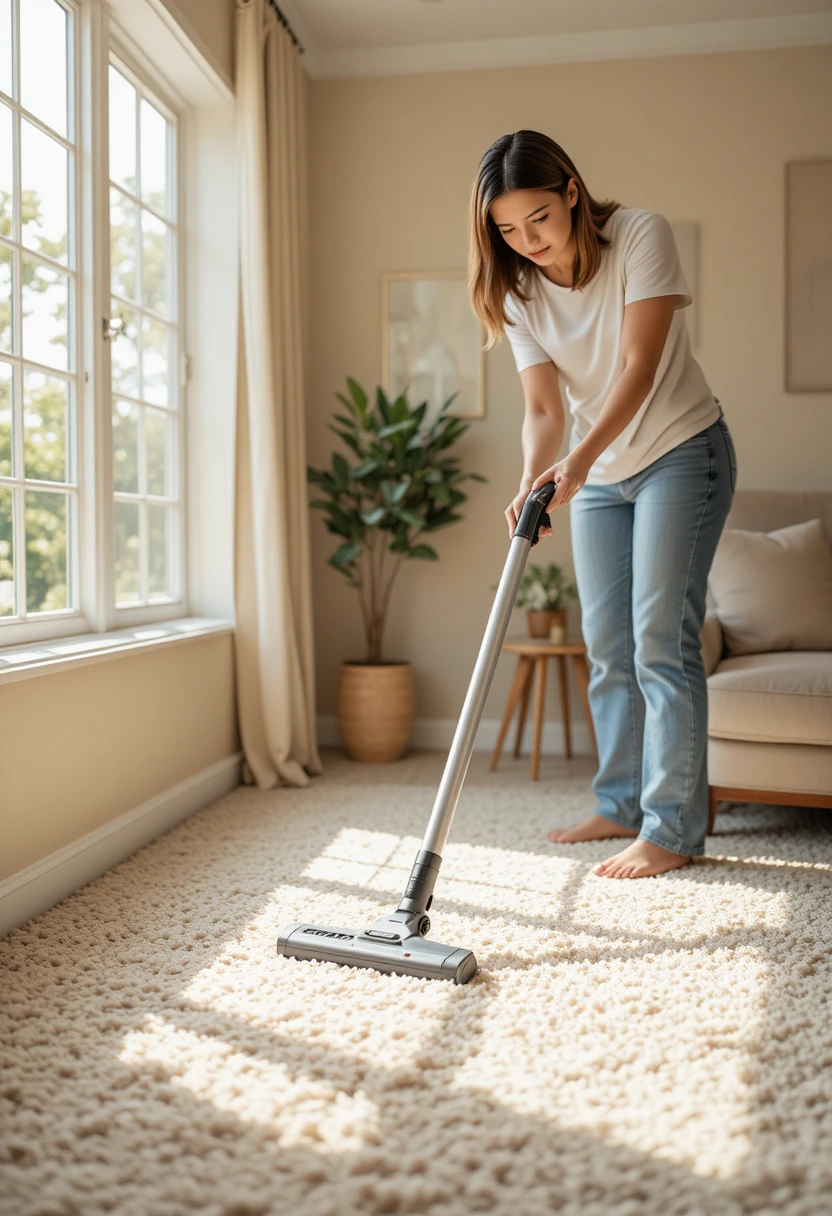
Vacuuming is step one for a reason: it physically removes adult fleas, eggs, and larvae, and the vibration and heat can even trigger dormant pupae to hatch early, straight into your vacuum bag where they belong.
Here’s the part most people miss:
- Vacuum daily, not weekly, for at least two to three weeks
- Go over carpet edges, baseboards, and under furniture fleas love dark, undisturbed corners
- Don’t skip upholstered furniture, curtains, and area rugs
- Vacuum your car if pets ride along
- Empty the canister (or seal the bag) outside in an outdoor trash bin immediately fleas can crawl right back out otherwise
2. Wash Every Washable Fabric in Hot Water
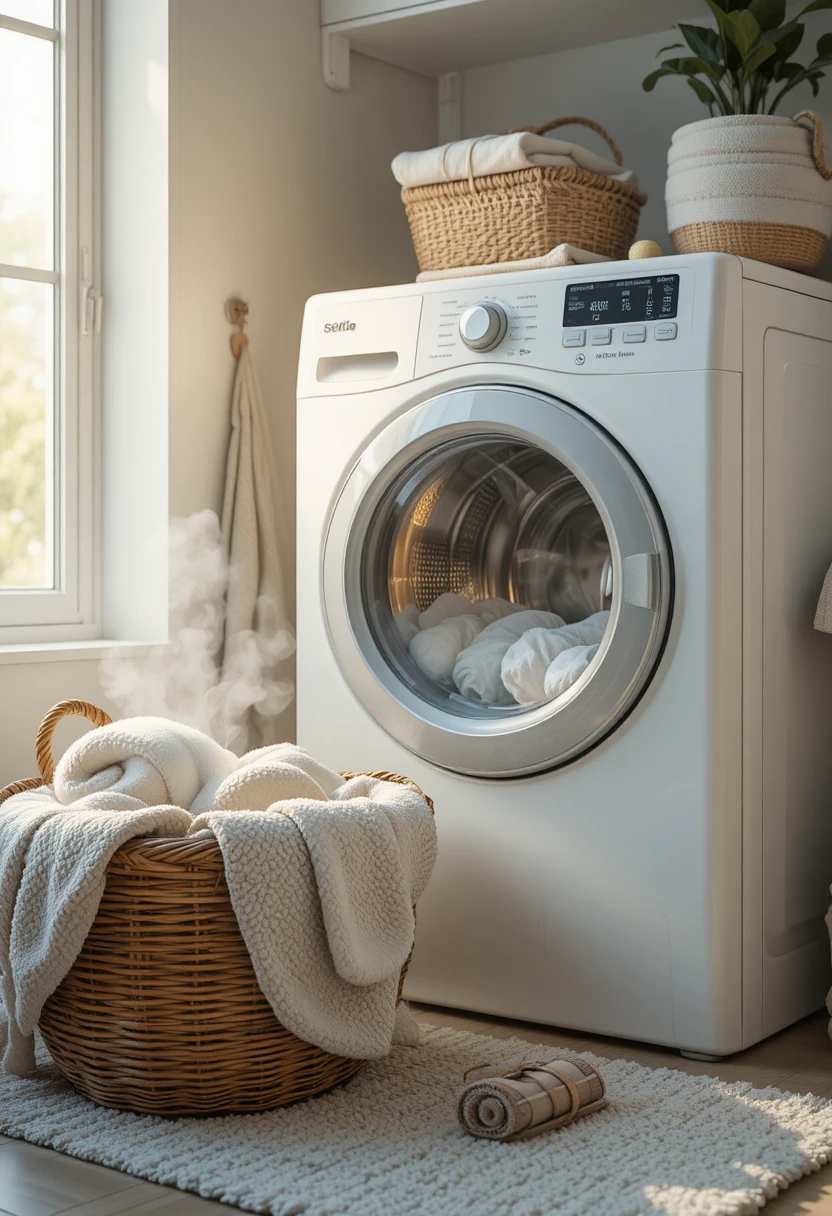
Bedding, pet beds, blankets, throw pillows, and even your own sheets (if pets sleep with you) all need a hot-water wash. Heat above 95°F (35°C) is enough to kill fleas and their eggs on contact.
But there’s a catch: cold or lukewarm water won’t cut it. If an item can’t go in the wash, run it through a hot dryer cycle instead — the heat alone does most of the work.
Do this weekly during an active infestation, not just once at the start.
3. Steam Clean Carpets, Rugs, and Upholstery
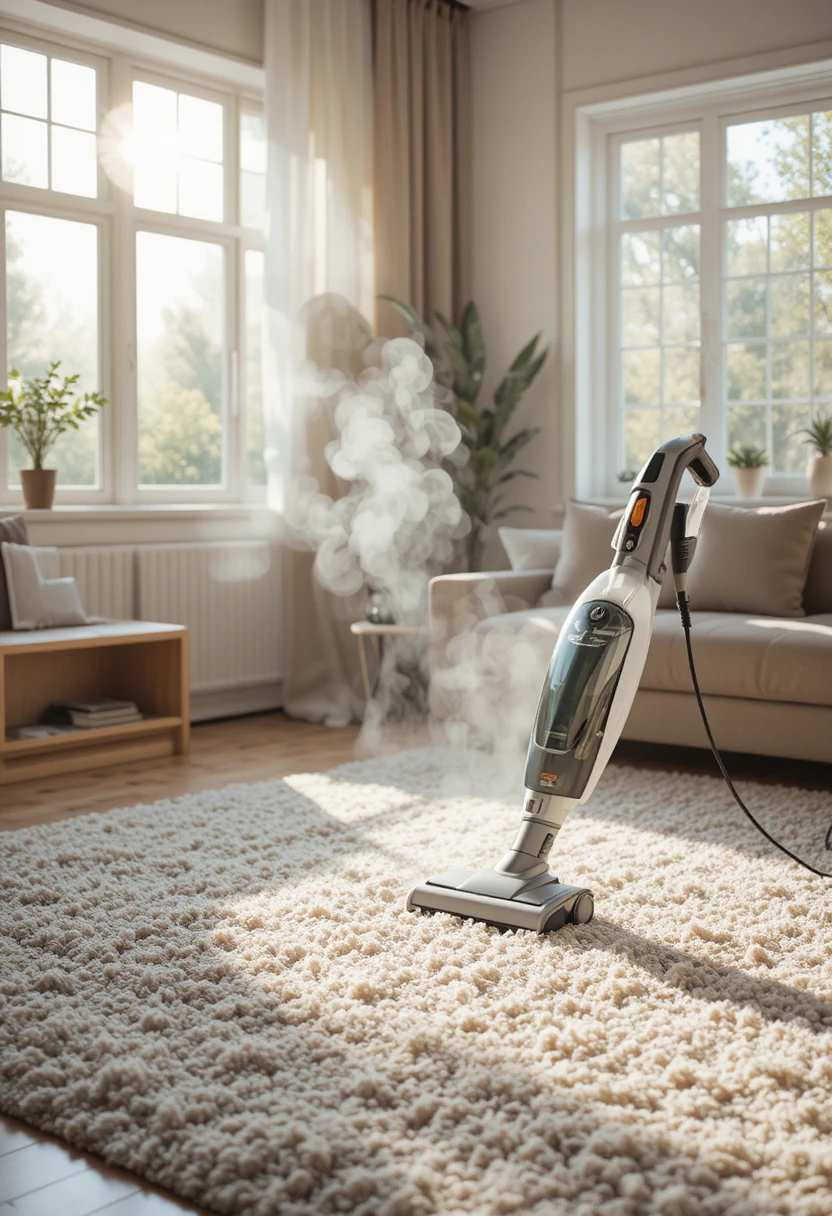
If vacuuming is your daily defense, steam cleaning is your heavy artillery. The combination of high heat and moisture kills fleas at every life stage, including eggs tucked deep in carpet fibers that a vacuum can’t always reach.
A few tips to get this right:
- Focus on high-traffic areas and anywhere your pet naps
- Let carpets dry fully before letting pets back on them
- Repeat every 7–10 days if the infestation is serious, since steam kills existing fleas but not ones that hatch later
Renting a steam cleaner for a weekend is often cheaper than a month of store-bought sprays and far more effective on hidden eggs.
4. Sprinkle Salt or Baking Soda Before You Vacuum
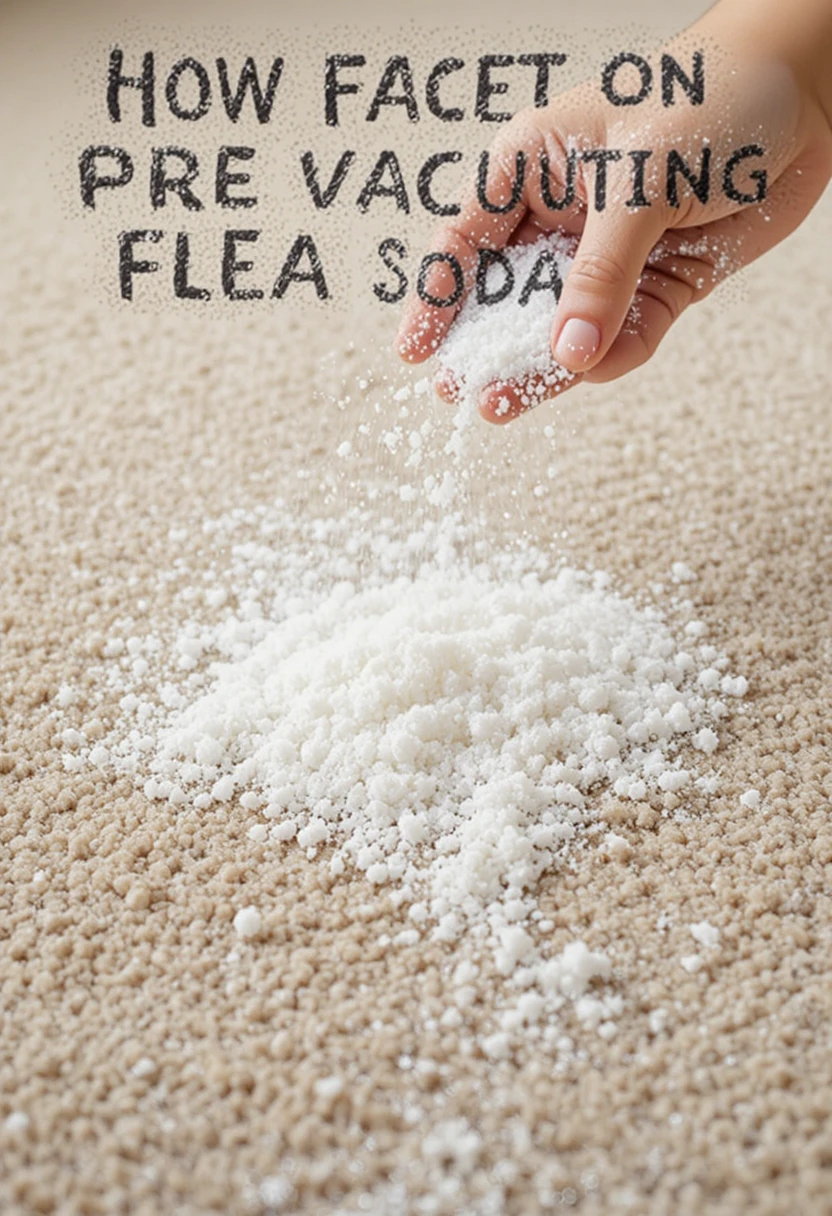
This is one of those old-school tricks that actually holds up. Both salt and baking soda work by dehydrating fleas and their eggs literally drying them out at the cellular level.
How to use it:
- Sprinkle a thin, even layer over carpets, rugs, and upholstery
- Use a broom or brush to work it gently into the fibers
- Let it sit for 12–24 hours (some people leave it up to a week for stubborn cases)
- Vacuum thoroughly afterward, then dispose of the vacuum bag outside
Here’s the thing: this method is slower than commercial insecticides, but it’s a great pet-safe option for homes with crawling babies or curious cats who lick everything in sight.
Read Also: 10+ Signs of Aging in Dogs Every Owner Should Know
5. Bring In Diatomaceous Earth for the Hidden Spots
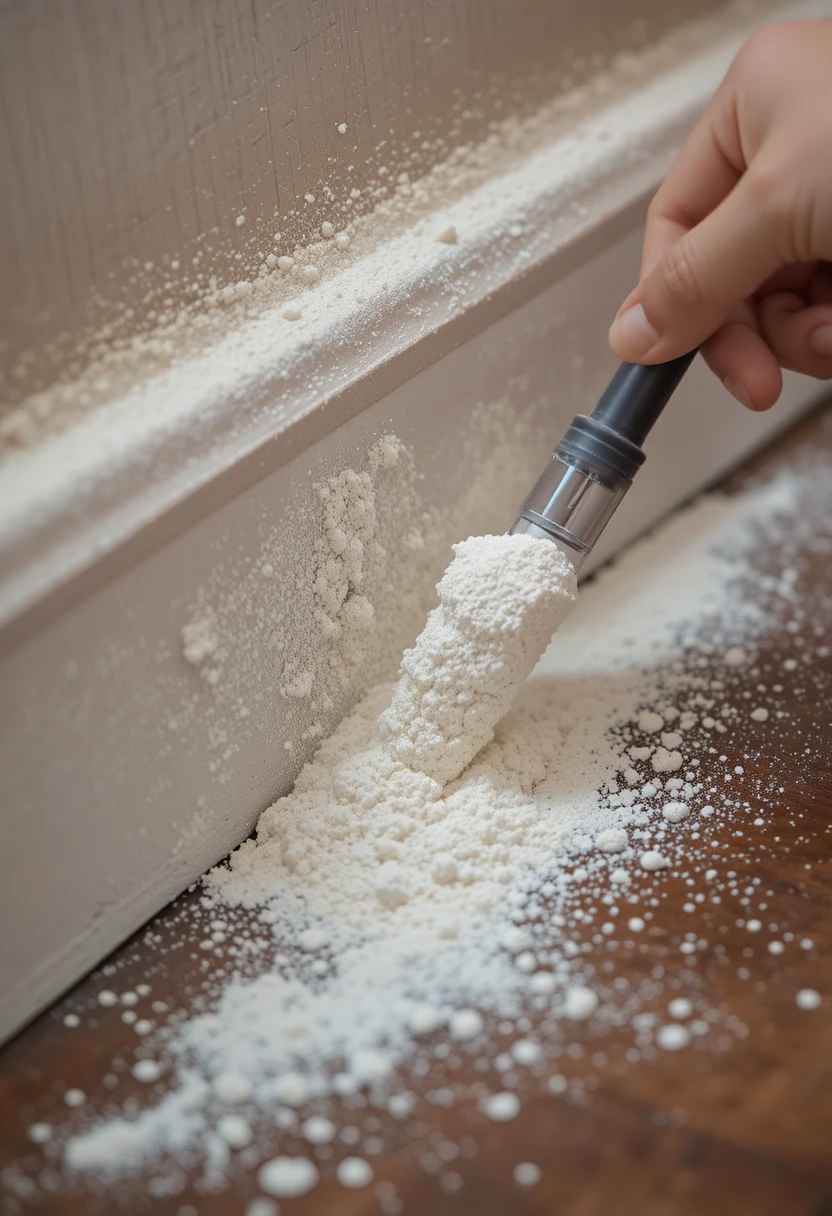
Food-grade diatomaceous earth (DE) is a fine powder made from fossilized algae. Under a microscope, its particles are sharp enough to damage the exoskeleton of fleas, larvae, and even eggs, causing them to dehydrate and die without a single synthetic chemical.
Where it works best:
- Along baseboards, under furniture, and inside closets
- In cracks and crevices where a vacuum simply can’t reach
- Sprinkled lightly and left for several days before vacuuning up
One important note: always choose food-grade DE, not the pool-grade version, and keep pets from inhaling large amounts of the dust directly.
6. Set a DIY Flea Trap Overnight
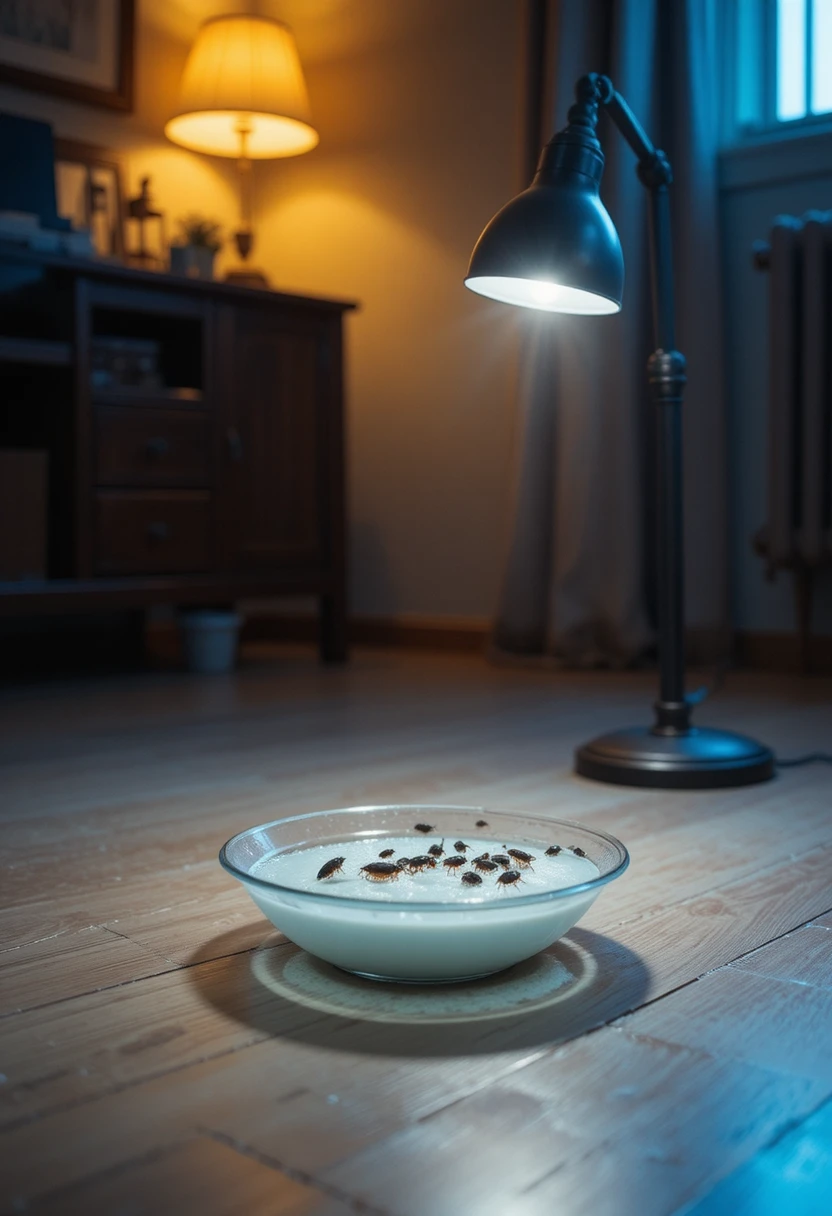
This one feels almost too simple, but it works because of how fleas are wired: they’re drawn to warmth and light.
To build one:
- Fill a shallow dish with warm, soapy water
- Place a small lamp or nightlight directly above it
- Set it on the floor in a flea-prone room overnight
Fleas jump toward the light and heat, land in the water, and the soap breaks the surface tension so they can’t hop back out. It won’t solve a full infestation on its own, but it’s a fantastic way to monitor how well your other efforts are working fewer fleas in the trap each night means real progress.
7. Treat Every Pet in the Home — Even the “Healthy” Ones

If you have more than one pet, it’s tempting to only treat the one that’s visibly scratching. Don’t. Fleas move between animals constantly, and an infestation on one pet almost always means the others are carrying fleas too, even without obvious symptoms.
Talk to your vet about:
- Fast-acting oral tablets that kill adult fleas within hours
- Topical spot-on treatments for longer-term prevention
- Flea shampoos for an immediate (though temporary) knockdown
Save-worthy tip: treating your pets without treating your home or treating your home without treating your pets is the single most common reason flea infestations come back.
8. Comb Daily With a Fine-Toothed Flea Comb
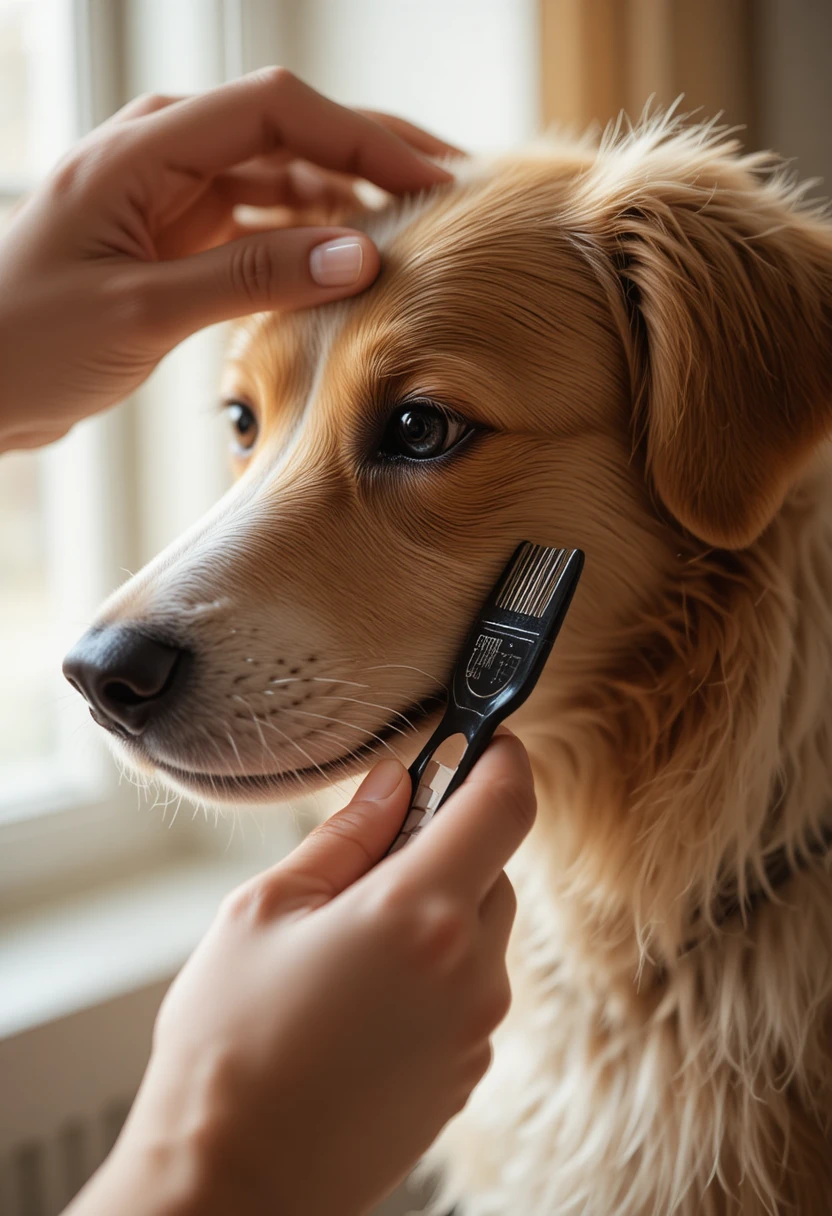
It looks almost too old-fashioned to matter, but a flea comb is one of the most satisfying tools in this whole process because you can see the results immediately.
- Comb outdoors, focusing on the neck, belly, and base of the tail
- Keep a cup of warm, soapy water beside you to dunk the comb after each pass
- Do this daily while the infestation is active, then a few times a week afterward as prevention
It won’t replace treatment, but it removes adult fleas physically and gives you a real-time read on how bad the problem still is.
9. Use an Insect Growth Regulator (IGR) — The Pro Secret Most People Skip
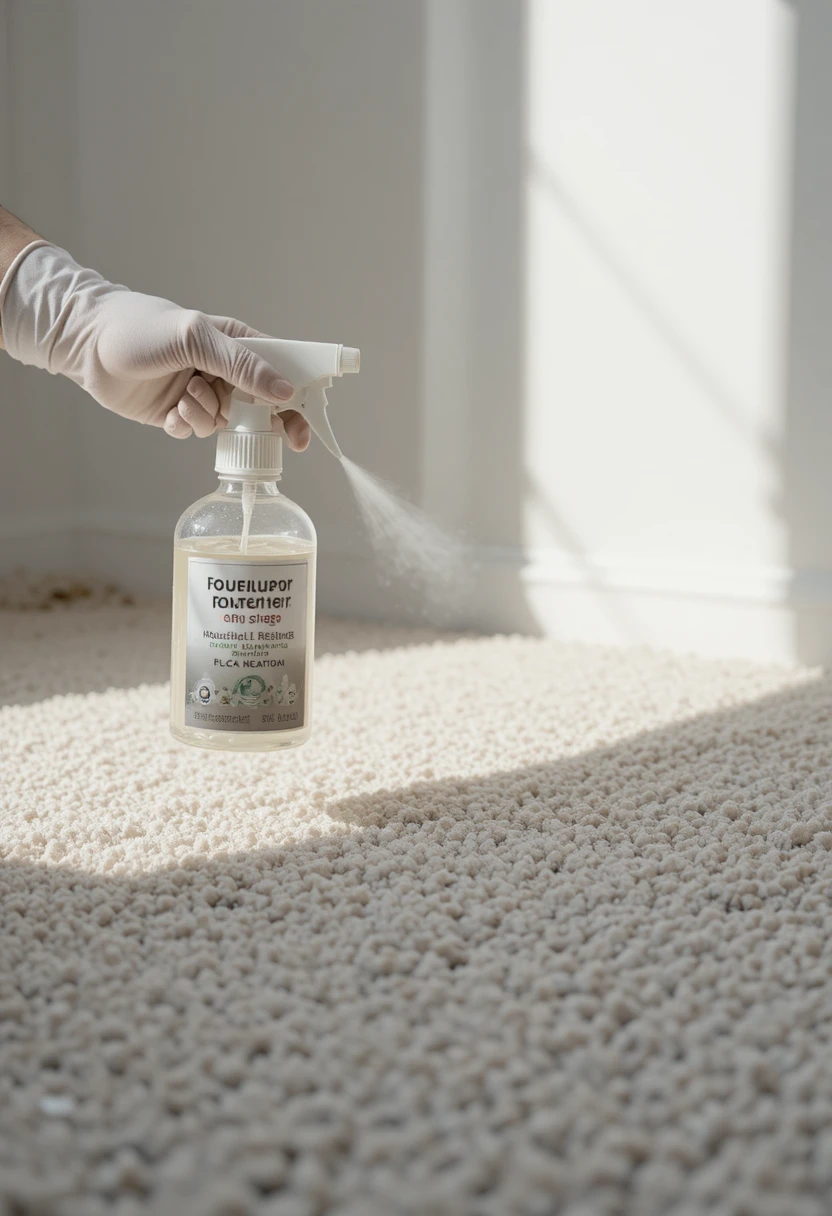
Here’s the tip pest control professionals rely on that rarely makes it into home remedy lists: Insect Growth Regulators (IGRs). Unlike sprays that just kill adult fleas on contact, IGRs interrupt the flea life cycle itself preventing eggs from hatching and larvae from maturing into breeding adults.
Many household flea sprays and foggers now include an IGR (look for ingredients like methoprene or pyriproxyfen on the label). Pairing an IGR product with your vacuuming and steam-cleaning routine attacks the infestation from both directions: killing what’s here now, and stopping the next generation before it starts.
This single addition is often the difference between “the fleas keep coming back” and “the fleas are actually gone.”
10. Don’t Forget the Yard
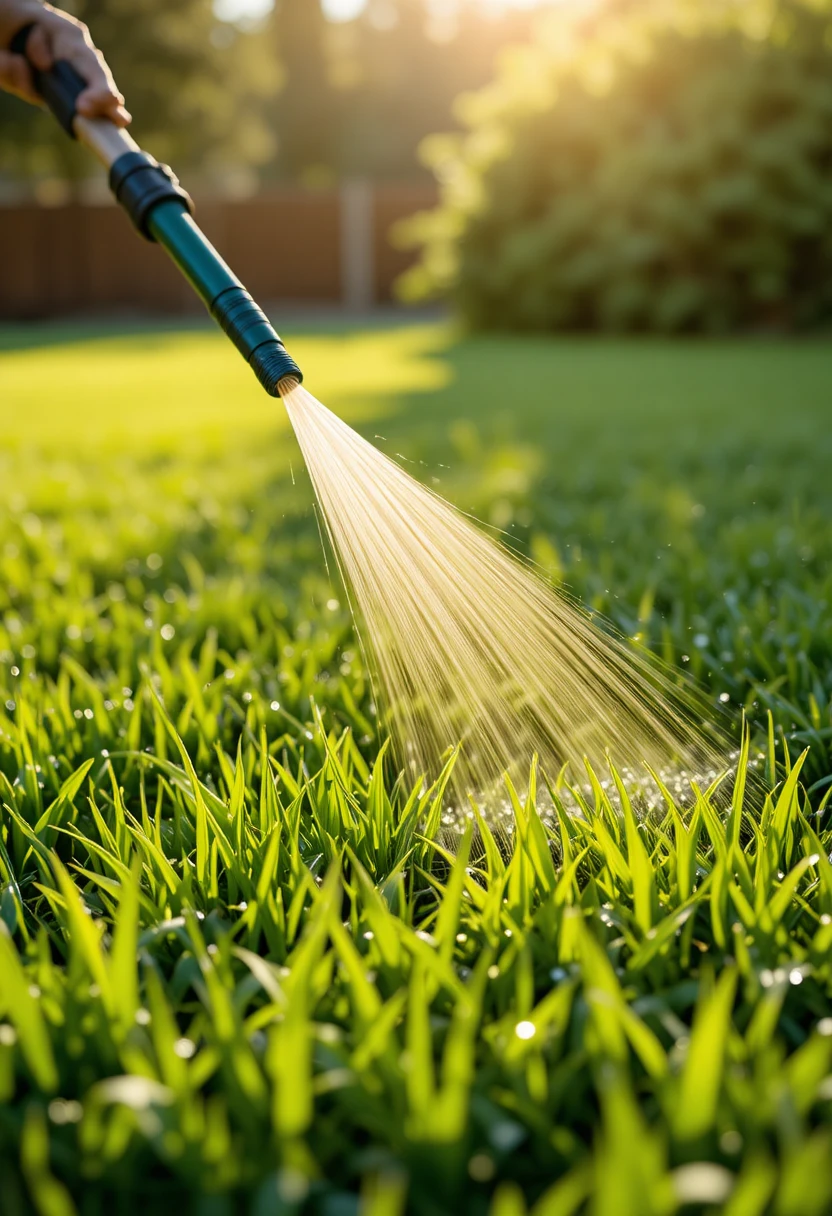
So what does this mean for you if your pets go outside at all? It means your yard could be silently re-infesting your freshly cleaned house every single day.
Focus outdoor treatment on:
- Shaded, humid spots under porches, decks, and shrubs (fleas avoid direct sun)
- Areas where pets rest or dig
- The perimeter of the yard, especially near fences where wildlife may pass through
Beneficial nematodes microscopic organisms that target flea larvae in soil are a pet- and kid-safe option many homeowners don’t know exists. Simply water them into the lawn per the product instructions.
11. Try a Pet-Safe Essential Oil Rinse
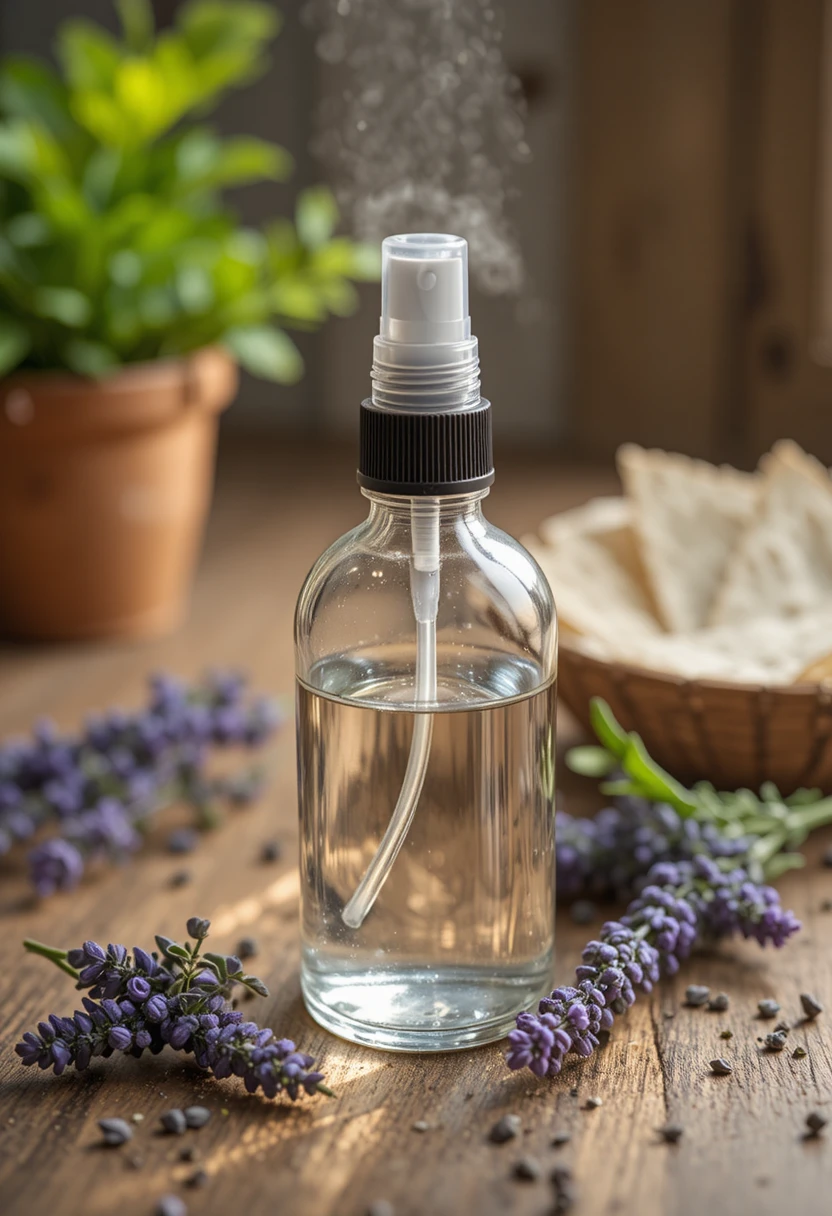
Some pet owners like finishing a bath with a light essential oil rinse, both for the scent and the mild flea-deterrent effect. Cedarwood, lemongrass, peppermint, and rosemary are generally considered safer, milder options.
But there’s a catch: several common oils including tea tree, citrus, clove, eucalyptus, and pennyroyal can be toxic to cats and even some dogs in concentrated form. Always dilute heavily, patch-test first, and check with your vet before using any essential oil on or around pets, especially cats.
12. Run a Dehumidifier in Damp Areas
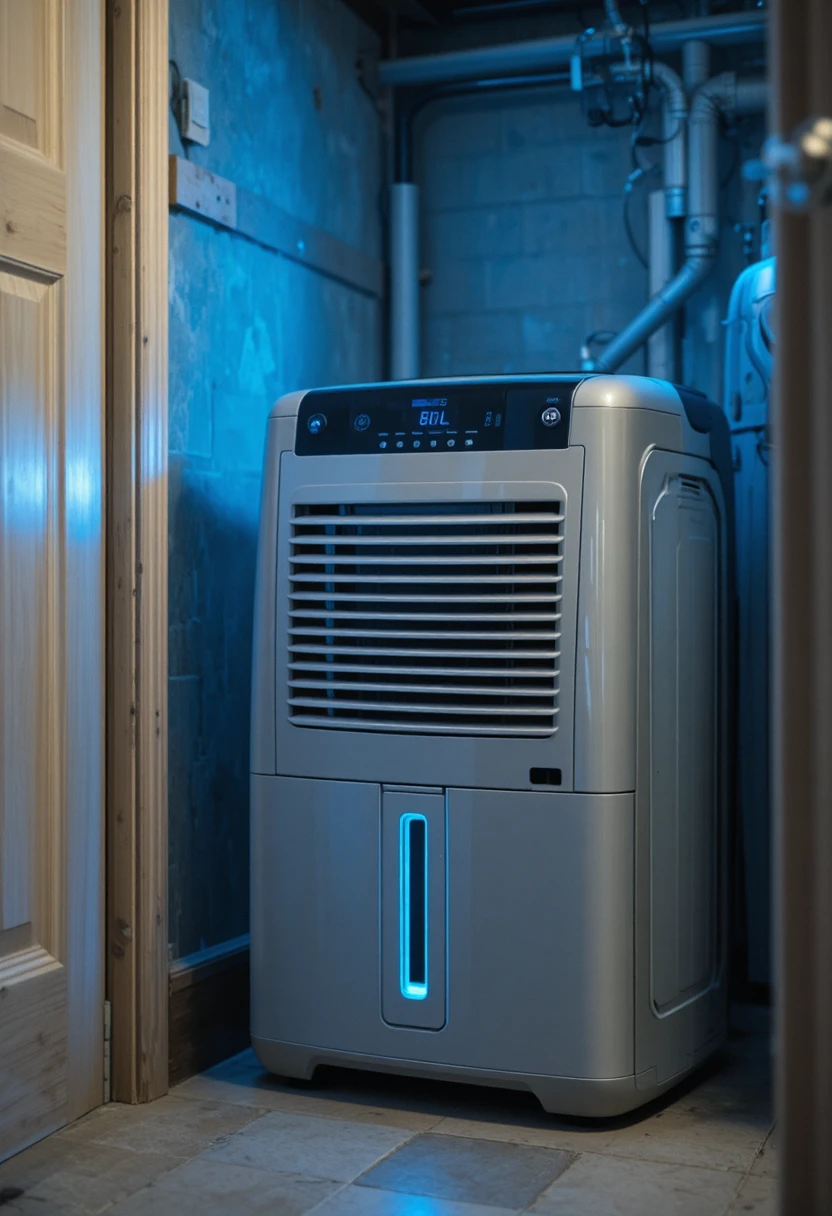
Fleas thrive in humidity above 50%, particularly in basements, laundry rooms, and poorly ventilated corners of the house. Running a dehumidifier to keep indoor humidity between 30–45% creates an environment where flea eggs and larvae simply can’t survive as well.
It’s a slow-burn solution, but pairing it with your vacuuming and washing routine removes one more hiding place fleas depend on.
13. Call a Professional Exterminator for Severe Infestations
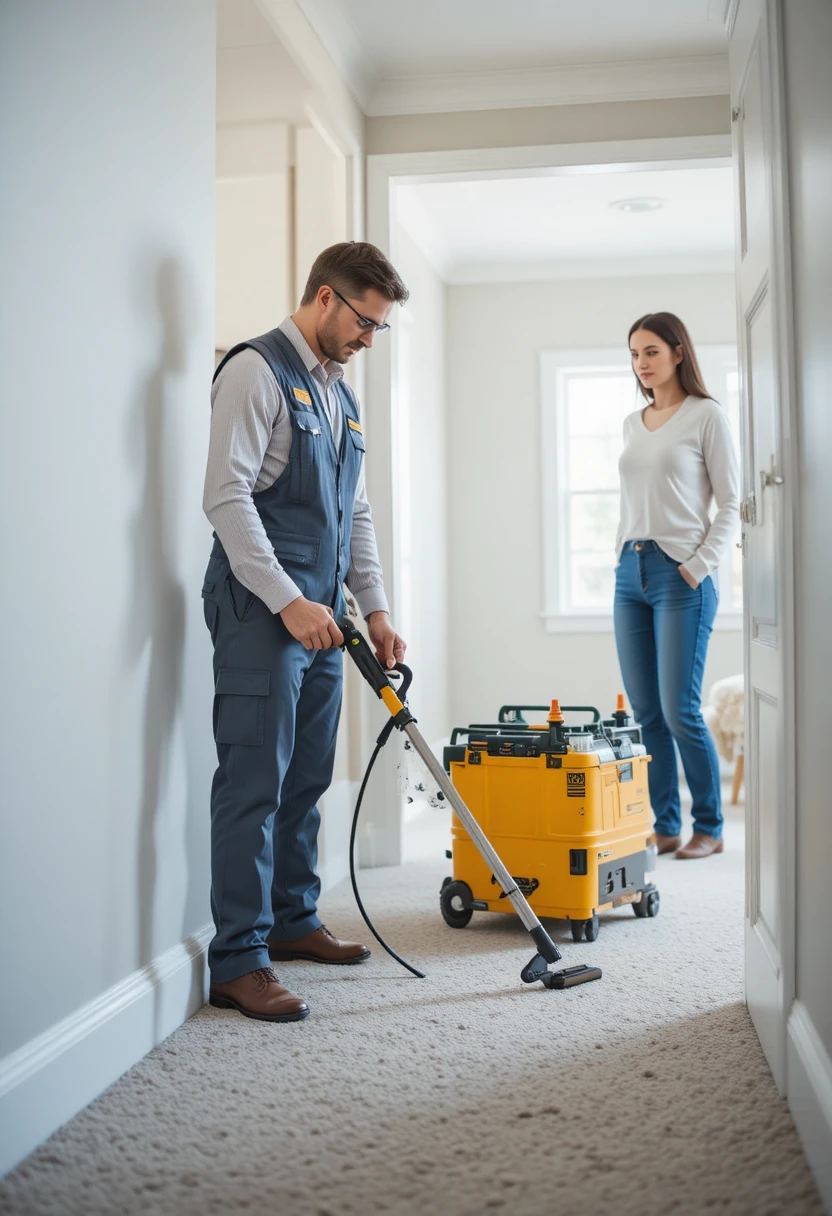
If you’ve combined several of the ideas above for two to three weeks and you’re still seeing fleas daily, it may be time to bring in a licensed pest control professional. They have access to residual insecticides and equipment that go beyond what’s available on store shelves, and they can treat your home and yard in a single, coordinated visit.
This isn’t admitting defeat for large infestations, especially in multi-pet households or rental properties with an unknown flea history, professional treatment is often the fastest way back to a flea-free home.
FAQ
How long does it take to get rid of fleas in a house?
Most infestations take 2–4 weeks to fully resolve, since you’re working through the entire flea life cycle, not just the adults you can see.
Can fleas live in a house with no pets?
Yes. Fleas can hitch a ride in on shoes, secondhand furniture, or through visits from other animals, and they can survive for a short time even without a host present.
What kills fleas instantly in the house?
Steam cleaning and hot water are among the fastest methods for killing fleas on contact, though they won’t prevent future eggs from hatching without follow-up treatment.
Do fleas go away on their own?
Rarely. Without intervention, fleas will continue breeding as long as a host and suitable environment are available.
Is it normal to still see fleas after treatment?
Yes, especially in the first one to two weeks, as dormant pupae continue to hatch. This is why repeated treatment matters more than a single strong one.
Can I get rid of fleas without chemicals?
Yes vacuuming, steam cleaning, salt, baking soda, diatomaceous earth, and hot-water washing are all chemical-free methods that work well together, especially for smaller infestations.
Bringing It All Together
A flea infestation can feel relentless, but it’s rarely unbeatable. The real key isn’t finding one miracle product it’s combining several of these methods consistently over a few weeks so you’re hitting every stage of the flea life cycle at once: vacuuming and washing to remove what’s visible, steam cleaning and diatomaceous earth for what’s hiding, IGRs to stop the next generation, and pet treatment so the cycle doesn’t start right back up.