
Your dog just did that thing again the sudden stop, the frantic back-leg scratch behind the ear, then back to normal like nothing happened. You checked. You didn’t see anything. So you let it go.
Here’s the problem: fleas are experts at not being seen. By the time you spot one crawling through your pet’s fur, there’s a good chance dozens more are already hiding in your carpet, your couch, and your pet’s bedding waiting to hatch.
This guide walks you through 12+ signs your pet has fleas, from the obvious ones (scratching, visible bugs) to the sneaky ones almost every pet owner misses (like the tiny “pepper flakes” hiding near the base of the tail). By the end, you’ll know exactly what to look for, how to confirm it in 30 seconds flat, and what to do next.
Save this guide flea season has a way of sneaking up on you, and you’ll want this checklist handy the next time your pet won’t stop scratching.
Why Fleas Are So Easy to Miss
Fleas aren’t lazy. A single female flea can lay up to 50 eggs a day, and those eggs don’t stay put they fall off your pet and scatter across your carpet, furniture, and bedding within hours.
That means what looks like “a little scratching” can actually represent a much bigger problem. Fleas move through four life stages egg, larva, pupa, and adult and only the adult stage is the one you’re likely to actually see. The rest are hiding in plain sight.
Here’s the thing: you don’t need to catch a flea in the act to know it’s there. Your pet’s skin, coat, and behavior will tell you first, if you know what you’re looking at.
12+ Signs Your Pet Has Fleas
1. Excessive Scratching, Biting, or Licking

This is usually the first thing owners notice, and for good reason. Scratching, with or without head shaking, is one of the earliest indicators of a flea problem and even a mild flea presence can trigger it, simply because flea bites are intensely itchy.
Watch for scratching that’s more frequent than usual, especially if your pet keeps returning to the same spot over and over.
2. Sudden Skin Twitching or Restlessness
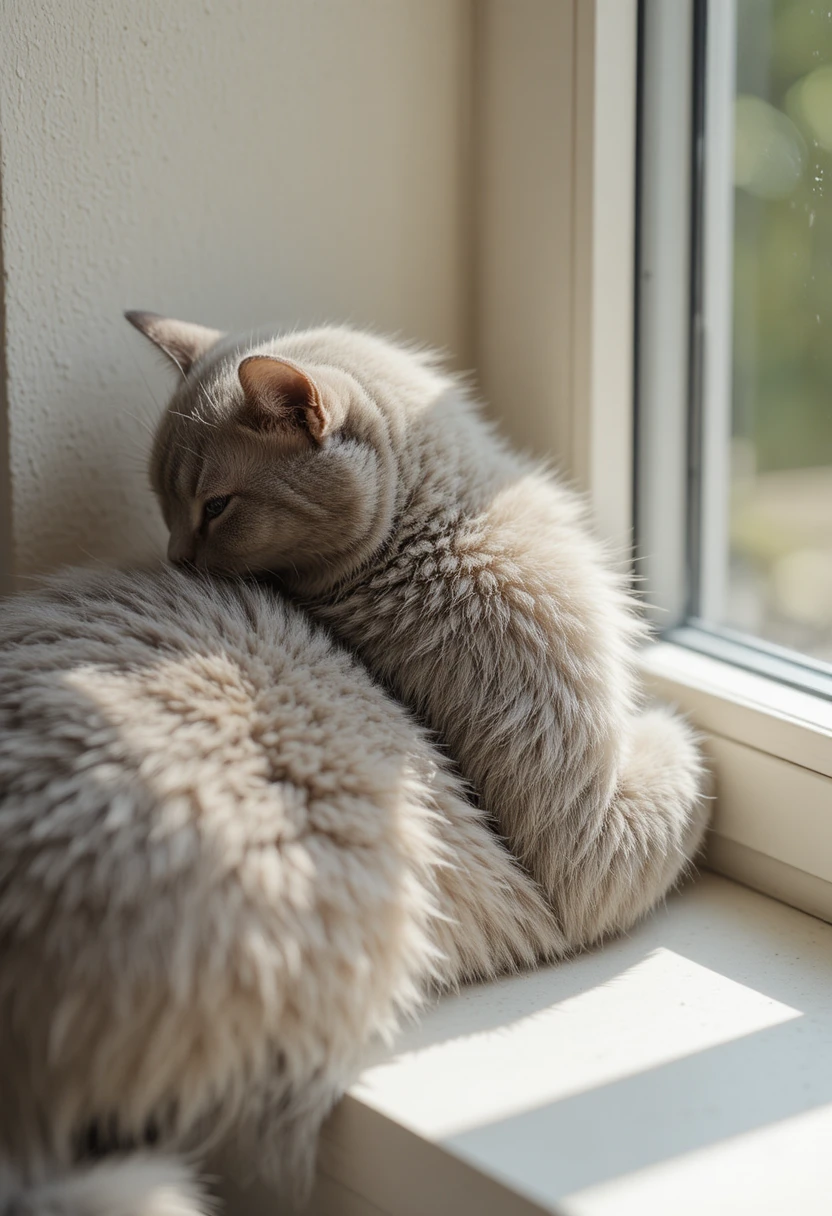
Some pets don’t scratch right away they twitch. A ripple across the skin, a sudden jump, or repeated shifting while lying down can mean a flea just bit them and moved on before they could catch it. If your normally chill pet suddenly seems unable to settle, fleas are worth ruling out.
3. Visible Fleas Moving Through the Fur
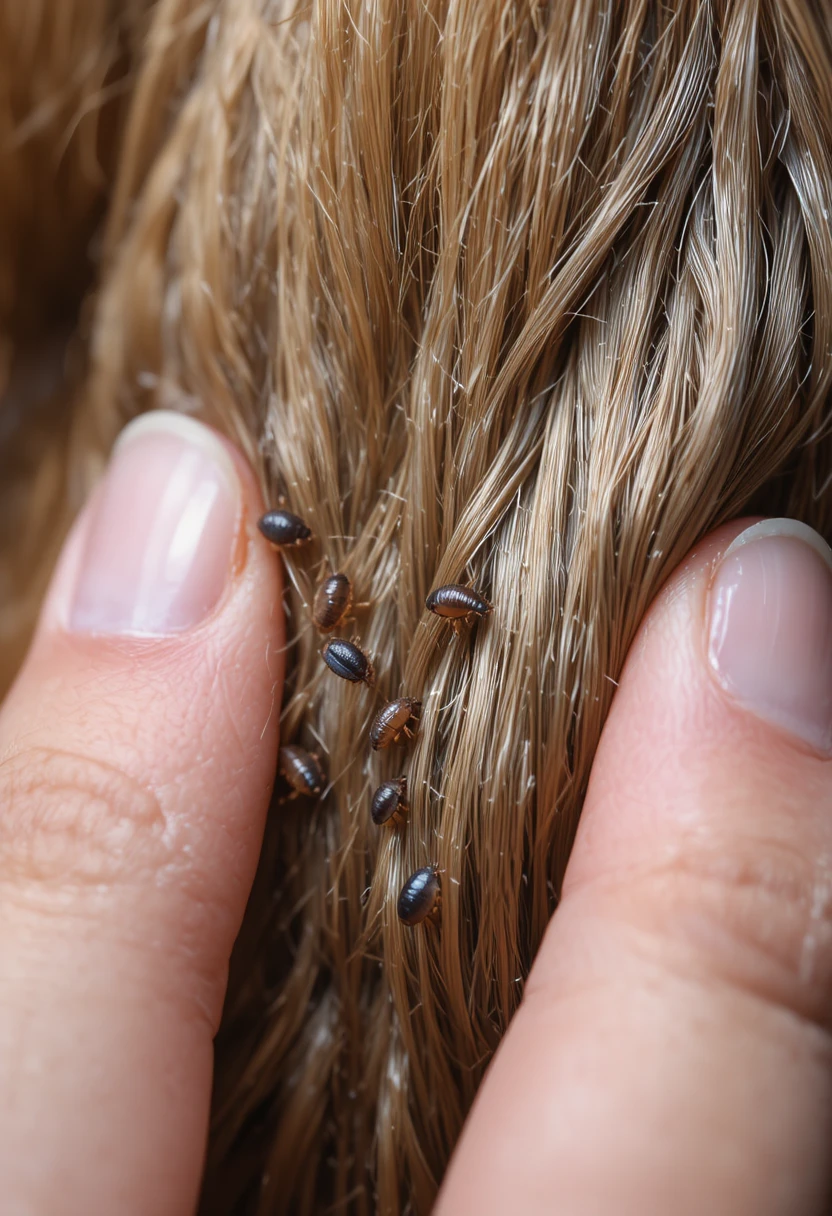
Adult fleas are small roughly 1 to 3 millimeters long, dark brown, and fast-moving but they aren’t invisible. Part your pet’s fur, especially around the belly, and look for something that scurries rather than sits still.
4. Flea Dirt (Those Tiny “Pepper Flake” Specks)
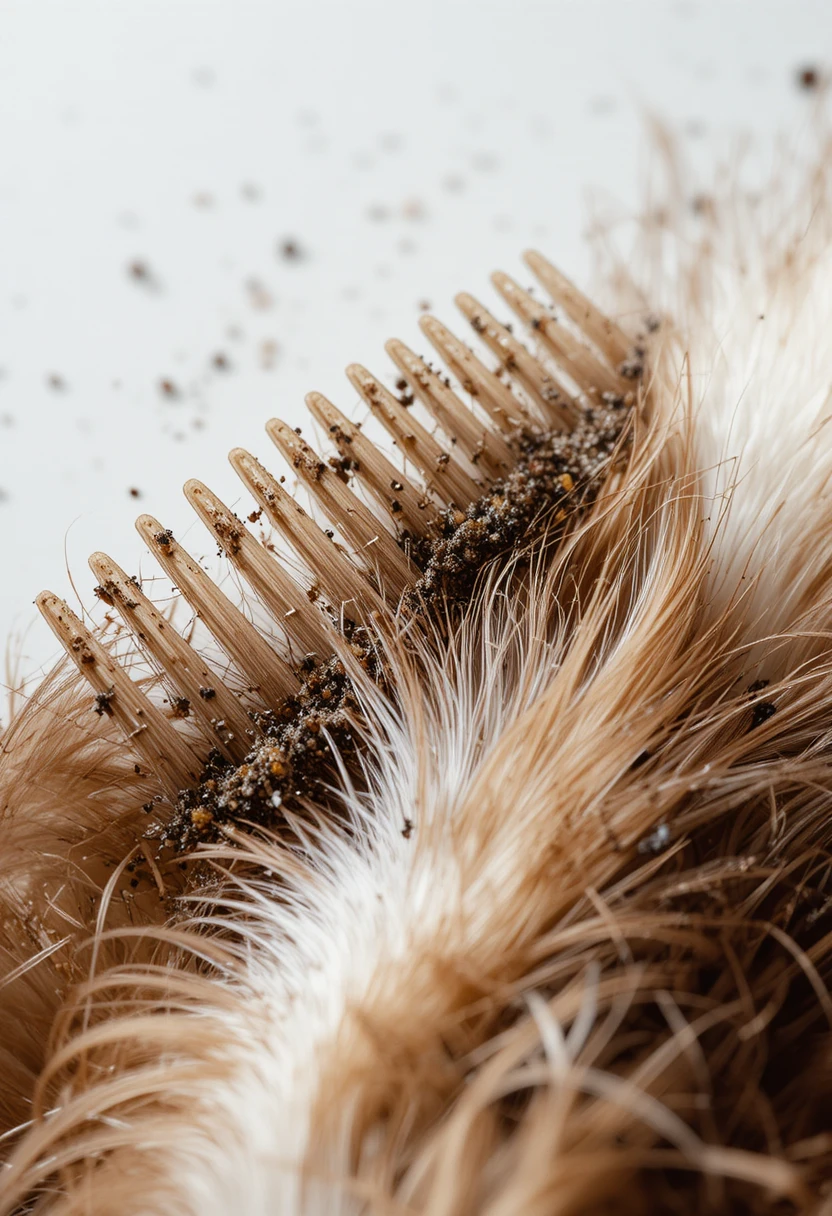
This is the sign most pet owners overlook and it’s often more reliable than spotting a live flea. Flea dirt looks like tiny black dots scattered across your pet’s skin, fur, bedding, or furniture, similar to finely ground pepper.
It’s not dirt at all it’s flea feces, made almost entirely of your pet’s digested blood. We’ll show you exactly how to confirm it below.
Read Also: How to Care for a Senior Dog: 11+ Practical Ideas for Their Golden Years
5. Red, Irritated, or Bumpy Skin
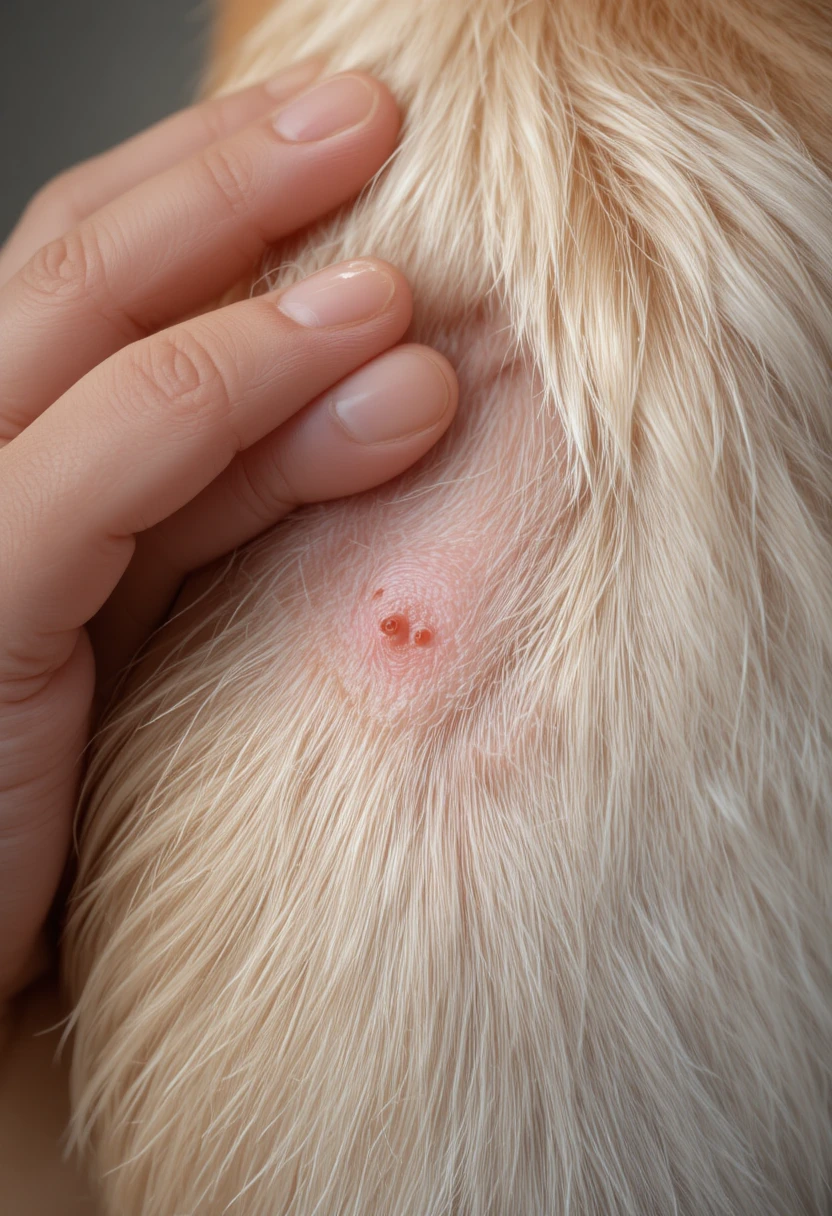
Red pimples or bumps around your pet’s groin, belly, underarms, or the base of the tail are a classic reaction to flea bites, especially in pets with any sensitivity to flea saliva.
6. Hair Loss or Thinning Patches
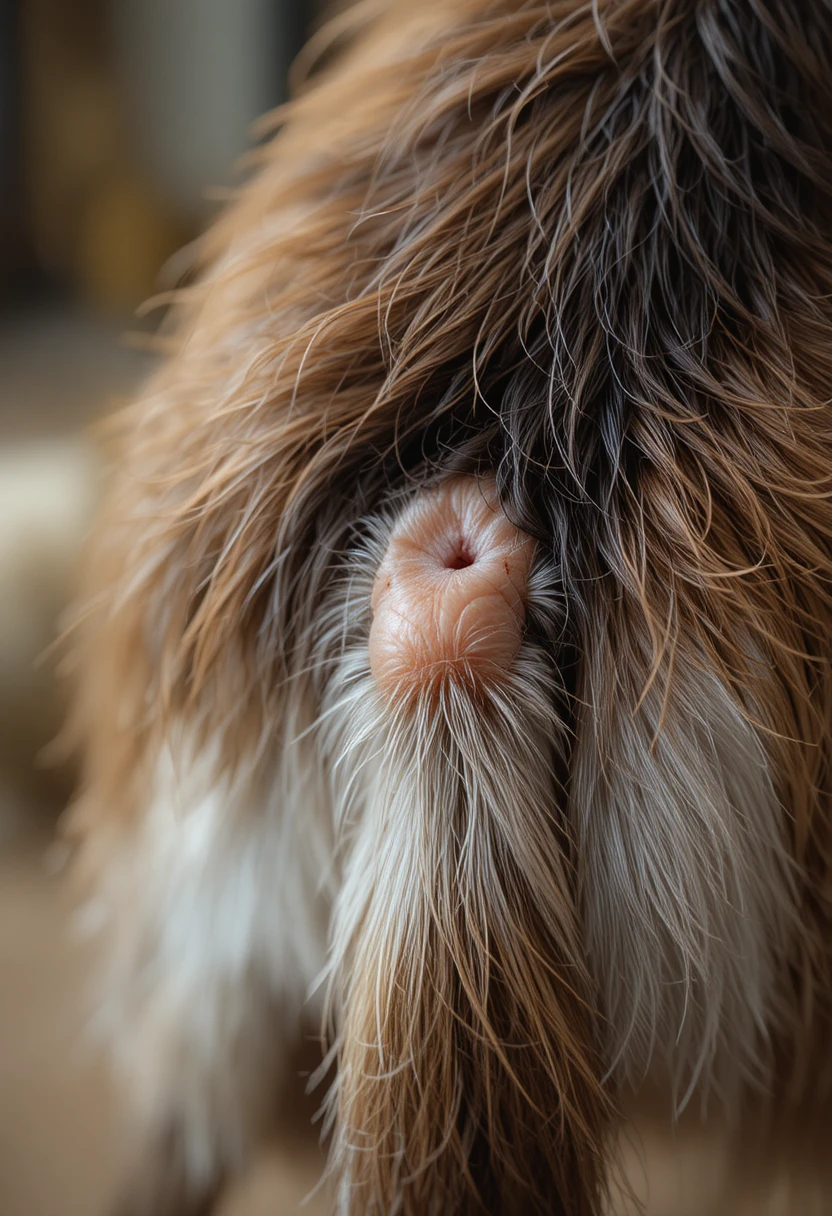
Persistent scratching and biting eventually take a toll on the coat. Hair loss or a thinning coat is often a direct result of that ongoing scratching and chewing, and it tends to show up first around the tail base, lower back, and thighs exactly where fleas like to hide.
7. Scabs, Hot Spots, or Oozing Sores
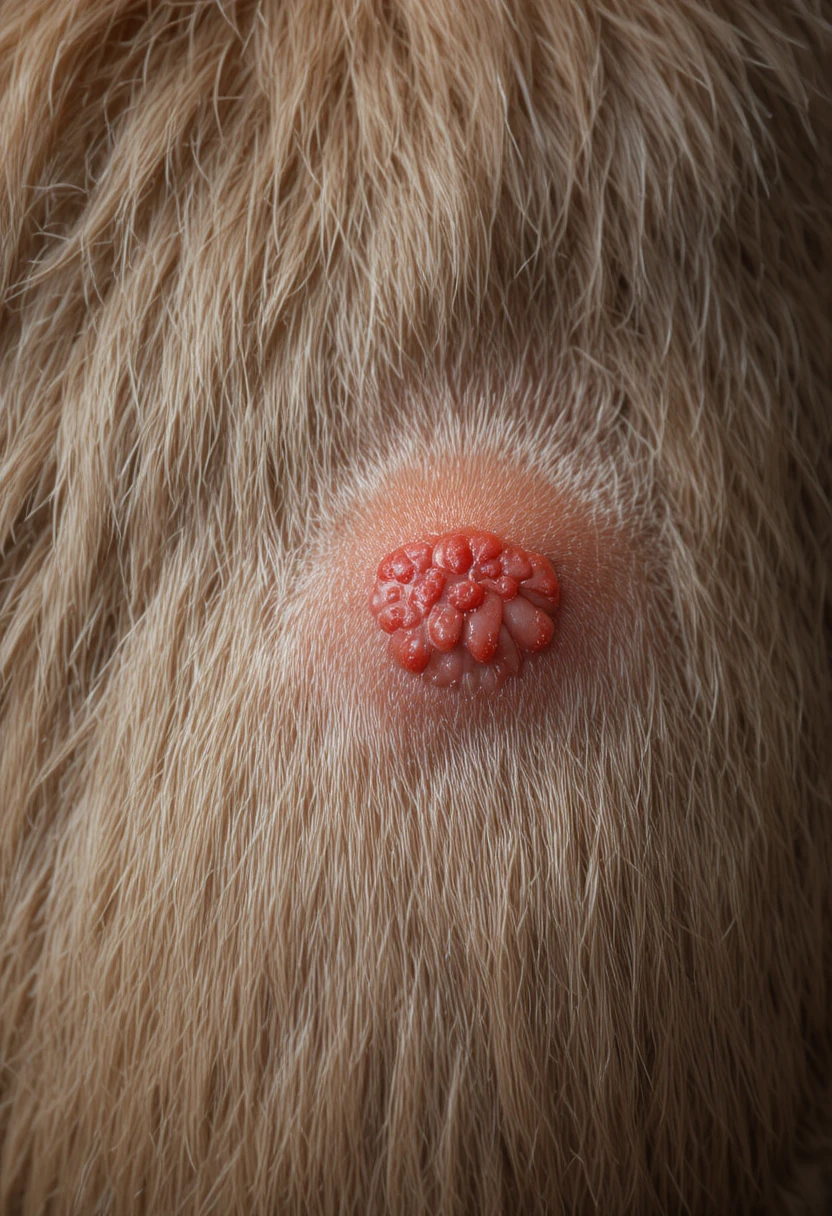
In more sensitive pets, flea bites can escalate quickly. Some animals develop a true allergy to flea saliva, and even a single bite can set off intense itching that leads to raw, inflamed hot spots patches that can start oozing if your pet won’t leave them alone. These usually show up on the neck, flanks, or around the base of the tail.
8. Behavior Changes (Especially in Cats)

Cats are notorious for hiding discomfort, but fleas can still show up in subtle behavioral shifts: overgrooming one area obsessively, sudden irritability, hiding more than usual, or restlessness at night. Because cats groom so frequently, flea dirt can be harder to spot on them you may need to part the fur close to the skin to find it.
9. Pale Gums or Unusual Tiredness

This sign is serious, and it deserves your full attention. Heavy flea infestations drain blood enough that blood loss from fleas can leave animals very weak, with anemia especially likely in kittens and puppies due to their small size.
Watch for pale gums, vomiting, a lack of interest in food, and weakness when standing. Healthy gums should look shell-pink; anything approaching white is a reason to call your vet the same day, not “when you get a chance.”
10. Tiny “Rice Grains” Near the Tail
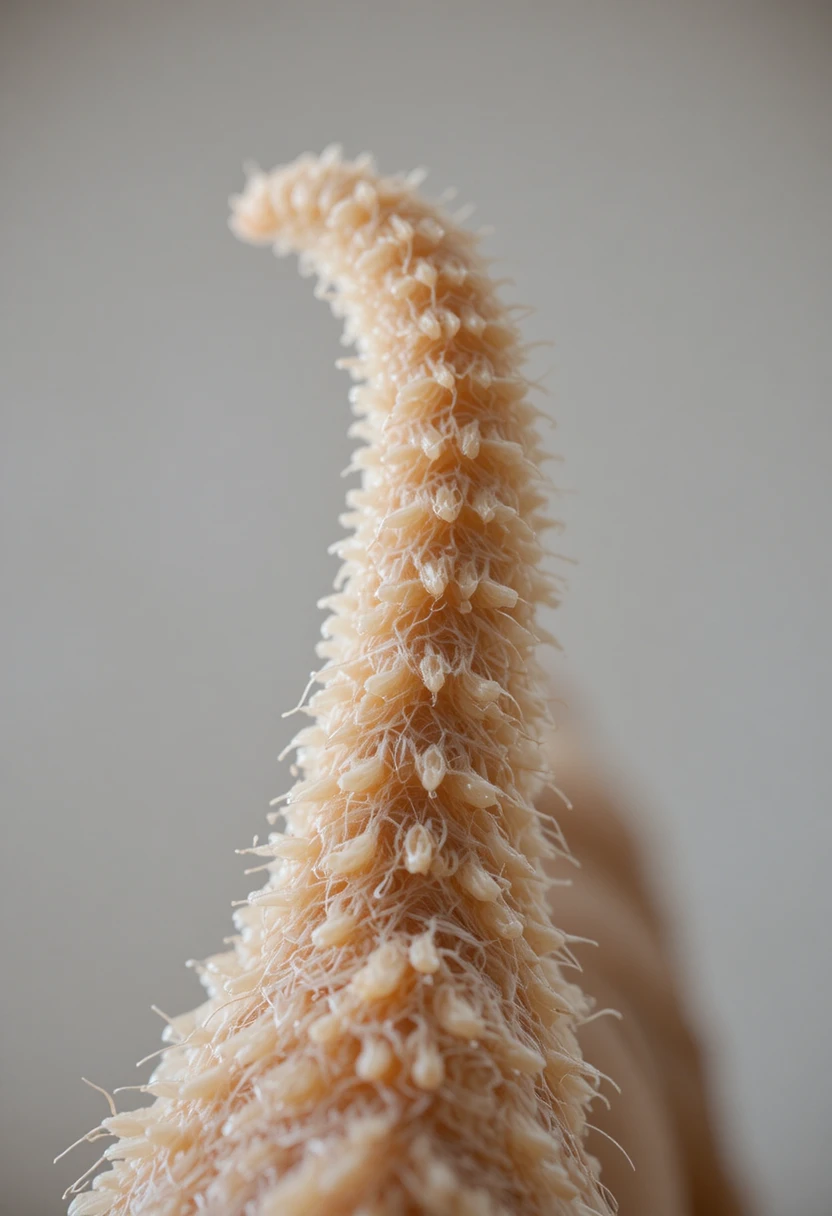
If you notice small, white, rice-like segments stuck to the fur around your pet’s rear end, in their bedding, or in their stool, you may be looking at tapeworm segments a parasite transmitted when a pet accidentally swallows a flea infected with tapeworm larvae during grooming. Most pets show no other symptoms, so this visual sign is often the only clue.
11. Flea Eggs or Larvae in Bedding
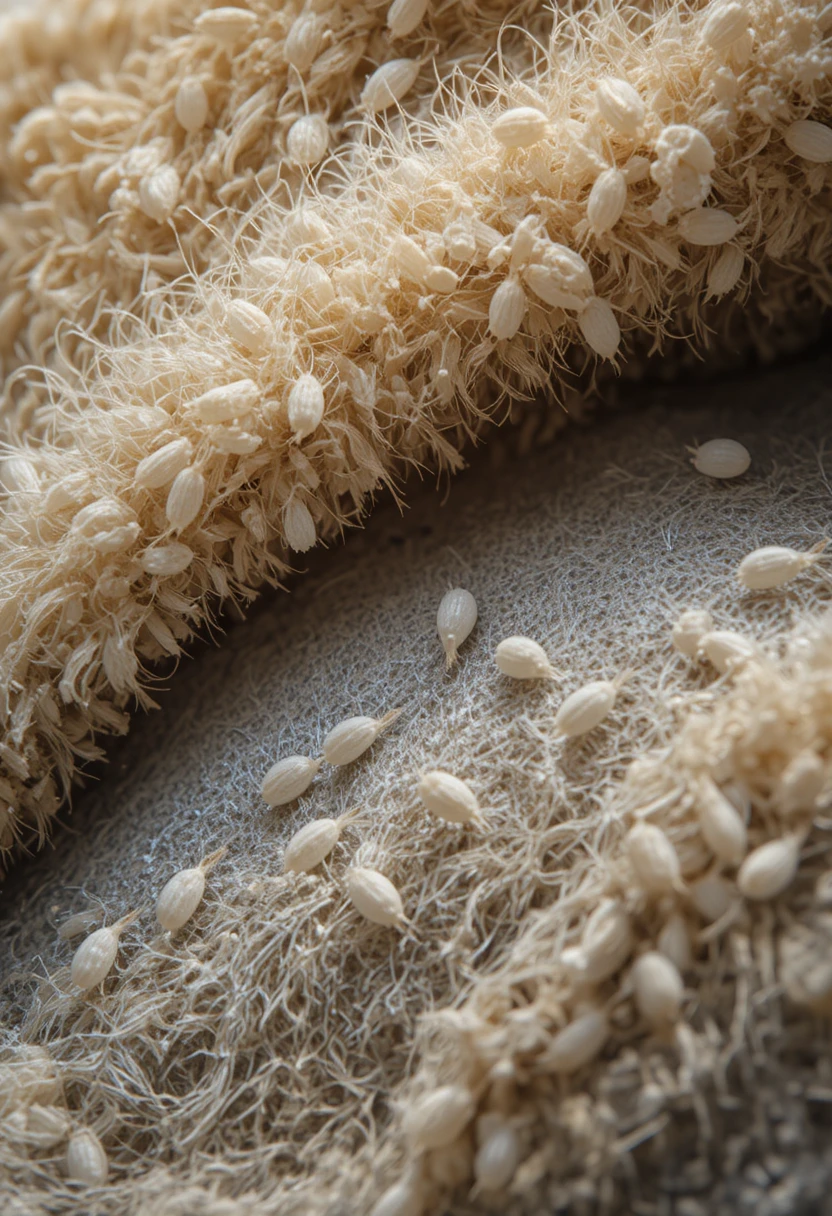
Flea eggs are tiny, white, oval, and easy to mistake for dandruff or grains of sand but unlike flea dirt, they’re not sticky, so they fall off your pet constantly. Check your pet’s bedding, favorite blanket, or the couch cushions for anything that looks like fine, pale grit that wasn’t there last week.
12. You’re Getting Bitten Too

Fleas aren’t picky. They can be passed along to people as well, and human ankles are a favorite target. If you’re noticing small, itchy bites around your own lower legs, especially after sitting on the floor or carpet, it’s a strong hint that your home not just your pet has a flea problem.
13. (Bonus) Other Pets Are Suddenly Itchy Too

Fleas don’t stay loyal to one host. If your dog and your cat suddenly both seem itchier than usual, or a pet who’s never had skin issues starts scratching out of nowhere, that pattern points straight at a household infestation rather than a one-off irritation.
The Flea Dirt Test: Confirm It in Under 30 Seconds
Here’s the thing: black specks on your pet could be flea dirt, or they could just be, well, dirt. Luckily, there’s a quick way to tell the difference at home.
- Comb through your pet’s fur focus on the base of the tail, lower back, belly, and behind the ears, where fleas tend to gather.
- Tap any dark specks onto a damp, white paper towel.
- Gently press or smear them.
- Watch the color. If the specks turn reddish-brown, that’s dried blood a clear confirmation of flea dirt. Regular dirt just stays dark and muddy-looking.
So what does this mean for you? If the test comes back positive, don’t wait for more symptoms to show up. Even a small amount of flea dirt usually means active fleas are still present and likely on any other pets in the home too.
Where to Check Your Pet First
Not all fleas are distributed evenly across your pet’s body. If you’re short on time, start with these high-traffic zones:
- Base of the tail and lower back — the single most common hiding spot
- Neck and behind the ears — warm, hard to reach for grooming
- Belly and inner thighs — thin fur makes fleas easier to spot
- Armpits and groin — favorite hangouts because they’re warm and protected ADAMS
For dark-coated pets or long-haired breeds, a fine-toothed flea comb makes a huge difference it physically pulls fleas and flea dirt out of the coat so you can actually see them against a light surface.
What To Do If Your Pet Has Fleas
Finding even one confirmed sign doesn’t mean you’re facing a disaster it means you caught it in time to act.
- Call your vet or start a vet-approved flea treatment. Products vary by species, age, and weight, so this isn’t a “grab whatever’s on the shelf” situation.
- Treat every pet in the household, not just the one who’s scratching. Fleas move between animals easily.
- Wash all bedding on hot, including your pet’s bed, blankets, and any furniture covers they frequent.
- Vacuum thoroughly carpets, rugs, cracks between floorboards, and under furniture since eggs and larvae live in your home, not just on your pet.
- Watch closely for the more serious signs (pale gums, extreme lethargy, weakness) and treat those as same-day vet visits, not wait-and-see situations.
Frequently Asked Questions
How fast can fleas take over a home?
Because a single female can lay dozens of eggs a day, a small flea problem can escalate within one to two weeks if it isn’t addressed especially since most of the population (eggs, larvae, pupae) is hiding off your pet entirely.
Can indoor-only pets get fleas?
Yes. Fleas hitch rides on shoes, clothing, other pets, and even through open windows or screens, so “indoor-only” reduces risk but doesn’t eliminate it.
Do fleas mean my pet or my house is dirty?
No this is one of the biggest myths out there. Fleas are opportunistic and will infest a spotless home just as easily as a messy one; all they need is a warm host and a way inside.
How do I know if it’s fleas or just dry skin/allergies?
The flea dirt test is the fastest way to tell the difference at home. If the test is negative but the itching continues, allergies, dry skin, or another skin condition may be the real cause worth a vet visit either way.
Is flea anemia really that serious?
Yes, particularly in kittens, puppies, and senior pets. Because of their smaller blood volume, anemia can progress quickly enough to require a blood transfusion in advanced cases pale gums and unusual weakness should never be brushed off.
Final Thoughts
Fleas are small, fast, and genuinely good at hiding but your pet’s skin, coat, and behavior rarely stay quiet about it for long. Whether it’s the scratching, the tiny pepper-like specks, or something more subtle like restlessness or pale gums, catching these signs early is what keeps a manageable problem from becoming a full-blown infestation in your home.