
You spot your dog scratching for the third time in ten minutes, flip back an ear, and there it is a tiny black speck that jumps before you can even blink. Fleas.
Before you reach for a bottle of chemicals you can’t pronounce, here’s the good news: there are genuinely effective natural ways to fight fleas on your pet and in your home you just need to know which ones actually work, and which “natural” tips (looking at you, garlic and undiluted tea tree oil) can quietly put your pet in real danger.
This guide walks through 13+ vet-informed natural flea remedies, organized by where you use them on your pet, around your home, and in your yard plus a safety section that most flea articles skip entirely: what’s safe for dogs is not always safe for cats.
Save this guide before your next flea scare you’ll want to come back to the dosage and safety notes.
Quick Answer: What Actually Works
If you only remember one thing, remember this: no single natural remedy replaces consistent flea control, but combining a few of these methods can genuinely reduce fleas and support prevention between treatments. The most effective natural approach treats three zones at once your pet’s coat, your home’s soft surfaces, and your yard because fleas spend most of their life cycle off your pet, hiding in carpets, bedding, and grass.
Important: Dogs and Cats Are Not the Same
Here’s the thing most “natural flea remedy” lists get dangerously wrong: they treat dogs and cats interchangeably. Cats lack a liver enzyme that breaks down many essential oil compounds, which means an oil that’s merely irritating to a dog can cause tremors, drooling, or liver damage in a cat. Because cats groom constantly, anything applied to their fur usually ends up ingested too.
Throughout this guide, every remedy is labeled for dogs, cats, or both don’t skip that label.
On-Pet Remedies: Natural Flea Treatments for the Coat and Skin
1. Apple Cider Vinegar Spray (Dogs & Cats diluted)
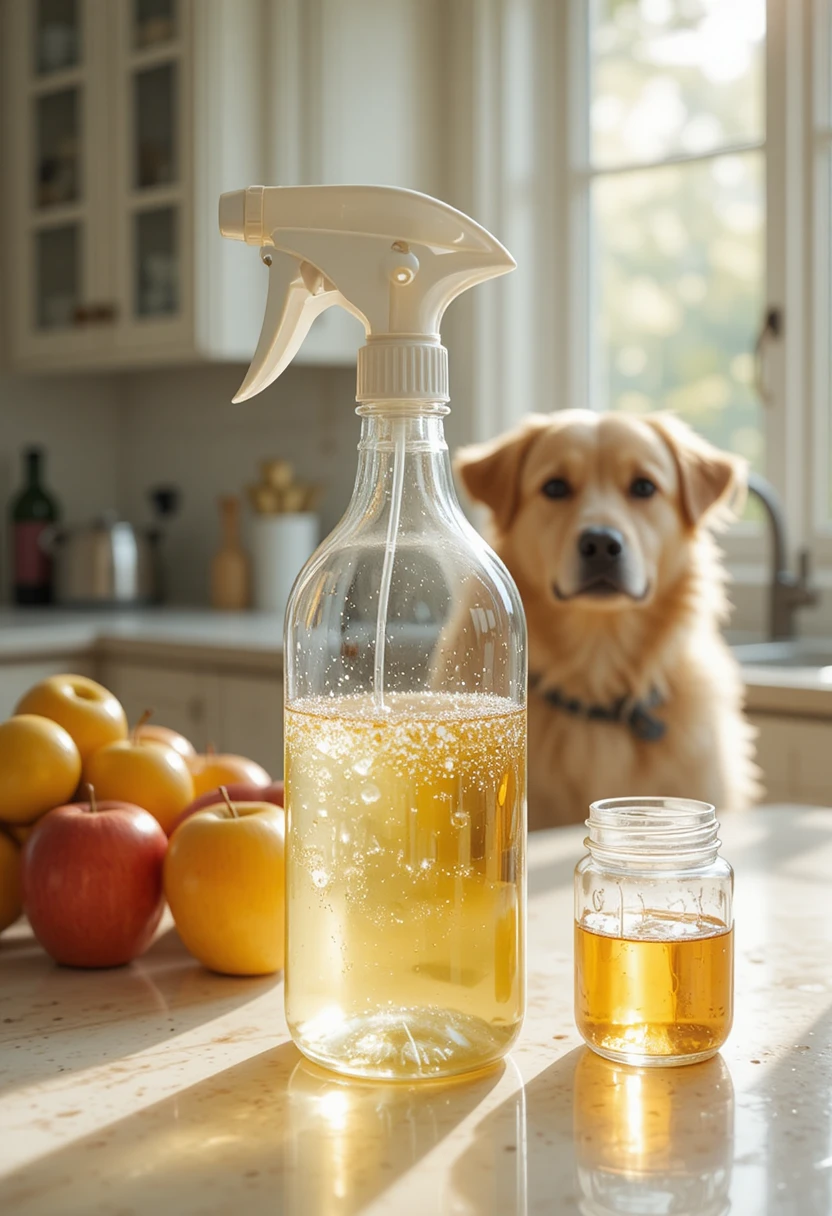
Fleas dislike the acidic smell of apple cider vinegar, which makes it a popular first line of defense. Mix equal parts water and raw, unfiltered apple cider vinegar in a spray bottle and mist your pet’s coat, avoiding the eyes, nose, and any open skin. It won’t kill an existing infestation on its own, but it can make your pet’s coat less appealing to fleas between baths.
Quick tip: it’s a repellent, not an insecticide pair it with combing for real results.
2. The Fine-Tooth Flea Comb Routine (Dogs & Cats)
This is the single most underrated tool on this list. A metal flea comb physically removes adult fleas, eggs, and flea dirt no chemicals required. Comb through your pet’s coat daily during an active flea problem, dipping the comb into a bowl of soapy water after each pass to drown anything you catch.
Save-worthy tip: Ten minutes of combing a day catches more fleas than most sprays kill in a week.
3. Lemon (Citrus) Rinse Dogs Only
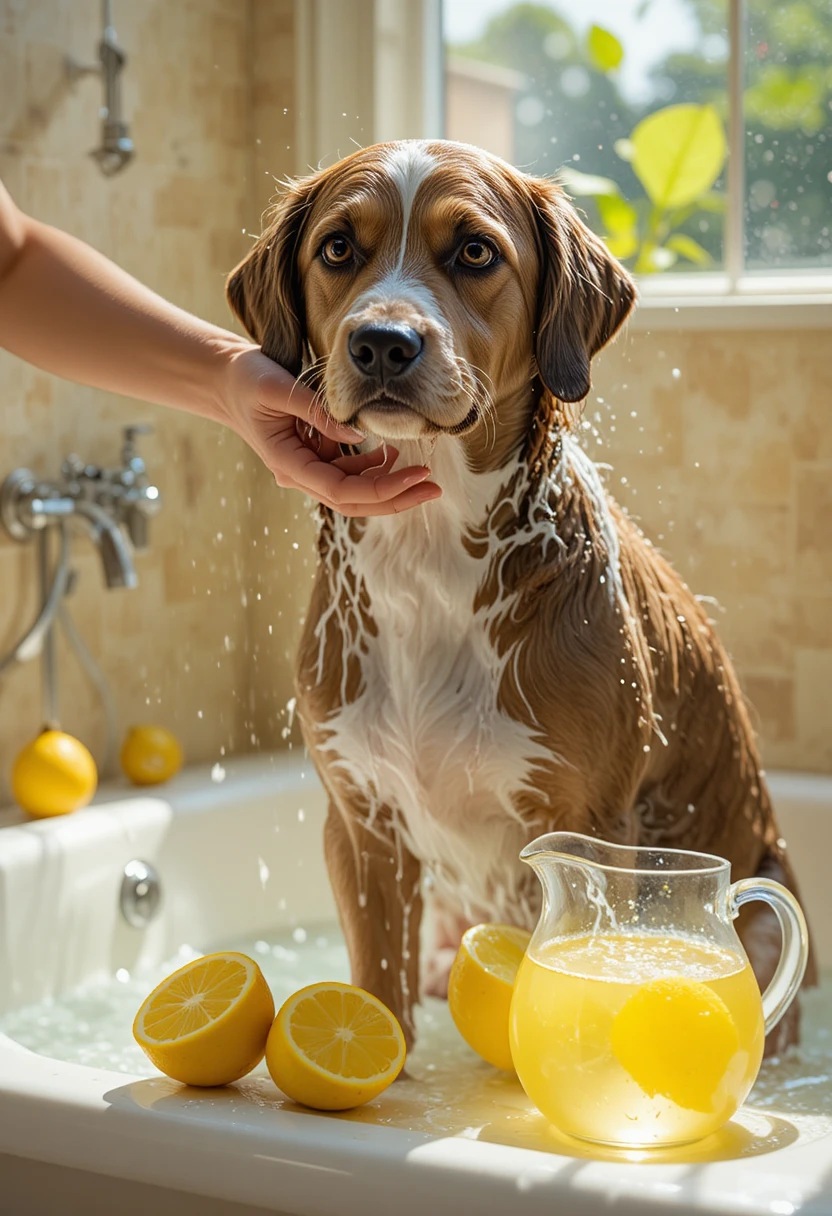
Lemon’s acidity is a genuine flea deterrent, but citrus oils are one of the compounds that are toxic to cats, so this one is for dogs only. Thinly slice a lemon, steep it in boiled water overnight, strain, and pour the cooled liquid over your dog’s coat after a bath, working it in without rinsing.
Read Also: How Long Do Fleas Live Without a Host? (Plus 12+ Ways to Starve Them Out for Good)
4. Gentle Dish Soap Bath (Dogs & Cats)
A basic bath with a mild, pet-safe dish soap can drown and remove adult fleas on contact the soap breaks down the waxy coating on a flea’s exoskeleton. It’s not a long-term solution, but it’s an excellent first step the moment you notice an infestation, especially for kittens or puppies too young for chemical treatments.
5. Cedarwood Oil, Heavily Diluted (Dogs & Cats, With Caution)
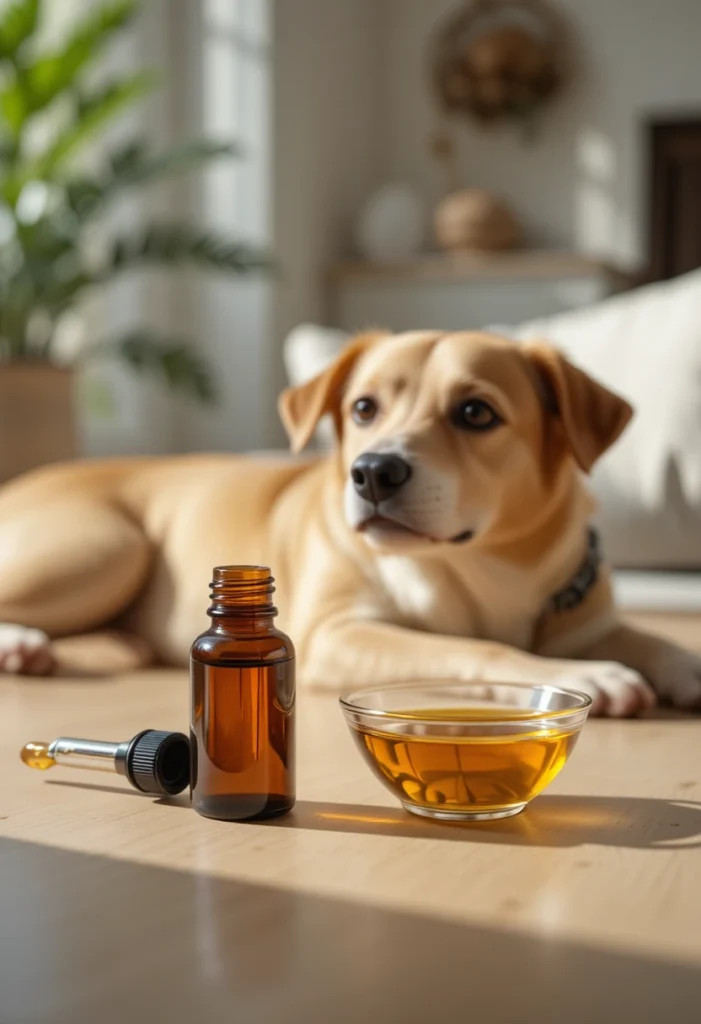
Cedarwood is one of the few essential oils considered lower-risk for cats when used in very small, heavily diluted amounts and under a veterinarian’s guidance it’s also effective for dogs. Never apply it undiluted, and always check with your vet before using any essential oil around a cat, even one labeled “cat-safe.”
6. Rosemary Flea Rinse (Dogs Only)
Simmer a handful of fresh rosemary in water, let it cool completely, and pour it over your dog after a regular bath as a final rinse. Rosemary has natural insect-repelling properties and leaves a scent fleas tend to avoid.
7. Diatomaceous Earth, Food-Grade Only (Dogs & Cats used sparingly)
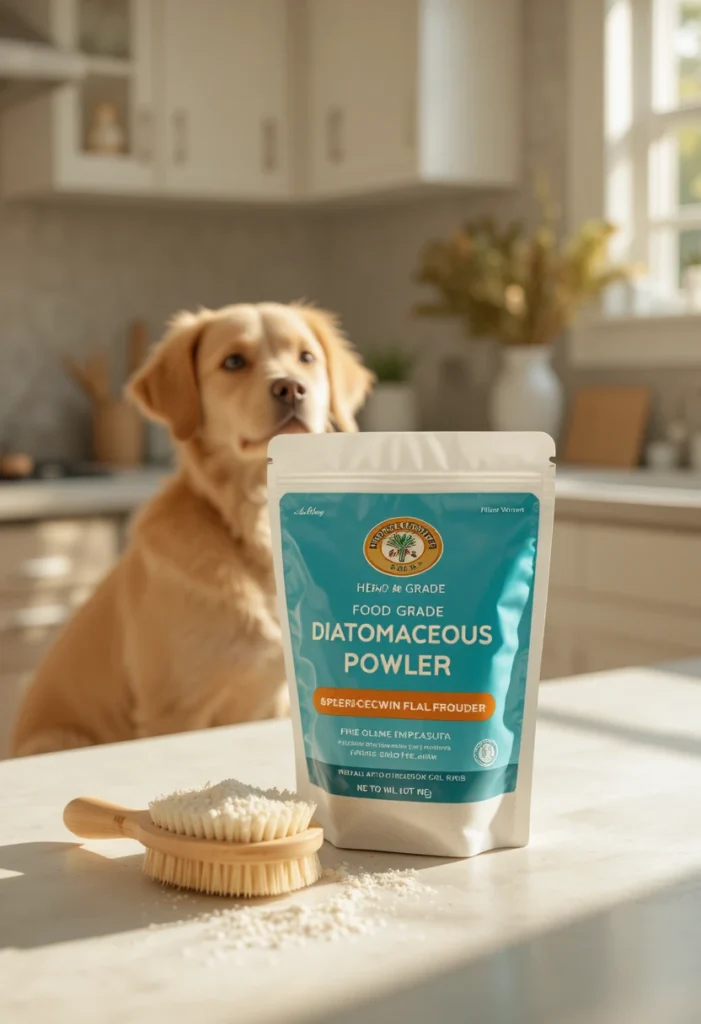
Diatomaceous earth works mechanically, not chemically its microscopic sharp edges dehydrate a flea’s exoskeleton on contact. Use only food-grade diatomaceous earth (never pool-grade), apply lightly to dry fur, and avoid the face to prevent your pet from inhaling the fine powder.
8. Coconut Oil for Skin Soothing (Dogs Only)
Coconut oil doesn’t reliably kill fleas, but a thin layer massaged into a dog’s skin can soothe irritation from flea bites while lauric acid offers mild repellent properties. Use sparingly too much can upset a dog’s stomach or contribute to weight gain, and it’s not recommended for cats due to digestive sensitivity.
Environmental Remedies: Getting Fleas Out of Your Home
Here’s a truth most pet owners don’t realize: adult fleas on your pet are only about 5% of the total infestation. The other 95% eggs, larvae, and pupae are hiding in your carpet, couch, and pet bedding. Skipping this step is why so many “natural remedies” seem to fail.
9. Baking Soda and Salt Carpet Treatment
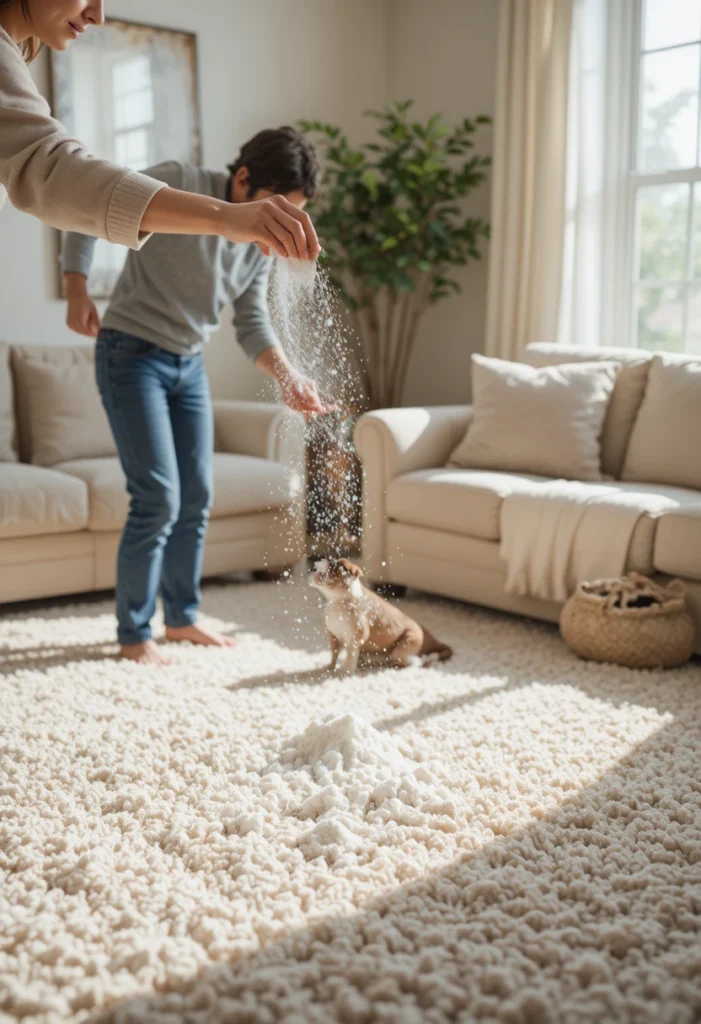
Mix equal parts baking soda and fine table salt, sprinkle it generously over carpets and upholstered furniture, and work it into the fibers with a broom or brush. Both ingredients dehydrate flea eggs and larvae. Let it sit for a few hours (or overnight), then vacuum thoroughly.
10. Frequent Vacuuming and Hot Washing
This one isn’t glamorous, but it’s non-negotiable: vacuum carpets, rugs, and furniture daily during an active infestation, then immediately empty the canister or seal and discard the bag outside your home. Wash all pet bedding in hot water weekly. Between them, this combination physically removes the vast majority of flea eggs before they hatch.
Pin this reminder: fleas can survive weeks in carpet fibers vacuuming daily, not weekly, is what actually breaks the cycle.
11. Herbal Flea Sachets for Bedding (Dogs & Cats)
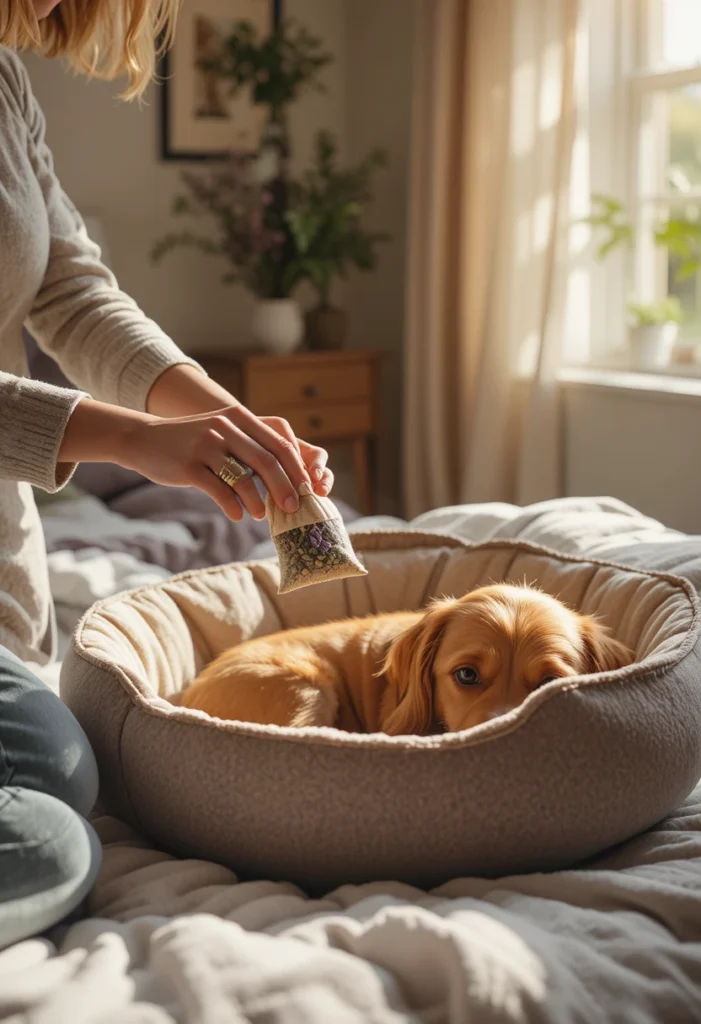
Fill small breathable pouches with dried rosemary, lavender, or fennel and tuck them under your pet’s bedding never directly against their skin. Dried herbs release milder compounds than essential oils, giving you a lower-risk way to add a flea-repelling scent to sleeping areas, though effectiveness is modest at best.
12. Steam Cleaning Carpets and Upholstery
Steam cleaning kills fleas, larvae, and eggs on contact through heat alone no chemicals needed. If you’re dealing with a heavier infestation, renting or borrowing a steam cleaner for carpets, rugs, and any upholstered furniture your pet frequents can dramatically cut down the population hiding indoors.
Yard and Outdoor Remedies
13. Beneficial Nematodes for the Yard
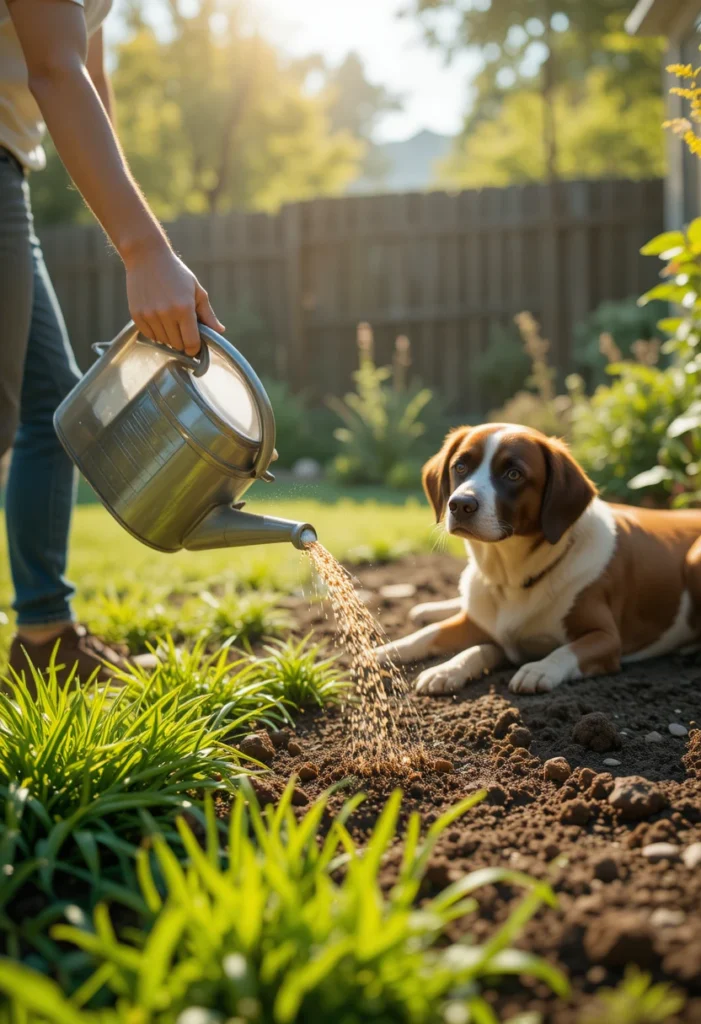
Beneficial nematodes are microscopic organisms you water into your lawn that target flea larvae in the soil without harming pets, people, or plants. They’re available at most garden centers and are one of the most effective natural options for breaking the outdoor flea life cycle before fleas ever reach your pet.
14. Cedar Mulch Around Outdoor Rest Areas
Fleas tend to avoid cedar’s scent, so spreading cedar mulch or wood chips around your dog’s outdoor resting spots, kennel, or favorite shady patch can help discourage them from settling in that area.
15. Diatomaceous Earth for the Yard
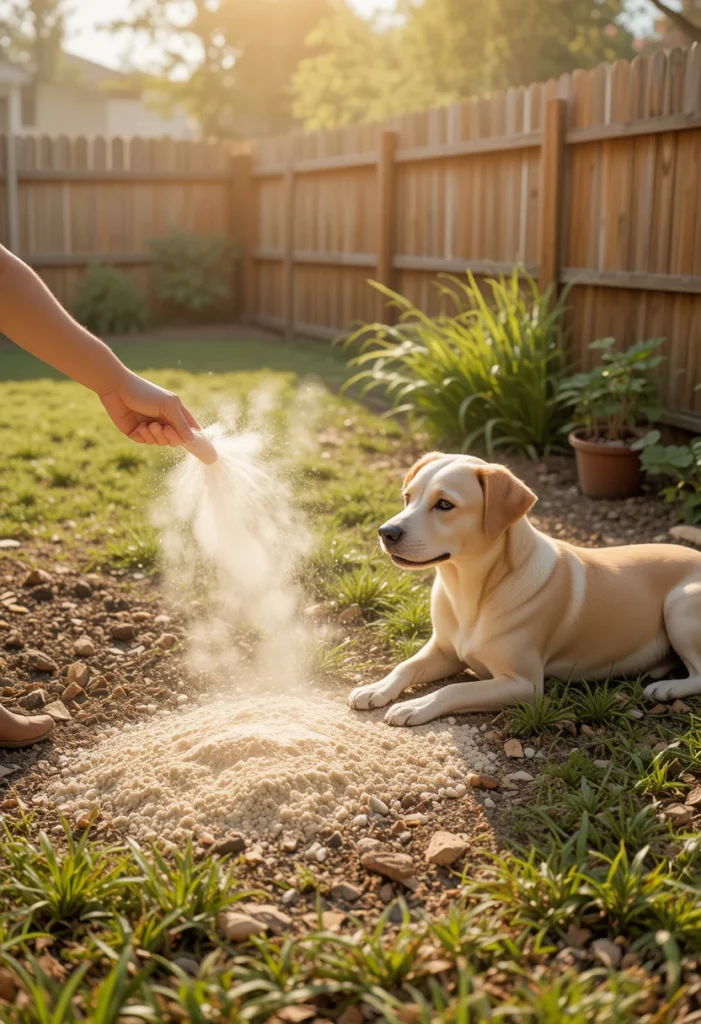
The same food-grade diatomaceous earth used on your pet can be lightly dusted over dry patches of yard where fleas congregate just avoid over-application near flowering plants, since it can also affect beneficial insects like bees.
What to Avoid: “Natural” Flea Remedies That Aren’t Actually Safe
This is the section most articles leave out, and it matters just as much as the remedies above.
- Garlic widely recommended online, but garlic (like all Allium plants) is toxic to both dogs and cats and can cause anemia. Skip it entirely, even in small amounts.
- Undiluted essential oils on cats tea tree, peppermint, citrus, eucalyptus, pennyroyal, cinnamon, and wintergreen oils are specifically dangerous to cats and should never touch their skin or bedding.
- Pennyroyal oil for either species. It’s linked to serious liver toxicity even in small doses.
- Excessive baking soda ingestion fine as a carpet treatment, but keep pets from licking large amounts off surfaces.
- DIY flea collars with undiluted oils a collar sits against the skin for weeks, turning a mild irritant into a concentrated, ongoing exposure.
When in doubt about any ingredient, a quick call to your vet is worth more than any blog post this one included.
Frequently Asked Questions
Do natural flea remedies actually kill fleas, or just repel them?
Most natural options vinegar, citrus, herbal rinses work primarily as repellents rather than fast-acting insecticides. Physical methods like combing, bathing, diatomaceous earth, and vacuuming are the ones that actively remove or kill fleas and eggs.
Can I use natural remedies instead of vet-prescribed flea medication?
For a mild flea presence or as prevention between treatments, natural methods can help. For an active infestation, veterinarians generally recommend combining natural home care with a proven flea preventative, since natural remedies alone rarely resolve a full infestation.
How long does it take to get rid of fleas naturally?
Because you’re targeting eggs and larvae hiding in your home and yard as well as adult fleas on your pet, expect the full cycle to take anywhere from two to six weeks of consistent treatment across all three zones.
Are natural flea remedies safe for kittens and puppies?
Many essential oils and even diatomaceous earth aren’t recommended for very young pets. Gentle dish soap baths and flea combing are generally the safest starting points until your vet confirms your kitten or puppy is old enough for other treatments.
What natural flea remedy works fastest?
A soapy bath combined with thorough flea combing gives the fastest visible reduction in adult fleas, though it won’t address eggs already in your home.
Is apple cider vinegar safe to put directly on my pet’s skin?
Always dilute apple cider vinegar with equal parts water before applying it, and avoid the eyes, nose, and any broken skin, since undiluted vinegar can sting or irritate.
The Bottom Line
Getting rid of fleas naturally isn’t about finding one miracle remedy it’s about layering a few safe, effective methods across your pet, your home, and your yard, while steering clear of the “natural” tips that actually put pets at risk. Start with flea combing and a gentle bath today, add in the environmental steps this week, and you’ll have covered the three zones fleas depend on to survive.