
You pulled your dog off the couch, stripped every blanket in the house, and haven’t seen a flea in three days. Are you in the clear or are they just waiting you out?
That question keeps a lot of pet owners up at night, and for good reason. Fleas are patient. They can pause their entire life cycle, hide in the seams of your couch, and hold out far longer than most people expect. Save this guide it breaks down exactly how long fleas survive without feeding, why some outlast others by months, and the 12+ things you can actually do to starve them out before they bounce back onto your pet.
The Quick Answer: How Long Do Fleas Live Without a Host?
Here’s the short version: an adult flea can typically survive one to two weeks without a host, though under ideal warm, humid conditions, some can hang on slightly longer. Without a blood meal, adult fleas face dehydration and starvation, and their egg-laying essentially stops.
But that number only tells part of the story. The flea hiding in your carpet right now might not even be in the “adult” stage yet and that changes everything.
Why “How Long Can Fleas Live Without a Host” Doesn’t Have One Simple Answer
Fleas go through four very different life stages, and each one behaves completely differently when there’s no host around:
- Eggs hatch in about 2 to 14 days, host or no host they don’t need to feed at all.
- Larvae feed on organic debris (including “flea dirt”) in your carpet or yard, not blood, and can survive roughly 5 to 14 days before they’re ready to pupate.
- Pupae are the real problem. Wrapped in a tough, protective cocoon, they can lie dormant for weeks and in some cases up to six months waiting for the vibration, warmth, or carbon dioxide that signals a host is nearby.
- Adults are the only stage that truly needs blood to survive, and they’re also the shortest-lived without one: roughly one to two weeks, sometimes less in dry or cool conditions.
Quick summary: if your home has gone flea-free for a week and a half, you may just be in the calm before the pupae hatch.
What Actually Determines How Long a Flea Survives
Not every flea gets the same clock. A few factors stretch or shrink that survival window:
- Temperature. Fleas thrive between about 70°F and 85°F. Push past 95°F with low humidity, and larvae in particular start dying off quickly.
- Humidity. Fleas need moisture to avoid drying out. Above 50% humidity favors survival; drier air works against them.
- Coat length (on pets). Fleas on short-haired pets tend to survive a shorter average stretch than those tucked into a long, dense coat.
- Access to organic debris. Larvae depend on flea dirt to develop. A spotless home genuinely starves them out faster than a dusty one.
- Species. Most adult fleas cap out around 100 days total lifespan, but under near-perfect conditions, some can live close to a year though that’s the whole life cycle, not the “no host” window specifically.
Can Fleas Survive in an Empty House With No Pets?
Yes for a while. If you’ve moved out, boarded your pet, or your dog just passed away, fleas already established in the home don’t vanish overnight. Adults will hunt for any warm-blooded target (including humans, briefly) before eventually dying off from starvation and dehydration. Meanwhile, eggs, larvae, and especially pupae already hidden in carpets, baseboards, and furniture can keep the cycle going in the background.
This is exactly why “just wait it out” rarely works as a flea strategy on its own and why the tactics below matter more than most people realize.
Read Also: How Much Should I Feed My Dog? 12 Simple Ideas to Get Portions Right Every Time
12+ Proven Ways to Starve Out Fleas and Break Their Life Cycle
Here’s the part worth pinning. If you’re dealing with an active infestation or trying to prevent one after removing a pet from the home these steps target every stage of the flea life cycle at once, not just the adults you can see.
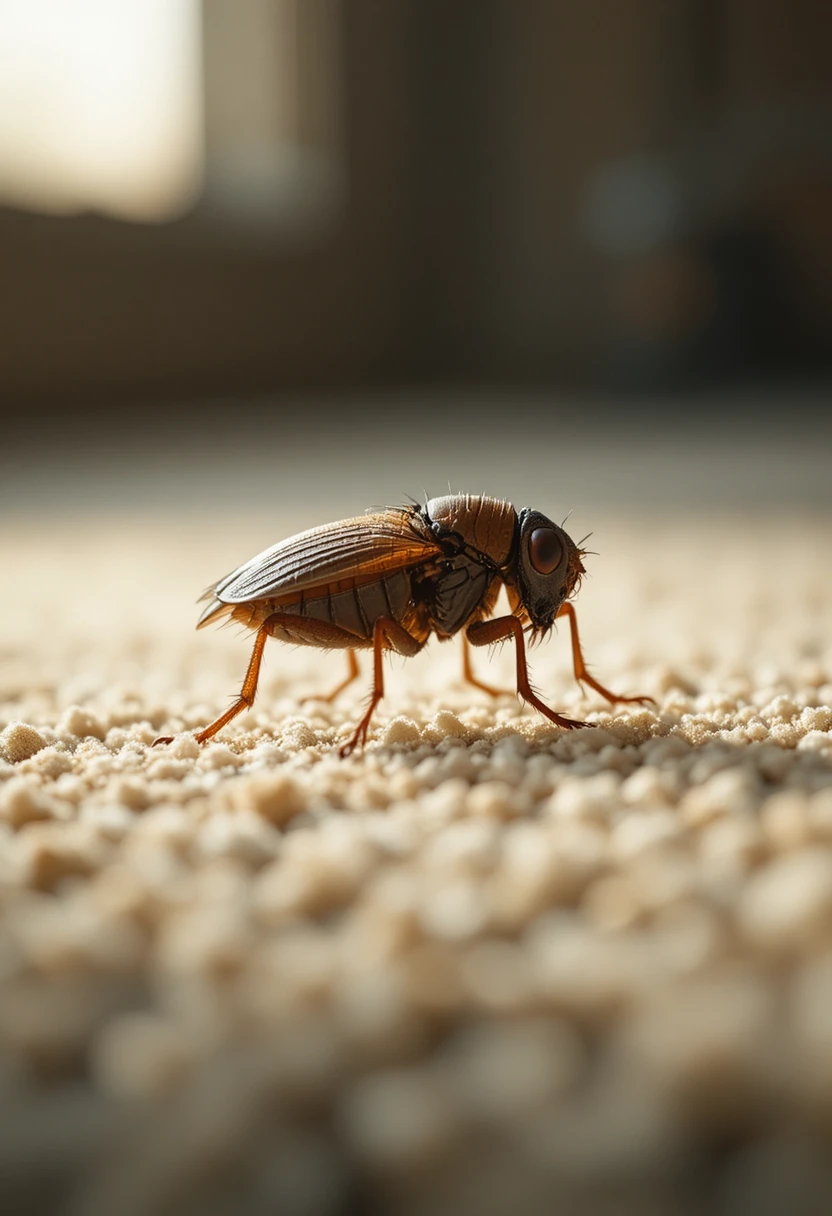
1. Vacuum every day, not just once.
Vacuuming pulls out eggs, larvae, and even some pupae from carpets and cracks in the floor. Do it daily during an active infestation, focusing on baseboards, under furniture, and pet resting spots. Empty the canister outside immediately.
2. Wash all bedding on the hottest setting.
Pet bedding, human bedding, and washable rugs should go through a hot wash and a full dryer cycle. Heat kills eggs and larvae that vacuuming alone might miss.
3. Steam clean carpets and upholstery.
Steam’s heat and moisture combination is tough on every flea life stage, including pupae buried deep in carpet fibers.
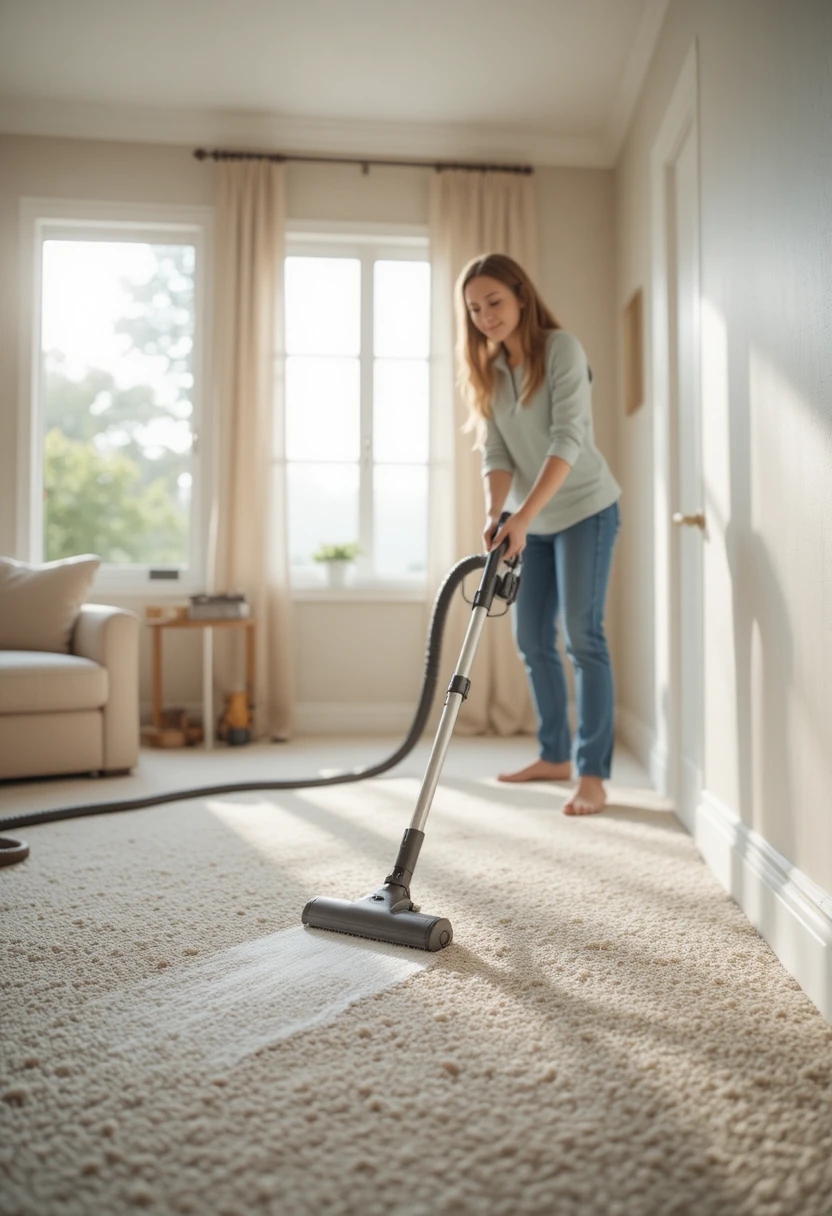
4. Treat your pet and your home at the same time.
Treating only the pet (or only the house) just resets the clock. Talk to your vet about a fast-acting flea treatment for your pet while you tackle the environment simultaneously.
5. Set out flea traps to monitor activity.
A simple warm-light flea trap near problem areas tells you whether you’re actually winning fewer fleas in the trap over time is a good sign the population is shrinking.

6. Use diatomaceous earth on carpets and cracks.
Food-grade diatomaceous earth, left down for a day or two before vacuuming, can help dry out and eliminate fleas hiding in fibers and floor gaps.
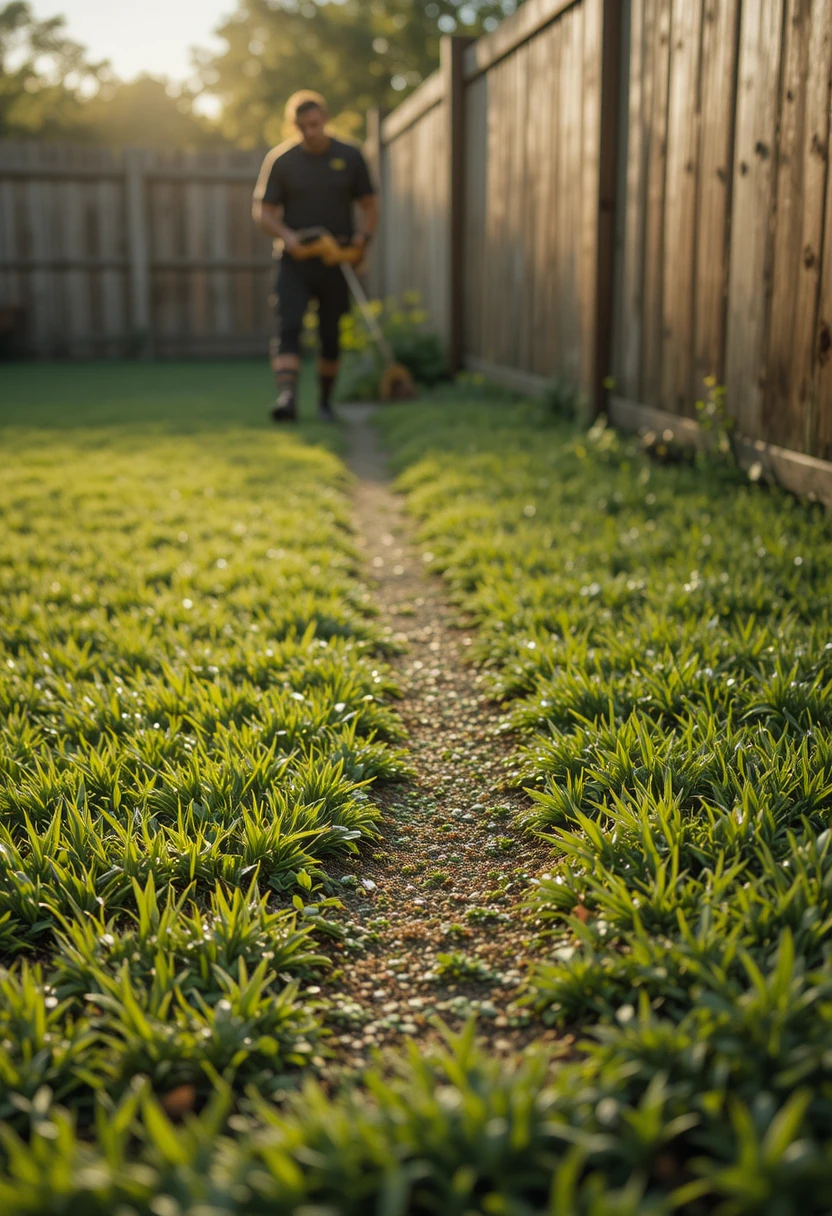
7. Don’t forget the yard.
Fleas hide in shaded, humid spots under decks, in tall grass, near fences. Mowing regularly and clearing debris removes the shady, moist environment fleas need to survive outdoors.
8. Seal up cracks and gaps.
Baseboards, floorboards, and gaps around pet houses give fleas (especially pupae) somewhere safe to hide out. Sealing these cuts down on hiding spots dramatically.
9. Run a dehumidifier in problem rooms.
Since fleas depend on humidity above roughly 50% to thrive, pulling moisture out of the air makes your home a much harder place for them to survive.

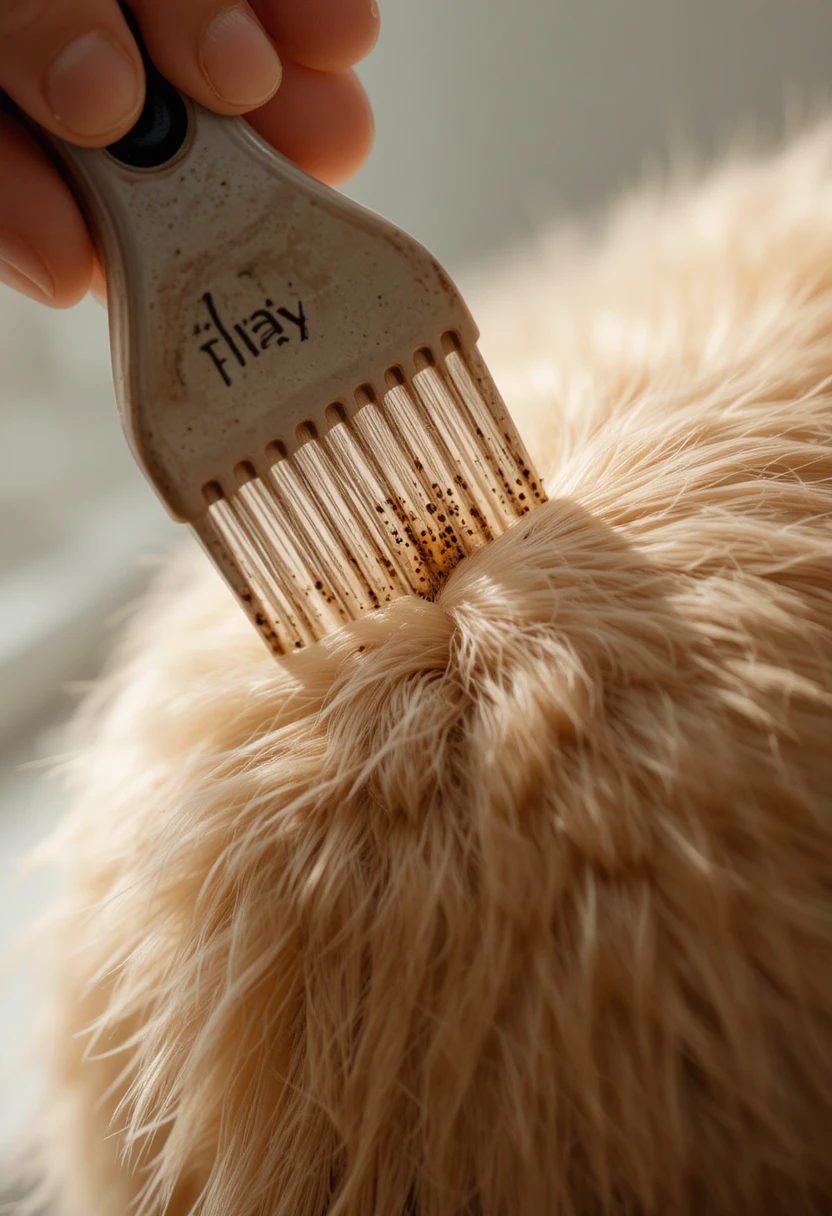
10. Flea comb your pet consistently.
A fine-toothed flea comb, used daily during an infestation, physically removes adult fleas and flea dirt from your pet before they can lay more eggs.
11. Keep monitoring for at least a month, not a week.
Because pupae can lie dormant for weeks, a truly flea-free home means going 30+ days without a new sighting, not just 7 to 10.
12. Wash pet toys, collars, and carriers too.
Anything soft that touches your pet regularly leashes, soft toys, carrier liners can carry eggs and larvae. Wash or replace these alongside bedding.
13. Call in professional pest control for serious infestations.
If home methods haven’t cleared things up after a full life-cycle window (about a month), a licensed pest control professional can treat both the pupal stage and the environment more thoroughly than most DIY products.
Quick recap: target every life stage at once eggs, larvae, pupae, and adults because focusing on just the fleas you can see leaves the ones you can’t see fully in charge.
How Long Should You Wait Before Bringing a Pet Back Into a Treated Home?
Because pupae can remain dormant for weeks to months, it’s worth continuing vacuuming, washing, and monitoring for at least a full month after your last flea sighting before assuming the home is genuinely clear especially if you’re reintroducing a pet or fostering a new one.
Frequently Asked Questions
Do fleas die faster in winter?
Cold temperatures do shorten flea survival outdoors, but indoor heating creates a warm, humid environment fleas can still tolerate year-round.
Can fleas live on humans if there’s no pet around?
Fleas prefer fur-covered hosts and don’t thrive on humans long-term, but they will bite people when no other host is available.
How do I know if fleas are gone for good?
A flea trap with no catches, no new bites, and no flea dirt on pet bedding for a full month is a strong sign the infestation has run its course.
Do fleas lay eggs without a host?
No female fleas need a blood meal before they can lay eggs, which is why removing the host disrupts reproduction, even though existing eggs, larvae, and pupae can still develop.
The Bottom Line
An adult flea might only last one to two weeks without a host, but the eggs, larvae, and especially the pupae already in your home can keep the problem alive for months if you only address what you can see. Treat every stage of the life cycle at once, stay consistent for a full month, and you’ll actually break the cycle instead of just pressing pause on it.