
If your cat just let out a sudden, surprisingly loud sneeze and you laughed before you got curious, you’re not alone. Cat sneezes are one of those small moments that make you stop scrolling and start Googling. Most of the time, it is nothing. Sometimes, it is your cat’s way of telling you something is off. The trick is knowing the difference, and that is exactly what this guide is here to help you figure out.
Below you will find every common (and a few uncommon) reason cats sneeze, how to tell a harmless tickle from a real problem, and what to actually do about it at home before you call the vet.
Quick Answer: The Most Common Reasons Cats Sneeze
Before diving into the full list, here is the short version. Cats usually sneeze because of:
- Dust, litter particles, or airborne irritants
- A viral upper respiratory infection
- Seasonal or environmental allergies
- Something physically stuck in the nasal passage
- Dental issues affecting the sinus area
If your cat is eating, playing, and acting like their normal self, an occasional sneeze is rarely a big deal. Persistent, frequent, or symptom-heavy sneezing is a different story, and we will cover exactly what to watch for.
Why Do Cats Sneeze in the First Place?
Sneezing is a reflex. When something irritates the delicate lining of a cat’s nasal passages, whether that is dust, a virus, or inflammation, the body forces air out through the nose to clear it. It works essentially the same way it does in people. A single sneeze usually means a brief irritation. A cat sneezing repeatedly over hours or days usually points to something that needs attention.
12+ Reasons Your Cat Is Sneezing
1. A Simple Nose Tickle
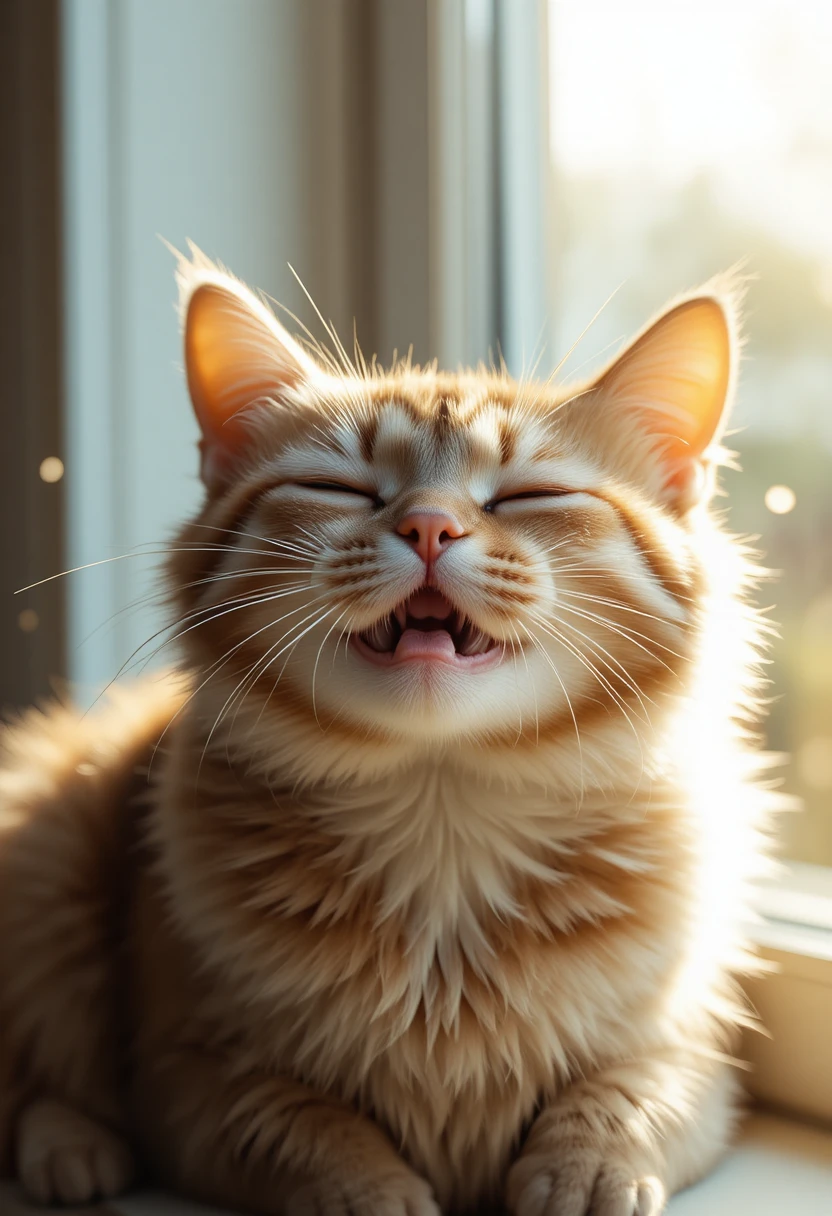
Just like people, cats sometimes sneeze for no dramatic reason at all. A stray piece of fluff, a bit of dust in the air, or even their own fur can trigger a single, isolated sneeze. If it happens once and your cat goes right back to grooming or napping, there is usually nothing to worry about.
2. Dusty or Scented Cat Litter
Litter is one of the most overlooked causes of cat sneezing. Clay-based and heavily fragranced litters can kick up fine dust every time your cat digs and covers. If the sneezing tends to happen right after litter box visits, this is worth investigating first since it is one of the easiest fixes on this list.
3. Household Irritants and Strong Scents
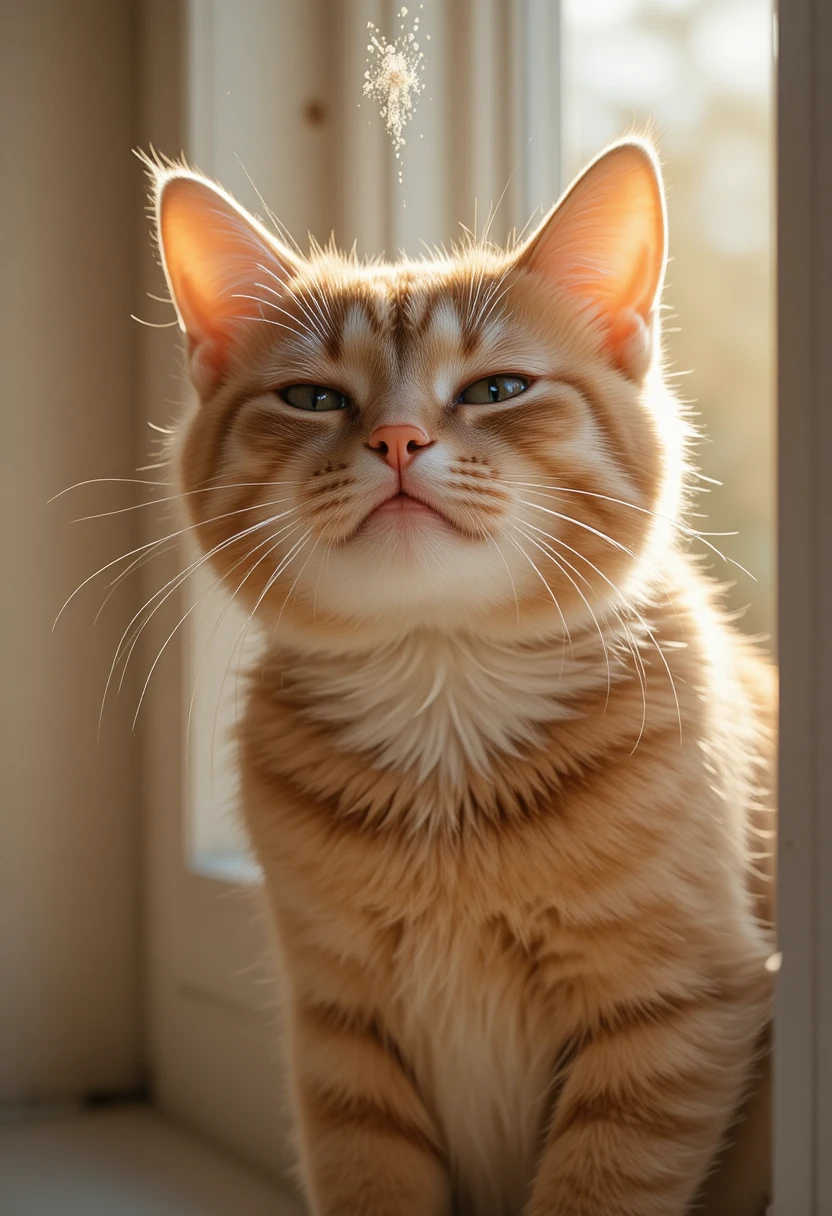
Cats have a far more sensitive sense of smell than we do. Scented candles, air fresheners, cleaning sprays, perfume, and cigarette or wood smoke can all irritate their nasal passages. If sneezing seems to line up with cleaning day or a new candle, the irritant is likely your answer.
Read Also: 13+ Signs Your Pet Needs Emergency Vet Care Right Now
4. Viral Upper Respiratory Infection (Cat Flu)
This is the single most common medical cause of cat sneezing. Feline herpesvirus and feline calicivirus, often grouped together as “cat flu,” account for the majority of infectious sneezing cases, especially in kittens, shelter cats, and multi-cat households. Along with sneezing, watch for watery eyes, nasal discharge, mild fever, or reduced appetite. Herpesvirus in particular can hide in the body for life and resurface during stressful periods, so a cat with a history of an early respiratory infection may have occasional flare-ups for years.
5. Bacterial Infection
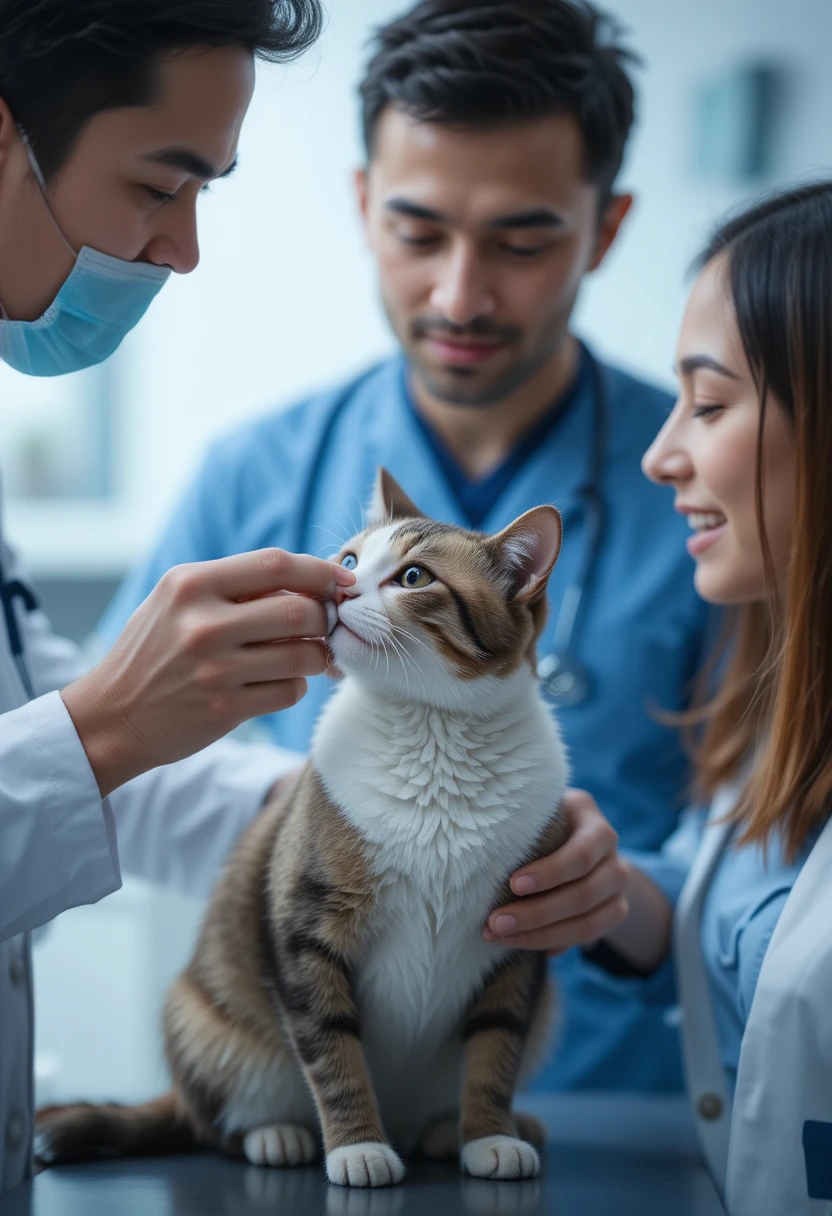
Bacteria like bordetella, mycoplasma, and chlamydophila often move in after a virus has already weakened the nasal lining. A key clue here is discharge color: thick yellow or green mucus from the nose usually points to a bacterial component rather than a simple viral cold, and it is often treated with antibiotics once a vet confirms the cause.
6. Fungal Infection
Less common but more serious, fungal infections such as cryptococcus can cause ongoing sneezing along with facial swelling or visible changes to the shape of the nose over time. This type of infection is more likely in humid climates and typically requires long-term antifungal treatment, so it is not something to manage at home.
7. Environmental Allergies
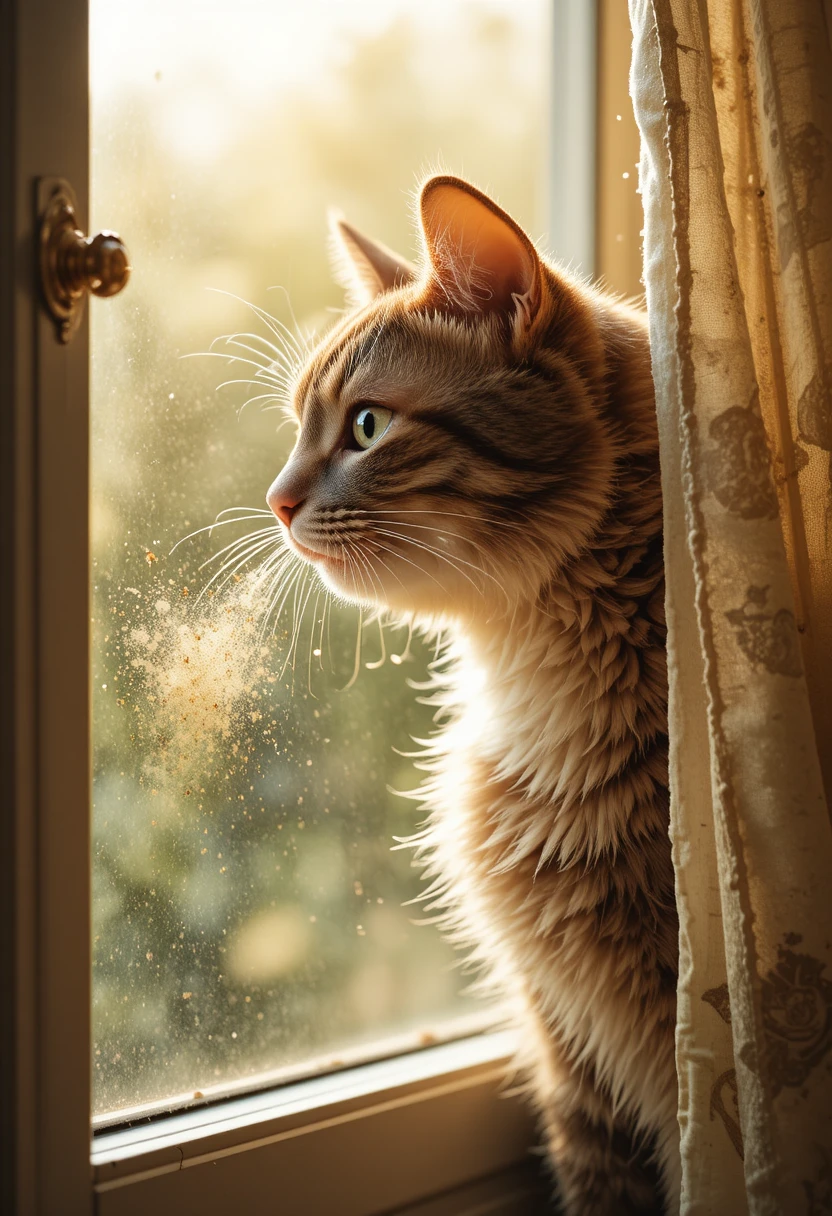
Cats can absolutely have allergies, just like people do. Pollen, mold spores, and dust mites are the usual suspects. Allergy-related sneezing tends to be seasonal, comes with clear watery discharge rather than thick mucus, and is often paired with itchy skin, watery eyes, or excessive grooming.
8. Food Allergies
Less commonly, a food sensitivity can contribute to sneezing along with other symptoms like itchy skin, ear infections, or digestive upset. If sneezing shows up alongside these other signs and doesn’t track with anything in the air, food is worth ruling out with your vet.
9. A Foreign Object Stuck in the Nose
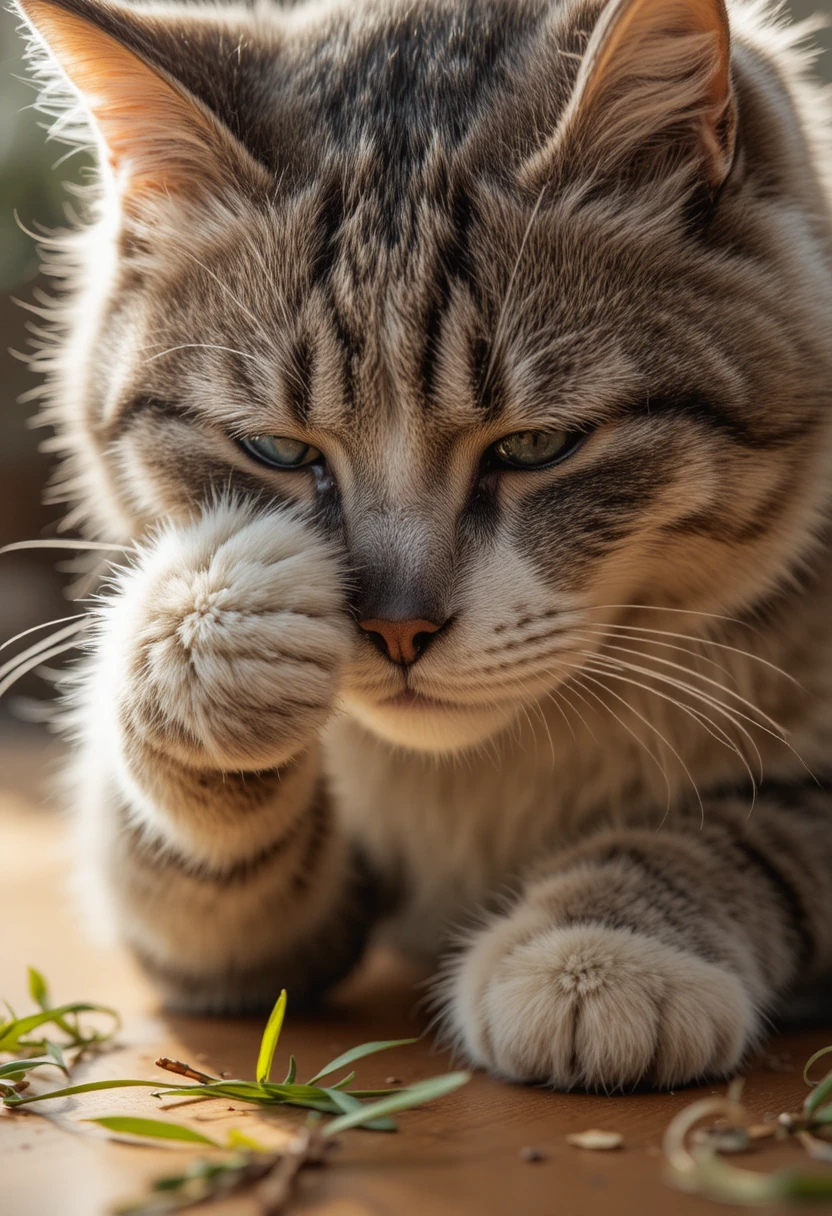
Cats who chew on grass or explore low to the ground can occasionally inhale a small object such as a blade of grass or a seed awn. When this happens, the cat will often sneeze forcefully and repeatedly trying to expel it, sometimes along with gagging, pawing at the face, or discharge from just one nostril. This usually requires a vet visit to remove the object safely.
10. Dental Disease
This is a surprising one for a lot of cat owners. The roots of a cat’s upper teeth sit extremely close to the nasal passages. A severe tooth infection can erode the thin bone separating the two, creating a small opening between the mouth and nose. Food particles can then enter the nasal cavity during eating, triggering sneezing that often happens during or right after meals. Treating the underlying dental disease typically resolves the sneezing.
11. Nasal Polyps or Tumors
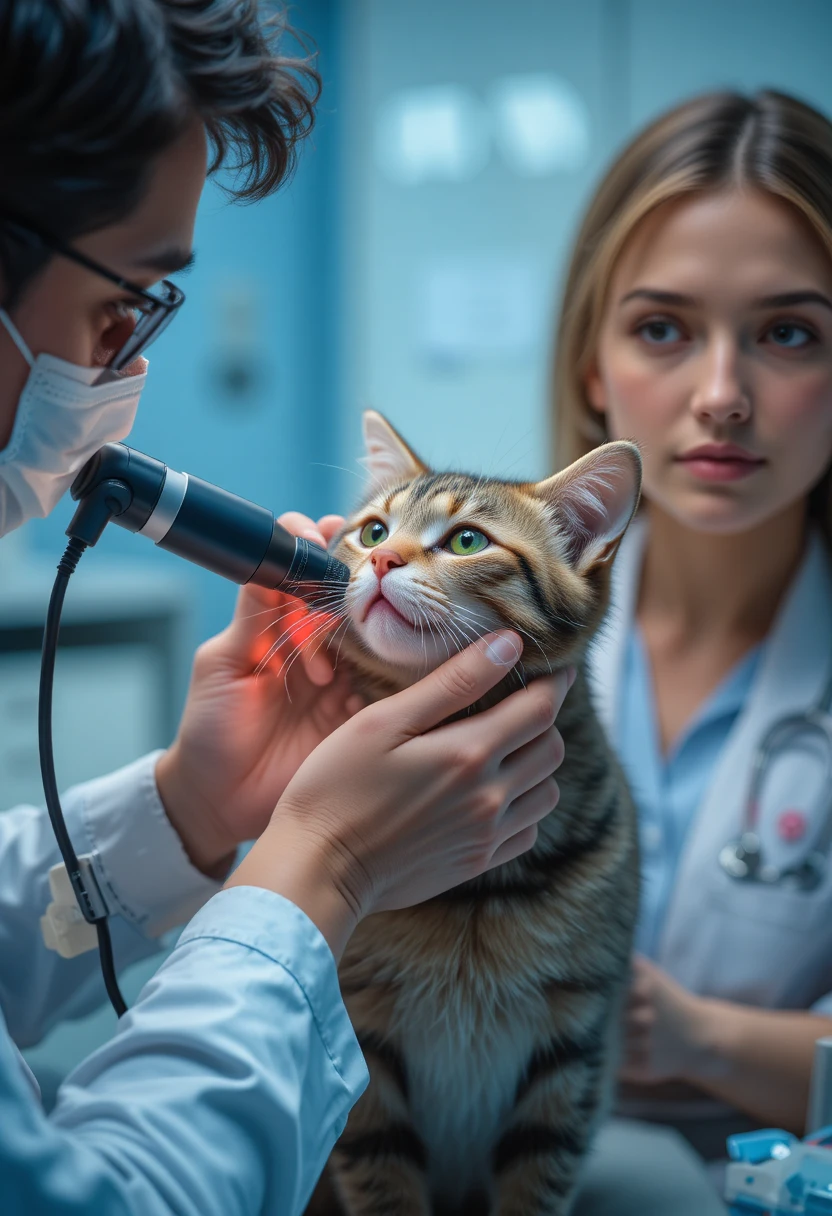
Persistent sneezing that doesn’t respond to typical treatment, especially in an older cat, can sometimes point to a growth in the nasal passage or sinuses. Other warning signs include one-sided nasal discharge, occasional nosebleeds, facial swelling, or unexplained weight loss. This requires veterinary imaging and diagnostics to identify.
12. Chronic Rhinitis (Long-Term Nasal Inflammation)
Sometimes an initial infection clears up, but the inflammation it caused lingers, creating a cycle where the irritated nasal lining keeps triggering sneezes long after the original illness is gone. This chronic inflammation can be one of the trickiest issues to diagnose since there isn’t always a single clear test for it, and treatment often focuses on managing symptoms long term.
13. Reaction to an Intranasal Vaccine
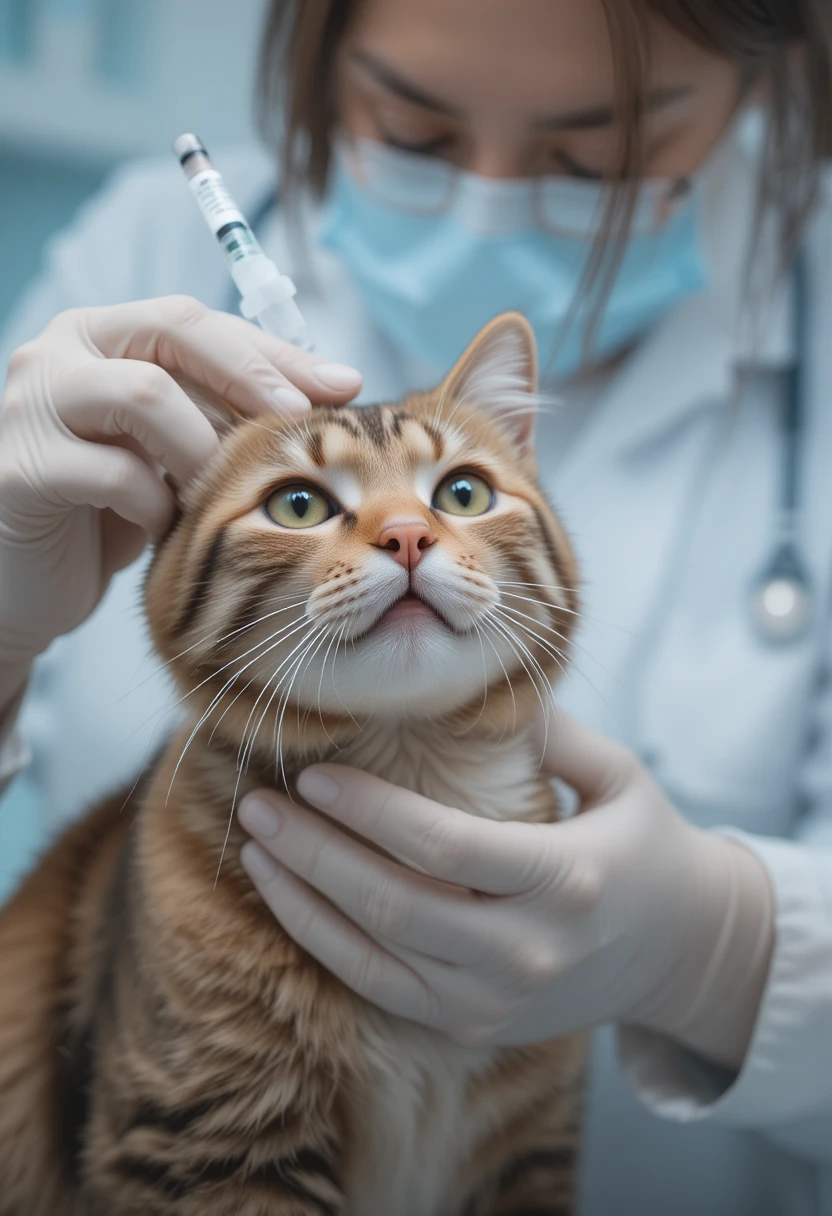
If your cat recently received an intranasal vaccine (some upper respiratory vaccines are given as nasal drops rather than injections), mild sneezing for a day or two afterward is a normal, expected response as the immune system reacts to the vaccine. This should resolve on its own quickly.
14. Excitement or Play
Some cats let out a quick sneeze during or right after an energetic play session or an exciting moment, similar to how some dogs “sneeze” happily during play. This is considered a normal behavioral quirk in an otherwise healthy cat and isn’t linked to illness.
When Cat Sneezing Is an Emergency
Call your vet promptly if sneezing is paired with any of the following:
- Thick yellow or green nasal discharge
- Blood in the discharge or visible nosebleeds
- Sneezing only from one nostril, especially with swelling
- Loss of appetite for more than a day
- Lethargy, hiding, or noticeable behavior changes
- Difficulty breathing or open-mouth breathing
- Facial swelling or asymmetry
A cat that stops eating is a genuine emergency regardless of the cause, since cats can develop a serious liver condition after just a couple of days without food. Do not wait it out if your cat has gone off their meals.
How to Help a Sneezing Cat at Home
For mild, occasional sneezing with no other symptoms, a few simple changes often help:
- Switch to low-dust, unscented litter if sneezing lines up with litter box use
- Run a humidifier, especially in dry winter months, to soothe irritated nasal passages
- Remove scented candles, air fresheners, and heavy cleaning sprays from rooms your cat spends time in
- Wipe away discharge gently with a warm, damp cloth to keep the nose clear and comfortable
- Keep food appealing by warming it slightly, since a stuffy nose can dull a cat’s sense of smell and appetite
- Reduce stress where possible, since stress is a known trigger for herpesvirus flare-ups in cats who carry the virus
Preventing Future Sneezing Episodes
- Keep vaccinations current, since core vaccines protect against the most common viral causes of cat flu
- Schedule regular dental checkups to catch tooth root issues before they reach the sinuses
- Vacuum and dust regularly, particularly in rooms with carpet or fabric furniture
- Isolate new cats briefly before introducing them to your household to reduce the spread of respiratory viruses
- Keep an eye on seasonal patterns so you can identify and manage allergy triggers early
Frequently Asked Questions
Is occasional sneezing normal for cats?
Yes. A single sneeze here and there, especially with no other symptoms, is completely normal and usually just means something briefly tickled your cat’s nose.
Why does my cat sneeze every time they use the litter box?
This is almost always related to litter dust. Switching to a low-dust or unscented formula usually resolves it within a few days.
Can stress cause a cat to sneeze?
Yes, particularly in cats carrying feline herpesvirus. Stress can reactivate the virus and trigger a new round of sneezing and mild congestion.
Should I take my cat to the vet for sneezing?
If it is occasional and your cat seems otherwise healthy, you can monitor at home. If sneezing is frequent, lasts more than a few days, or comes with discharge, appetite loss, or lethargy, a vet visit is the safer choice.
Can I catch a cold from my sneezing cat?
No. The viruses that cause cat flu are species-specific and cannot infect humans.
The Bottom Line
A sneezing cat is usually just clearing a bit of dust from a very sensitive nose. But because sneezing can also be the earliest visible sign of an infection, dental problem, or something more serious, it pays to watch for patterns rather than dismissing it outright. Track when it happens, what it looks like, and what else is going on with your cat, and you’ll know quickly whether this is a “no big deal” moment or a “let’s call the vet” one.