
Your dog seems fine. Eating, playing, wagging that tail like nothing’s wrong. But heartworm disease can be quietly setting up shop inside your dog’s heart and lungs for months before you notice a single symptom and by the time you do, the damage may already be done.
That’s the terrifying part about heartworm disease: it doesn’t announce itself. It creeps in through something as small and ordinary as a mosquito bite, and then it waits.
Here’s the good news your dog’s body does eventually give you clues. Some are subtle, like a slightly quieter energy level. Others are impossible to miss, like sudden collapse. In this guide, we’re walking through 11+ signs of heartworm in dogs, what each one actually means, and this is the part most articles skip exactly what to do the moment you spot one. Stick around for the section on stage 3, because that’s where most owners realize they’ve been misreading their dog’s symptoms for weeks.
What Exactly Is Heartworm Disease, Anyway?
Heartworm disease is caused by a parasitic worm called Dirofilaria immitis, and it spreads through the bite of an infected mosquito not from dog to dog, and not from fleas or ticks like a lot of owners assume.
Here’s the timeline that makes this disease so sneaky: once a mosquito delivers infective larvae into your dog’s bloodstream, those larvae spend the next several months migrating through the body and maturing. It typically takes around six months for them to develop into adult worms that settle into the heart, lungs, and the major blood vessels around them. Only then do the worms start reproducing and causing the kind of internal damage that produces visible symptoms.
So what does this mean for you? Your dog can be infected right now and show absolutely nothing. That’s exactly why knowing the signs — and not waiting for them to show up before you act — matters so much.
Why the Early Signs Are So Easy to Miss
Here’s the thing: heartworm symptoms don’t hit all at once. They build gradually, and how obvious they are depends on a few factors how many worms your dog is carrying, how long the infection has been active, and how active your dog is day to day.
A high-energy dog who runs, hikes, or plays fetch for an hour a day will usually show symptoms sooner and more dramatically than a couch-loving senior dog carrying the same worm burden. That’s because exertion puts more strain on a heart and lungs that are already working overtime to compensate for the worms.
Low-activity dogs can carry a serious infection and look completely normal for a surprisingly long time. That’s the trap. “My dog seems fine” isn’t the same as “my dog is fine” and that single sentence is worth remembering as you read through what follows.
11+ Signs of Heartworm in Dogs to Watch For
1. A Persistent, Dry Cough

This is often the very first sign owners notice, and it’s easy to write off as “just something they inhaled” or seasonal allergies. As worms settle into the lungs and surrounding blood vessels, they irritate the airways and trigger a dry, hacking cough especially noticeable after exercise or excitement.
If your dog develops a cough that lingers for more than a week or two with no other obvious cause, it’s worth mentioning to your vet, even if nothing else seems off.
2. Reluctance to Exercise or Play
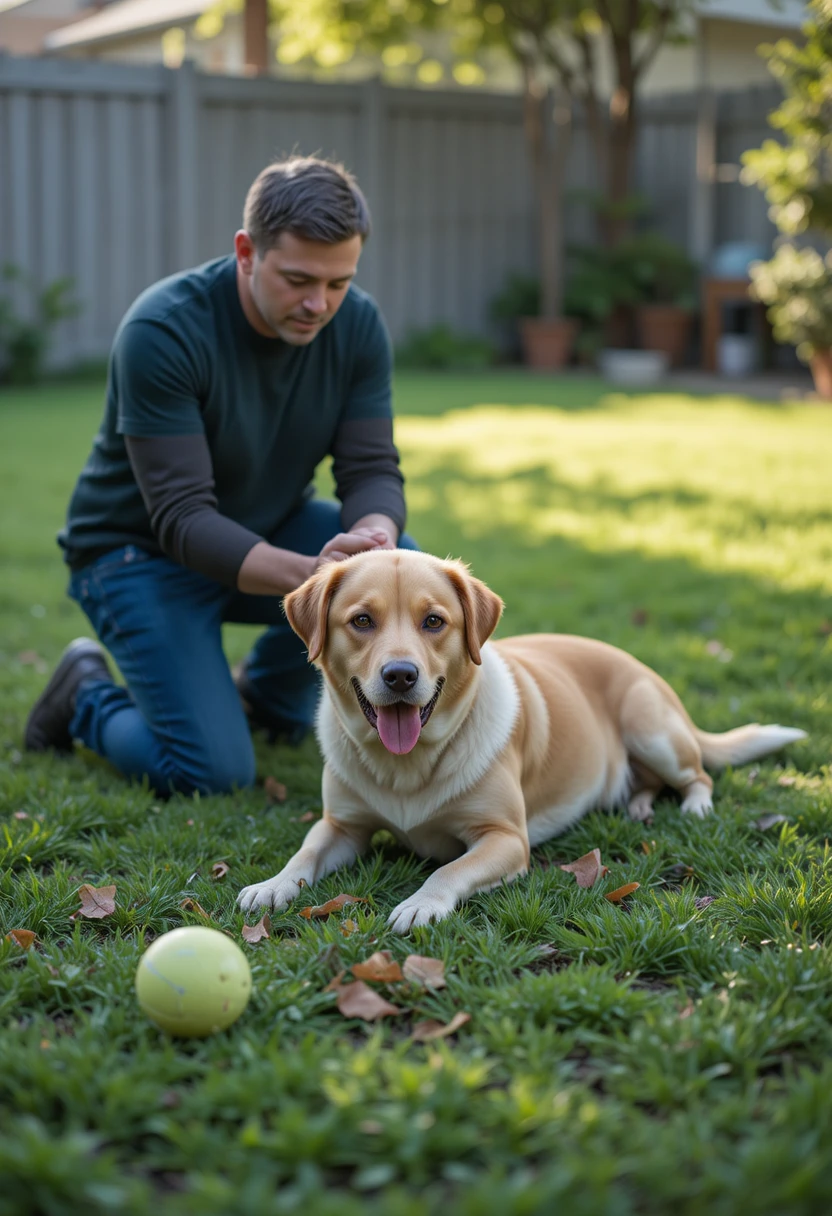
Watch for a dog who used to sprint to the door at the word “walk” and now seems to hesitate, or who used to play fetch for twenty minutes and now quits after five.
Exercise intolerance happens because the worms are physically restricting healthy blood flow through the lungs, making even moderate activity feel like much harder work than it used to.
3. Fatigue After Only Light Activity

This one goes a step further than reluctance it’s visible exhaustion. A short walk around the block that used to be nothing now leaves your dog panting hard, lying down, or needing an unusually long recovery time.
If your dog is “tired for no reason” more days than not, that’s not a personality change it’s a signal.
4. Decreased Appetite

Dogs with heartworm disease often start turning down food, even meals or treats they used to love. This typically develops as the disease progresses and the body starts diverting energy toward fighting the internal strain the parasites are causing.
A single skipped meal isn’t a red flag on its own. A pattern of picking at food over days or weeks, especially alongside other signs on this list, is.
Read Also: 12+ Best Pet Insurance Companies Compared: The Complete 2026 Buying Guide
5. Unexplained Weight Loss

Weight loss can happen even in dogs who are still eating fairly normally, because the disease forces the body to burn more energy just fighting off the parasite burden. Combined with appetite loss, the pounds can come off quickly.
If you’re noticing your dog’s ribs or spine more easily, or their collar suddenly fits looser, don’t chalk it up to “getting older” without a vet visit first.
6. A Swollen or Distended Belly
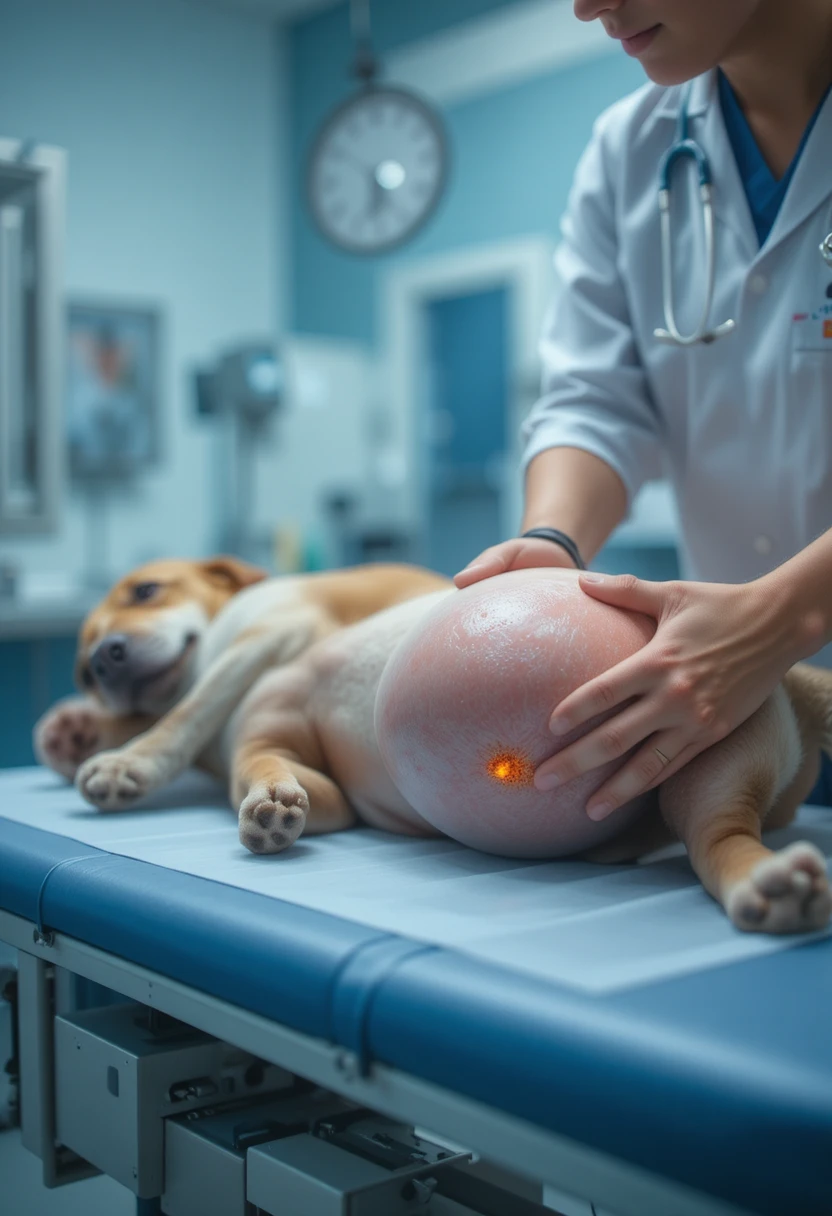
As heartworm disease advances and starts affecting the heart’s ability to pump effectively, fluid can build up in the abdominal cavity a condition called ascites. This shows up as a visibly swollen, potbellied appearance, often paired with weight loss everywhere else on the body.
This is one of the clearest visual cues on this list and one of the signs that means “go to the vet now,” not “wait and see.”
7. Labored or Rapid Breathing

Because the lungs and the blood vessels feeding them are directly affected, breathing itself can become visibly harder. You might notice your dog breathing faster than normal even at rest, or working harder to catch their breath after minimal exertion.
8. Pale or Bluish Gums

Healthy gums are typically a bubblegum pink. Gums that look pale, grayish, or take on a bluish tint can indicate that your dog’s blood isn’t carrying enough oxygen a serious sign that shouldn’t be ignored, especially if it appears alongside labored breathing.
9. Fainting or Sudden Collapse (Syncope)

This is one of the more alarming signs, and it happens because restricted blood flow temporarily prevents enough oxygen from reaching the brain. Episodes can be brief, but they’re a clear signal that the cardiovascular system is under serious strain.
If your dog ever collapses, even for a few seconds, treat it as an emergency don’t wait to see if it happens again.
10. A Distended or Bulging Chest

Some dogs develop a visibly swollen or barrel-like chest as the disease progresses, often tied to the same fluid buildup and weight changes driving the swollen-belly symptom above. It’s less common than the others on this list but worth knowing, because owners frequently mistake it for weight gain rather than illness.
11. Nosebleeds or Coughing Up Blood

In more advanced cases, damaged blood vessels can lead to bleeding from the nose or blood-tinged coughing. This is a serious sign of significant internal damage and calls for immediate veterinary attention not a wait-and-watch approach.
12. Pale Gums With Dark, Coffee-Colored Urine (Caval Syndrome)

This combination signals caval syndrome, the most severe and life-threatening stage of heartworm disease, caused by a heavy worm mass physically obstructing blood flow through the heart. It typically develops rapidly and is a true medical emergency requiring urgent surgical intervention.
13. Failure to Grow in Puppies

In younger dogs, a heavy heartworm burden can interfere with normal development, leading to stunted growth compared to littermates or breed expectations. It’s a less commonly discussed sign, but an important one for anyone raising a puppy in a heartworm-prevalent area.
Here’s the bucket-brigade truth of this whole list: no single sign proves heartworm disease on its own, since several of these can point to other conditions too. But together, or even in twos and threes, they’re a pattern your vet needs to see.
The 4 Stages (Classes) of Heartworm Disease in Dogs
Veterinarians typically classify heartworm disease into four progressive stages, which helps explain why symptoms can range from “nothing at all” to “medical emergency”:
- Stage 1 (mild): No symptoms, or possibly an occasional mild cough. Often only detected through routine testing.
- Stage 2 (moderate): Mild exercise intolerance and a more persistent cough become noticeable.
- Stage 3 (severe): More pronounced exercise intolerance, abnormal breathing sounds, weak pulse, fainting, appetite loss, weight loss, and a swollen abdomen from fluid buildup.
- Stage 4 (caval syndrome): A life-threatening cardiovascular crisis marked by labored breathing, pale gums, and dark urine — this stage typically requires emergency surgical worm removal and can be fatal within hours to days without intervention.
Recognizing which stage a dog might be in isn’t something to self-diagnose but understanding the progression makes it painfully clear why catching signs 1 through 5 on the list above matters so much more than waiting for signs 9 through 13.
What Happens If Heartworm Disease Goes Untreated
Left alone, heartworm disease doesn’t stay the same it only moves in one direction. The worm burden grows, the worms live longer, and the strain on the heart and lungs compounds over time.
Untreated dogs are at risk of progressive heart failure, permanent lung damage, and ultimately death. Dogs cannot clear a heartworm infection on their own there is no “waiting it out.” Treatment is the only path forward once a dog tests positive.
How Vets Diagnose Heartworm Disease
If you notice any combination of the signs above, your vet will likely start with an antigen blood test, which detects a protein produced primarily by adult female heartworms. This is considered the most reliable diagnostic tool available.
Because low worm counts or male-only infections can sometimes be missed by antigen testing alone, your vet may pair it with a microfilariae test, chest X-rays, or an ultrasound to get the full picture of how advanced the infection is before deciding on a treatment plan.
Treatment Options for Heartworm-Positive Dogs
Treatment is intensive, but effective when followed carefully. It typically includes:
- Stabilization first — especially for dogs already showing symptoms, before any worm-killing treatment begins.
- Melarsomine injections — an FDA-approved medication given as a series of injections into the lower back muscles to kill adult worms.
- Strict exercise restriction — often for two to four months, since physical exertion during treatment can cause dangerous complications as the worms die off.
- Microfilariae-targeting medication — to clear immature larvae from the bloodstream and prevent further transmission.
- Emergency surgical extraction — reserved for the most severe caval syndrome cases, where worms are physically removed from the heart.
The exercise restriction step trips up more owners than any other part of treatment it’s hard to keep an active dog calm for months, but it’s also one of the most important things you’ll do for their recovery.
How to Prevent Heartworm in Dogs
The best news in this entire article: heartworm disease is almost entirely preventable.
- Give a veterinarian-prescribed heartworm preventive year-round, not just during “mosquito season” heartworm has been reported in all 50 U.S. states.
- Keep up with annual heartworm testing, even for dogs consistently on prevention, since a missed or late dose can leave a gap in protection.
- Reduce mosquito exposure where you can limiting outdoor time during peak mosquito hours and removing standing water around your yard.
- Talk to your vet promptly if you ever miss or delay a dose, since testing may be recommended before resuming prevention.
Frequently Asked Questions
Can a dog have heartworm disease with no symptoms at all?
Yes. Especially in the early stages or in less active dogs, heartworm disease can be present with no visible symptoms whatsoever. This is exactly why annual testing matters, even for dogs that seem perfectly healthy.
How soon do symptoms appear after a dog is infected?
It generally takes around six months for larvae to mature into adult worms capable of causing symptoms, so signs often don’t appear until the infection has already been present for a while.
Is heartworm disease contagious between dogs?
No. Heartworm can only be transmitted through the bite of an infected mosquito dogs cannot pass it directly to one another.
What’s the very first sign of heartworm disease to watch for?
A persistent, dry cough combined with a drop in exercise tolerance is typically among the earliest noticeable signs, though many dogs show no symptoms at all in the beginning stages.
Can heartworm disease be cured?
Yes, with prompt veterinary treatment, most dogs recover successfully. The earlier the infection is caught and treated, the better the outlook and the lower the risk of lasting heart or lung damage.
Is heartworm treatment expensive?
Treatment involves multiple steps diagnostics, stabilization, medication, and months of monitoring which makes it considerably more costly than prevention. This is one of the biggest reasons vets emphasize monthly preventives over waiting to treat an infection later.
The Bottom Line
Heartworm disease is one of those conditions where the phrase “better safe than sorry” isn’t just a cliché it’s genuinely the difference between a simple monthly chewable and months of injections, exercise restriction, and financial strain.
If your dog is showing even one or two of the signs above a cough that won’t quit, a sudden dip in energy, a swollen belly don’t wait for the picture to get clearer. Get them tested. And if they’re not currently on a vet-prescribed heartworm preventive, today is the day to change that.