
If you’ve ever watched your 80-pound lab inhale a bowl of food in eleven seconds flat, you already know: feeding a large breed dog isn’t the same game as feeding a small one. Bigger bodies mean bigger risks faster growth plates, heavier joints, and a stomach that can twist into a life-threatening emergency if you get feeding wrong. The good news? Once you know what to actually look for, choosing the right food for your gentle giant becomes a lot less overwhelming.
This guide breaks down 13+ of the best dog food ideas for large breeds, from puppyhood all the way through the senior years, so you can stop guessing and start feeding with confidence. Stick around for the checklist in the next section it’s the exact framework vets use to separate a genuinely great large-breed formula from a bag that just says “large breed” on the label to sell more units.
Why Large Breed Dogs Need a Completely Different Diet
Here’s the thing most pet parents don’t realize: a large breed dog isn’t just a small dog with a bigger appetite. Their bodies work differently, and their food needs to account for that.
Large and giant breeds think Labradors, German Shepherds, Great Danes, Rottweilers, and Bernese Mountain Dogs — grow far more slowly and for far longer than small breeds. A Chihuahua reaches adult size in months. A Great Dane can keep growing for close to two years. That extended growth window puts enormous pressure on bones and joints, which is exactly why generic “one-size-fits-all” dog food often falls short.
On top of that, large breeds face a genuinely scary risk that smaller dogs rarely encounter: gastric dilatation-volvulus (GDV), commonly called bloat. This happens when the stomach fills rapidly with gas and twists on itself, cutting off blood flow — and it can turn fatal within hours. Deep-chested breeds like Great Danes, German Shepherds, Doberman Pinschers, and Standard Poodles carry the highest risk, and diet and feeding habits play a real role in prevention.
So what does this mean for your feeding bowl? It means the “best” large breed food isn’t about a flashy label — it’s about a formula built around four things: controlled growth, joint protection, calorie management, and bloat-conscious design.
What to Look for Before You Buy: The Large-Breed Checklist
Before we get into the 13+ ideas, here’s your quick-reference checklist. Save this it’s the difference between a food that just fills the bowl and one that actually protects your dog’s long-term health.
- A named animal protein first chicken, beef, lamb, or fish, not vague “meat meal”
- A calibrated calcium-to-phosphorus ratio, generally in the range vets recommend (roughly 1.1:1 to 1.4:1 for growing large-breed puppies) to avoid skeletal development problems
- Controlled calorie density so your dog builds lean muscle instead of excess weight that stresses the joints
- Joint-support nutrients like glucosamine, chondroitin, and omega-3 fatty acids (EPA/DHA)
- Larger kibble size, which naturally slows down fast eaters and may reduce the air-gulping linked to bloat risk
- Life-stage accuracy large-breed puppy, adult, or senior formulas are not interchangeable
13+ Best Dog Food Ideas for Large Breeds
1. High-Protein Whole-Meat Formulas
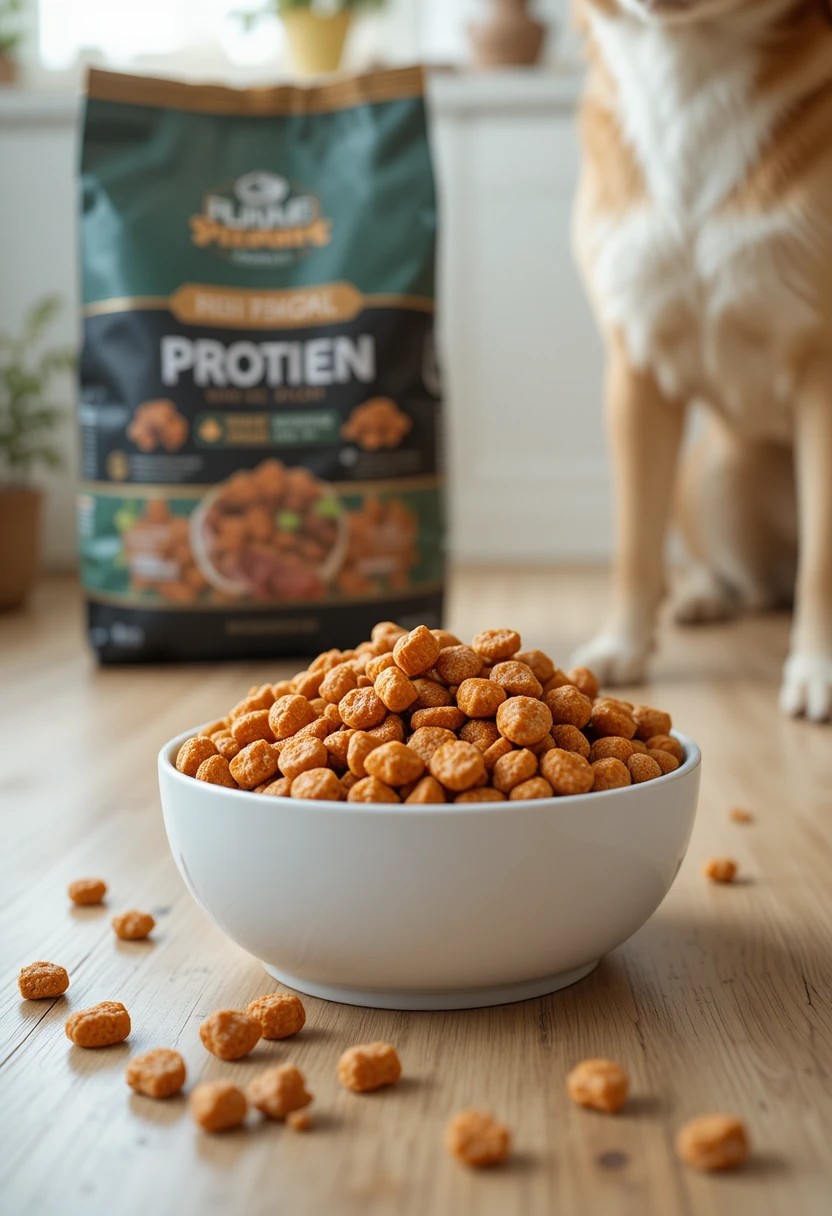
Protein is the foundation of muscle maintenance for a large dog, and it needs to come from a real, named source not a mystery “meat by-product.” Look for formulas listing chicken, beef, lamb, or fish as the very first ingredient, ideally backed by 25%+ protein on a dry matter basis.
Quick tip: More protein isn’t automatically better for large breed puppies specifically it also raises phosphorus intake, which has to stay balanced against calcium. This is one area where “more” doesn’t mean “healthier.” For adult and active dogs, though, quality whole-meat protein is exactly what supports lean muscle that stabilizes those big joints.
2. Large Breed Puppy-Specific Formulas
This one is non-negotiable. A large-breed puppy should never eat regular adult food or a small-breed puppy formula the calorie and calcium levels are wrong for their growth curve. Large-breed puppy formulas are engineered to slow growth just enough to let bones and joints develop at a healthy pace, reducing the risk of developmental orthopedic issues down the road.
Most large-breed puppies benefit from staying on puppy-specific food until they’re roughly 12 to 18 months old, depending on the breed a Great Dane will need it longer than a Boxer.
3. Joint-Support Formulas with Glucosamine and Chondroitin
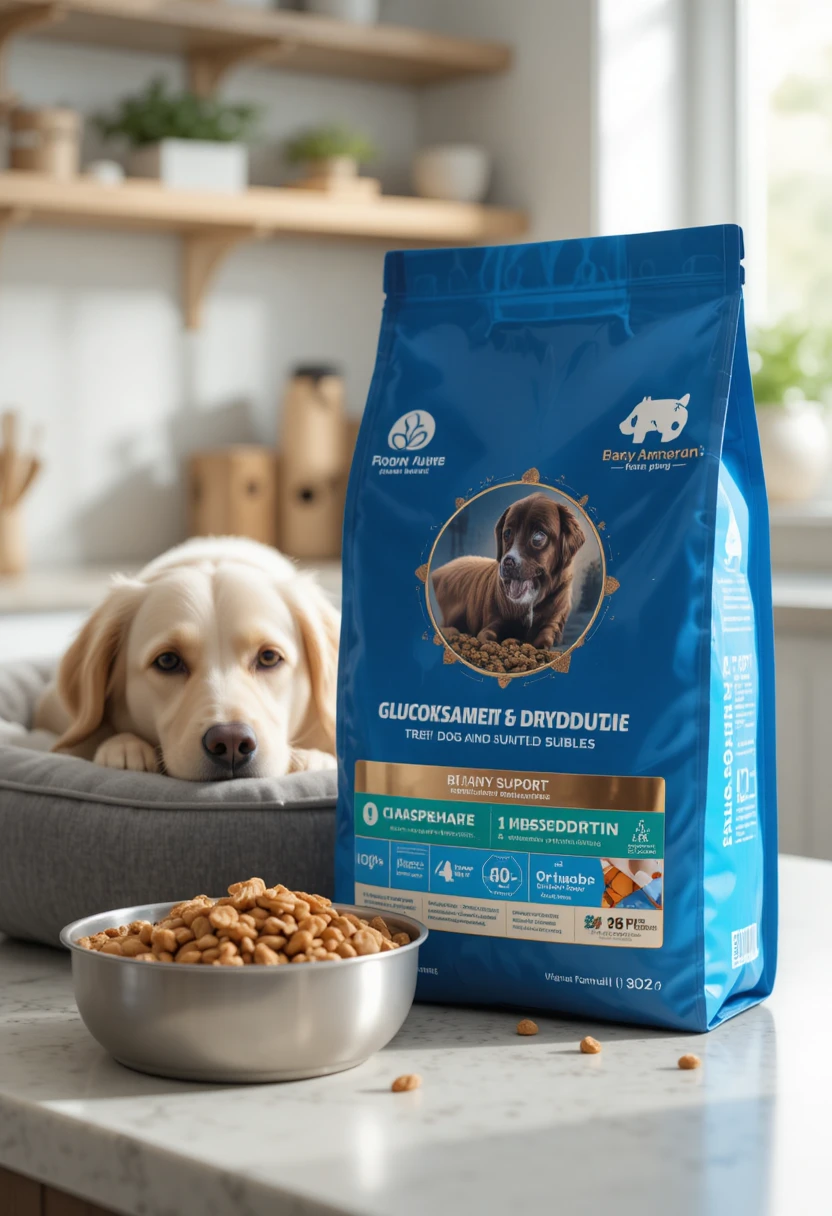
Here’s a save-worthy stat: research suggests dogs over 100 pounds may carry as much as a 20% lifetime bloat risk, and separately, joint issues like hip dysplasia and arthritis show up disproportionately in large breeds too. Formulas fortified with glucosamine, chondroitin, and omega-3s (EPA/DHA) help maintain cartilage and joint lubrication before problems even start not just after your dog starts limping.
Read Also: 13+ Genius Ways to Potty Train a Puppy
4. Grain-Free Large Breed Recipes
Grain-free formulas swap wheat, corn, and soy for alternative carb sources like sweet potato, peas, or lentils. For dogs with confirmed grain sensitivities, this can genuinely help with digestion and coat condition.
But there’s a catch: grain-free isn’t automatically “healthier” for every dog it’s a solution for a specific problem, not a universal upgrade. If your large breed dog handles grains fine, a grain-inclusive formula (next on the list) may actually be the smarter, more balanced choice.
5. Grain-Inclusive, Balanced-Carb Formulas
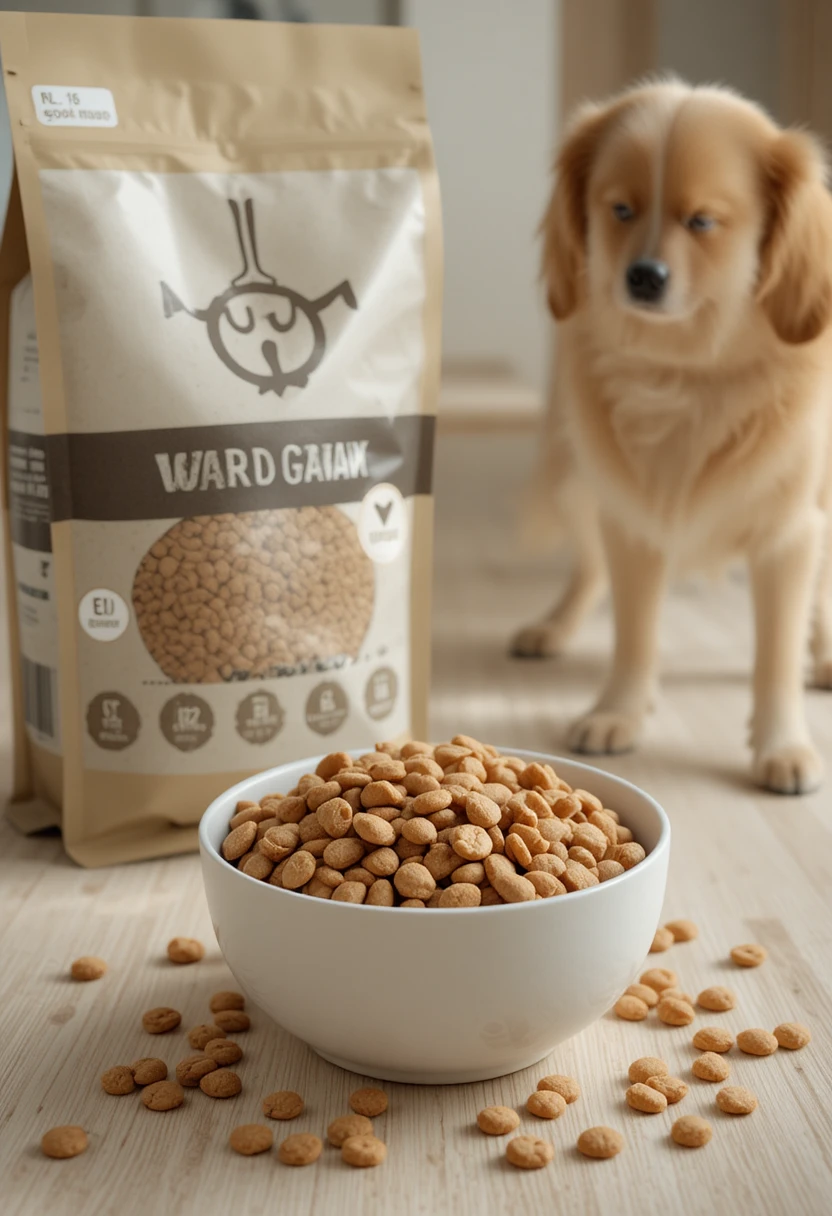
Whole grains like brown rice, barley, and oats provide steady, digestible energy and fiber both useful for a large dog that needs sustained energy without a blood-sugar spike. If your dog has no grain sensitivity, this category is often the most budget-friendly and nutritionally complete option on the shelf.
6. Weight Management / Healthy Weight Formulas
Excess weight is arguably the single biggest controllable threat to a large breed dog’s joints. Every extra pound compounds pressure on hips, elbows, and knees that are already carrying a heavier frame than average.
Healthy-weight formulas reduce calorie density while keeping protein high, so your dog stays satisfied and maintains lean muscle without packing on fat. If your vet has ever mentioned your dog’s body condition score, this is the category to explore.
7. Senior Large Breed Formulas
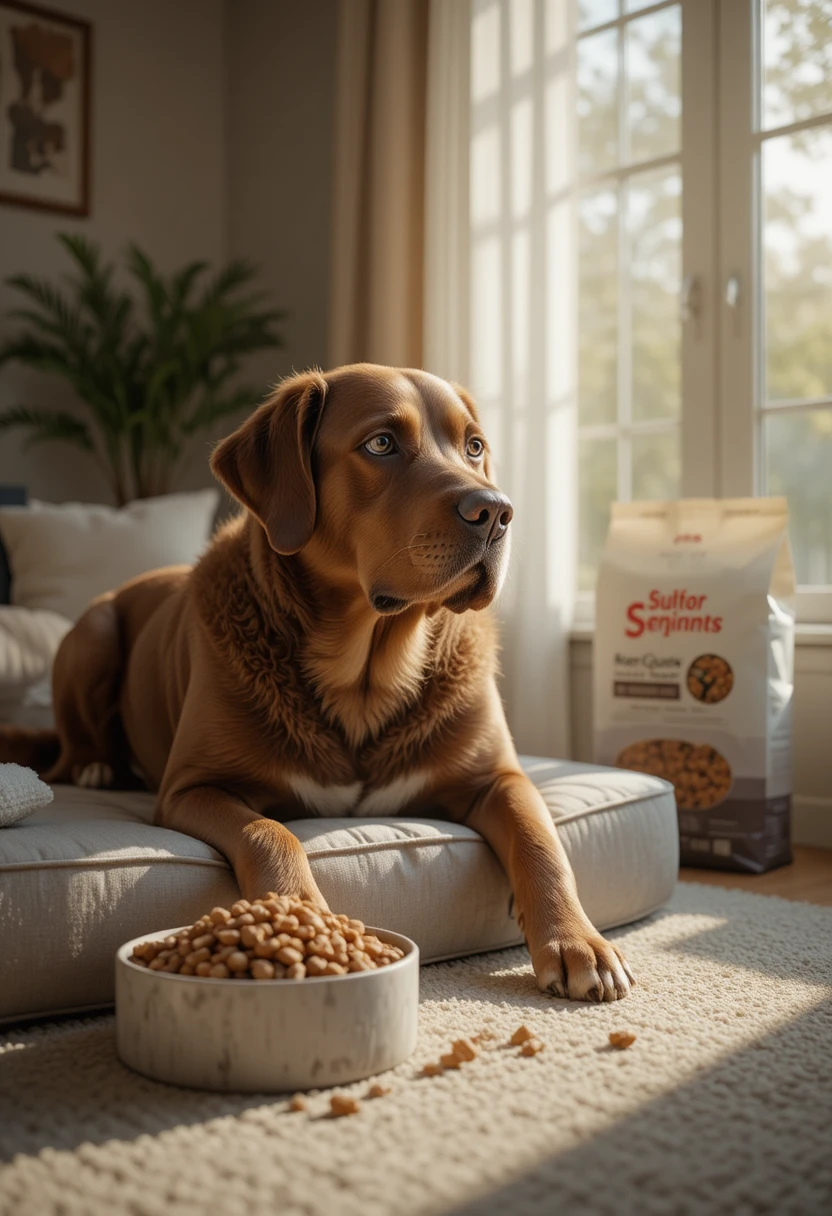
Large breeds age faster than small ones a Great Dane is considered a senior by around 6 years old, while a small terrier might not hit “senior” until 10 or 11. Senior large-breed formulas typically dial back calories (since metabolism and activity slow down) while boosting joint-support nutrients and adding antioxidants for cognitive health.
Save this for later: if your large breed is entering their golden years, don’t wait for visible stiffness to make the switch proactive senior nutrition supports joints before symptoms appear.
8. Limited-Ingredient Diets for Sensitive Stomachs
Large breeds can be surprisingly prone to digestive sensitivities, and a limited-ingredient diet (LID) strips the formula down to one protein source and one or two carbohydrates. This makes it far easier to identify and avoid whatever’s triggering upset stomach, itchy skin, or chronic ear infections.
If you’re troubleshooting a sensitivity, this is often the first category a vet will recommend trying.
9. Fresh and Gently Cooked Dog Food
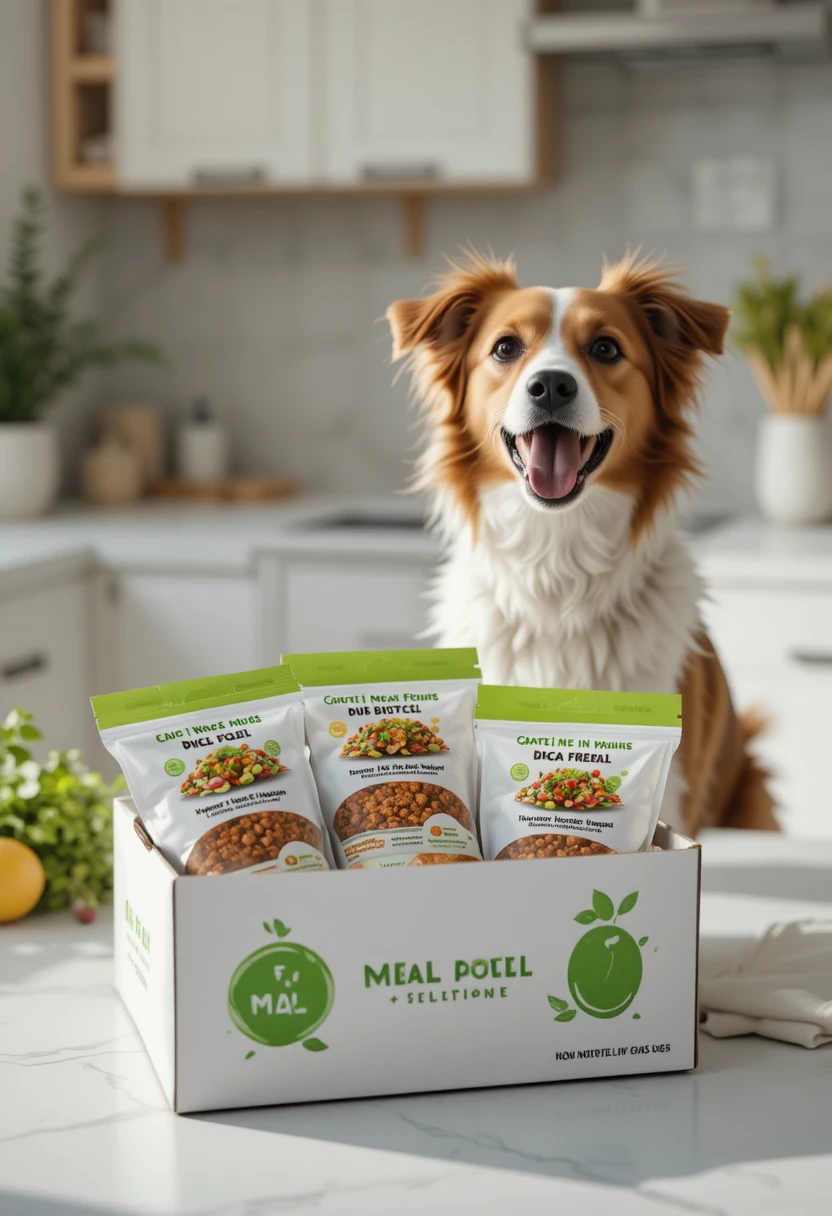
Fresh, gently-cooked meal delivery has exploded in popularity, and for good reason: it uses real, human-grade ingredients cooked at lower temperatures to preserve nutrients, often delivered pre-portioned to your door. For large breeds specifically, portion accuracy matters a lot overfeeding a giant breed by “just a little” every day adds up fast.
The tradeoff is cost: fresh food is almost always pricier per calorie than traditional kibble, so it’s worth budgeting for if you go this route.
10. Raw and Freeze-Dried Raw Diets
Raw and freeze-dried raw diets aim to mimic an ancestral, high-protein, minimally processed diet. Some large breed owners report shinier coats and better energy on raw feeding but this category requires careful attention to that calcium-phosphorus balance we mentioned earlier, since improperly balanced raw diets can do real harm to a growing large-breed puppy’s skeleton.
If you’re considering raw feeding for a puppy especially, loop your vet in first this is one area where DIY guesswork carries real risk.
11. Wet or Canned Large Breed Food
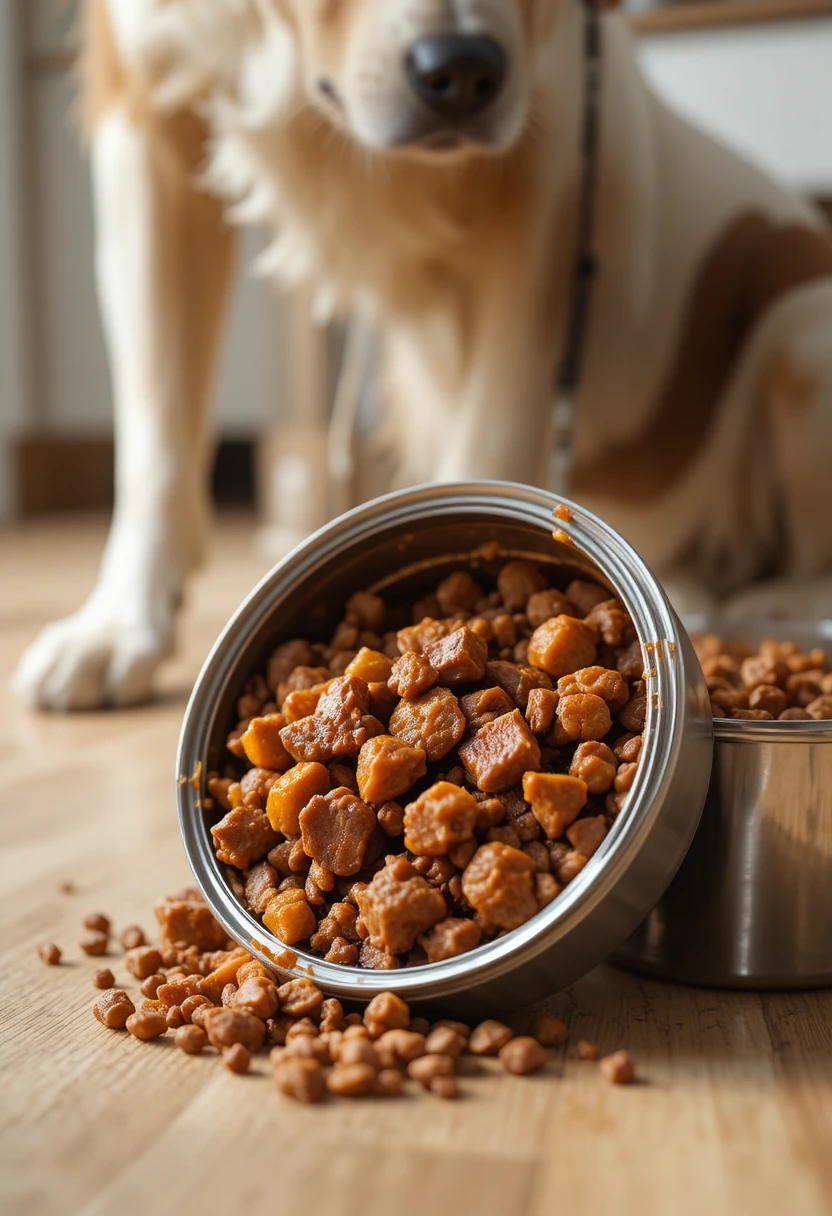
Wet food isn’t just for picky eaters. The higher moisture content supports hydration and can be gentler on digestion, and mixing a bit of wet food into kibble is a classic trick for large breeds that eat too fast (which, remember, is a bloat risk factor). Look for large-breed-specific wet formulas so the calorie density still matches your dog’s size.
12. Budget-Friendly Large Breed Kibble
You don’t have to spend a fortune to feed well. Solid grain-inclusive kibbles with a named protein source, appropriate calorie control, and basic joint support exist at every price point. The real budget mistake isn’t choosing an affordable brand it’s choosing a food that isn’t formulated for large breeds at all, which can cost you far more in vet bills later.
13. High-Calorie Formulas for Working and Active Dogs
Working breeds, service dogs, and highly active large breeds (think field-trial Labs or ranch-working Shepherds) burn through calories that a standard formula won’t replace. These performance-style formulas pack in more fat and protein density to fuel sustained activity without your dog dropping weight it can’t afford to lose.
14. Vet-Formulated Homemade Meals
Some owners prefer to cook at home, and that’s absolutely workable for a large breed as long as a veterinary nutritionist has formulated the recipe. This isn’t the place to freestyle with chicken and rice; large dogs need precise calcium, phosphorus, and micronutrient ratios that are genuinely hard to hit without professional guidance.
15. Bloat-Conscious Formulas for Deep-Chested Breeds
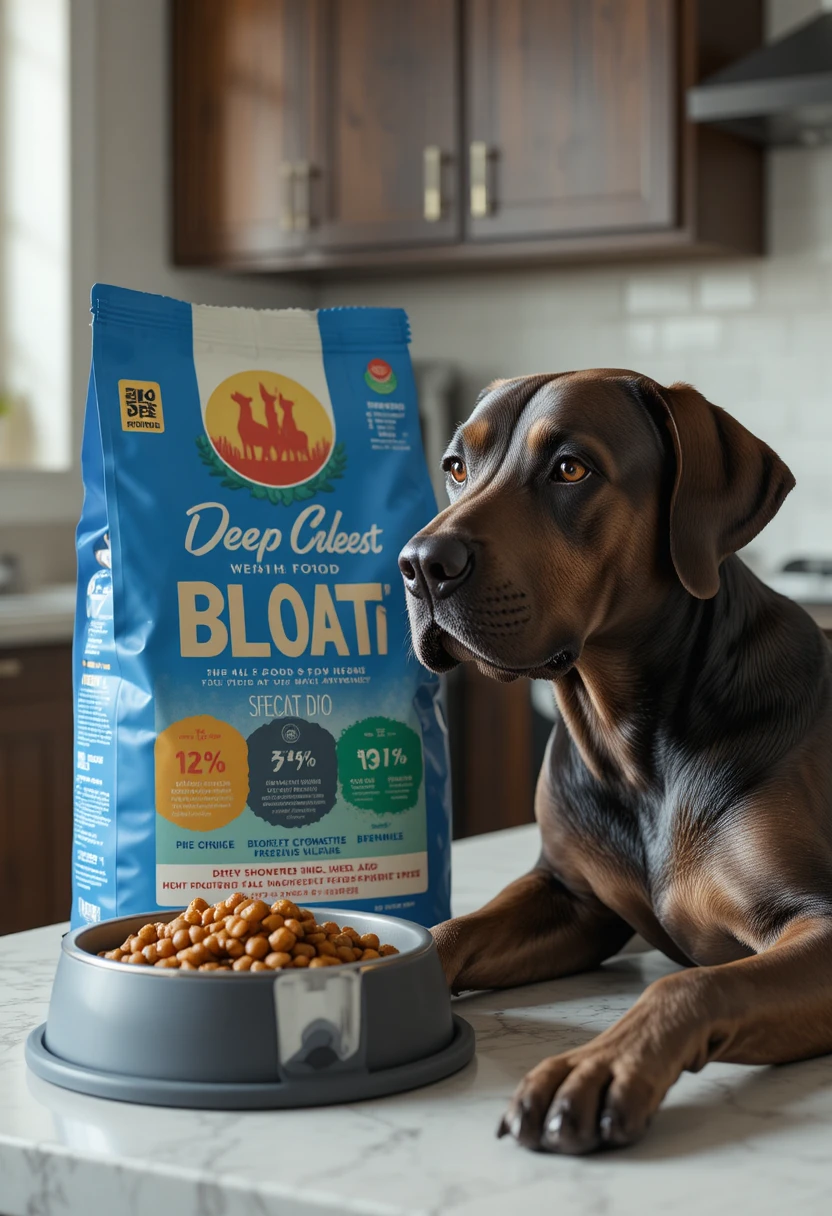
If your large breed falls into a high-risk group for bloat (Great Danes, German Shepherds, Standard Poodles, Doberman Pinschers, Weimaraners), look specifically for larger kibble pieces designed to slow eating speed, and pair the food with feeding habits that reduce risk more on that next.
How to Transition Your Large Breed Dog to a New Food
Switching foods abruptly is one of the fastest ways to trigger digestive upset in a large dog. Instead, blend the new food in gradually over 7–10 days:
- Days 1–3: 25% new food, 75% old food
- Days 4–6: 50/50 mix
- Days 7–9: 75% new food, 25% old food
- Day 10: 100% new food
If you notice loose stool or vomiting at any stage, slow the transition down rather than pushing through.
Frequently Asked Questions
How much protein does a large breed dog actually need?
Adult large breeds generally do well on formulas with at least 25% protein on a dry matter basis, sourced from a named animal protein. Puppies need slightly more to support growth, but it should come alongside a properly balanced calcium-phosphorus ratio.
Is grain-free food better for large breeds?
Not automatically. Grain-free is genuinely helpful for dogs with diagnosed grain sensitivities, but for dogs without a sensitivity, a quality grain-inclusive formula is often just as nutritious and typically more budget-friendly.
When should a large breed puppy switch to adult food?
Most large breed puppies should stay on large-breed puppy formula until around 12–18 months old, with giant breeds often needing it even longer. Your vet can confirm timing based on your specific breed and growth rate.
Can diet really help prevent bloat?
Diet and feeding habits are part of the picture, though bloat has multiple risk factors including breed, genetics, and temperament. Feeding two or more smaller meals instead of one large one, choosing larger kibble, and avoiding hard exercise around mealtimes are the most consistently recommended preventive habits.
Do large breed dogs need joint supplements even if they seem healthy?
Many vets recommend proactive joint support (glucosamine, chondroitin, omega-3s) starting well before any visible stiffness appears, precisely because large breeds are structurally predisposed to joint stress over time.
What’s the biggest mistake owners make feeding large breeds?
Two, really: feeding a large-breed puppy regular adult or small-breed food, and free-feeding or overfeeding, which compounds joint stress through excess weight. Both are easy to fix once you know to watch for them.
Bringing It All Together
Feeding a large breed dog well isn’t about finding one “perfect” bag of food it’s about matching the category of food to your dog’s life stage, activity level, and any specific health needs, while keeping that joint-support, calorie-control, and bloat-conscious framework in the back of your mind every time you shop.
Whether you land on a high-protein kibble, a fresh delivery service, or a vet-formulated homemade plan, the goal stays the same: feed for the dog you’ll have in ten years, not just the one wagging at your feet today.