
Your cat has been acting a little “off” lately. Maybe she’s hiding more, skipping the litter box, or grooming herself raw. You’ve checked for the obvious stuff no fleas, no injuries and you’re starting to wonder: is my cat stressed?
Here’s the tricky part. Cats are experts at masking discomfort. In the wild, showing weakness makes you a target, so your cat’s instincts tell her to hide what she’s feeling, even from the person who loves her most. That means by the time stress becomes obvious, it’s often already been building for weeks.
The good news? Once you know what to look for, cat stress signals become much easier to spot. Below are 14+ signs your cat may be dealing with stress or anxiety, what’s likely causing it, and exactly what you can do to help her feel safe again.
What Does Stress Actually Look Like in Cats?
Before diving into the list, it helps to understand why stress shows up the way it does. Cats are creatures of habit who thrive on routine and predictability. When something in their world shifts a new pet, a move, a loud renovation next door their nervous system reacts the same way ours does: fight, flight, or freeze.
Unlike dogs, cats don’t have expressive faces or wagging tails to broadcast how they feel. Instead, stress shows up in subtle shifts to behavior, body language, appetite, and grooming habits. Some signs are behavioral, some are physical, and some overlap heavily with underlying illness which is exactly why a vet visit matters if anything below sounds familiar.
14+ Signs of Stress in Cats
1. Hiding More Than Usual
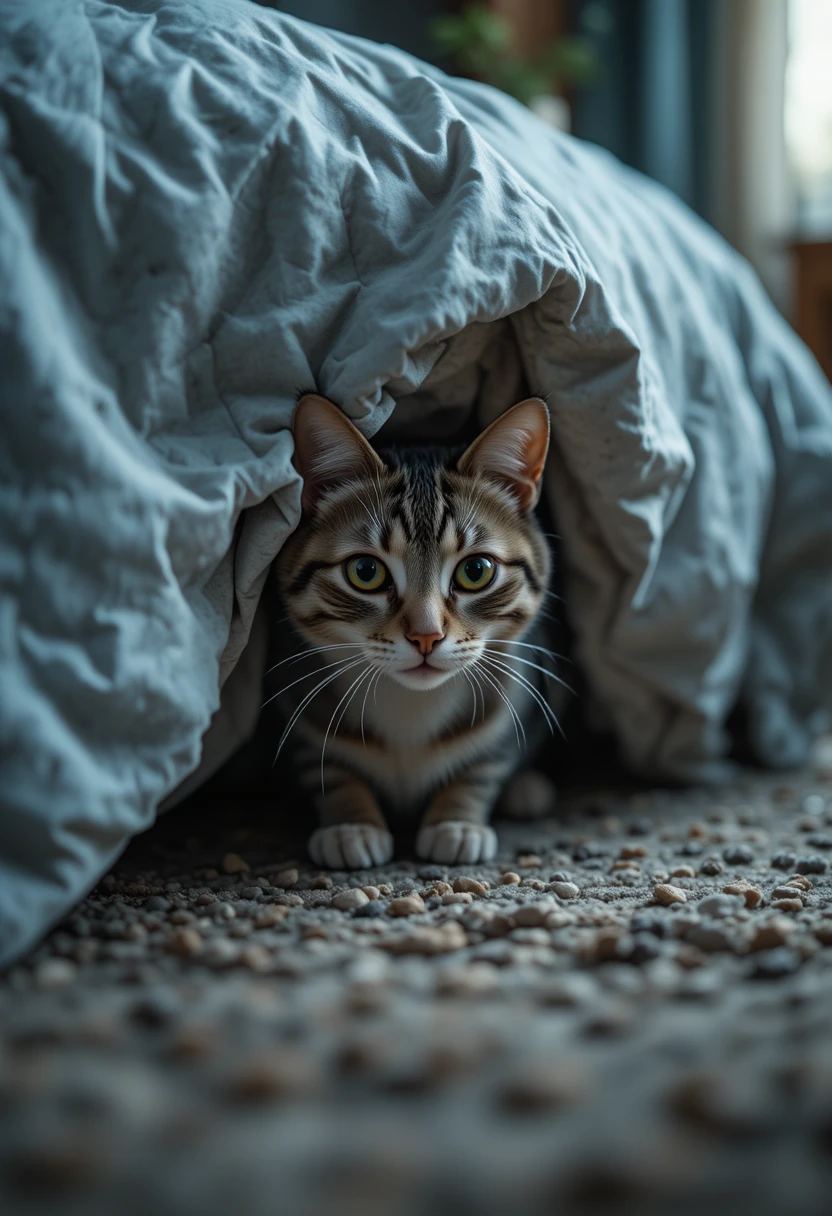
A cat who suddenly disappears under the bed, into closets, or behind furniture for long stretches is often telling you she doesn’t feel safe. Occasional alone time is normal cat behavior, but a noticeable increase in hiding, especially paired with avoiding people she used to enjoy being around, is one of the clearest stress indicators.
2. Increased Aggression or Irritability
Hissing, swatting, or growling at people or pets she normally tolerates is a red flag. Aggression in a previously easygoing cat usually means she’s feeling overwhelmed, threatened, or in pain, not that she’s suddenly become “mean.”
3. Excessive Grooming or Bald Patches
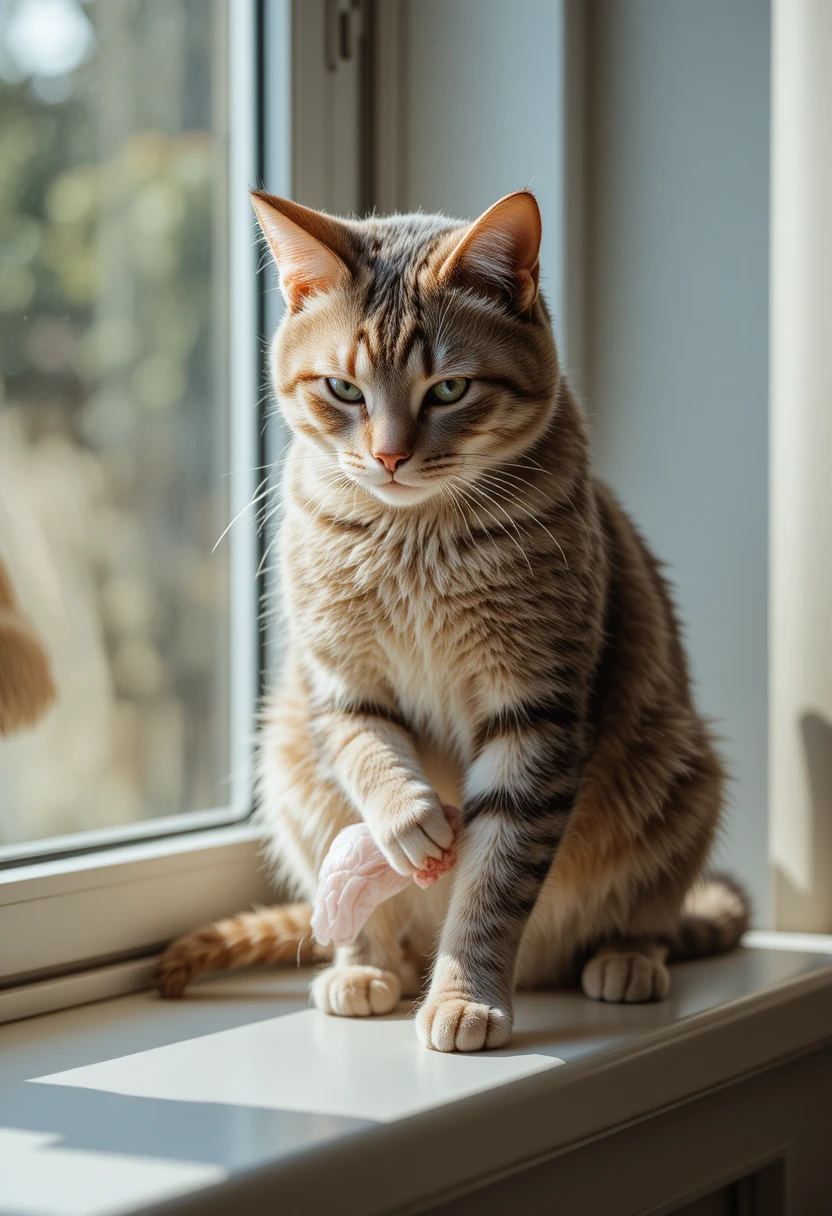
Stress can trigger compulsive licking, sometimes called psychogenic alopecia, leading to thinning fur or bald spots, most often on the belly, inner legs, or flank. This over-grooming is a self-soothing behavior, similar to nail-biting in humans.
Read Also: 13+ Best Dog Food Ideas for Large Breeds
4. Not Grooming at All
On the flip side, some stressed cats stop grooming altogether, leaving their coat looking greasy, matted, or unkempt. This is especially common when stress is linked to pain or illness, since grooming takes a back seat when a cat isn’t feeling well.
5. Urinating or Defecating Outside the Litter Box
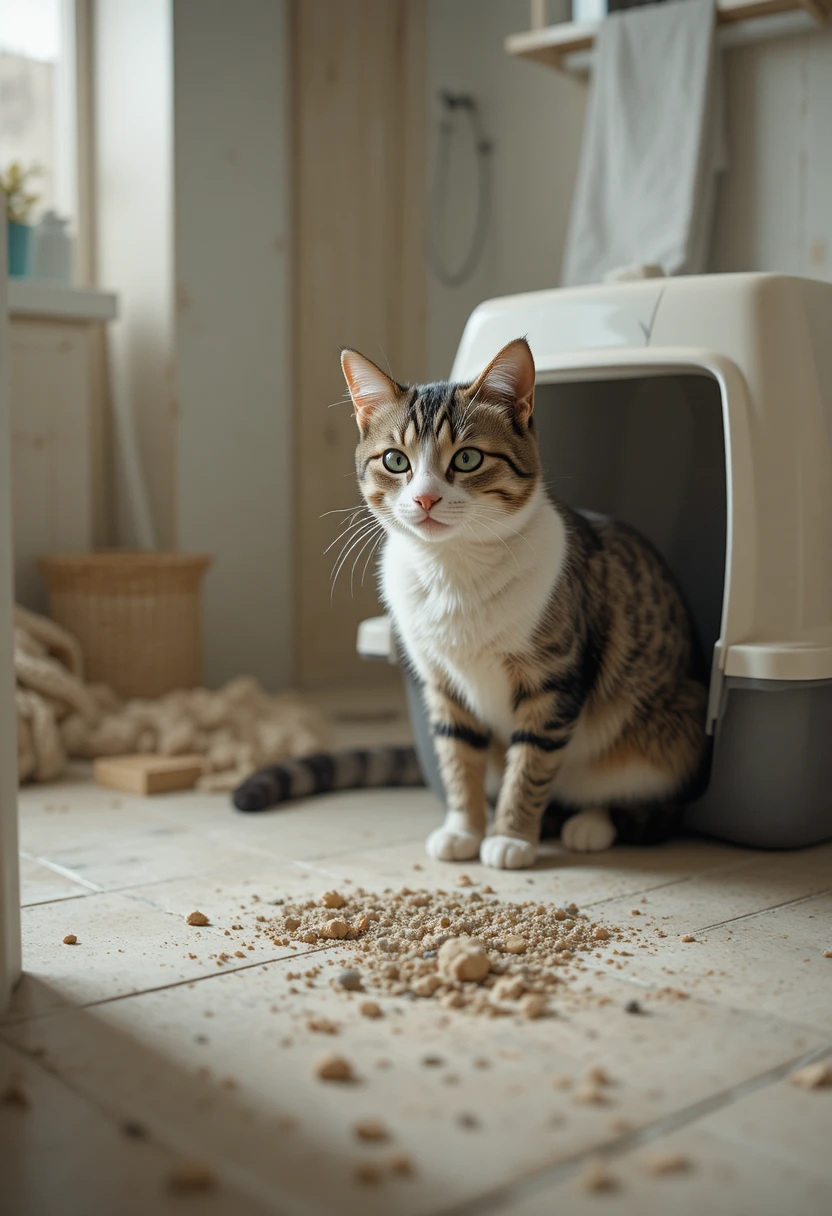
This is one of the most common and most frustrating signs of a stressed cat. Anxious cats are prone to feline idiopathic cystitis, a painful bladder condition strongly linked to stress, which can make them associate the litter box itself with discomfort.
Always rule out a medical cause first. Litter box issues can stem from urinary tract infections or blockages, which need prompt veterinary attention.
6. Loss of Appetite or Sudden Overeating
Stress can swing appetite in either direction. Some cats stop eating almost entirely, while others turn to food for comfort and start begging or stealing food more than usual. A sudden appetite change of any kind is worth a vet call, since it can also point to an underlying illness.
7. Excessive Vocalization
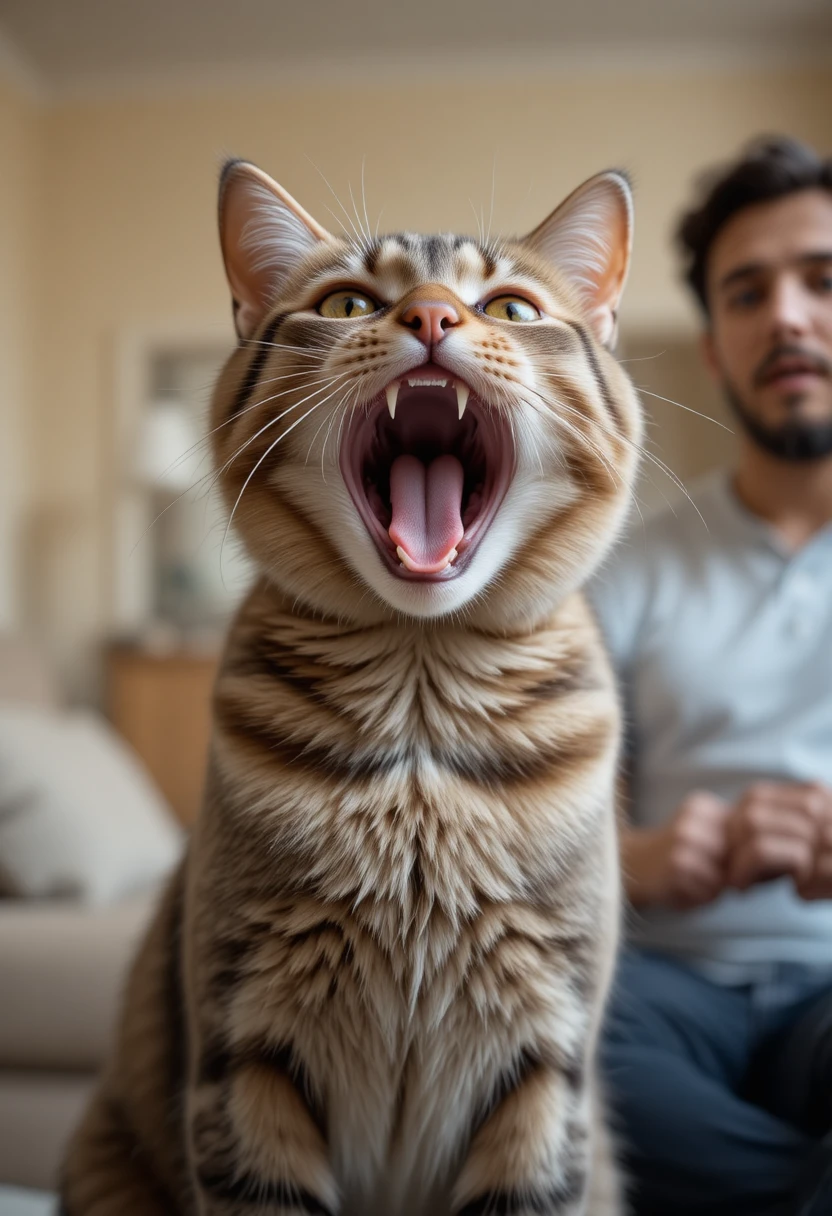
A cat who is suddenly meowing, yowling, or crying far more than her usual chatter level may be expressing distress, confusion, or discomfort. This is especially notable in senior cats, where increased vocalization can also signal cognitive changes or pain.
8. Lethargy and Reduced Playfulness
If your usually curious, playful cat is suddenly sleeping all day and showing no interest in toys or interaction, stress could be weighing her down. Chronic stress often shows up as a general flatness or low energy that’s easy to write off as “just getting older.”
9. Restlessness or Pacing
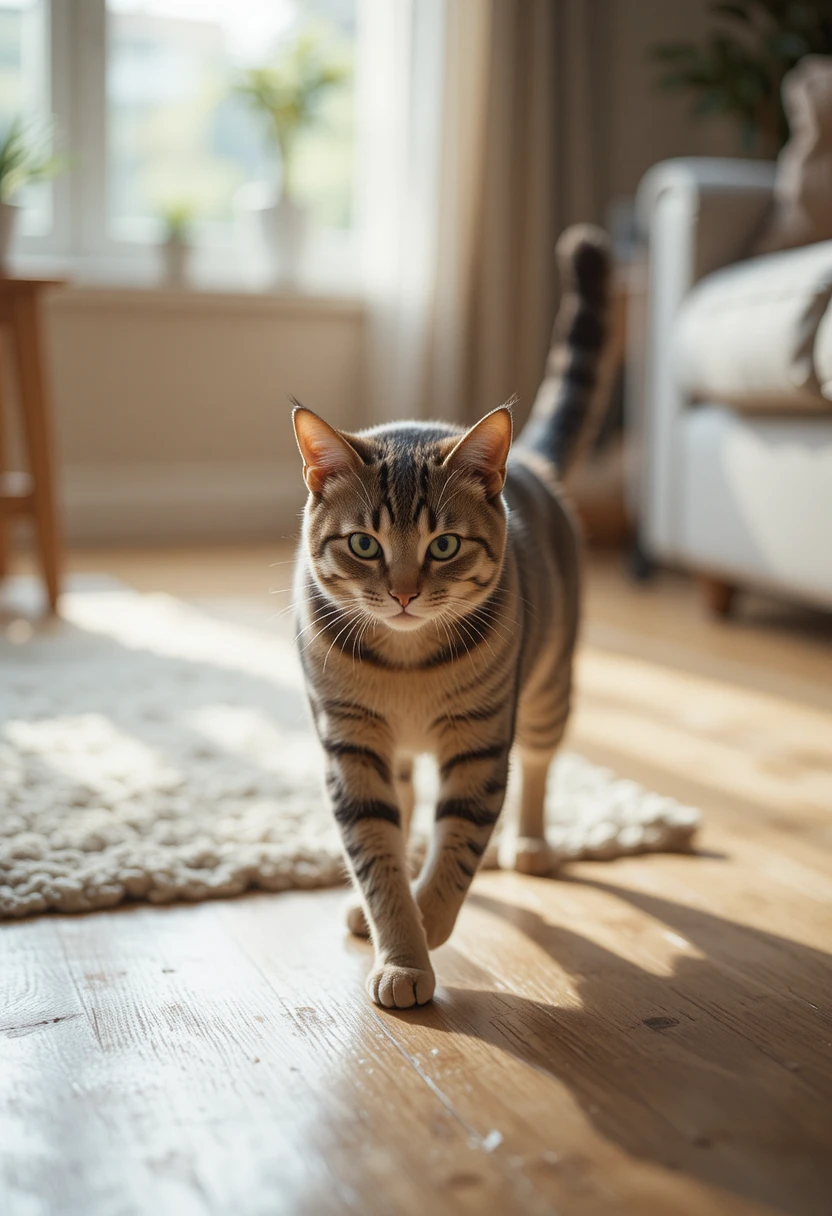
Some stressed cats can’t seem to settle. You might notice pacing, an inability to get comfortable, or repeatedly moving from spot to spot. This restlessness often reflects an internal state of hypervigilance, where the cat feels like she constantly needs to be on alert.
10. Increased Scratching
While scratching is completely normal cat behavior, a sudden increase in scratching, or scratching in new spots around the house, can be a stress-related coping mechanism. Cats scratch to mark territory and relieve tension, so more scratching often means more anxiety.
11. Changes in Sleep Patterns
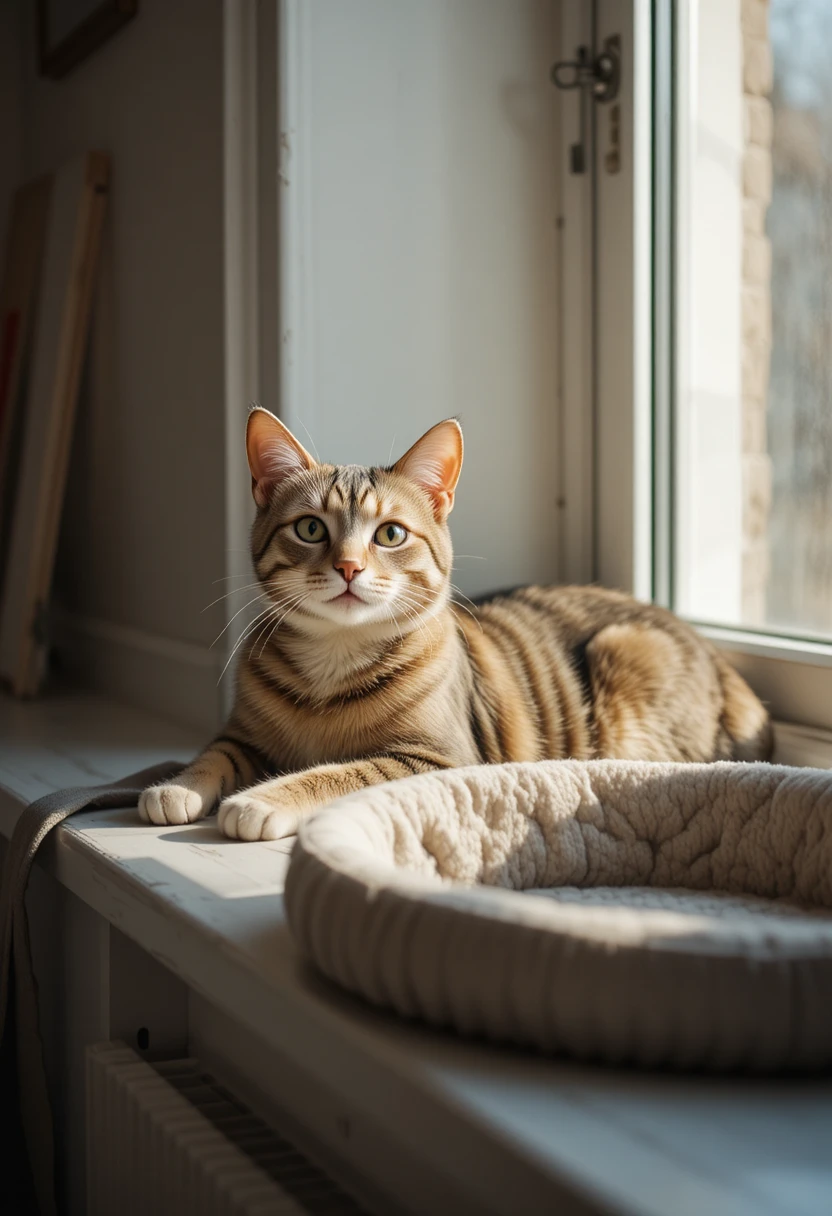
Stress can disrupt a cat’s sleep just like it does ours. You might notice her sleeping in unusual places, at unusual times, or seeming restless during naps rather than fully settled.
12. Avoiding Other Pets or Family Members
A stressed cat may start avoiding a specific person or pet she used to seek out. This is especially common after a new animal joins the household, or when there’s tension in a multi-cat home over shared resources like food bowls or litter boxes.
13. Dilated Pupils and Flattened Ears
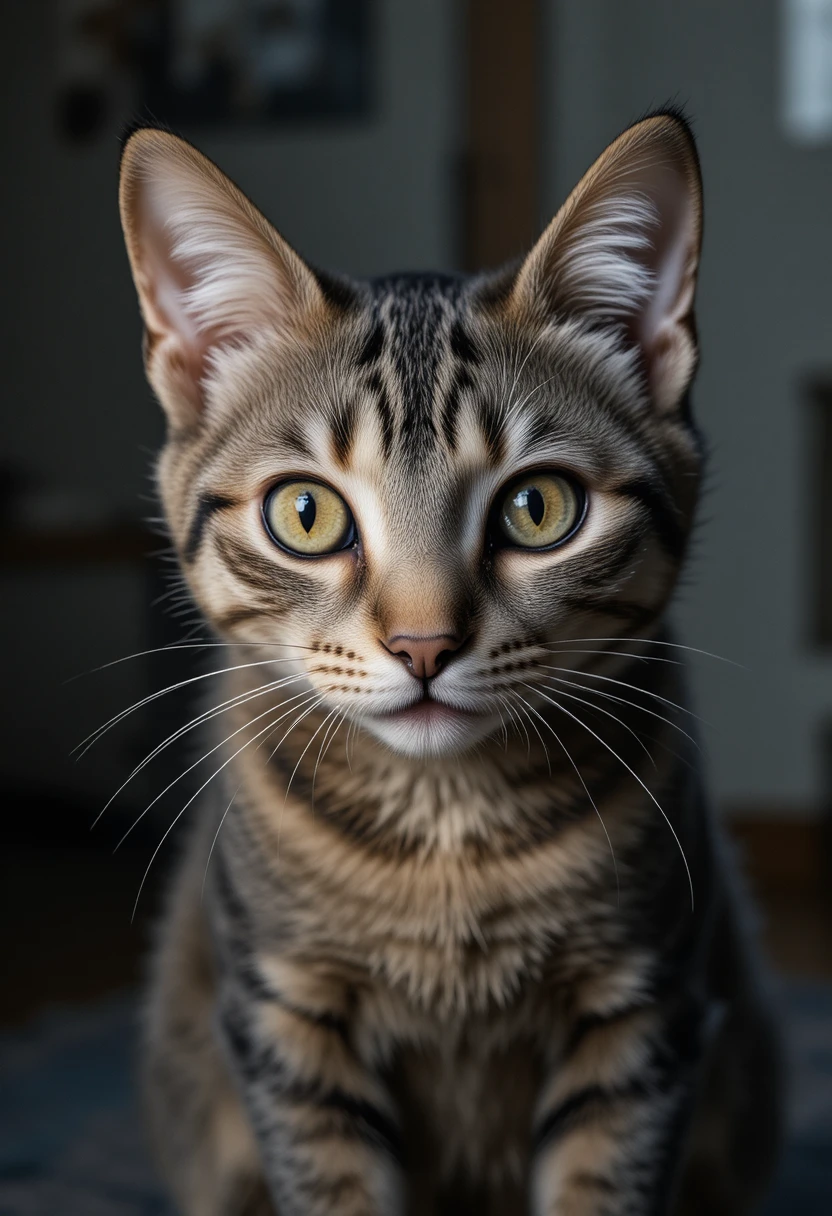
Body language is one of the fastest ways to catch stress in the moment. Watch for pupils that stay dilated even in normal lighting, ears pinned back or sideways, a low crouched posture, or a tail tucked tightly against the body.
14. Digestive Issues Like Vomiting or Diarrhea
Stress can inflame a cat’s digestive system, making vomiting, diarrhea, or a generally upset stomach more likely. Because these symptoms overlap with dozens of medical conditions, they should always prompt a vet visit rather than being chalked up to stress alone.
15. Reduced Interest in Play or Enrichment
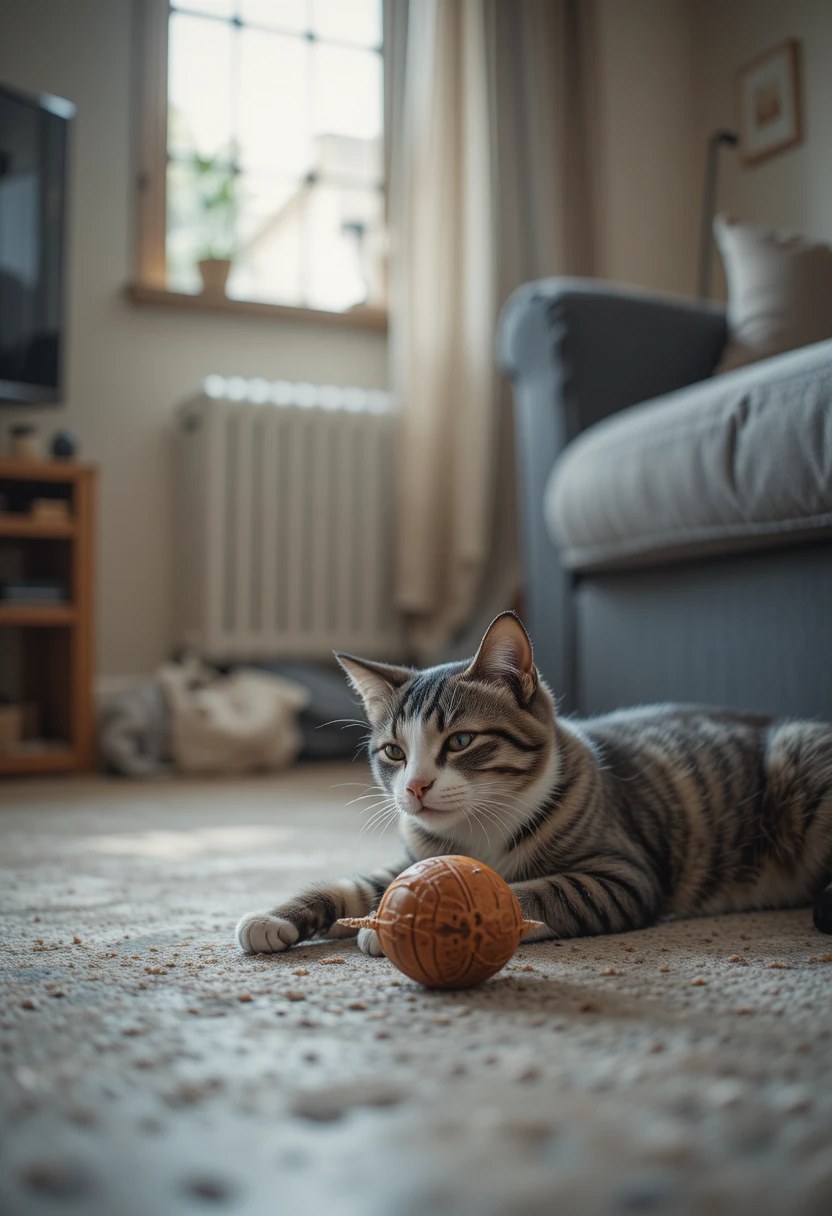
Toys that used to get an instant pounce now sit untouched. A drop in play drive is a quieter sign of stress that’s easy to miss, but it often shows up before more obvious symptoms do.
16. Overreacting to Normal Sounds or Movement
A stressed cat’s nervous system is primed for threat detection. You might notice her startling at everyday sounds, bolting from the room when a door closes, or reacting dramatically to movements she used to ignore completely.
What Causes Stress in Cats?
Once you’ve spotted the signs, the next question is why. Common stress triggers include:
- A new pet or family member entering the home
- Moving house or rearranging furniture
- Changes in routine, like feeding times or your work schedule
- Loud noises, such as construction, fireworks, or thunderstorms
- Boredom from a lack of mental or physical stimulation
- Pain or illness, which can both cause and be worsened by stress
- Conflict with other cats in the household, especially over shared resources
- Travel, including car rides or unfamiliar environments
Because so many of these overlap with medical symptoms, any sudden behavior change deserves a conversation with your veterinarian before you assume it’s “just stress.”
How to Help a Stressed Cat Feel Safe Again
The good news is that most stress-related behaviors improve significantly once the underlying cause is addressed. A few reliable places to start:
- Stick to a predictable routine for feeding, playtime, and litter box cleaning.
- Give her vertical space and hiding spots, like a cat tree near a window or a covered bed.
- Add enrichment, such as puzzle feeders, interactive toys, and scheduled play sessions.
- Keep litter boxes clean and accessible the general rule is one box per cat, plus one extra.
- Consider pheromone diffusers, which mimic calming feline facial pheromones.
- Introduce changes gradually, whether that’s a new pet, a new food, or a rearranged room.
- Book a vet visit any time symptoms are sudden, severe, or paired with physical changes like weight loss or vomiting.
When to Call the Vet
Because so many stress signs mirror illness, it’s worth being direct here: any sudden change in appetite, litter box habits, vomiting, diarrhea, or energy level warrants a veterinary visit. Your vet can rule out underlying medical issues and, if needed, recommend anti-anxiety support, calming supplements, or behavioral strategies tailored to your cat.
Frequently Asked Questions
How do I know if my cat is stressed or just tired?
Occasional napping is normal, but stress-related lethargy usually comes with other changes too, like reduced appetite, hiding, or a loss of interest in play. If low energy is paired with any of these, it’s worth a closer look.
Can stress make cats sick?
Yes. Chronic stress is linked to real physical effects in cats, including bladder inflammation, digestive upset, and a weakened immune response. This is part of why addressing stress early matters for long-term health.
How long does cat stress usually last?
It depends on the cause. Stress tied to a specific, temporary event (like a houseguest) often resolves within days to a couple of weeks. Ongoing stressors, like tension between household pets, may need longer-term management.
Is it normal for a cat to hide for days?
A day or two of extra hiding after a stressful event isn’t unusual, but hiding that continues for several days, especially combined with not eating, should be checked out by a vet promptly.
The Bottom Line
Cats rarely announce that something’s wrong, which makes it easy for stress to go unnoticed until it’s affecting their health. Learning to read the subtle signals, hiding, changes in grooming, litter box habits, appetite, and body language, gives you a real head start on helping your cat feel secure again.