
Your puppy just had an accident on the rug for the third time today, and you’re starting to wonder if this is just. how it’s going to be now.
It isn’t. Potty training a puppy is one of the most teachable skills in dog ownership it just requires the right sequence of moves, not more patience than you already have. Most “accidents” aren’t a puppy being stubborn or dumb. They’re a management gap: a bladder that’s smaller than the schedule you’re asking it to follow, or a signal you missed by thirty seconds.
Below are 13+ ideas that actually move the needle, pulled from what works in real households not just “take them outside a lot.” Save this one, because you’ll probably want to reference it more than once over the next few weeks.
Why Potty Training Feels Harder Than It Should
Here’s the thing most new puppy parents don’t realize going in: an 8-week-old puppy has almost no physical ability to “hold it.” Their bladder muscles and the nerve signals that control them are still developing. So when your puppy has an accident five minutes after you brought them in from outside, that’s not defiance that’s biology catching up with a body that hasn’t finished growing.
Once you understand that, the whole approach changes. You’re not correcting bad behavior. You’re managing a small animal’s developing plumbing until it matures enough to cooperate with a schedule. That reframe alone makes the next few weeks feel a lot less personal.
1. Start the Very Day They Come Home
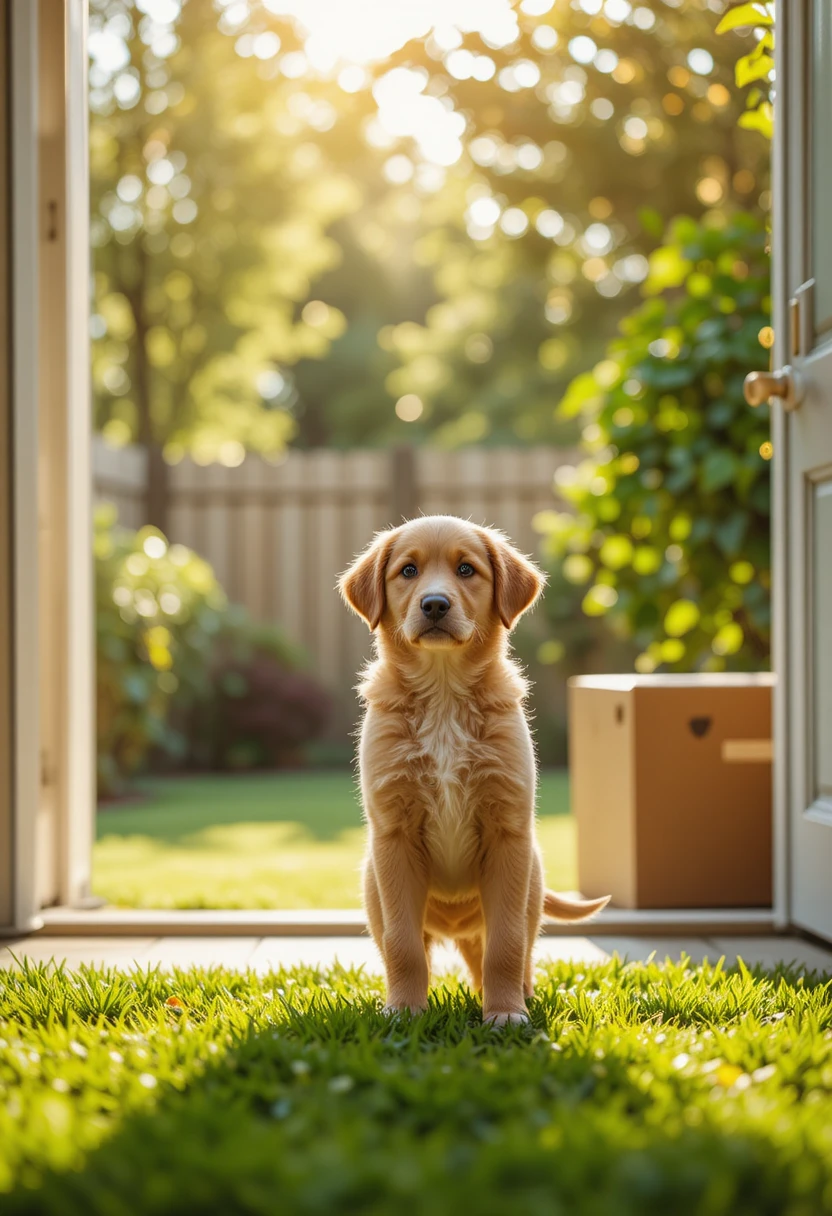
Don’t wait for a “settling in” period. Puppies begin absorbing household patterns from hour one, and the earlier a consistent potty routine starts, the fewer bad habits there are to undo later. The moment your puppy walks through the door, take them straight to the spot where you want them to go potty before they’ve had the chance to go anywhere else first.
2. Build a Schedule Around Their Actual Age
This is the single biggest lever in potty training, and it’s the one most owners get wrong. A simple rule of thumb: take your puppy’s age in months and add one that’s roughly the maximum number of hours they can comfortably hold their bladder. A 3-month-old puppy, for example, tops out around four hours between breaks.
A rough starting framework looks like this:
- 8–10 weeks old: every 30–60 minutes while awake and active
- 3 months old: roughly every 2–4 hours
- 4–5 months old: roughly every 3–5 hours
- 6+ months old: many puppies can start holding it through the night
3. Pick One Potty Spot and Never Change It
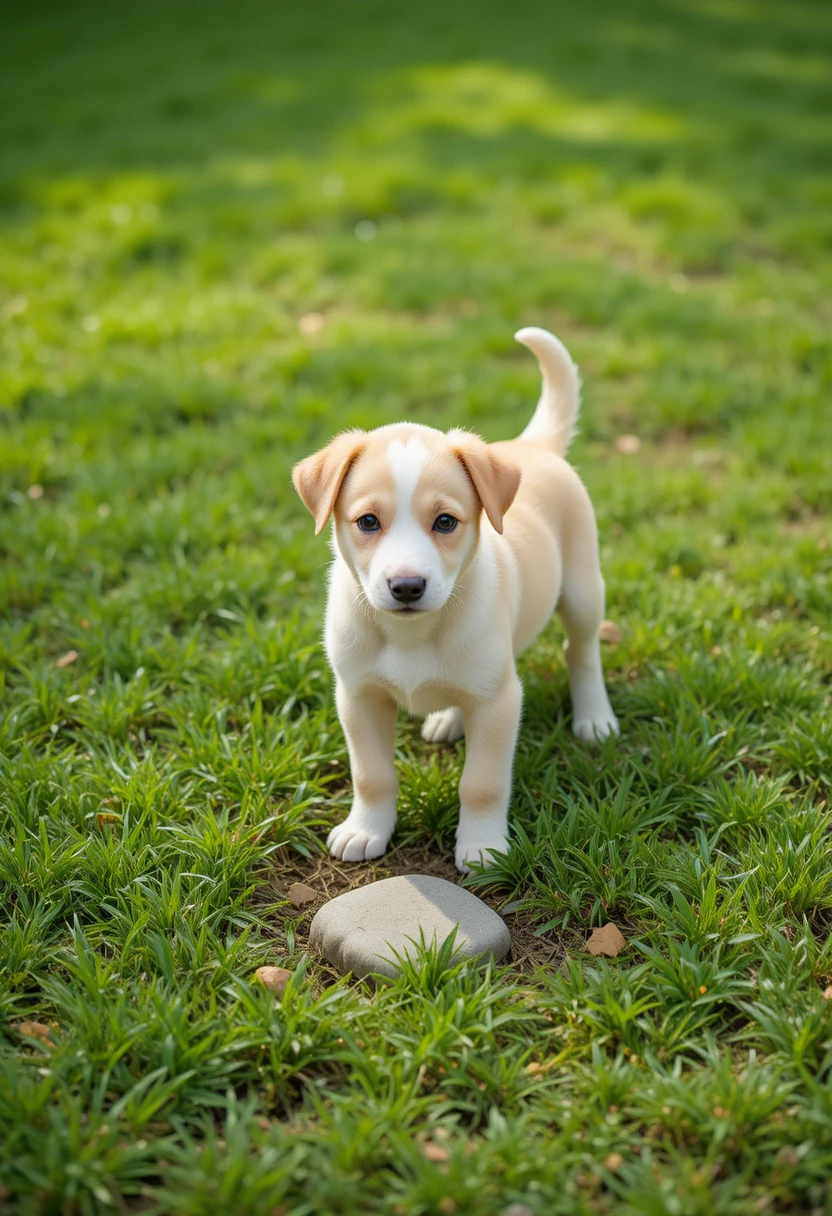
Dogs are creatures of habit, and scent plays a huge role in where they feel comfortable eliminating. Choose one consistent outdoor (or designated indoor) spot before your puppy even arrives, and take them to that exact location every single time. The lingering scent becomes a cue in itself your puppy will start to associate that specific patch of grass with “this is where I go,” which speeds everything up.
Read Also: How to Crate Train a Puppy: 11+ Genius Ideas That Actually Work
4. Use a Crate But Make It a Place They Actually Like
Crate training works because dogs instinctively avoid soiling the space where they sleep and rest. But the crate only works if it feels safe, not like punishment. Introduce it gradually with treats, meals, and short positive sessions before ever using it for confinement. The size matters too big enough to stand, turn around, and lie down, but not so roomy that they can potty in one corner and nap in another.
5. Learn to Read the Signals Before the Accident
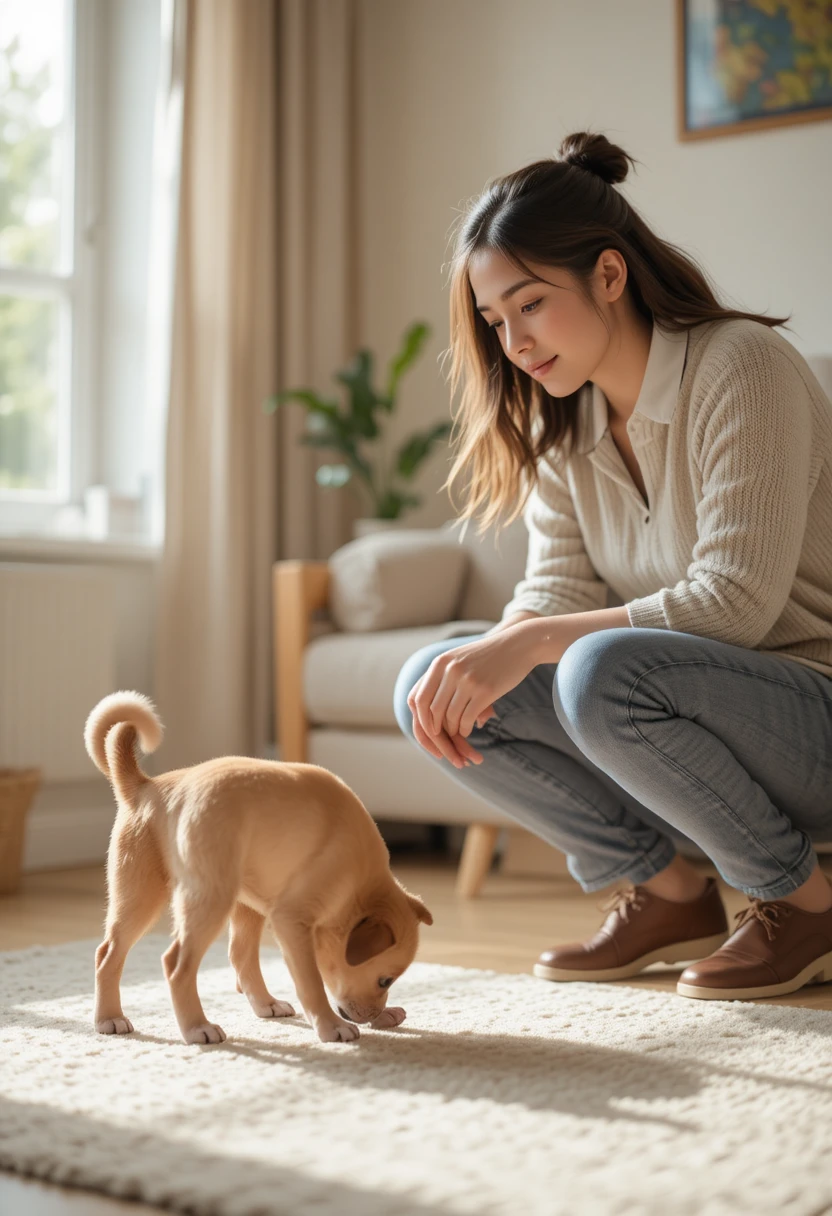
Circling, sniffing the floor intensely, sudden restlessness, whining, or heading toward the door are all pre-potty signals. The catch is that these signals often show up seconds not minutes before it happens, so supervision has to be active, not passive. If you can’t watch your puppy directly, use a leash to tether them to you, or confine them to a pen where accidents are contained and easy to spot.
6. Choose One Potty Phrase and Use It Every Time
Pick a simple, consistent cue “go potty,” “do your business,” whatever feels natural and say it calmly every time your puppy starts to eliminate in the right spot. Over repeated reinforcement, the phrase becomes a trigger your puppy associates directly with the action, which is incredibly useful later when you need them to go quickly (think: rest stops, bad weather, or a busy morning).
7. Reward Within Seconds, Not Minutes
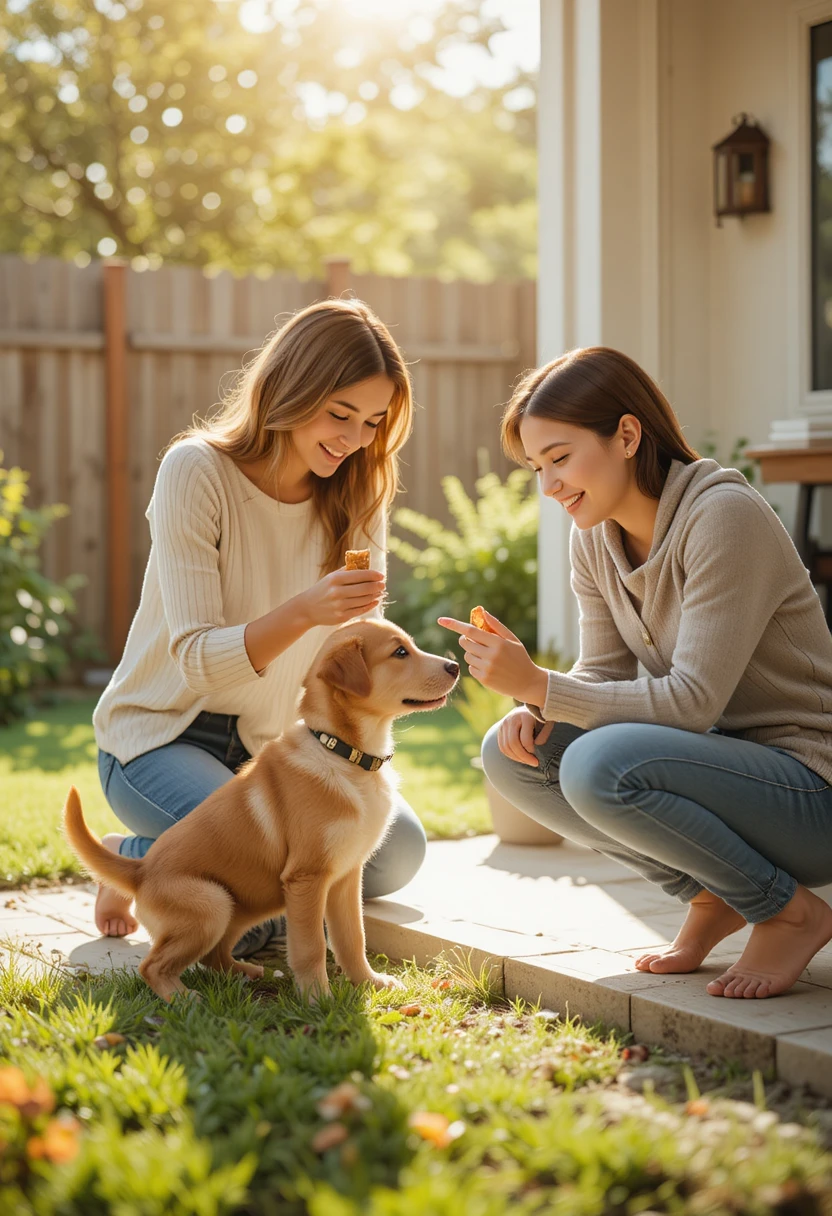
Timing is everything with positive reinforcement. Praise or a treat needs to land the moment your puppy finishes going potty in the right spot not after you’ve walked back inside. Dogs connect consequences to actions that happen within a few seconds of each other, so a delayed reward teaches them very little.
8. Don’t Rush Back Inside After the First Pee
This is one of the most common mistakes new owners make. Puppies often eliminate in stages a first small pee, then more if you give them time. Plan to stay outside for a full 15–20 minutes per potty break, letting them sniff, walk around, and get a second (or third) chance to fully empty out. Rushing back in after the first success is exactly how “surprise” accidents happen ten minutes later.
9. Treat Every Accident With an Enzymatic Cleaner Nothing Else
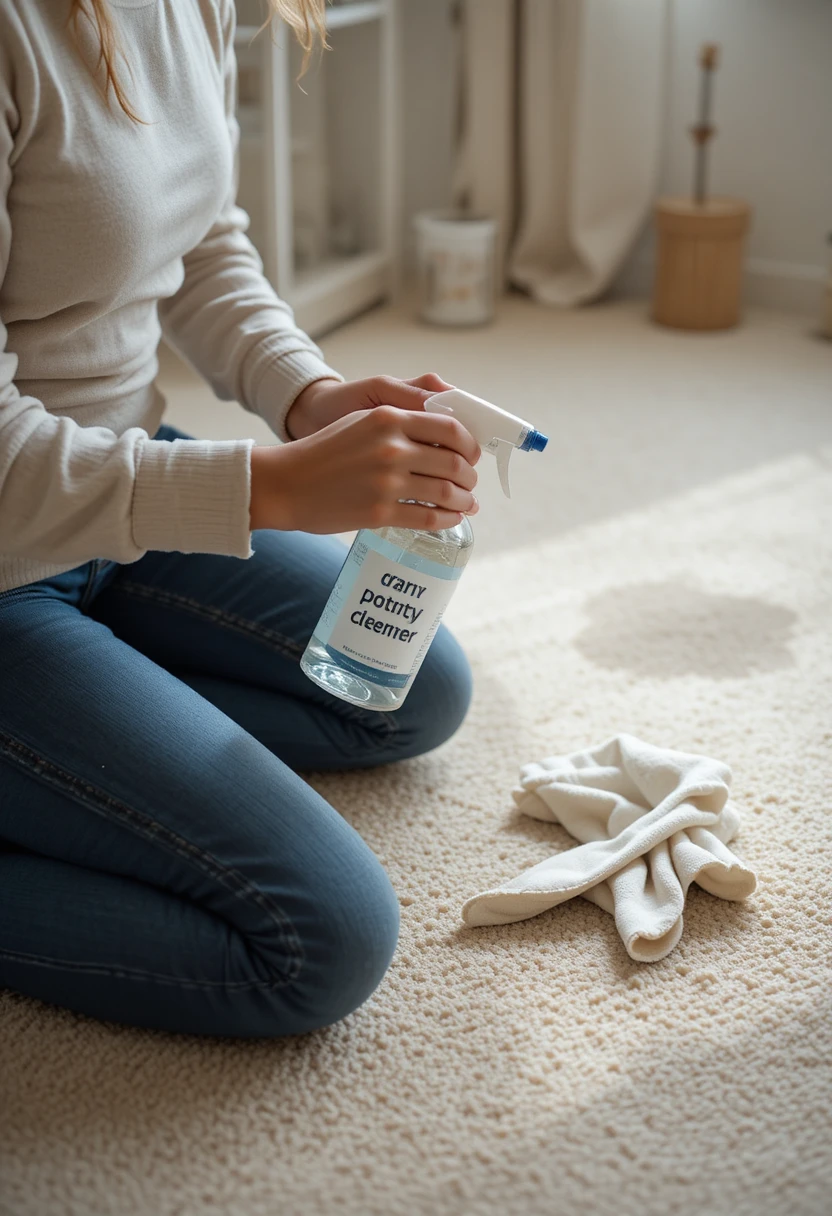
Regular soap or all-purpose cleaner doesn’t fully remove the scent markers dogs leave behind, which means they may return to that same spot again. An enzymatic cleaner breaks down those scent compounds at a molecular level, genuinely removing the invitation to go there again. It’s a small supply upgrade that prevents a surprising number of repeat offenses.
10. Never Punish an Accident Redirect Instead
Scolding a puppy after the fact doesn’t teach them what to do differently; it just teaches them that going potty in front of you is risky, which can actually make them sneakier about hiding accidents. If you catch them mid-accident, a calm interrupt and an immediate trip to the correct spot works far better than any punishment. If you find the mess after the fact, simply clean it up there’s no training value in a delayed correction.
11. Manage the Environment, Don’t Just Supervise It
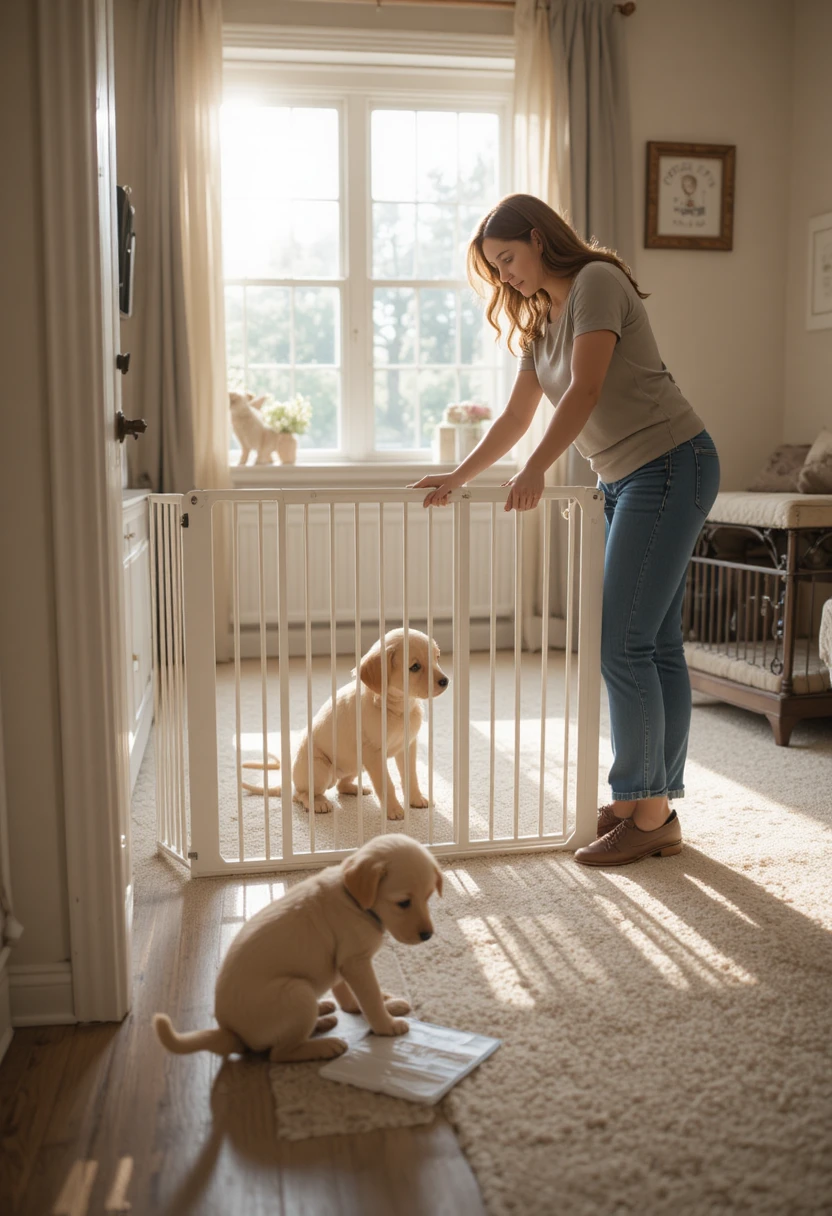
Prevention beats correction every time. Use baby gates, exercise pens, and closed doors to shrink your puppy’s world down to spaces you can actually watch. Fewer available “wrong” spots means fewer opportunities for mistakes to become habits. As potty training solidifies, you can gradually expand their access to the rest of the house.
12. Keep a Simple Potty Log
You don’t need anything fancy a notes app or a printed chart works fine. Track the time of every successful potty break and every accident for about a week. Patterns show up fast: maybe accidents cluster 90 minutes after meals, or your puppy always needs a break right after a nap. That data lets you get ahead of the schedule instead of reacting to it.
13. Expect Regression It’s Normal, Not Failure
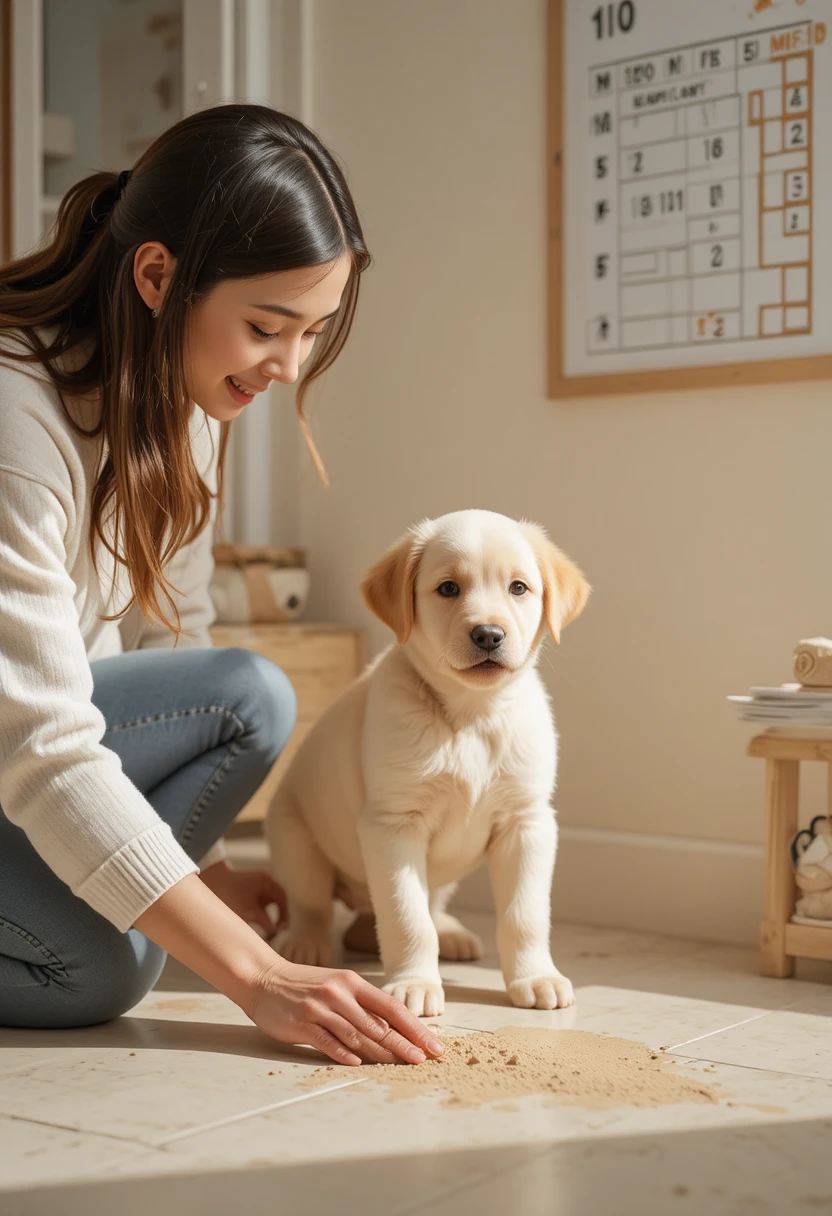
Even puppies who’ve been doing great can backslide during growth spurts, new environments, changes in routine, or after being sick. This isn’t a sign that training failed; it’s a normal part of the process. Go back to a tighter schedule and closer supervision for a few days, and most puppies bounce back quickly.
14. Set Realistic Timeline Expectations
Most puppies show solid progress within a few weeks of consistent training, but full reliability including holding it through the night often isn’t locked in until somewhere between 4 and 6 months old, depending on breed, size, and consistency. Smaller breeds sometimes take longer simply because they have smaller bladders relative to their metabolism.
Bonus: Potty Training in an Apartment or Without a Yard
If you don’t have instant outdoor access, a litter box, artificial turf pad, or a designated balcony area can bridge the gap, especially during the vulnerable early weeks before vaccinations are complete. The same rules apply: one consistent spot, a tight schedule, and immediate rewards. Many apartment owners gradually transition from an indoor pad near the door to full outdoor training once the puppy is a bit older and fully vaccinated.
Common Questions About Potty Training a Puppy
How long does it really take to potty train a puppy?
Most puppies show noticeable improvement within 2–4 weeks of consistent training, though full reliability can take a few months. Breed, size, and how consistently the schedule is followed all play a role.
Should I use puppy pads or go straight outside?
Either can work the key is consistency. If you start with pads, plan a gradual transition strategy (moving the pad closer to the door over time) rather than switching cold.
What if my puppy keeps having accidents in the same spot?
That’s almost always a leftover scent issue. Double down on enzymatic cleaner, and consider temporarily blocking access to that exact area while training continues elsewhere.
Is it normal for an older puppy to suddenly start having accidents again?
Yes this is common during growth spurts or routine changes, but if it persists for several days, it’s worth ruling out a urinary tract infection or other medical cause with your vet.
The Bottom Line
Potty training a puppy isn’t about finding one magic trick it’s about stacking small, consistent habits: a schedule built around your puppy’s real age, one dedicated spot, fast rewards, and a lot of patience with the setbacks along the way. Follow the framework above and most puppies get reliably house-trained faster than owners expect.