Finding the right pet can bring years of friendship, joy and companionship. Pet adoption gives dogs, cats and other animals a chance to enjoy a safe, loving home.
Whether you want a playful puppy, a calm senior cat or a small rescue animal, the right companion starts with a thoughtful choice. Learn where to find adoptable pets, how adoption works and how to prepare your home.
Why Pet Adoption Is a Great Way to Find Your Perfect Furry Companion
Pet adoption connects homeless animals with people who can provide long-term care. You can find pets with different ages, sizes, breeds and personalities through local shelters and rescue groups.
Give a Homeless Pet a Second Chance
Many animals enter shelters after being abandoned, surrendered or found as strays. Some have lost their homes because of changes in their owners’ circumstances.
Adopting gives an animal another chance to experience a stable home. It also creates space and resources for shelters to help other animals.
Support Animal Shelters and Rescue Organizations
Animal shelters provide food, temporary housing, medical attention and other essential care. Rescue organizations also help animals through foster homes and adoption programs.
Your adoption can support these efforts. Adoption fees often help cover services such as vaccinations, health examinations and spaying or neutering.
Find Pets With Different Personalities and Backgrounds
Shelters have animals with different temperaments and needs. Some dogs enjoy outdoor activities, while others prefer a quiet home.
Cats can also have different social habits. Meeting an animal and discussing its history with shelter staff can help you find a suitable match.
Why Adopt Instead of Buy a Pet?
Adoption gives an existing shelter animal an opportunity to find a permanent home. It also supports shelters and responsible rescue organizations.
Buying from a breeder is a different route to pet ownership. Anyone considering that option should research the breeder carefully and avoid puppy mills and irresponsible breeding operations.
Where to Find Pets for Adoption in the USA
You can find adoptable pets through local animal shelters, nonprofit rescue groups, adoption events and online platforms. Start with organizations in your area because visiting a nearby facility may make it easier to meet an animal.
Local Animal Shelters
Animal shelters are one of the best places to begin your search. Many are operated by city or county governments, while others work as nonprofit organizations.
You can visit their websites to browse available dogs, cats, puppies and kittens. Some shelters also offer in-person visits and same-day adoptions.
Animal Rescue Organizations
Animal rescue organizations help animals that need temporary care and permanent homes. Some focus on particular breeds, while others help animals of different sizes and species.
Many rescues use foster homes instead of traditional shelter facilities. Foster families can provide useful information about an animal’s behavior in a home setting.
Pet Adoption Centers
Pet adoption centers give potential owners an opportunity to meet animals before adopting. Some operate inside pet stores, while others work through local shelters and rescue partners.
Online Pet Adoption Websites
Online adoption websites make it easier to search for pets by location, age, breed and size.
Here are some useful platforms:
These websites help you discover available animals, but the listed shelter or rescue usually handles the actual adoption. Policies, screening and fees depend on the organization.
How to Find Pet Adoption Near Me
Start by entering your ZIP code on an adoption website. Select your preferred animal and use filters for age, breed, size and other available details.
Shortlist a few pets and contact their organizations. Confirm availability, adoption hours and application requirements before visiting.
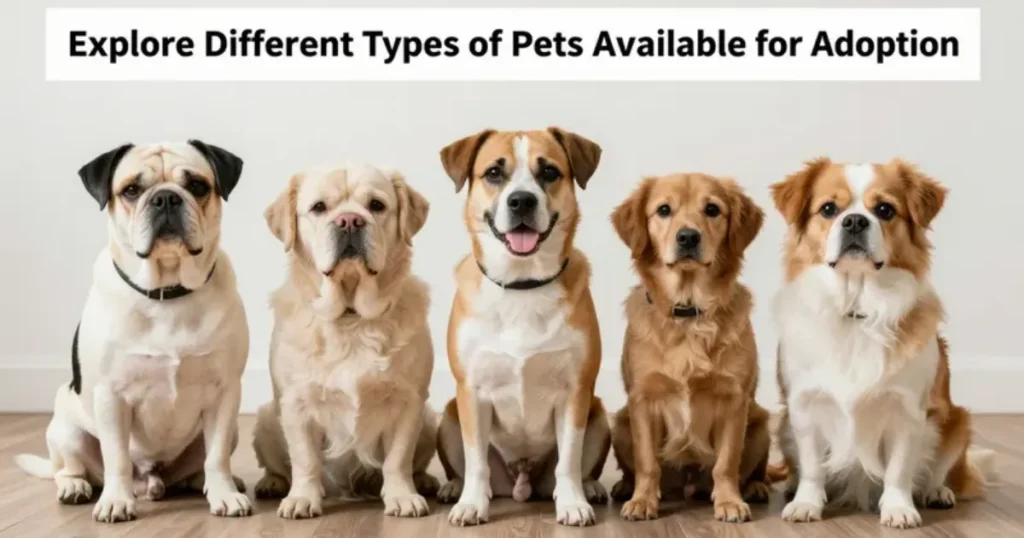
Explore Different Types of Pets Available for Adoption
Dogs for Adoption
Dogs for adoption include puppies, adult dogs, senior dogs and mixed breeds. Their exercise needs, grooming requirements and temperaments can vary widely.
Consider your daily schedule before choosing a dog. An active dog may need regular walks and outdoor activities, while another may prefer a quieter routine.
Cats for Adoption
Cats for adoption can make suitable companions for different households. Some enjoy frequent attention, while others prefer quiet spaces and independent activities.
Before adopting, consider litter box care, scratching needs, indoor safety and regular veterinary visits. Ask whether the cat has lived with other animals.
Puppies and Kittens for Adoption
Puppies and kittens need extra supervision during their early development. They require suitable food, socialization, basic training and regular veterinary care.
They can also need more time than adult animals. House-training, litter habits and safe play should become part of your daily routine.
Senior Pets for Adoption
Senior dogs and cats can be wonderful companions. Their personalities may be easier to understand because they have already developed many adult habits.
However, older pets may need special diets, medication or more frequent veterinary checks. Ask about mobility, existing conditions and expected care needs.
Other Animals Available for Adoption
Some shelters and specialized rescue groups also offer rabbits, guinea pigs, birds and small mammals.
Each species has different housing, nutrition and social needs. Research its care requirements before bringing it home.
How to Choose the Right Pet for Your Lifestyle
Choosing a pet involves more than selecting a favorite breed. You should consider your available time, living space, family needs and long-term budget.
Consider Your Daily Routine and Schedule
Dogs often need regular walks, feeding, training and companionship. Cats also need daily interaction, feeding, litter care and play.
Think about how long the animal will stay alone. Arrange suitable care for workdays, holidays and unexpected absences.
Choose a Pet That Fits Your Living Space
Apartment residents should check pet restrictions, noise rules and available exercise areas. A fenced yard can help some dogs, but it does not replace walks or supervision.
Also consider stairs, balconies, windows and shared outdoor spaces. Your home should be safe for the animal you choose.
Consider Your Family and Household Members
Discuss adoption with everyone who lives in your home. Children should learn how to approach, handle and respect animals safely.
If you already have pets, ask the shelter about compatibility. Plan gradual introductions rather than placing unfamiliar animals together immediately.
Understand Pet Energy Levels and Temperaments
Some animals need frequent exercise and mental stimulation. Others have lower activity needs and prefer calm surroundings.
Ask shelter staff about play habits, social behavior, handling preferences and reactions to unfamiliar people. These details can help prevent an unsuitable match.
Read Also: Pet Vet: Veterinary Care, Services, and Expert Pet Health Tips
Consider Your Budget Before Adopting
Pet ownership includes more than the initial adoption fee. You should plan for food, grooming, supplies, preventive healthcare and unexpected veterinary bills.
How to Find Your Perfect Pet Through Online Adoption Profiles
Read the Pet’s Adoption Profile Carefully
A pet profile usually provides information about the animal’s name, age, breed, size, gender and location. It may also describe personality, medical history and compatibility with children or other pets.
Read the complete description before contacting the organization. Remember that breed and background details may be estimates, especially for rescued mixed-breed animals.
Use Search Filters to Narrow Down Your Options
Most adoption platforms let you filter results by location, species, age and size. Some also provide options for breed, gender and household compatibility.
Start with essential requirements instead of selecting too many filters. This helps you discover suitable animals that might otherwise disappear from your search results.
Understand Photos and Behavioral Descriptions
Photos can help you recognize an animal, but they cannot show its complete personality. A quiet-looking dog may enjoy plenty of exercise, while a playful cat may need time to trust strangers.
Read behavioral notes and ask shelter staff for more details. Foster families can sometimes share useful observations from everyday home life.
Contact the Shelter About a Pet
Use the contact details on the animal’s profile to ask questions. Confirm that the pet is still available and ask whether you can arrange a meeting.
Do not assume that an online listing guarantees availability. Adoption status can change quickly when several people express interest.
Understanding the Pet Adoption Process in the USA
The pet adoption process varies between shelters and rescue organizations. Some offer walk-in adoptions, while others require applications, interviews or home checks.
Here is a general overview of what you can expect.
Step 1: Search for Available Pets
Browse local shelter websites and adoption platforms. Compare profiles based on age, personality, health needs and compatibility with your household.
Save suitable listings and contact the organizations to confirm availability.
Step 2: Submit a Pet Adoption Application
An adoption application usually asks about your home, experience with pets and ability to provide long-term care.
Some organizations may request landlord approval, references or information about existing animals. Requirements differ, so check them before applying.
Step 3: Meet Your Potential Pet
Arrange a meeting at the shelter or through the rescue organization. Observe how the animal responds to people, sounds and handling.
Ask whether family members or existing pets can participate in a supervised introduction. Follow the organization’s safety rules.
Step 4: Complete the Adoption Screening
Shelter staff may discuss your daily routine, living conditions and experience with animals. Some rescues also conduct home visits or virtual meetings.
The purpose is to help place each animal in a suitable home. Answer questions honestly and explain how you plan to meet the pet’s needs.
Step 5: Pay the Adoption Fee and Complete Paperwork
Review the adoption agreement before signing it. Ask what medical services, vaccinations and other treatments are included.
Collect available veterinary records and confirm whether the animal is already microchipped or spayed or neutered.
Step 6: Bring Your New Companion Home
Prepare a safe carrier or suitable leash for transportation. Bring your pet home to a quiet, prepared space.
Give the animal time to explore and settle in. Arrange a veterinary appointment and follow the shelter’s care recommendations.
How Much Does Pet Adoption Cost in the USA?
Pet adoption fees depend on the organization, animal’s age, location and included services. Some shelters offer reduced fees during adoption events, while others use different prices for dogs, cats and other animals.
Average Pet Adoption Fees
There is no single adoption fee that applies to every U.S. shelter. Ask your local organization for its current pricing and any additional requirements.
This is a local example, not a national price.
What Is Usually Included in Pet Adoption Fees?
Depending on the organization, an adoption fee may include:
- Initial veterinary health examination.
- Age-appropriate vaccinations.
- Deworming or parasite treatment.
- Spaying or neutering.
- Microchipping.
- Basic medical records.
Always request an itemized explanation. Some services may need to be completed after adoption.
Additional Expenses After Adoption
Your new companion will need regular supplies and care. Common expenses include:
- Pet food and treats.
- Food and water bowls.
- Bedding and toys.
- Collars, leashes and carriers.
- Litter boxes and litter.
- Grooming and training.
- Routine veterinary care.
- Preventive medication.
- Emergency medical treatment.
Consider pet insurance or a dedicated emergency savings fund. These options can help you prepare for unexpected healthcare expenses.
Are There Free Pet Adoption Programs?
Some shelters and rescue organizations offer sponsored adoption events or reduced-fee programs. These promotions may cover part or all of the standard adoption fee.
Check the event’s terms before applying. Even when adoption is free, food, veterinary care and other ownership expenses remain your responsibility.
What to Ask Before Adopting a Pet
Asking the right questions helps you understand an animal’s needs before making a commitment. Shelter staff and foster families can often provide useful information that is not included in online profiles.
Questions About the Pet’s Health
Ask whether the animal has received a veterinary examination and age-appropriate vaccinations. Find out whether it has been treated for parasites or has any known medical conditions.
Also ask about medication, dietary restrictions, microchip details and spaying or neutering. Request copies of available veterinary records.
Questions About Behavior and Personality
Ask how the pet behaves around children, unfamiliar people and other animals. Find out whether it is house-trained, comfortable with handling or familiar with basic commands.
Also discuss fears, separation anxiety and any known behavioral challenges. A shelter stay can affect behavior, so ask whether observations come from the shelter or a foster home.
Questions About the Pet’s History
Ask why the animal entered the shelter and whether its previous living conditions are known. Find out if it has lived with other pets or children.
Some rescued animals have incomplete histories. Shelter staff may not know every detail, so treat unknown information honestly.
Questions About Adoption Policies
Ask what the adoption fee includes and whether post-adoption support is available. Find out whether the organization accepts returns if the placement does not work.
Read the adoption agreement carefully. Never assume that every shelter follows the same return, refund or rehoming policy.
How to Prepare Your Home Before Bringing an Adopted Pet Home
A prepared home helps your new companion settle in safely. Purchase essential supplies before adoption day and create a quiet area where the animal can rest.
Essential Supplies for a Newly Adopted Dog
Prepare food and water bowls, suitable dog food, a collar, identification tag and leash. A comfortable bed, crate, grooming brush and safe toys are also useful.
Choose supplies based on your dog’s size and age. Ask the shelter which food the animal currently eats to avoid sudden dietary changes.
Essential Supplies for a Newly Adopted Cat
Your cat will need food, water bowls, a litter box and suitable litter. Provide a scratching post, hiding space, comfortable bed and safe toys.
A secure carrier is essential for transportation and veterinary visits. Keep the litter box in a quiet, accessible location.
Make Your Home Safe for a New Pet
Store cleaning products, medicines and chemicals where animals cannot reach them. Secure electrical wires and remove small objects that could cause choking.
Check windows, balconies and doors for escape risks. Also research household plants because some can be toxic to cats and dogs.
Prepare Children and Existing Pets
Explain that a new animal needs time and personal space. Teach children not to pull tails, disturb sleeping pets or take away food.
Introduce existing pets slowly and under supervision. Separate feeding areas and provide individual resting spaces during the adjustment period.
The First 30 Days After Pet Adoption
The first month helps establish trust and daily routines. Your adopted pet may need time to understand its new surroundings.
The First 24–48 Hours
Keep the environment quiet and predictable. Show your pet its food, water, bathroom and resting areas.
Avoid inviting many visitors or forcing physical contact. Let the animal approach you when it feels comfortable.
The First Week
Establish regular feeding, walking and bathroom routines. Observe appetite, energy, sleeping habits and bathroom behavior.
Arrange a veterinary checkup and discuss vaccination records, parasite prevention and any follow-up treatment.
The First Month
Begin gentle training and positive reinforcement. Reward desirable behavior and give your pet opportunities to explore safely.
Continue observing its preferences and comfort levels. Contact your veterinarian or adoption organization if you notice ongoing health or behavior concerns.
Understanding the 3-3-3 Guideline for Adopted Pets
The 3-3-3 rule is a general adjustment guideline often used in pet adoption.
- First 3 days: A pet may feel nervous or overwhelmed.
- First 3 weeks: It may become more comfortable and start showing its personality.
- First 3 months: It may develop stronger routines and trust.
Common Pet Adoption Mistakes to Avoid
Even a well-planned adoption can involve challenges. Avoiding common mistakes can make the transition easier for both you and your new companion.
Choosing a Pet Only Because of Its Appearance
A cute face or popular breed does not guarantee compatibility. Consider temperament, activity level, grooming and medical needs before deciding.
Ignoring the Long-Term Financial Commitment
Food and adoption fees are only part of pet ownership. Budget for veterinary visits, preventive care, supplies and possible emergencies.
Skipping Health and Behavioral Questions
Do not leave the shelter without understanding known medical and behavioral concerns. Request available records and clarify anything that seems unclear.
Rushing Introductions to Existing Pets
Sudden introductions can create fear and conflict. Use separate spaces, supervised meetings and gradual exposure.
Expecting Immediate Behavior Changes
A newly adopted animal may need time to adjust. Avoid punishment and use patience, consistent routines and positive reinforcement.
How to Identify a Responsible Pet Adoption Organization
A trustworthy adoption organization should communicate clearly about its animals, policies and care practices. Research its background before submitting an application or payment.
Check the Organization’s Background
Look for a physical address, working contact information and clear details about its mission. Check independent reviews and community feedback where available.
Ask how animals are housed, evaluated and cared for. A responsible organization should be willing to discuss its adoption practices.
Look for Transparent Adoption Policies
Review the application process, adoption fees and written agreements. Ask whether medical records and known behavioral information are available.
The organization should explain its expectations and any post-adoption requirements.
Be Careful With Online Pet Adoption Scams
Fake listings can use stolen animal photographs to attract payments. Be cautious if someone demands money before allowing you to verify the animal or organization.
Avoid suspicious transportation fees, pressure tactics and unusual payment requests. Verify contact information independently and communicate directly with the actual shelter or rescue.
Understand Responsible Pet Rehoming
Responsible rehoming focuses on finding a safe, suitable home for an animal. Some organizations also provide support when owners cannot continue caring for their pets.
If you cannot keep an adopted animal, contact the original organization first. Never abandon the pet or transfer it without considering its safety.
What Happens If Your Adopted Pet Does Not Adjust?
Some pets experience anxiety, fear or changes in behavior after moving. These challenges do not automatically mean the adoption has failed.
Understand Common Adjustment Challenges
Your pet may hide, bark, scratch, refuse food or have bathroom accidents. These behaviors can result from stress, unfamiliar surroundings or underlying health problems.
Monitor the animal carefully. Contact a veterinarian if symptoms persist or you notice signs of illness.
Seek Help From a Veterinarian or Qualified Trainer
A veterinarian can check whether a medical condition is affecting behavior. A qualified, reward-based trainer can help with basic training and adjustment problems.
Avoid harsh punishment. It can increase fear and make unwanted behavior harder to manage.
Contact the Adoption Organization
Explain the problem and ask what support is available. Review the adoption agreement to understand the organization’s return or rehoming policy.
Some organizations offer behavioral guidance or temporary assistance. Discuss your options before making a decision.
Responsible Pet Ownership After Adoption
Adoption is the beginning of a long-term responsibility. Your companion needs regular care, attention and a safe environment throughout its life.
Provide Regular Veterinary Care
Schedule routine examinations and follow your veterinarian’s vaccination recommendations. Discuss dental care, parasite prevention and any breed-related health risks.
Maintain a Healthy Diet and Exercise Routine
Choose food suitable for your pet’s species, age and health. Provide fresh water, appropriate exercise and regular play.
Keep Vaccinations and Preventive Care Updated
Follow professional advice about vaccinations, flea and tick prevention and heartworm protection where appropriate.
Keep a record of treatments and future appointments. This makes it easier to manage your pet’s healthcare.
Provide Training, Socialization and Mental Stimulation
Use positive reinforcement to teach basic behaviors. Offer suitable toys, play activities and safe opportunities to explore.
Dogs may benefit from structured walks and training sessions. Cats need scratching opportunities, climbing spaces and interactive play.
Maintain Identification and Microchip Information
Use a secure identification tag with current contact information. If your pet has a microchip, register it and update your details whenever they change.
Make a Long-Term Commitment to Your Pet
Plan for changes in housing, work schedules and family circumstances. Arrange reliable pet care when you travel or face an emergency.
Responsible ownership means providing a safe home even when caring for an animal becomes difficult.
FAQ’s
Where Is the Best Place to Adopt a Pet in the USA?
Local animal shelters and reputable rescue organizations are good places to start. Websites such as Petfinder, Adopt a Pet and PetSmart Charities can help you discover adoptable animals in your area.
How Do I Find Pet Adoption Centers Near Me?
Enter your ZIP code on a pet adoption website or search for local animal shelters. Check available pet profiles, contact details and visiting hours before making a visit.
Is It Better to Adopt a Puppy or an Adult Dog?
Puppies need more supervision, socialization and training. Adult dogs may already understand basic commands and household routines. The right choice depends on your time, experience and lifestyle.
How Much Does It Cost to Adopt a Dog in the USA?
Adoption fees vary by shelter, location and the services included. Ask your chosen organization for its current fee and details about vaccinations, health examinations and spaying or neutering.
How Much Does It Cost to Adopt a Cat?
Cat adoption fees depend on the organization and the cat’s age. Some fees include initial vaccinations, veterinary examinations and spaying or neutering.
What Do I Need to Adopt a Pet?
Most organizations require an adoption application and valid identification. Some may request landlord approval, household information or references. Requirements vary between organizations.
Can I Adopt a Pet If I Live in an Apartment?
Yes. Many dogs and cats can live comfortably in apartments. Consider exercise needs, building restrictions, noise rules and available space before choosing an animal.
Are Adopted Pets Already Vaccinated and Spayed or Neutered?
Some shelters provide vaccinations and spaying or neutering before adoption. Others arrange these services later. Always check the animal’s medical records and adoption agreement.
How Long Does the Pet Adoption Process Take?
Some shelters offer same-day adoptions, while others require applications, interviews or home checks. The timeline depends on the organization and individual animal.
Conclusion
Pet adoption is an opportunity to give an animal a safe and loving home. Start by exploring local shelters, comparing pet profiles and understanding each animal’s needs.
Take your time, ask questions and prepare your home before adoption day. With responsible planning, you can find your perfect furry companion and build a lasting bond.