
Your cat just swallowed something she shouldn’t have, and the emergency vet is quoting you a number with three digits before the decimal point even shows up. In that exact moment, most pet owners have the exact same thought: I wish I understood pet insurance before today.
Here’s the twist nobody tells you upfront. Pet insurance doesn’t work the way most health insurance does. There’s no card to hand the vet at checkout. There’s no network to worry about. And that surprises almost everyone the first time they try to use it.
This guide breaks the entire system down into 11+ clear, practical ideas so you understand exactly how pet insurance functions before you ever need it in an emergency. By the end, you’ll know how premiums, deductibles, and reimbursement actually connect, what gets denied and why, and the one enrollment mistake that quietly costs pet owners thousands down the road.
Let’s get into it.
The Short Answer: How Pet Insurance Works in One Paragraph
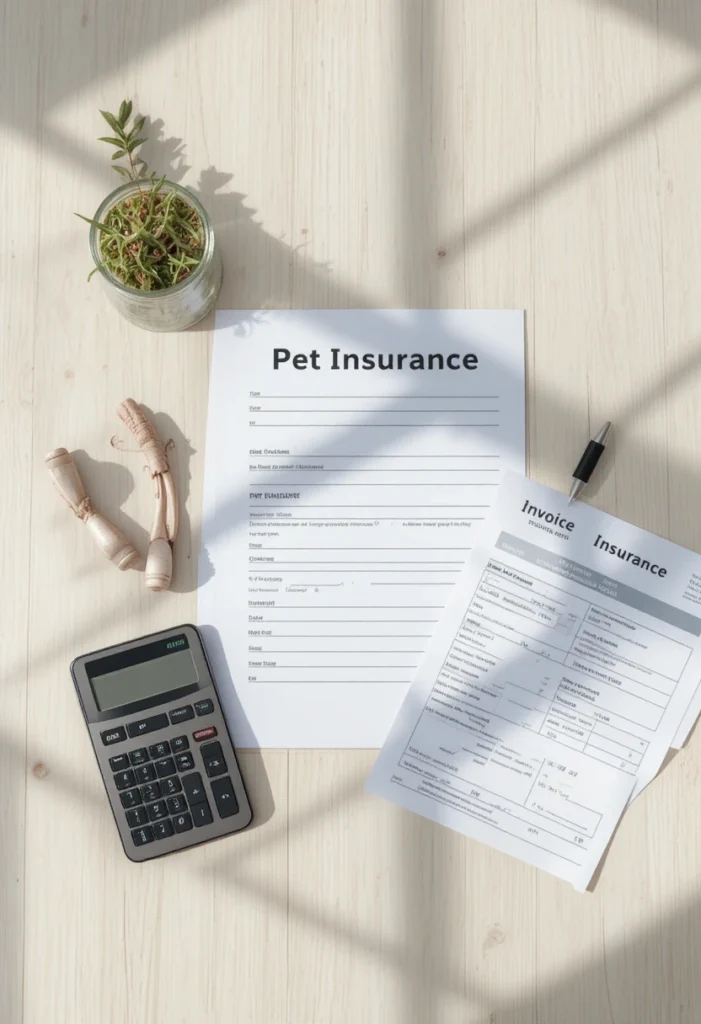
Pet insurance is a reimbursement based system. You pay a monthly or annual premium to keep your policy active. When your pet gets sick or injured, you take them to any licensed vet and pay the bill yourself, upfront, just like you always have. Afterward, you submit a claim to your insurance provider along with the itemized invoice, and the company reimburses you for a percentage of the eligible costs, once your deductible has been met.
That’s the whole system in a nutshell. Now let’s walk through every piece of it, because understanding each moving part is what actually helps you use your policy well.
1. It’s Reimbursement Based, Not Direct Billing
This is the single biggest misconception new pet owners have, and it trips people up constantly.
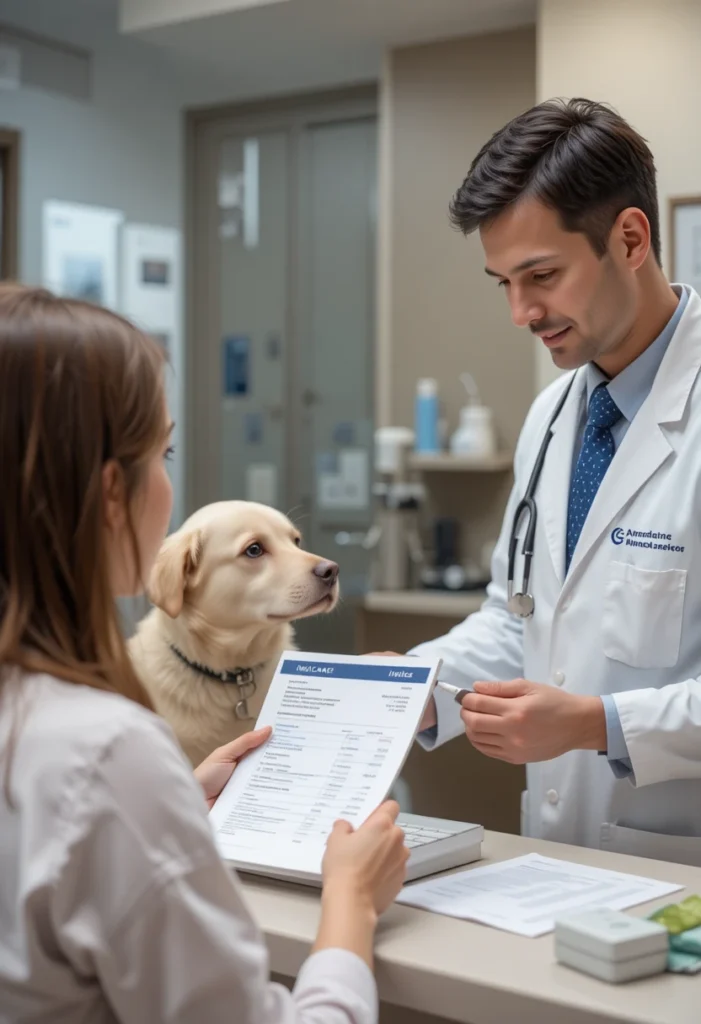
With human health insurance, your provider often bills the insurance company directly, and you only pay your portion at the counter. Pet insurance almost never works this way. You pay the full vet bill yourself at the time of service, then file a claim afterward to get a portion of that money back.
Save this for later: always keep enough available on a card or in savings to cover a vet bill in full, because reimbursement comes after the fact, not at checkout.
2. You Can Use Any Licensed Veterinarian
Unlike human insurance plans that lock you into a specific network, most pet insurance policies let you visit any licensed vet clinic, including emergency hospitals and board certified specialists. There’s no in network versus out of network distinction to worry about.
This means you can keep your regular vet, travel with your pet without losing coverage, and rush to the nearest emergency clinic in a crisis without checking whether it’s “covered” first.
Read Also: How to Deshed a Dog at Home: The Complete Step-by-Step Guide
3. Your Premium Is What Keeps the Policy Active
Your premium is the recurring payment, usually monthly, that keeps your policy in force. Think of it the same way you’d think of a car insurance payment. Miss enough payments and your coverage lapses.
Premiums vary quite a bit based on several factors:
- Your pet’s species and breed
- Their age at enrollment
- Where you live
- The coverage level and add ons you select
A young, mixed breed cat in a lower cost area will typically have a noticeably smaller premium than a senior, purebred dog in a major city. Breed matters because certain breeds are statistically prone to specific hereditary conditions, which insurers factor into pricing.
4. You Choose a Deductible That Fits Your Budget
Your deductible is the amount you’re responsible for paying out of pocket before your insurance starts reimbursing you. Most providers let you choose your deductible amount when you enroll, and the number you pick directly affects your premium.
A higher deductible generally means a lower monthly premium, since you’re taking on more of the initial risk yourself. A lower deductible means a higher premium, but faster reimbursement kicking in.
Some providers use an annual deductible that applies once per policy year across all claims. Others use a per condition deductible, which means you meet a separate deductible for each new diagnosed condition. Knowing which type your policy uses matters a lot if your pet ever develops multiple unrelated health issues in the same year.
5. Reimbursement Percentage Decides How Much You Get Back
Once your deductible is met, your reimbursement percentage determines what portion of the remaining eligible bill the insurer pays you back. Common options are typically somewhere between 70% and 90%.
Here’s a simple example using round numbers. Say your dog needs a $2,000 emergency surgery. Your policy has a $500 deductible and an 80% reimbursement rate.
- You pay the $500 deductible first.
- That leaves $1,500 in remaining eligible costs.
- At 80% reimbursement, the insurer pays you back $1,200.
- Your final out of pocket cost ends up being $800 instead of the full $2,000.
That’s the math that makes pet insurance genuinely valuable during a real emergency.
6. Annual Limits Cap Your Total Payout
Most policies include an annual coverage limit, which is the maximum amount the insurer will reimburse you in a single policy year. Some premium plans offer unlimited annual coverage, though these usually come with a higher monthly cost.
If your pet has a particularly expensive year, multiple emergencies or an ongoing chronic condition, an annual limit determines the point where reimbursement stops for the rest of that policy term. It’s worth checking this number carefully rather than assuming “unlimited” applies across every plan.
7. Waiting Periods Apply Before Coverage Kicks In
Here’s the thing most new pet owners get caught off guard by: coverage doesn’t start the moment you sign up. Nearly every policy includes a waiting period, a set stretch of time after enrollment before certain claims become eligible.
Typical waiting periods look something like this:
- A few days for accident related claims
- Roughly two weeks for illness related claims
- Several months for certain conditions, like cruciate ligament injuries, depending on the provider
This is exactly why enrolling early matters so much. If you wait until your pet is already limping to sign up, that injury and anything related to it likely won’t be covered, since it happened during or before the waiting period ended.
Read Also: How to Clean a Dog’s Ears at Home: The Complete Step by Step Guide
8. Preexisting Conditions Are Almost Never Covered
This is the idea that causes the most frustration among pet owners, so it’s worth understanding clearly.
A preexisting condition is any illness or injury your pet showed symptoms of, or was diagnosed with, before your coverage started or before the waiting period ended. Insurance providers exclude these from coverage because insurance is designed to protect against unknown, future risk, not to retroactively cover something that’s already happened.
This is the number one reason experts recommend enrolling pets while they’re young and healthy. Once a condition appears on your pet’s medical record, it typically becomes permanently excluded from that policy, even if you switch providers later.
Save-worthy tip: the best time to buy pet insurance is before your pet ever needs it, not after the first symptom shows up.
9. There Are Different Levels of Coverage to Choose From
Pet insurance isn’t a single, one size fits all product. Providers typically offer a few tiers:
- Accident only plans, which cover injuries like broken bones, swallowed objects, and car accidents, but not illnesses.
- Accident and illness plans, the most common and comprehensive option, covering everything from infections and cancer to chronic conditions like diabetes and allergies.
- Wellness add ons, optional extras that reimburse routine care like vaccines, annual checkups, and dental cleanings.
Wellness coverage works a bit differently than accident and illness coverage. It usually reimburses a fixed amount per item rather than a percentage, since routine care costs are predictable rather than random.
10. Filing a Claim Is Usually Simple and Digital

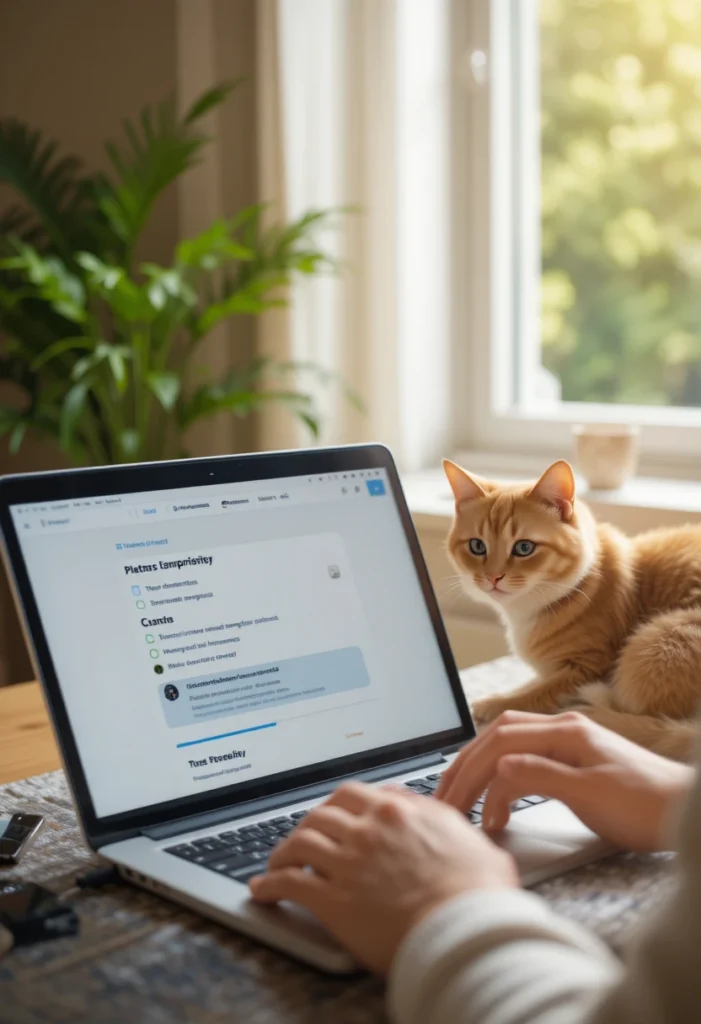
Once you’ve paid your vet bill, filing a claim is typically a quick process through an app or online portal. Most providers ask for:
- An itemized invoice from your vet showing exactly what was done and charged
- Proof of payment
- A short claim form, often filled out directly in an app
Many providers now let you snap a photo of your receipt and submit the claim before you even leave the parking lot.
11. Reimbursement Typically Arrives Within a Week or Two
After you submit a claim, most providers process and pay reimbursements within about five to fourteen days, either by direct deposit or check. Faster providers with strong digital claims systems sometimes process approved claims in just a couple of days.
This timeline is worth keeping in mind for larger bills. You’ll still need to cover the full cost upfront at the vet, so having a cushion in savings or on a card bridges that gap until reimbursement lands.
12. Premiums Can Change Over Time
Your premium isn’t necessarily locked in forever. Many providers adjust premiums at renewal based on your pet’s increasing age, changes in regional vet costs, or your pet’s claims history. This is completely normal across the industry and isn’t unique to any one company, but it does mean it’s worth reviewing your policy annually rather than assuming the price will stay flat.
13. Enrolling Early Is the Single Biggest Money Saving Move
It’s worth repeating this one on its own, because it ties together nearly everything above. Enrolling your pet while they’re young and healthy means:
- Lower starting premiums
- A clean medical history with no preexisting condition exclusions
- Coverage already active and past its waiting period by the time age related issues typically start appearing
Waiting until your pet is older, or worse, waiting until after a health scare, almost always means paying more for less coverage.
14. Not Every Expense Is Eligible for Reimbursement

Even with a strong plan, certain costs typically fall outside what’s covered. Common exclusions across most providers include:
- Preexisting conditions, as covered above
- Cosmetic or elective procedures unrelated to health
- Breeding related costs
- Routine care, unless you’ve specifically added a wellness plan
Reading your policy’s list of exclusions before you need to file a claim saves a lot of frustration later.
15. You Can Usually Adjust Your Plan at Renewal
Life changes, and so do your pet’s needs. Many providers allow you to adjust your deductible, reimbursement percentage, or add wellness coverage at your policy’s renewal date. This flexibility means your plan can evolve as your pet ages, rather than being locked into the exact same setup for their entire life.
Frequently Asked Questions About How Pet Insurance Works
Does pet insurance cover preexisting conditions?
No, in almost all cases. A preexisting condition is anything your pet showed symptoms of or was diagnosed with before coverage began or before the waiting period ended, and these are excluded from that policy going forward.
Can I use pet insurance at any vet clinic?
Yes, most pet insurance policies work at any licensed veterinarian, including emergency and specialty clinics, since they operate on a reimbursement basis rather than a fixed provider network.
How long does it take to get reimbursed after filing a claim?
Most providers process and pay approved claims within about five to fourteen days, often by direct deposit, though some digital first providers move even faster.
Is pet insurance worth it for a young, healthy pet?
Enrolling while your pet is young and healthy is actually when pet insurance delivers the most value, since premiums are lower, preexisting condition risk is minimal, and coverage is already active well before age related issues typically appear.
What’s the difference between a deductible and reimbursement percentage?
Your deductible is the amount you pay out of pocket before coverage kicks in. Your reimbursement percentage is the portion of the remaining eligible bill your insurer pays you back after that deductible is met.
Does pet insurance cover routine checkups and vaccines?
Only if you’ve added an optional wellness plan. Standard accident and illness coverage typically doesn’t include routine or preventive care.
The Takeaway
Pet insurance works differently than most people expect. You pay your vet directly, then get reimbursed afterward based on your deductible, reimbursement percentage, and annual limit. Waiting periods and preexisting condition exclusions make timing your enrollment genuinely important, and understanding the fine print now means fewer surprises during an actual emergency later.