
Your begonias didn’t stand a chance. One minute your yard looked like something out of a home and garden magazine the next, it looks like a construction site hit by a very determined, four-legged excavator.
If you’re reading this with dirt still under your fingernails from filling in yet another hole, take a breath. You’re not doing anything wrong, and your dog isn’t either. Digging is one of the most natural behaviors a dog can have but that doesn’t mean you have to just accept a crater-filled backyard forever.
In this guide, you’ll get 14+ real, vet- and trainer-backed strategies to stop your dog from digging starting with the one most owners skip completely (and it’s the one that actually makes everything else work). Save this guide now, because you’ll want to come back to it as you work through the list.
Why Do Dogs Dig? Understanding the Root Cause First
Before you try a single fix, it helps to know this: digging is never “random.” Every dog who digs is solving a problem yours or theirs. The most common reasons include:
- Boredom — not enough physical or mental stimulation during the day
- Instinct — many breeds (terriers, dachshunds, huskies) were literally bred to dig
- Temperature regulation — dirt is cooler a few inches down, so digging = a DIY air conditioner
- Anxiety or stress — often tied to separation issues or changes at home
- Prey drive — chasing the scent or sound of moles, voles, or insects underground
- Escape attempts — trying to get out of the yard toward something (or away from something scary, like thunder)
- Attention-seeking — if digging gets a big reaction from you, some dogs learn to repeat it
Here’s the thing: the fix that works for a bored Labrador won’t necessarily work for an anxious rescue or a mole-obsessed terrier. That’s why the list below isn’t just “do all of these” it’s built so you can match the right tool to the right cause.
14+ Proven Ways to Stop Your Dog From Digging
1. Play Detective Before You Train

Spend one week simply observing. When does the digging happen while you’re home or gone? Near the fence line or in random open patches? After a walk or instead of one? This single week of observation will save you months of trying the wrong fix.
2. Give Them a Legal Place to Dig
This is the single most effective tip on this list, and it works with instinct instead of against it. Set up a designated “dig pit” — a sandbox, a kiddie pool filled with sand, or a soft dirt patch in a low-visibility corner of the yard.
- Bury a few toys or treats just under the surface
- Walk your dog to the spot and encourage them to dig there
- Praise enthusiastically the moment they dig in the right spot
- Gently redirect them back to the pit if they wander to an old hole
Quick tip: Most dogs shift their digging almost entirely to the pit within 2–3 weeks of consistent redirection.
3. Double Their Daily Exercise

A tired dog has far less energy left over for demolition projects. Add one extra 15–20 minute walk, a game of fetch, or a session of flirt-pole play. A physically satisfied dog is a calmer dog in the yard and everywhere else.
Read Also: How to Stop Separation Anxiety in Dogs: 10+ Proven Ideas That Actually Work
4. Add Mental Enrichment, Not Just Physical
Digging is often a dog trying to think as much as move. Puzzle feeders, snuffle mats, frozen KONGs, and “find it” scent games give the brain a job which for a lot of dogs, replaces the urge to dig entirely.
5. Teach a Rock-Solid “Leave It”

Practice indoors first with a low-value item, then a treat under your palm, gradually working up to real-world distractions. Once your dog reliably leaves something alone on cue indoors, bring the same cue outside the moment you see them approach a digging spot.
6. Never Punish After the Fact
If you find a hole an hour later and scold your dog, they have no idea what the punishment is for dogs don’t connect delayed consequences to past actions. This can create anxiety without ever reducing the digging. Correction only works in the exact moment, and even then, a calm redirect beats a harsh reaction every time.
7. Rule Out Separation Anxiety

If digging only happens while you’re gone especially near doors, windows, or fence lines anxiety may be the real driver, not boredom. Watch for other clues: pacing, whining, or destruction that’s concentrated around exit points.
8. Help Your Dog Beat the Heat
If holes are showing up in shady spots on hot afternoons, your dog may simply be trying to cool off. Provide:
- A shaded, breathable dog bed or shelter
- A cooling mat or vest
- Fresh water refreshed multiple times a day
- A kiddie pool for supervised splashing
9. Check for Underground Pests

Moles, voles, and grubs are basically a dinner bell for a dog’s nose. If holes are narrow, deep, and clustered along a line (rather than wide and shallow), a pest problem is a likely culprit. A humane pest-control approach often solves the digging as a side effect.
10. Reinforce Fence Lines and Escape Points
Digging under a fence is a safety issue, not just a yard issue. Bury chicken wire or L-shaped footers along the base of the fence, or install a dig-proof barrier product designed specifically for this. This is non-negotiable if your dog has ever gotten out.
11. Skip the Harsh Home Remedies
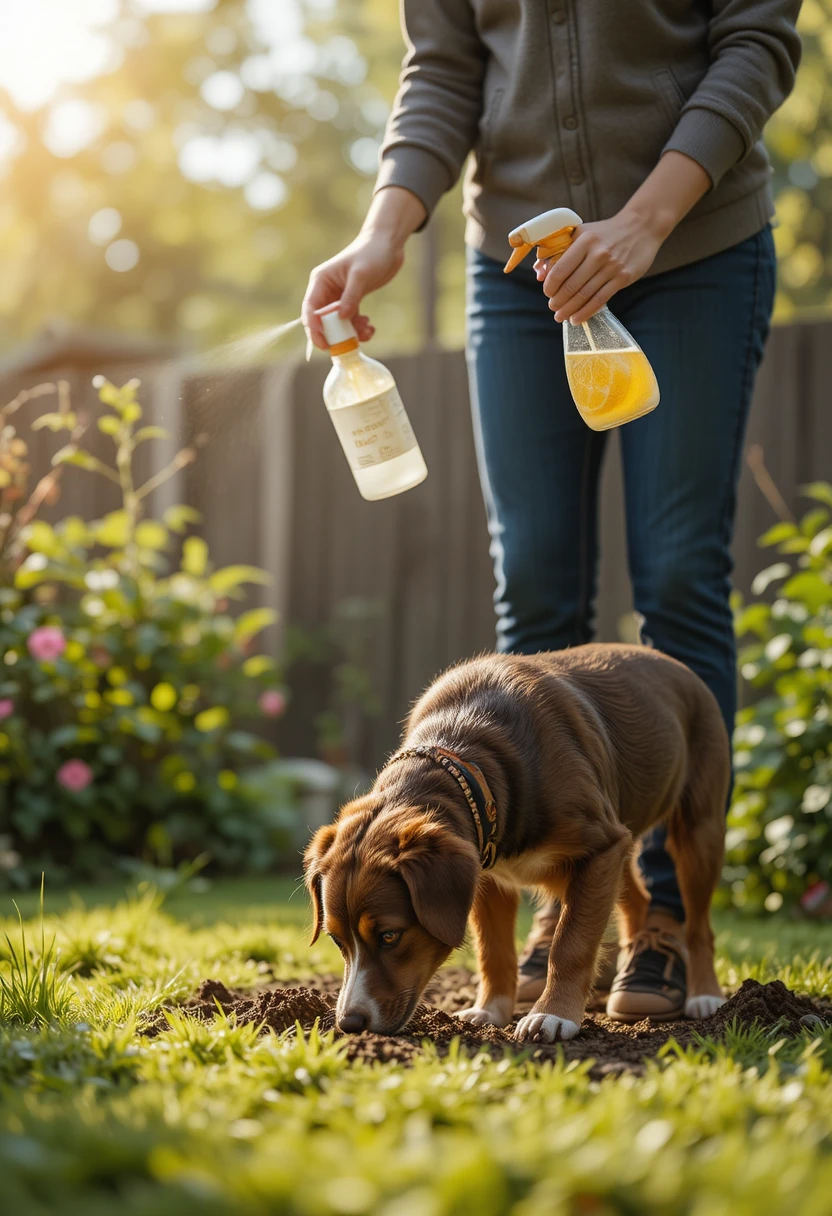
Vinegar, cayenne pepper, and mothballs show up in a lot of old-school advice but many of these can irritate a dog’s nose, eyes, or paws, and some (like mothballs) are outright toxic. Stick to products specifically formulated and labeled safe for pets.
12. Use Pet-Safe Deterrent Sprays Where Needed
For particularly stubborn spots, a commercial, vet-approved dog-deterrent spray can help break the habit while your other training takes hold. Treat it as a supporting tool, not a stand-alone fix.
13. Cover Old Holes the Right Way
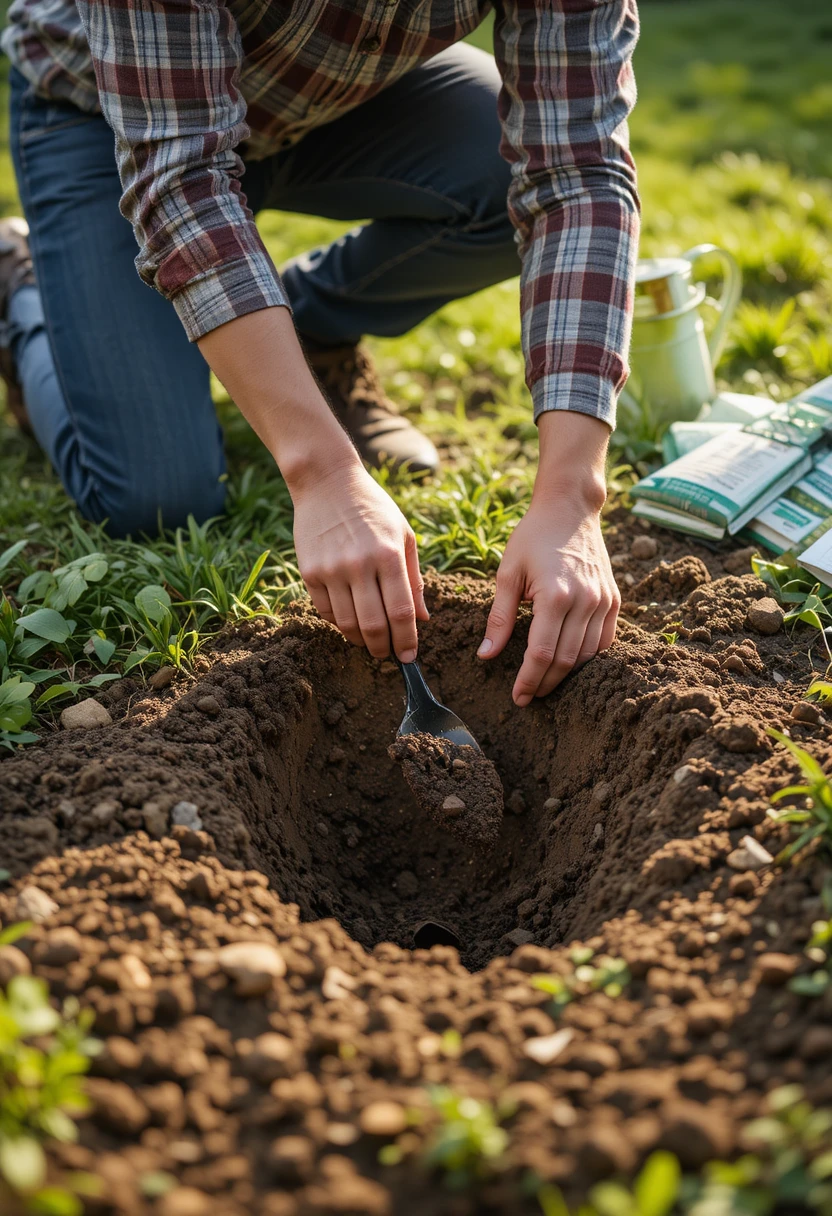
Simply filling a hole with soil often invites your dog right back the loosened dirt is easier to dig again. Instead, place a flat rock, chicken wire, or a decorative planter over the filled hole so there’s nothing rewarding left to find there.
14. Reward the Behavior You Want
Every time you catch your dog relaxing in the yard without digging, mark it with a calm “good” and a treat. This is one of the most overlooked tips owners are quick to react to digging but rarely reward the absence of it, even though that’s exactly what trains the habit you want long-term.
15. (Bonus) Supervise Known Diggers Outdoors
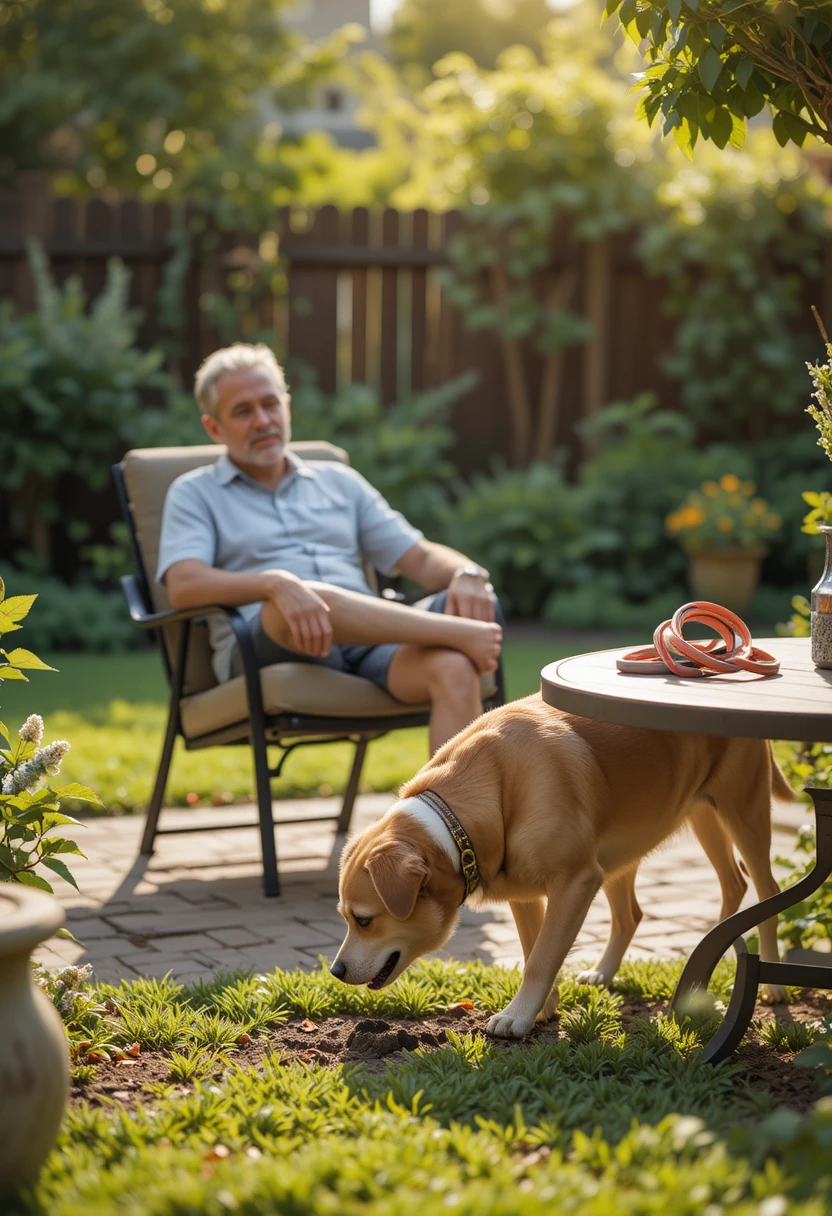
If you have a breed with strong digging instincts (terriers, dachshunds, huskies, beagles), unsupervised yard time is often where habits form. A few weeks of supervised outdoor sessions redirecting in real time pays off far faster than hoping the behavior fades on its own.
16. (Bonus) Call In a Professional If Nothing Sticks
If you’ve tried several of the strategies above consistently for 3–4 weeks with no improvement especially if anxiety seems to be the driver — a certified trainer or veterinary behaviorist can identify what’s really going on. This isn’t a failure on your part; some digging habits are simply layered enough to need expert eyes.
What NOT to Do When Your Dog Digs
- Don’t rub their nose in the hole — this teaches fear, not understanding.
- Don’t yell after the fact — the timing makes it meaningless to your dog.
- Don’t isolate an anxious dog as punishment — this can worsen the anxiety driving the digging.
- Don’t use toxic repellents just because they’re “natural” — natural doesn’t always mean pet-safe.
- Don’t give up on redirection after just a few tries — most digging habits take 2–4 weeks of consistency to shift.
Save this section it’s the one people usually learn the hard way.
When Digging Might Signal Something More
Occasionally, sudden or obsessive digging especially digging at floors, carpets, or their own bed can point to something beyond the usual causes: pain, compulsive behavior, or a medical issue. If digging appears suddenly in a dog who never did it before, or is paired with other new symptoms, a veterinary check is worth ruling out before assuming it’s purely behavioral.
Frequently Asked Questions
Will my dog ever fully stop digging?
Most dogs can reach a point where digging is rare and confined to an approved spot, but instinctual digging (especially in terrier breeds) may never disappear completely the goal is management, not total elimination.
Does vinegar or coffee grounds actually stop dogs from digging?
These are common suggestions, but they’re inconsistent at best and can irritate a dog’s skin or eyes at worst. Pet-safe, purpose-made deterrents are a far more reliable and humane choice.
Why does my dog only dig at night?
Nighttime digging often points to boredom, cooler ground temperatures, or nocturnal wildlife activity nearby (like insects or small rodents) drawing your dog’s attention.
Is digging a sign my dog is unhappy?
Not necessarily many dogs dig purely out of instinct or enjoyment. But if it’s paired with pacing, destruction, or distress when left alone, it’s worth investigating anxiety as a root cause.
What breeds dig the most?
Terriers, Dachshunds, Siberian Huskies, Beagles, and Nordic breeds tend to dig more due to their working and hunting backgrounds but any dog can develop the habit.
Final Thoughts
Digging isn’t your dog being “bad” it’s your dog communicating boredom, instinct, heat, anxiety, or curiosity in the only language they have. Once you match the right fix to the actual cause, most owners see real change within a few weeks.
Start with the dig pit and the exercise boost from this list those two alone resolve digging for a huge percentage of dogs. Pin this guide now so you have all 16 strategies on hand the next time you catch your pup mid-excavation.