
Your cat hasn’t touched her water bowl since yesterday morning, but she’s still purring on the couch like nothing’s wrong. That’s the tricky part. Cats are masters at hiding when something’s off, and dehydration is one of the sneakiest problems of all, because by the time you notice something is “off,” your cat’s body may have already been running low on fluids for days.
If you’ve ever wondered whether your cat is drinking enough, or you’ve noticed something unusual and can’t quite place it, this guide walks you through every physical and behavioral warning sign, two simple at home tests you can do right now, what actually causes cats to become dehydrated, and exactly when a subtle symptom becomes a real emergency. Stick around for the skin test in section two. It takes ten seconds and it’s the single most useful thing you can learn from this article.
Save this guide now so you always have it on hand.
Why Cats Are Especially Prone to Dehydration
Before we get to the signs, it helps to understand why this happens so often in cats specifically, more than in dogs or other pets.
Cats descend from desert dwelling ancestors who got most of their moisture from the prey they hunted rather than from standing water. That evolutionary history left modern house cats with a naturally low thirst drive. Many cats simply don’t feel compelled to drink much water on their own, even when their body needs it.
Add in that cats are experts at masking illness and discomfort (a survival instinct left over from being both predator and prey in the wild), and you get a combination where dehydration can quietly progress before it becomes obvious.
Water makes up roughly 60 to 70 percent of a cat’s body weight, and it supports nearly every system, from digestion and circulation to kidney function and temperature regulation. When fluid levels drop, all of that starts to strain.
[Image Placement 1: Vertical graphic, a cat sitting beside a water bowl with a soft warning-style overlay text like “Is Your Cat Getting Enough Water?” — designed to work as a standalone Pinterest pin.]
11+ Signs of Dehydration in Cats to Watch For
Some of these signs are easy to spot from across the room. Others require a quick hands-on check. Going through this full list gives you a much more complete picture than looking for just one or two symptoms.
1. Dry or Tacky Gums

Healthy cat gums should feel wet and slick, similar to the inside of your own cheek. Gently lift your cat’s lip and touch a fingertip to the gum. If it feels dry, sticky, or tacky rather than slippery, that’s often one of the earliest and most reliable indicators that fluid levels are dropping.
2. Skin Tenting (Loss of Skin Elasticity)
This is the classic at home dehydration check, and for good reason. Gently pinch a small section of loose skin between your cat’s shoulder blades, then let go. In a well hydrated cat, the skin snaps back almost instantly. If it stays “tented” or returns slowly, your cat’s tissues may not have enough water in them. Keep in mind this test is somewhat less reliable in senior cats or cats who have lost weight, since their skin naturally has less elasticity regardless of hydration.
3. Sunken Eyes

As the body loses fluid, it starts conserving water by pulling it from less critical areas, and the tissue around the eyes is one of the first places this shows. Eyes that look dull, less bright than usual, or slightly sunken into the socket can signal more advanced dehydration and typically warrant a same day vet visit.
4. Lethargy and Unusual Stillness

A dehydrated cat often becomes noticeably less active. If your normally playful cat suddenly seems uninterested in toys, sleeps far more than usual, or just seems flat and low energy, dehydration reduces blood volume and oxygen delivery to muscles, which directly causes this kind of fatigue.
Read Also: 11+ First Week With a New Puppy Tips (Survive & Thrive!)
5. Loss of Appetite

Dehydration and appetite loss frequently show up together, and it can be hard to tell which one started first. A cat who normally races to the food bowl but is now sniffing and walking away deserves a closer look, especially if it’s paired with any of the other signs on this list.
Quick Recap: Dry gums, slow skin snap back, dull eyes, low energy, and skipped meals are the five signs most owners notice first. If you spot two or more together, it’s time to check further.
6. Panting

Unlike dogs, cats don’t pant as a normal cooling behavior in most situations. Panting in a cat, especially without heavy exercise or extreme heat, can point to significant fluid loss or heat related dehydration and should be taken seriously.
7. Rapid or Elevated Heart Rate
Dehydration lowers overall blood volume, which can cause the heart to beat faster to compensate. You may notice this as a quicker pulse when your cat is resting calmly, though this sign is easiest to catch during a veterinary exam rather than at home.
8. Fewer or Harder Litter Box Clumps
Cats regulate hydration partly through urination, so a dehydrated cat’s body naturally tries to conserve fluid by producing less urine. Watch for smaller, darker, or fewer clumps in the litter box than usual, which can indicate your cat isn’t taking in enough water to keep up with normal output.
9. Constipation or Straining in the Litter Box
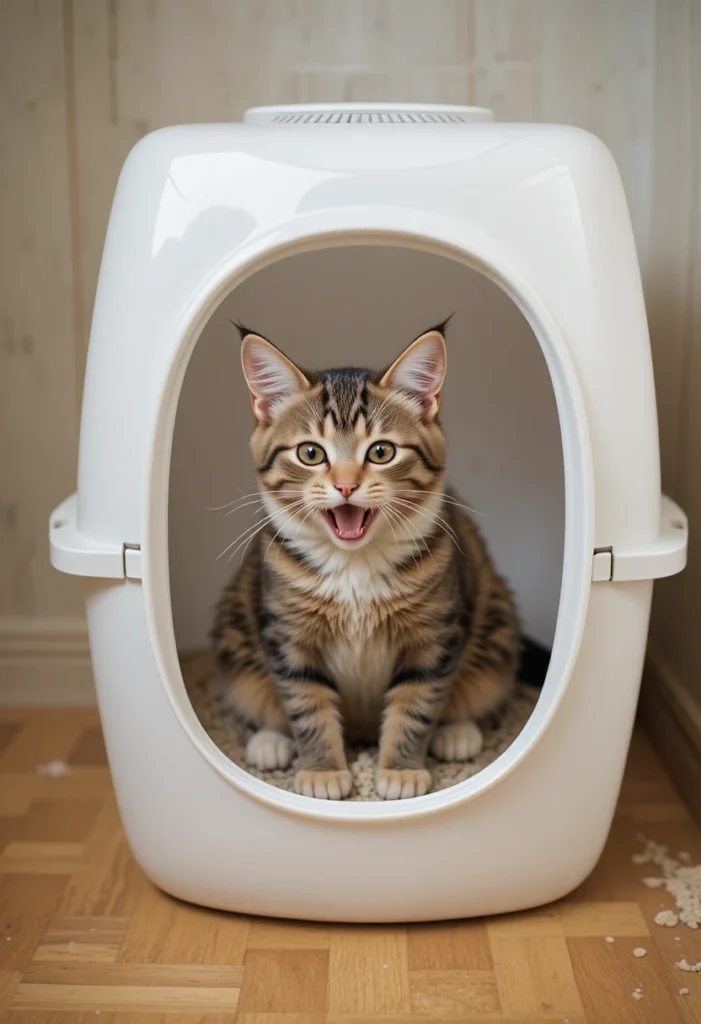
Without enough water moving through the digestive tract, stool can become harder and more difficult to pass. If your cat is straining, visiting the litter box more often without producing much, or seems uncomfortable, dehydration could be part of what’s slowing digestion down.
10. Thick, Stringy Saliva or a Dry Nose
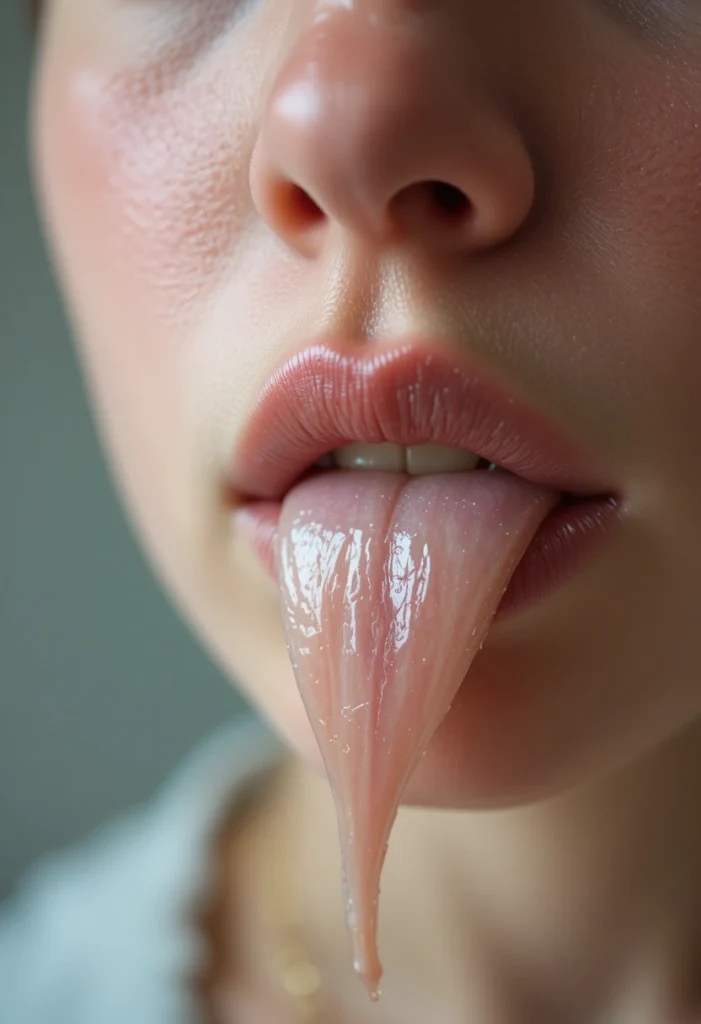
While a dry nose alone isn’t a reliable dehydration indicator on its own (plenty of perfectly healthy cats have dry noses), thick or stringy saliva combined with dry gums is a more telling combination worth paying attention to.
11. Hiding or Sudden Behavior Changes
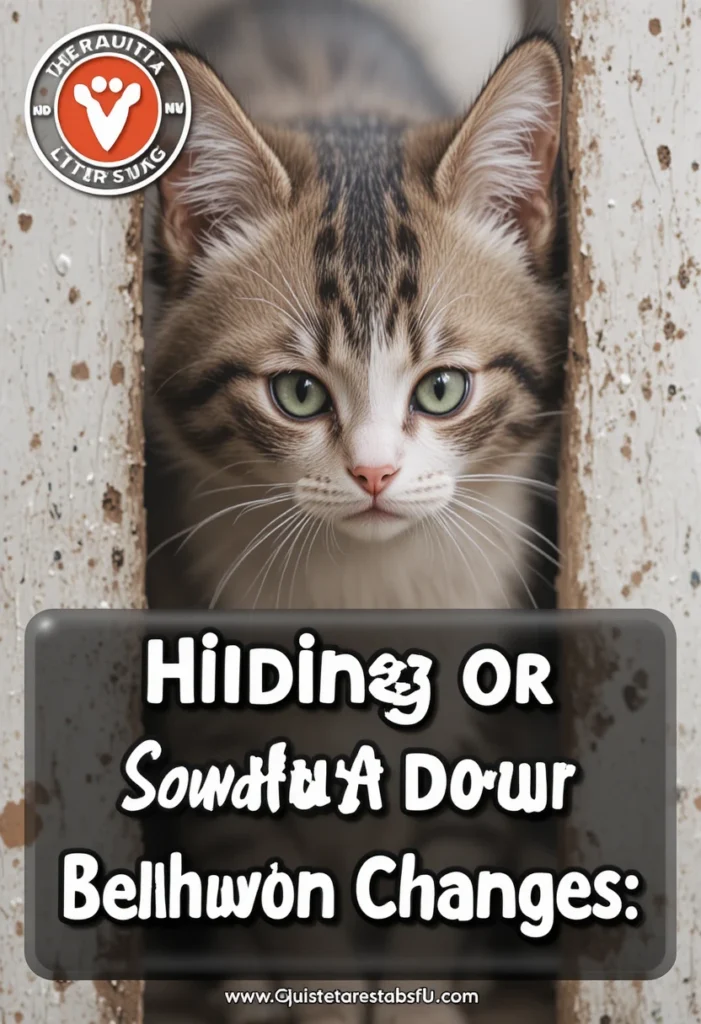
Cats who don’t feel well often withdraw. A dehydrated cat may hide under furniture, avoid the family, or seem unusually withdrawn compared to their normal personality. Because this can be caused by many different issues, it’s most meaningful when it shows up alongside the physical signs above.
12. Confusion, Wobbliness, or Collapse (Emergency Signs)
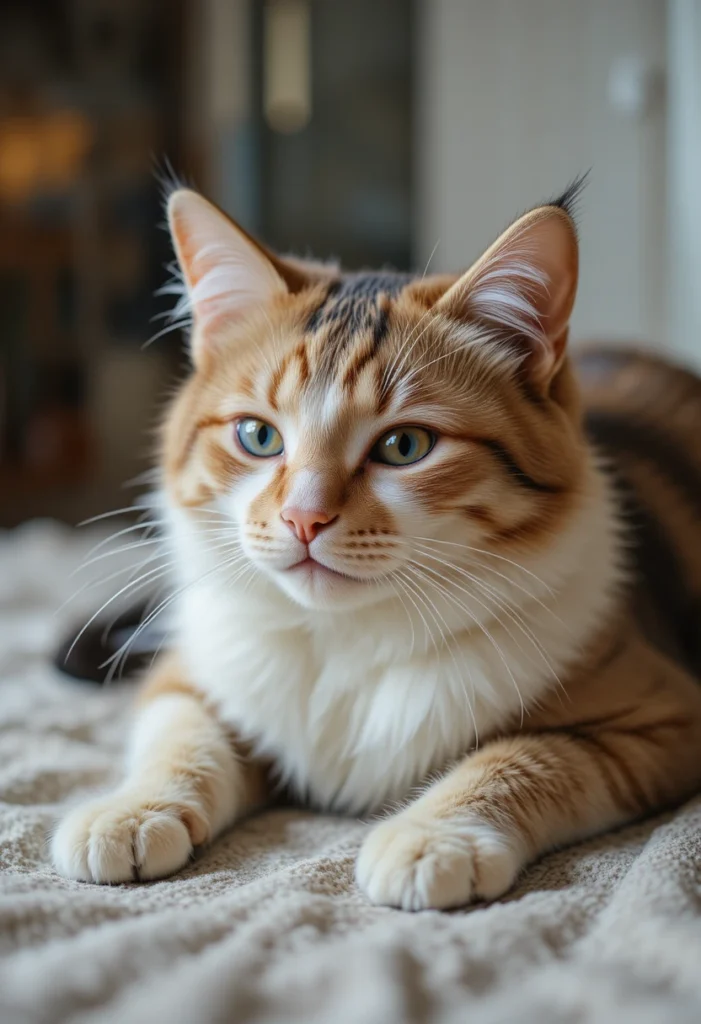
These are the signs of severe dehydration, and they mean it’s time to go straight to the vet, not wait and watch. A cat who seems disoriented, unsteady on their feet, or who collapses is dealing with a fluid loss significant enough to be a genuine medical emergency.
[Image Placement 2: Vertical infographic style checklist listing all 11+ signs with small icons, formatted so it could be saved and referenced later. Overlay text: “11+ Signs Your Cat Might Be Dehydrated.”]
How to Check Your Cat for Dehydration at Home
You don’t need any special equipment to run a basic hydration check. These two tests take less than a minute combined.
The Gum Check
Lift your cat’s lip and press a fingertip gently against the gums. They should feel wet and slick. Dry, tacky, or sticky gums are a warning sign worth noting.
The Skin Tent Test
Gently pinch a small tent of skin between the shoulder blades or along the back, then release. It should snap back into place within one to two seconds. Anything slower may indicate dehydration, particularly if the gum check also raised concern.
If both checks come back concerning, or if your cat is showing several signs from the list above at once, that combination is reason enough to contact your veterinarian rather than waiting to see if things improve on their own.
What Causes Dehydration in Cats
Understanding the root causes can help you prevent dehydration before it starts, and can help your vet pinpoint what’s going on if your cat is already showing signs.
- Insufficient water intake. Some cats simply don’t drink enough on their own, especially if the water bowl is in an undesirable location, the water isn’t fresh, or they prefer a different type of water source like a fountain.
- Vomiting and diarrhea. Both cause rapid fluid loss and are among the most common short term causes of dehydration in cats.
- Heat exposure. Cats lose fluid through panting and through their paw pads in hot weather, which can add up quickly during summer months.
- Underlying illness. Conditions such as kidney disease, diabetes, and hyperthyroidism can all increase fluid loss or reduce a cat’s desire to drink, making chronic dehydration a common companion to these diseases.
- Stress or anxiety. Cats under stress, whether from a new environment, a new pet, or a change in routine, sometimes eat and drink less, which can gradually lead to dehydration over time.
- Age related factors. Both very young kittens and senior cats tend to be more vulnerable to the effects of fluid loss than healthy adult cats in their middle years.
When to Call the Vet Right Away
Some signs call for an immediate trip to the vet rather than a wait and see approach:
- Sunken eyes
- Panting without obvious cause
- Confusion, wobbliness, or collapse
- Persistent vomiting or diarrhea alongside any of the signs above
- Both the gum check and skin tent test raising concern at the same time
Dehydration that’s caught early is usually straightforward to treat. Left untreated, it can strain the kidneys, worsen existing illness, and lead to more serious complications, so when in doubt, it’s always safer to have your cat examined.
One important note: if you suspect your cat is dehydrated, avoid forcing water or using a dropper at home. It’s possible to accidentally get fluid into the lungs this way, which can lead to a dangerous form of pneumonia. Offering wet food, tuna packed for human consumption, or a small amount of unsalted broth can encourage a mildly dehydrated cat to take in some fluid voluntarily, but if your cat won’t drink on their own, it’s time to head to the vet rather than continuing to try at home.
[Image Placement 3: Vertical graphic showing a simple “Do vs Don’t” comparison for home care, e.g. Do offer wet food, Don’t force water with a dropper. Strong contrast design, ideal for saving and sharing.]
Simple Ways to Keep Your Cat Hydrated Every Day
Prevention is far easier than treatment. A few small habits can make a real difference in how much water your cat takes in naturally.
- Switch part of your cat’s diet to wet food, which contains significantly more moisture than dry kibble.
- Try a cat water fountain. Many cats are instinctively drawn to moving water over still water in a bowl.
- Keep water bowls away from food and litter boxes, since some cats avoid drinking near either.
- Offer multiple water stations around the house, especially in a multi-cat household.
- Refresh water daily, since some cats will avoid water that smells stale or has been sitting out too long.
- Keep an eye on water intake more closely during hot weather or if your cat has a diagnosed condition like kidney disease.
This one small habit change is often the one that makes the biggest difference: adding a second water bowl in a completely different room.
Frequently Asked Questions
How quickly can a cat become dehydrated?
It depends on the cause. A cat with ongoing vomiting or diarrhea can become dehydrated within just a day, while dehydration from simple low water intake tends to build up more gradually over several days.
Is the skin pinch test always accurate?
It’s a helpful at home indicator, but it’s less reliable in senior cats or cats with reduced body fat, since their skin naturally loses some elasticity regardless of hydration status. It works best combined with the gum check and a look at overall behavior.
Can dry food alone cause dehydration in cats?
Dry food alone typically isn’t enough moisture for most cats, since it contains very little water compared to wet food. Cats eating only dry kibble need reliable access to fresh water throughout the day to make up the difference.
Should I be more concerned about dehydration in older cats?
Yes. Senior cats are more prone to conditions like kidney disease and hyperthyroidism that increase fluid loss, and they’re also generally less resilient to the effects of dehydration than a healthy middle aged cat.
The Bottom Line
Dehydration in cats rarely announces itself loudly. It shows up in a slower skin snap back, gums that feel a little less slick, a nap that goes on a little too long. Knowing these 11+ signs, along with the two simple checks you can do at home, means you’ll catch the problem early rather than after it’s already taken a toll.