
Your puppy is asleep in the crate. The house is finally quiet. And you’re sitting there wondering: did I just make a huge mistake?
If that thought crossed your mind in the last 24 hours, take a breath you’re not a bad puppy parent, you’re a normal one. The first week with a new puppy is a blur of accidents, 3 a.m. wake-ups, and a level of love you weren’t fully braced for. Save this guide now, because you’re going to want to come back to it more than once this week.
Here’s the good news: almost every “disaster” that happens in week one is completely predictable and completely fixable. Below are 11+ first week with a new puppy tips covering the crate, the crying, the potty accidents, the chewing, and the one mistake (tip #7) that trips up almost every first-time puppy parent without them realizing it.
1. Prep the House Before Puppy Walks In
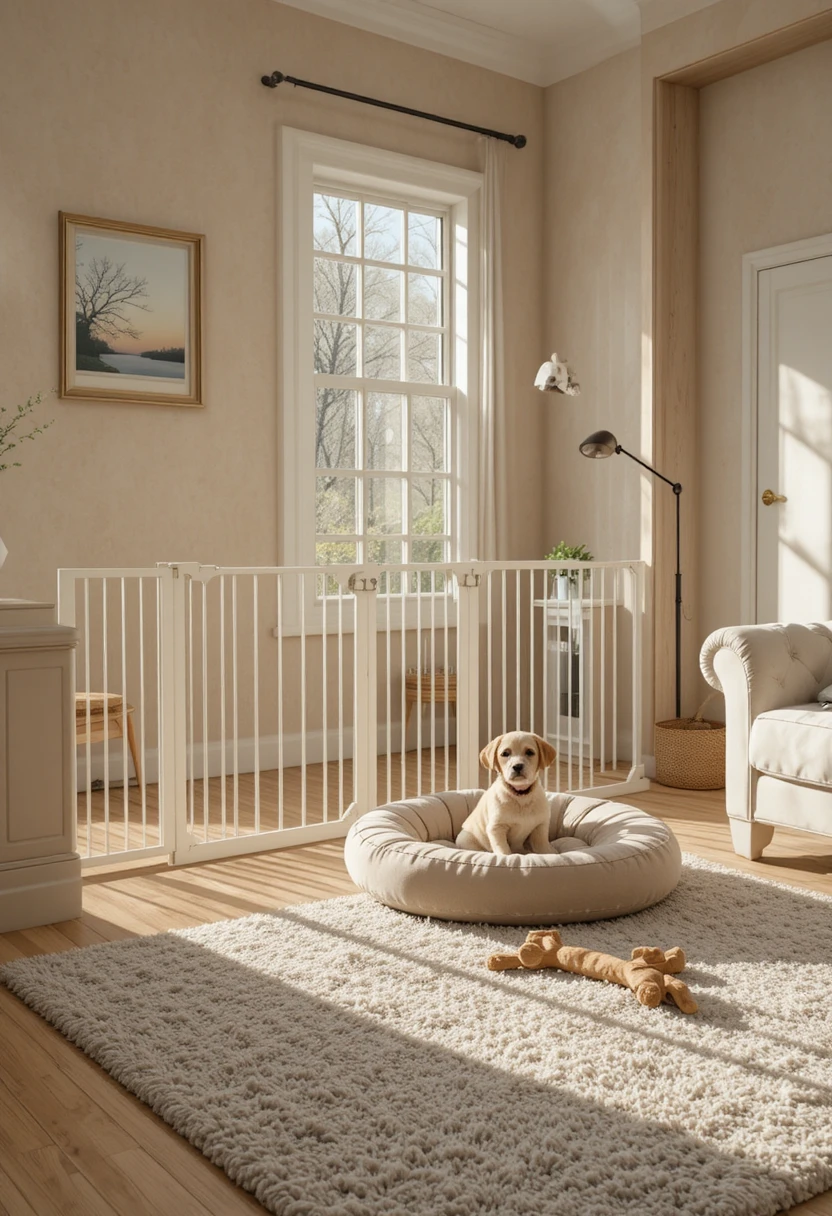
Puppy-proofing feels like an errand you can “get to later.” It isn’t. A curious 8-week-old puppy will find the one loose phone charger, the one dangling curtain cord, or the one bottle of cleaning spray you forgot about usually within the first hour.
Walk through your home at puppy-eye level and handle these before pickup day:
- Cords and cables — bundle or cover them; chewed cords are a shock and fire risk.
- Trash cans — switch to a lidded, latched can or move it behind a door.
- Household chemicals and medications — locked cabinets only.
- Toxic foods — chocolate, grapes, onions, and anything with xylitol stored well out of reach.
- Small or breakable objects — shoes, remotes, kids’ toys, anything chewable.
The easiest fix of all: pick one puppy-safe “home base” room (kitchen, laundry room, or any easy-clean space) and use baby gates or an exercise pen to keep your puppy contained there for the first couple of weeks. It shrinks the chaos down to one manageable zone instead of an entire house.
2. Buy the Essentials — But Don’t Overbuy
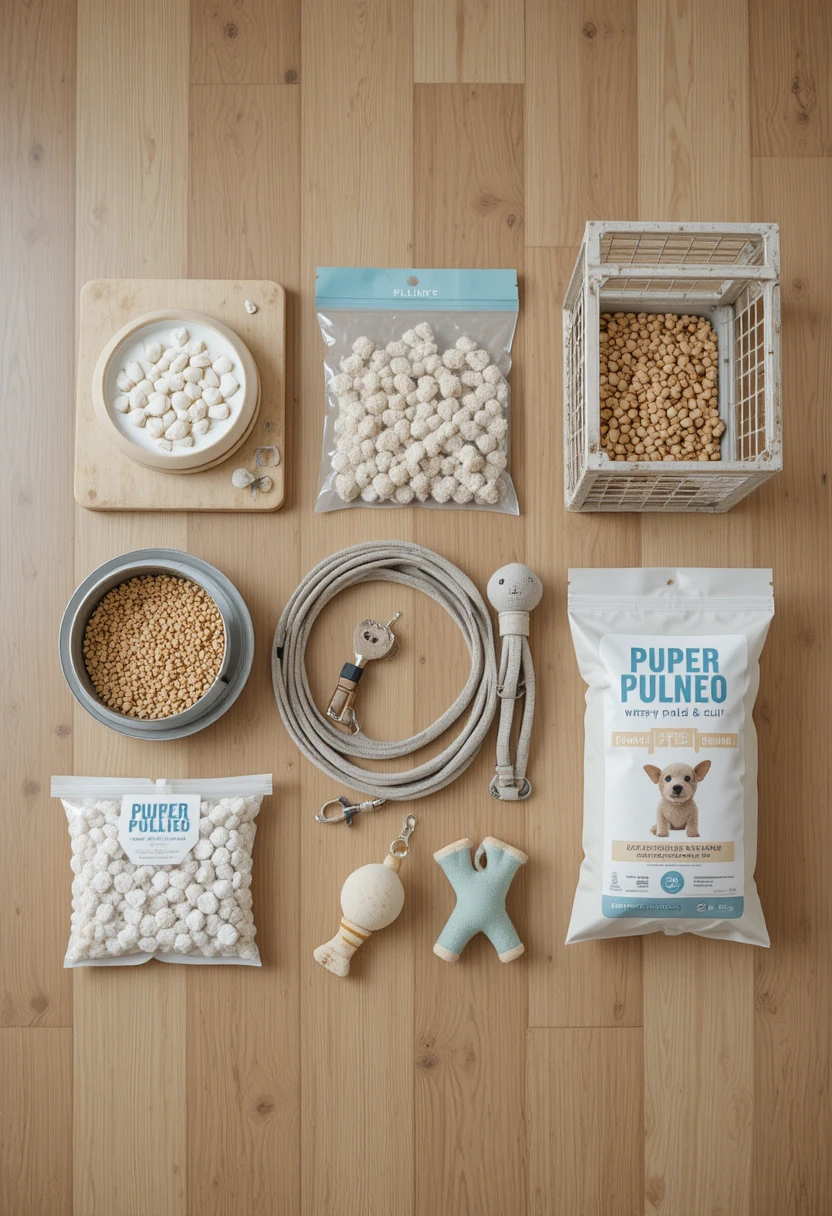
You don’t need every gadget on the pet store shelf. You need these:
- Food and water bowls (stainless steel is easiest to keep clean)
- A small bag of the same puppy food your breeder or shelter was using
- A properly sized crate, ideally with a divider so it grows with your puppy
- A soft bed or blanket, plus a couple of safe chew toys
- A collar, leash, and ID tag
- Puppy pads (even if you’re planning to go straight to outdoor potty training)
Quick tip: Ask the breeder or shelter for a small piece of bedding that smells like your puppy’s littermates. That one scent can do more to calm a first night than any high-tech gadget.
3. Schedule the Vet Visit for This Week, Not “Someday”
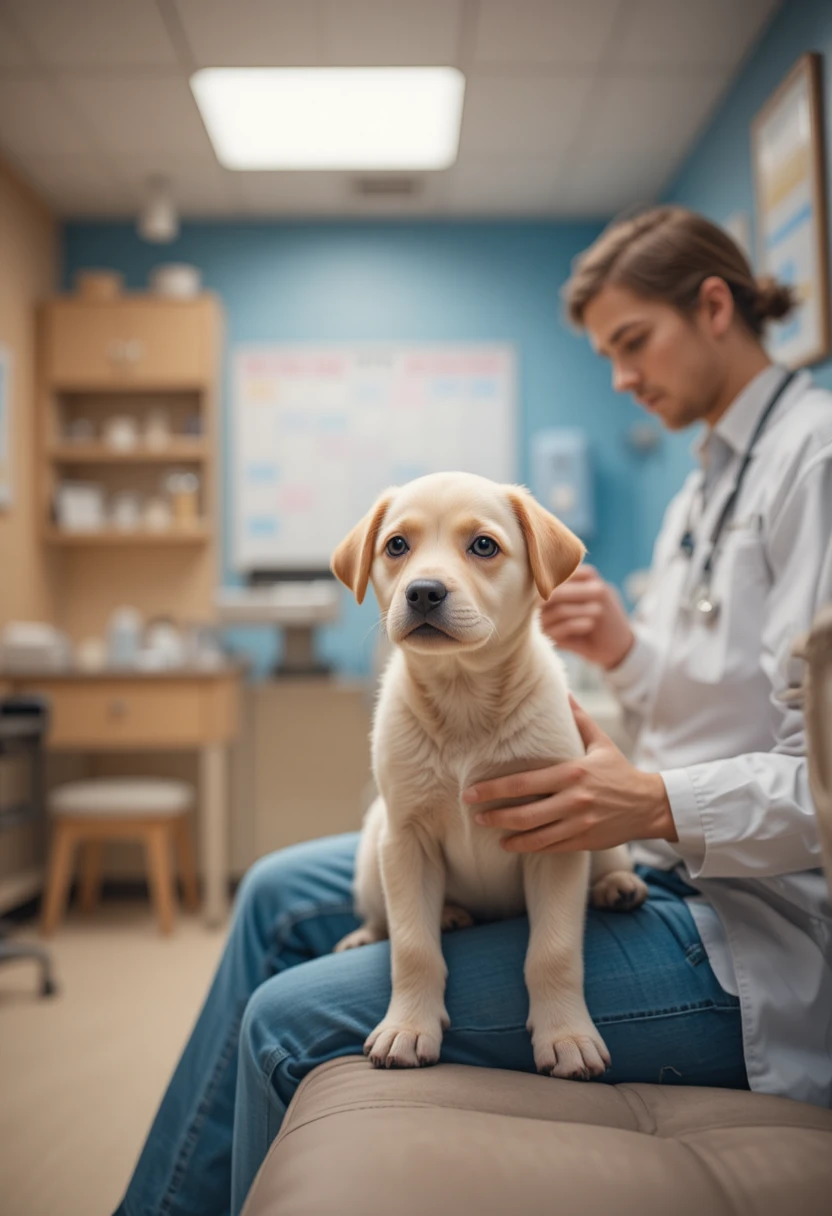
Book your puppy’s first veterinary visit as soon as you can ideally within the first few days home. Your vet will check for parasites, confirm the vaccination schedule, and give you a nutrition plan tailored to your specific puppy. This isn’t a “nice to have”; it’s the foundation everything else in this list is built on.
4. Keep Arrival Day Calm — Not a Party
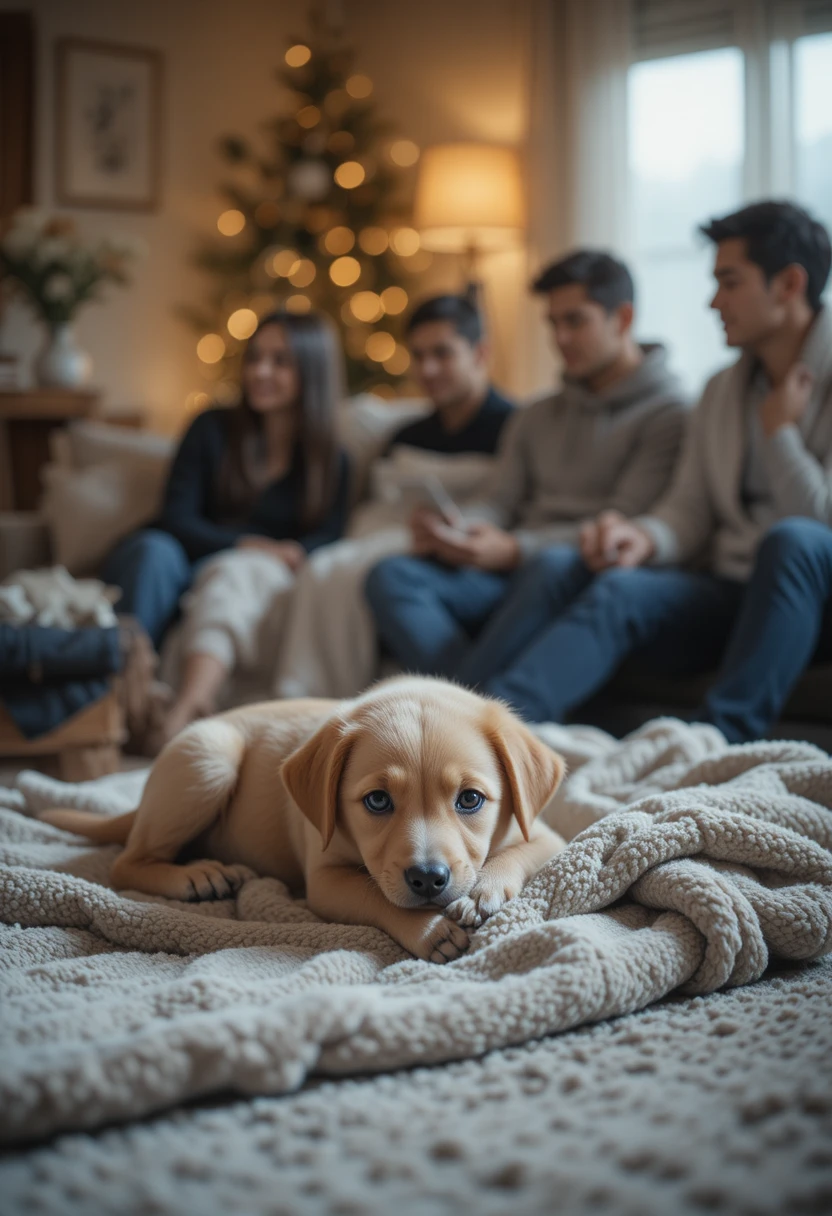
It’s tempting to invite the whole family and every neighbor over to meet the new puppy. Don’t. Your puppy just left the only world they’ve ever known their mother, their littermates, every familiar smell. Walking into a room full of strangers is overwhelming, not exciting, from their point of view.
Instead:
- Bring your puppy straight to their home base room and let them explore at their own pace.
- Introduce family members one at a time, quietly.
- Skip the visitors for the first few days.
- Keep your voice calm and low excitement is contagious, and so is calm.
Here’s the thing: the puppy who gets a slow, quiet first day almost always settles in faster than the one who gets the “welcome home” party.
Read Also: Pets Nestly
5. Set a Routine on Day One (Yes, Day One)
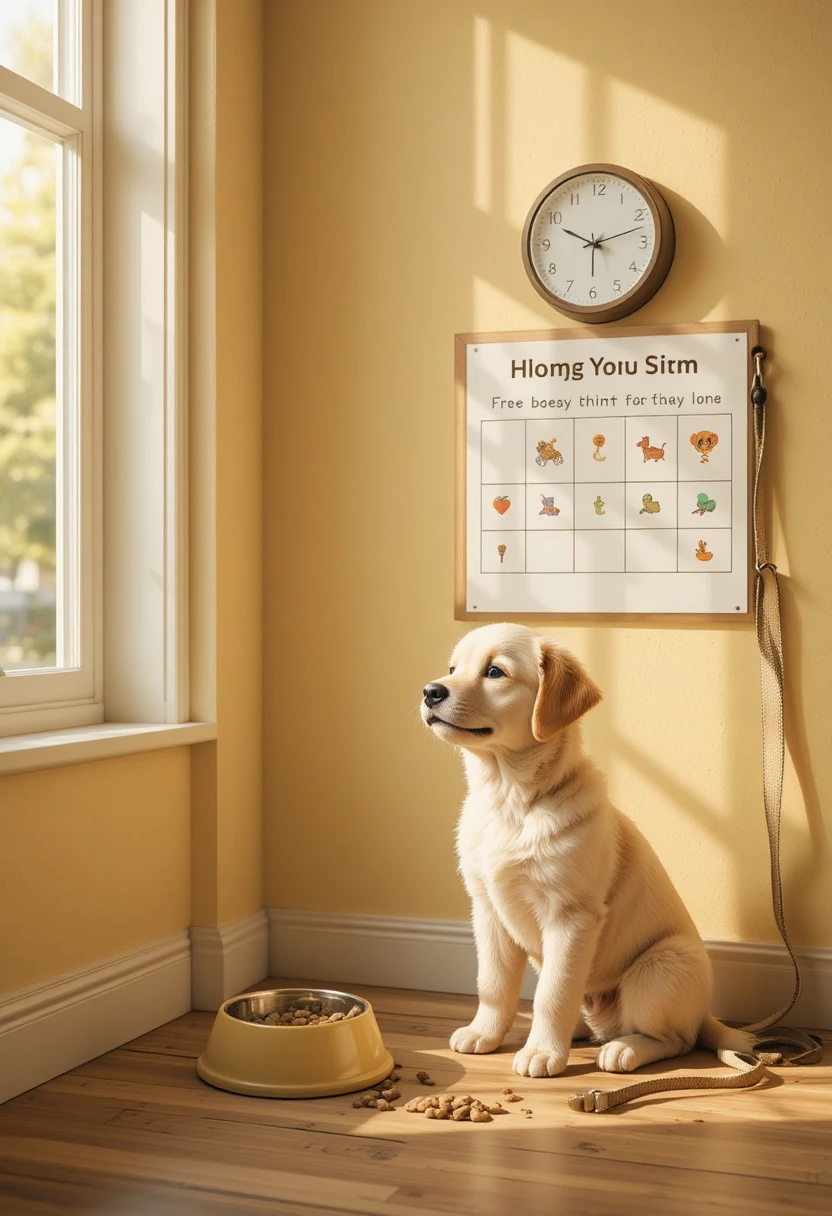
Puppies thrive on predictability, and a consistent routine is honestly the single biggest lever you have this week. Feed, potty, play, and nap at roughly the same times every day. This does two things at once: it helps your puppy feel secure, and it makes their bathroom habits far easier to predict.
A simple starting rhythm looks like this:
- Wake up → straight outside for a potty break
- Breakfast → short potty break 10–20 minutes later
- Play/training session → nap
- Repeat feeding/potty/play/nap cycle through the day
- Light play an hour before bed → final potty break → crate
Save this rhythm it’s the backbone of everything else on this list.
6. Nail the Potty Training Basics Early
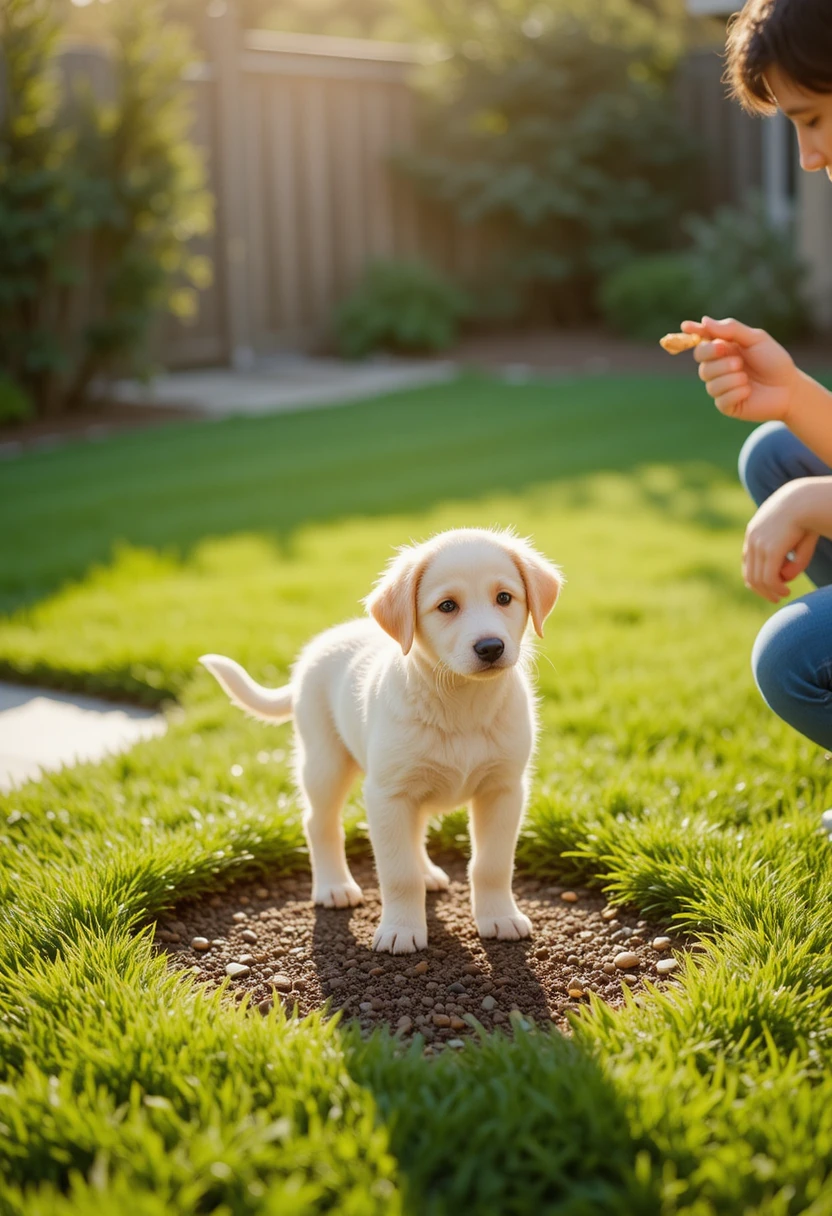
Accidents will happen this week. That’s not a failure on your part it’s biology. A young puppy’s bladder simply can’t hold much yet.
What actually works:
- Take your puppy outside immediately after waking, eating, drinking, or playing.
- Praise or treat the second they finish outside, not after you’re back inside.
- Watch for the tells: sniffing, circling, or suddenly wandering off mid-play.
- If you catch an accident happening, calmly interrupt and head outside never punish after the fact, since puppies can’t connect a scolding to something that happened minutes ago.
Quick tip: if you’re using pee pads as a bridge, place them far from your puppy’s food and sleeping area puppies instinctively avoid soiling their “den” space.
7. Survive the First Night (This Is the Big One)
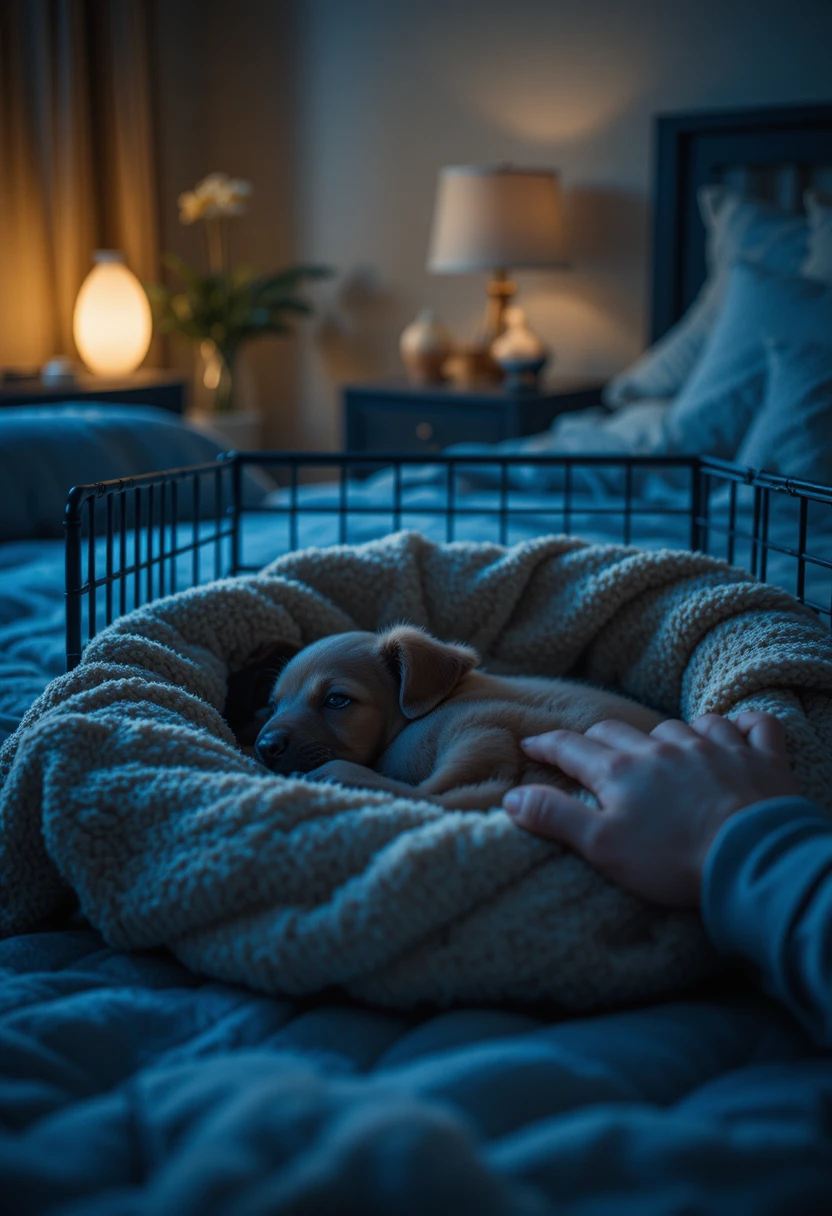
This is the tip most first-week guides bury and it’s the one that determines whether your whole week feels manageable or miserable.
Your puppy has likely never slept alone before. Crying the first few nights is completely normal, not a sign that something’s wrong or that crate training is failing.
What helps:
- Keep the crate in your bedroom, next to your bed, for at least the first several nights. Closeness matters more than most people expect.
- Tuck a shirt you’ve worn recently into the crate so it smells like you.
- Do a calm potty break right before bed, then dim the lights and keep the pre-bed routine low-key no rowdy play.
- If crying starts early in the night, it’s usually anxiety offer calm, quiet reassurance without opening the crate.
- If crying starts in the middle of the night, it’s usually a bathroom need take them straight out, keep it boring and businesslike, then straight back to the crate.
Save-worthy tip: Early-night crying = anxiety. Middle-of-the-night crying = bathroom. Learning to tell the difference will save you an entire week of guesswork.
Don’t let your puppy “cry it out” alone in another room but you also don’t need to turn every whimper into a full-blown play session. The goal is reassurance, not entertainment.
8. Start Gentle Socialization Right Away

You don’t need to wait for a full vaccine schedule to begin socialization you just need to be smart about it. Safe, low-risk exposure in week one can include:
- Calm handling: holding paws, gently touching ears, brief cuddles.
- New sounds at low volume a vacuum in another room, the dishwasher running.
- Meeting immediate family members one at a time.
Save the dog park, puppy classes, and meeting unfamiliar dogs until your vet confirms it’s safe based on your puppy’s vaccination timeline.
9. Teach Bite Inhibition From Day One
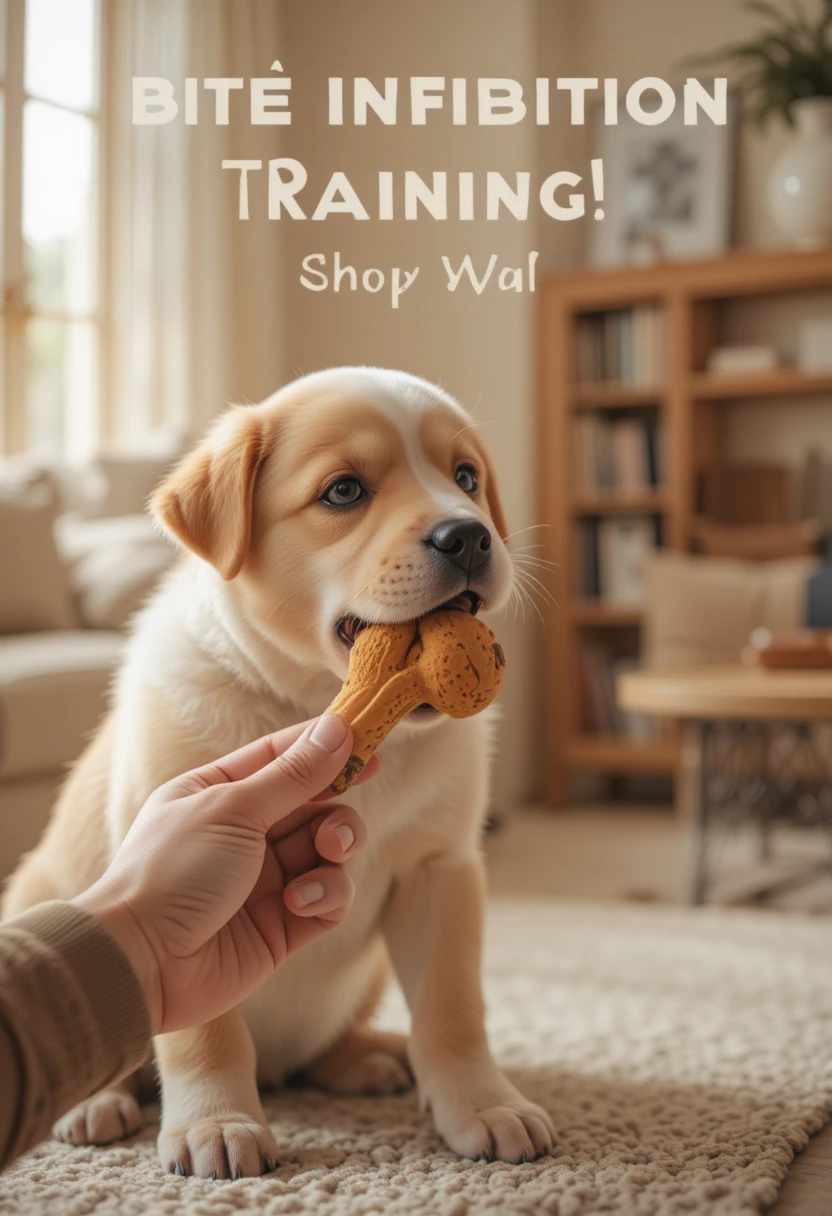
Puppy teeth are sharp, and nipping is completely normal play behavior it’s how they interacted with littermates. A simple, consistent response works best: say “ow” in a short, sharp tone when it happens, then briefly pause the interaction. This mirrors the feedback puppies give each other and teaches bite pressure without any punishment involved.
10. Don’t Skip Alone-Time Practice
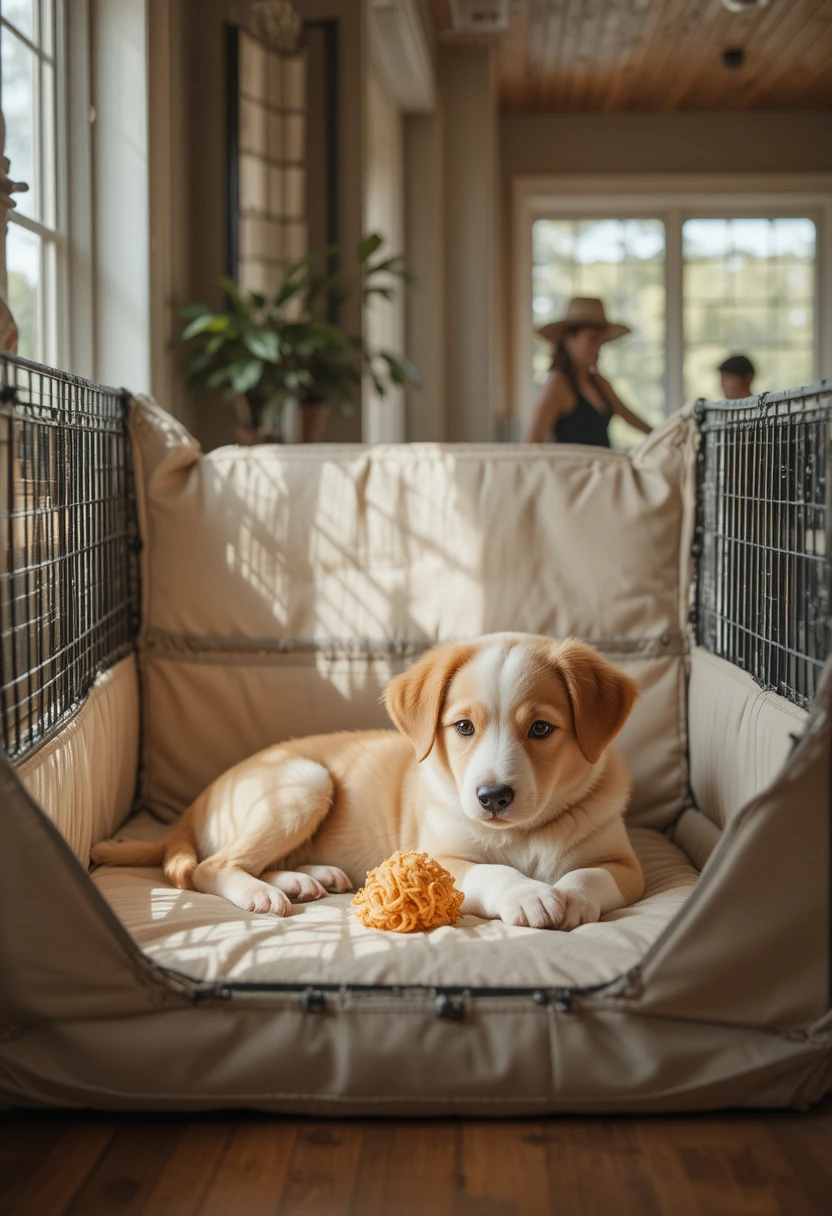
It’s easy to spend every waking moment with your new puppy this week but if they never practice being alone, even for five minutes, separation anxiety can quietly take root. Start small: step into another room for a minute or two while your puppy has a safe chew toy, then return calmly. Gradually stretch the time. This tiny habit now can prevent a much bigger problem later.
11. Watch for the “Rule of Threes”
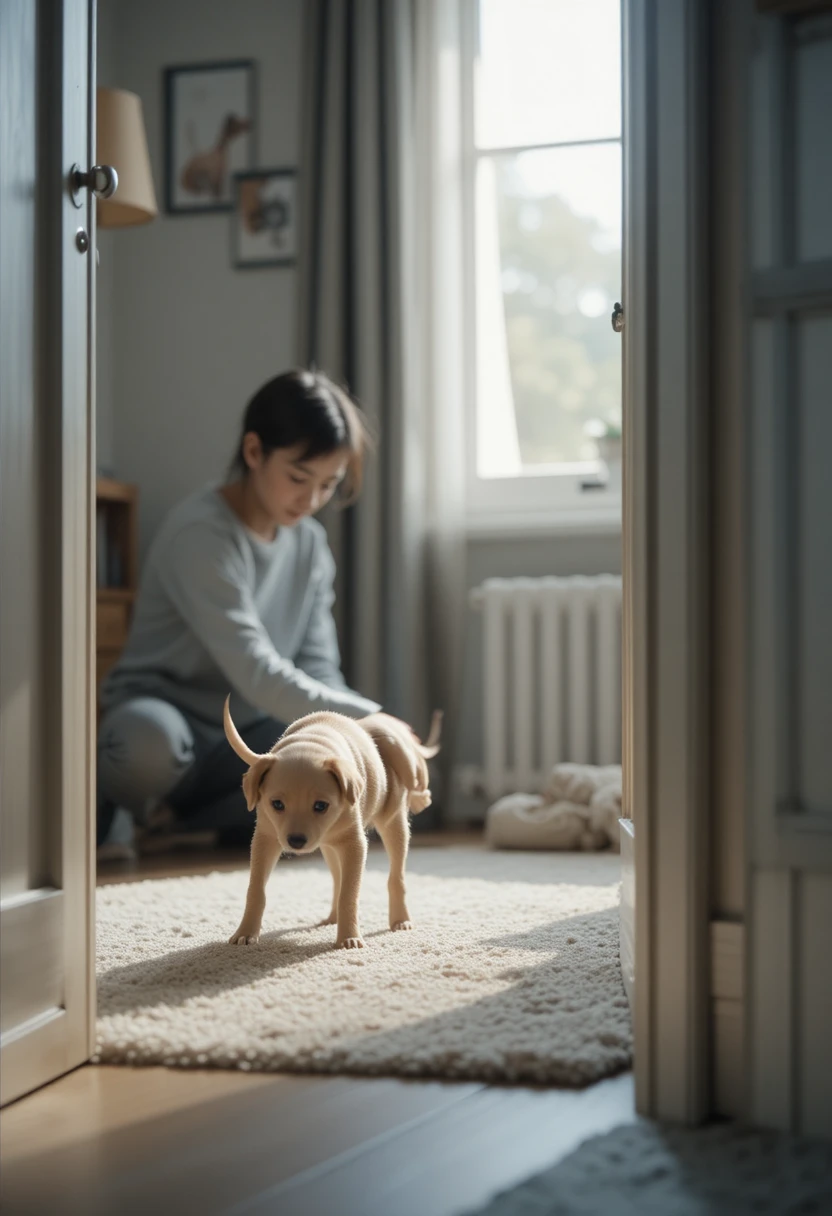
Veterinary behaviorists often describe puppy adjustment in three stages: 3 days to start decompressing from the move, 3 weeks to begin settling into a routine, and 3 months to feel truly at home. If your puppy still seems a little unsure by day 5 or 6, that’s not a red flag it’s exactly on schedule.
Bonus Tip: Go Easier on Yourself Than the Checklists Suggest
Here’s what most puppy guides won’t say out loud: this week isn’t a boot camp. You don’t need to master ten commands, perfect leash walking, and complete full socialization all before Thursday. Think of this week as orientation, not training camp showing your puppy what life in your home feels like, where the routine lives, and that you’re safe and predictable. Everything else builds from there.
Frequently Asked Questions
How long does it take for a puppy to adjust to a new home?
Most puppies start settling within the first 3 days, feel noticeably more comfortable by 3 weeks, and are generally fully adjusted by around 3 months the “rule of threes” mentioned above.
Is it normal for a puppy to cry every night the first week?
Yes. It’s extremely common for puppies to cry during their first few nights even first few weeks as they adjust to sleeping without their mother and littermates for the first time.
Should I let my puppy cry it out in the crate?
No. Ignoring genuine distress isn’t recommended. The better approach is keeping the crate close to you and offering calm reassurance, while avoiding turning every whine into playtime or an automatic release from the crate.
How many times should a puppy go outside in the first week?
Take your puppy out immediately after waking up, eating, drinking, playing, and roughly every 1–2 hours in between, since young puppies have very limited bladder control.
When can I start taking my puppy for walks?
Ask your veterinarian at the first visit it typically depends on your puppy’s vaccination schedule, but gentle leash introduction around the yard or house can often start right away.
The First Week Is the Hardest — And the Most Important
If today felt harder than you expected, that’s not a sign you’re doing this wrong. It’s a sign you’re doing something genuinely big: building trust with a creature who’s never met you before this week. The accidents, the 3 a.m. wake-ups, and the constant supervision won’t last forever but the bond you’re building right now will.