If you have ever gotten a quote for your dog’s teeth cleaning and felt your stomach drop, you already understand why dental coverage matters so much when shopping for pet insurance. Dental disease is one of the most common health problems pets face, yet it is also one of the most inconsistently covered parts of a pet insurance policy. Some plans treat it as a core benefit. Others bury it under exclusions, waiting periods, or expensive add-ons.
This guide breaks down 11+ pet insurance options that offer real dental coverage, what that coverage typically includes, what it usually leaves out, and how to figure out which type of plan actually fits your pet.
Why Dental Coverage Matters So Much for Pet Owners
Periodontal disease affects the vast majority of dogs by the time they turn three years old, and cats are not far behind, especially breeds like Siamese and Maine Coons that are known for dental sensitivity. Left untreated, dental disease does not stay confined to the mouth. It has been linked to inflammation that can affect the kidneys, heart, and liver over time.
The financial side is just as important. A professional dental cleaning for a dog typically runs a few hundred dollars, and that number climbs quickly once anesthesia, extractions, or periodontal treatment enter the picture. A single bad dental year can easily cost over a thousand dollars, which is exactly the kind of expense pet insurance is meant to soften.
Understanding the Two Types of Dental Coverage
Before comparing individual plans, it helps to understand that “dental coverage” is not one single thing. Most pet insurers split it into two very different categories:
Dental illness coverage usually falls under a standard accident and illness plan. This includes conditions like periodontal disease, gingivitis, abscesses, and medically necessary extractions caused by disease rather than injury.
Dental accident coverage is even more common and typically included in nearly every base plan. This covers a tooth that is broken or knocked out due to an injury, like a fall or a rough play session.
Routine dental cleanings, the kind your vet recommends every year or two as preventive care, are almost always excluded from base plans entirely. To get these covered, you typically need a separate wellness add-on, which comes with its own monthly cost and annual limit.
Keep these three categories in mind as you read through the list below, since providers mix and match them in very different ways.
11+ Pet Insurance Providers That Cover Dental Care
1. Fetch Pet Insurance
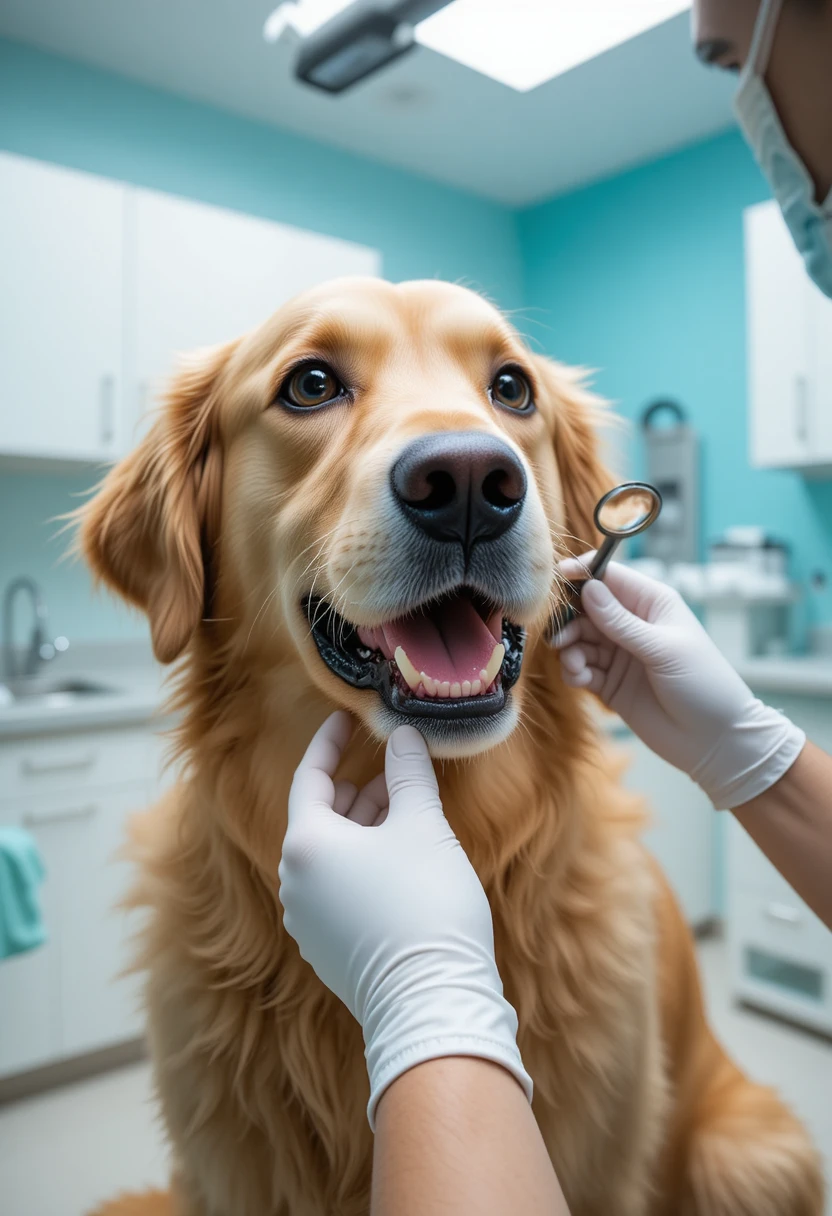
Fetch stands out for offering what is often called “every tooth” dental coverage. Rather than limiting coverage to just the four canine teeth like many competitors, Fetch covers injury and disease across the full mouth, including fractured molars, tooth root abscesses, and advanced periodontal disease requiring extraction. Reimbursement can reach up to 90 percent depending on the plan you choose. Fetch is also a strong option for newly adopted shelter or rescue pets, since it can cover certain common pre-existing conditions under specific program terms.
Best for: owners who want the broadest possible dental protection without hunting for exclusions in the fine print.
2. Pumpkin Pet Insurance
Pumpkin takes a “no surprise add-on” approach. Dental illness is included in the standard plan alongside behavioral therapy, hereditary conditions, and prescription food, rather than being sold separately. Cosmetic and endodontic procedures are typically excluded, but disease-related treatment is not. Pumpkin also has no upper age limit for enrollment, which matters if you are insuring a senior pet whose dental needs are more urgent.
Best for: pet owners who want dental coverage bundled in without juggling multiple add-ons.
3. ASPCA Pet Health Insurance
ASPCA’s Complete Coverage plan includes dental illness treatment as part of the base policy, meaning conditions like gingivitis and dental disease requiring extraction do not require a separate rider. Its accident-only tier covers extractions tied to injury. ASPCA also offers a preventive care add-on for routine cleanings, along with a multi-pet discount that can help households with more than one animal.
Best for: multi-pet households that want dental coverage without paying for it twice.
4. Pets Best
Pets Best is frequently highlighted for having some of the highest dental coverage limits in the industry. Its base plan extends to advanced procedures like root canals and jaw surgery, which many competitors simply exclude. For routine cleanings, its wellness plan add-on can cover the full cost with no annual cap, a rare feature in this space. Pets Best is also known for paying licensed vets directly for approved claims, which can reduce out of pocket friction.
Best for: owners anticipating advanced dental work, not just basic cleanings.
Read Also: Pets Nestly
5. Embrace Pet Insurance
Embrace includes dental illness coverage as part of its standard accident and illness plan, putting it among the more comprehensive options for periodontal disease and related treatment. It is frequently mentioned alongside ASPCA and Pumpkin as one of the plans with the broadest dental inclusion.
Best for: owners who want dental illness protection without a lot of policy complexity.
6. MetLife Pet Insurance
MetLife is another provider recognized for including dental illness in its core coverage rather than treating it as an optional extra. This makes it a solid comparison point if you are cross-shopping plans that bundle dental protection into a single premium.
Best for: comparison shoppers who want dental included from day one.
7. Spot Pet Insurance
Spot covers dental illness as part of its accident-and-illness plan, and its optional preventive care package extends that to routine cleanings for an additional cost. One thing to note is that Spot applies a waiting period to all conditions, including dental issues, so it is not ideal if you need coverage to kick in immediately.
Best for: owners planning ahead rather than needing instant coverage.
8. Trupanion
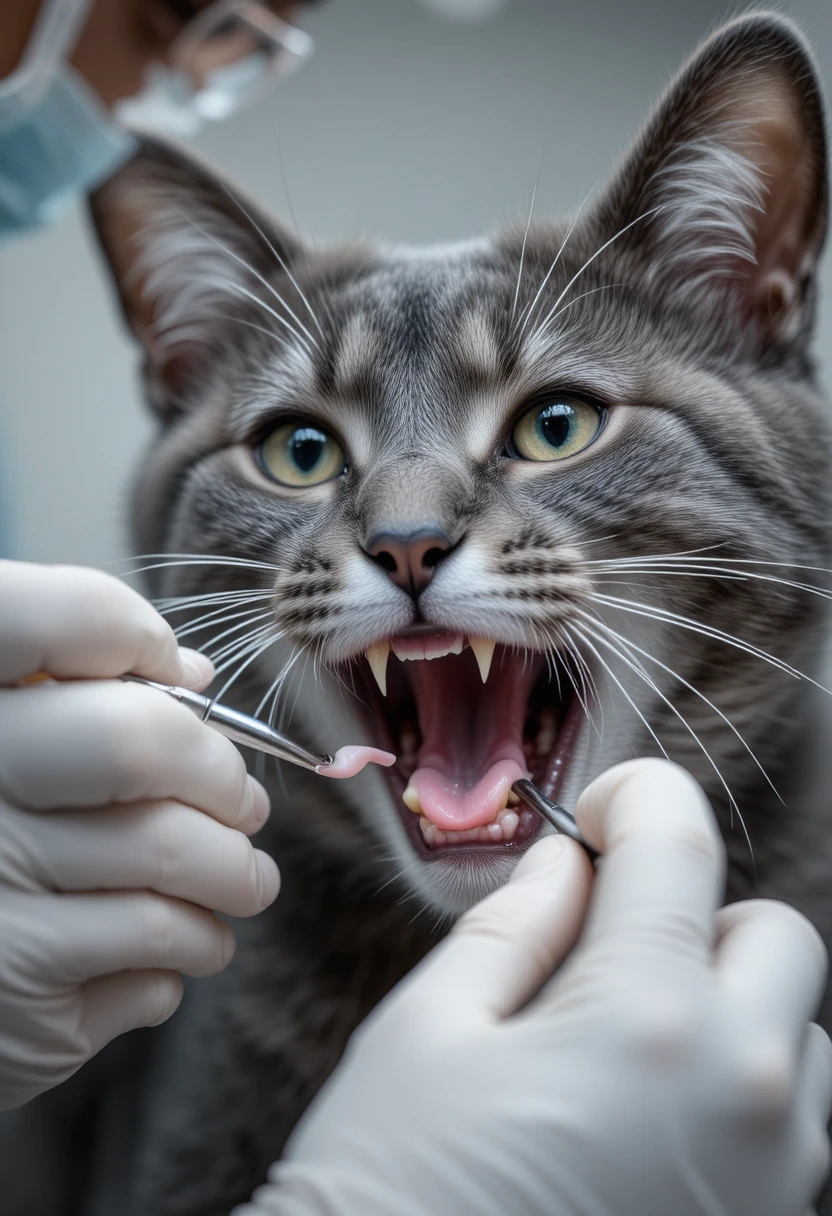
Trupanion covers both dental illness and dental injury with a distinctive feature: no annual or lifetime payout caps. For pet owners worried about hitting a coverage ceiling during a major dental procedure, this uncapped structure can be a meaningful advantage, even though Trupanion does not typically offer a routine wellness add-on the way some competitors do.
Best for: owners most concerned about hitting annual payout limits.
9. Lemonade
Lemonade’s base policy covers dental accidents, while dental illness requires a separate paid add-on, often capped around a specific annual dollar amount. This makes Lemonade a flexible but more piecemeal option, better suited to owners who want to customize their coverage level rather than accept a fixed bundle.
Best for: budget-conscious owners who want to choose their own level of dental protection.
10. Figo Pet Insurance

Figo includes dental issues in its main plan at no additional cost, alongside a 24/7 veterinary helpline and no upper age limit for enrollment. This makes it a reasonably approachable option for owners of senior pets who might get turned away or upsold elsewhere.
Best for: senior pet owners looking for dental coverage without an age cutoff.
11. Healthy Paws
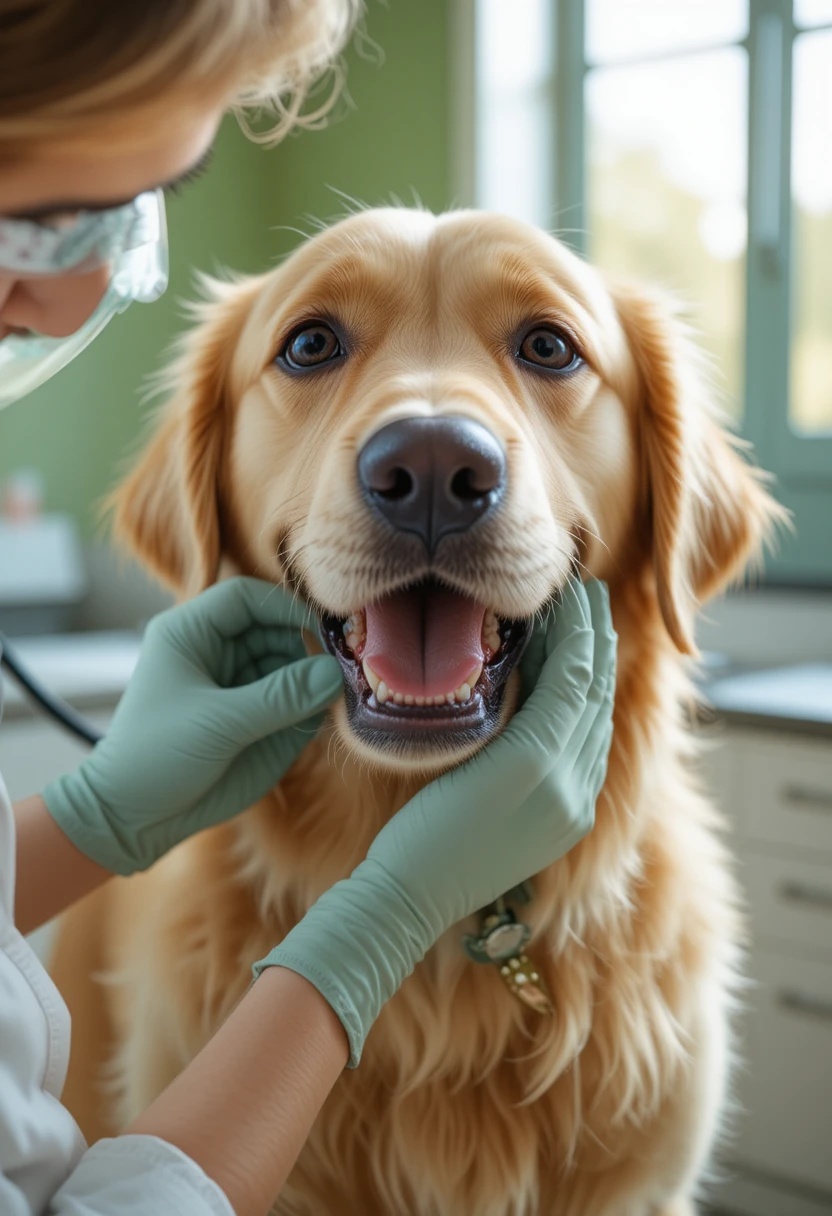
Healthy Paws covers dental from accidents and select illnesses, but tends to exclude extractions specifically tied to periodontal disease, which is one of the more common dental claims pet owners actually file. It is worth reading the exclusions closely here if periodontal disease is a real concern for your pet’s breed or age.
Best for: owners primarily worried about accidental dental injury rather than progressive disease.
12. Wellness Add-On Plans (Multiple Providers)
Several of the providers above, along with others in the market, offer a separate wellness plan specifically for routine dental cleanings, the kind your vet schedules proactively rather than reactively. These add-ons typically run a modest monthly cost on top of your base premium and can cover cleanings, scaling, and polishing in full or up to a set annual limit. If your pet is young and healthy but you want to stay ahead of dental disease rather than treat it after the fact, pairing a base accident-and-illness plan with a wellness add-on is often the most complete approach.
What Pet Dental Insurance Typically Does Not Cover
Even the most generous plans tend to draw the line somewhere. Common exclusions include:
- Pre-existing dental conditions that were present or diagnosed before your policy began
- Cosmetic procedures, including orthodontic work like caps or implants
- Routine cleanings under a base plan, unless a wellness add-on is purchased separately
- Certain breed-specific conditions that some insurers classify differently based on known risk factors
Reading the policy’s definitions section, not just the marketing page, is the only reliable way to know exactly where a specific plan draws these lines.
How to Choose the Right Dental Coverage for Your Pet
Consider Your Pet’s Breed and Age
Small breed dogs like Yorkies, Chihuahuas, and dachshunds are known to be more prone to periodontal disease, and the same goes for certain cat breeds. If your pet falls into a higher-risk category, prioritizing a plan with strong dental illness coverage, not just accident coverage, matters more than chasing the lowest premium.
Compare the Waiting Period
Some insurers apply a short one to two day waiting period for accidents, while others apply a longer waiting period, sometimes two weeks, to every condition including dental issues. If you are insuring an older pet who may need dental work soon, this detail can matter more than the monthly premium.
Decide If You Need a Wellness Add-On
If your pet is young and you mainly want to stay ahead of future problems, a wellness add-on covering routine cleanings may pay for itself over a few years. If your pet already has some dental wear and tear, prioritizing strong illness coverage in the base plan is usually the smarter move.
Check the Reimbursement Percentage and Annual Limit
Reimbursement rates across dental-friendly plans commonly range between 70 and 90 percent, but the annual or lifetime payout cap is just as important as the percentage. A high reimbursement rate paired with a low annual cap can still leave you covering a large chunk of a major procedure out of pocket.
Get Quotes Before You Decide
Because pricing, exclusions, and waiting periods shift often and vary by state, breed, and age, the details in this guide should be treated as a starting point rather than a final decision. This article is general information, not financial advice, so it is worth getting a direct quote from a couple of providers and reading the actual policy documents, particularly the exclusions section, before enrolling.
Frequently Asked Questions
Does pet insurance ever cover routine teeth cleaning?
Only through a wellness add-on in most cases. Standard accident and illness plans typically exclude routine preventive cleanings and only cover dental disease or dental injury.
Is dental coverage automatically included in pet insurance?
It depends on the provider. Some, like Pumpkin and ASPCA, build dental illness coverage into the base plan. Others, like Lemonade, require a separate paid add-on for dental illness specifically.
What is usually not covered even with dental insurance?
Pre-existing dental conditions, cosmetic procedures, and routine cleanings under a base plan are the most common exclusions across the industry.
Which pet insurance has the best dental coverage overall?
Fetch is frequently cited for its full-mouth coverage of both injury and disease, while Pets Best stands out for its high coverage limits on advanced procedures. The better answer, though, is the plan that matches your specific pet’s breed, age, and dental risk.
Should I get a wellness add-on for dental cleanings?
If your pet is young and dental issues have not started yet, a wellness add-on can help you get ahead of problems affordably. If your pet already shows signs of dental disease, prioritizing strong illness coverage matters more than the add-on.
The Bottom Line
Dental disease is common, expensive to treat, and often overlooked until it becomes a problem. The good news is that a growing number of pet insurance providers now build meaningful dental coverage directly into their plans, rather than treating it as an afterthought. Whether you prioritize a provider like Fetch or Pumpkin for their broad built-in coverage, or a plan like Pets Best for its high payout limits, the right choice comes down to your pet’s breed, age, and how proactively you want to manage their dental health. Compare a few real quotes side by side, read the exclusions carefully, and you will be in a much stronger position the next time your vet mentions the word “cleaning.”