
Your senior dog hasn’t cried out. He hasn’t limped dramatically across the room. On the surface, everything looks fine, just a little slower than before. But underneath, dogs are experts at hiding pain, and by the time the signs become obvious, your dog may have been quietly suffering for weeks or even months.
Here’s what most owners don’t realize: dogs instinctively mask discomfort as a survival trait, so the earliest warning signs are almost always subtle behavior changes, not dramatic ones. Learning to spot these small shifts early can mean the difference between catching a treatable problem now and missing it until it becomes an emergency.
This guide walks through 13+ real signs of pain in senior dogs, from the obvious to the easily overlooked, so you know exactly what to watch for and when it’s time to call your vet.
Why Senior Dogs Hide Pain So Well
In the wild, showing weakness makes an animal an easy target for predators. That instinct never fully disappeared, even in dogs who’ve spent their whole lives on your couch. Instead of crying out, dogs quietly adjust their behavior, cutting back on activities that hurt rather than announcing the pain directly.
This is exactly why so many pet owners assume their aging dog is “just slowing down” when the real cause is untreated arthritis, dental disease, or another manageable condition. Old age itself is not an illness, but many of the changes people write off as normal aging are actually signs of pain that deserve a vet visit.
13+ Signs Your Senior Dog May Be in Pain
Save this list, since these are the exact behaviors vets recommend watching for at home between checkups.
1. Reluctance to jump onto furniture or into the car
If your dog used to hop onto the bed or into the back seat without hesitation and now pauses, backs away, or needs a boost, joint pain is a common cause.
Read Also: What to Do If a Cat Swallows a Foreign Object: A Step-by-Step Emergency Guide
2. Difficulty climbing or descending stairs
Hesitating at the top or bottom of stairs, taking them one at a time, or avoiding them entirely often points to hip or knee discomfort.
3. Slower to rise from lying down
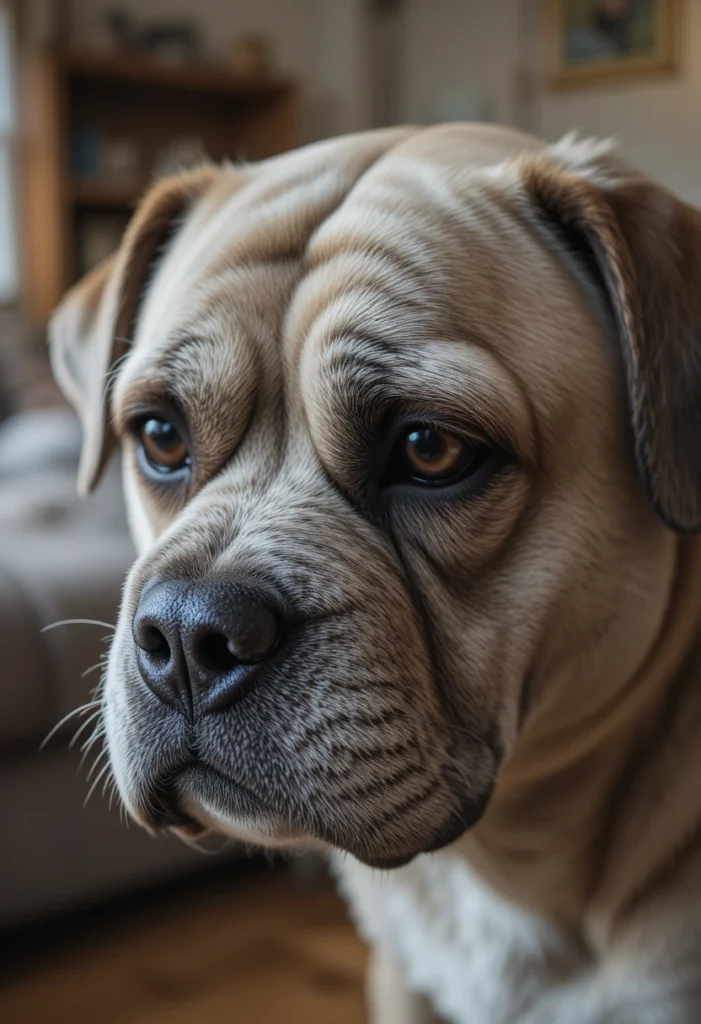
A dog who used to spring up now takes a few seconds, or a visible effort, to get to their feet may be dealing with stiffness or joint pain.
4. Noticeable limping or favoring a leg
This is one of the more obvious signs, but it’s worth noting how it starts. Even a slight, occasional limp deserves attention rather than a “let’s just watch it” approach.
5. Decreased interest in walks or play
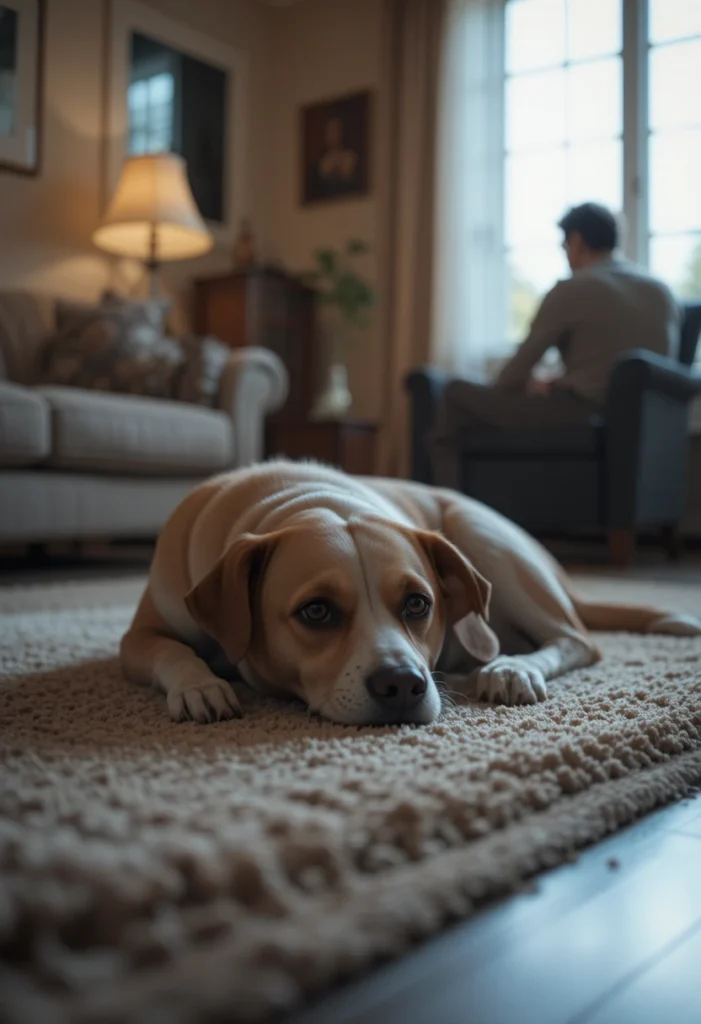
A once-eager walker who now hangs back, walks shorter distances, or loses interest in fetch may be avoiding movement because it hurts.
6. Increased panting without heat or exertion
Panting when your dog hasn’t been active and the room isn’t warm can be a physical response to discomfort, not just an aging quirk.
7. Changes in appetite
A dog who suddenly eats less, hesitates before approaching the food bowl, or shows interest in food but walks away can be avoiding the movement or chewing that causes pain.
8. Reluctance to be touched, brushed, or picked up
Pulling away, flinching, or showing resistance during grooming or normal handling, especially in specific areas of the body, is a commonly overlooked pain signal.
9. Increased vocalization
More frequent whining, groaning, or the occasional yelp during movement, especially in situations that never used to trigger a sound, is worth mentioning to your vet.
10. Behavioral or personality changes
A normally social dog withdrawing, becoming irritable, or showing unusual aggression, particularly when touched, can be a response to chronic discomfort rather than a mood shift.
11. Restlessness or trouble settling
Pacing, repeatedly shifting position, or struggling to get comfortable while lying down can indicate that certain positions are painful.
12. Changes in bathroom habits

House accidents, straining, or a hunched posture during elimination can sometimes trace back to hip or back pain that makes normal positioning uncomfortable.
13. Excessive licking of a specific area
Persistent licking at a joint, paw, or specific body part is often a dog’s way of trying to self-soothe localized pain.
14. Hunched or abnormal posture
A dog who stands or walks with an arched back, lowered head, or tucked tail may be guarding against pain in the abdomen, spine, or joints.
15. Preference for soft or carpeted surfaces
Avoiding hardwood or tile floors in favor of rugs and carpet often reflects joint instability or fear of slipping due to weak or painful limbs.
Here’s the thing: no single sign on this list guarantees pain on its own, but noticing two or more together is a strong reason to schedule a vet visit rather than waiting to “see how it goes.”
Common Causes Behind These Symptoms
Many of these signs trace back to a handful of conditions that become more common as dogs age:
- Osteoarthritis, one of the most common sources of chronic pain in senior dogs
- Dental disease, which can make eating and chewing uncomfortable
- Hip or elbow dysplasia, especially in larger breeds
- Spinal issues, including intervertebral disc disease
- Internal conditions, such as organ disease, that cause less obvious but very real discomfort
Only a veterinary exam can pinpoint the actual cause, so these signs should be treated as a signal to investigate, not a diagnosis in themselves.
What to Do If You Notice These Signs
If you’re spotting one or more of these behaviors in your senior dog, here’s a practical next-step checklist:
- Keep a simple log. Note when the behavior happens, how often, and anything that seems to trigger or ease it.
- Schedule a vet visit rather than waiting. Pain tends to progress gradually, and early treatment is almost always easier and less costly than late-stage management.
- Ask about a senior wellness panel. Bloodwork and imaging can reveal underlying conditions that aren’t obvious from behavior alone.
- Discuss pain management options. Depending on the cause, this might include anti-inflammatory medication, joint supplements, physical therapy, or weight management.
- Make small home adjustments in the meantime. Non-slip rugs on hard floors, ramps or steps for furniture and cars, and a supportive orthopedic bed can meaningfully ease daily discomfort while you work with your vet on a longer-term plan.
A senior dog who seems “a little slower” is often trying to tell you something. Catching that message early gives your vet the best chance to help.
Making Daily Life More Comfortable for a Senior Dog
Alongside veterinary care, small changes at home can significantly reduce a senior dog’s daily discomfort:
- Use ramps or pet stairs for beds, couches, and car access
- Add non-slip mats or rugs across hardwood and tile floors
- Provide an orthopedic or memory foam bed for pressure relief
- Keep nails trimmed, since overly long nails change how weight is distributed across the paw
- Maintain a healthy weight, since extra pounds place additional strain on aging joints
Save this checklist for a quick home audit this week. Even one or two changes can make a real difference in your dog’s comfort level.
Frequently Asked Questions
How can I tell if my senior dog’s slowing down is just old age or actual pain?
Old age alone doesn’t typically cause avoidance behaviors like refusing stairs, resisting touch, or appetite changes. If you’re noticing several behavior changes together, it’s worth a vet visit rather than assuming it’s simply age.
Do senior dogs cry or whimper when they’re in pain?
Not usually, and not until pain becomes fairly severe. Most dogs show pain through quieter behavior changes long before vocalizing, which is exactly why subtle signs matter so much.
Can arthritis in senior dogs be managed without surgery?
Yes, in many cases. Weight management, joint supplements, anti-inflammatory medication, physical therapy, and home modifications can meaningfully improve comfort and mobility for dogs with arthritis.
How often should senior dogs see the vet for wellness checks?
Most vets recommend senior dogs, generally seven years and older depending on breed and size, be seen every six months rather than annually, since conditions can progress quickly at this life stage.
Is it normal for older dogs to sleep more?
Some increase in sleep is normal with age, but a dramatic increase paired with reduced interest in favorite activities can also signal discomfort, so it’s worth mentioning at your next vet visit.
When should I consider pain medication for my senior dog?
Any time you notice consistent signs of discomfort, it’s worth discussing with your vet. Never give human pain medication to a dog, since many common over-the-counter options are toxic to them.
Final Thoughts
Senior dogs rarely announce their pain outright, which means the responsibility to notice falls on the people who know them best. Watching for these 13+ signs, from hesitating at the stairs to subtle changes in appetite or posture, gives you the chance to catch discomfort early and get your dog the relief they need. A little extra attention now can add real comfort, and quality time, to your dog’s golden years.