If you’ve ever found dog hair in your coffee, your salad, or somehow inside a sealed sandwich bag, you already know the struggle is real. Between the constant vacuuming, the lint-rolling before every meeting, and the sneezing fits that hit the second a furry friend curls up next to you, shedding can turn dog ownership from a joy into a daily chore.
Here’s the good news: you don’t have to give up on the dream of having a dog just because you hate fur tumbleweeds rolling across your floors. There’s a whole world of low shedding dog breeds out there some fluffy, some sleek, some downright hairless that can fit beautifully into an allergy-conscious, low-maintenance household.
Save this guide before you scroll on, because by the end of it you’ll have a shortlist of breeds that match your lifestyle, your space, and your patience for grooming appointments. And stick around for the one breed on this list that most people completely overlook it might just be the best-kept secret for allergy sufferers.
Let’s get into the list.
What “Low Shedding” Actually Means (And Why It Matters)
Before jumping into the breeds, it helps to understand what’s actually happening biologically. Most dogs have a “double coat” a soft undercoat plus a coarser topcoat and they blow that undercoat out seasonally, usually in spring and fall. That’s the massive shedding event you see with breeds like Huskies or German Shepherds.
Low shedding breeds tend to fall into a few categories:
- Curly or wavy-coated breeds (like Poodles and Bichons) whose loose hair gets trapped in the curl instead of falling to the floor.
- Single-coated, hair-based breeds (like Maltese and Yorkies) whose coat grows more like human hair, with a much slower shedding cycle.
- Wiry-coated breeds (like Schnauzers and terriers) that shed minimally but still need “hand-stripping” or trimming.
- Hairless breeds (like the Xoloitzcuintli) that obviously have little to no fur to shed at all.
Here’s the thing: low shedding almost always means higher grooming needs. These coats don’t self-clean the way a shedding coat does, so regular brushing, and often professional grooming, becomes part of the deal. Keep that trade-off in mind as you read through your options.
1. Poodle (Standard, Miniature & Toy)
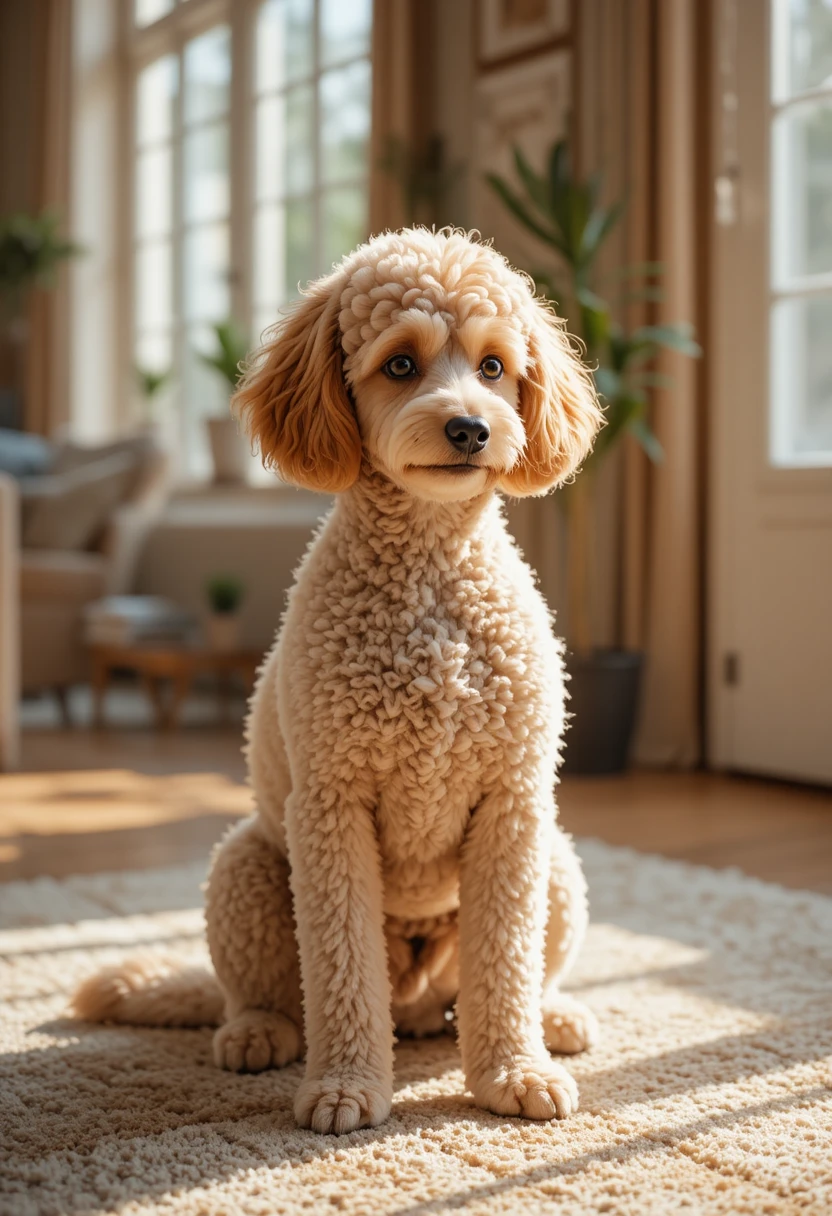
The Poodle is the undisputed poster child of low shedding dog breeds, and for good reason. Their dense, curly coat sheds so minimally that loose hairs stay trapped in the curls rather than ending up on your couch.
Poodles also come in three sizes Standard, Miniature, and Toy which means there’s a Poodle for nearly every kind of home, from a spacious house with a yard to a cozy apartment. They’re famously intelligent (routinely ranked among the smartest dog breeds), which makes them highly trainable but also means they need mental stimulation to avoid boredom-driven mischief.
Best for: Active families, allergy-sensitive households, and anyone who wants a genuinely brilliant companion.
Grooming reality check: Professional grooming every 4-6 weeks, plus regular brushing at home to prevent matting.
2. Bichon Frise
If you want a dog that looks like a walking cotton ball and acts like the class clown, the Bichon Frise is calling your name. Their soft, curly coat sheds very little, but it does require frequent brushing and regular professional grooming to keep it from matting into knots.
Bichons are cheerful, affectionate, and thrive on human companionship they’re not the type of dog that’s happy being left alone for long stretches. Their playful energy and compact size make them a favorite for families and apartment dwellers alike.
Best for: Families with children, first-time owners, and anyone craving a constant cuddle buddy.
Pin-worthy tip: Bichons photograph beautifully after a fresh groom their round, powder-puff faces are practically made for Pinterest boards.
3. Portuguese Water Dog
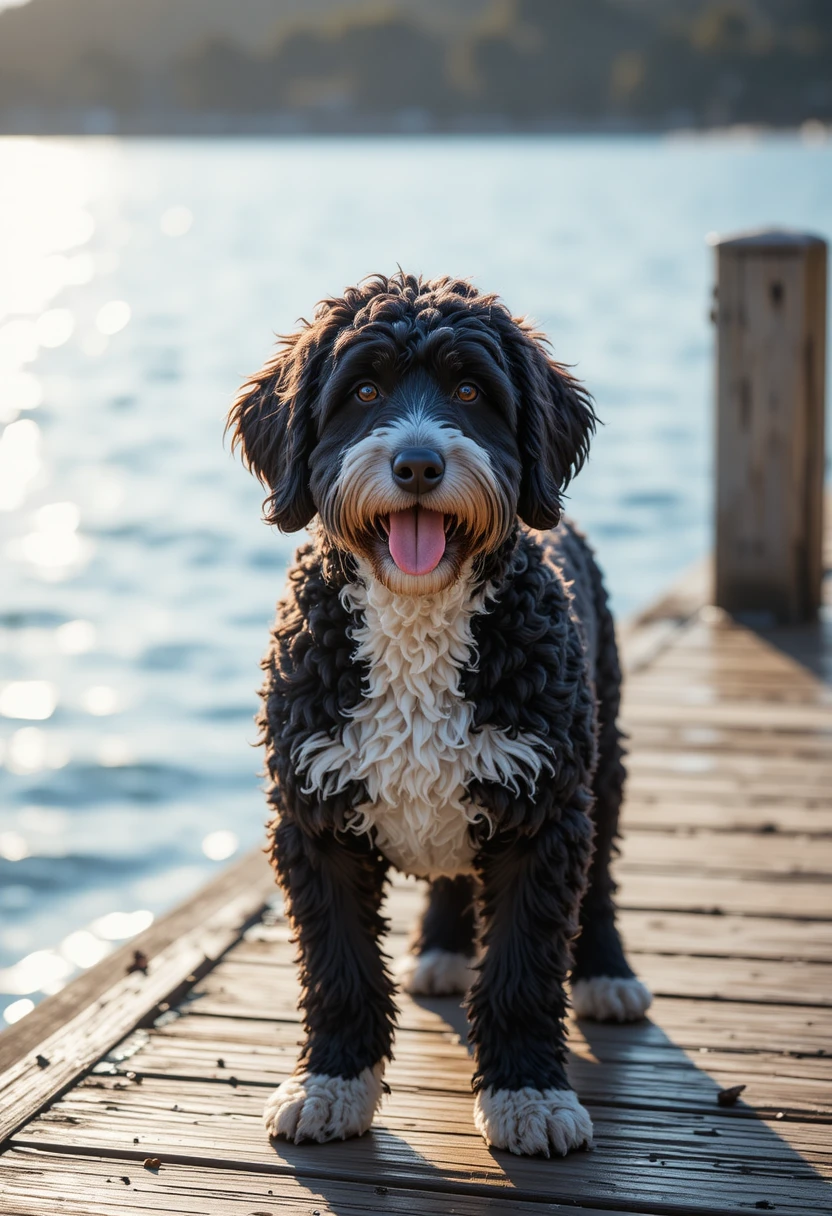
Famous for once living in the White House, the Portuguese Water Dog brings athleticism, intelligence, and a low-shedding, water-repellent coat to the table. Their coat is either tightly curled or gently waved, and it sheds minimally, though it does need consistent grooming to stay healthy and tangle-free.
True to their name, these dogs adore water and were originally bred to help fishermen retrieve nets and gear. That working heritage means they need real exercise long walks, swims, or active play not just a stroll around the block.
Best for: Active households, families near water, and owners who want a working-dog mindset in a low-shedding package.
Read Also: 16+ Calmest Dog Breeds for Families
4. Maltese
Don’t let the tiny size fool you the Maltese is a low shedding powerhouse. Their long, silky white coat has no undercoat at all, which is a big part of why they shed so little. That said, their hair grows continuously, much like human hair, so it needs regular brushing to avoid tangles and mats.
Maltese dogs are gentle, affectionate, and surprisingly adaptable, making them a wonderful match for apartment living, seniors, or anyone who wants a devoted lap dog. Many owners keep the coat trimmed short in a “puppy cut” for easier at-home maintenance.
Best for: Apartment dwellers, seniors, and owners who want a low-shedding dog without a huge grooming budget (short trims help).
5. Miniature Schnauzer
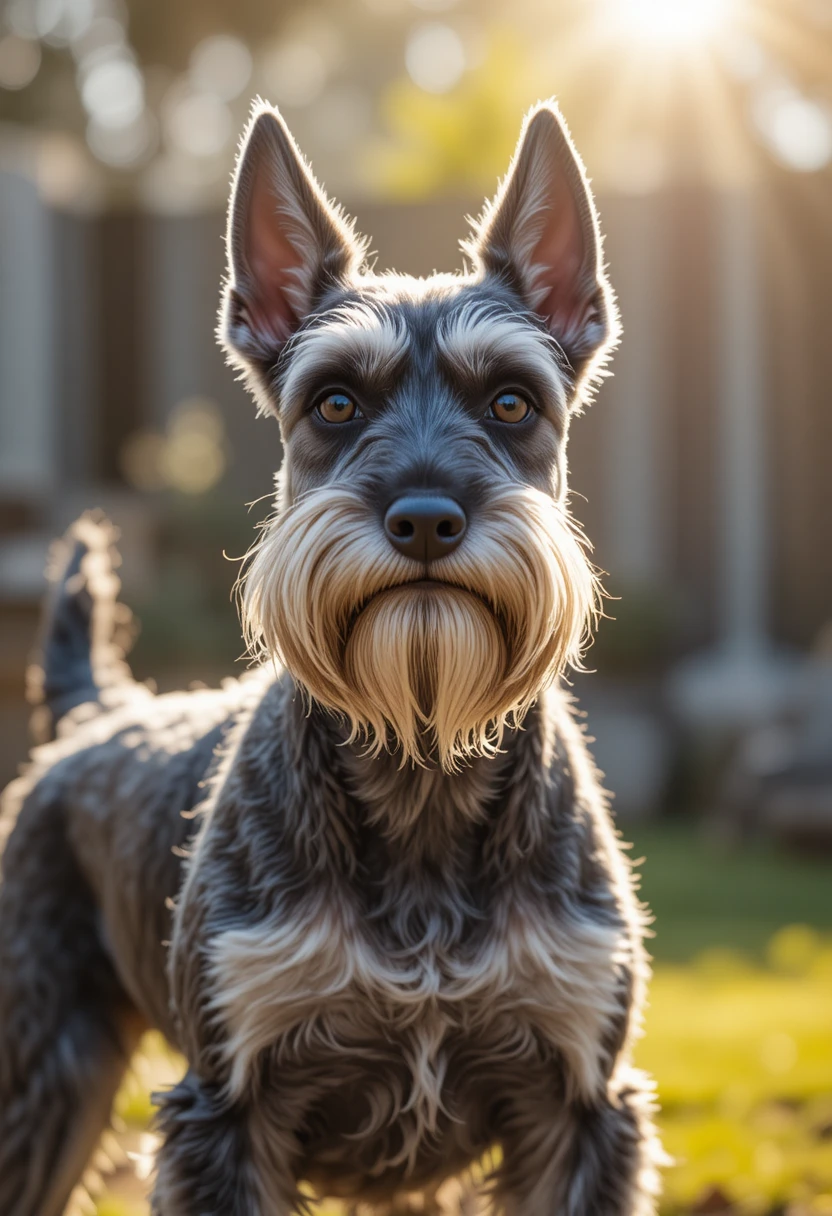
Miniature Schnauzers bring a wiry, double coat that traps loose hairs instead of scattering them across the house a practical win for anyone tired of constant cleanup. Beyond the coat, these dogs are lively, alert, and make excellent little watchdogs who aren’t afraid to sound the alarm.
They’re also incredibly smart and trainable, though that same intelligence means they need consistent mental engagement. Regular brushing plus periodic hand-stripping or clipping keeps their signature bushy eyebrows and beard looking sharp.
Best for: Families wanting a low-shedding watchdog with big personality in a small frame.
Save-worthy stat: Their coat is technically hypoallergenic-adjacent because the wiry hair traps dander rather than releasing it into the air as easily as a shedding double coat would.
6. Soft Coated Wheaten Terrier
The Soft Coated Wheaten Terrier is one of the most underrated low shedding breeds on this list. Their silky, wavy coat sheds very little, but it’s genuinely single-coated meaning no undercoat to blow out seasonally.
Wheatens are playful and affectionate, though they can show a headstrong, teenager-like streak when it comes to training, especially around tasks they’d rather skip. Their medium size and moderate energy level make them a solid middle-ground option between a tiny lap dog and a large, high-energy breed.
Best for: Families who want a mid-sized, low-shedding companion with a bit of independent spirit.
7. Shih Tzu
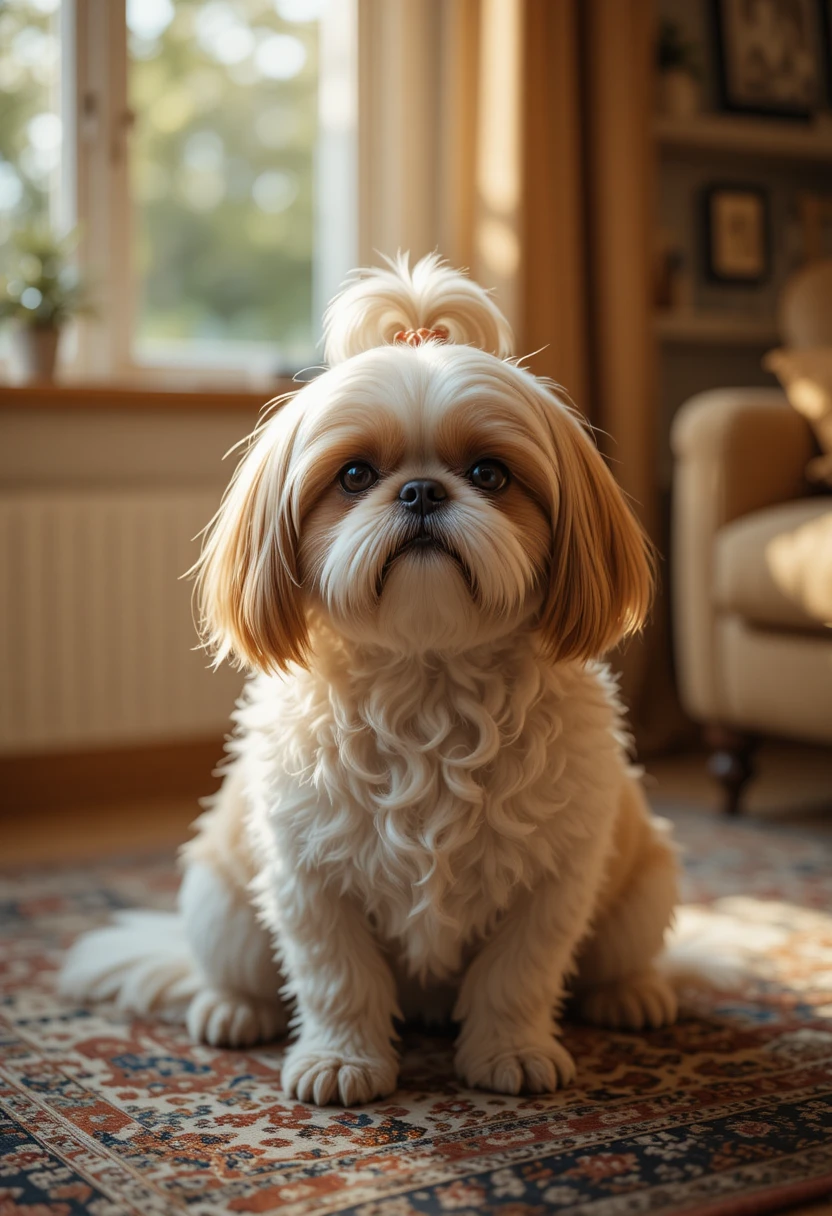
Bred for centuries as companion dogs in Chinese royal courts, Shih Tzus carry a long, flowing double coat that surprisingly sheds very minimally. The catch is that their luxurious hair needs daily brushing if kept long, or regular trims if kept in a shorter “puppy cut” for easier upkeep.
Shih Tzus are famously easygoing, friendly with strangers, and perfectly content as indoor companions, which makes them an excellent choice for apartment living or households with limited outdoor space.
Best for: Apartment living, companionship-focused owners, and families with older children.
8. Yorkshire Terrier
Yorkies pack a huge personality into a tiny body. Their fine, silky hair closely resembles human hair texture, which is a major reason they shed so little and are often recommended for allergy-sensitive households.
Don’t mistake their small size for a lack of confidence Yorkies are bold, curious, and fearless, sometimes acting like they don’t realize how small they actually are. Their coat can be kept long and flowing for showing, or trimmed short in a “puppy cut” for a much easier daily routine.
Best for: City dwellers, apartment renters, and owners who want a big-dog attitude in a tiny, low-shedding body.
9. Basenji
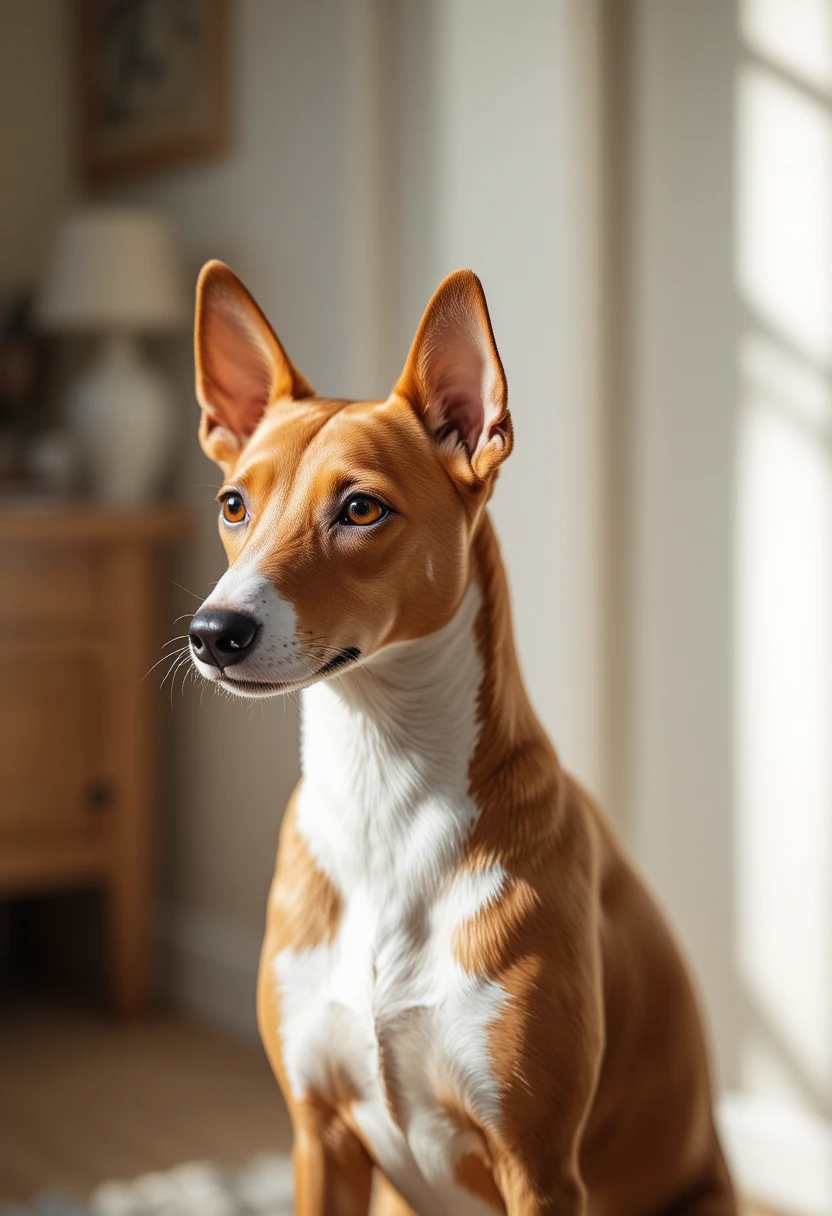
Here’s the breed most people scroll right past and that’s a mistake. The Basenji is often called the “barkless dog” because of its unique yodel-like vocalization, but it also happens to offer some of the lowest visible shedding of any breed, combined with comparatively low grooming needs.
Basenjis have a short, fine coat that’s almost cat-like in its self-grooming habits (seriously they clean themselves like cats do). That means less brushing overall compared to curly or silky-coated breeds. They are independent, intelligent, and a little mischievous, so they do best with owners who enjoy a puzzle of a personality.
Best for: Owners who want minimal grooming AND minimal shedding without the daily brushing commitment other low-shedding breeds require.
10. Chinese Crested
The Chinese Crested comes in two varieties: hairless (with tufts of hair only on the head, tail, and feet) and “powderpuff” (with a full, soft coat). Both versions shed minimally, with the hairless variety obviously topping the list for people who want the absolute least amount of fur possible.
These dogs are emotionally sensitive, devoted, and thrive on close bonds with their people. Because the hairless variety has exposed skin, they need sun protection and moisturizing care rather than traditional coat brushing.
Best for: Owners seeking the lowest possible shedding, and those willing to provide a bit of extra skin care instead of coat care.
11. Airedale Terrier
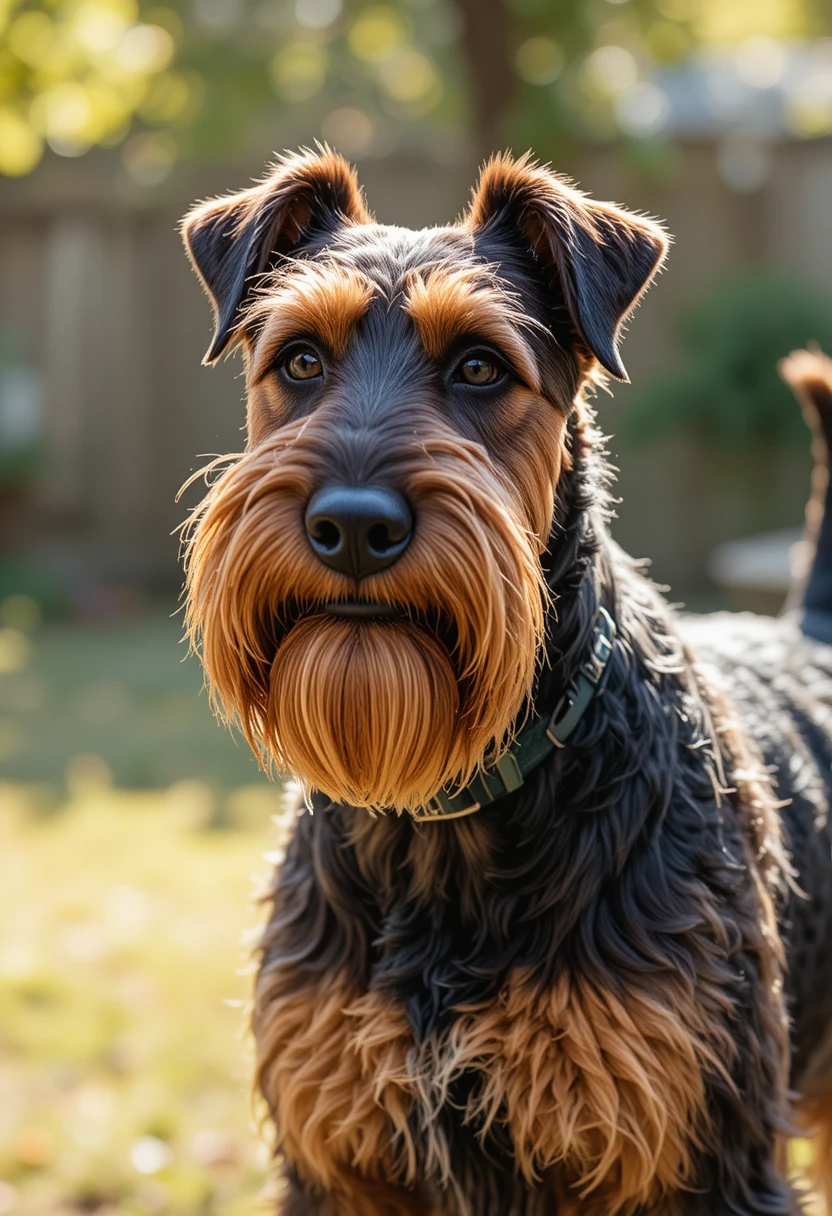
Known as the “King of Terriers” for being the largest of the terrier breeds, the Airedale brings a dense, wiry coat that sheds very little. Their coat traps loose hair much like other wiry-coated terriers, keeping stray fur off your furniture.
Airedales are intelligent, independent, and thrive in active households where they get both physical exercise and mental challenges. Regular brushing along with periodic hand-stripping keeps their coat in top condition.
Best for: Active families with space to let a larger, low-shedding terrier stretch its legs.
12. Bolognese
Small, fluffy, and unmistakably charming, the Bolognese is a low-maintenance gem in the low-shedding world. Their silky white coat can be trimmed for easier upkeep, and a daily brushing session is usually enough to prevent mats and keep them looking their best.
Bolognese dogs are calm yet playful, making them a lovely fit for households that want a gentle companion without the higher energy demands of some other small breeds.
Best for: Calm households, seniors, and owners who want low shedding without a high-energy temperament to match.
13. Lagotto Romagnolo
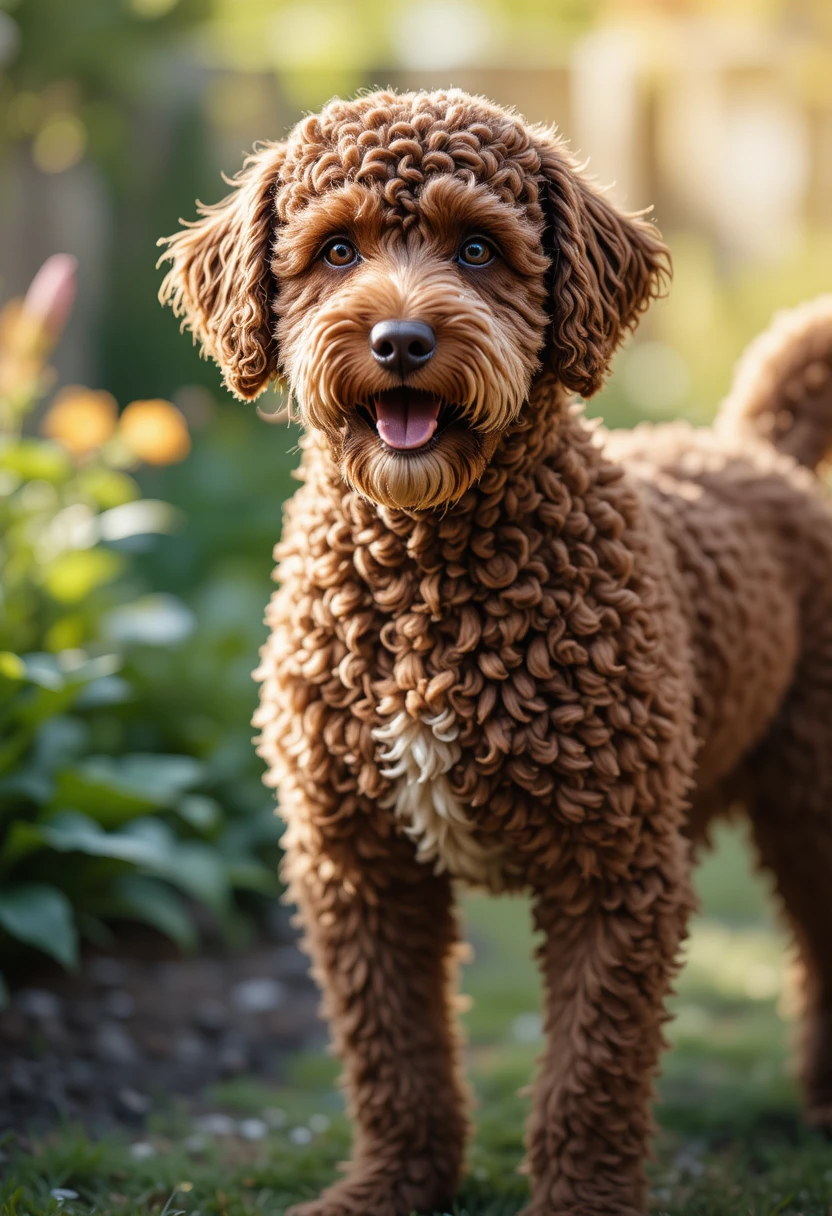
Originally bred in Italy to hunt truffles, the Lagotto Romagnolo has a dense, curly, waterproof coat that sheds minimally very similar in structure to a Poodle’s coat. This breed has surged in popularity recently thanks to its clever nose, affectionate nature, and manageable size.
Lagottos are highly trainable and thrive with a job to do, whether that’s scent work, agility, or simply learning new tricks around the house. Their coat needs regular brushing and occasional clipping to stay mat-free.
Best for: Owners who want an active, scent-driven, low-shedding dog with a unique conversation-starting backstory.
How to Choose the Right Low Shedding Breed for You
With so many great options, narrowing it down comes down to a few honest questions:
- How much grooming time can you realistically commit to? Curly and silky coats (Poodle, Bichon, Maltese) need more frequent brushing than wiry coats (Schnauzer, Airedale) or the low-maintenance Basenji.
- What’s your activity level? Portuguese Water Dogs, Lagottos, and Standard Poodles need real exercise, while Bolognese and Shih Tzus are happy with gentler routines.
- Do you have allergy concerns? Remember, allergens come from dander and saliva, not just hair so spend time with a breed before committing, and talk to your allergist if allergies are severe.
- What’s your living space? Toy and Miniature breeds tend to adapt better to apartments, while larger terriers and working breeds appreciate more room to roam.
Here’s the thing: the “best” low shedding dog isn’t a universal answer it’s the one whose grooming needs, energy level, and temperament actually match your day-to-day life.
Frequently Asked Questions
Is there a dog breed that doesn’t shed at all?
No. Every dog sheds to some degree, even so-called “non-shedding” breeds. What varies is how much hair ends up visible around your home versus staying trapped in the coat until it’s brushed out.
Are low shedding dogs the same as hypoallergenic dogs?
Not exactly. Low shedding reduces visible fur, but allergies are triggered mainly by dander, saliva, and urine proteins so a low shedding dog isn’t automatically allergy-safe for every sensitive person.
Which low shedding breed needs the least grooming overall?
The Basenji is one of the lowest-maintenance options on this list thanks to its short, self-cleaning coat, while wiry-coated terriers like the Miniature Schnauzer also need less frequent professional grooming than curly-coated breeds.
Are doodle mixes (like Goldendoodles) low shedding?
Doodles often inherit a Poodle parent’s low-shedding coat, but because they’re a mix, coat type can vary significantly between individual puppies even within the same litter.
Do low shedding dogs cost more to maintain?
Generally, yes. Many low shedding breeds need regular professional grooming every 4-8 weeks, which is an ongoing cost worth budgeting for before you bring one home.
Final Thoughts
Choosing a low shedding dog breed doesn’t mean settling for less personality, less love, or less fun it just means factoring grooming routines into your decision alongside temperament, size, and energy level. Whether you fall for the effortless elegance of a Poodle, the underrated ease of a Basenji, or the tiny-but-mighty charm of a Yorkie, there’s a low-shedding match out there for nearly every kind of home.
Save this guide to your Pinterest board so you can compare your favorites later, and take your time meeting a few breeds in person before making your final decision your future dog (and your vacuum cleaner) will thank you.