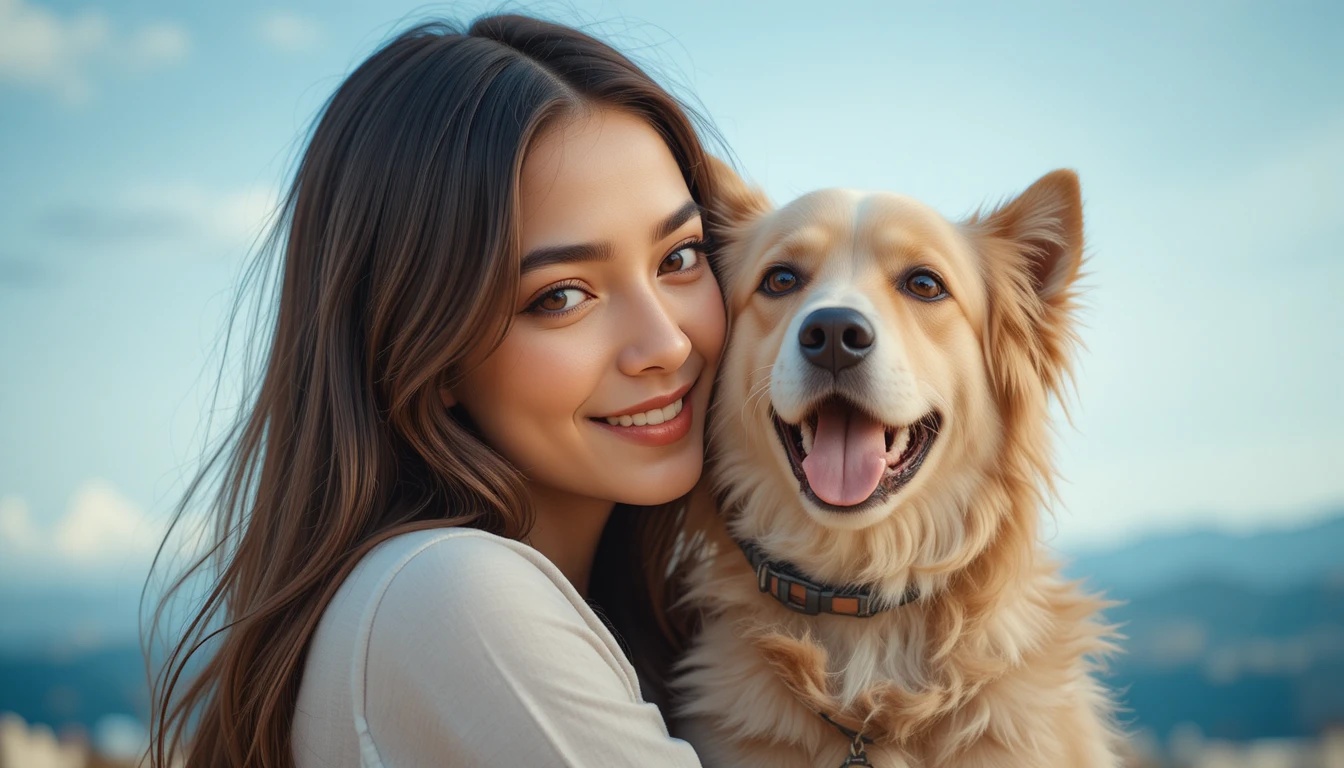
Not every family wants a dog that treats the living room like an agility course. If you’ve ever watched a hyper puppy body-slam a toddler or scale the back of the couch mid-zoomies, you already know why “calm” is one of the most searched words in dog parenting. The good news? There are entire breeds built for a slower, gentler pace dogs that would rather curl up next to you on the couch than bounce off the walls.
Below is a complete, no-fluff guide to the calmest dog breeds for families, what makes each one a good fit (or a poor one), and how to match a laid-back breed to your specific household. Whether you’ve got toddlers underfoot, a small apartment, or you simply want a dog that matches your own chill energy, there’s a breed here for you.
What Actually Makes a Dog “Calm”?
Before diving into the list, it helps to know what “calm” really means in a dog. It isn’t the same as lazy, and it isn’t the same as low-energy in every context. A calm dog typically has:
- A steady temperament not easily startled, reactive, or anxious around noise, kids, or strangers
- Low arousal levels doesn’t spiral into overexcitement during play or greetings
- Good impulse control can settle down after activity instead of staying wound up
- Comfort with routine adapts well to household rhythms instead of demanding constant stimulation
Breed is a strong predictor of temperament, but it isn’t the whole story. Training, early socialization, exercise, and even the individual dog’s personality all shape how “calm” a dog ends up being. That said, starting with a breed that’s genetically inclined toward a mellow disposition makes the whole process dramatically easier.
How to Choose the Right Calm Breed for Your Family
Not all calm dogs are calm in the same way. Some are gentle giants that need space; others are lazy lapdogs perfect for small apartments. Before picking a breed, think through:
- Your living space — apartment dwellers should lean toward smaller or lower-energy breeds
- Ages of your kids — some large “calm” breeds can accidentally knock over toddlers just by existing
- Your activity level — even calm breeds need daily walks and mental stimulation
- Grooming tolerance — many calm breeds (Bernese Mountain Dogs, Saint Bernards, Newfoundlands) shed heavily and need regular brushing
- Time for training — calm doesn’t always mean easy to train; some laid-back breeds are also independent and stubborn
With that in mind, here’s the full list.
The 16+ Calmest Dog Breeds for Families
1. Cavalier King Charles Spaniel
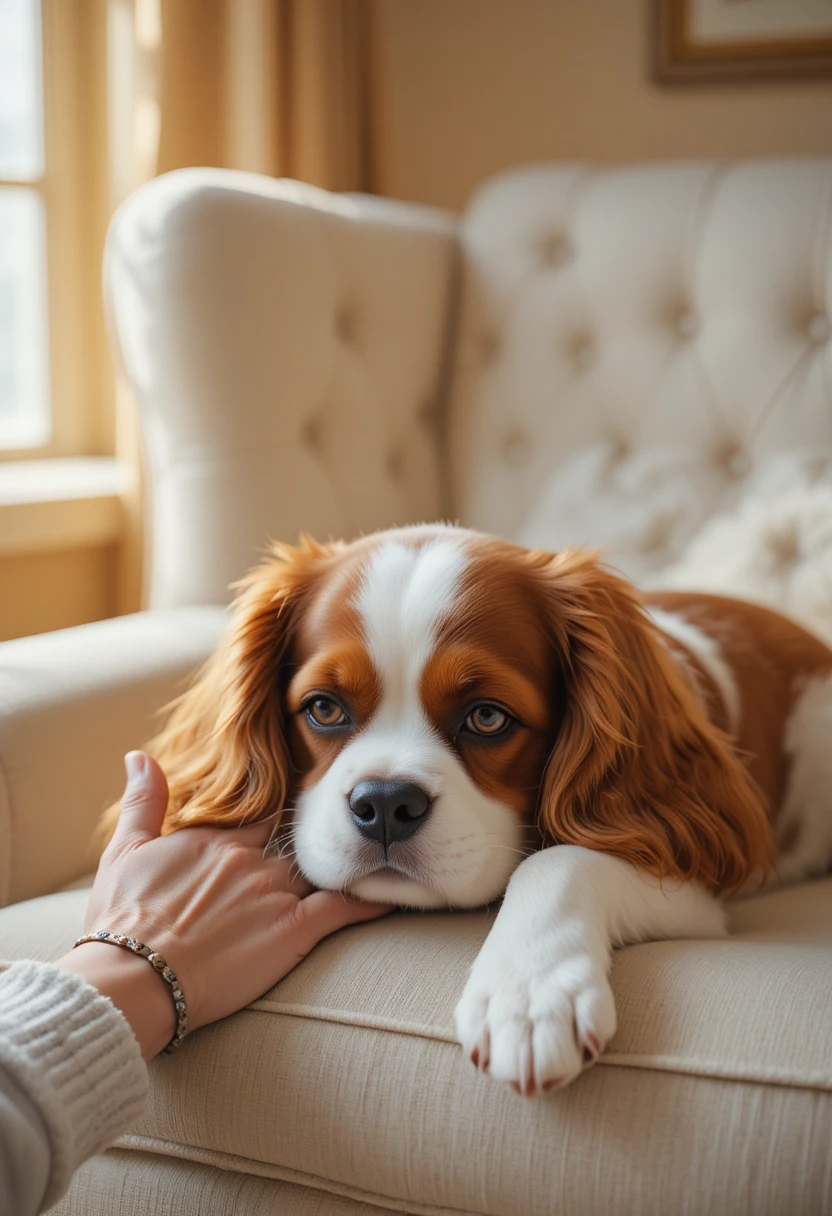
If there’s a poster breed for gentle family dogs, this is it. Cavaliers are affectionate, adaptable, and genuinely happiest curled up in a lap. They’re small enough for apartment living, sweet-natured enough for young kids, and social enough to get along with other pets. Their main downside is a tendency toward separation anxiety, so they do best in homes where someone is around often.
Good for: Families with young kids, first-time owners, apartment living
2. Basset Hound
Bassets are famous for their droopy expressions and even more famous for their laid-back attitude. Bred originally to track scent rather than chase down prey at high speed, they’re content with a leisurely walk and a long nap afterward. They can be a bit stubborn during training, but their patient, easygoing nature makes them wonderful with children.
Good for: Families who want a low-key companion and don’t mind some independence during training
3. Bernese Mountain Dog
Big, fluffy, and famously gentle, Bernese Mountain Dogs were bred as farm dogs and have a naturally calm, dependable temperament around people. They’re patient with kids and tend to move through the world at a relaxed pace. Because of their size and thick double coat, they need space, regular brushing, and cooler climates.
Read Also: 13+ Genius Ways to Potty Train a Puppy
4. Saint Bernard
Saint Bernards are gentle giants in the truest sense enormous, affectionate, and remarkably calm indoors for their size. They’re patient with children and rarely show aggression, but their sheer bulk means they’re better suited to families with older kids rather than toddlers, simply because an accidental bump from a 150-pound dog can knock a small child over.
Good for: Families with older kids or teens, homes with space
5. Newfoundland
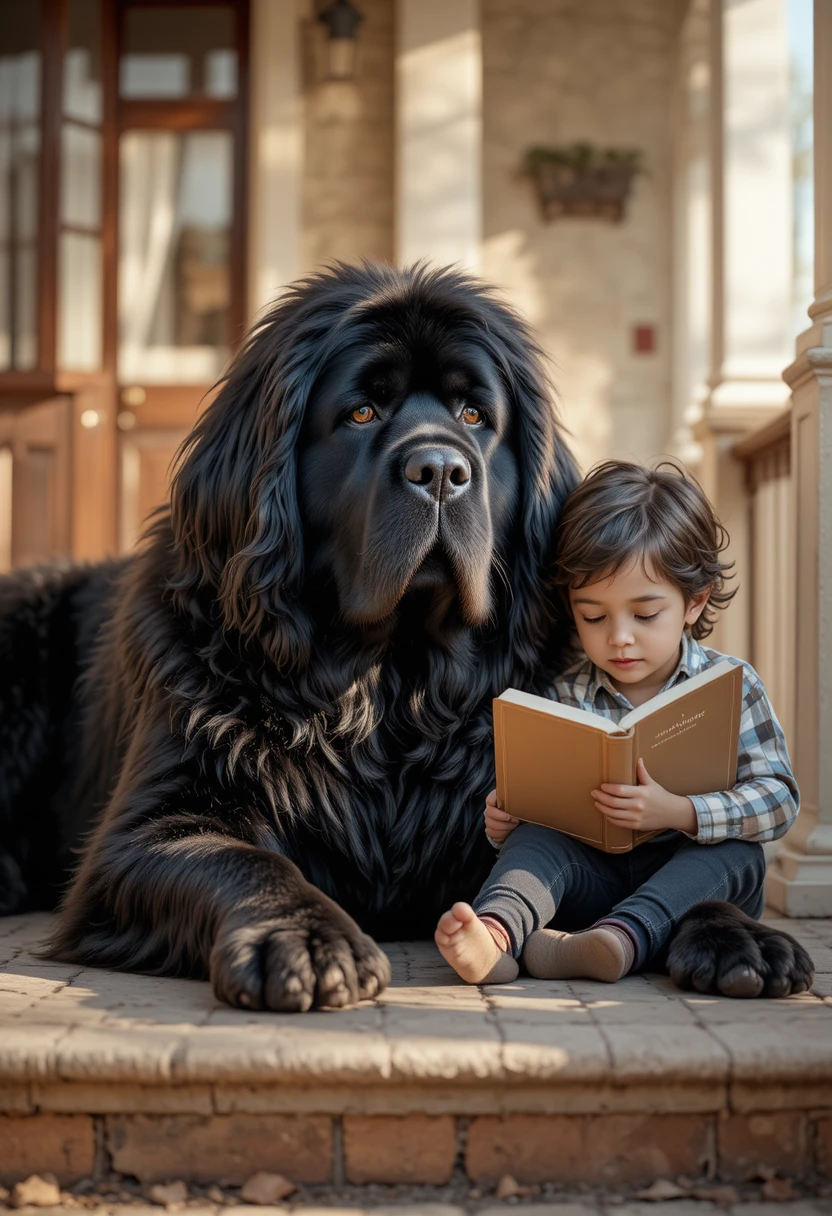
Newfoundlands are often called “nanny dogs” for their instinct to watch over and protect children with a gentle, patient temperament. They’re calm, slow-moving, and rarely bark unnecessarily. Their coat requires regular grooming, and they do drool, but their steady, loving nature makes them one of the most trusted large breeds for families.
Good for: Families wanting a watchful, gentle giant
6. Golden Retriever
While Golden Retrievers are known for their playful streak as puppies, adult Goldens are famously easygoing, patient, and eager to please. They’re friendly with kids, adaptable to most households, and generally not prone to anxious or reactive behavior. They do need consistent exercise and mental stimulation to stay balanced.
Good for: Active families who still want a mellow temperament once the puppy stage passes
7. Labrador Retriever
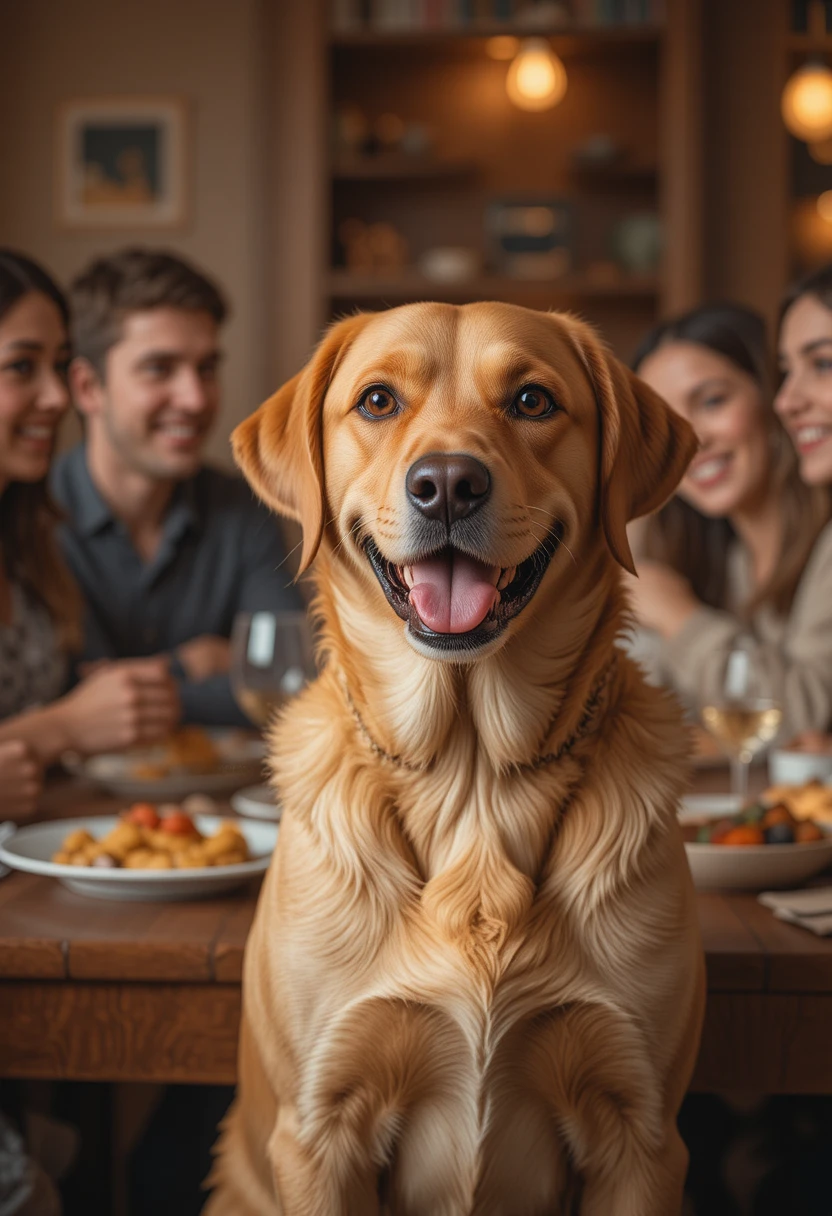
Labs strike a nice middle ground: energetic enough to play, but generally stable, friendly, and unlikely to show nervous or aggressive tendencies. Their well-rounded temperament has made them one of the most popular family dogs for decades. Like Goldens, they need regular exercise to prevent that energy from turning into restlessness.
Good for: Families who want a versatile, dependable all-rounder
8. Shih Tzu
Shih Tzus were bred for centuries specifically to be companion lapdogs, and it shows. They’re small, affectionate, and content to spend most of the day near their people rather than demanding constant activity. Their long coat needs regular grooming, but their friendly, unbothered personality makes them ideal for calm households.
Good for: Small apartments, seniors, first-time owners
9. French Bulldog
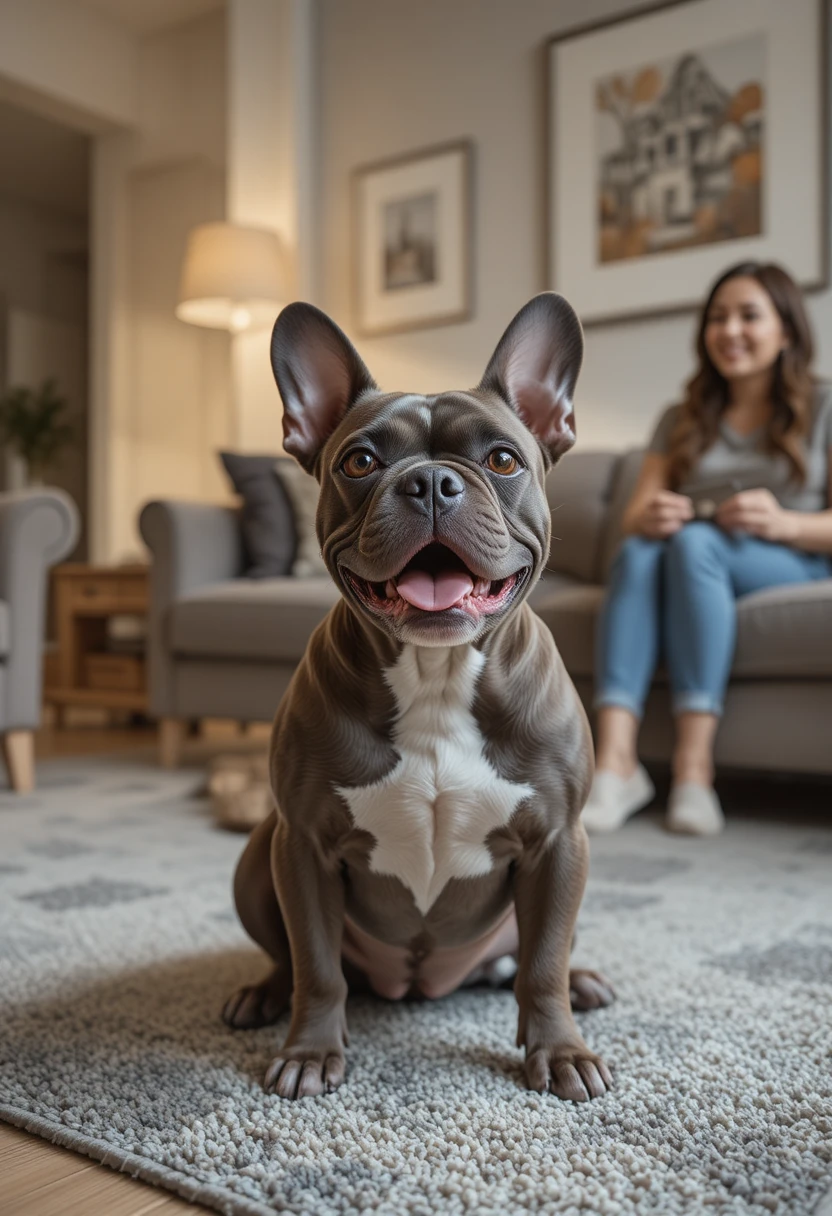
Frenchies are compact, low-energy, and famously chill. They don’t require much exercise, tend to be affectionate without being clingy, and rarely bark excessively. Because of their flat-faced (brachycephalic) structure, they can struggle in heat and shouldn’t be over-exercised, which actually pairs well with their naturally relaxed personality.
Good for: Apartment dwellers, families who want a low-maintenance companion
10. English Bulldog
English Bulldogs look tough but act like couch cushions. They’re famously low-energy, gentle with children, and rarely show aggression. Their calm demeanor makes them great with kids who want a dog that will tolerate hugging and gentle handling. Like French Bulldogs, they need to be protected from overheating and heavy exertion.
Good for: Families who want a dog content with short walks and a lot of lounging
11. Great Dane
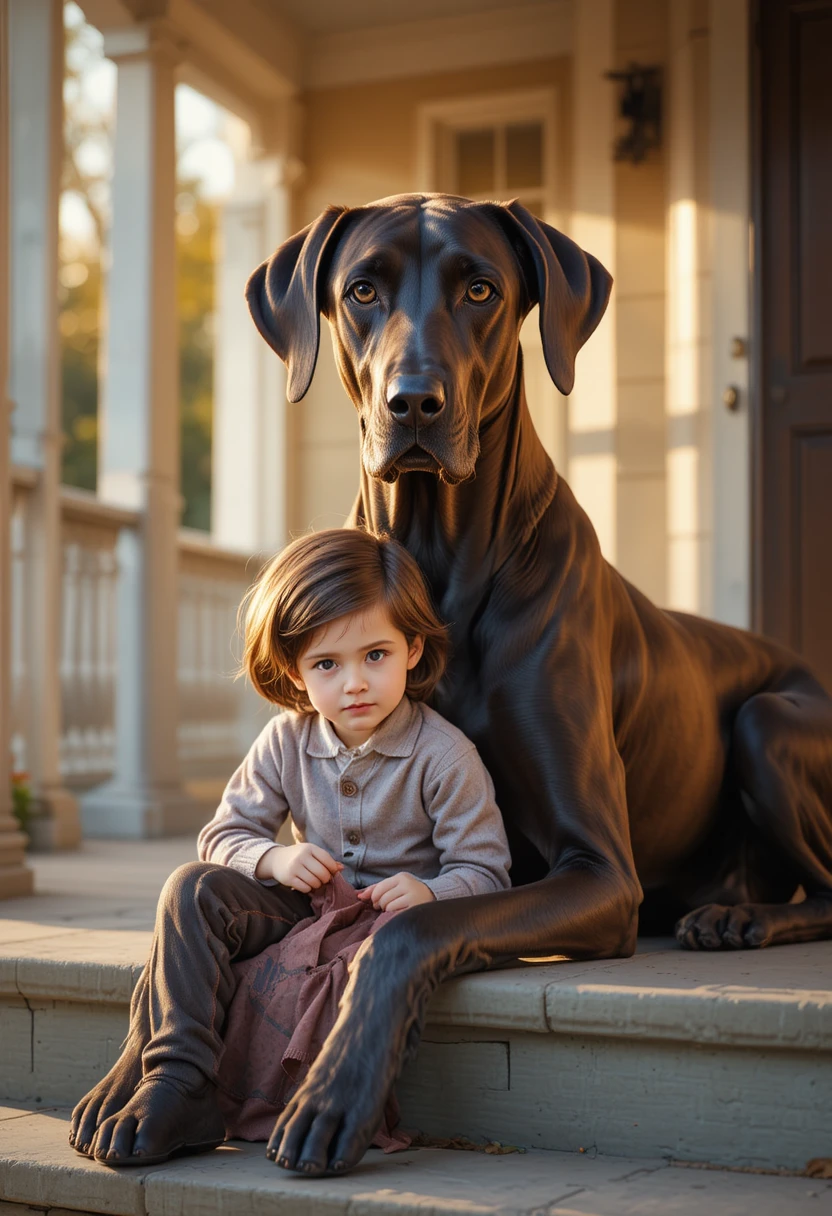
Despite their intimidating size, Great Danes are often called “gentle giants” for good reason. They’re affectionate, patient, and surprisingly calm indoors, often behaving more like an oversized lapdog than a guard dog. Their size means they need space and careful supervision with very young children simply due to scale, not temperament.
Good for: Families with room to spare and older children
12. Pug
Pugs are playful in short bursts but spend most of their day happily lounging. They’re affectionate, people-oriented, and rarely aggressive, making them a solid choice for households with kids. Like other flat-faced breeds, they need to avoid intense heat and heavy exercise, which naturally suits their laid-back lifestyle.
Good for: Apartments, seniors, families wanting a small, easygoing companion
13. Havanese
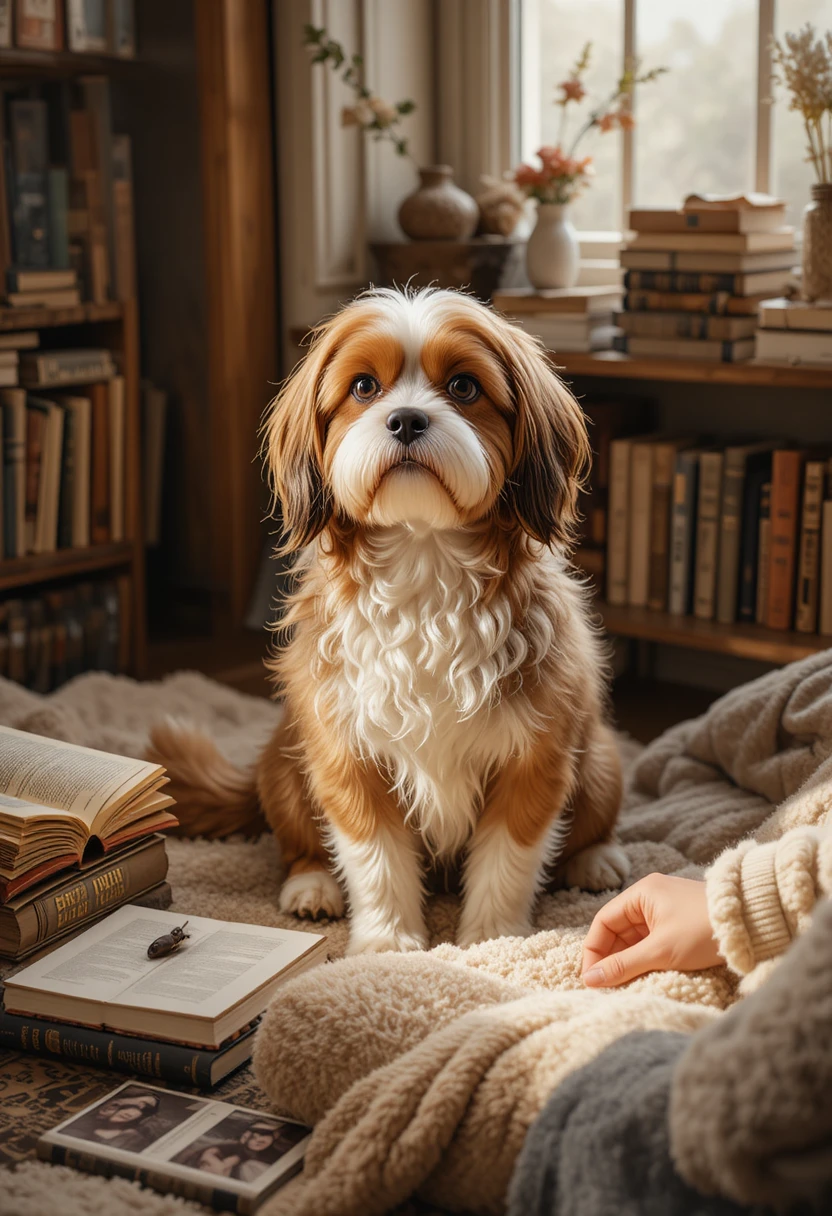
Havanese dogs are cheerful, adaptable, and notably even-tempered for a small breed. They bond closely with their families, get along well with children, and are generally not prone to the yappy, anxious behavior seen in some toy breeds. Regular grooming is needed for their long coat, but their temperament is consistently gentle.
Good for: Families wanting a small dog without the high-strung reputation
14. Bichon Frise
Bichons are cheerful, affectionate, and generally calm once past puppyhood, making them a popular choice for families and seniors alike. They’re playful with children but rarely overstimulated or reactive. Their curly coat requires regular grooming, but they’re considered a relatively low-shedding option for allergy-conscious households.
Good for: Families with mild allergy concerns, small living spaces
15. Clumber Spaniel
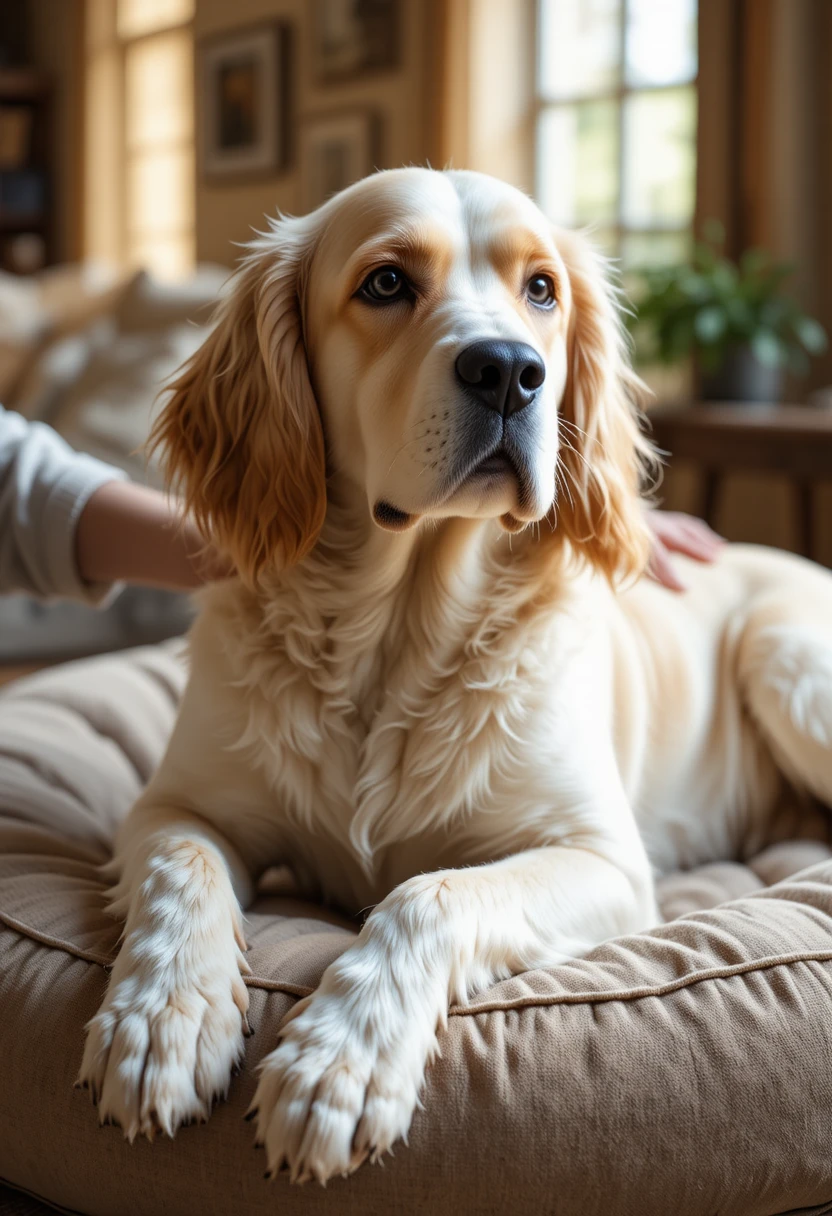
Clumber Spaniels are a lesser-known but excellent choice for calm-seeking families. Bred as hunting dogs but with a famously laid-back demeanor, they’re gentle, affectionate, and unlikely to be hyper indoors. They do need moderate daily exercise to stay balanced, but their overall temperament leans steady and mellow.
Good for: Families wanting a calm, less common breed with a big personality
16. Greyhound
Greyhounds have a reputation for speed, but in the home, they’re famously lazy — often nicknamed “40-mph couch potatoes.” After a short burst of exercise, they’re content to sleep for the majority of the day. They’re generally gentle and quiet, making them surprisingly well-suited to calm households, including apartments.
Good for: Apartment living, families who want a quiet, low-drama dog
17. Collie
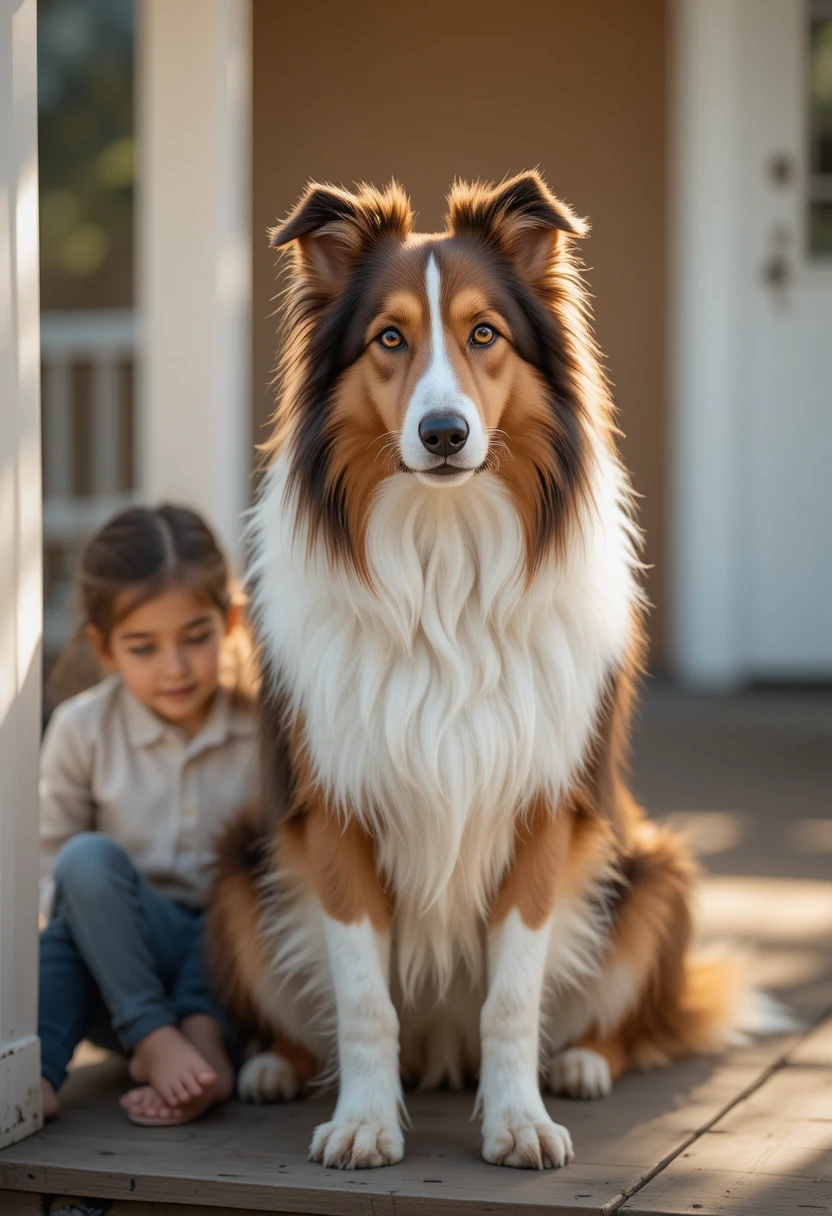
Collies, especially adult Collies past the herding-instinct puppy stage, are known for being gentle, patient, and devoted to their families. They’re intelligent, easy to train, and generally not prone to anxious or reactive behavior when given enough mental stimulation. Their protective, nurturing instinct around children has made them a classic family breed.
Good for: Families with kids who want a loyal, even-tempered companion
18. English Cocker Spaniel
English Cocker Spaniels combine a sporting dog’s adaptability with a genuinely sweet, affectionate temperament. They’re happy to curl up next to the family after a walk, and they rarely show the nervous energy sometimes seen in other spaniel lines. They do need regular exercise and grooming, but their people-pleasing nature makes training straightforward.
Good for: Families who want a dog that’s both playful and content to settle down
Calm Breeds by Family Situation (Quick Reference)
- Small apartments: French Bulldog, Shih Tzu, Pug, Greyhound, Bichon Frise
- Homes with toddlers: Cavalier King Charles Spaniel, Newfoundland, Golden Retriever, Havanese
- First-time dog owners: Shih Tzu, Labrador Retriever, Bichon Frise, Cavalier King Charles Spaniel
- Families with older kids or teens: Saint Bernard, Great Dane, Bernese Mountain Dog
- Households with allergy sensitivities: Bichon Frise, Havanese
Tips for Keeping a Calm Dog Calm
Even the most naturally mellow breed benefits from the right environment. A few habits go a long way:
- Stick to a routine. Predictable feeding, walking, and rest times reduce anxiety in most dogs.
- Don’t skip exercise. Calm doesn’t mean sedentary — daily walks prevent pent-up energy from turning into restlessness.
- Socialize early. Exposing puppies to different people, sounds, and environments builds a more emotionally stable adult dog.
- Avoid overstimulation. Too much chaotic play, especially with young kids, can wind up even a naturally calm breed.
- Teach kids gentle handling. Calm breeds are patient, but every dog has a limit — teaching children to respect a dog’s space keeps the peace.
Frequently Asked Questions
What is the calmest dog breed overall?
There’s no single universally “calmest” breed, but the Basset Hound, Cavalier King Charles Spaniel, and Saint Bernard are consistently cited by trainers and veterinarians as some of the most even-tempered options.
Are calm dog breeds good for families with babies?
Many are, particularly smaller or medium breeds like the Cavalier King Charles Spaniel or Havanese. With larger calm breeds like Saint Bernards or Great Danes, supervision is still important simply due to their size, not their temperament.
Do calm dog breeds still need exercise?
Yes. Even the laziest-looking breeds, like Greyhounds or Bulldogs, need daily walks and mental stimulation to stay physically healthy and emotionally balanced.
Can training make any dog calmer?
Training and socialization significantly influence a dog’s behavior, but breed genetics set the baseline. Starting with a naturally calm breed makes the process easier, even though every dog still benefits from consistent training.
Are calm breeds easier for first-time dog owners?
Generally, yes. Calm breeds tend to be more forgiving of training mistakes and less likely to develop reactive or destructive habits, which makes them a gentler learning curve for new owners.
Final Thoughts
Choosing a calm dog breed isn’t about picking the “laziest” option it’s about finding a temperament that fits your family’s rhythm. Whether that’s a Cavalier King Charles Spaniel curled up on the couch, a Newfoundland gently watching over the kids, or a Greyhound sprawled out after its one daily sprint, there’s a mellow, loving breed out there for nearly every kind of household. Match the breed to your space, your kids’ ages, and your lifestyle, and you’ll set your family up for a genuinely peaceful life with your new dog.