Your lease says “pets allowed,” but that doesn’t mean every dog is going to make apartment life easy. One wrong breed match and you’re dealing with 2 a.m. barking complaints, a hallway full of shed fur, or a 70-pound ball of anxiety redecorating your baseboards while you’re at work.
Here’s the good news: plenty of dogs are practically built for small-space living some because they’re tiny, others because they’re surprisingly chill despite their size. The trick is knowing which is which before you fall in love with a face on Instagram.
Save this list. Below are 12+ apartment-friendly dog breeds, what actually makes them work in tight quarters, and a few honest cons so you’re not blindsided three months in.
What Actually Makes a Dog “Apartment-Friendly”?
Before you scroll to the list (no judgment, we all do it), it helps to know what you’re really evaluating. Size is the least important factor here a sleepy 60-pound dog can be a far better apartment roommate than a hyper 8-pound one.
Here’s what to actually check:
- Energy level – Can this dog settle for hours, or does it need to run laps to stay sane?
- Barking tendency – Some breeds sound an alarm for every hallway footstep. Others barely make a peep.
- Shedding and grooming – Small space, big shedder, equals fur on everything you own.
- Trainability – Apartment living means fast, reliable house-training and good leash manners in shared spaces.
- Separation tolerance – Does the breed handle alone-time calmly, or spiral into anxiety and destruction?
Quick tip to save for later: A calm 50-pound dog will almost always be an easier apartment neighbor than an anxious 5-pound one. Temperament beats size every time.
The 12+ Best Dog Breeds for Apartment Living
1. French Bulldog
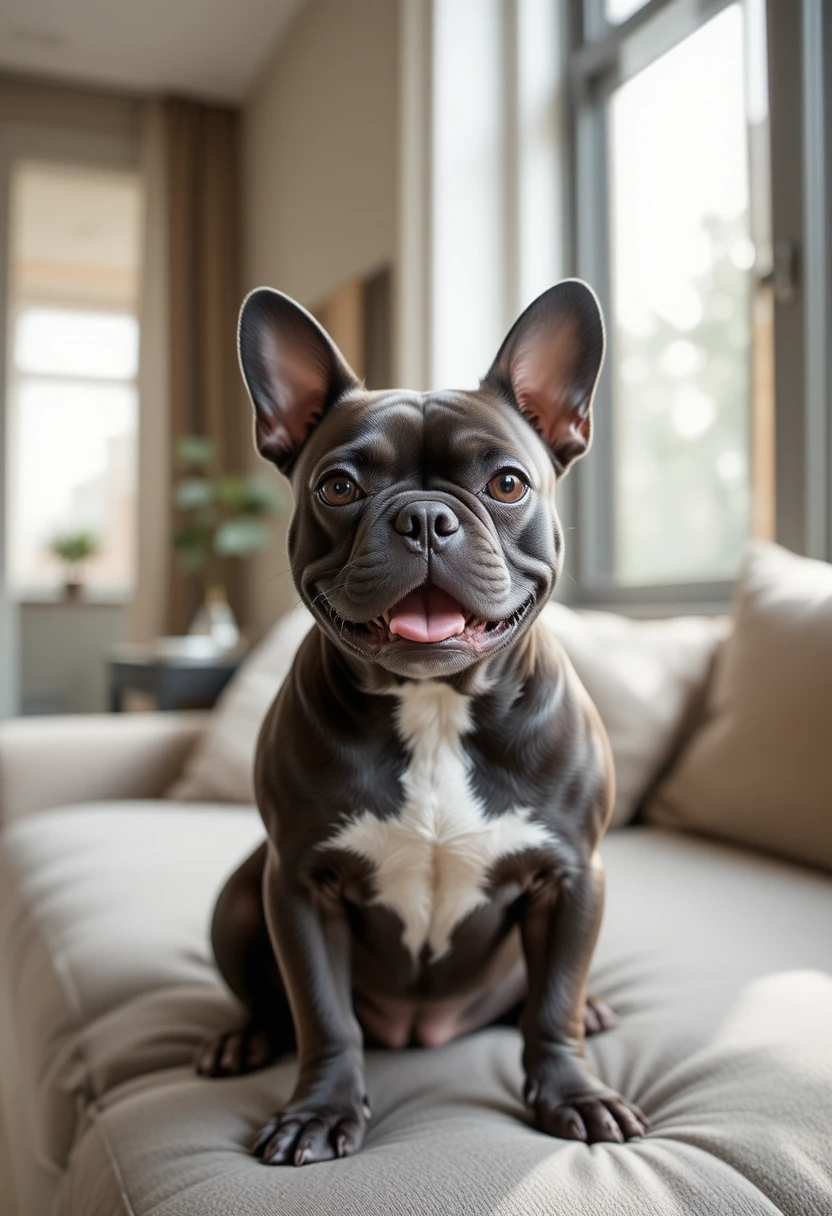
Frenchies have become one of the most popular dogs in the U.S. for a reason they’re compact, low-energy, and genuinely happy lounging on the couch with you all afternoon. Their exercise needs are modest (think two shorter walks a day, not marathon runs), and they don’t shed as heavily as you’d expect for a short-coated dog.
Watch for: Their flat faces mean they overheat easily and can struggle in humid weather, so climate control matters. They’re also not big barkers, which your downstairs neighbors will appreciate.
2. Cavalier King Charles Spaniel
Affectionate almost to a fault, Cavaliers were essentially bred to be lap companions, which makes them a natural fit for small-space living. They’re gentle with kids, adapt well to quiet routines, and don’t need a yard to be happy.
Watch for: They bond intensely with their people and can develop separation anxiety if left alone too long plan for a dog walker or midday check-in if you work full days.
3. Bichon Frise
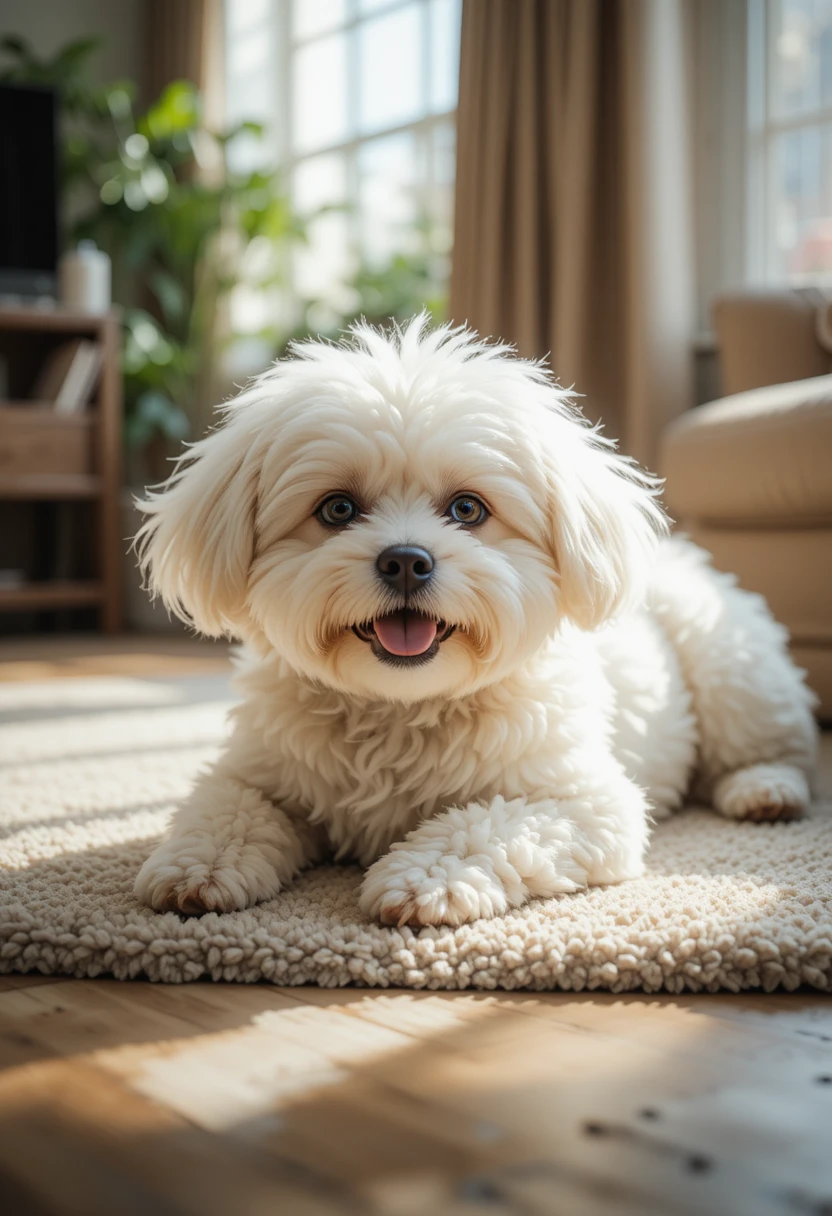
Cheerful, fluffy, and consistently ranked among the better options for allergy-sensitive households, Bichons are small, sturdy, and playful without being high-strung. Their coat sheds minimally, which matters a lot when your entire living space is 700 square feet.
Watch for: That curly coat needs regular grooming to avoid matting budget for either a groomer or a solid at-home routine.
Read Also: 14+ Signs of Stress in Cats You Should Never Ignore
4. Pug
Pugs are the definition of a couch-potato breed. They’re small, sturdy, comedic, and about as low-maintenance on the exercise front as dogs get. A short daily walk and some playtime indoors usually covers it.
Watch for: Like Frenchies, their pushed-in faces mean heat sensitivity and occasional snoring/snorting charming to some, less so to light sleepers.
5. Dachshund
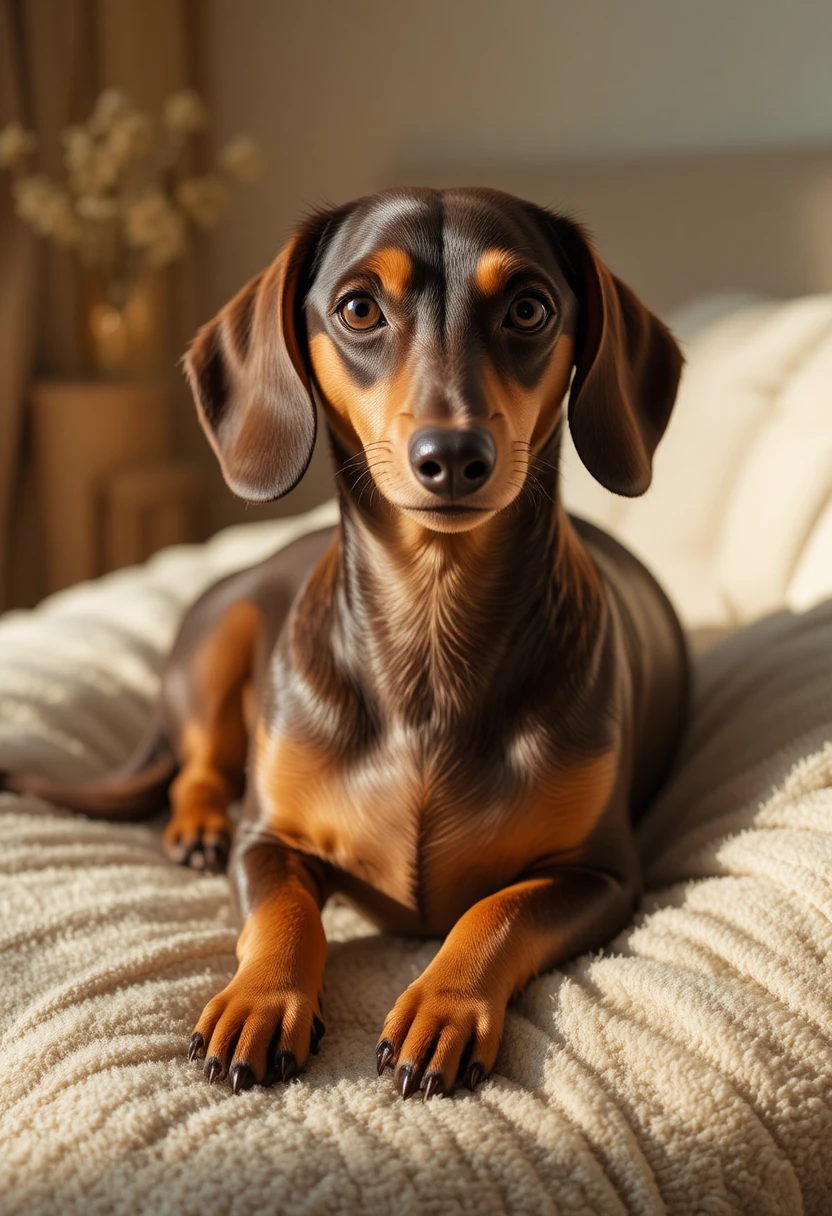
Don’t let the “wiener dog” jokes fool you Dachshunds pack a huge personality into a small, apartment-sized body. They’re curious, loyal, and genuinely fun to have around, and their size makes them easy to manage even in a studio.
Watch for: They were bred to hunt and dig, so they can be more vocal and stubborn than other small breeds. Consistent training early on goes a long way.
6. Shih Tzu
Bred centuries ago as a palace companion dog, the Shih Tzu is about as content indoors as a breed gets. They’re friendly, adaptable, and generally quiet, making them an easy fit for apartment buildings with thin walls.
Watch for: Their long coat requires regular grooming (many owners opt for a shorter “puppy cut” to cut down on maintenance).
7. Boston Terrier
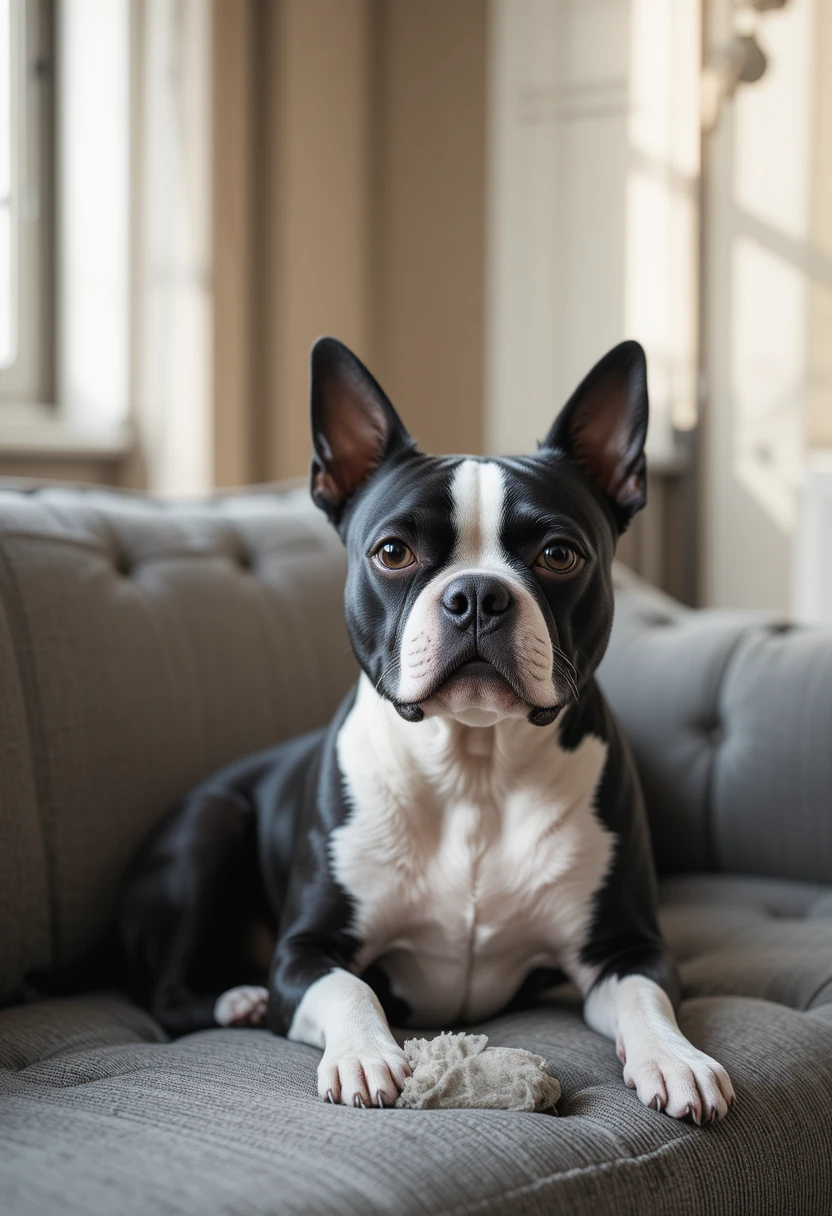
Sometimes called the “American Gentleman,” Boston Terriers are compact, easygoing, and typically low on the bark-o-meter. They’re social, adaptable to apartment schedules, and don’t demand hours of daily exercise.
Watch for: Like other flat-faced breeds, they can overheat quickly, so summer walks should happen early or late in the day.
8. Havanese
Havanese dogs are playful, people-oriented, and small enough to thrive in nearly any square footage. They’re known for being easy to train and generally low-shedding, which is a real plus when your living room doubles as their entire world.
Watch for: They crave companionship and don’t love being left alone for long stretches a good match for remote workers or households with someone home often.
9. Maltese
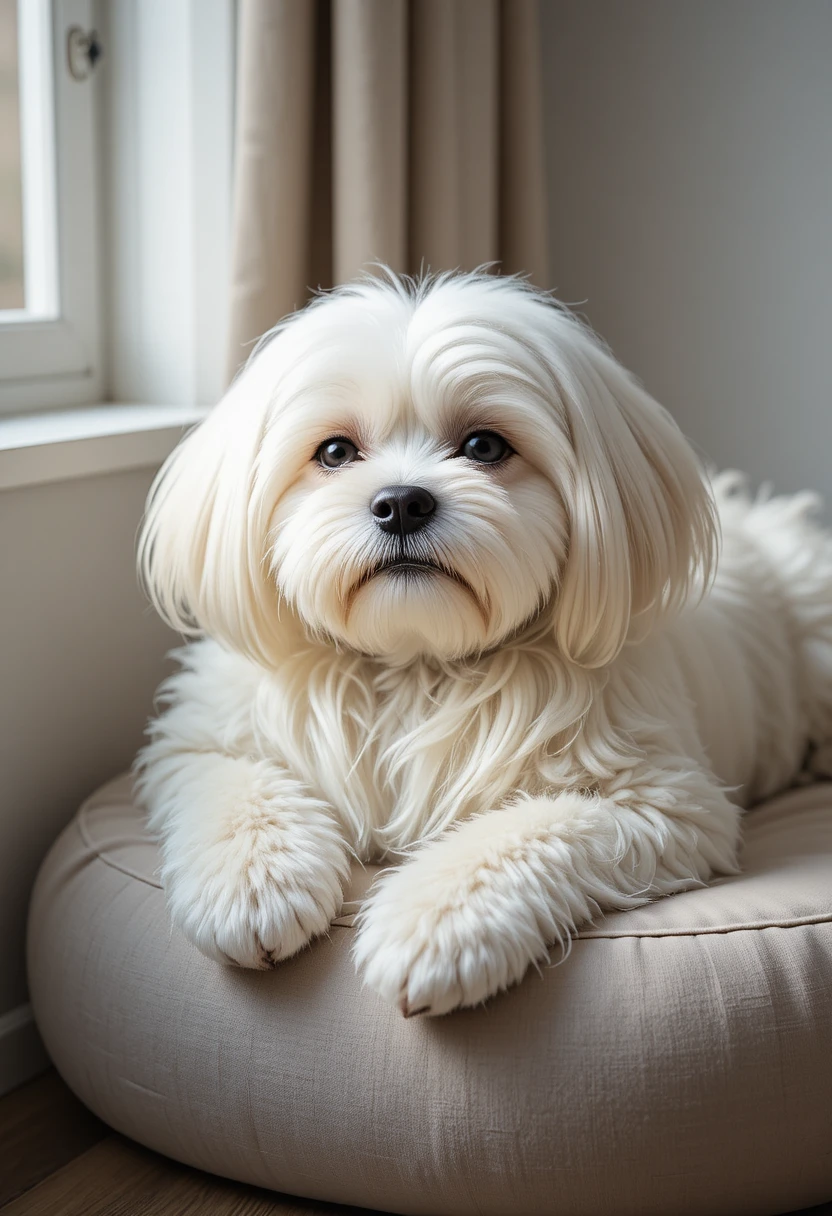
Tiny, affectionate, and famously low-shedding, Maltese dogs are one of the more allergy-friendly options on this list. They’re happy with indoor play and short walks, making them ideal for upper-floor apartments without elevators.
Watch for: Their small size makes them fragile around rough handling, so they’re a better match for adults or older kids than very young children.
10. Basset Hound
Here’s a genuine surprise pick: the Basset Hound. Despite their size, Bassets are famously low-energy and content to nap for large chunks of the day. Their calm, easygoing temperament makes them far better apartment dogs than their long body suggests.
Watch for: They’re prone to a deep, resonant bay a sound your neighbors will definitely hear if triggered. They also shed more than most breeds on this list.
11. Greyhound
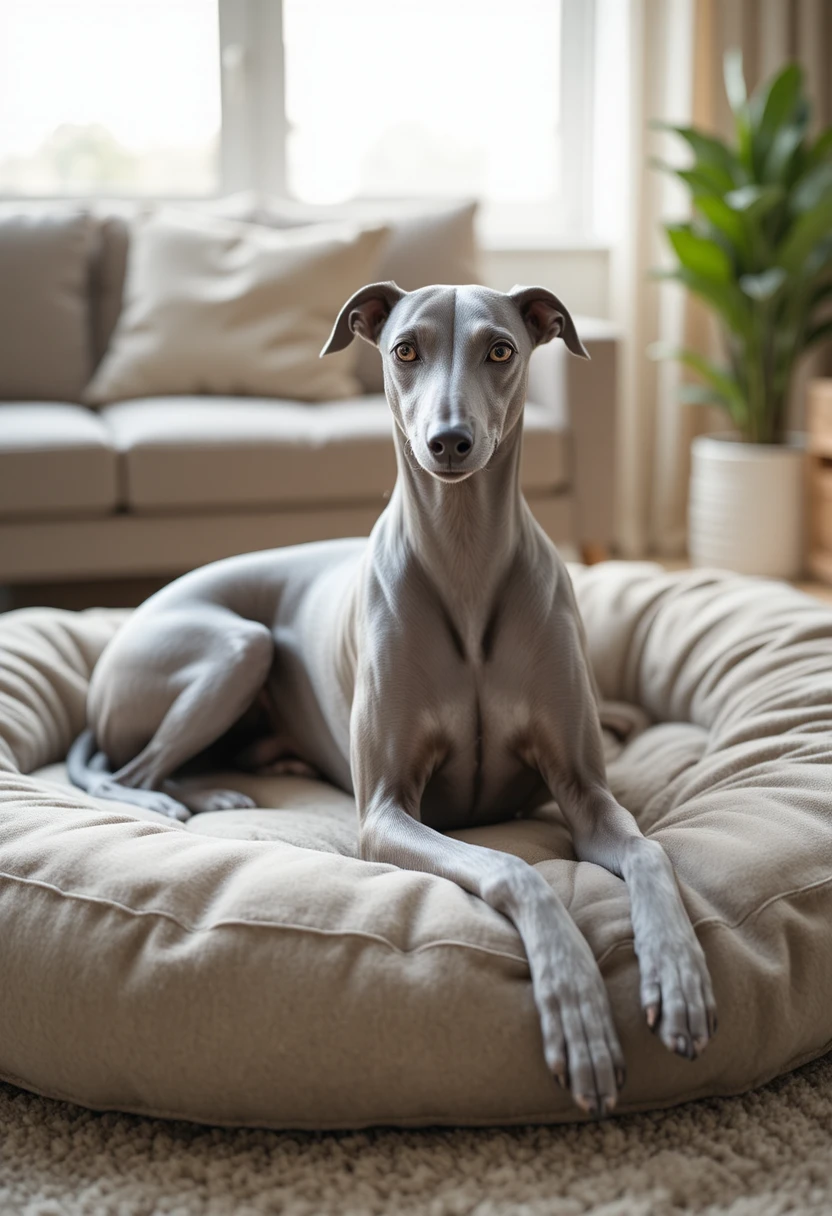
Yes, really. Greyhounds have earned a reputation as “45-mph couch potatoes” for good reason despite being built for speed, they typically sleep 16-18 hours a day and are content to lounge once their exercise needs are met. Many retired racing Greyhounds are, in fact, ideal apartment dogs.
Watch for: Their thin coat means they get cold easily, so a dog sweater is often necessary in winter. They also need a securely fenced area or leash for their occasional bursts of sprinting energy.
12. Italian Greyhound
A smaller cousin to the standard Greyhound, the Italian Greyhound offers the same calm, couch-loving temperament in a body that’s easier to manage in a compact space. They’re sleek, quiet, and generally low-shedding.
Watch for: They’re sensitive to cold and to chaotic environments, so a calm household suits them best.
13. Chihuahua
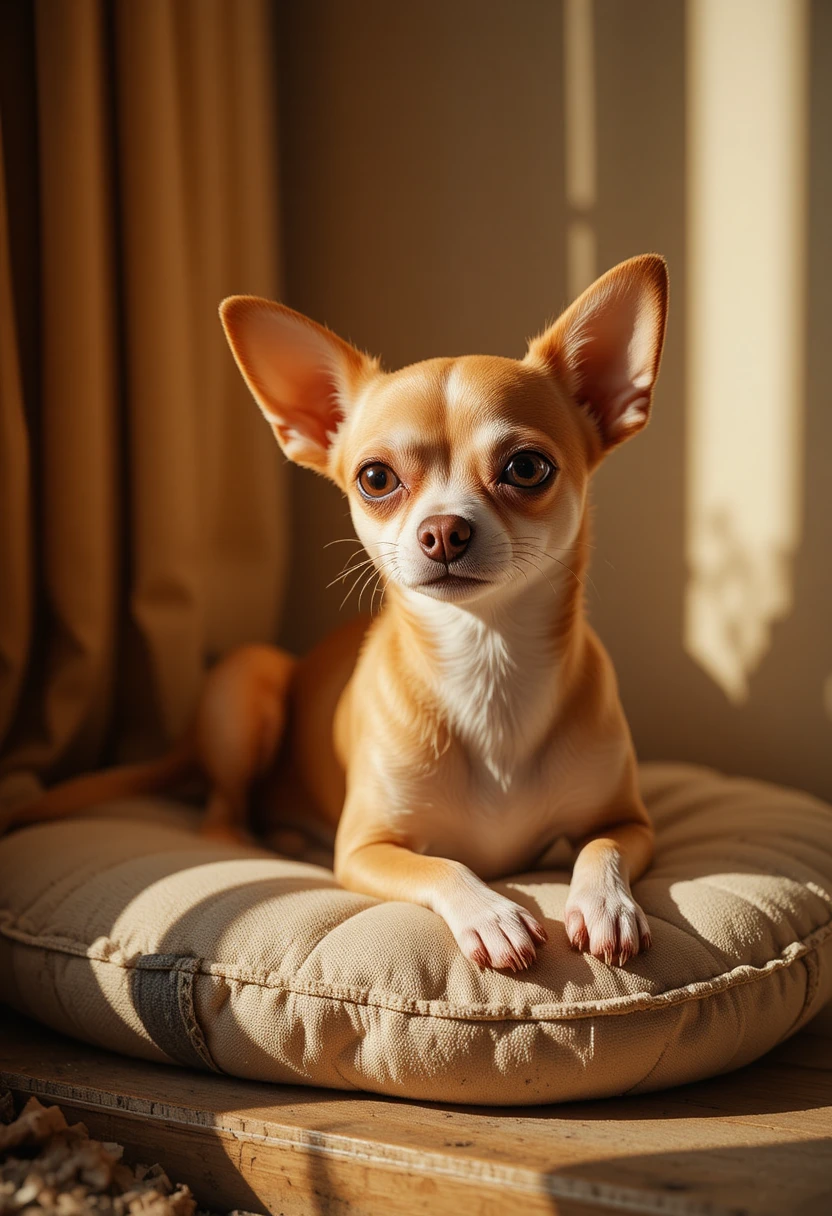
Chihuahuas are about as small as dogs get, which makes them a natural fit for tight spaces. They bond fiercely with their owners and require minimal exercise to stay happy.
Watch for: They can be surprisingly vocal and wary of strangers, so early socialization is key if you want a Chihuahua who handles hallway encounters and visitors gracefully.
14. English Bulldog
The English Bulldog’s calm, almost lazy demeanor makes it a solid match for apartment life they’re not big barkers, and their exercise needs are minimal compared to most breeds their size.
Watch for: Bulldogs are prone to overheating and joint issues, so keep an eye on weight and avoid intense exercise, especially in warm weather.
Small Dogs vs. Big Dogs: What Actually Matters More
Here’s the thing: a lot of apartment dwellers assume “small dog” automatically means “easy dog.” That’s not always true. A high-strung Chihuahua or a bored Jack Russell Terrier can cause more noise complaints than a mellow 60-pound Greyhound that sleeps most of the day.
So what does this mean for you? When you’re evaluating a breed, weigh temperament and energy level before size. A medium dog in the 25-50 pound range with a calm disposition is often easier to live with than a tiny dog wired for constant activity.
Tips for Making Apartment Life Work With Any Breed
Even the calmest breed on this list still needs the basics covered. A few things that make a real difference:
- Establish a consistent exercise routine — daily walks matter even for low-energy breeds; boredom is what causes most destructive behavior.
- Invest in mental stimulation — puzzle feeders and short training sessions tire dogs out mentally, which matters just as much as physical exercise in small spaces.
- Soundproof where you can — rugs, curtains, and furniture placement can meaningfully cut down on noise transfer to neighbors.
- Be proactive about barking triggers — hallway noise, door knocks, and elevator dings are common culprits; desensitization training helps.
- Keep up with grooming — shedding and dander build up fast in small spaces, so regular brushing keeps things manageable.
Save-worthy takeaway: The “best” apartment dog isn’t one breed it’s the breed whose energy, noise level, and needs actually match your daily routine.
Frequently Asked Questions
What is the calmest dog breed for apartment living?
Breeds like the Basset Hound, Greyhound, and English Bulldog are known for their low energy and easygoing temperaments, making them some of the calmest options for apartment life even though they’re not the smallest dogs on this list.
Do small dogs always do better in apartments?
Not necessarily. Size matters less than temperament and energy level. Some small breeds, like Chihuahuas or Jack Russell Terriers, are high-energy and vocal, while some larger breeds, like Greyhounds, are naturally low-key.
What dog breeds bark the least?
French Bulldogs, Basenjis, Greyhounds, and Bulldogs are generally known for being quieter breeds, though individual temperament and training play a major role regardless of breed.
Can large dogs live happily in apartments?
Yes, as long as their energy level and exercise needs match what you can realistically provide. Calm, lower-energy large breeds like Greyhounds and Basset Hounds often adapt well to apartment living.
How much exercise does an apartment dog need?
Most apartment-friendly breeds still need at least one to two walks a day, plus some form of mental stimulation, regardless of how “low-energy” they’re marketed as being.
Final Thoughts
Choosing the right dog for apartment life isn’t about picking the smallest breed you can find it’s about matching temperament, energy, and noise level to your actual day-to-day routine. Whether you fall for a couch-loving Frenchie, a surprisingly mellow Greyhound, or a tiny but devoted Havanese, the right match will make apartment living with a dog genuinely easy for both of you and your neighbors.