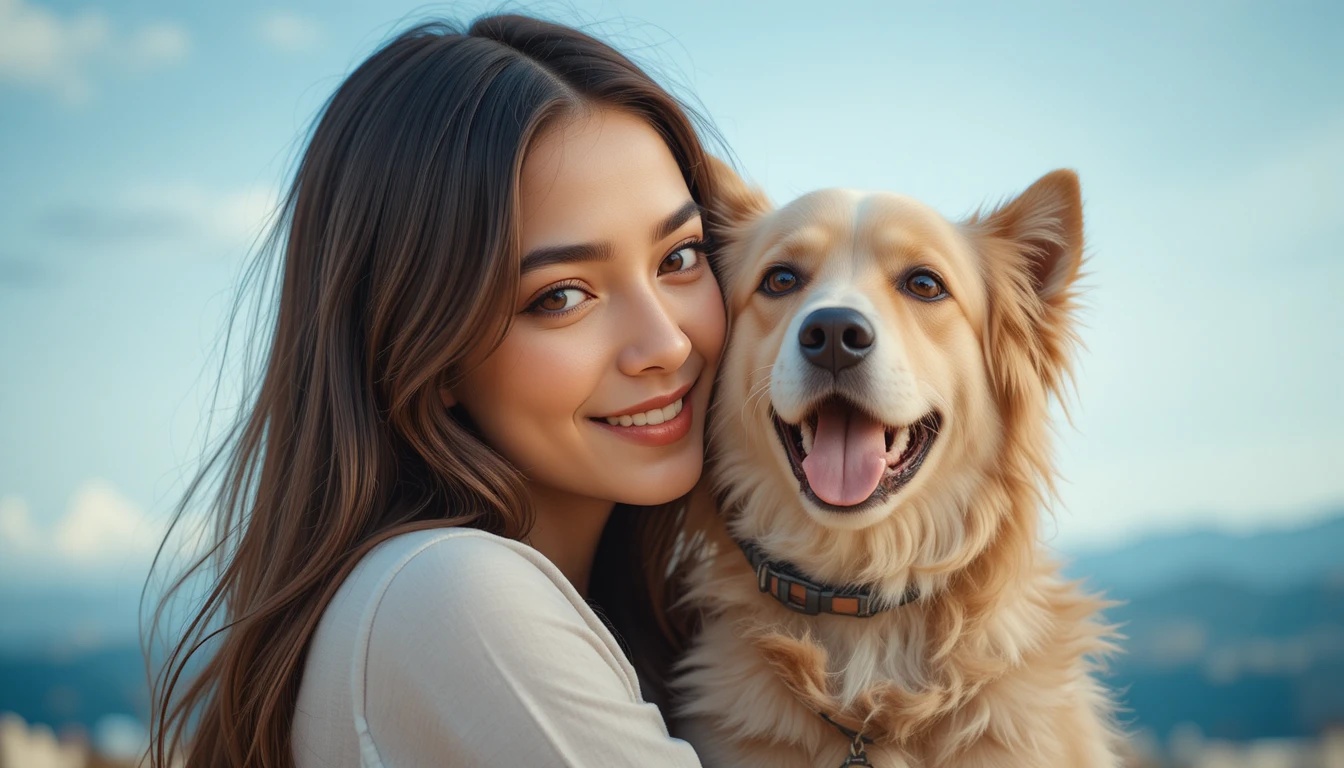
If you’ve ever fallen in love with a dog at the park and then spent the rest of the night sneezing into a pillow, you already know the heartbreak of dog allergies. The good news? You don’t have to give up on the dream of dog ownership. While no breed is truly 100% allergen-free, certain dogs are far easier on sensitive immune systems and this list covers the best of them.
Whether you’re apartment-hunting for a low-shedding companion, building a family-friendly household, or just tired of vacuuming fur off every surface in your home, this guide breaks down 14+ hypoallergenic dog breeds, what makes them allergy-friendly, and how to pick the right one for your lifestyle.
What Does “Hypoallergenic Dog” Actually Mean?
Before diving into the list, let’s clear up a common misconception: no dog is completely hypoallergenic. Allergic reactions to dogs aren’t just triggered by loose hair they’re mostly caused by a protein found in a dog’s dander, saliva, and urine. That protein clings to fur and gets released into the air whenever a dog sheds, shakes, or grooms itself.
So-called hypoallergenic breeds simply produce less of this allergen exposure, usually because they:
- Shed minimally or not at all, so less dander ends up floating around your home
- Grow hair instead of fur, meaning it grows continuously rather than falling out in seasonal cycles
- Have single-layer coats without a heavy undercoat that traps and releases dander
- Are smaller in size, which naturally limits the amount of allergen-carrying material they produce
Understanding this distinction matters because it helps set realistic expectations. A hypoallergenic breed can dramatically reduce your symptoms, but it’s still smart to spend time with the breed (or even the specific dog) before bringing them home if your allergies are severe.
Quick Comparison: Hypoallergenic Breeds at a Glance
| Breed | Size | Grooming Needs | Best For |
|---|---|---|---|
| Poodle | Small–Large | High | Active families |
| Bichon Frise | Small | High | Apartments, seniors |
| Portuguese Water Dog | Medium–Large | Moderate | Active households |
| Maltese | Small | Moderate | Lap dog lovers |
| Shih Tzu | Small | High | Families with kids |
| Schnauzer | Small–Large | Moderate | Versatile households |
| Yorkshire Terrier | Small | Moderate | City dwellers |
| Havanese | Small | Moderate | Multi-pet homes |
| Afghan Hound | Large | High | Experienced owners |
| Wheaten Terrier | Medium | Moderate | Active families |
| Basenji | Small–Medium | Low | Quiet apartment life |
| Xoloitzcuintli | Small–Large | Low | Warm climates |
| Chinese Crested | Small | Low–Moderate | Small living spaces |
| Lagotto Romagnolo | Medium | High | Active, curious owners |
| Coton de Tulear | Small | Moderate | Families and singles |
| Doodle mixes | Small–Large | High | Families wanting variety |
Now let’s break each one down.
1. Poodle (Toy, Miniature, and Standard)
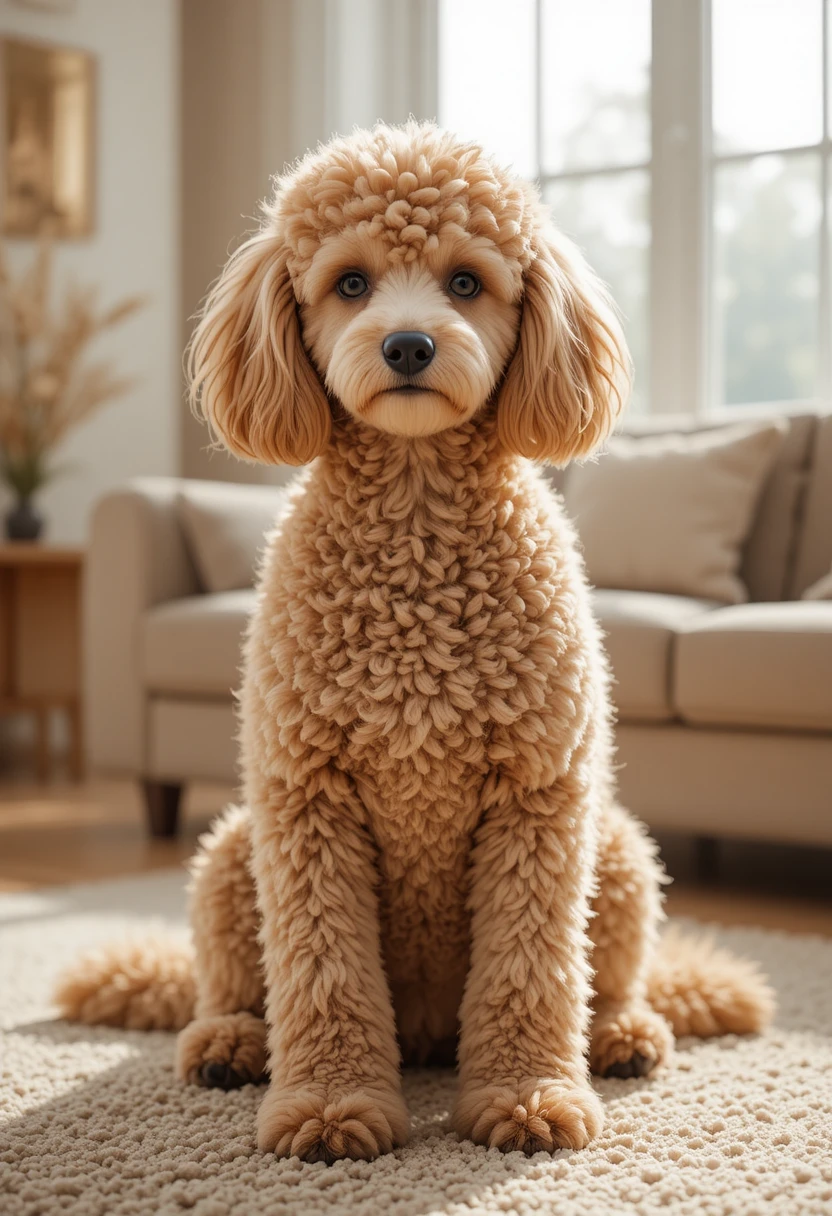
The Poodle is the gold standard of hypoallergenic breeds, and for good reason. Their dense, curly coat traps loose hair and dander close to the skin instead of letting it scatter through your house. Because Poodles come in three size variations, they fit almost any living situation, from a studio apartment to a big backyard.
Best for: Active families or individuals who want a highly trainable, intelligent companion.
Grooming needs: Professional grooming every 4–6 weeks, plus regular brushing at home.
2. Bichon Frise
This cheerful, cotton-ball-shaped breed is a favorite among allergy sufferers. Their soft, curly double coat sheds very little, and their compact size makes them ideal for smaller homes. Bichons are famously affectionate and tend to bond closely with their families.
Best for: Seniors, first-time owners, and apartment dwellers.
Grooming needs: Frequent brushing and professional grooming to prevent matting.
3. Portuguese Water Dog
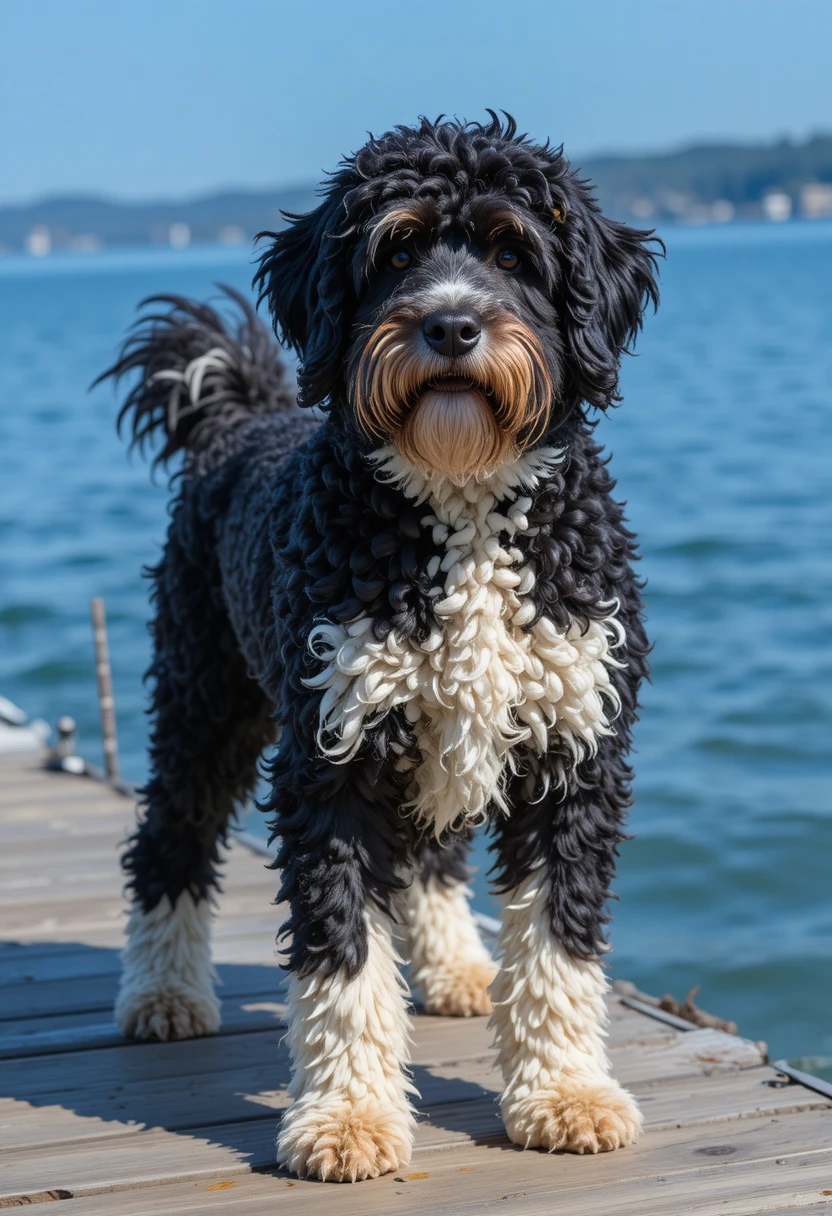
Famous for being the Obama family’s presidential pet, the Portuguese Water Dog has a curly, dense coat that holds onto dander rather than releasing it. These dogs were bred to work alongside fishermen, so they’re athletic, intelligent, and need plenty of exercise.
Best for: Active households with space to burn off energy.
Grooming needs: Regular brushing and periodic clipping.
Read Also: 16+ Calmest Dog Breeds for Families
4. Maltese
With their flowing, silky white coat, Maltese dogs shed minimally and produce relatively low dander. Don’t let their delicate looks fool you they’re spirited, loyal, and thrive on companionship.
Best for: Anyone wanting a devoted lap dog.
Grooming needs: Daily brushing to prevent tangles.
5. Shih Tzu
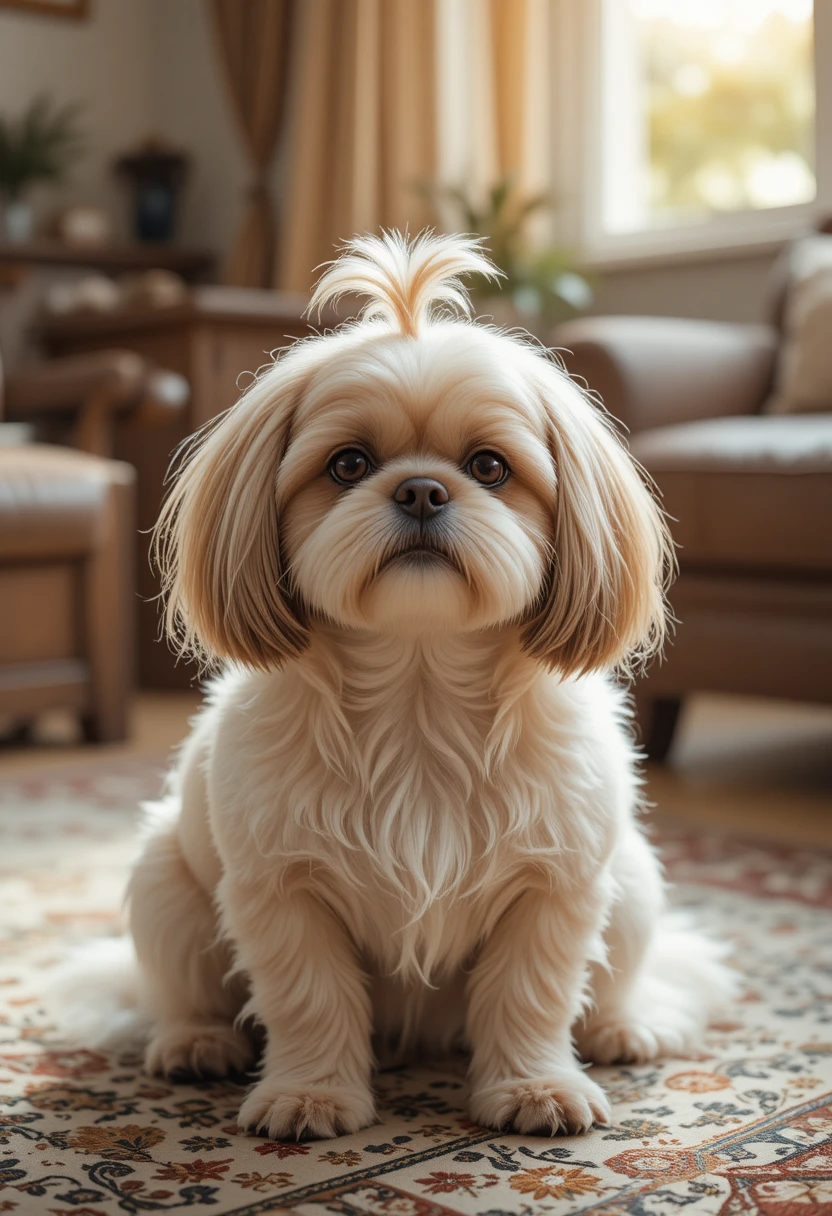
Shih Tzus have long, flowing hair rather than fur, which means they shed far less than most breeds. Their friendly, easygoing temperament makes them a great match for families with children.
Best for: Families and multi-pet households.
Grooming needs: Daily brushing or a shorter “puppy cut” to simplify maintenance.
6. Schnauzer (Miniature, Standard, Giant)
Schnauzers come in three sizes, all of which feature a wiry, low-shedding coat. They’re alert, loyal, and often make excellent watchdogs, which adds a practical bonus to their allergy-friendly reputation.
Best for: Households wanting a versatile, protective companion.
Grooming needs: Regular brushing and occasional hand-stripping or clipping.
7. Yorkshire Terrier
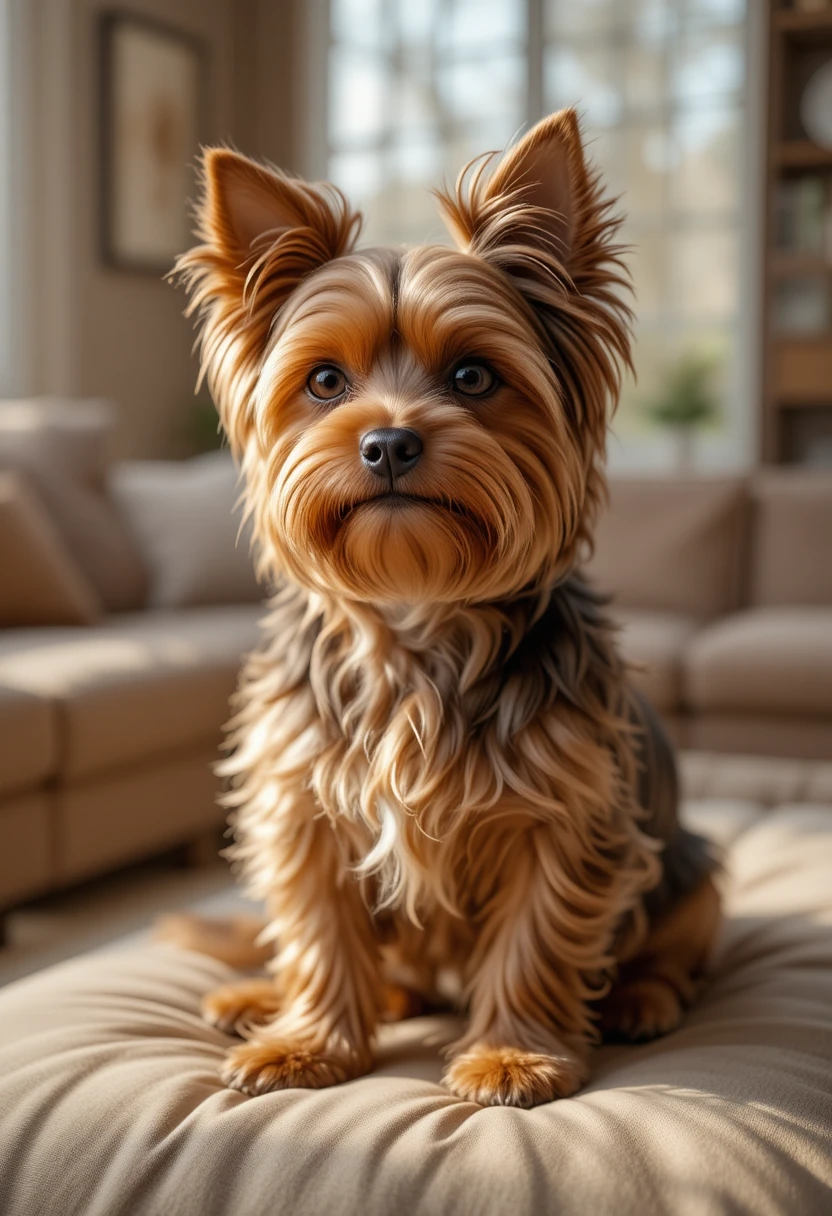
Yorkies have fine, silky hair that closely resembles human hair texture, which means significantly less shedding than typical fur coats. Despite their tiny frame, they pack an enormous personality and travel well.
Best for: City dwellers and travelers who want a portable companion.
Grooming needs: Regular brushing, especially if kept long.
8. Havanese
Cuba’s national dog, the Havanese, has a long, silky coat that rarely sheds heavily. These social, affectionate dogs adapt well to a variety of environments and get along beautifully with children and other pets.
Best for: Families and multi-pet homes.
Grooming needs: Daily brushing or a shorter trim for easier care.
9. Afghan Hound
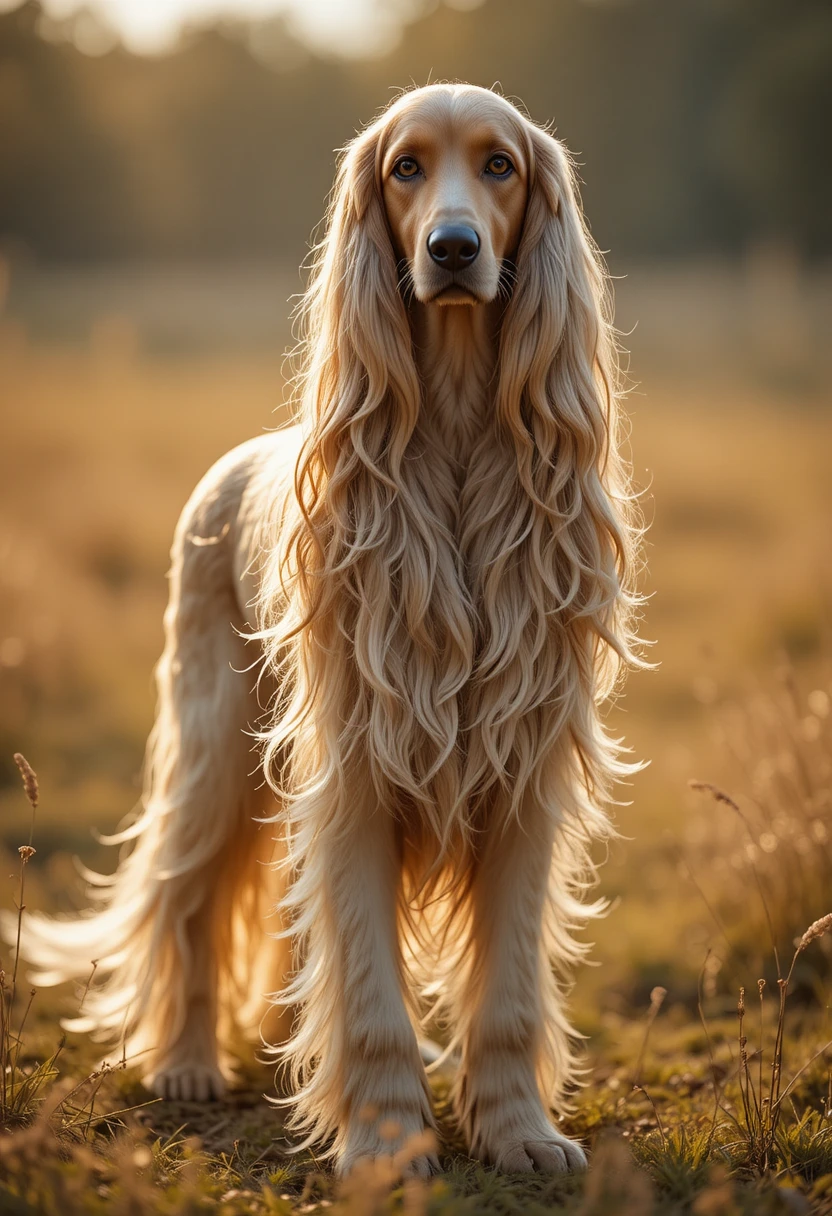
Surprisingly for such a glamorous, long-haired breed, the Afghan Hound produces relatively low dander. Their flowing coat requires serious grooming commitment, but allergy sufferers often tolerate them well.
Best for: Experienced owners ready for a grooming-intensive breed.
Grooming needs: Frequent brushing to prevent matting and tangling.
10. Soft Coated Wheaten Terrier
This breed’s silky, wavy coat sheds very little and lacks the strong “doggy odor” some allergy sufferers react to. Wheatens are playful, affectionate, and full of energy.
Best for: Active families who enjoy an enthusiastic, people-oriented dog.
Grooming needs: Regular brushing and professional trims.
11. Basenji
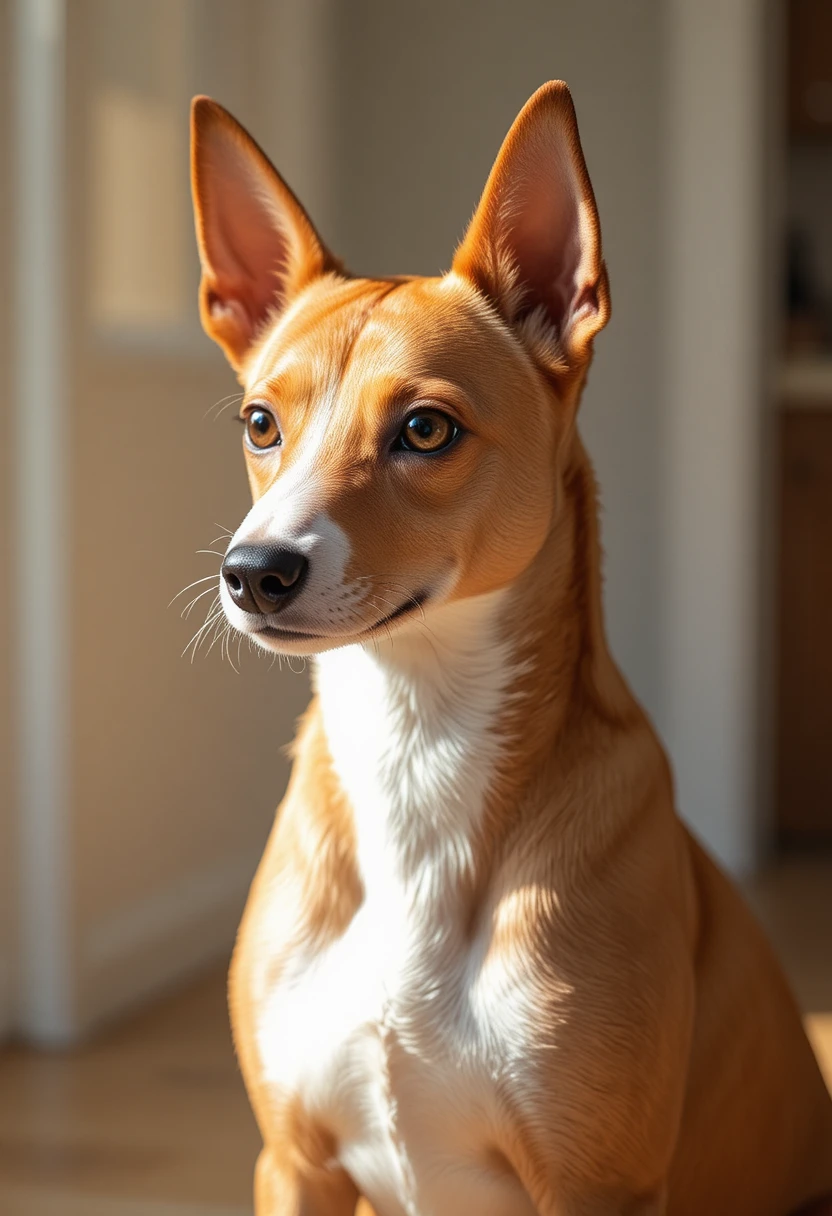
Known as the “barkless dog,” the Basenji has a short, fine coat and grooms itself much like a cat which naturally cuts down on loose hair and dander in your home. They’re independent, clean, and quiet by nature.
Best for: Quiet households or apartment living.
Grooming needs: Minimal occasional brushing is enough.
12. Xoloitzcuintli (Mexican Hairless Dog)
One of the oldest breeds in the Americas, the Xolo comes in both hairless and coated varieties. The hairless version is a strong choice for severe allergy sufferers since there’s no fur to shed at all though skin care becomes more important.
Best for: Warmer climates and owners willing to manage skin protection.
Grooming needs: Low-maintenance coat care, but regular skin moisturizing.
13. Chinese Crested
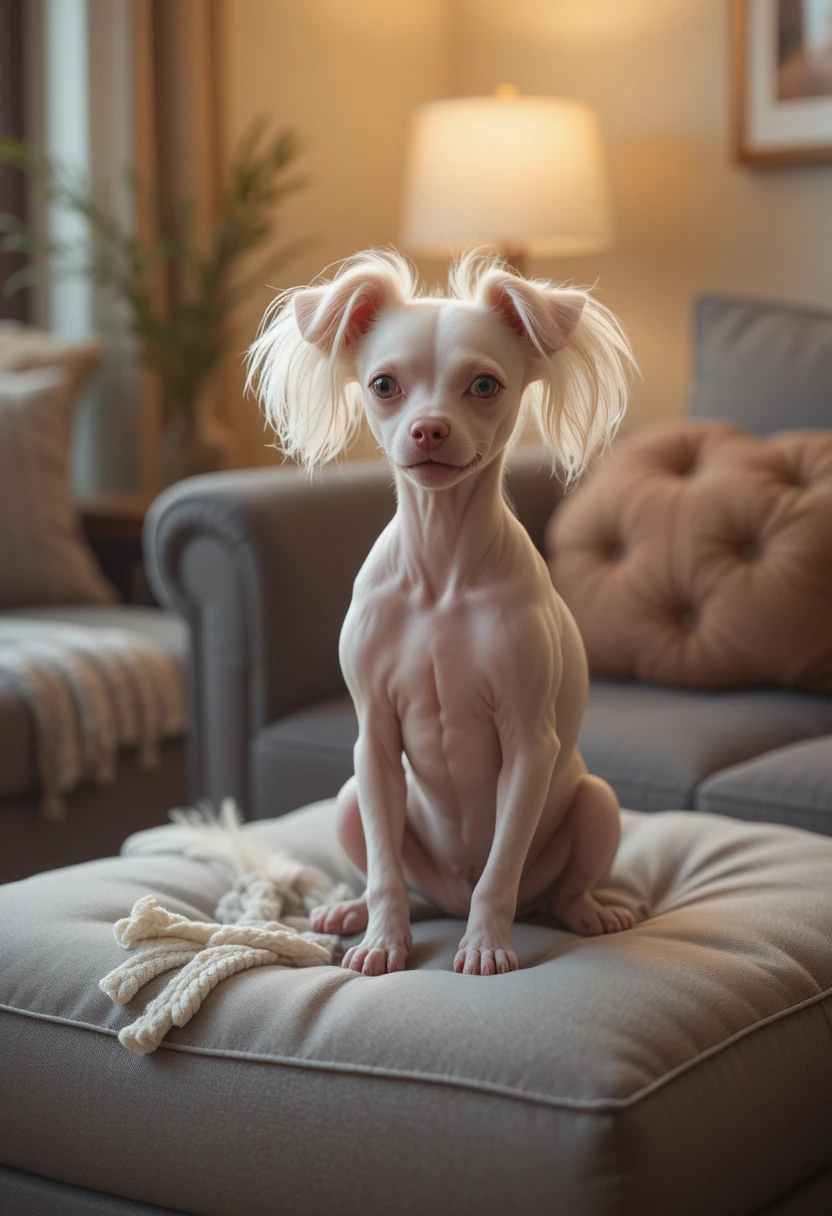
Like the Xolo, the Chinese Crested is available in a hairless variety, making it one of the lowest-shedding breeds on this list. Their small size and playful personality make them a popular choice for apartment living.
Best for: Small living spaces and companionship-focused owners.
Grooming needs: Regular skin care for the hairless variety.
14. Lagotto Romagnolo
Originally bred as truffle-hunting dogs in Italy, Lagotto Romagnolos have a dense, curly, wool-like coat similar to a Poodle’s. They’re highly intelligent, energetic, and thrive when given a job to do.
Best for: Active owners who enjoy training and mental stimulation games.
Grooming needs: Regular clipping to prevent matting.
15. Coton de Tulear
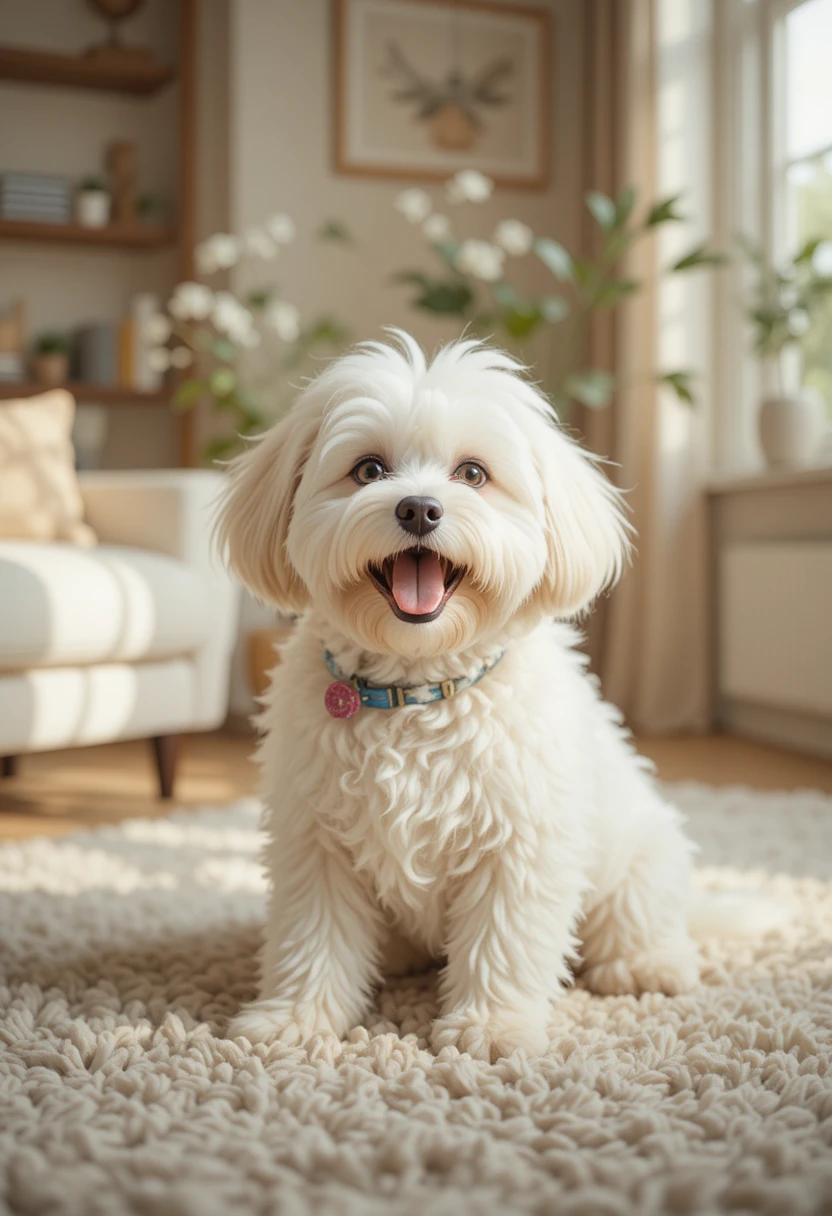
Named for their cotton-like coat texture, Cotons shed very little and are known for their playful, easygoing nature. They adapt well to both singles and families.
Best for: Companionship-seekers of all lifestyles.
Grooming needs: Regular brushing to keep the coat soft and tangle-free.
16. Doodle Mixes (Goldendoodle, Labradoodle, and More)
Poodle-mix “doodle” breeds have exploded in popularity, and for good reason — when bred with a strong Poodle coat influence, they inherit much of that low-shedding, low-dander advantage. Goldendoodles and Labradoodles combine the Poodle’s coat with the friendly, family-oriented temperament of Golden and Labrador Retrievers.
Best for: Families wanting a larger, people-loving dog with allergy-friendlier fur.
Grooming needs: Frequent brushing and professional grooming, since coat type can vary between individual dogs.
Tips for Reducing Allergens at Home
Choosing the right breed is only half the equation how you manage your home matters too. A few habits can make a big difference:
- Bathe and brush regularly, ideally outside or in a bathroom, to keep loose dander from spreading.
- Invest in a HEPA air purifier for bedrooms and main living areas.
- Vacuum frequently with a vacuum designed to trap fine allergen particles.
- Wash bedding, rugs, and dog beds weekly in hot water.
- Create a dog-free zone, such as your bedroom, to give your body a nightly break from allergen exposure.
- Wash your hands after petting, especially before touching your face.
How to Choose the Right Hypoallergenic Breed for You
Every allergy sufferer reacts differently, so it’s worth considering a few extra factors before choosing your new companion:
- Spend time with the breed first. If possible, visit a friend’s dog or a breeder before committing, since individual sensitivity varies.
- Consider your living space. Smaller breeds like the Bichon Frise or Chinese Crested suit apartments, while active breeds like the Portuguese Water Dog need more room to roam.
- Factor in grooming commitment. Low-shedding coats often mean more upkeep regular brushing and professional grooming are non-negotiable for most of these breeds.
- Think about energy level. Match the breed’s exercise needs to your lifestyle so both you and your dog stay happy.
Frequently Asked Questions
Is there truly a 100% hypoallergenic dog breed?
No. Every dog produces some level of dander, saliva, and urine proteins that can trigger allergies. Hypoallergenic breeds simply produce less exposure, not zero.
Which hypoallergenic dog sheds the least?
Hairless breeds like the Xoloitzcuintli and Chinese Crested shed the least since they have little to no fur. Among coated breeds, Poodles and Basenjis are among the lowest shedders.
Are hypoallergenic dogs good for people with severe allergies?
They can help, but people with severe allergies should spend time with a specific dog before adopting, and consult an allergist for personalized guidance.
Do hypoallergenic dogs need more grooming?
Generally, yes. Because their hair grows continuously rather than shedding naturally, most hypoallergenic breeds need regular brushing and professional grooming to stay healthy and mat-free.
Final Thoughts
Living with allergies doesn’t mean giving up on the joy of dog ownership. From the elegant Poodle to the ancient Xoloitzcuintli, there’s a hypoallergenic breed suited to nearly every lifestyle, living space, and personality type. Spend time with a few candidates, commit to a consistent grooming routine, and you’ll likely find a four-legged companion that fits right into your allergy-friendly home.