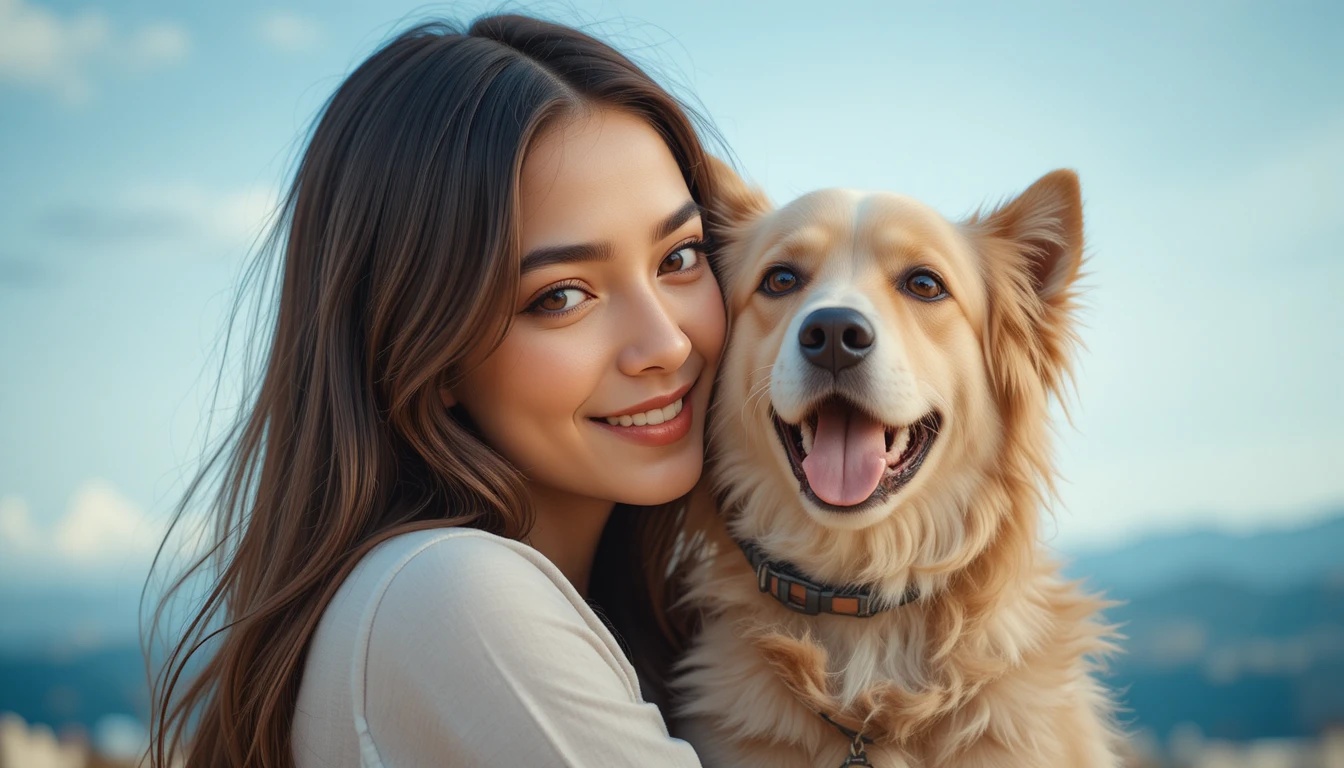
Somewhere between 2 a.m. and dawn, most home break-ins happen and in that window, a trained, alert dog is often faster and more effective than any alarm system you’ll ever install. That’s not a scare tactic. It’s just how burglars think: a barking, 90-pound dog at the door is a risk most intruders won’t take.
But not every dog is built for this job. A Golden Retriever will happily greet a burglar and show them where the silverware is. A true guard dog is different bred over generations for loyalty, courage, and the instinct to stand between danger and the people it loves.
In this guide, you’ll find 17 of the best guard dog breeds for protecting your home, ranked by temperament, trainability, and real-world protective instinct plus how to tell a guard dog from a watchdog, what actually makes a breed good at this job, and the training every single one of them needs. Save this guide before you start breed-shopping you’ll want to compare a few of these side by side.
Guard Dog vs. Watchdog: Why the Difference Actually Matters
Before you fall in love with a breed on this list, it helps to know exactly what job you’re hiring it for, because “guard dog” and “watchdog” are not the same thing and mixing them up is the single most common mistake first-time buyers make.
A watchdog’s job is simple: notice, then announce. Small, alert breeds with sharp hearing and a big bark even a Dachshund or a Chihuahua can excel at this. They’re an early-warning system, not a physical deterrent.
A guard dog goes a step further. These breeds are large, confident, and physically capable of intervening, and with the right training they can be taught to hold a stranger at bay or intervene if a real threat appears. This is a bigger responsibility, which means it also comes with a bigger commitment to training and socialization.
What Actually Makes a Dog a Good Guard Dog?
Size and a scary bark aren’t enough on their own. The best guard dog breeds tend to share a specific cluster of traits:
- Territorial instinct — an inborn sense of “this is my property, my people”
- Confidence, not aggression — a stable dog that doesn’t spook easily is far safer than a nervous, reactive one
- High trainability — a guard dog that won’t listen is a liability, not an asset
- Physical presence — size and strength that make a real deterrent, not just noise
- Deep loyalty to family — most top guard breeds are also devoted, affectionate companions at home
The 17 Best Guard Dog Breeds, Ranked for Protection and Trainability
1. German Shepherd
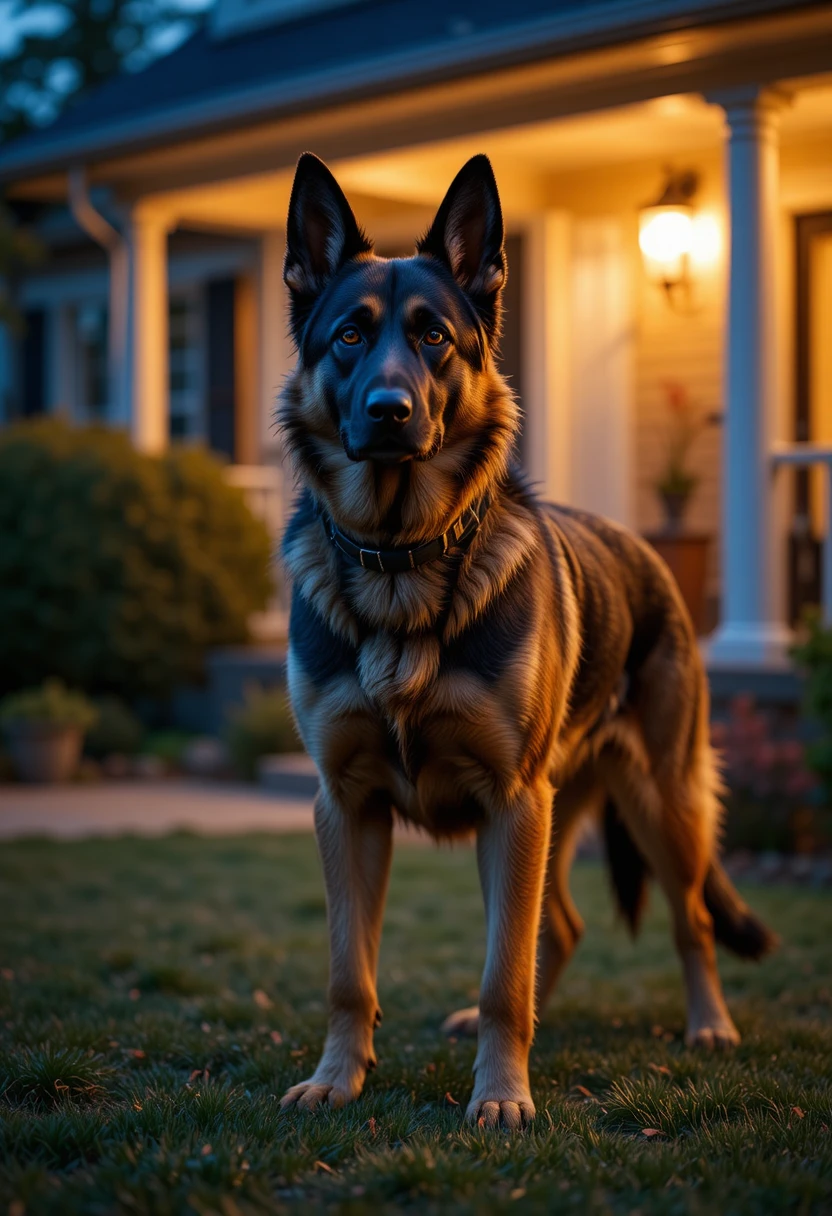
The German Shepherd is the benchmark most other guard breeds get measured against, and for good reason. They’re used by police and military forces worldwide because they combine intelligence, obedience, and physical capability in one package. At home, that same brainpower makes them deeply loyal, highly trainable family dogs that bond closely with their people while remaining naturally watchful of strangers.
Best for: Families who want a dog that’s equally at home protecting the yard and playing with kids.
2. Belgian Malinois
Smaller and leaner than the German Shepherd, the Belgian Malinois is often considered the more intense working cousin the breed of choice for elite military and K9 units. They’re relentlessly driven, extremely intelligent, and need serious daily mental and physical work to stay balanced. This isn’t a first-time-owner breed, but for an experienced handler, few dogs match their focus and protective drive.
Best for: Active, experienced owners who can commit to serious training and exercise.
3. Rottweiler
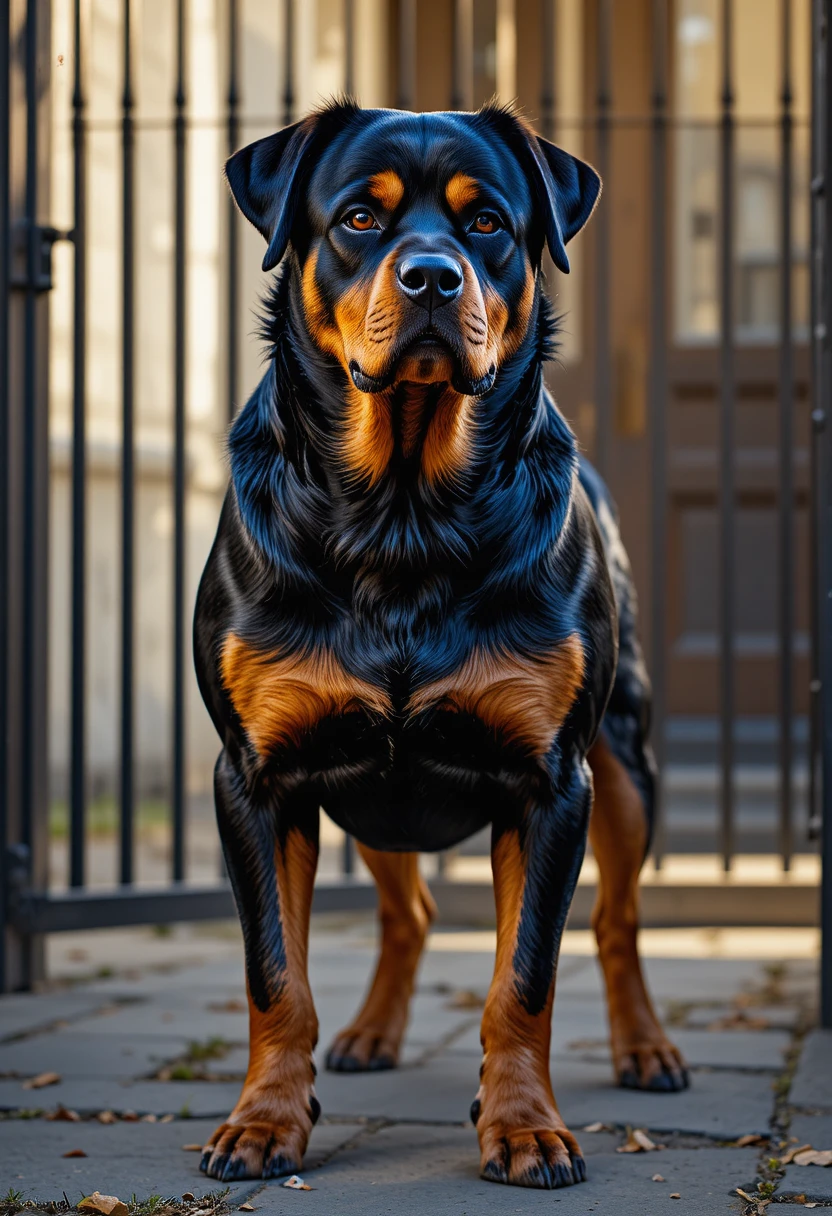
Rottweilers carry an old, calm confidence they don’t bark at every passerby, but when they sense real danger, they act decisively. With consistent training, they balance a watchful, protective nature with a genuinely affectionate, goofy side at home that surprises people who only know their reputation.
Best for: Owners who want a dog that’s more “silent guardian” than constant alarm system.
Read Also: What to Do If a Pet Is Having a Seizure: 12+ Things Every Owner Should Know
4. Doberman Pinscher
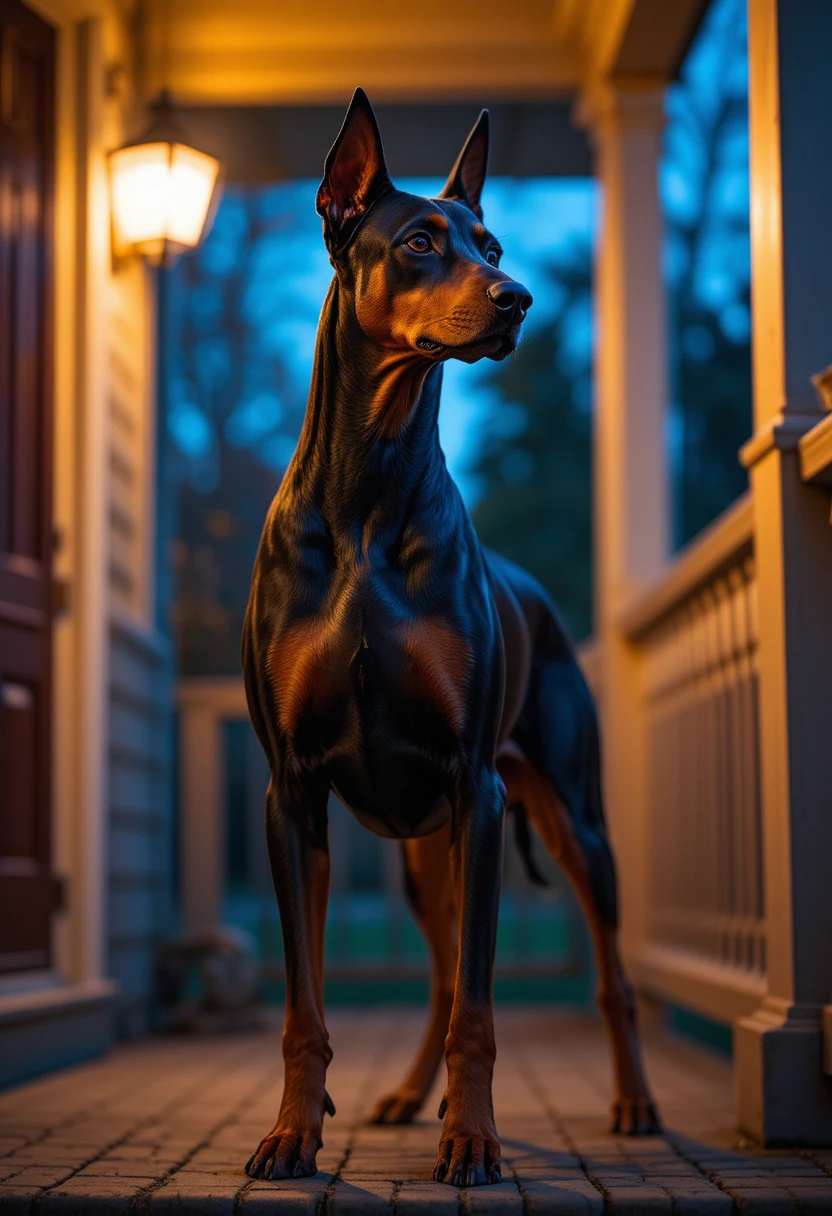
Sleek, athletic, and famously sharp, the Doberman is often described as an elegant protector rather than a brute-force one. Their speed and sharp instincts make them one of the most effective personal-protection breeds, and their deep devotion to family means they thrive on close human interaction rather than being left alone in a yard.
Best for: Households wanting an athletic, highly attentive guardian that’s also genuinely affectionate.
5. Bullmastiff
The Bullmastiff was literally bred to catch poachers quietly, calmly, and without excessive noise. That heritage shows today: they’re known for watching rather than barking, and only springing into action when it actually matters. Despite their size and strength, most Bullmastiffs are famously gentle and patient with children.
Best for: Families who want a giant, protective presence with a surprisingly soft side indoors.
6. Cane Corso
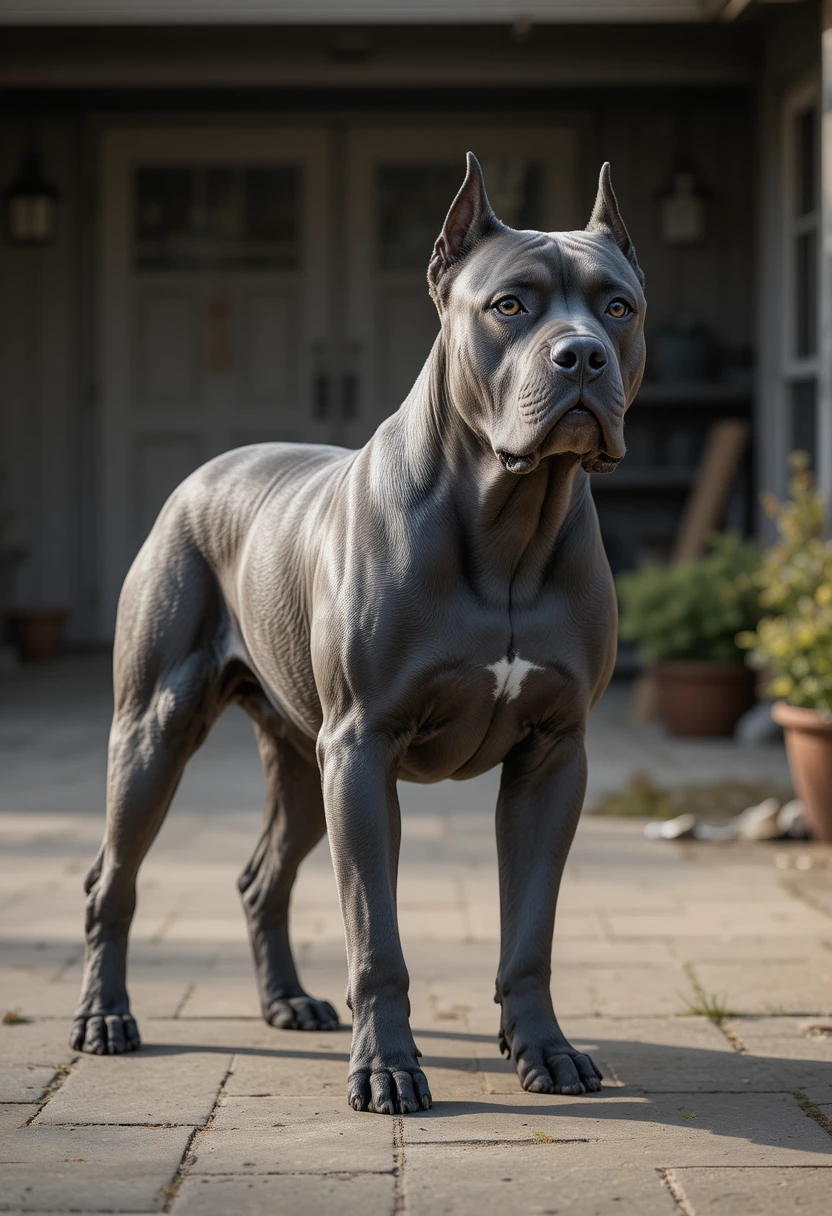
The Cane Corso is an imposing Italian mastiff-type breed with a long history guarding property and livestock. They’re intensely loyal, naturally suspicious of strangers, and physically powerful enough to be a serious deterrent on their own. Early, consistent training is non-negotiable with this breed their size and independence require an owner who can lead confidently.
Best for: Experienced owners looking for one of the most physically imposing guardian breeds.
7. Boerboel
South African in origin, the Boerboel was developed specifically to protect homesteads from large predators which tells you everything about its size, courage, and territorial drive. Owners consistently describe them as intimidating to strangers but deeply devoted and gentle with their own family, including children.
Best for: Rural or large-property owners who want a serious livestock- and home-guardian in one dog.
8. Rhodesian Ridgeback
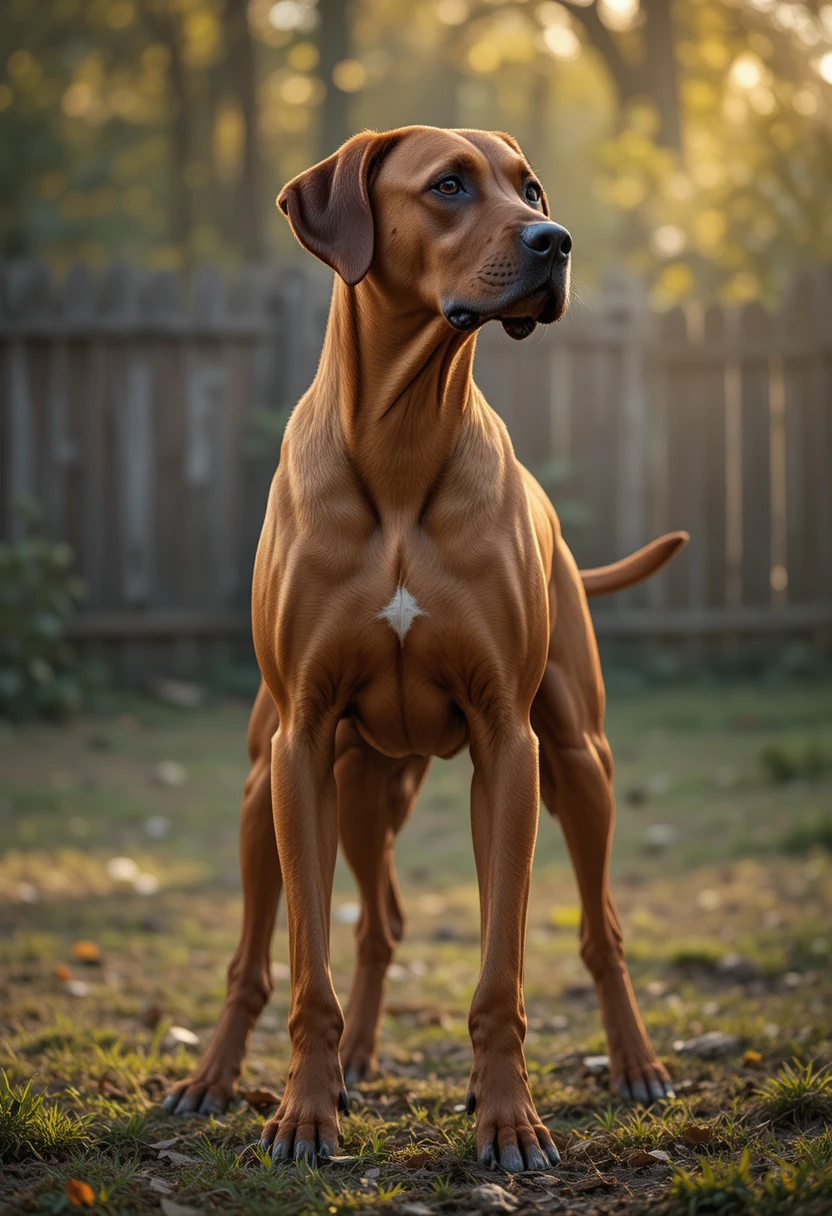
Originally bred in Africa to help hunt lions, the Rhodesian Ridgeback carries a quiet, dignified courage that doesn’t need to be loud to be effective. They’re independent thinkers, which makes early training important, but that same independence gives them excellent judgment about real versus perceived threats.
Best for: Owners who want a low-bark, high-courage guardian with a sleek, athletic build.
9. Anatolian Shepherd
The Anatolian Shepherd is a rugged, ancient flock-guardian breed built to work independently, often unsupervised, protecting livestock from wolves and other predators for days at a time. That same instinct transfers directly to guarding a home and family they’re naturally watchful, fiercely loyal, and require minimal prompting to take their guardian role seriously.
Best for: Large properties where the dog needs to patrol and make decisions independently.
10. Tibetan Mastiff
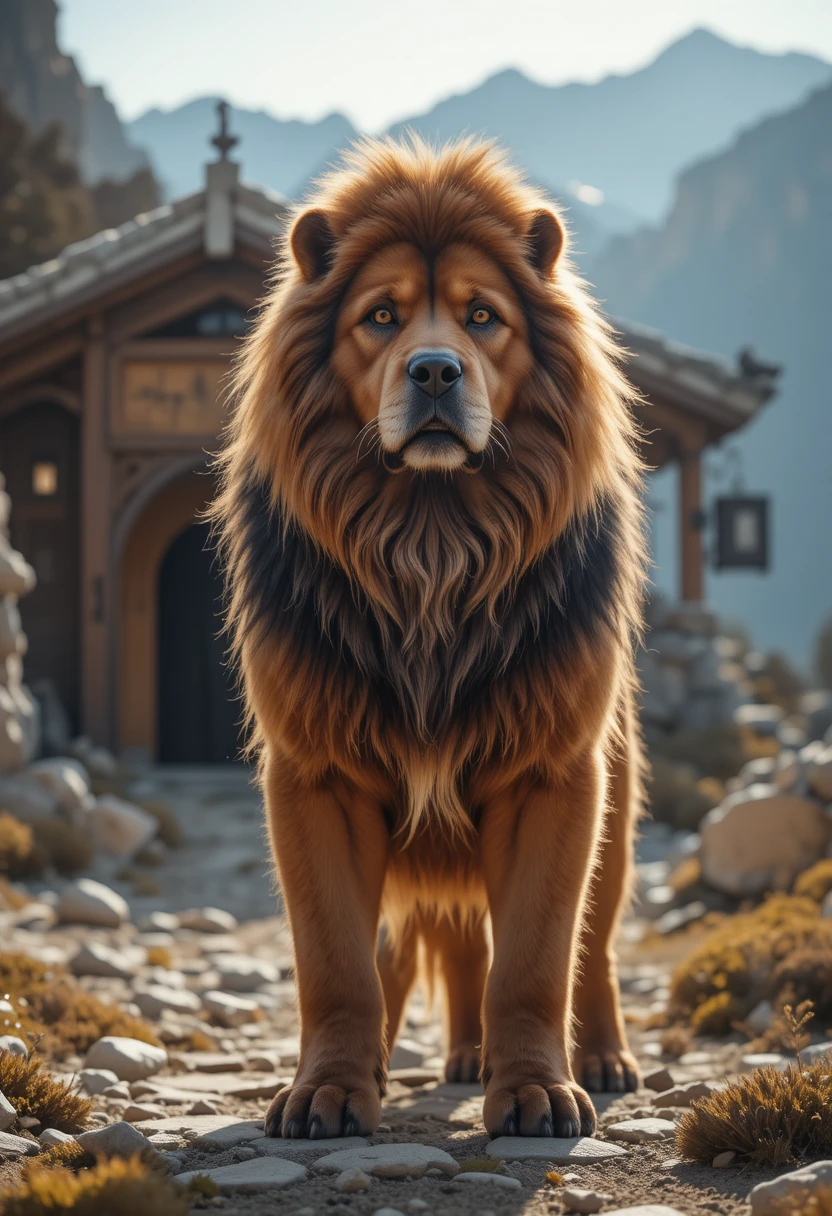
Few breeds look or sound as intimidating as the Tibetan Mastiff, a massive, thickly coated guardian bred for centuries to protect Himalayan monasteries and villages at night. They’re independent, deeply territorial, and take their protective duties seriously, often becoming most active as watchdogs after dark.
Best for: Experienced owners with space, who want a historically proven nighttime guardian.
11. Akita
The Akita brings a dignified, almost regal loyalty to the role of guardian a breed so devoted to family that Japanese culture treats Akita ownership as a symbol of protection and good fortune. They’re naturally reserved with strangers, watchful without being hyperactive, and deeply bonded to their household.
Best for: Owners who want a quietly confident, family-devoted protector.
12. Great Dane
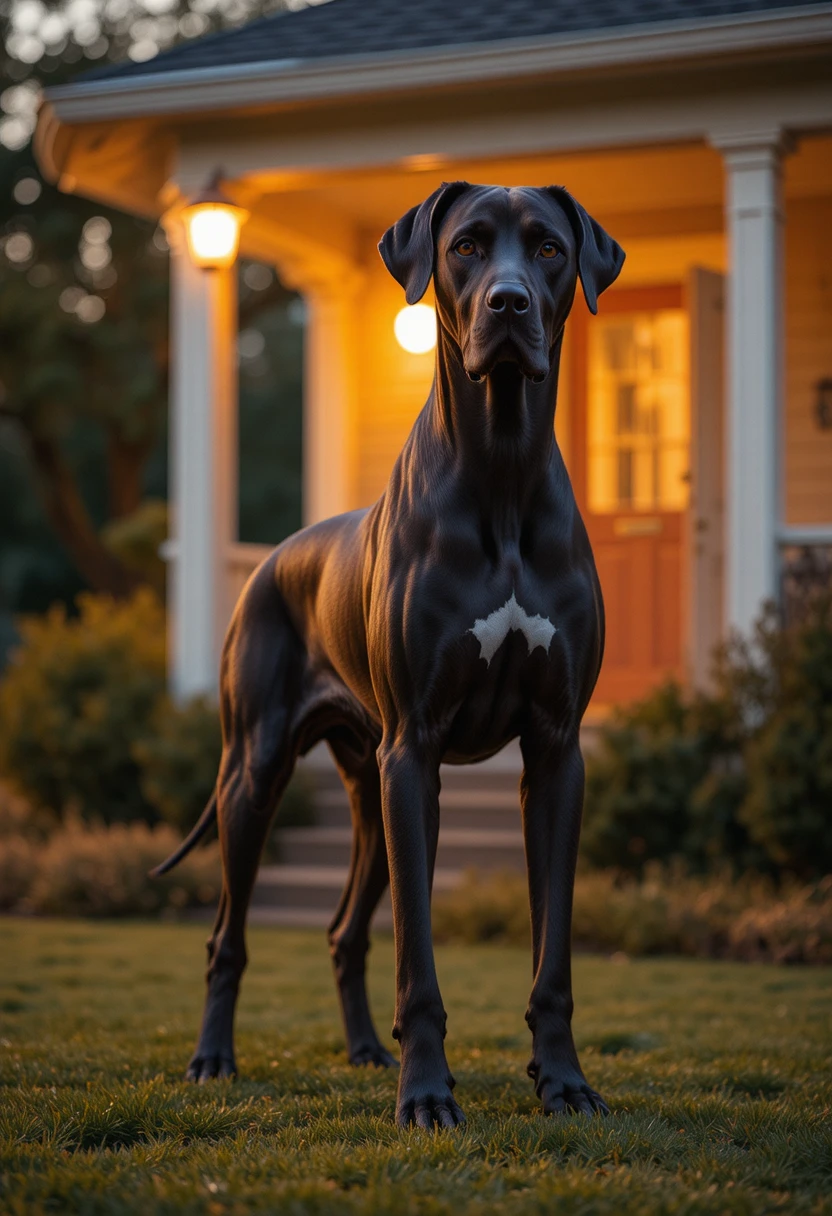
Don’t let the gentle-giant reputation fool you a Great Dane’s sheer size alone is one of the most effective deterrents on this list; most intruders won’t test a dog whose head reaches counter height. Great Danes are typically calm and even-tempered indoors, but their booming bark and imposing presence make them a natural, low-drama guardian.
Best for: Families who want a giant, visually intimidating dog with a mellow, easygoing personality at home.
13. Staffordshire Bull Terrier
Smaller than most names on this list, the “Staffy” makes up for size with loyalty, intelligence, and a fierce devotion to protecting the people it loves. Known historically for a strong bond with children (earning the old nickname “nanny dog”), they combine an affectionate, patient temperament with real protective instinct provided they’re well-socialized early.
Best for: Smaller households wanting a compact but genuinely protective family dog.
14. American Bulldog
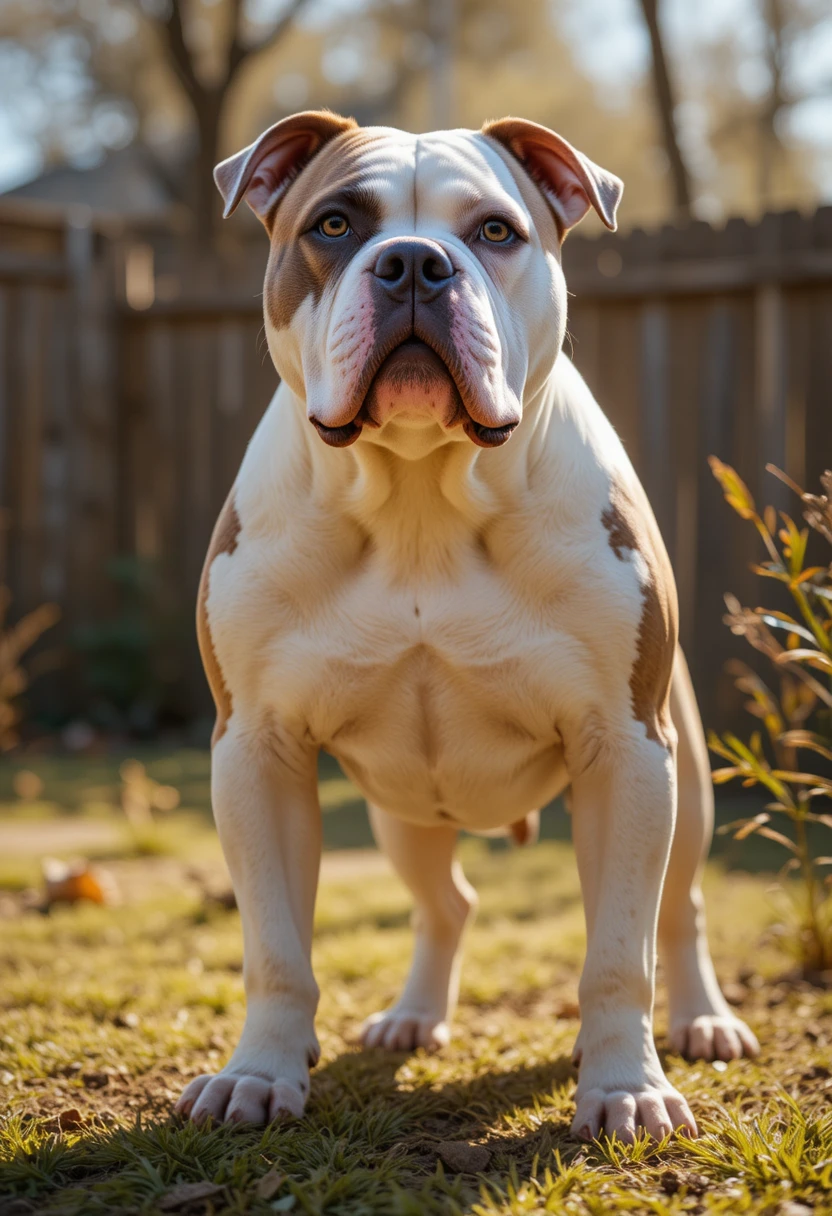
The American Bulldog is muscular, confident, and naturally wary of strangers, while remaining deeply playful and affectionate with its own family. They were historically used as farm-guardians and all-purpose working dogs, and that versatility still shows in their alertness and physical capability today.
Best for: Active families who want a strong, all-purpose protector and companion.
15. Chow Chow
Independent, dignified, and famously aloof with strangers, the Chow Chow doesn’t need training to be suspicious of unfamiliar people it’s practically built in. They’re less physically imposing than some breeds on this list, but their natural wariness and strong territorial instinct make them surprisingly effective home guardians.
Best for: Owners who want a lower-energy breed with a naturally protective, one-family temperament.
16. Catahoula Leopard Dog
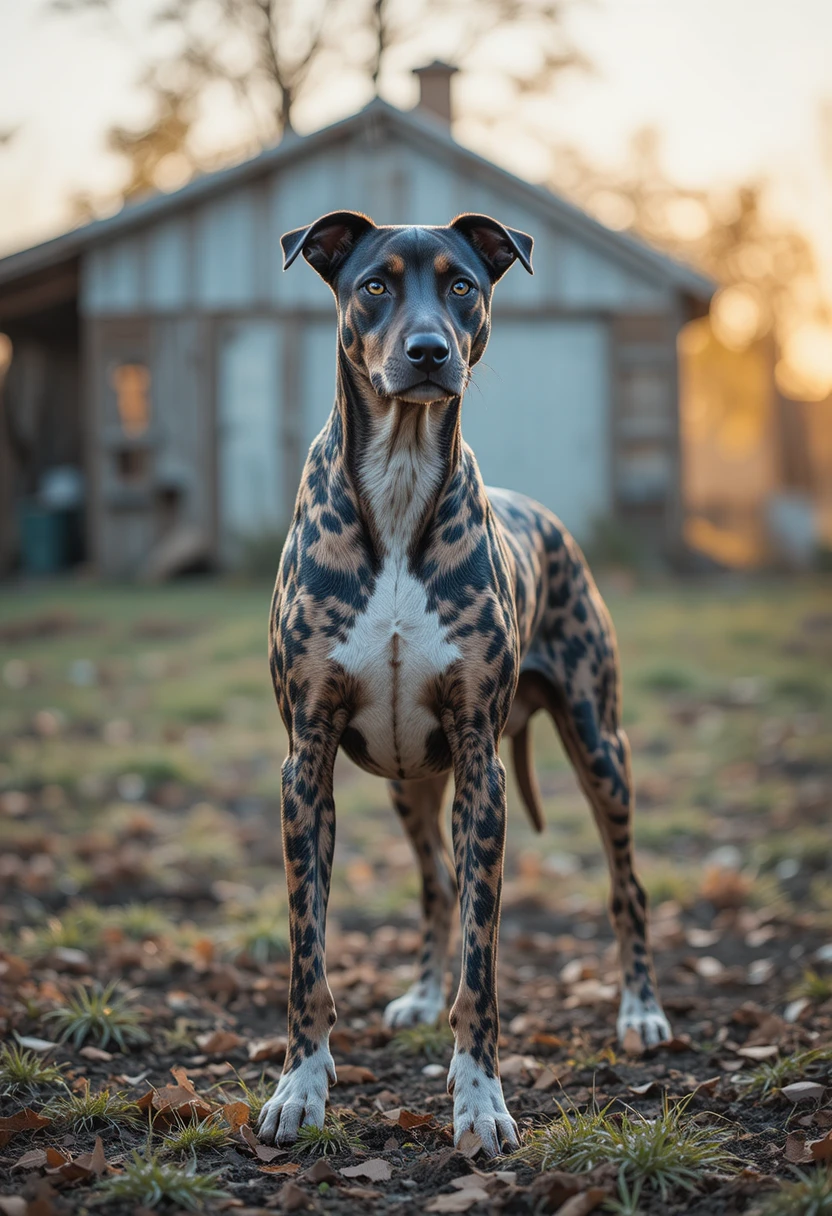
Louisiana’s state dog is a rugged, high-drive working breed originally used to herd cattle and hogs a job that demanded courage, independence, and a sharp protective instinct. Catahoulas are intensely loyal to their families and naturally suspicious of unfamiliar people or animals on their property.
Best for: Active, rural owners who want a hardworking, all-purpose protector.
17. Dogo Argentino
Bred specifically for big-game hunting in packs, the Dogo Argentino is powerfully built, athletic, and fearless traits that translate directly into serious guarding capability. They’re intensely loyal to their families and typically wary of strangers, though their strength means training and socialization are essential from puppyhood.
Best for: Experienced owners seeking one of the most athletic, physically capable guardian breeds.
How to Choose the Right Guard Dog Breed for Your Home
With 17 strong options, the right pick usually comes down to four practical questions:
- How much space do you have? Giant breeds like the Tibetan Mastiff or Anatolian Shepherd thrive with room to patrol; apartment living suits smaller guardians like the Staffordshire Bull Terrier better.
- Do you have young kids? Breeds like the Bullmastiff, German Shepherd, and Great Dane have strong reputations for being patient and gentle with children.
- How much training time can you realistically commit? High-drive breeds like the Belgian Malinois and Cane Corso need serious, ongoing structure without it, their strengths become a real problem.
- Do you want a constant watchdog or a calm dog that only acts when needed? Rottweilers and Bullmastiffs are known for staying quiet until it counts; German Shepherds and Great Danes tend to be more consistently alert and vocal.
Quick recap you can save:
- Best for families with kids: Bullmastiff, German Shepherd, Great Dane
- Best for experienced owners: Belgian Malinois, Cane Corso, Dogo Argentino
- Best for large rural properties: Anatolian Shepherd, Boerboel, Catahoula Leopard Dog
- Best low-bark, high-instinct guardians: Rottweiler, Rhodesian Ridgeback, Chow Chow
Training Tips Every Guard Dog Owner Needs to Know
A guardian breed without training isn’t protective — it’s unpredictable. Whichever breed you choose from this list, keep these fundamentals in mind:
- Start socialization early. Puppies need positive exposure to new people, sounds, and situations before 16 weeks old to grow into confident, well-adjusted adults rather than fearful or overly reactive ones.
- Prioritize obedience before protection work. A dog that reliably sits, stays, and comes when called is far easier to manage in a real situation than one that’s “protective” but untrained.
- Teach a clear release command. Every guard dog needs to know how to stand down on cue — this is what separates a well-trained protector from a liability.
- Never skip physical and mental exercise. Bored, under-stimulated guardian breeds are far more likely to develop anxiety or reactivity issues.
- Work with a professional for advanced protection training. If you want true personal-protection training beyond natural instinct, a certified trainer experienced with guardian breeds is worth the investment.
Frequently Asked Questions About Guard Dog Breeds
What is the number one guard dog breed?
There’s no single “best” breed for everyone, but the German Shepherd is the most consistently recommended all-around guard dog thanks to its rare combination of trainability, loyalty, and physical capability.
Can small dogs be good guard dogs?
Small breeds generally make better watchdogs than physical guardians they can’t provide much of a physical deterrent, but their sharp hearing and loud bark make them excellent at alerting owners to a stranger’s presence.
Are guard dogs safe around children?
Many guard dog breeds, including the Bullmastiff, German Shepherd, and Great Dane, are known for being gentle and patient with children when they’re properly trained and socialized from puppyhood. Supervision around any large, powerful breed is still recommended.
Do guard dogs need special training, or is it instinctive?
It’s both. Most guardian breeds have a natural protective instinct bred into them over generations, but without consistent obedience training and socialization, that instinct can turn into unpredictable or excessive reactivity rather than reliable protection.
What’s the difference between a guard dog and an attack dog?
A guard dog is typically trained to alert, deter, and physically intervene only when necessary, while an attack dog is specifically trained for aggressive, on-command physical confrontation a much more specialized (and rarer) role usually reserved for security and military work.
Final Thoughts
The “best” guard dog breed isn’t the biggest or the scariest-looking one on this list it’s the one whose temperament, energy level, and training needs actually match your household. A Bullmastiff’s calm patience suits a family with toddlers in a way a high-drive Belgian Malinois never will, and a Tibetan Mastiff’s independence works on a rural property in a way it wouldn’t in a city apartment.