
You just caught your dog rolling in something you’d rather not identify, and now you’re standing at the tub wondering: is this overdue, or did you just bathe them two weeks ago and you’re being paranoid? Here’s the uncomfortable truth there’s no single magic number that works for every dog. The right bathing schedule depends on your dog’s coat, skin, lifestyle, and even their age, and getting it wrong in either direction can actually cause problems.
Bathe too rarely, and dirt, allergens, and odor-causing bacteria build up. Bathe too often, and you strip away the natural oils your dog’s skin needs, leaving them dry, flaky, and itchy. Neither extreme is doing your dog any favors.
So instead of one generic answer, here are 12+ real factors that determine exactly how often your dog should hit the tub plus the warning signs that tell you when to break from the schedule entirely.
The Short Answer (Before We Get Into the Details)
If you want a baseline to start from: most dogs can be bathed around once a month, though several factors may call for more or less frequent baths depending on your individual pet. That’s your starting point everything below adjusts it up or down.
Now let’s get into what actually moves that number.
1. Coat Type Is the Single Biggest Factor
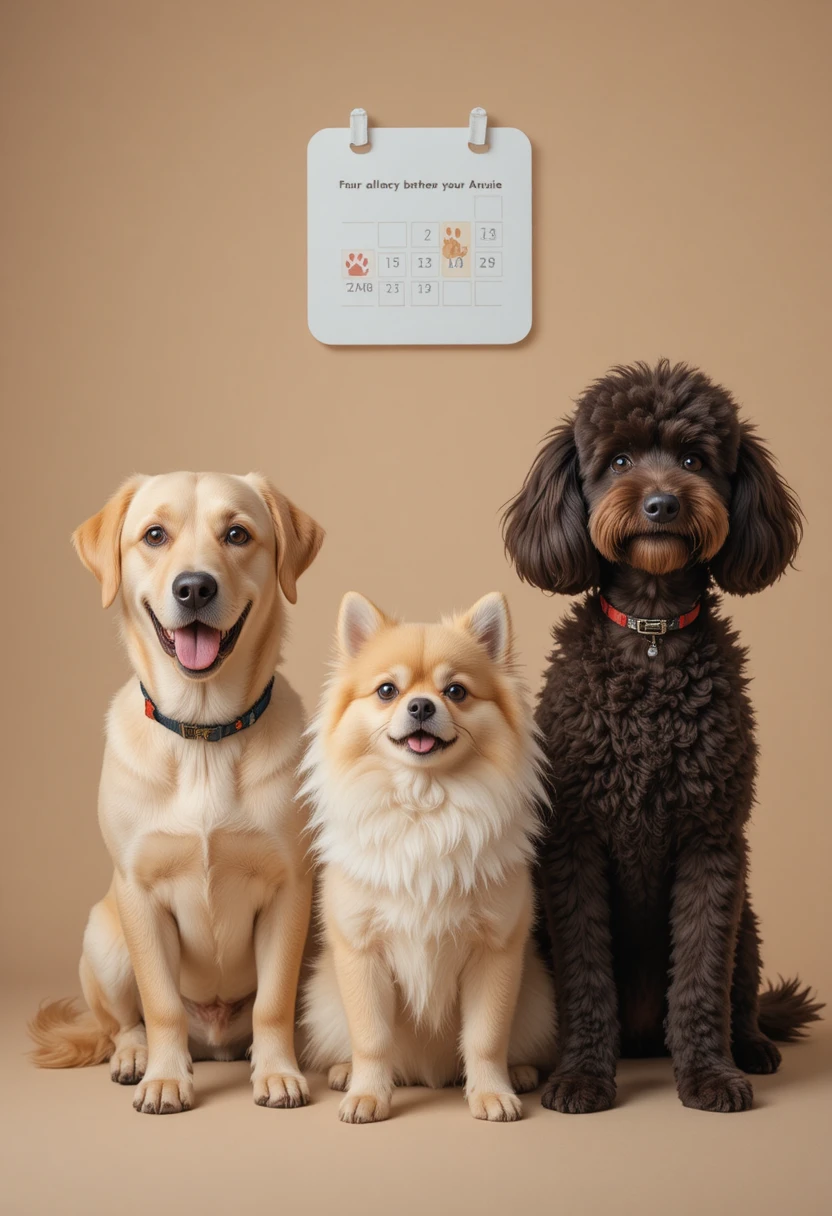
More than breed, more than lifestyle, coat type drives bathing frequency more than anything else. Your dog’s breed will be a huge determining factor for how often to bathe them, and how much work the process entails, since there are no hard and fast rules it depends on breed, coat type, lifestyle, and even the time of year.
Here’s the thing: two dogs living identical lifestyles can need completely different bathing schedules just because of what’s covering their skin.
2. Short, Smooth Coats Need the Least Bathing
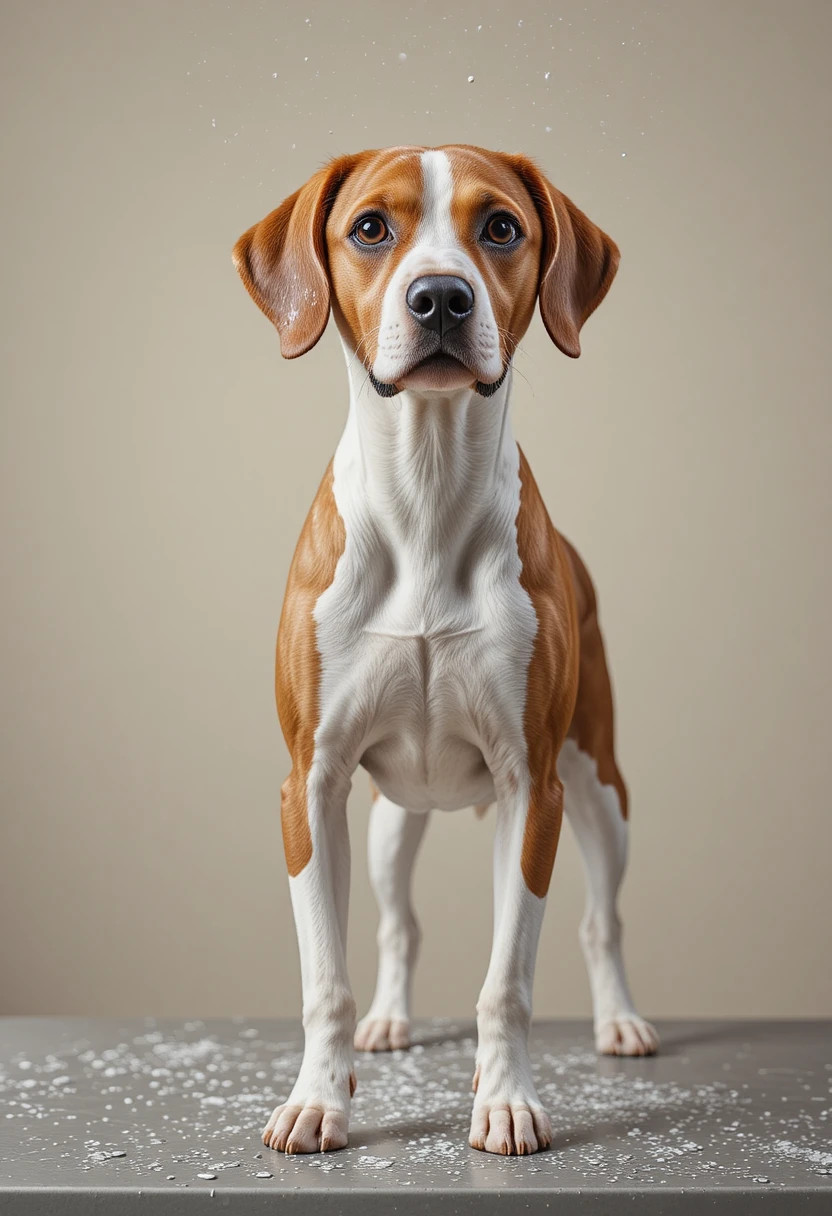
If your dog has a short, sleek coat (think Beagles, Boxers, or Labs), you’re in the low-maintenance club. A healthy dog with a short, smooth coat and no skin problems generally doesn’t need to be bathed often, and dog baths tend to be more for the benefit of pet parents than the dogs themselves.
Sweet spot: roughly every 4-12 weeks, adjusted for how messy their lifestyle actually is.
3. Long-Haired Breeds Need More Frequent Attention
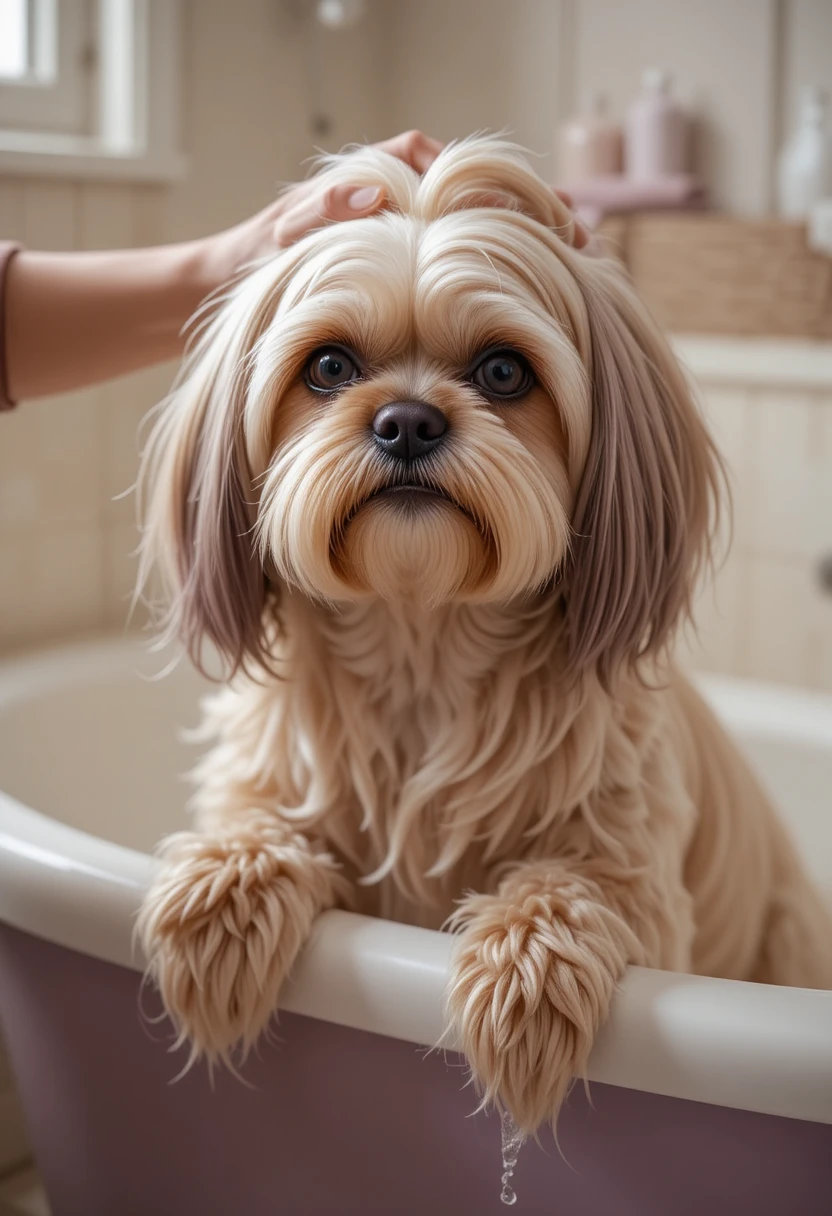
Longer coats are magnets for dirt, debris, and tangles. Dogs with longer coats tend to accumulate more dirt and debris, necessitating baths approximately once a month depending on how dirty they get, while dogs with shorter fur may only need a bath every three months.
Here’s the catch: frequency isn’t the only job here daily or near-daily brushing between baths is what actually prevents mats from forming in the first place.
4. Double-Coated Breeds Are a Special Case
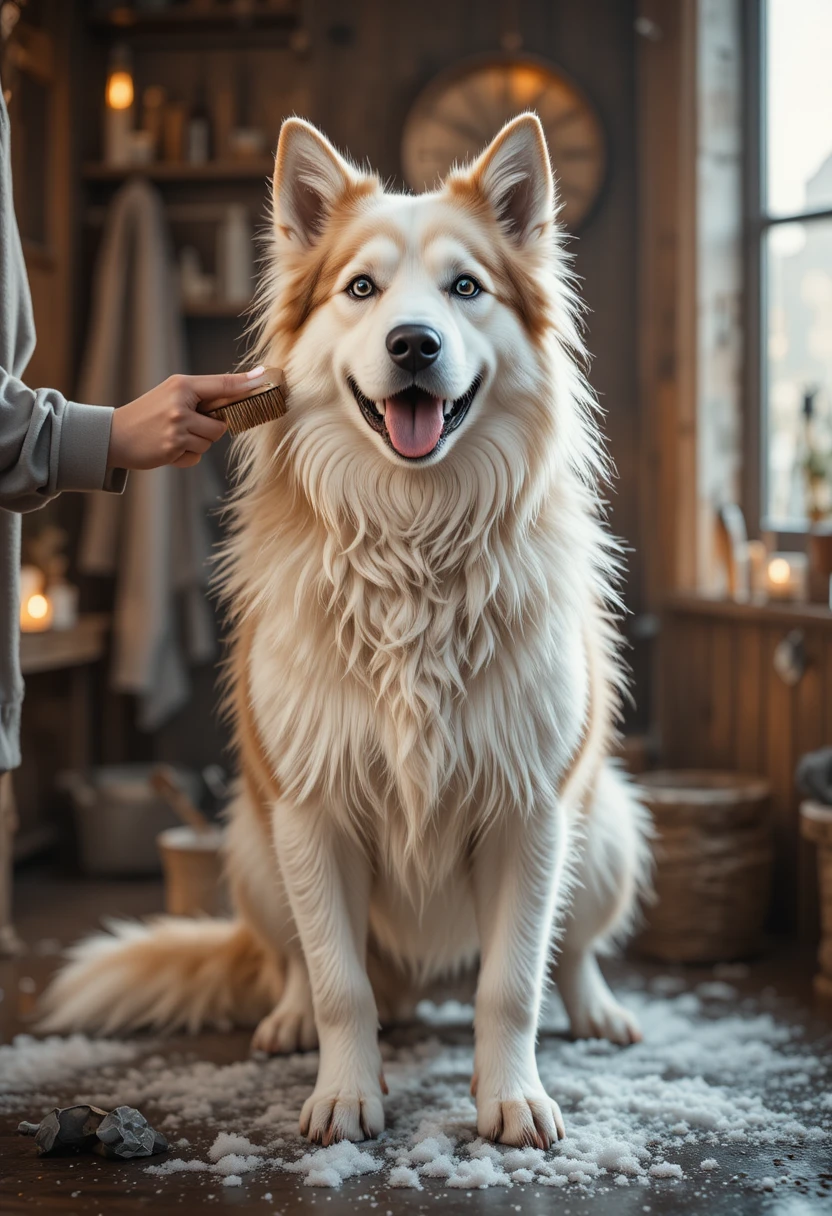
Huskies, Golden Retrievers, and other double-coated breeds work differently than you’d expect. Thick and double-coated breeds can typically be bathed every one to three months, since these dogs are prone to shedding, and when a dog sheds, the coat naturally rids itself of dead skin cells and bacteria meaning frequent bathing on top of natural shedding usually isn’t necessary.
Bucket brigade: So more bathing doesn’t automatically mean cleaner. For double coats, it can actually work against you.
Read Also: 11+ First Week With a New Puppy Tips
5. Curly and “Hypoallergenic” Coats Need Regular Baths
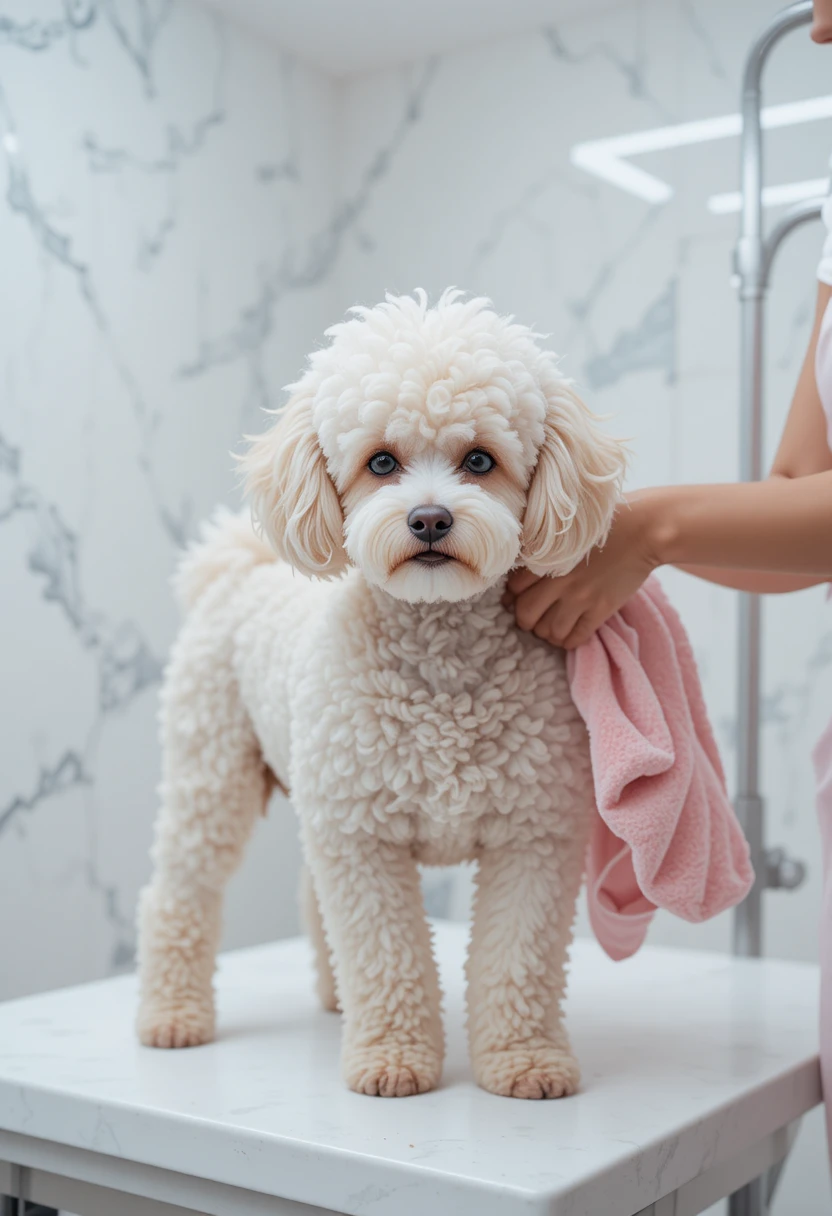
Poodles, Doodles, and other curly-coated breeds are the exception to the “less is more” rule. Because their coat doesn’t shed the way straight coats do, oil, dander, and debris stay trapped closer to the skin which is exactly why these breeds usually need monthly baths paired with regular professional grooming to prevent matting.
6. Hairless Breeds Still Need Regular Cleaning
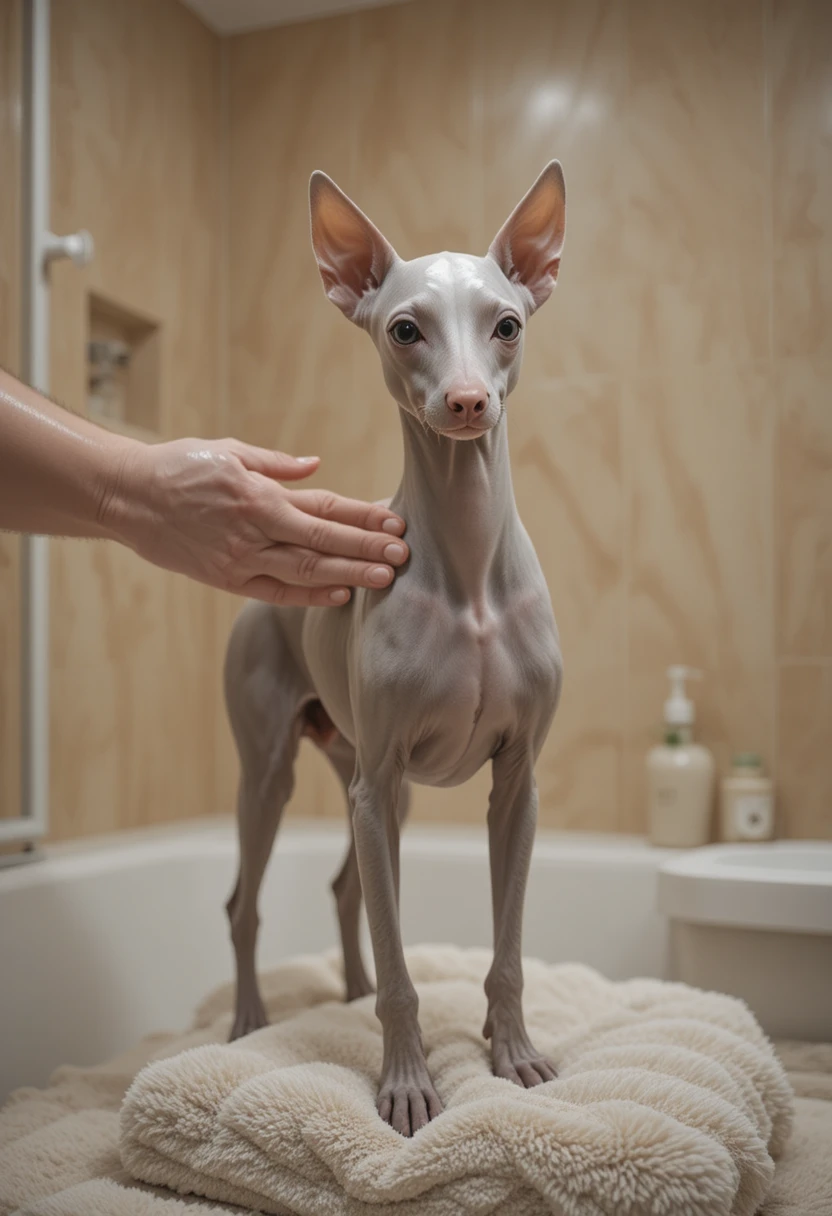
Don’t assume no fur means no bathing. Hairless breeds don’t have fur, but they still need regular cleaning with gentle wipes or a special shampoo to remove dirt and oils their exposed skin actually needs more direct care than a coat would otherwise provide, including sunscreen in some cases.
7. Puppies Need a Gentler, Less Frequent Approach
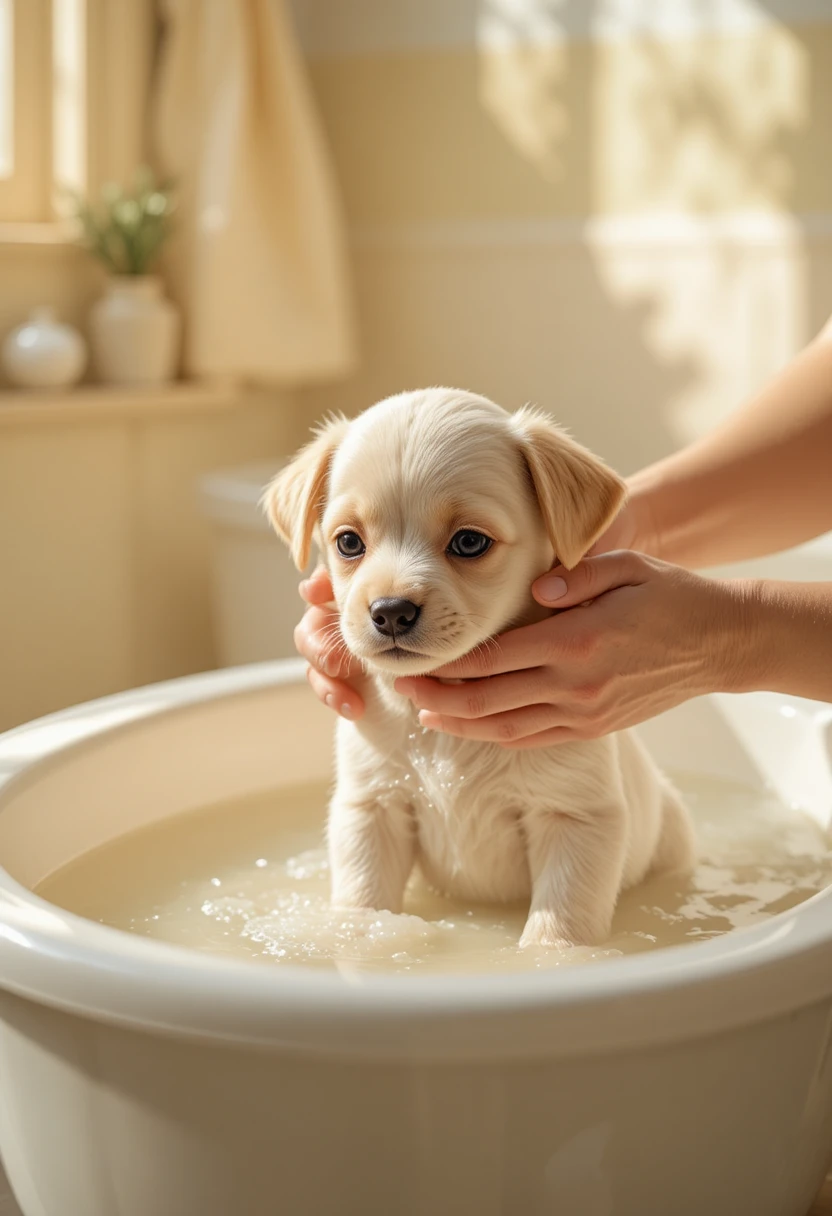
New puppy parents often over-bathe out of sheer excitement, but young pups need a lighter touch. Puppies have more delicate skin than adult dogs, so they shouldn’t be bathed every day instead, only bathe them when necessary, such as after they get into something messy or start to smell, using spot-cleaning with a damp cloth in between.
Once their adult coat comes in, you can transition to a normal schedule based on breed and lifestyle.
8. Active, Outdoorsy Dogs Need More Frequent Baths

If your dog’s idea of a good day involves mud, dirt, or a swim in the nearest pond, plan on washing more often. Highly active dogs who spend a lot of time outside will probably need baths more often especially if they regularly swim or play in the dirt and even dogs that aren’t prone to messes may need more frequent baths just to control odor.
Real talk: if your weekend routine includes hiking, off-leash parks, or lake swims, your dog’s bathing schedule should reflect that even if their breed would otherwise get away with less.
9. Low-Activity, Indoor Dogs Can Stretch the Schedule
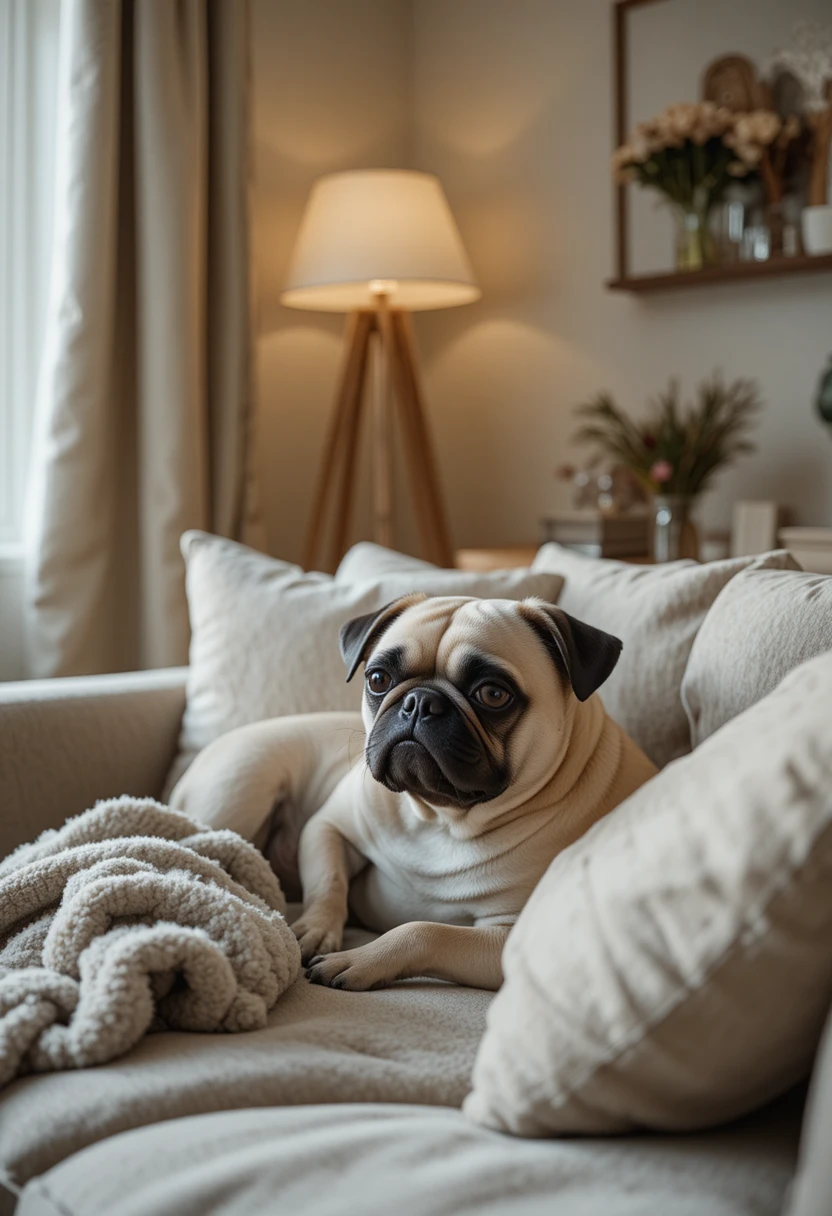
On the flip side, a dog whose biggest adventure is the living room rug doesn’t need the same frequency. Indoor companions may require fewer baths, so it’s worth factoring in your pup’s actual activity level rather than defaulting to a fixed schedule.
10. Skin Type Changes the Math Entirely
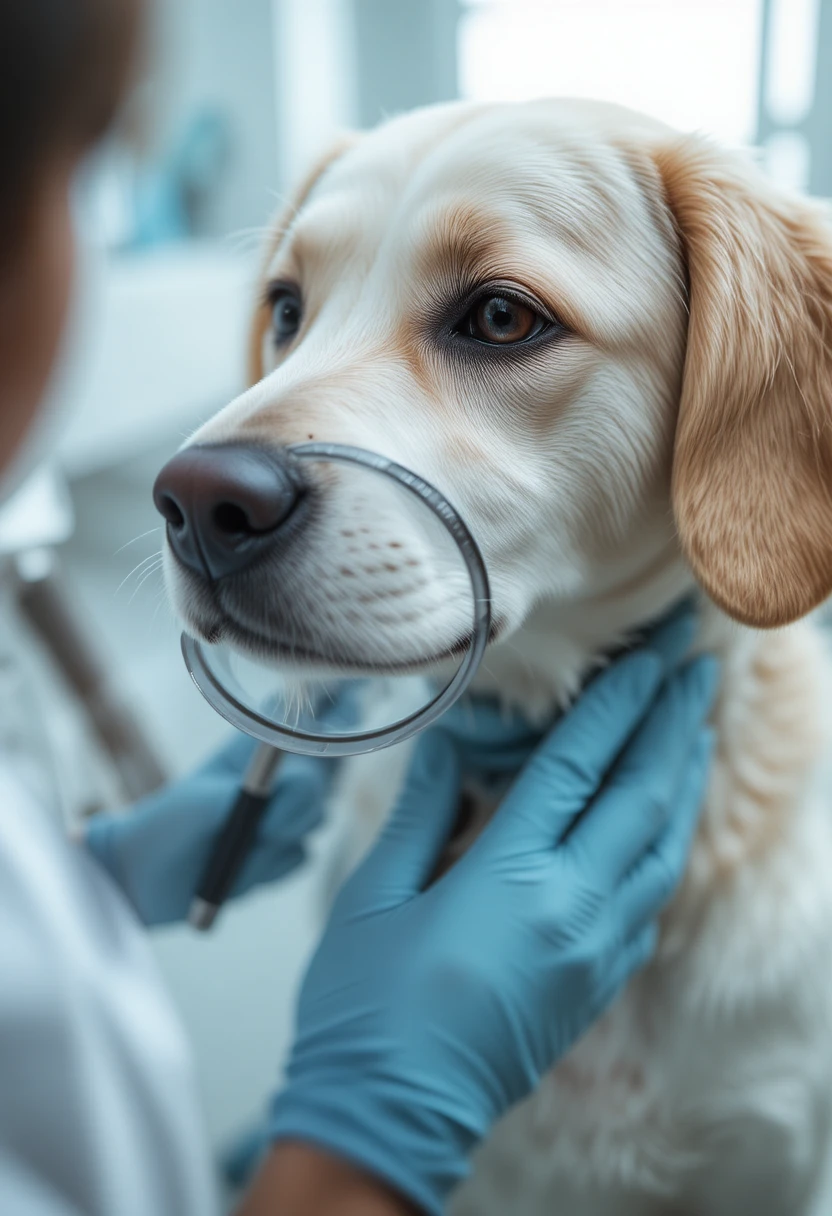
Some dogs run oilier than others, and that changes everything. Dogs with oily skin — like Basset Hounds and Cocker Spaniels may need to be bathed more than once every three months, sometimes every few weeks, to prevent oil buildup. Meanwhile, dogs with dry or sensitive skin generally do best waiting six to eight weeks between baths, since bathing too often can actually worsen dryness.
If you’re not sure which camp your dog falls into, a quick check with your vet during a routine visit will clear it up fast.
11. Medicated Baths Follow Their Own Rules
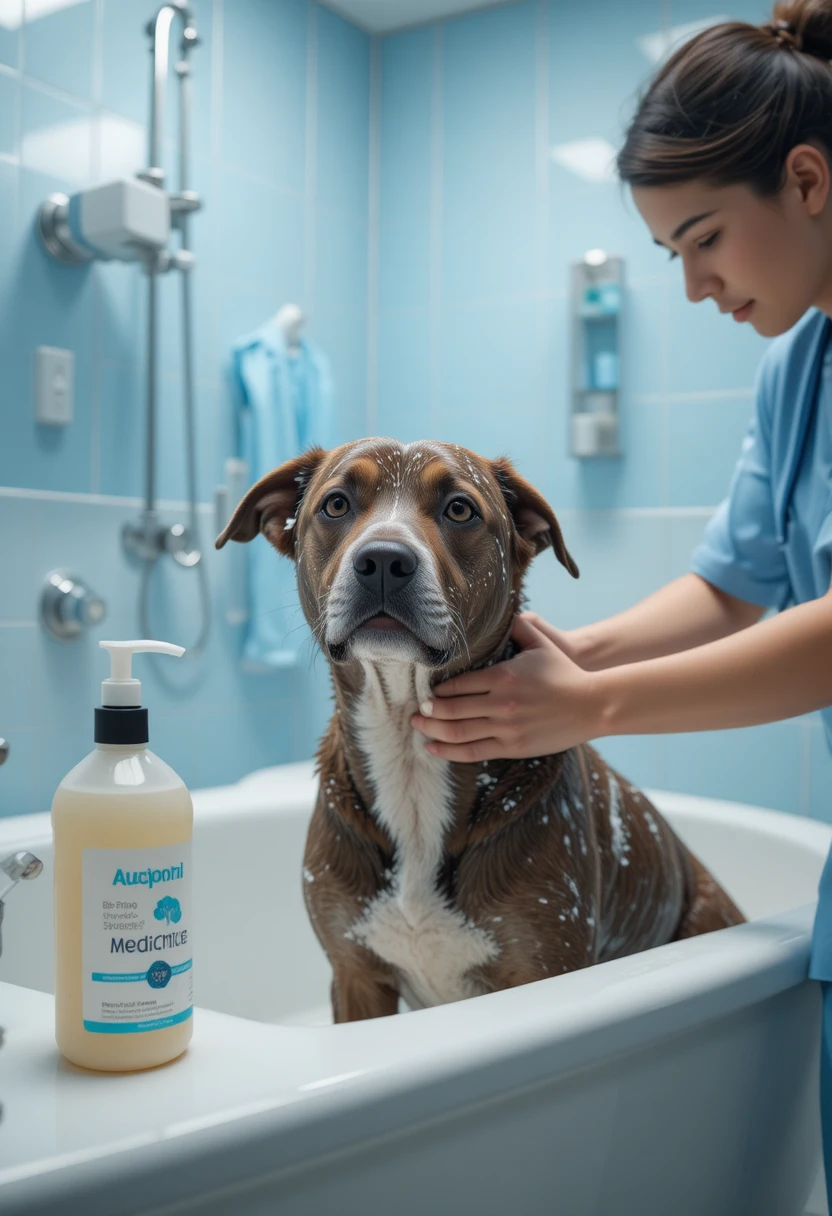
If your dog has a diagnosed skin condition, the “how often” question gets handed over to your vet entirely. A dog with a mild skin infection prescribed a medicated shampoo may need to be bathed twice a week for two to three weeks, depending on how the infection resolves a completely different rhythm from routine maintenance bathing, and one that should never be self-diagnosed. Chewy
12. Swimming (Pool or Ocean) Calls for Extra Rinses
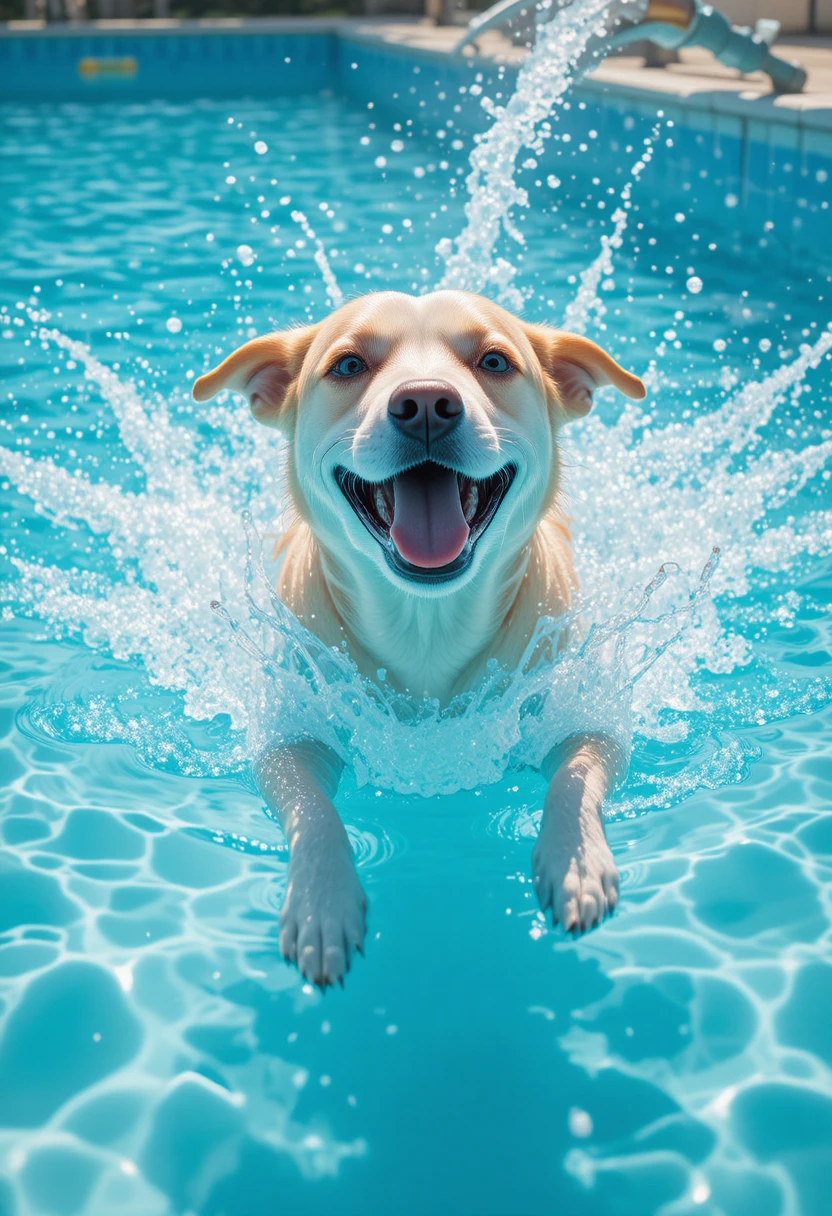
A fun swim can quietly work against your dog’s skin. Frequent swimming in chlorinated pools or salt water can dry out a dog’s skin and coat, so more frequent baths with a gentle shampoo might be necessary to rinse away the residue chlorine and salt leave behind.
Quick tip: even a plain-water rinse right after a swim (no shampoo needed every time) can prevent a lot of the dryness and itching that comes with pool or beach days.
Bonus Signs It’s Actually Bath Time (No Calendar Required)
Sometimes the schedule matters less than what’s right in front of you. If your dog smells funky, looks dirty, or seems uncomfortable, it’s probably bath time regardless of what the calendar says. Look for:
- A noticeable odor that wasn’t there a few days ago
- Visible dirt, mud, or residue stuck in the coat
- Excessive scratching that isn’t tied to fleas or allergies
- Greasy or matted-looking fur
And the Signs You’re Overdoing It
On the other end, watch for these red flags that you’ve been bathing too often: bathing your dog too frequently can strip their natural oils, resulting in a dry, dull coat and itchy skin. If you notice flaking, a dull coat, or unusual scratching right after baths (not before), it’s worth stretching out the gap between washes and switching to a moisturizing shampoo if you haven’t already.
What to Do Between Baths
Here’s the part most bathing guides skip: bathing isn’t the only tool you have. Brushing should be done daily for long-coated breeds and at least weekly for short-coated dogs, and most dogs benefit from a weekly “once over” to handle nails, ears, and small tangles all of which extends the time you can comfortably go between full baths while keeping your dog fresh and comfortable.
Between-bath tools worth keeping on hand:
- A slicker brush or grooming glove, used regularly to remove loose dirt and dander
- Dog-safe grooming wipes, ideal for paws after walks or quick spot-cleaning
- Waterless/dry shampoo, for a fast freshen-up without a full bath
Frequently Asked Questions
How often should you bathe a dog with no skin issues and a short coat?
Roughly every 4-12 weeks, depending on their activity level and how messy their lifestyle tends to be.
Can you bathe a dog too often?
Yes. Bathing too often can strip natural oils, leading to a dry, dull coat and itchy skin moderation genuinely matters here.
How often should you bathe a puppy?
Only when truly necessary after a mess or when they start to smell using spot-cleaning with a damp cloth in between, since puppy skin is more delicate than an adult dog’s.
Is it bad to bathe a dog once a week?
For most healthy dogs, weekly bathing is more than needed and can dry out skin over time weekly bathing is really only appropriate for dogs managing a specific health or skin condition under a vet’s guidance.
What’s the best way to know if my specific dog needs a custom bathing schedule?
If your dog looks and smells like they need a wash, that’s usually the best signal but for a tailored schedule, a vet or professional groomer can factor in your dog’s exact coat, skin, and lifestyle.
Should I use human shampoo if I don’t have dog shampoo on hand?
No never use human shampoo or conditioner on a dog, since it can irritate their skin; always reach for a shampoo formulated specifically for dogs.
The Bottom Line
There’s no single answer to “how often should you bathe a dog” and honestly, that’s good news. It means you get to build a schedule around your dog’s coat, skin, energy level, and daily adventures, instead of following a generic rule that might not fit them at all. Start with the once-a-month baseline, adjust using the factors above, and let their coat, skin, and nose (yours, not theirs) guide the rest.