Your dog just rolled in something you’d rather not identify, and now it’s bath time again. If you’ve ever ended up soaked to the bone, chasing a soap-covered dog around the bathroom, you already know that bathing a dog isn’t as simple as “add water, add shampoo, done.”
Doing it wrong doesn’t just mean a messy bathroom. It can mean dry, flaky skin, matted fur, ear infections, or a dog who dreads bath time so much that every future wash turns into a wrestling match.
The good news? Once you know the right order of operations, bathing your dog properly takes the stress out of the whole process for both of you. Save this guide before your next bath day; you’ll want to reference it step by step.
Why Bathing Your Dog the Right Way Actually Matters
Bath time isn’t just about a nice smell. Done properly, it plays a real role in your dog’s health:
- Removes dirt, allergens, and excess oils that build up on the skin and coat.
- Prevents skin infections and irritation caused by trapped bacteria or leftover shampoo residue.
- Reduces shedding and matting, especially in long-haired breeds.
- Gives you a chance to spot problems early lumps, hot spots, fleas, or ear issues you might otherwise miss.
Here’s the thing: done incorrectly, bath time can actually cause the exact problems you’re trying to prevent — dry skin from over-bathing, ear infections from trapped water, or a genuinely traumatized dog who bolts every time you mention the tub. That’s why the “how” matters just as much as the “how often.”
What You’ll Need Before You Start
Gathering everything in advance means you’re not sprinting for a towel with a soapy, escaping dog in your hands. Here’s your setup checklist:
- Dog-specific shampoo (and conditioner, if your dog has long or dry hair)
- 2-3 absorbent towels
- A non-slip mat for the tub or sink
- A cup or handheld sprayer for controlled rinsing
- Cotton balls (to protect the ears)
- A brush or comb suited to your dog’s coat
- Treats, for bribery and morale
- A pet-safe blow dryer (optional, but helpful for thick or double coats)
Quick save: Never substitute human shampoo for dog shampoo. Human formulas are too harsh for a dog’s skin pH and can cause dryness or irritation.
How to Bathe a Dog Properly: 11+ Step-by-Step Tips
This is the part to bookmark. Follow these steps in order for a bath that actually goes smoothly not just once, but every time.
1. Brush Before You Wet
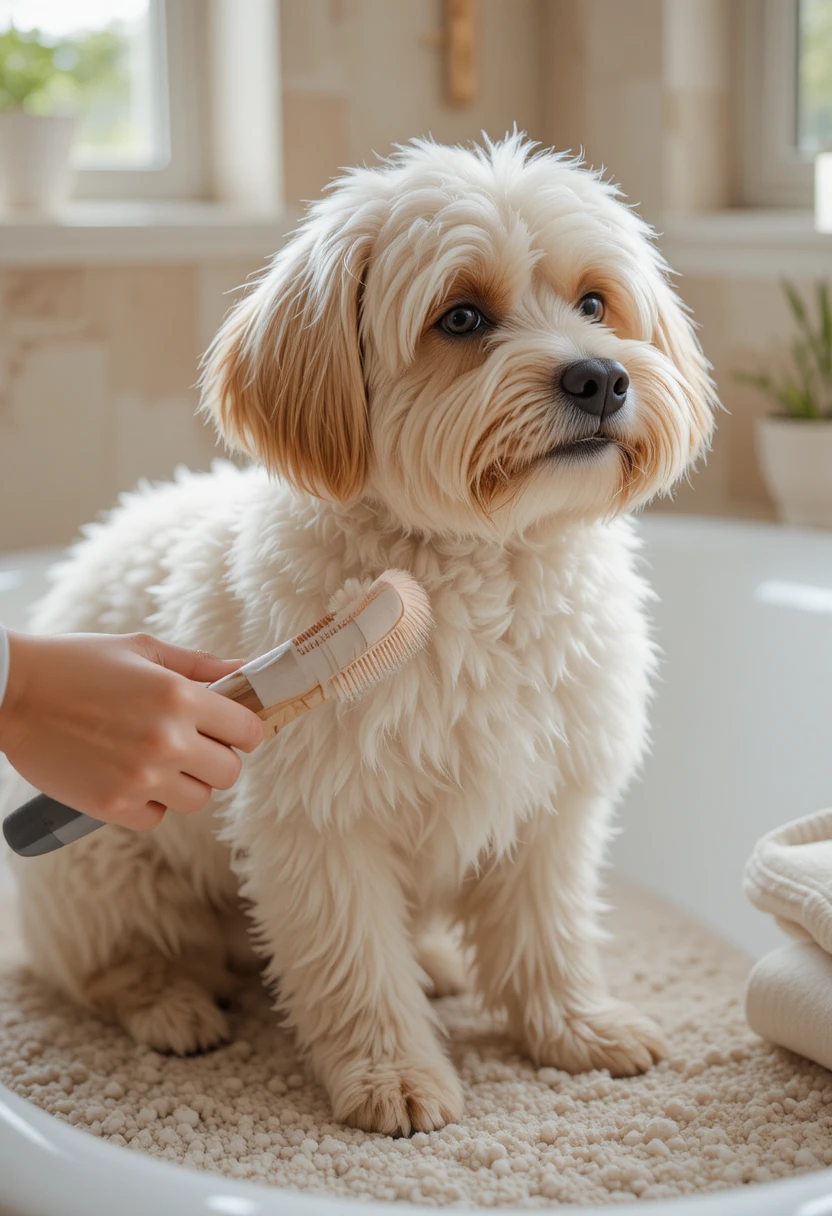
Always brush your dog thoroughly before they touch water. Mats and tangles tighten and get significantly harder to remove once wet, especially for long-haired or double-coated breeds. A quick pre-bath brush also removes loose fur that would otherwise clog your drain.
2. Burn Off Energy First
A quick walk or play session before bath time isn’t just for your dog’s benefit it’s for yours too. A dog with pent-up energy is far more likely to squirm, bolt, or turn bath time into a chase scene. A calmer dog going in means a calmer bath overall.
3. Protect the Ears
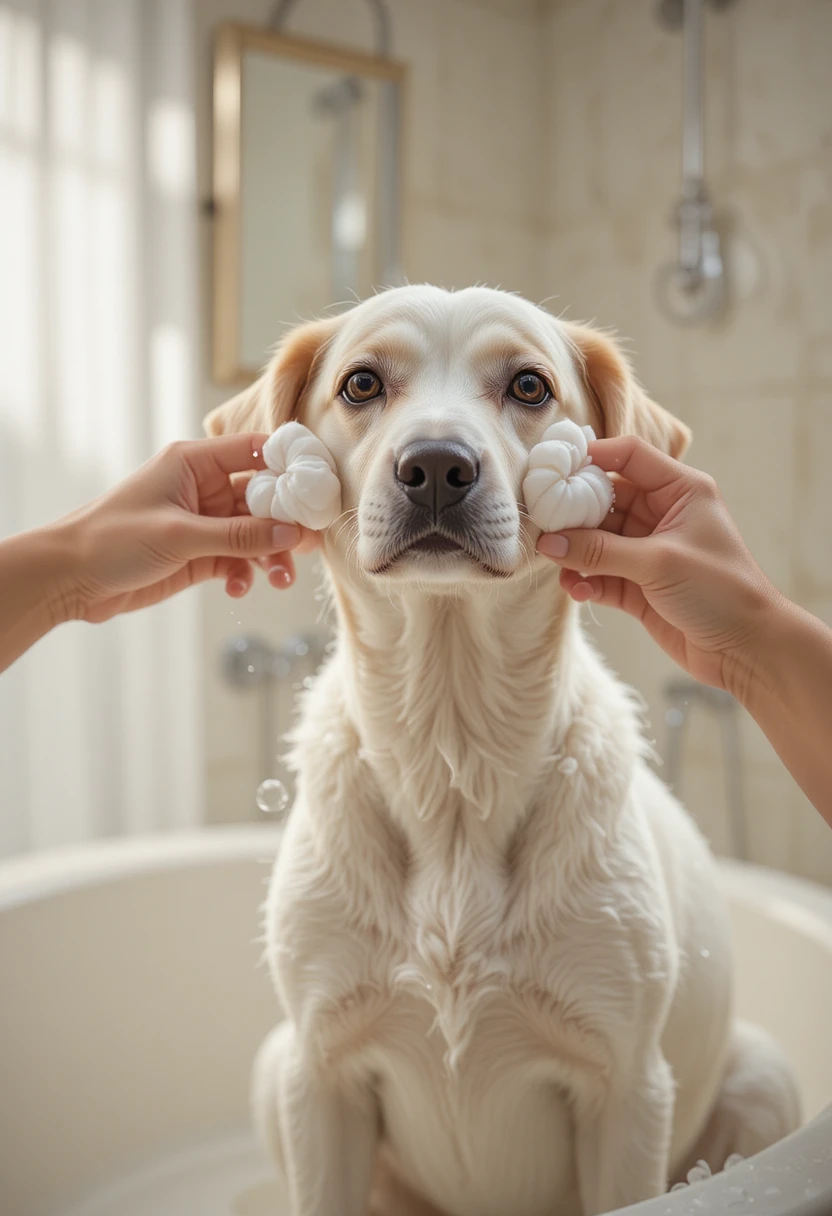
Water trapped in the ear canal is one of the leading causes of ear infections in dogs, particularly for floppy-eared breeds. Gently insert a cotton ball into each ear before you start just enough to block excess water, not deep enough to cause discomfort.
4. Set Up a Non-Slip, Warm Space
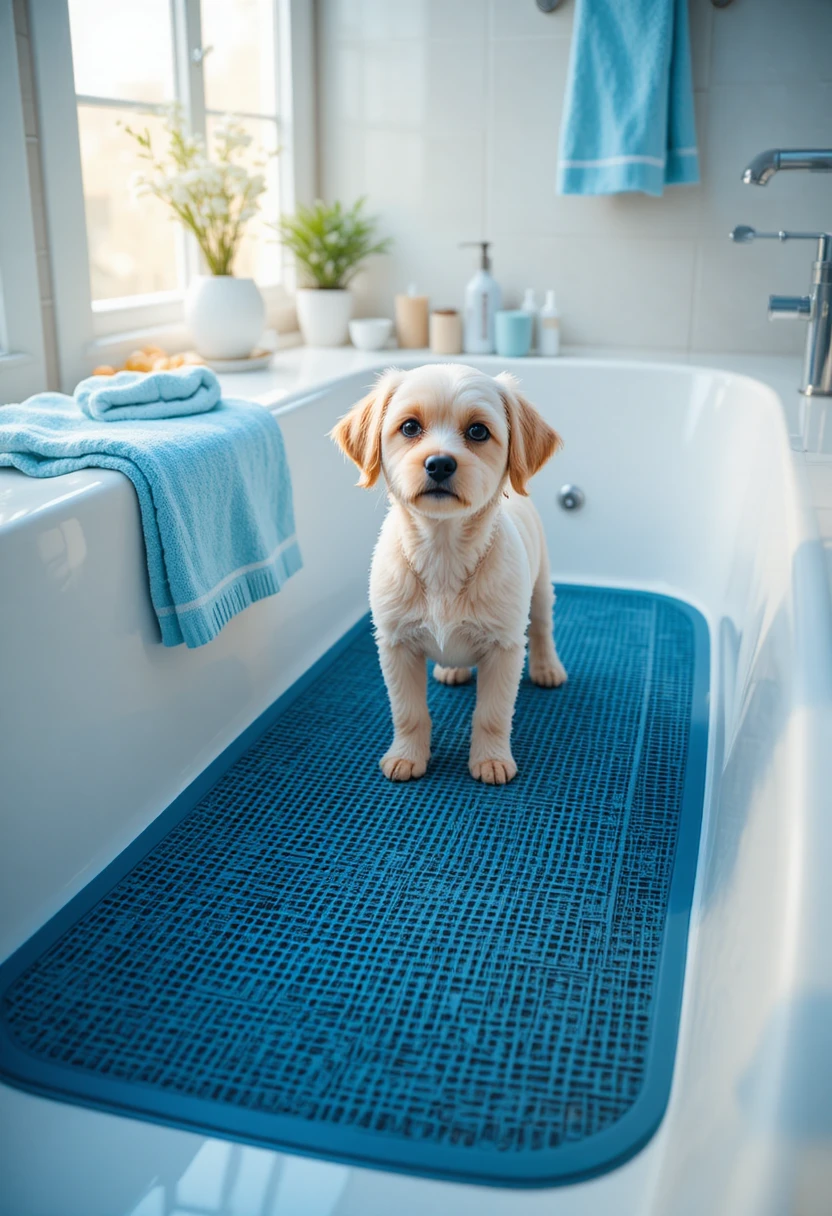
A slippery tub floor makes dogs anxious fast, which turns a simple bath into a stressful one. Lay down a rubber mat or towel in the bottom of the tub or sink before you begin, and make sure the room itself is warm enough that your dog isn’t shivering afterward.
Read Also: 11+ Signs of Dehydration in Cats Every Owner Should Know
5. Test the Water Temperature
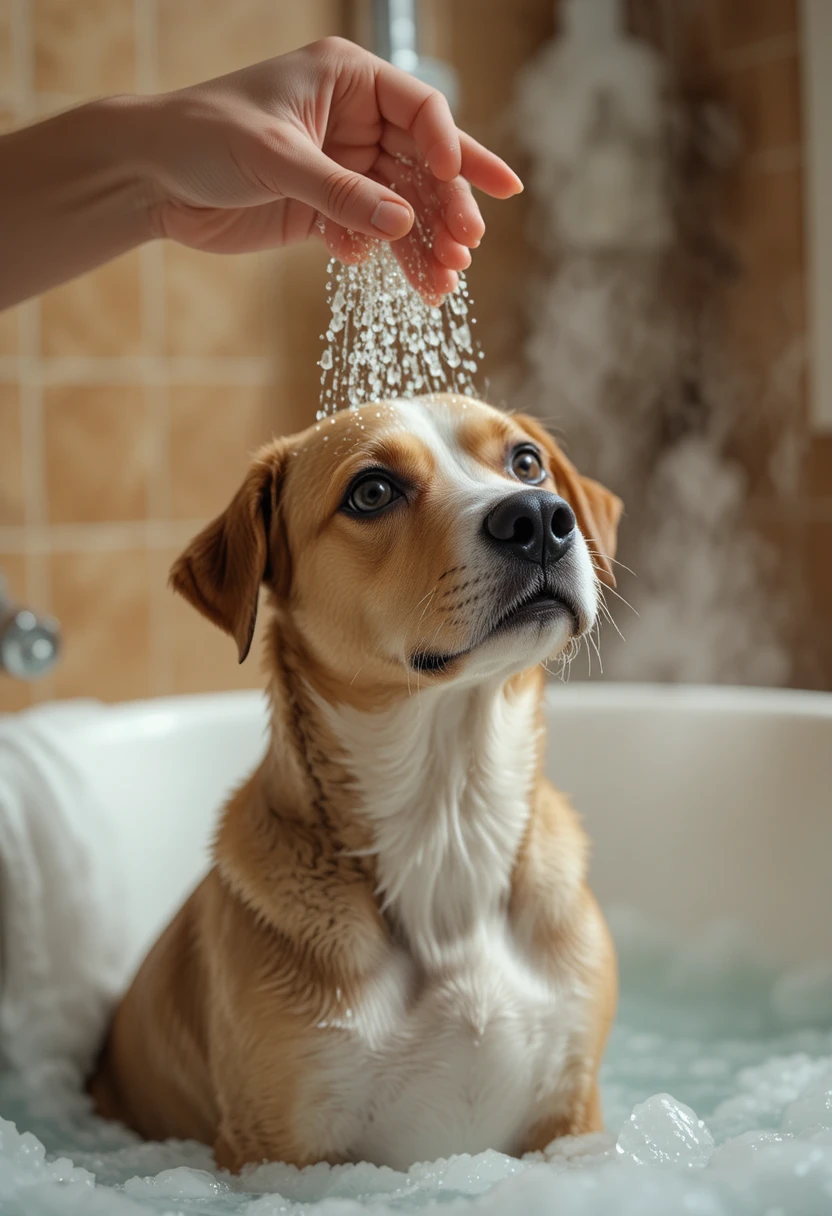
Lukewarm water is the standard never hot, never cold. Dogs’ skin is more sensitive to temperature extremes than ours, and water that’s too hot can dry out their skin, while cold water can cause unnecessary stress. Test it on your wrist the way you would for a baby.
6. Wet From the Neck Down First
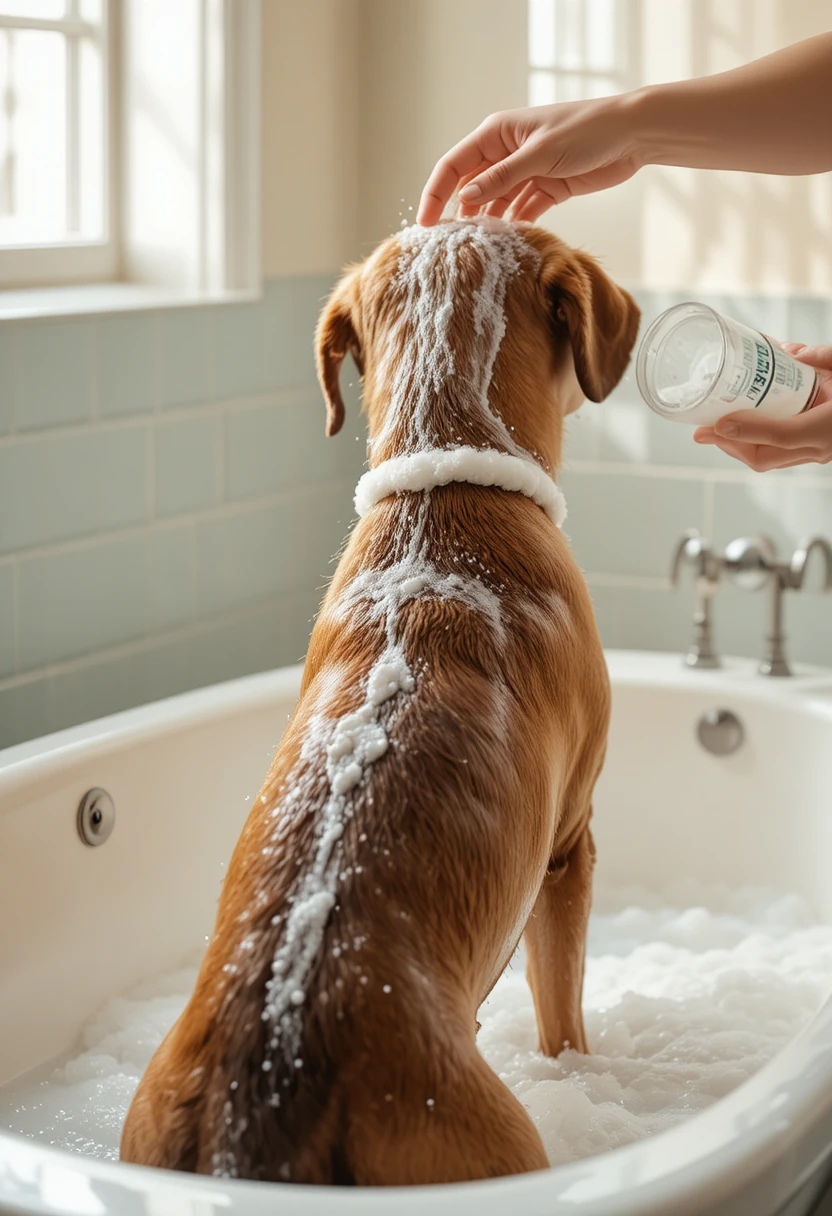
Start wetting your dog’s body from the neck or shoulders, working backward toward the tail never starting with a direct spray to the face. This builds trust before you get anywhere near the more sensitive head area, and it keeps water out of the eyes, ears, and nose early on.
7. Use Dog-Specific Shampoo and Dilute if Needed
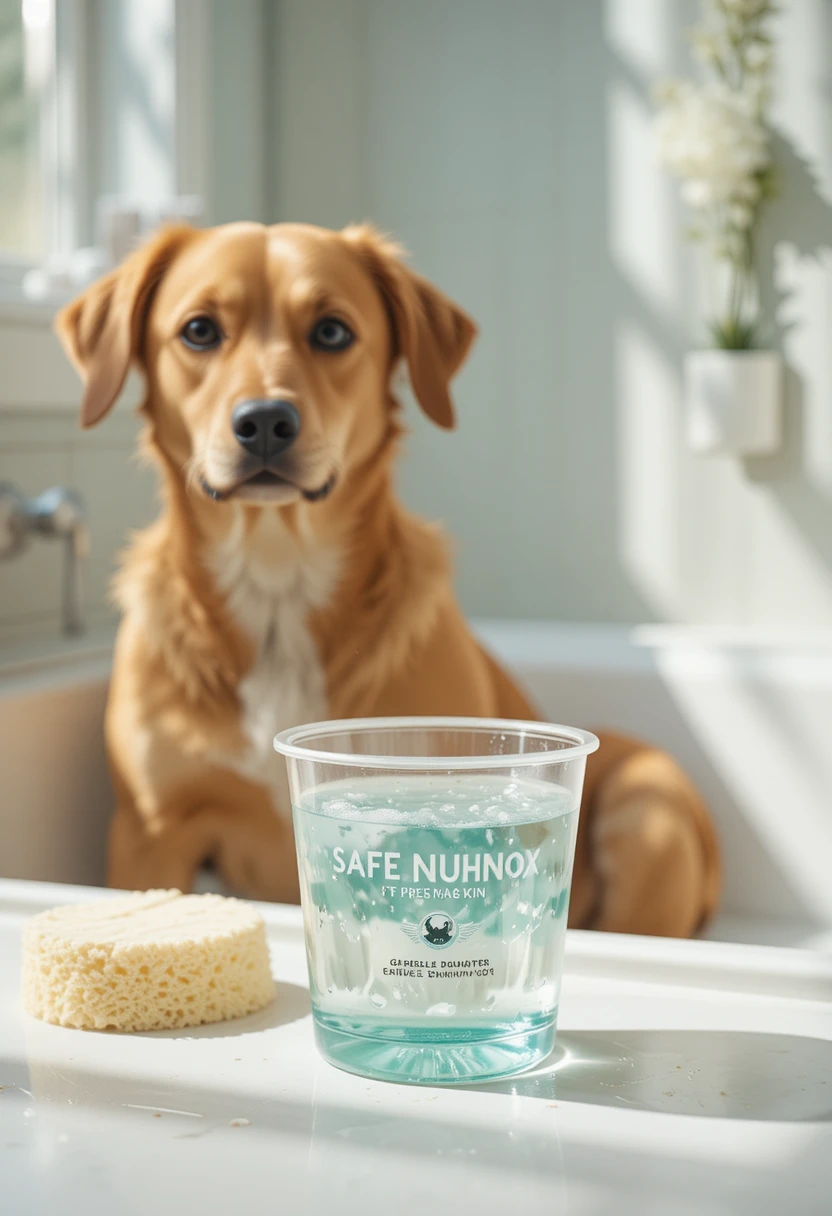
Check the label before you start; many dog shampoos are concentrated and need to be diluted with water first. Work the shampoo in gently with your fingers, paying attention to often-missed spots like the paws, armpits, belly, and base of the tail.
8. Skip the Face Spray — Use a Washcloth Instead
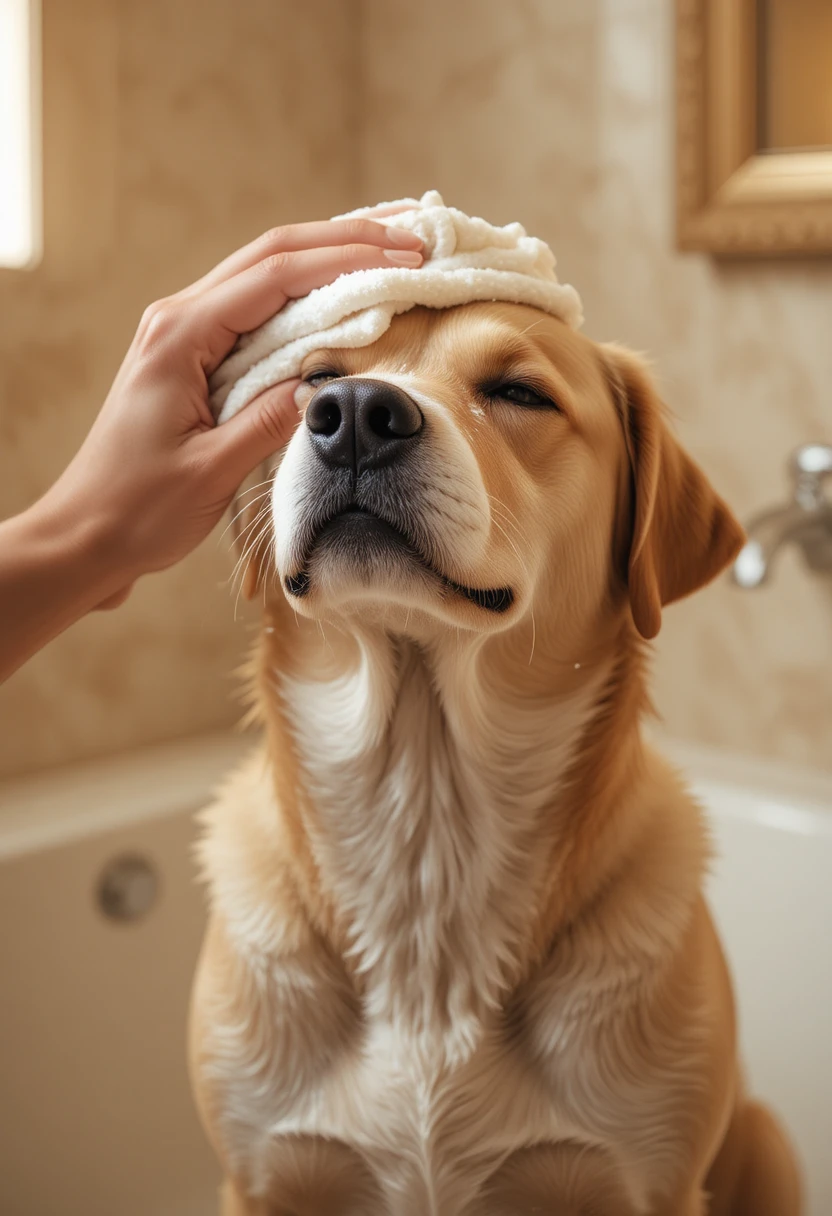
Rather than spraying water directly at your dog’s face, dampen a washcloth and gently wipe around the eyes, muzzle, and ears. This avoids the panic response that direct facial spraying often triggers, and keeps shampoo and water out of sensitive areas.
9. Rinse Thoroughly (This Is the Step Everyone Rushes)
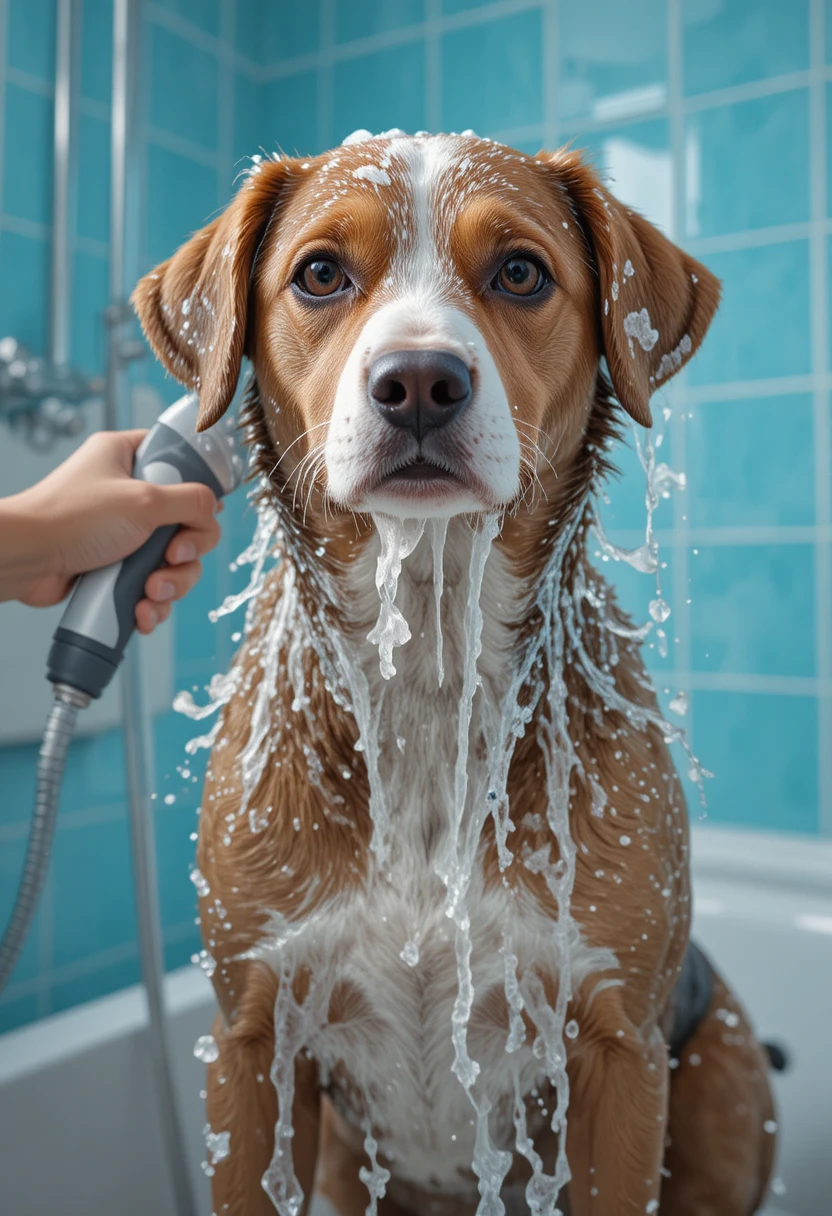
Leftover shampoo residue is one of the most common causes of post-bath itching and flaking. Rinse until the water runs completely clear, running your fingers through the coat as you go to check for hidden suds — especially in thick or double coats where soap likes to hide.
Save this: If you’re not sure you’ve rinsed enough, rinse again. Residual shampoo is the #1 reason “clean” dogs end up scratching for days afterward.
10. Add Conditioner for Long or Dry Coats
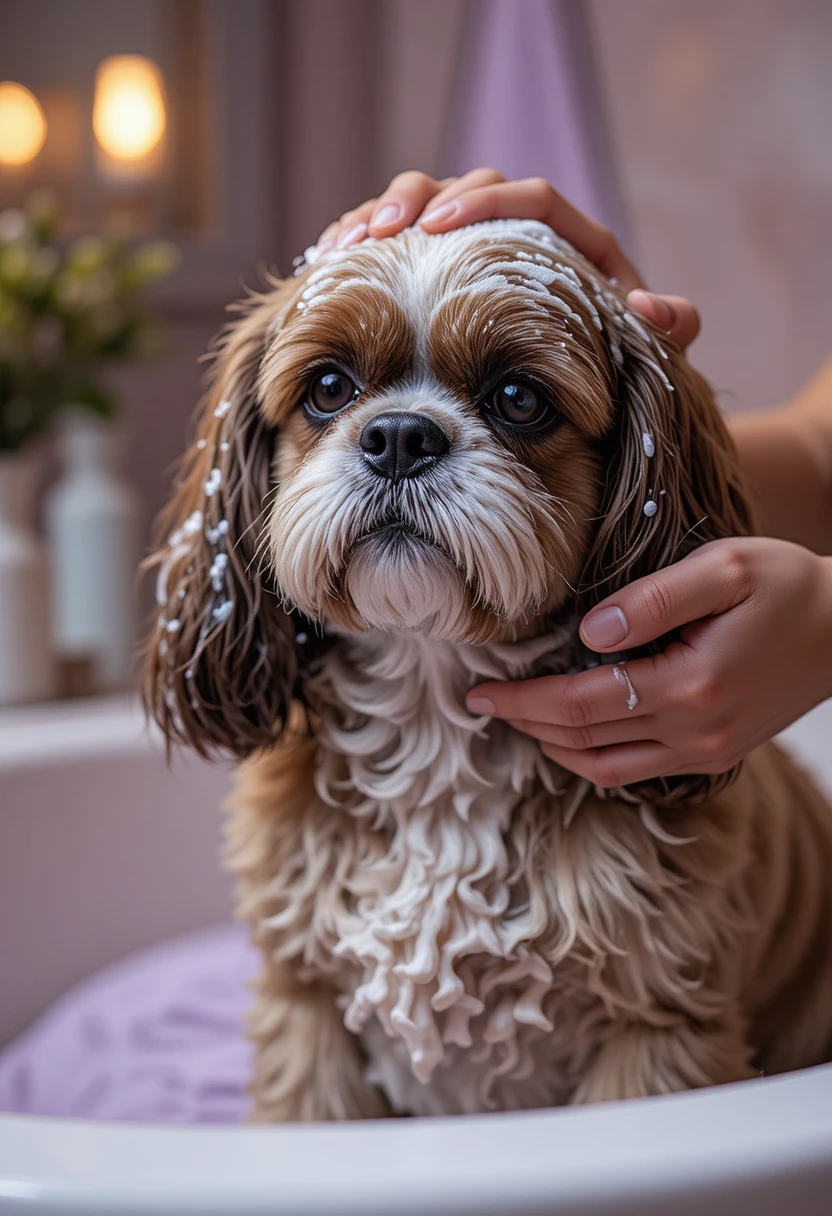
Conditioner isn’t mandatory, but it’s worth considering for dogs with long hair or dry skin it helps prevent tangles and adds moisture back into the coat. If you use it, apply after shampoo and rinse thoroughly again, since leftover conditioner causes the same residue issues as shampoo.
11. Towel Dry Before Anything Else
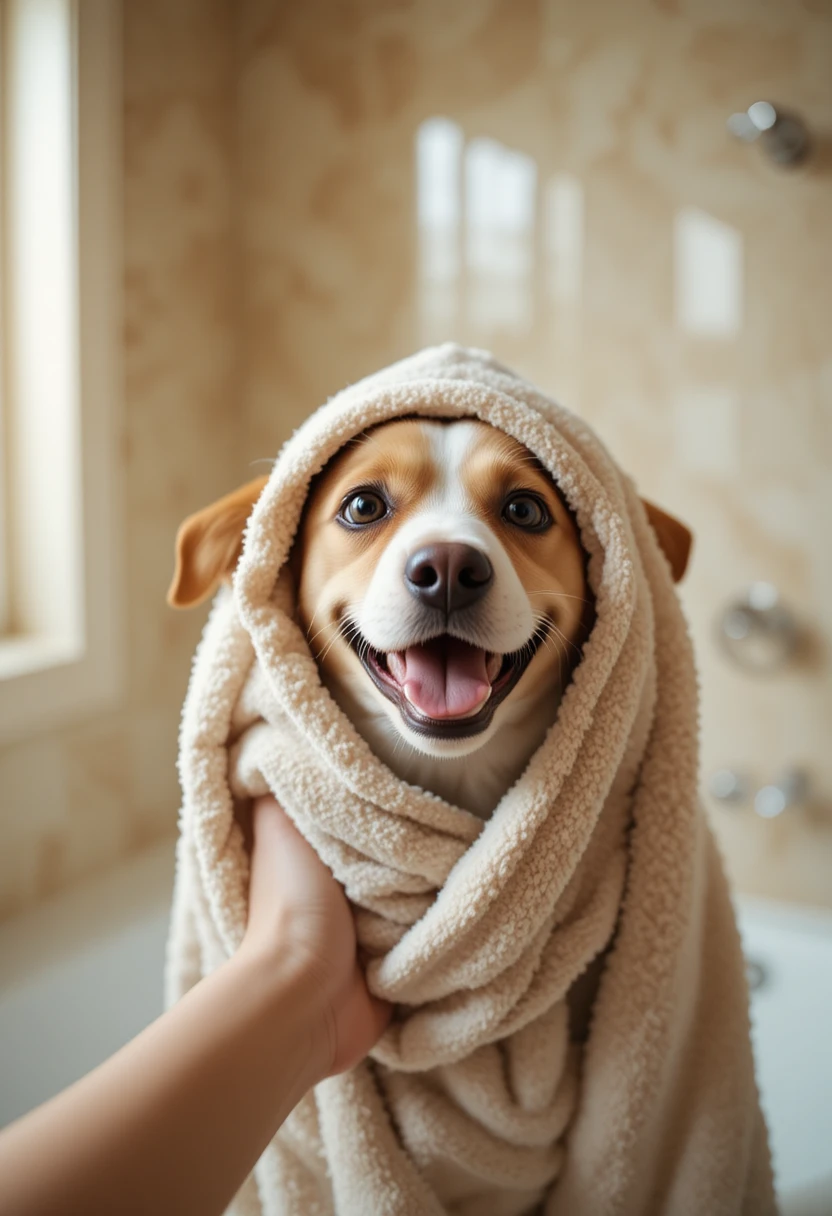
Immediately after the bath, use one or two thick towels to absorb as much water as possible before you do anything else. This cuts down drying time significantly and keeps your dog from getting chilled, especially in colder months.
12. Finish Drying the Right Way
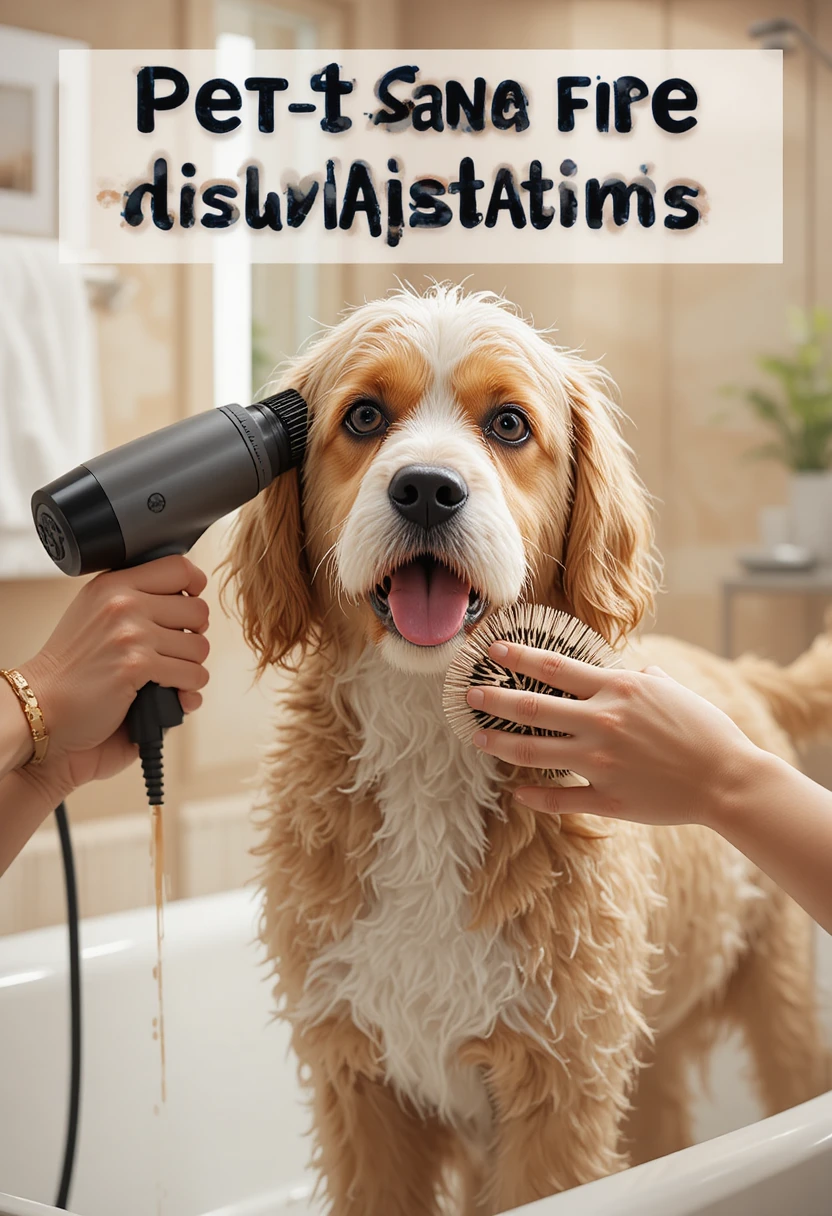
Once towel-dried, you can either let your dog air dry in a warm room or use a pet-safe blow dryer on a cool or low setting. Never use a human hairdryer on a high-heat setting a dog’s skin burns more easily than ours, and the sound and heat can be genuinely frightening for an anxious dog.
13. End on a High Note
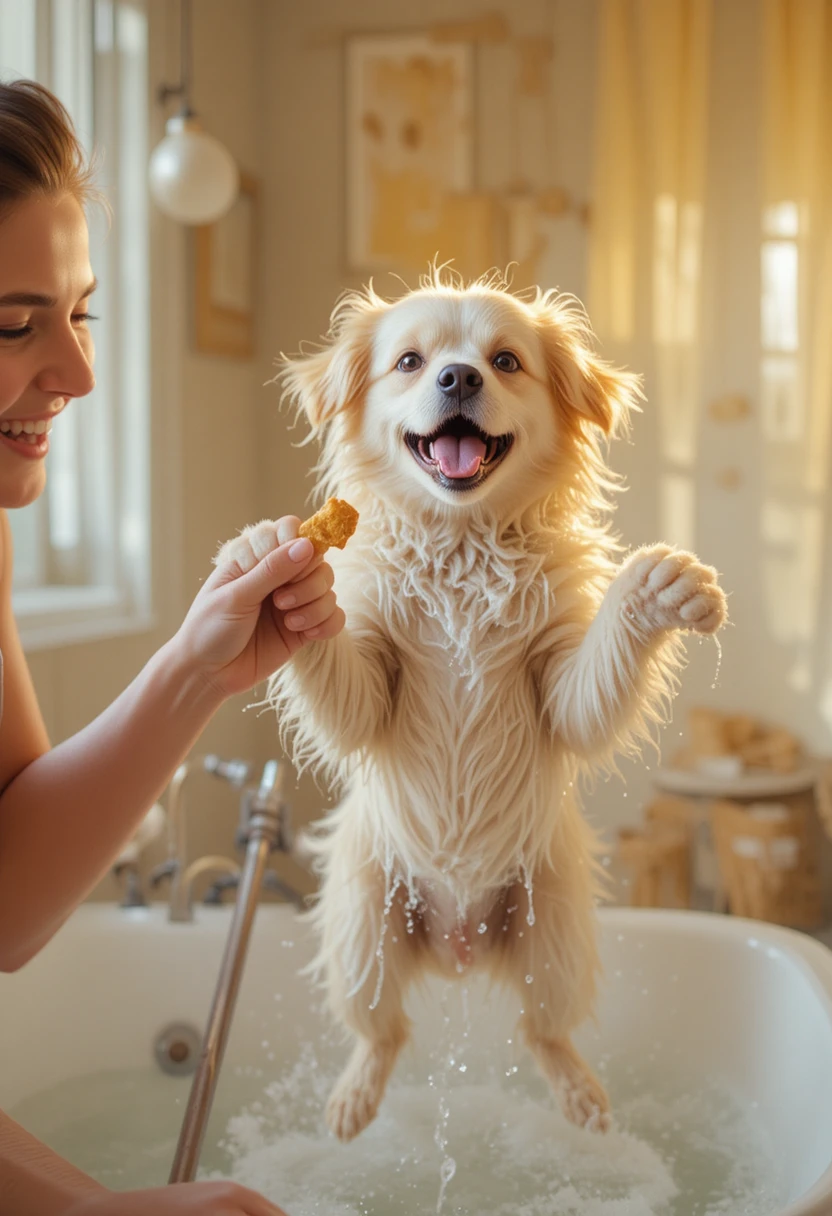
Finish every bath with praise, a treat, or a favorite game. This is a small step that makes a real long-term difference dogs who associate bath time with a reward afterward are far more cooperative the next time around, and the time after that.
How Often Should You Actually Bathe Your Dog?
This varies more by coat type than most people expect:
- Short-haired breeds (Beagles, Boxers, Labs) — roughly every 4-6 weeks.
- Double-coated breeds (Huskies, Golden Retrievers) — every 2-3 months, with more frequent brushing in between to manage shedding without stripping natural oils.
- Curly or long-haired breeds (Poodles, Yorkies) — as often as monthly, paired with regular brushing to prevent mats.
- Puppies and dogs with skin conditions — follow your vet’s specific guidance, since their needs differ from a standard adult dog.
Over-bathing is a real risk too washing too frequently strips natural oils and can leave skin dry and irritated, even with a gentle shampoo.
Common Dog Bathing Mistakes to Avoid
Even well-meaning pet parents fall into a few predictable traps. Watch out for these:
- Using human shampoo — it’s formulated for a different skin pH and can cause irritation.
- Skipping the pre-bath brush — mats tighten and become much harder to remove once wet.
- Spraying water directly at the face — this is the fastest way to make a dog fear baths.
- Rushing the rinse — leftover product is the leading cause of post-bath itching.
- Using a high-heat blow dryer — dog skin burns more easily than human skin.
- Bathing too often — strips natural oils and can dry out the skin over time.
Frequently Asked Questions
How often should I bathe my dog?
It depends on coat type and lifestyle, but most dogs do well with a bath every 4-6 weeks. Active dogs who get dirty often, or dogs with skin conditions, may need a different schedule check with your vet if you’re unsure.
Can I use human shampoo on my dog?
No. Human shampoo is formulated for a different skin pH than dogs have and can cause dryness or irritation. Always use a shampoo specifically made for dogs.
Why does my dog hate baths?
Common reasons include water in the face or ears, slippery tub surfaces, cold water, or a previous negative experience. Following a calm, consistent routine like the steps above can help rebuild positive associations over time.
Should I use conditioner on my dog?
It’s optional, but helpful for dogs with long or dry coats. It can reduce tangles and add moisture, as long as it’s rinsed out thoroughly afterward.
Is it okay to blow-dry my dog?
Yes, as long as you use a pet-safe dryer or a human dryer on a cool/low setting. High heat can burn sensitive skin and is often frightening for dogs.
Final Thoughts
Bathing your dog properly isn’t complicated once you know the order that actually works: brush first, protect the ears, use lukewarm water, work from neck to tail, rinse twice as long as you think you need to, and dry thoroughly. Follow these steps consistently, and bath time stops being a battle it becomes just another part of your routine together.