
One minute your dog is happily exploring the backyard, and the next, something feels off. Maybe it’s the way they suddenly stop eating, or the way their gums look a shade paler than usual. In those moments, every second matters and knowing exactly what you’re looking at can mean the difference between a scary scare and a genuine emergency.
Dogs explore the world with their mouths, which means they’re constantly at risk of encountering something toxic a dropped pill, a splash of antifreeze, a handful of grapes off the counter. The tricky part is that poisoning symptoms don’t always look dramatic right away. Some show up within minutes; others creep in silently over hours.
This guide walks you through 11+ signs of poisoning in dogs, what they might mean, and exactly what to do if you spot them. Save this now, because when a real emergency hits, you won’t have time to go searching for it.
One critical note before we go further: if you ever suspect your dog has ingested something toxic, don’t wait to see if symptoms appear call your veterinarian or an animal poison control hotline immediately. Time is often the single biggest factor in how well a poisoned dog recovers.
Why Recognizing These Signs Quickly Matters So Much
Here’s the thing most owners don’t realize: some toxins cause visible symptoms almost instantly, while others cause silent internal damage for hours before anything looks wrong on the outside. That delayed window is exactly why “wait and see” is one of the riskiest approaches you can take.
The type and combination of symptoms your dog shows often depends on which toxin they encountered and how it affects the body some toxins target the digestive system, others attack the nervous system, and some interfere with the heart, lungs, or kidneys. That’s part of why poisoning can be tricky to diagnose even for experienced pet owners.
Bucket brigade moment: So how do you actually spot it before it becomes a full-blown emergency? Let’s break down the signs, starting with the ones that show up first.
Early & Subtle Signs of Poisoning
These signs can be easy to brush off as “my dog just isn’t feeling well,” but they’re often the earliest clues that something toxic is at play.
1. Sudden Loss of Appetite

A dog who normally inhales their food but suddenly turns away from a full bowl is telling you something. While appetite loss has plenty of non-toxic causes, when it appears suddenly and out of nowhere especially alongside any of the other signs on this list it deserves a closer look.
2. Lethargy or Unusual Low Energy
Your dog seems “off,” sluggish, or uninterested in things they normally love, like a walk or a favorite toy. Mild lethargy can quickly escalate, and it’s one of those subtle changes that’s easy to explain away until it’s paired with something more obvious.
3. Mild Vomiting or Diarrhea

Occasional vomiting isn’t automatically a red flag, but sudden, unexplained vomiting or diarrhea especially if it appears shortly after your dog was unsupervised in the yard, garage, or kitchen is worth taking seriously. Watch closely for whether it worsens over the next hour.
Read Also: 14+ Hypoallergenic Dog Breeds That Won’t Leave You Reaching for Tissues
4. Excessive Drooling
A sudden increase in drooling, especially if it seems unusual for your dog, can be an early sign that something has irritated their mouth, throat, or digestive system, or that a toxin is affecting their nervous system.
Gastrointestinal Warning Signs
Once poisoning symptoms escalate, the digestive system is often one of the first places it shows.
5. Repeated or Severe Vomiting

Vomiting that doesn’t stop, or that happens multiple times in a short window, is a much stronger warning sign than a single isolated episode. This is one of the clearest indicators that your dog’s body is trying to expel something harmful.
6. Diarrhea, Especially with Blood
Diarrhea alone can have many causes, but diarrhea that contains blood is a serious red flag that should prompt an immediate call to your vet, regardless of what else is going on.
7. Abdominal Pain or Bloating

A dog who’s suddenly hunched over, reluctant to be touched around the belly, or visibly uncomfortable when lying down may be experiencing internal irritation or pain from a toxic substance.
Neurological Signs (Often the Most Urgent)
Here’s the thing: when poisoning starts affecting the nervous system, things can escalate fast. These signs should never be brushed off, even if they seem to pass quickly.
8. Tremors or Muscle Twitching
Uncontrolled shaking or twitching that isn’t related to cold or excitement is one of the more alarming signs of poisoning, since it suggests the toxin may be affecting the nervous system directly.
9. Seizures or Convulsions

A seizure in a dog with no prior history of seizures is a medical emergency, full stop. This is one of those situations where you should be heading to an emergency vet, not waiting to see if it happens again.
10. Disorientation, Stumbling, or Loss of Coordination
Dogs who seem “drunk,” wobbly, or unable to walk in a straight line may be experiencing a toxin’s effect on their balance and nervous system. Combined with any other symptom on this list, this is a strong sign that something is seriously wrong.
Cardiovascular & Respiratory Signs
11. Pale, Blue-Tinged, or Discolored Gums
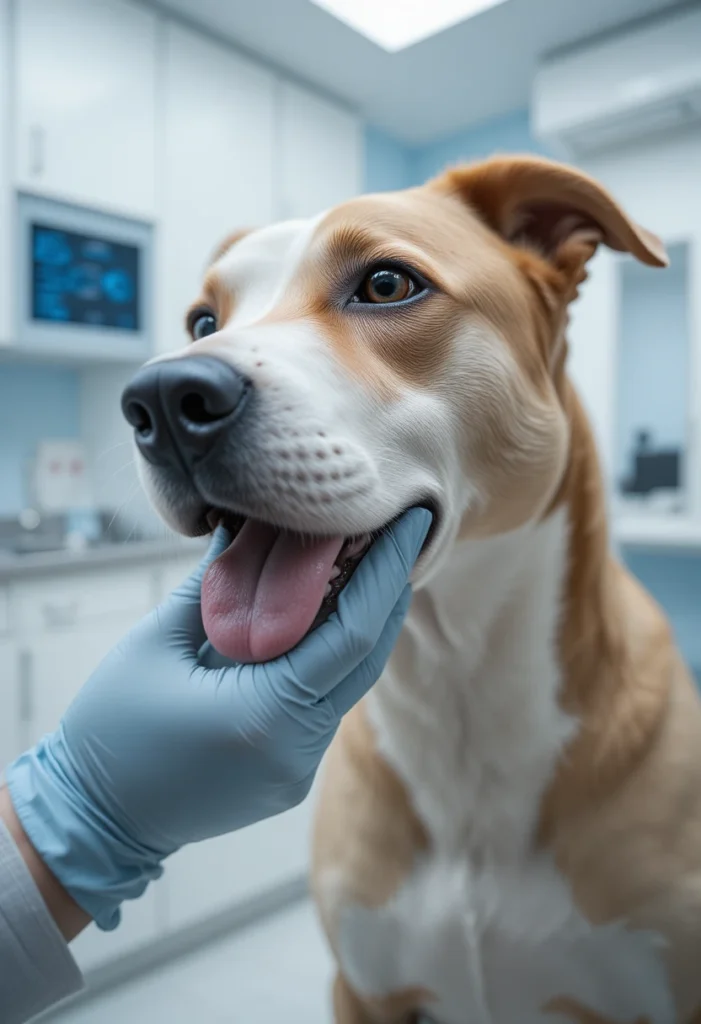
Healthy gums are usually a pink color. Pale, white, blue, or grayish gums can indicate that oxygen isn’t circulating properly, which is a sign of a serious cardiovascular or respiratory issue one that demands emergency care immediately.
12. Rapid or Difficult Breathing
Breathing that’s fast, labored, or accompanied by coughing can point to a toxin affecting the lungs or heart, particularly if your dog was recently exposed to fumes, chemicals, or an inhaled irritant.
13. Collapse or Sudden Weakness

A dog who suddenly can’t stand, collapses, or seems to lose consciousness even briefly needs emergency veterinary attention right away. This is one of the clearest signs that a poisoning situation has become critical.
Bonus Signs Worth Watching For
A few additional signs don’t fit neatly into one category but are still worth flagging:
- Excessive thirst or urination, which can point to kidney involvement in certain types of poisoning.
- Unusual agitation or restlessness, especially paired with pacing or an inability to settle.
- Changes in heart rate, which you may notice as a racing or irregular pulse if you check your dog’s chest or inner thigh.
Quick recap you can save for later: GI symptoms (vomiting, diarrhea, drooling) tend to show up first. Neurological symptoms (tremors, seizures, stumbling) and cardiovascular symptoms (pale gums, breathing trouble, collapse) are the ones that mean you need emergency care immediately not a “wait and see” approach.
Common Household Items That Can Poison Dogs
Understanding what causes these symptoms can help you prevent an emergency before it happens. Common culprits include:
- Human foods like chocolate, grapes and raisins, onions, garlic, and xylitol (a sugar substitute found in many sugar-free products)
- Human medications, including over-the-counter pain relievers and prescription drugs left within reach
- Household chemicals, such as cleaning products, antifreeze, and pesticides
- Certain houseplants, including lilies and sago palms
- Rodenticides and insecticides, which are specifically designed to be toxic and are extremely dangerous even in small amounts
Poisoning doesn’t always happen through ingestion, either it can also occur through skin contact with certain substances or by inhaling toxic fumes, so exposure isn’t limited to what your dog eats.
What to Do If You Suspect Poisoning
If you notice any of the signs above, here’s how to respond:
- Stay calm and move your dog away from the suspected substance immediately, so they can’t ingest or contact more of it.
- Call your veterinarian or an emergency animal hospital right away. If it’s after hours, most veterinary practices have an emergency line or can direct you to the nearest option.
- Contact an animal poison control hotline if you’re unsure how serious the situation is. The ASPCA Animal Poison Control Center can be reached at (888) 426-4435.
- Do not induce vomiting on your own unless a veterinarian or poison control specialist specifically instructs you to, since some substances can cause additional harm if brought back up.
- Gather information about what your dog may have ingested the substance, approximate amount, and when it happened so you can share it with your vet as quickly as possible.
- If the exposure was topical, ask your vet whether it’s safe to rinse your dog’s skin or coat with water, since some substances are activated rather than removed by water.
Save-worthy reminder: the goal in a suspected poisoning situation isn’t to diagnose it yourself it’s to get professional help involved as fast as possible while keeping your dog safe in the meantime.
How to Prevent Poisoning at Home
A little prevention goes a long way toward avoiding this situation altogether:
- Store all medications, cleaning products, and chemicals in secured cabinets your dog can’t access.
- Learn which common foods and houseplants are toxic to dogs, and keep them out of reach.
- Supervise your dog closely in unfamiliar environments, like a relative’s house or a public park, where you can’t control what’s on the ground.
- Keep the ASPCA Animal Poison Control number saved in your phone so it’s ready in an emergency, not something you’re searching for in a panic.
Frequently Asked Questions
How quickly do poisoning symptoms appear in dogs?
It varies significantly by toxin some cause visible symptoms within 30 minutes, while others may not show clear signs for several hours even as internal damage progresses.
Should I induce vomiting if I think my dog ate something toxic?
No, not without guidance from a veterinarian or poison control specialist first. Some substances can cause more harm if vomited back up, so professional guidance matters before taking any action.
What’s the number for the ASPCA Animal Poison Control Center?
You can reach the ASPCA Animal Poison Control Center at (888) 426-4435. Keep in mind a consultation fee may apply, and your regular vet or an emergency animal hospital should also be contacted right away.
Can symptoms of poisoning look like other illnesses?
Yes. Conditions like infections or kidney disease can sometimes produce symptoms similar to poisoning, which is exactly why it’s safest to treat any suspected exposure as an emergency until a veterinarian says otherwise.
Is it possible for a dog to be poisoned without eating anything?
Yes. Poisoning can also happen through skin contact with certain chemicals or by inhaling toxic fumes, not just through ingestion.
Final Thoughts
Recognizing the signs of poisoning in dogs early from subtle appetite changes to full-blown neurological symptoms genuinely gives your dog the best possible chance at a fast, full recovery. When in doubt, don’t wait for symptoms to get worse before reaching out for help; a quick call to your vet or an animal poison control hotline costs you nothing compared to the risk of waiting too long.
Save this guide, share it with other pet owners in your life, and keep emergency numbers within easy reach because when it comes to poisoning, the fastest response is always the safest one.