
It happens in seconds. One moment your dog is happily chewing a toy, and the next they’re pawing frantically at their mouth, unable to bark, cough, or catch a breath. Choking is one of the scariest emergencies a dog owner can face and knowing exactly what to do in that first minute can be the difference between a close call and a tragedy.
This isn’t a topic to skim later. Save this guide now, because if the moment comes, you won’t have time to search for it.
How to Recognize Choking Before It Gets Worse
Not every cough means choking, and knowing the difference matters. A dog who is coughing can usually still breathe. A dog who is truly choking often cannot.
Watch for:
- Pawing at the mouth or face repeatedly and frantically
- Difficulty breathing or no sound at all a fully blocked airway may be silent, not loud
- Bluish or pale gums and tongue a sign oxygen isn’t getting through
- Wide, panicked eyes or visible distress
- Retching or gagging without producing anything
- Pawing at the throat or neck area specifically
- Collapse or loss of consciousness in severe cases
What to Do If a Dog Is Choking: 12+ Step-by-Step Actions
1. Stay Calm and Approach Carefully

Your dog is already panicking your energy either helps or makes it worse. Approach steadily and speak in a calm, reassuring tone. This isn’t just for your dog’s comfort; a frightened, choking animal is far more likely to bite, even if they’d never normally do so.
2. Restrain Your Dog Safely
Gently but firmly restrain your dog so you can examine their mouth. Ideally, have a second person help hold them still one person restraining while the other checks the airway makes this dramatically safer and faster.
3. Open the Mouth and Look Inside
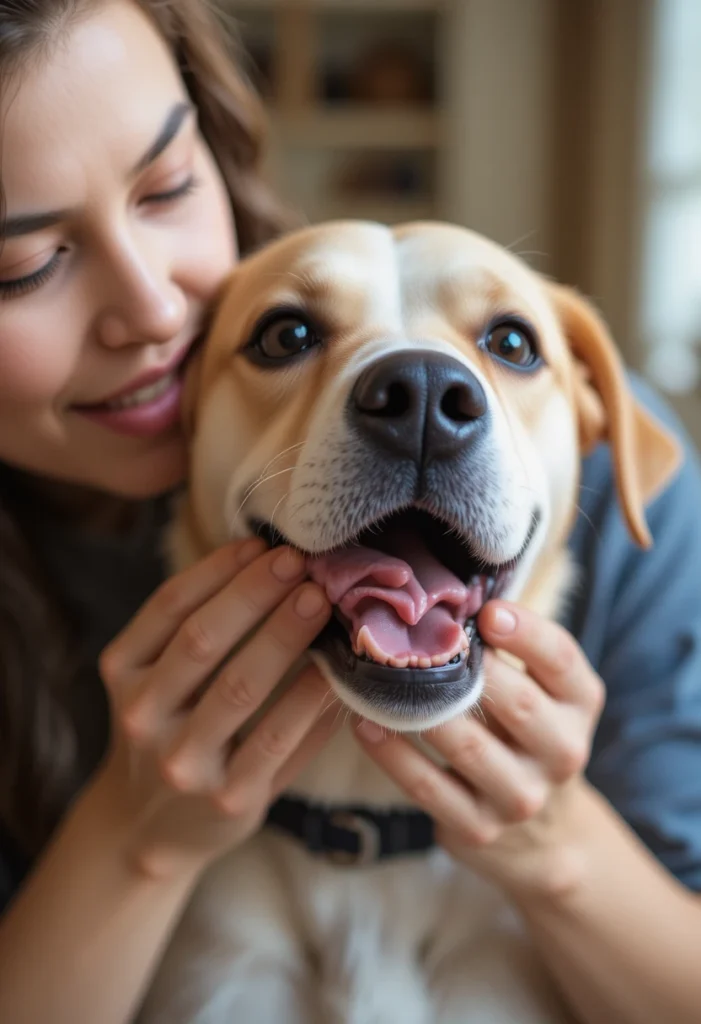
With one hand on the upper jaw and one on the lower, carefully open your dog’s mouth. Position your fingers between the teeth and the lips (not directly on the teeth) to reduce your risk of being bitten while you look.
4. Check for a Visible Object
Look toward the back of the mouth and throat for anything visible a toy piece, bone fragment, ball, or stick. Good lighting matters here; use a flashlight if you have one nearby.
Read Also: 15+ Best Guard Dog Breeds to Protect Your Home and Family
5. Attempt a Careful Finger Sweep Only If You Can See the Object
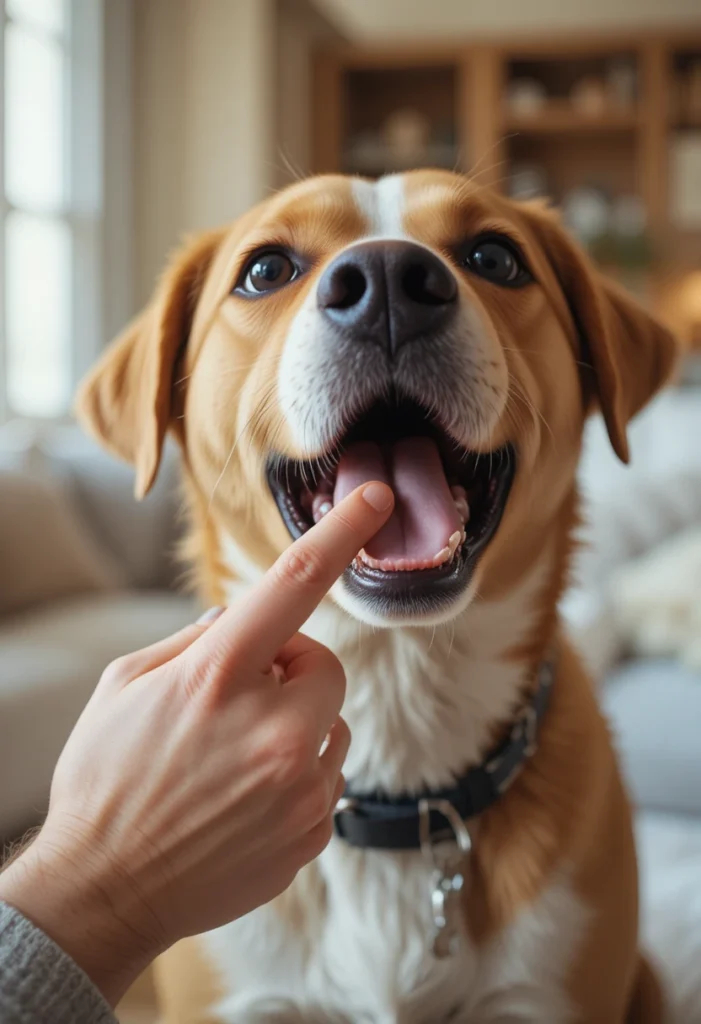
If you can clearly see the object, use your finger to gently sweep it forward and out. Never blindly sweep your finger down the throat if you can’t see anything this can push the object further in or injure the delicate throat tissue.
6. Use Tweezers or Pliers for Small, Visible Objects
If the object is small and hard to grip with your fingers, needle-nose pliers or tweezers can help you get a secure hold without pushing it deeper. Move slowly and steadily rather than yanking.
7. If the Object Won’t Budge, Move to the Heimlich Maneuver
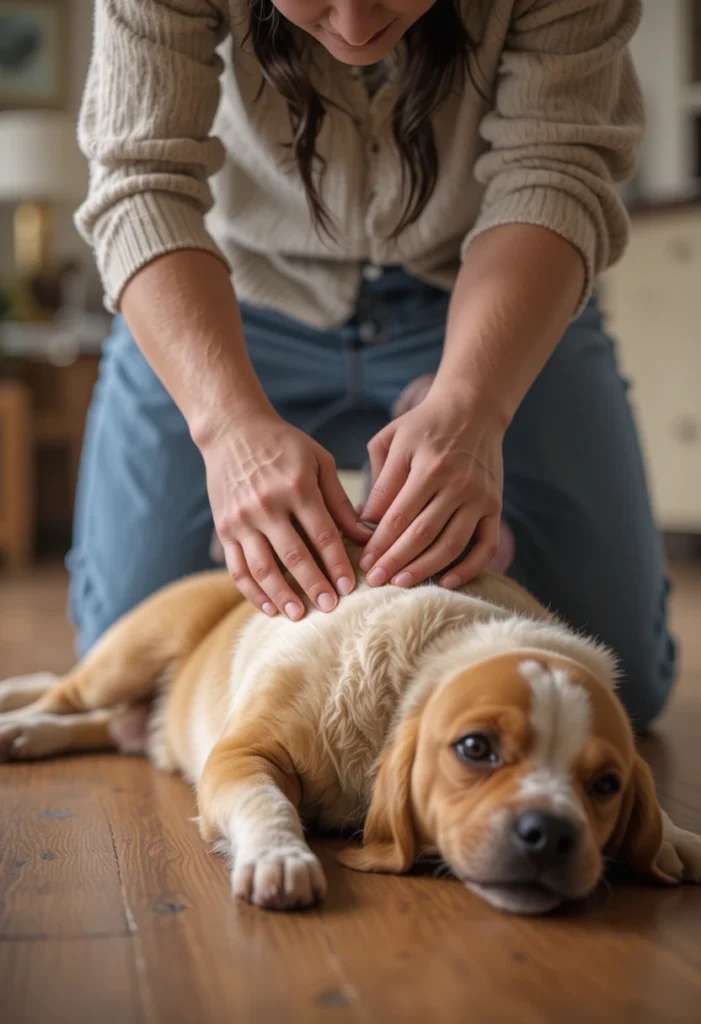
If you can’t remove the object by hand, a modified Heimlich maneuver is the next step. The technique differs slightly depending on your dog’s size:
For a standing or large dog: Stand or kneel behind your dog and wrap your arms around their abdomen, just behind the rib cage. Make a fist with one hand, grasp it with the other, and give five firm, upward-and-inward thrusts.
For a small dog: Carefully hold your dog with their back against your chest, or support them in your lap. Use the same upward-inward thrusting motion with less force, appropriate to their smaller size.
8. For a Dog Lying Down, Adjust Your Technique
If your dog has collapsed or is too distressed to stand, lay them on their side. Place one hand on their back for support, and use your other hand to apply firm upward-and-forward pressure just behind the ribcage.
9. Recheck the Mouth After Each Attempt
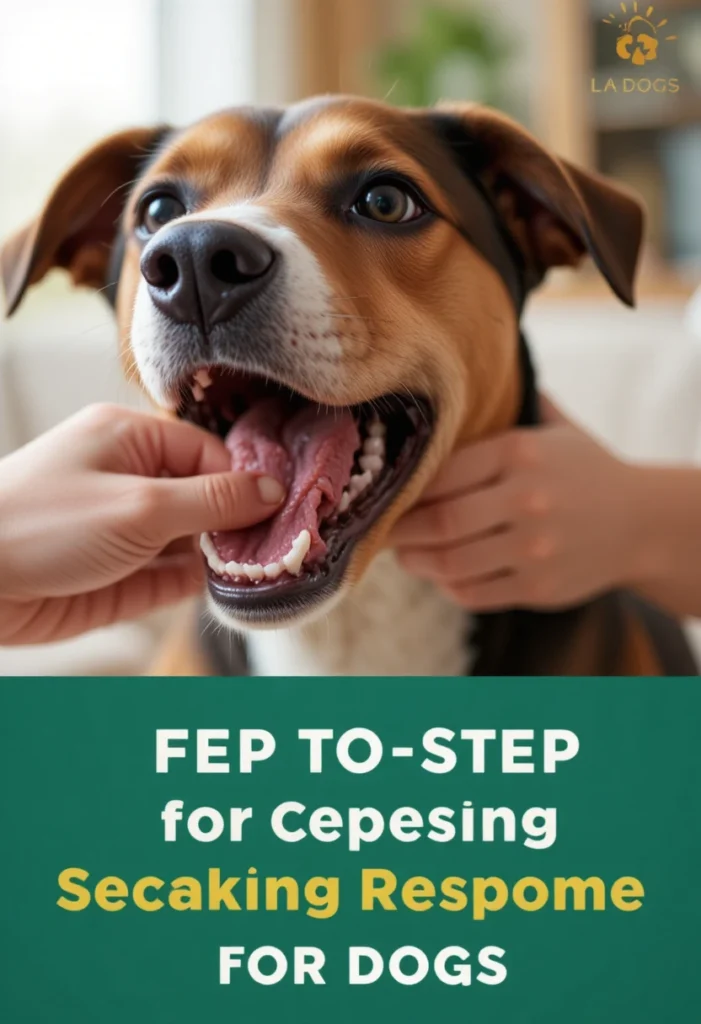
After every round of abdominal thrusts, stop and check the mouth again the object may have been dislodged into a spot where you can now remove it safely. Don’t skip this step; repeating thrusts without rechecking can waste critical time.
10. For Very Small Dogs, Consider the Wheelbarrow Position
For small dogs, some first-aid guidance recommends holding the dog’s hind legs up (like a wheelbarrow) with the head pointed down, which can use gravity to help dislodge an object combined with gentle back thumps between the shoulder blades.
11. Know When to Stop Trying and Go
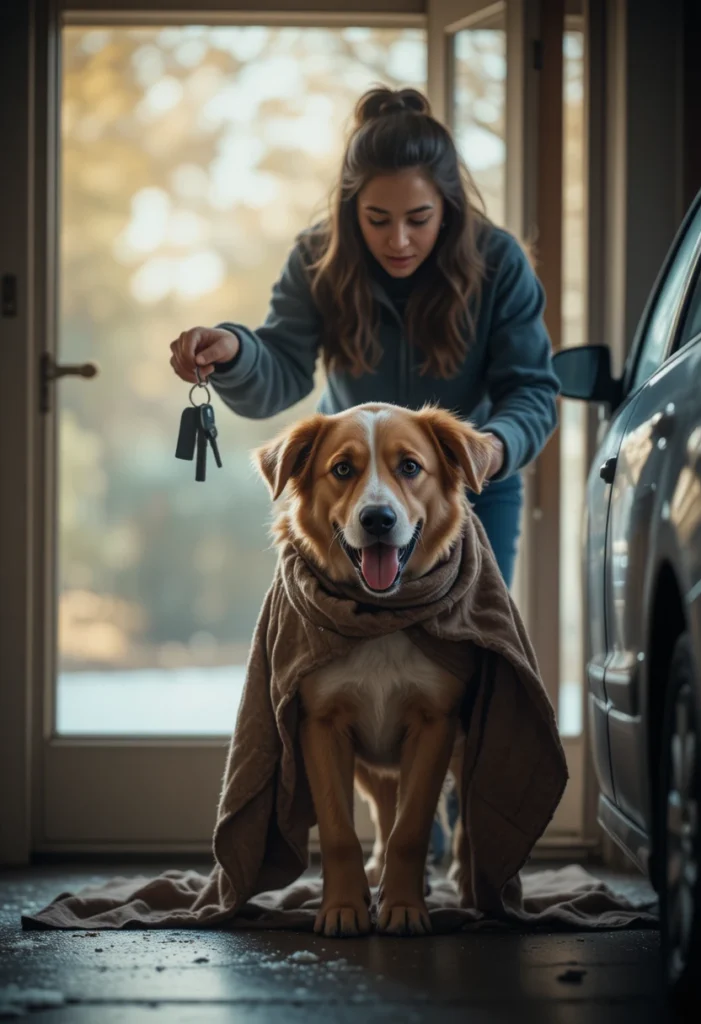
Here’s the thing: first aid should never delay a trip to the vet. If your first attempts at removal or the Heimlich don’t work within a minute or two, stop and go every additional minute without oxygen matters. Call your vet or emergency animal hospital on the way so they can prepare before you arrive.
12. Watch for Breathing Even After the Object Is Removed
Removing the object isn’t automatically the end of the emergency. Watch your dog closely afterward if they’re not breathing normally, move immediately into rescue breathing or CPR if you’re trained, and get to a vet regardless of how they seem.
13. Always Follow Up With a Vet Visit Even If Your Dog Seems Fine
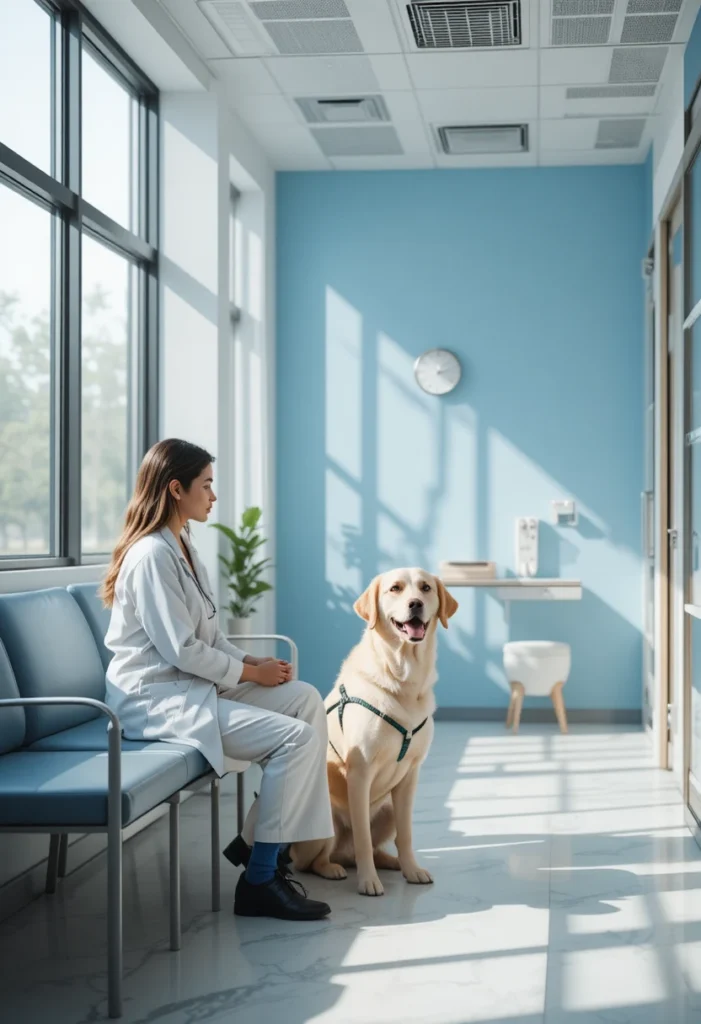
This step gets skipped far too often. Even after a successful rescue, choking can cause internal irritation, swelling, or fluid buildup in the lungs that isn’t visible right away. A same-day vet check is the safest move every single time.
What NOT to Do When a Dog Is Choking
Just as important as the right steps are the ones to avoid:
- Don’t blindly stick your fingers down the throat if you can’t see an object this risks pushing it deeper or injuring the throat.
- Don’t skip restraint a panicked dog can bite hard, even one who’s never bitten before.
- Don’t delay getting to a vet while repeatedly trying home techniques for more than a minute or two.
- Don’t attempt the Heimlich on a dog who is still breathing normally and just coughing that’s a different situation, and unnecessary force can cause injury.
- Don’t assume they’re fine just because the object came out follow-up care matters.
Building a Dog First-Aid Kit for Emergencies Like This
Being prepared before an emergency happens is half the battle. A basic pet first-aid kit worth keeping on hand includes:
- A pet first-aid guide or laminated quick-reference card
- Tweezers and blunt-tipped scissors
- A flashlight
- Your regular vet’s number and the nearest 24-hour emergency animal hospital’s number, saved in your phone
- Gauze and pet-safe antiseptic for after the emergency passes
How to Prevent Choking Before It Happens
The best emergency is the one you never have. A few habits that meaningfully cut the risk:
- Supervise chew time, especially with rawhides, bully sticks, and small toys.
- Choose size-appropriate toys and treats anything small enough to be swallowed whole is a hazard.
- Inspect toys regularly for cracks or breakable pieces, and retire anything showing wear.
- Avoid cooked bones, which splinter more easily than raw ones.
- Learn dog CPR and first aid through a certified course muscle memory matters far more in a real emergency than reading about it once.
Frequently Asked Questions
How do I know if my dog is choking or just coughing?
A coughing dog can usually still breathe and make sound. A choking dog often cannot look for silent panic, pawing at the mouth, and pale or bluish gums as signs of a true blocked airway.
Is it safe to do the Heimlich maneuver on a dog myself?
Yes, in an emergency where the object won’t dislodge by hand, a modified Heimlich can be lifesaving. That said, it should never delay getting your dog to a vet if it doesn’t work within a minute or two.
What are the most common things dogs choke on?
Chew toys, rawhides, balls, bones, and sticks are among the most frequent culprits, especially pieces small enough to lodge in the throat.
Should I still take my dog to the vet if I successfully removed the object?
Yes, always. Choking can cause hidden swelling, irritation, or fluid in the lungs that isn’t obvious right away, so a follow-up vet visit is strongly recommended even after a successful home rescue.
Can small dogs choke more easily than large dogs?
Small dogs have narrower airways, which can make them more vulnerable to choking on objects that a larger dog might pass more easily though dogs of any size can choke on the wrong object.
Final Thoughts
Choking emergencies move fast, but a calm, prepared response can make all the difference. Know the signs, know the steps from a careful mouth check to the Heimlich maneuver to knowing exactly when to stop and go and always follow up with your vet, even after what looks like a successful rescue.