
If you just watched your dog scratch, bite, and spin in circles for the tenth time tonight, you already know the feeling: half panic, half “please just make it stop.” Fleas move fast, multiply faster, and by the time you spot one on your dog’s belly, chances are a hundred more are setting up shop in your carpet.
Here’s the good news. You don’t need to guess your way through the pet store aisle anymore. Below are 15 flea treatment ideas from vet-grade spot-ons to natural remedies your grandmother probably used organized so you can find the one that actually fits your dog, your budget, and your comfort level with chemicals.
Save this guide now you’ll want to come back to it the next time flea season creeps up.
How to Tell Your Dog Actually Has Fleas
Before treating anything, confirm what you’re dealing with. Look for:
- Constant scratching, licking, or chewing, especially near the tail base, belly, and legs
- Small red bumps or scabs on the skin
- “Flea dirt” tiny black specks in the fur that turn reddish-brown on a wet paper towel (that’s digested blood)
- Visible fast-moving specks when you part the fur near the belly or armpits
- Hair loss or restlessness, especially at night
If you see even one of these, it’s time to act fleas can lay up to 50 eggs a day, and those eggs don’t stay on your dog. They drop into your carpet, couch, and bedding within hours.
The Best Flea Treatment Ideas, By Type
Here’s the thing: there’s no single “best” flea treatment for every dog. The right choice depends on your dog’s age, health, and how hands-on you want to be. So this list is grouped by treatment type pick the section that fits your situation.
1. Topical Spot-On Treatments
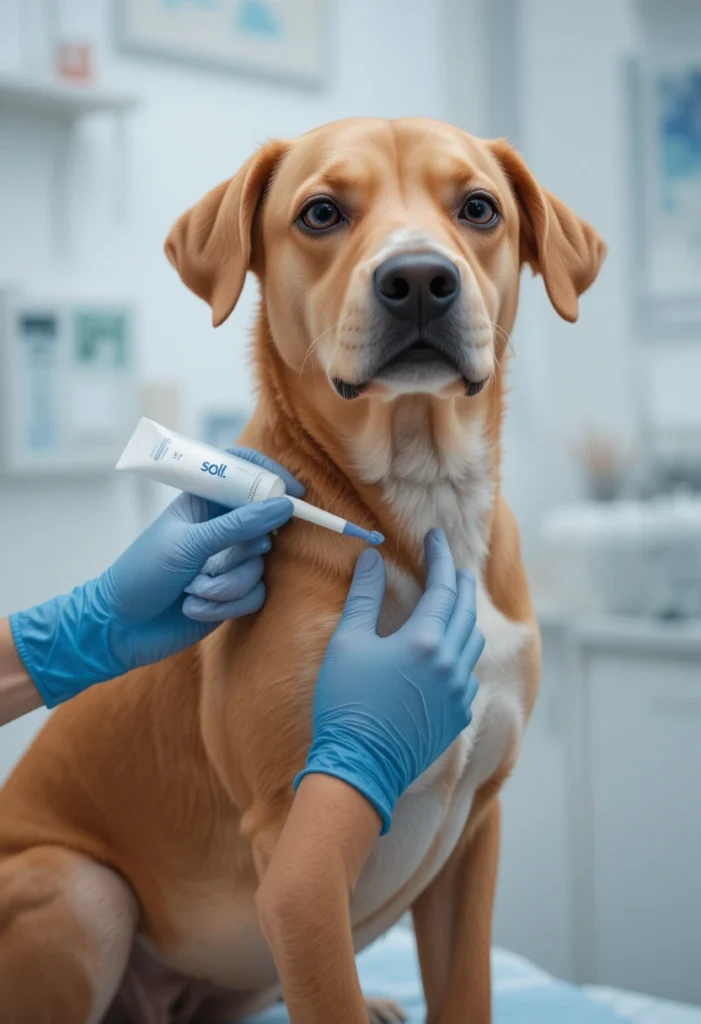
Spot-ons are applied directly to the skin, usually between the shoulder blades, and are one of the most common flea treatment ideas for dog owners who want a “set it and forget it” monthly routine.
- How they work: The active ingredient spreads through the skin’s oil glands and kills fleas on contact within 24–48 hours.
- Best for: Dogs who don’t mind a quick application and owners who want broad protection (many topicals also cover ticks and mosquitoes).
- Watch for: Keep the application site dry for a day or two, and never use a product labeled for large dogs on a small one dosing by weight matters.
2. Oral Flea Chews
Oral chewables have become a favorite because there’s no mess, no waiting for the skin to dry, and no worrying about a treated spot rubbing off on furniture.
- How they work: The dog eats a flavored tablet, and the active ingredient circulates through the bloodstream so fleas die after they bite.
- Best for: Dogs who swim often, get bathed frequently, or live with kids who like to snuggle right after treatment day.
- Watch for: Some formulas aren’t recommended for dogs with a history of seizures check the label or ask your vet if your dog has a neurological history.
Quick tip you’ll want to remember: Chewables and topicals both typically offer 4 to 12 weeks of protection depending on the brand always check the box, not just the aisle sticker.
3. Flea Collars

Flea collars have come a long way from the old-school ones that barely worked past the neck. Modern versions release active ingredients slowly across the whole coat.
- Best for: Long-term, low-maintenance protection some last several months per collar.
- Watch for: Fit matters. A collar that’s too loose won’t distribute product evenly, and one that’s too tight can irritate the skin.
4. Flea Shampoos
Flea shampoos kill fleas on contact during the bath itself, which makes them a solid first step if your dog currently has an active infestation.
- Best for: An immediate knockdown before starting a longer-term prevention plan.
- Watch for: Shampoos don’t leave residual protection they treat what’s on the dog right now, not what shows up next week.
Read Also: How to Brush a Matted Dog Coat: 12+ Ideas That Actually Work
5. Flea Combs
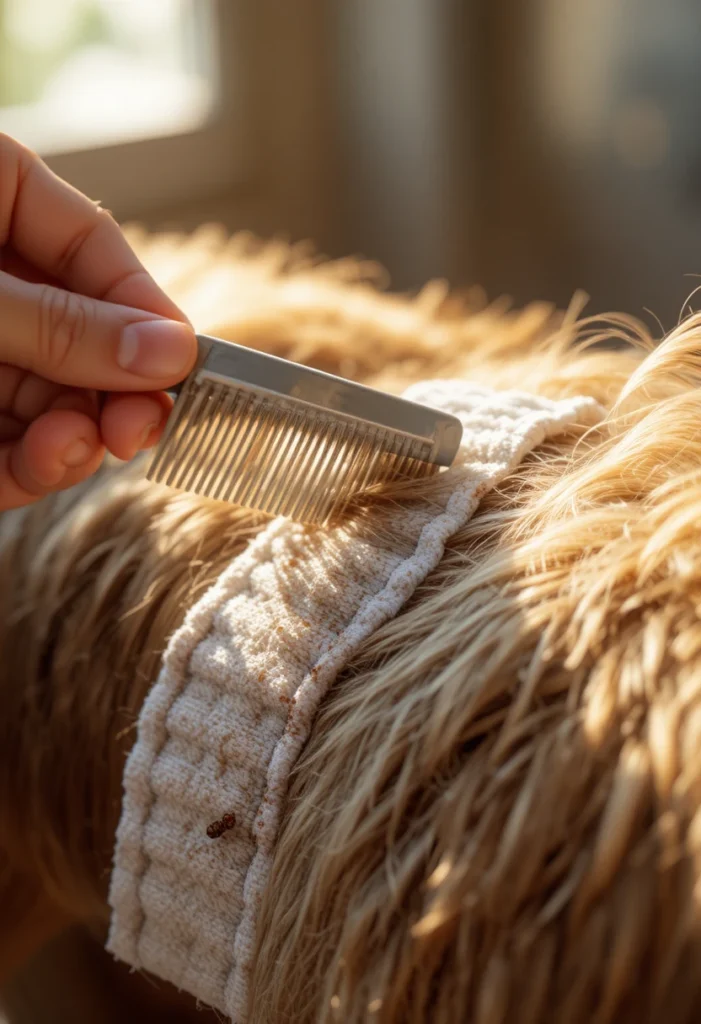
Low-tech, but genuinely useful. A fine-toothed flea comb physically removes fleas and flea dirt, especially around the neck, ears, and tail base where fleas like to hide.
- Best for: Puppies too young for chemical treatments, or as a daily check-in tool alongside any other method on this list.
- Bonus: Dip the comb in soapy water after each pass to drown anything you pick up.
Natural and Home Remedy Ideas
If you’d rather avoid chemical treatments or you’re using them alongside a gentler daily routine these natural options are some of the most-saved flea remedies online right now.
6. Apple Cider Vinegar Spray
Fleas dislike acidic environments. Mix diluted apple cider vinegar with water in a spray bottle and lightly mist your dog’s coat, avoiding the eyes.
Save-worthy tip: This won’t kill an active infestation on its own, but it makes your dog’s coat a much less appealing place for fleas to settle.
7. Lemon Rinse
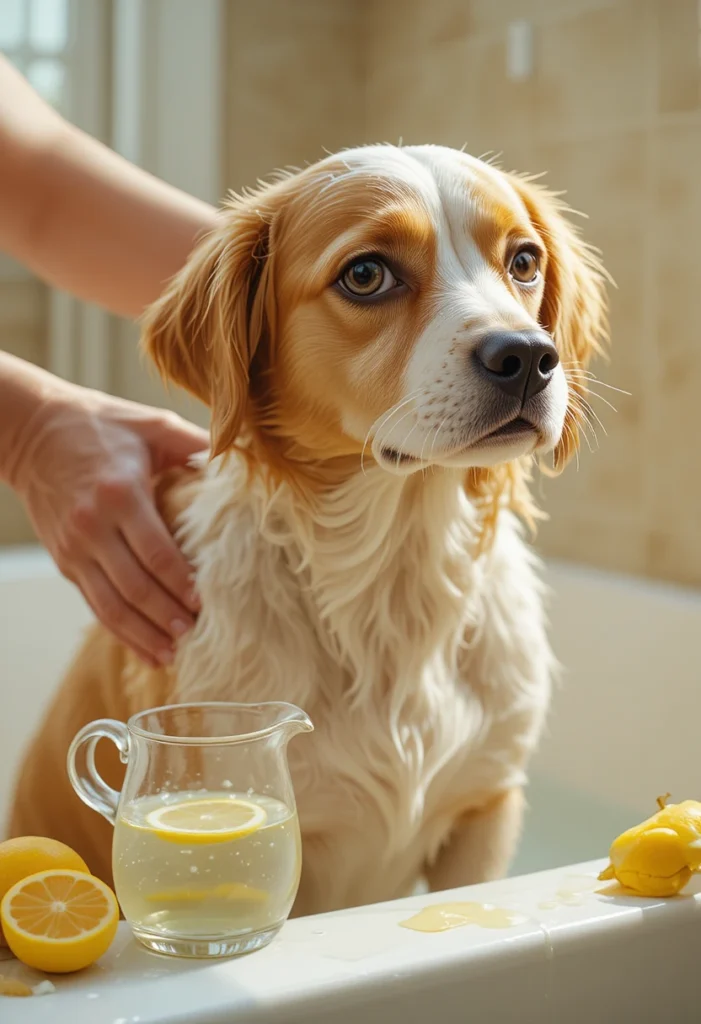
A diluted lemon-water rinse after a regular bath can help repel fleas thanks to the natural citrus acids. Let your dog air dry rather than rinsing it straight off.
8. Diatomaceous Earth (Food-Grade)
This fine powder, made from fossilized aquatic organisms, dehydrates fleas on contact. It’s most often used on carpets, bedding, and yard areas rather than directly on the dog’s coat, and it’s a favorite among owners avoiding synthetic chemicals.
9. Diluted Essential Oil Sprays
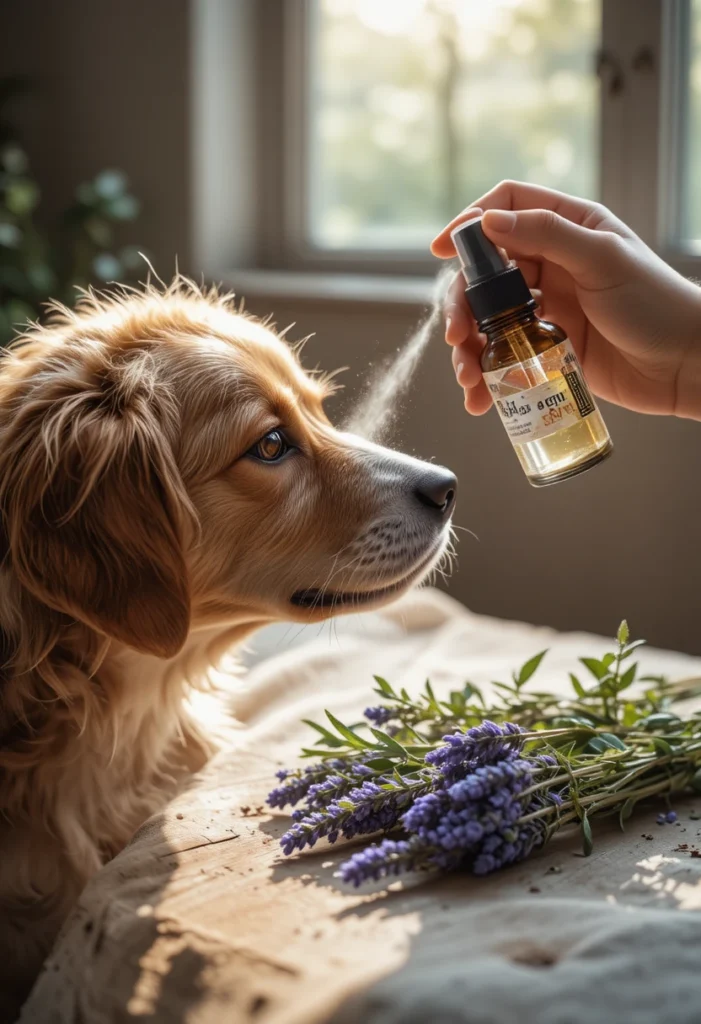
Certain essential oils properly diluted in a carrier oil like grapeseed oil can act as a mild repellent. But there’s a catch: oils like pennyroyal, wintergreen, and clove are genuinely toxic to dogs and should never be used, diluted or not. When in doubt, skip this one or ask your vet which oils are actually dog-safe.
10. Herbal Flea Powder
A homemade blend of dried rosemary, and other pet-safe herbs, ground into a fine powder can be lightly sprinkled through the coat as an extra layer of repellent between baths.
11. Salt Treatment for Carpets
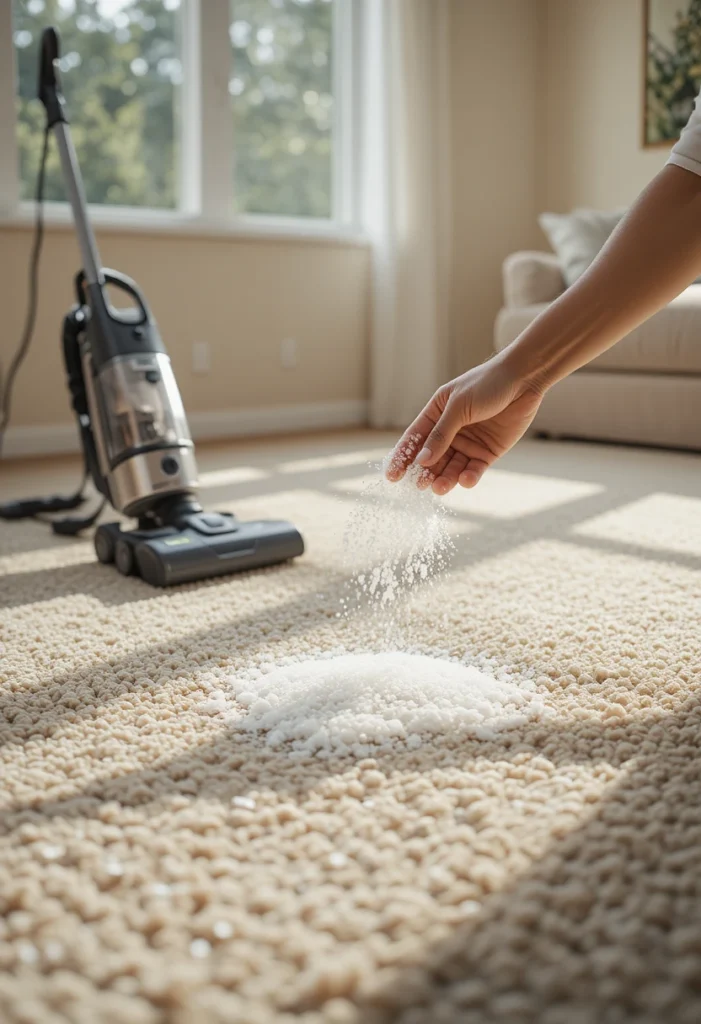
Sprinkling plain salt over carpets and letting it sit for a few hours before vacuuming can help dehydrate flea eggs and larvae hiding in the fibers a nearly free option that targets the environment, not the dog directly.
Environmental and Yard Ideas (Because Fleas Don’t Stay on Your Dog)
So what does this mean for you? Even the best product on your dog won’t solve a flea problem if your home and yard are still infested. These next few ideas close that gap.
12. Wash Bedding in Hot Water Weekly
Fleas and their eggs die in high heat. Wash your dog’s bedding, blankets, and any fabric they nap on weekly during flea season.
13. Vacuum Daily During an Active Infestation
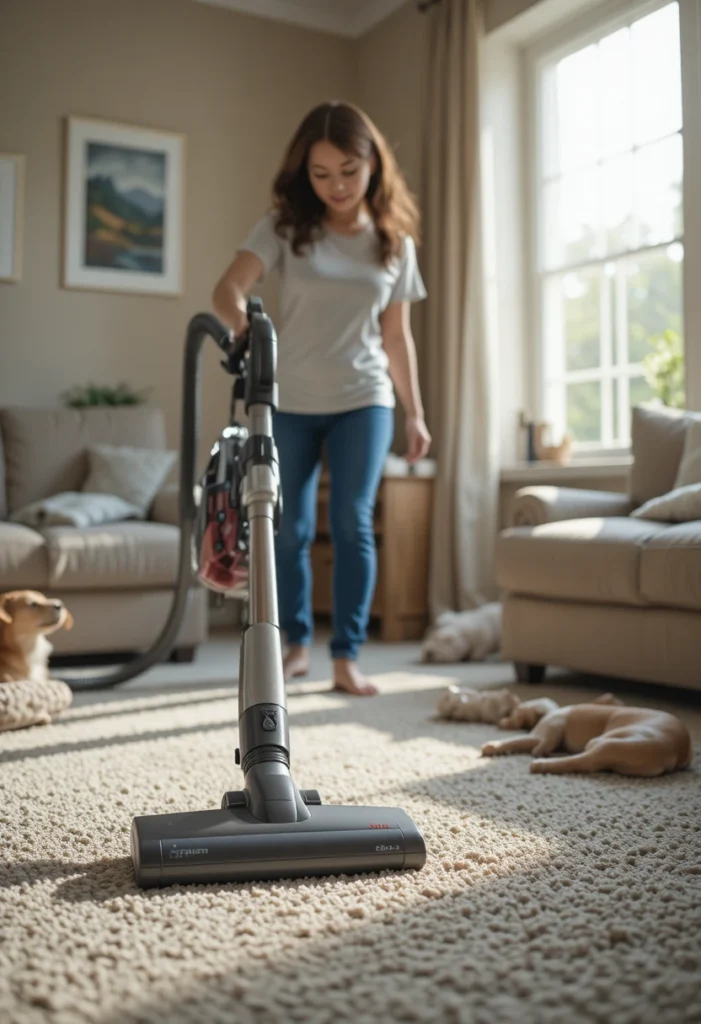
Vacuuming pulls up flea eggs and larvae from carpets and furniture before they mature. Empty the canister or bag outside immediately fleas can still hatch inside it.
14. Beneficial Nematodes for the Yard
These microscopic, dog-safe worms feed on flea larvae in soil and grass, making them a smart pick for owners who want to treat the yard without spraying pesticides where their dog plays.
15. Schedule a Vet Consultation for Prescription Options

If home remedies and over-the-counter products aren’t cutting it or if your dog has a health condition, is a puppy, or belongs to a breed sensitive to certain ingredients a vet visit isn’t a last resort. It’s often the fastest, safest path back to a flea-free dog.
How to Choose the Right Flea Treatment for Your Dog
With 15 ideas on the table, here’s a simple way to narrow it down:
- Puppy under 12 weeks? Stick to flea combing and vet-approved options only.
- Dog with a seizure history or MDR1 sensitivity (common in Collies and herding breeds)? Ask your vet before choosing an oral or topical treatment.
- Multi-pet household with cats too? Double-check that any product is labeled safe for cats before it touches shared bedding or furniture.
- Active infestation right now? Start with a flea shampoo or comb-out, then move into a longer-term prevention method.
- Just want prevention? A monthly topical, oral chew, or long-lasting collar will cover you with minimal effort.
Mistakes That Make Flea Treatment Fail
- Treating the dog but not the home. Fleas can live in carpets and furniture for weeks.
- Skipping doses because “it seems fine now.” Consistency is what actually breaks the flea life cycle.
- Using dog products on cats, or vice versa some ingredients that are safe for dogs are dangerous for cats.
- Guessing the dosage instead of weighing your dog and matching the label exactly.
Frequently Asked Questions
How long does it take for flea treatment to work?
Most topical and oral treatments start killing fleas within 24 to 48 hours, though a full infestation in the home can take several weeks to fully clear.
Can I use natural remedies instead of chemical treatments?
Natural options like apple cider vinegar sprays and diatomaceous earth can help with mild cases and prevention, but a heavy infestation usually responds faster to a veterinary-grade product.
Do indoor dogs need flea treatment?
Yes. Fleas hitch rides on shoes, other pets, and even through open windows, so indoor-only dogs aren’t automatically protected.
Is it safe to combine a flea collar with a topical treatment?
Not always combining certain active ingredients can increase the risk of side effects. Check with your vet before layering treatments.
How often should I treat my yard for fleas?
During peak flea season, treating the yard (with nematodes or a pet-safe outdoor spray) every few weeks helps keep the population from rebuilding.
Final Thoughts
Fleas are frustrating, but they’re also completely manageable once you know your options. Whether you go with a monthly oral chew, a natural apple cider vinegar rinse, or a full home-and-yard cleanup routine, the key is consistency treat the dog, treat the home, and stay ahead of the life cycle rather than reacting to it.