
Your dog is staring up at you with those eyes. The ones that say “just one bite won’t hurt.” But here’s the hard truth: some of the foods sitting on your counter right now could send your dog to the emergency vet within hours and most owners have no idea until it’s too late.
Every year, thousands of dogs end up in animal ERs because of something as ordinary as a grape, a slice of onion, or a stick of sugar-free gum. The scary part? Many of these foods don’t smell dangerous, look dangerous, or cause symptoms right away. By the time you notice something’s wrong, the damage may already be done.
This guide breaks down 13+ foods dogs cannot eat, exactly why each one is dangerous, the warning signs to watch for, and what to do if your dog eats something on this list. Save this page now because the next time your dog sniffs around the kitchen counter, you’ll want this list within reach.
Pin this guide so you always have it on hand.
Why Dogs Can’t Eat the Same Foods We Do
Here’s the thing: dogs don’t process food the way humans do. Their livers and kidneys metabolize certain compounds completely differently, which means something totally harmless to you like a grape or a stick of gum can trigger organ failure in your dog.
Toxicity also isn’t always about quantity. Some foods on this list are dangerous in any amount, no matter your dog’s size or breed. Others cause a slow build-up of damage that doesn’t show symptoms for hours or even days.
So what does this mean for you? It means “just a little bit” is never really safe when it comes to the foods below.
1. Chocolate

Chocolate might be the most well-known food hazard for dogs, and for good reason. It contains theobromine and caffeine, two stimulants dogs cannot break down efficiently. Once ingested, these compounds build up in a dog’s system and start affecting the heart and central nervous system.
Symptoms include: vomiting, diarrhea, restlessness, rapid breathing, tremors, seizures, and in severe cases, death.
Here’s the catch: darker chocolate is more dangerous. Baking chocolate and cocoa powder contain the highest concentration of theobromine, while white chocolate has the least (though it’s still not safe). A small dog eating a large chocolate bar is a genuine emergency.
What to do: Call your vet or an animal poison control hotline immediately don’t wait for symptoms to appear.
2. Grapes and Raisins
This one surprises a lot of new dog owners. Grapes and raisins are among the most dangerous foods on this entire list because they can cause sudden kidney failure, even in small amounts.
What makes grapes especially frightening is that vets still can’t predict exactly which dogs will react or how much it takes. A few grapes have caused kidney failure in some dogs, while others seem unaffected. Because there’s no “safe” threshold, the only smart move is total avoidance.
Watch out for hidden sources too: raisins hide in trail mix, granola bars, oatmeal cookies, and some cereals.
Symptoms include: vomiting, lethargy, decreased appetite, and reduced urination within 24 hours.
Read Also: 12+ Genius Puppy Proofing Ideas to Keep Your New Dog Safe at Home
3. Onions, Garlic, Leeks, and Chives
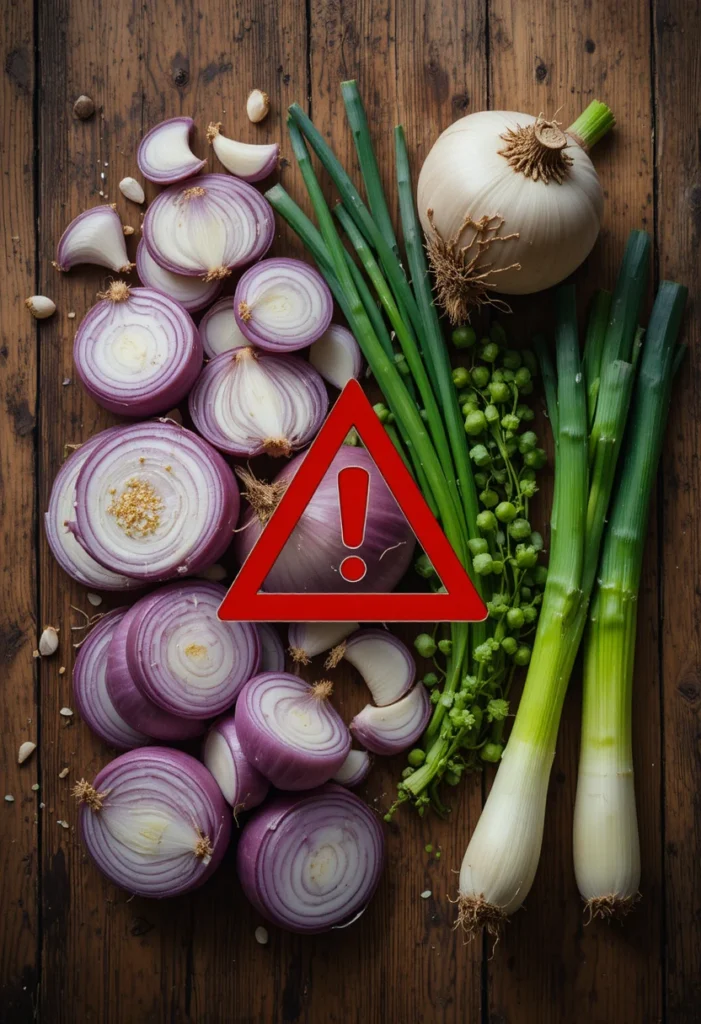
Onions and garlic belong to the Allium family, and they all contain a compound that damages a dog’s red blood cells, leading to a dangerous condition called hemolytic anemia. This applies to onions and garlic in any form raw, cooked, powdered, or dehydrated.
Here’s what makes this one sneaky: garlic and onion powder are hiding in broths, gravies, seasoned meats, and baby food (which some owners use as a bland-diet substitute). Always check labels.
Symptoms may be delayed several days after ingestion and include pale gums, weakness, elevated heart rate, and orange or dark-colored urine.
4. Xylitol (Artificial Sweetener)
If there’s one ingredient that deserves its own warning label in every pet-owning household, it’s xylitol. This sugar substitute is found in sugar-free gum, candy, peanut butter, baked goods, and even some toothpaste and vitamins.
Xylitol triggers a dangerous, rapid insulin release in dogs, causing blood sugar to crash within 10–60 minutes of ingestion. In higher doses, it can also cause liver failure.
Symptoms include: vomiting, weakness, loss of coordination, collapse, and seizures.
Because xylitol acts so fast, this is one of the few food emergencies where minutes genuinely matter. Always check peanut butter labels before sharing a spoonful with your dog “sugar-free” varieties are increasingly common and dangerously easy to miss.
5. Macadamia Nuts
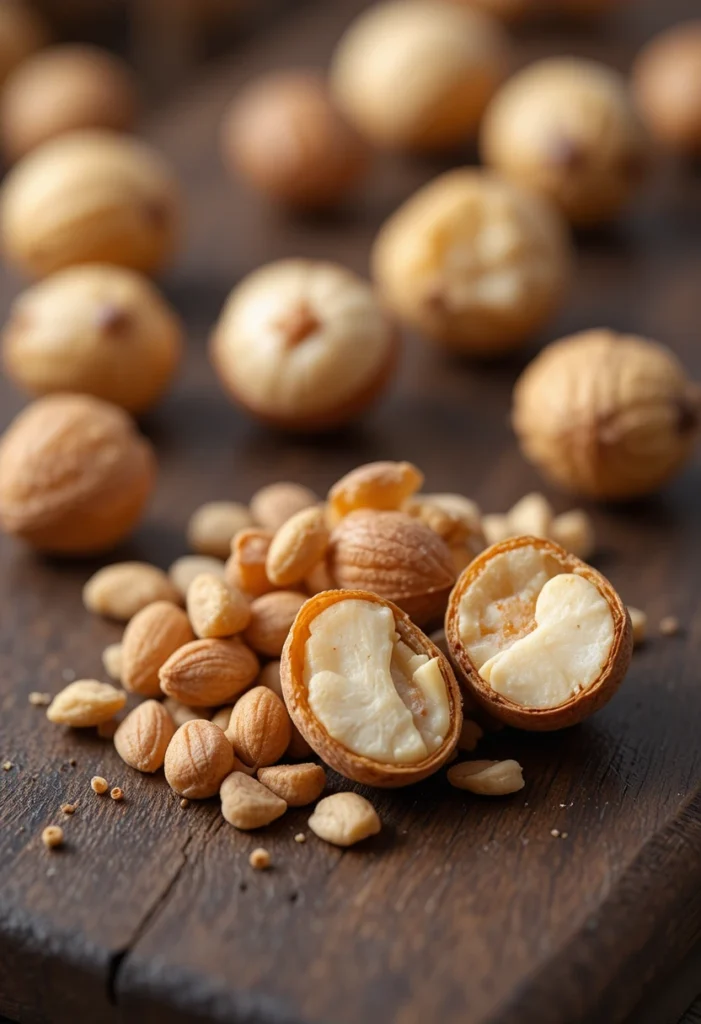
Macadamia nuts are toxic to dogs even in small quantities, though the exact toxin responsible still isn’t fully understood by veterinary science.
Symptoms include: weakness (especially in the hind legs), vomiting, tremors, elevated body temperature, and difficulty walking. Symptoms typically appear within 12 hours.
The good news: macadamia nut poisoning is rarely fatal on its own, but it’s still an emergency that requires veterinary attention and it’s miserable and frightening for your dog to go through.
6. Avocado
Avocado toxicity is a bit more nuanced than some of the other items on this list, but it still earns its spot. Avocados contain a substance called persin, which can cause vomiting and diarrhea in dogs.
More concerning than persin, though, is the fat content and the pit itself. Avocado is high in fat, which puts dogs at risk of pancreatitis a painful and potentially life-threatening inflammation of the pancreas. The pit is also a serious choking and intestinal blockage hazard.
Bottom line: even though small amounts of avocado flesh are unlikely to cause severe toxicity, it’s simply not worth the risk.
7. Alcohol
This should go without saying, but alcohol including beer, wine, liquor, and unbaked dough containing yeast (more on that below) is highly toxic to dogs. Their smaller body size means even a small amount can cause significant harm.
Symptoms include: vomiting, disorientation, difficulty breathing, tremors, and dangerously low body temperature. Severe cases can lead to coma or death.
Keep an eye on unattended drinks at parties and gatherings curious dogs can lap up spilled cocktails or beer faster than you’d expect.
8. Caffeine
Coffee, tea, energy drinks, and even some sodas contain caffeine a stimulant with effects on dogs similar to chocolate, since both belong to the same chemical family (methylxanthines).
Symptoms include: restlessness, rapid breathing, heart palpitations, muscle tremors, and seizures in severe cases.
Coffee grounds and tea bags are particularly dangerous because they’re concentrated. A dog that gets into the trash and chews on used coffee grounds can ingest a surprisingly potent dose.
9. Raw or Undercooked Meat and Eggs
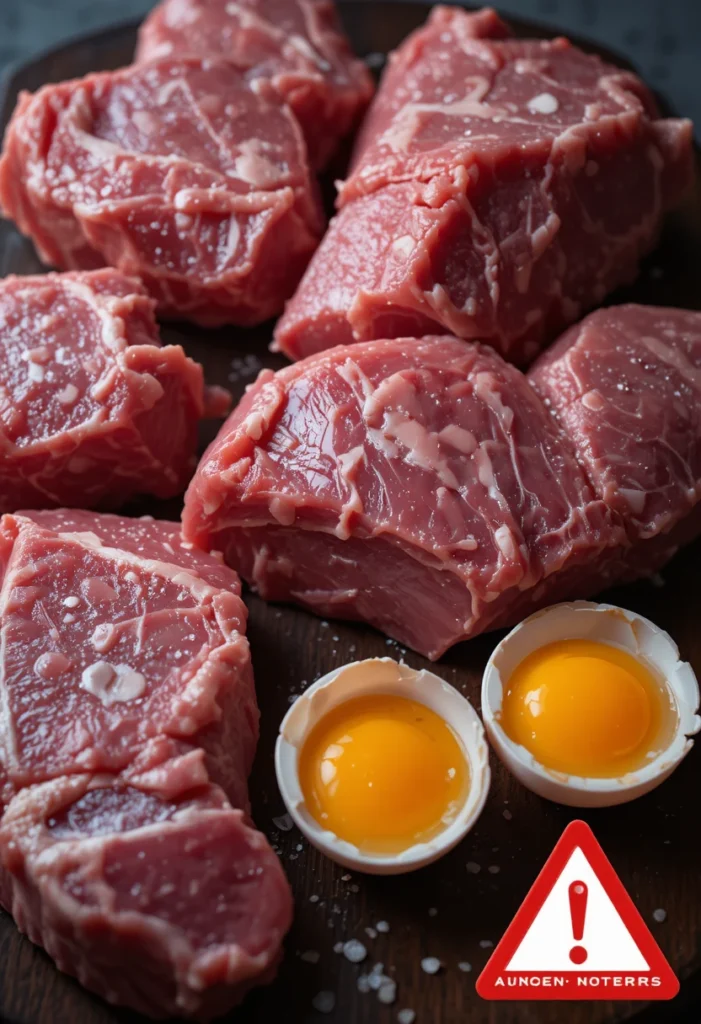
While raw diets have become trendy in some pet-owner circles, raw meat and eggs carry real risks. They can harbor Salmonella and E. coli, leading to food poisoning in both dogs and the humans handling their food.
Raw egg whites also contain an enzyme called avidin, which interferes with biotin absorption and can eventually lead to skin and coat problems if fed regularly.
Symptoms of bacterial food poisoning include: vomiting, diarrhea, lethargy, and fever, often appearing anywhere from six hours to three days after ingestion.
10. Cooked Bones
It seems natural to hand your dog a bone from your dinner plate but cooked bones are a genuine danger. Cooking makes bones brittle, meaning they can splinter as your dog chews, creating sharp fragments that can tear the throat, esophagus, or intestines.
Even when they don’t splinter, bone fragments are a leading cause of choking and intestinal blockages in dogs, sometimes requiring emergency surgery to remove.
Safer alternative: Talk to your vet about vet-approved chew toys or raw, uncooked bones designed specifically for dogs (and always supervise chewing).
11. Yeast Dough
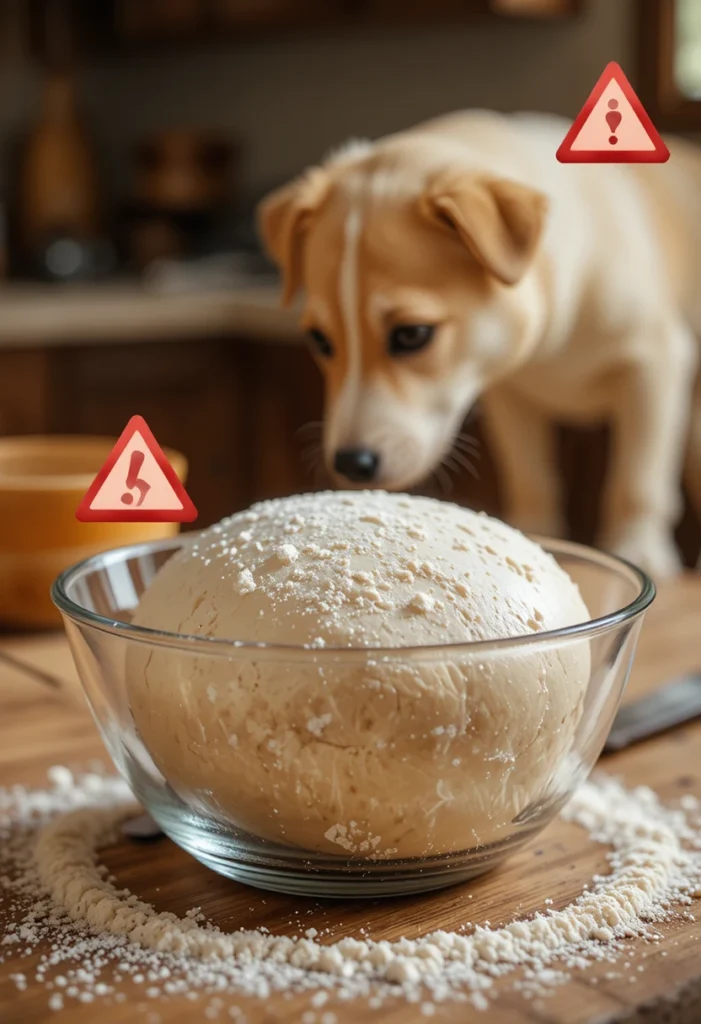
Unbaked bread dough is more dangerous than most owners realize. When a dog eats raw dough, the warm, moist environment of their stomach causes the yeast to continue rising which can lead to a painful, gas-filled stomach and even a life-threatening condition called bloat (gastric dilation-volvulus).
On top of that, the fermenting yeast produces ethanol as a byproduct, meaning your dog can essentially become intoxicated from eating dough.
Symptoms include: a visibly swollen abdomen, unproductive retching, disorientation, and weakness this is a true emergency requiring immediate veterinary care.
12. Salty and Salt-Heavy Snacks
Chips, pretzels, salted popcorn, and cured meats might seem harmless, but too much sodium can lead to excessive thirst, urination, and if your dog doesn’t have consistent access to water — a dangerous condition called sodium ion poisoning.
Symptoms include: vomiting, diarrhea, tremors, elevated temperature, and in severe cases, seizures.
Quick tip: if you’re sharing “safe” snacks like plain popcorn with your dog, skip the butter and salt entirely.
13. Fatty and Fried Foods
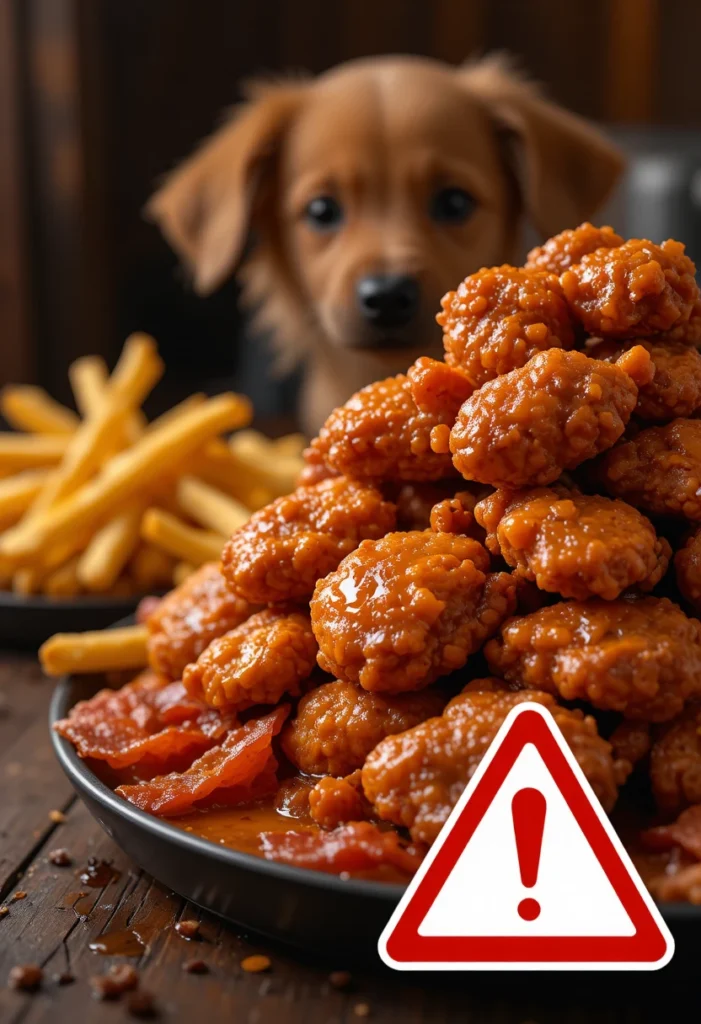
Bacon grease, fried chicken skin, and fatty meat trimmings might be tempting to slip under the table, but high-fat foods are one of the most common triggers for pancreatitis in dogs a condition that can cause severe abdominal pain, vomiting, and in serious cases, organ damage.
Small dogs are especially vulnerable, since it doesn’t take many extra fatty calories to overwhelm their digestive system.
Symptoms include: vomiting, abdominal pain, lethargy, and loss of appetite, sometimes appearing a day or two after the fatty meal.
14. Cherry, Peach, Plum, and Apricot Pits
The fruit flesh of cherries, peaches, plums, and apricots isn’t necessarily dangerous on its own, but the pits contain cyanide, a compound that interferes with your dog’s ability to transport oxygen through their blood.
Symptoms of cyanide exposure include: dilated pupils, bright red gums, and difficulty breathing.
Beyond the cyanide risk, pits are also a serious choking hazard and can cause intestinal blockages requiring surgery. If you share stone fruits with your dog, always remove the pit and stem first.
15. Dairy Products
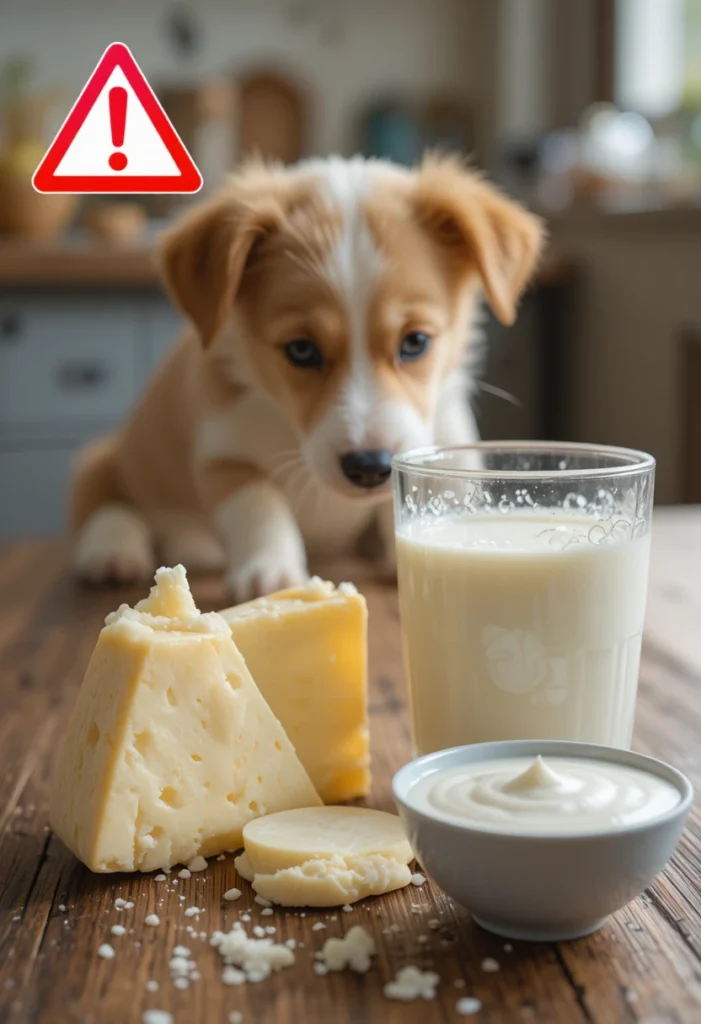
Many dogs are lactose intolerant to some degree, lacking enough of the enzyme needed to properly digest milk sugar. While a lick of plain yogurt won’t send most dogs to the ER, regularly feeding milk, cheese, or ice cream can lead to ongoing digestive upset.
Symptoms include: gas, bloating, diarrhea, and vomiting, especially after larger servings.
If you want to share a dairy-based treat, look for small amounts of plain, low-lactose options like a bit of plain yogurt and always watch how your individual dog reacts.
Bonus: Nutmeg
Often overlooked, nutmeg contains a compound called myristicin, which in large amounts can cause hallucinations, high blood pressure, seizures, and abdominal pain in dogs. It’s rarely fatal, but it’s still worth keeping baked goods with heavy nutmeg content out of paw’s reach.
Quick recap the 13+ foods dogs cannot eat:
- Chocolate
- Grapes & raisins
- Onions, garlic, leeks & chives
- Xylitol
- Macadamia nuts
- Avocado
- Alcohol
- Caffeine
- Raw meat & eggs
- Cooked bones
- Yeast dough
- Salty snacks
- Fatty/fried foods
- Stone fruit pits
- Dairy (in excess)
Save this list it’s the kind of thing you’ll want to check fast, not search for later.
What to Do If Your Dog Eats a Toxic Food
If you catch your dog eating something from this list, don’t wait to see if symptoms show up. Here’s what to do:
- Stay calm and remove your dog from the food source immediately.
- Note the details what they ate, roughly how much, and when.
- Call your veterinarian or a pet poison control hotline right away.
- Never induce vomiting unless a vet specifically instructs you to doing so incorrectly can cause more harm in some cases.
- Get to an emergency vet if symptoms appear or if you were told to bring your dog in.
Fast action genuinely makes the difference between a scary scare and a serious medical emergency.
Frequently Asked Questions
What is the most toxic food for dogs?
Chocolate, grapes/raisins, and xylitol are generally considered the most dangerous, since even small amounts can cause life-threatening reactions.
How much chocolate is dangerous for a dog?
It depends on the dog’s size and the type of chocolate darker chocolate is significantly more dangerous. Because the safe threshold is hard to calculate at home, treat any chocolate ingestion as a reason to call your vet.
Can one grape hurt a small dog?
Possibly. Because vets can’t predict which dogs will react to grapes or how much it takes, even a single grape warrants caution and close monitoring or a call to your vet if you’re unsure.
Is peanut butter safe for dogs?
Plain peanut butter without xylitol is generally safe in moderation. Always check the label, since more brands are quietly adding xylitol as a sugar substitute.
What human foods are actually safe for dogs?
Plain cooked chicken, carrots, green beans, blueberries, and apple slices (without seeds or core) are commonly considered safe in moderation. When in doubt, check with your vet before introducing a new food.
The Bottom Line
Keeping your dog safe isn’t about eliminating all human food from their life it’s about knowing exactly which foods to keep locked away. The 13+ foods dogs cannot eat listed above cover the most common (and most dangerous) culprits found in almost every kitchen.
The best prevention is simple: store risky foods out of reach, double-check labels for hidden ingredients like xylitol and onion powder, and make sure everyone in your household including guests knows what’s off-limits.