
Your dog won’t stop scratching. You’ve checked for fleas twice. The paw-licking at 2 a.m. is starting to feel personal. And somewhere in the back of your mind, you’re wondering if the bag of kibble sitting in your pantry is actually the problem.
Here’s the thing: it very well might be. Food allergies rank among the most overlooked causes of chronic itching, ear infections, and upset stomachs in dogs and most owners spend months (and a small fortune in vet visits) before anyone points a finger at the food bowl.
Save this guide before you head to the pet store because below, you’ll find 12+ vet-backed dog food picks organized by exactly what your dog needs, whether that’s a simple chicken-free swap or a prescription-strength hydrolyzed formula. Pick number six is the one most owners don’t try until they’ve already spent hundreds on the wrong solution so don’t skip it.
How to Know If It’s Actually a Food Allergy
Not every itchy dog has a food allergy. Environmental allergies (pollen, dust, mold) cause similar symptoms, and the two often overlap, which is exactly why so many dogs get misdiagnosed for years.
Watch for this cluster of signs, especially if they show up together or don’t respond to flea and tick treatment:
- Persistent itching that isn’t seasonal (environmental allergies tend to flare with pollen counts; food allergies don’t)
- Paw licking or chewing, often bad enough to stain the fur reddish-brown
- Recurring ear infections head shaking, odor, or redness inside the ear flap
- Chronic soft stools, gas, or vomiting
- Hot spots or hair loss, particularly around the face, ears, and belly
If your dog is dealing with two or more of these year-round, food is worth investigating. The gold-standard way to confirm it isn’t a blood test it’s a proper elimination diet, which we’ll walk through further down.
What Actually Causes Food Allergies in Dogs
Here’s a myth worth killing early: grain is rarely the culprit. Most owners reach for “grain-free” bags first, and most of the time, it does nothing, because the immune system isn’t reacting to the rice or oats it’s reacting to a protein.
The most common triggers, in order, tend to be:
- Chicken
- Beef
- Dairy
- Egg
- Wheat (a real but less frequent offender)
- Lamb, in dogs with longer exposure histories
So what does this mean for you? It means the fix usually isn’t a fancier bag of food it’s a simpler one. Fewer ingredients, one protein source, and ideally a protein your dog has genuinely never eaten before.
How We Narrowed Down These 12+ Best Dog Food for Allergies Ideas
Every pick below was chosen against the same criteria a veterinary nutritionist would use, not just star ratings:
- Single, identifiable protein source no vague “meat meal” or blends
- Novel or hydrolyzed protein options for dogs who’ve already reacted to the usual suspects
- Minimal, transparent ingredient decks with no unnecessary fillers
- Support for skin and coat health (omega-3s, omega-6s) since allergic dogs often have compromised skin barriers
- A mix of budget levels and delivery formats kibble, fresh, freeze-dried, and prescription because not every dog (or wallet) needs the same route
12+ Best Dog Food for Allergies Ideas
Here’s the full lineup, organized from easiest first step to most clinical option, so you can find exactly where your dog fits.
1. Zignature Best for Chicken-Allergic Dogs
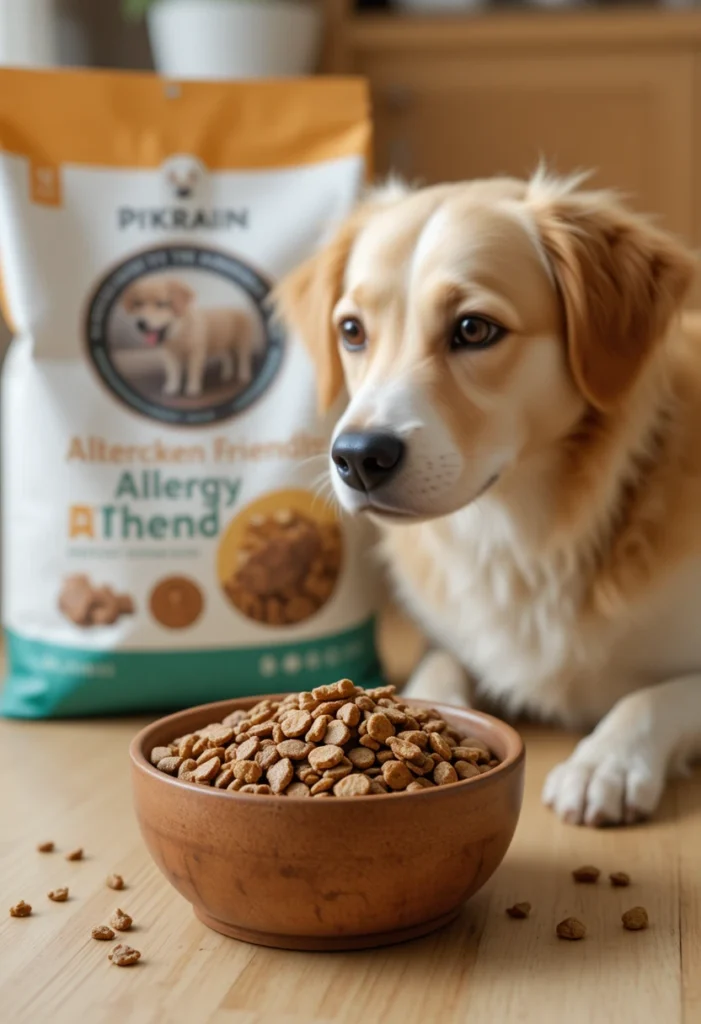
Zignature’s entire lineup is chicken-free, which matters enormously since chicken is the single most common canine food allergen. The brand leans hard into novel proteins kangaroo, trout, catfish, duck, venison making it one of the easiest ways to find a protein your dog has genuinely never been exposed to. It’s a strong first stop for owners just starting an elimination diet.
Best for: Chicken-sensitive dogs and true elimination-diet starters.
Read Also: 12+ Grain-Free Dog Food Pros and Cons Every Owner Should Know Before Switching
2. Natural Balance Limited Ingredient Diets Best Variety
This is the line most vets mention first, and for good reason. Every recipe uses a single animal protein with a short, limited ingredient list no hidden by-products, no mystery meat blends. It spans both grain-free and grain-inclusive formulas, plus proteins like salmon, duck, lamb, and venison, so you can test whether grain is even a factor for your dog.
Best for: Owners who want flexibility while running trial-and-error on triggers.
3. The Farmer’s Dog Best Fresh, Human-Grade Option
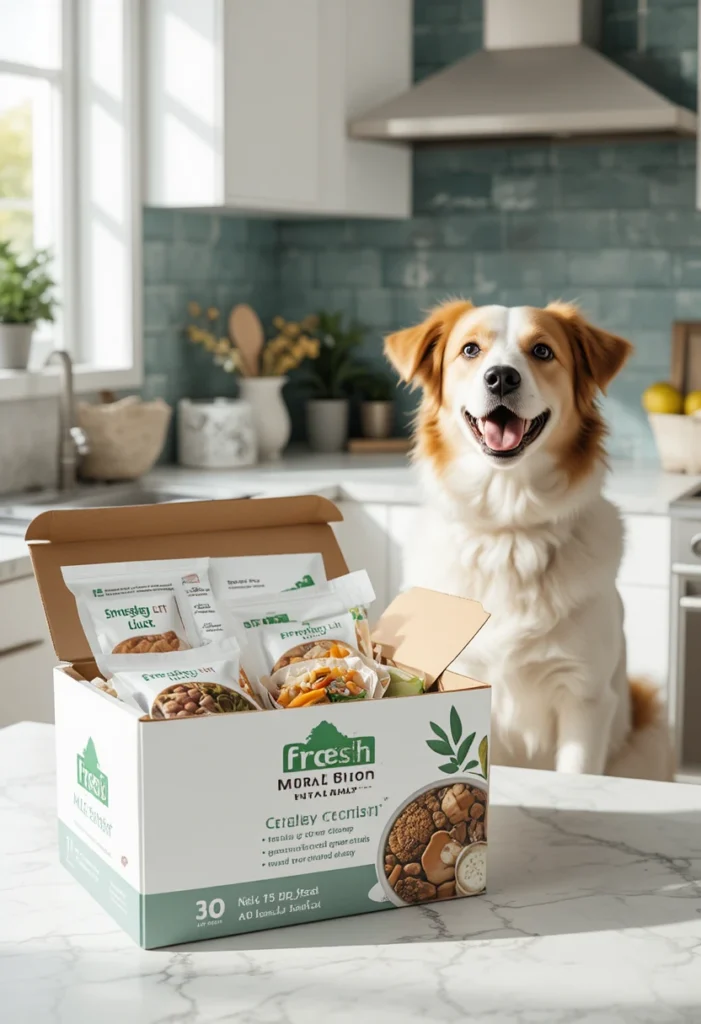
For dogs with more stubborn, unresolved allergy symptoms, fresh food sometimes succeeds where kibble hasn’t. The Farmer’s Dog ships gently cooked, human-grade recipes built around a single primary protein per formula (pork, beef, turkey), custom-portioned to your dog’s profile. Because the ingredient decks are short and traceable, it’s easier to isolate what’s actually in the bowl.
Best for: Dogs with sensitive stomachs on top of skin symptoms, and owners willing to invest in a subscription model.
4. Open Farm Best Ethically Sourced Limited Ingredient
Open Farm pairs limited-ingredient recipes with fully traceable, ethically raised protein sources. For allergy management specifically, the single-protein formulas work the same way as other LID brands but the transparency around sourcing is a genuine differentiator if you’re also trying to rule out low-quality fillers as an irritant.
Best for: Owners who want ingredient transparency alongside allergen control.
5. Just Food For Dogs Sensitive Skin Best for Skin-Focused Symptoms
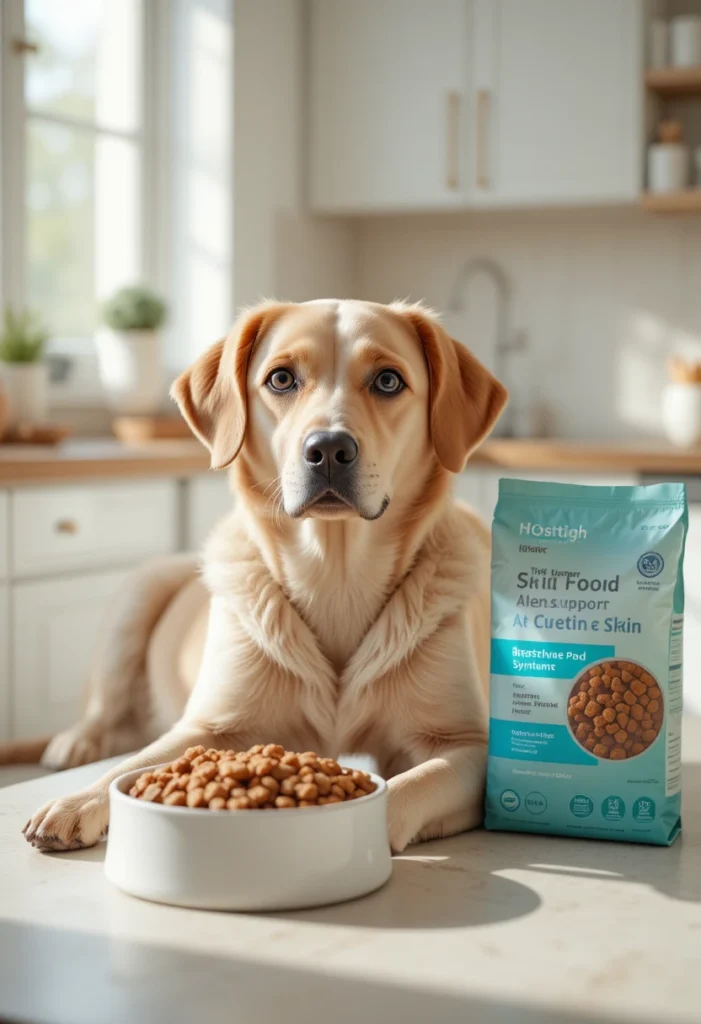
This fresh, frozen recipe is built around wild-caught white fish, formulated specifically around omega-3 and omega-6 fatty acids that support the skin barrier which matters because allergic dogs often have a compromised skin barrier that makes symptoms worse. It’s vet-nutritionist developed with a fully transparent ingredient deck.
Best for: Dogs whose primary symptom is skin irritation rather than digestive upset.
6. Purina Pro Plan Veterinary Diets HA Hydrolyzed Best for Severe, Diagnosed Allergies
This is the pick most owners skip until they’ve already tried three other bags and it’s often the one that actually works. Hydrolyzed diets break proteins down into peptides so small the immune system can’t recognize them as an allergen at all. It’s not something you grab off a shelf casually; it requires a vet diagnosis and prescription, but for dogs with true, confirmed food allergies, it’s considered a diagnostic gold standard.
Best for: Vet-diagnosed food allergies that haven’t responded to over-the-counter options.
7. Hill’s Prescription Diet Derm Complete Best for Combined Food + Environmental Allergies
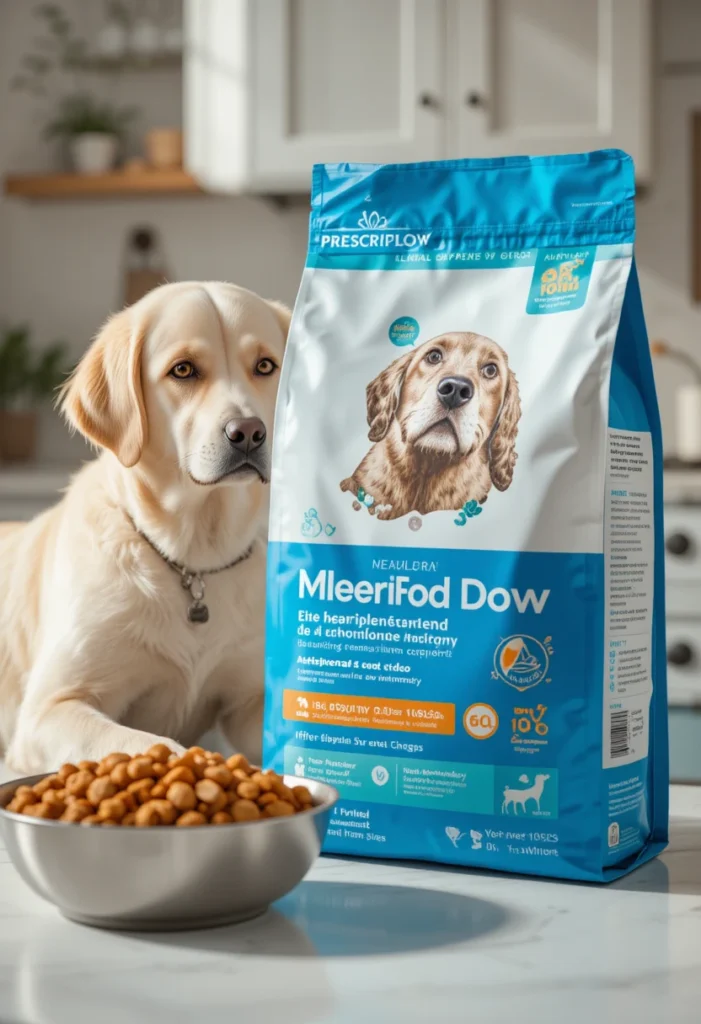
Because environmental and food allergies frequently overlap, this formula is built to support both at once combining a novel protein base with skin-barrier-supporting nutrients. It’s a strong option when your vet suspects your dog isn’t dealing with just one type of allergy.
Best for: Dogs with a mixed diagnosis of food and seasonal/environmental sensitivities.
8. Royal Canin Hydrolyzed Protein (HP) Best Vet-Prescribed Alternative
Similar in concept to the Purina HA line, Royal Canin’s hydrolyzed formula is another prescription-tier option vets commonly rotate between, depending on which protein source and formulation best suits your individual dog. Having more than one hydrolyzed option matters because dogs can occasionally react differently between brands even within the same category.
Best for: Dogs who need a hydrolyzed diet but haven’t responded well to a different hydrolyzed brand.
9. Petaluma Adult Baked Recipe Best Plant-Based Full Switch
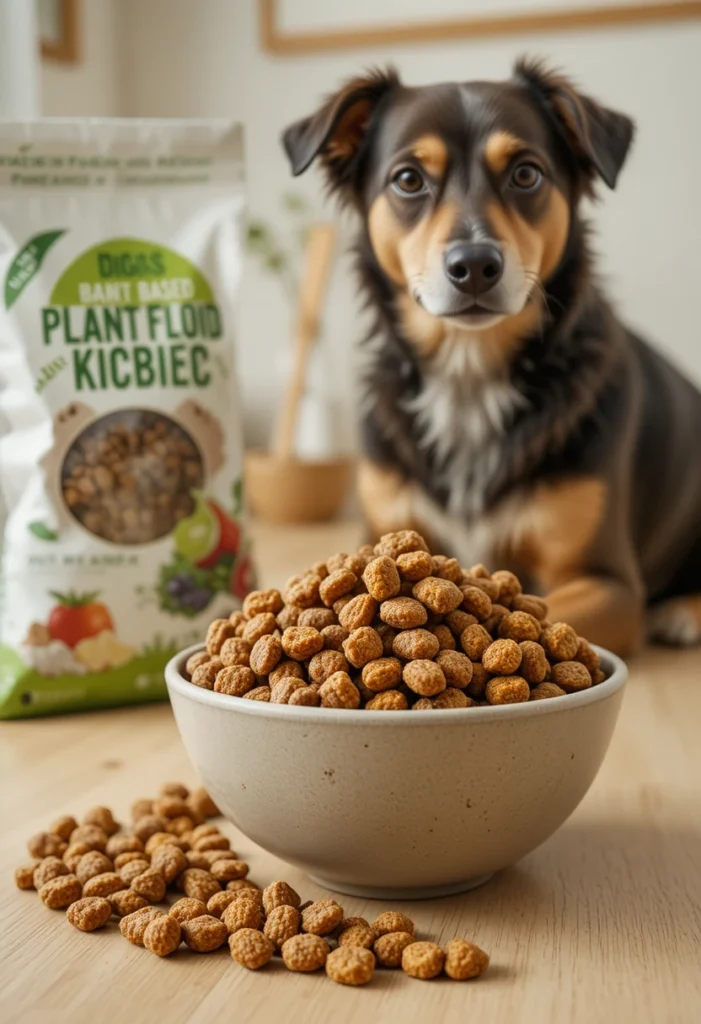
Here’s a pick many owners don’t expect: a complete plant-based diet. Because beef, dairy, and chicken are three of the top confirmed canine allergens, and all three are animal-based, a well-formulated plant-based recipe eliminates them in a single move. Petaluma’s baked recipe is designed as a full dietary switch, not just a topper.
Best for: Dogs with confirmed allergies to multiple common animal proteins.
10. V-Dog Kind Kibble Best Plant-Based Runner-Up
A solid second plant-based option if the first doesn’t agree with your dog’s palate or digestion. Like Petaluma, it sidesteps beef, chicken, and dairy entirely, which can be a relief for dogs who’ve reacted to more than one animal protein already.
Best for: Multi-protein-sensitive dogs who need a plant-based backup option.
11. Wellness Simple Limited Ingredient Diet Best Budget-Friendly Pick
Allergy management doesn’t have to break the bank. Wellness Simple keeps the ingredient list short and built around a single novel protein (like salmon or duck), without the premium price tag of fresh or prescription options a practical middle ground for long-term feeding once you’ve identified a safe protein.
Best for: Budget-conscious owners maintaining a diet after the trigger’s been identified.
12. Blue Buffalo Basics Limited Ingredient Best Widely Available Option
If you’d rather not order online or wait on a subscription, this line is stocked in most major pet retailers and still holds to the limited-ingredient, single-protein standard that matters for allergy control a convenient option when you need to restock quickly.
Best for: Owners who want a limited-ingredient formula available same-day, locally.
Bonus: Rotational Novel-Protein Toppers
If your dog has cycled through the usual novel proteins already, look for rotating options featuring rabbit, kangaroo, or insect-based protein genuinely rare exposures for most dogs, and increasingly available as toppers or mixers rather than full diet switches. These work well layered onto a base limited-ingredient kibble.
Grain-Free vs. Limited-Ingredient vs. Hydrolyzed: Which Route Fits Your Dog?
Quick summary, in case you only remember one section of this whole guide:
- Grain-free solves almost nothing on its own skip it unless your vet has specifically flagged a grain sensitivity.
- Limited-ingredient / novel-protein diets are the right first step for most dogs starting an allergy investigation. Options 1–5 and 9–12 above fall here.
- Hydrolyzed prescription diets are for dogs with a confirmed, diagnosed allergy that hasn’t resolved with a novel protein switch. Options 6–8 above fall here, and they require a vet’s involvement.
Think of it as a ladder: start at limited-ingredient, escalate to hydrolyzed only if your vet confirms it’s needed.
How to Run a Proper Elimination Diet (Step by Step)
Switching bags randomly rarely works the process matters as much as the food itself.
- Pick one novel or hydrolyzed protein your dog has never eaten before, and commit to it exclusively.
- Cut out all treats, table scraps, and flavored medications during the trial even a single stray ingredient can invalidate the results.
- Stick with it for a full 8 weeks. Symptoms often take that long to fully settle, so switching early is the most common reason elimination diets “fail.”
- Track symptoms weekly itching frequency, stool quality, ear odor so you have real data, not just a vague impression.
- Reintroduce old ingredients one at a time, watching for a flare-up, once symptoms have cleared. This step confirms the actual trigger rather than just guessing.
Pin this list so you have the steps handy when you start the trial most owners give up around week three, right before results usually show up.
Frequently Asked Questions
How long before I see improvement after switching foods?
Most dogs show noticeable improvement within 4–8 weeks, though skin and coat changes can take slightly longer than digestive symptoms to resolve.
Can a food allergy develop suddenly in an older dog?
Yes. Allergies typically develop after repeated exposure, so a dog can eat the same protein for years before reacting to it.
Is grain-free food better for allergies?
Usually not. True grain allergies are uncommon; the far more likely culprit is an animal protein like chicken, beef, or dairy.
Do I need a vet to start an elimination diet?
You can start with an over-the-counter novel-protein or limited-ingredient diet on your own, but a vet should confirm the diagnosis and guide you toward a hydrolyzed prescription diet if symptoms don’t improve.
What’s the difference between a food allergy and a food intolerance?
A true allergy involves the immune system and tends to cause skin symptoms; an intolerance is a digestive sensitivity without an immune response. Both are managed similarly through diet.
Final Thoughts
Chronic itching and ear infections wear down both you and your dog but the fix is often simpler than it feels in the middle of it. Start with a limited-ingredient, novel-protein diet, give it the full 8 weeks it needs, and escalate to a hydrolyzed prescription formula with your vet only if symptoms persist.