
Bringing a puppy home is one of those experiences that rewires your entire schedule around one small, wobbly creature and somewhere between the potty training and the chewed-up slippers, you’ll find yourself standing in the pet food aisle wondering if you’re about to make a decision that affects your puppy for the next 15 years. You’re not overreacting. What a puppy eats during its first year quite literally builds the skeleton, joints, and immune system it will carry for life.
The problem is that “puppy food” has become one of the most confusing labels on any pet store shelf. Bags promise “premium,” “natural,” and “vet recommended” almost interchangeably, while the actual nutrition protein percentage, calcium-to-phosphorus ratio, DHA content, kibble size gets buried in fine print most owners never read. Pick the wrong formula for a large-breed puppy, for instance, and you can accelerate bone growth in a way that actually raises the risk of hip and joint problems later on.
This guide cuts through that noise. Below are 15+ of the best puppy foods available right now, organized so you can quickly find the right fit whether you’re raising a 4-pound Chihuahua or a future 90-pound Labrador plus everything you need to know about reading labels, transitioning foods, and avoiding the most common puppy-feeding mistakes.
Quick save-for-later tip: Pin this guide now so you can reference it every time you’re restocking your puppy’s food the needs change fast during that first year.
What Actually Makes a Puppy Food “Good”?
Before jumping into the list, it helps to know what you’re actually looking for, because marketing language rarely lines up with nutritional substance.
- AAFCO growth statement. Look for a label stating the food meets Association of American Feed Control Officials nutrient profiles for “growth” or “all life stages.” This is the single most reliable indicator that a food is actually formulated for puppies, not just labeled for them.
- Higher protein and fat than adult formulas. Growing puppies burn through energy fast and need more protein per pound of body weight than adult dogs to build muscle.
- DHA for brain and eye development. This omega-3 fatty acid, often sourced from fish oil, supports cognitive and vision development, especially in the first few months.
- Balanced calcium and phosphorus. This matters enormously for large- and giant-breed puppies. Too much calcium too fast can cause bones to grow abnormally, contributing to joint disorders down the line.
- Size-appropriate kibble. A toy breed and a Great Dane puppy shouldn’t be eating identically sized kibble it affects digestion, chewing habits, and even dental development.
- Life-stage and size-specific formulas. Many top brands now split their puppy lines by expected adult size (small/medium vs. large breed), which matters more than most owners realize.
With that foundation in place, here’s the full list.
The 15+ Best Puppy Foods, Organized by Category
Best Overall Dry Puppy Food

1. Hill’s Science Diet Puppy Chicken & Brown Rice Recipe
Backed by decades of in-house veterinary nutrition research, this formula pairs real chicken with brown rice and a nutrient blend built specifically to support steady, healthy growth. It’s frequently the top pick among veterinary panels because of its consistency and digestibility, though it does include chicken meal and some grains, which isn’t ideal if you’re seeking a grain-free option.
2. Purina Pro Plan Puppy Chicken & Rice Formula
Purina Pro Plan earns strong marks from vets for offering targeted formulas — including versions for toy breeds and dogs with sensitive skin and stomachs. The large-breed version includes fish oil for brain and visual development and is calibrated to prevent overly rapid growth in big dogs.
3. Royal Canin Size Health Nutrition Puppy
Royal Canin’s standout feature is its size-specific approach: formulas are adjusted by breed size and even breed in some lines (Golden Retriever, German Shepherd, etc.), tailoring kibble shape, calorie density, and nutrient ratios to genuinely different growth patterns.
Read Also: 12+ Genius Puppy Proofing Ideas to Keep Your New Dog Safe at Home
Best Fresh & Human-Grade Puppy Food

4. The Farmer’s Dog Puppy Recipe
Formulated by board-certified veterinary nutritionists, this fresh, gently cooked food is designed to meet the elevated calorie, protein, and nutrient needs of a growing puppy. It’s a favorite among vets who prioritize whole-food ingredients, though the cost and need for refrigeration make it a bigger commitment than kibble.
5. The Honest Kitchen Puppy Recipe
A human-grade, minimally processed option built around whole-food ingredients and superfoods. It appeals strongly to owners who want to see recognizable ingredients in the bowl rather than rendered meals or by-products.
Best Budget-Friendly Puppy Food
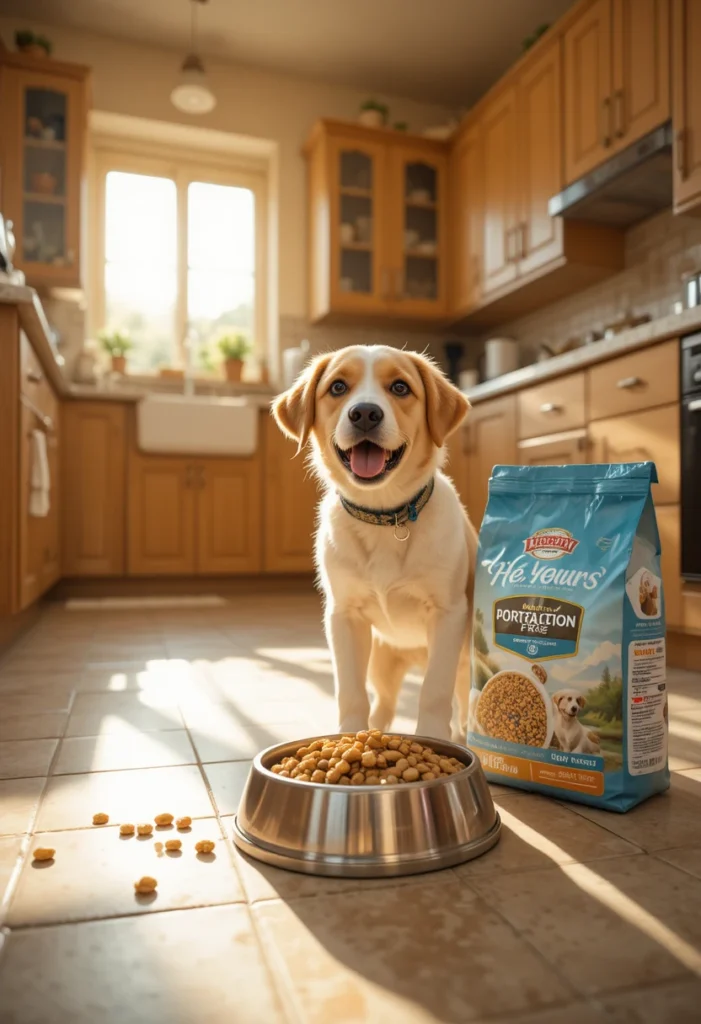
6. Purina ONE Plus High Protein Puppy Formula
A genuinely solid protein-to-fat ratio at a fraction of the cost of premium brands, with probiotics added for digestive support. A strong pick for owners who want quality nutrition without the premium price tag.
7. Iams Proactive Health Smart Puppy
Widely rated as one of the best value options on the market, offering a dependable nutrient profile for everyday growth needs, even if the ingredient list leans more conventional (chicken by-product meal, corn) than boutique brands.
Best Grain-Free Puppy Food
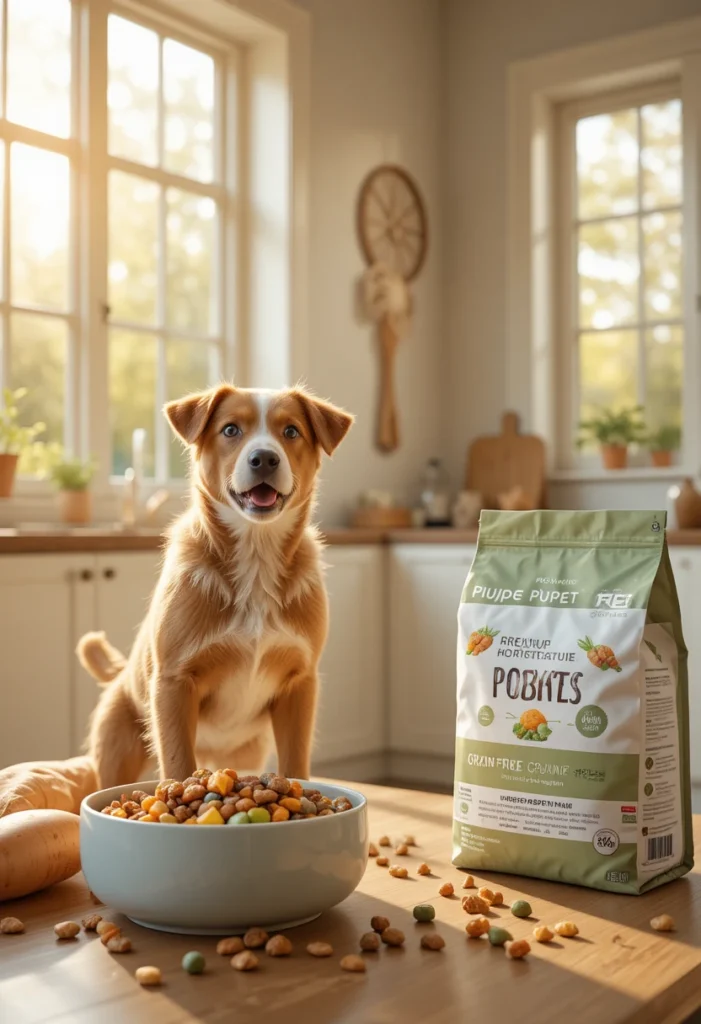
8. Blue Buffalo Life Protection Formula Puppy
Built around deboned chicken, brown rice alternatives, and antioxidant-rich vegetables and fruits, Blue Buffalo has built a loyal following for its “real ingredients first” philosophy. It’s widely available in most grocery and pet stores, making it an easy one to stick with long-term.
9. Taste of the Wild Puppy Formula
A grain-free option built around novel proteins like bison or venison alongside sweet potatoes, popular with owners of puppies who show sensitivity to more common proteins like chicken or beef.
Best Puppy Food for Sensitive Stomachs
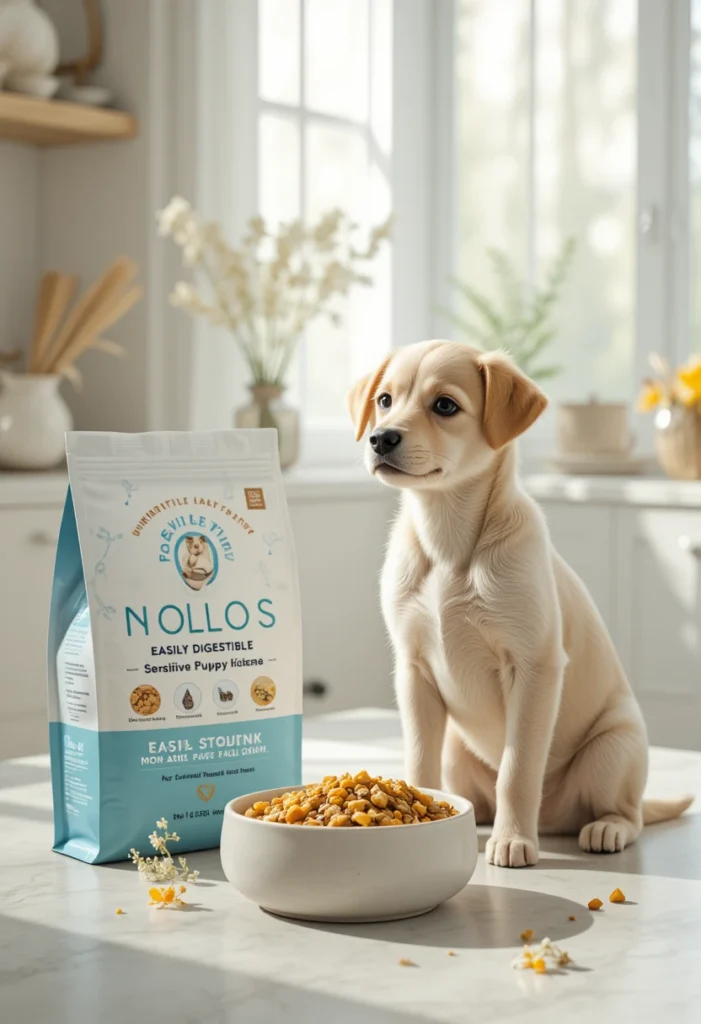
10. Purina Pro Plan Sensitive Skin & Stomach Puppy
Designed around easily digestible salmon and rice, with added prebiotic fiber to support gut health — a strong choice if your puppy has shown any signs of a sensitive digestive system during the food transition.
11. Wellness Complete Health Puppy
Formulated with deboned chicken and salmon meal alongside probiotics and antioxidants, this option is frequently recommended for puppies who need extra digestive support without switching to a full prescription diet.
Best Wet Puppy Food

12. Hill’s Science Diet Puppy Savory Stew with Chicken & Vegetables
A gravy-style wet food that’s especially appealing to picky eaters or puppies just transitioning off milk and onto solid food, thanks to its soft texture and recognizable vegetables.
13. Royal Canin Puppy Canned Formula
A complete and balanced wet option that pairs well with dry kibble for owners who like to mix textures, supporting hydration alongside nutrition useful for puppies who are slow to drink enough water on their own.
Best Puppy Food for Large & Giant Breeds
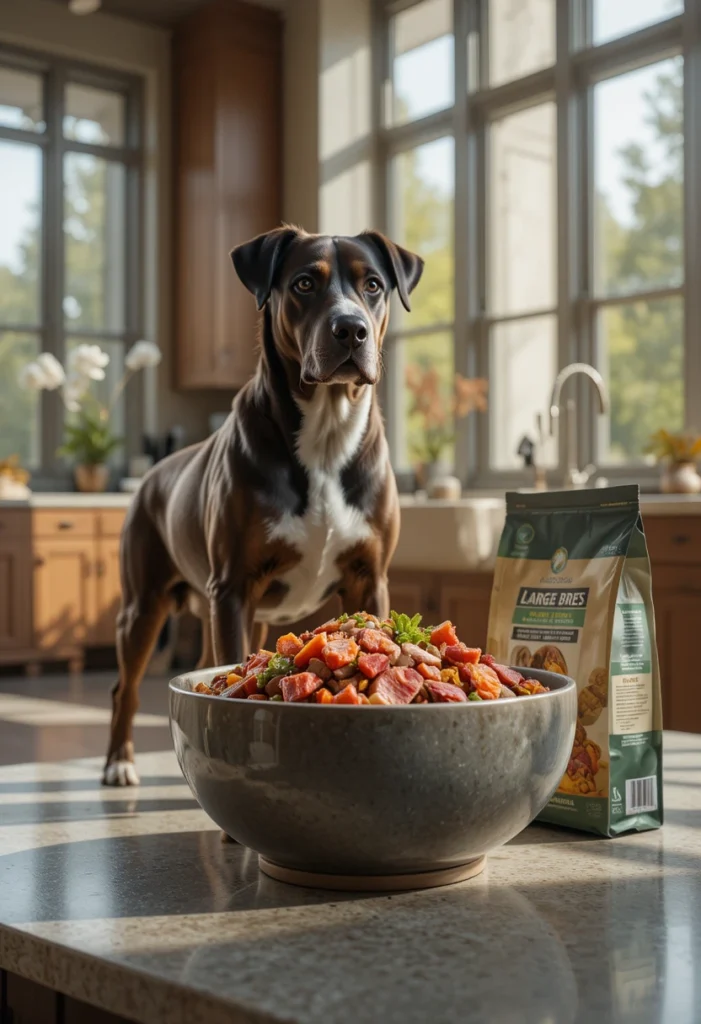
14. Royal Canin Giant Puppy
Specifically calibrated calcium and phosphorus levels to support controlled, steady growth in giant breeds, reducing the risk of developmental orthopedic issues that come from growing too fast.
15. Purina Pro Plan Large Breed Puppy
Built for dogs expected to exceed 50 pounds at maturity, with a nutrient profile designed to support a healthy growth rate rather than the fastest possible one an important distinction for large-breed joint health.
Bonus Picks Worth Knowing About
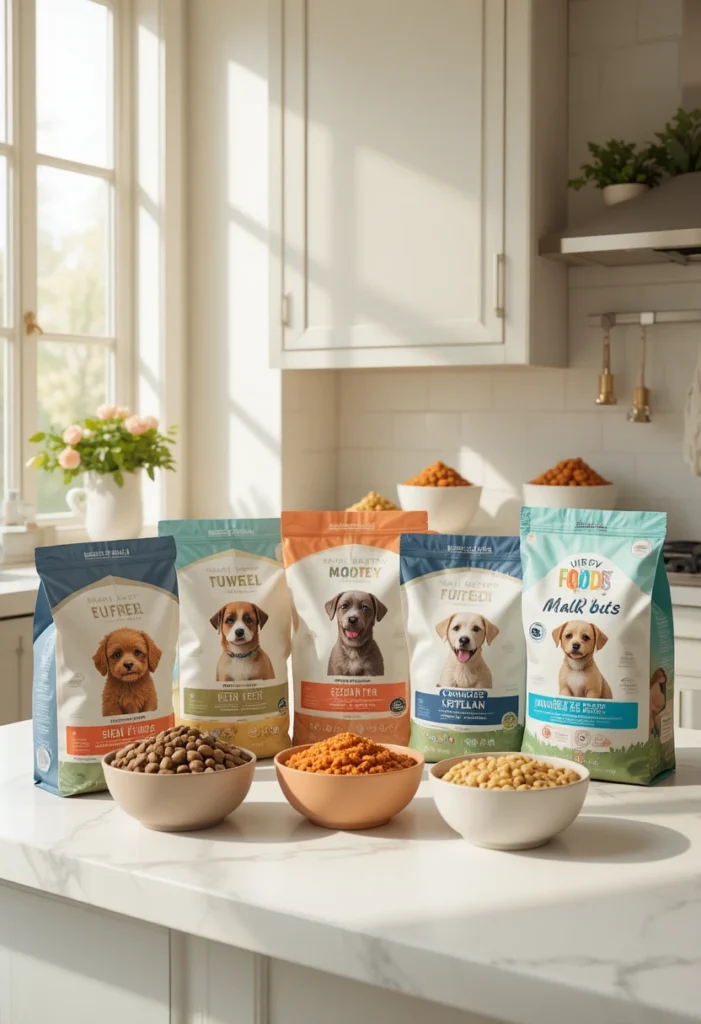
16. Solid Gold Puppy Wet Recipe (Grain & Gluten-Free)
A holistic, grain-free wet recipe favored by owners looking for a gentler, whole-food approach without grains or gluten.
17. Redbarn Puppy Formula
A newer name gaining traction for its clean ingredient sourcing and life-stage-specific nutrient balance, often recommended alongside more established brands.
Small Breed vs. Large Breed: Why One Bag Doesn’t Fit All
It’s tempting to grab whichever “puppy formula” bag is on sale, but breed size genuinely changes what your puppy needs.
- Small breeds (under 20 lbs at adulthood) burn energy faster relative to body size and benefit from calorie-dense, smaller kibble that’s easier for tiny mouths to chew.
- Large and giant breeds (50+ lbs at adulthood) need controlled calcium and phosphorus levels. Too-rapid bone growth in these breeds is a documented contributor to joint and hip problems later in life this is exactly why large-breed-specific formulas exist.
- Medium breeds generally do well on standard puppy formulas, but it’s still worth checking that the bag specifies a “growth” or “all life stages” AAFCO statement.
Dry, Wet, or Fresh: Which Format Should You Choose?
There’s no single right answer here many owners land on a combination.
- Dry kibble is affordable, shelf-stable, and supports dental health through chewing.
- Wet food tends to be more palatable for picky eaters and useful during the transition off milk.
- Fresh, gently cooked food offers whole-food ingredients and is favored by many vets, but comes at a higher price point and requires refrigeration.
Many owners find success feeding primarily dry kibble with a wet food topper, giving puppies the dental benefits of kibble and the palatability of wet food.
How to Safely Transition Your Puppy to a New Food
Sudden diet changes are one of the most common causes of puppy stomach upset. A gradual, 7–10 day transition slowly increasing the ratio of new food to old gives your puppy’s digestive system time to adjust without the diarrhea or vomiting that often comes with an abrupt switch.
Frequently Asked Questions
How long should a puppy eat puppy food?
Most puppies stay on puppy-specific formulas until around 12 months old, though small breeds may transition to adult food sooner, and large or giant breeds often need puppy formulas until 18–24 months.
How much should I feed my puppy?
Follow the feeding guidelines on the bag as a starting point, adjusted for your puppy’s actual weight and activity level, and check in with your vet if you’re unsure overfeeding is one of the most common (and most preventable) puppy health issues.
Is grain-free puppy food better?
Not necessarily. Grain-free is a good option for puppies with a specific grain sensitivity, but grains themselves aren’t inherently unhealthy for most puppies, and a properly AAFCO-formulated food with grains is nutritionally complete either way.
What’s the difference between puppy food and adult dog food?
Puppy food has higher protein, fat, and calorie density to support rapid growth, along with added DHA and carefully balanced calcium and phosphorus nutrient levels that would be excessive for a fully grown adult dog.
Should large-breed puppies eat a different food than small-breed puppies?
Yes. Large-breed puppies need controlled calcium and phosphorus to prevent overly rapid bone growth, which is why large-breed-specific puppy formulas exist as a distinct category.
Final Thoughts
The “best” puppy food isn’t a single universal answer it’s the formula that matches your puppy’s breed size, digestive sensitivity, and your own budget and lifestyle. Whether you land on a research-backed kibble like Hill’s Science Diet, a fresh option like The Farmer’s Dog, or a budget-friendly pick like Purina ONE, the most important factor is choosing a food that carries a genuine AAFCO growth statement and matches your puppy’s size category.