Does your dog howl, pace, chew furniture, or have accidents the moment you grab your keys? You’re not imagining it separation anxiety is one of the most common behavioral issues dog owners face, and it can turn a simple trip to the grocery store into a stressful event for both you and your pet.
The good news? Separation anxiety in dogs is manageable, and in many cases, fully treatable. In this guide, you’ll find 10+ practical, vet-informed strategies to help your dog feel calm, secure, and confident even when you’re not home.
What Is Separation Anxiety in Dogs?
Separation anxiety is a panic response that occurs when a dog is left alone or separated from their owner. It’s not about being “spoiled” or “misbehaving” it’s a genuine fear response rooted in your dog’s attachment to you. Some dogs experience mild distress, while others spiral into full-blown panic within minutes of being left alone.
Common Signs of Separation Anxiety
- Excessive barking, howling, or whining when left alone
- Destructive chewing, especially near doors and windows
- Indoor accidents despite being house-trained
- Pacing, drooling, or panting excessively
- Attempts to escape crates, rooms, or the house
- Following you from room to room obsessively
- Self-harm behaviors like excessive licking or chewing on themselves
If your dog shows several of these signs consistently when left alone, it’s likely more than boredom it’s anxiety that needs a structured approach to fix.
Why Do Dogs Develop Separation Anxiety?
Understanding the “why” helps you choose the right solution. Common triggers include:
- Change in routine — a new job schedule, a move, or a change in who’s home during the day
- Past trauma or rehoming — rescue dogs are especially prone to this
- Lack of alone-time training as a puppy
- Major life changes — a new baby, a breakup, or the loss of another pet in the household
- Over-attachment — dogs that are constantly with their owner and never taught independence
Now let’s get into the strategies that actually help.
1. Start With Short Departures and Build Up Gradually
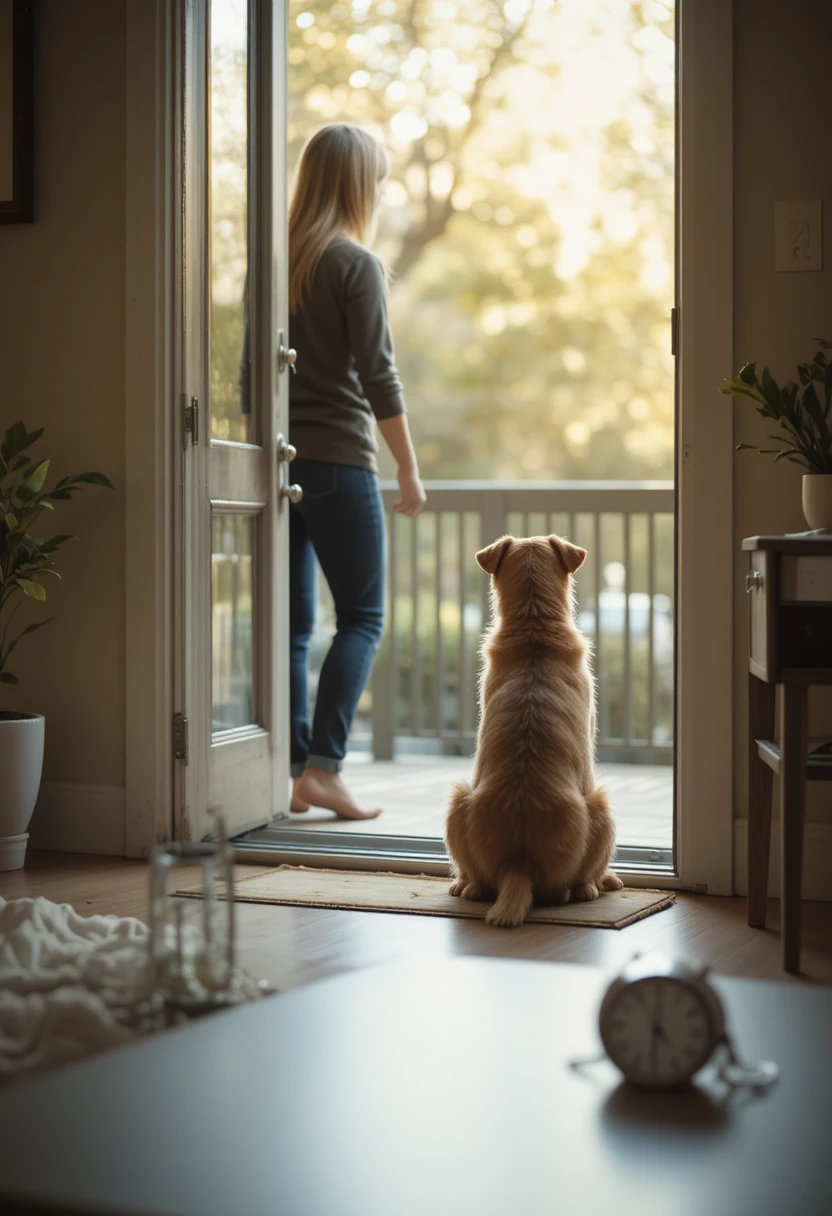
One of the biggest mistakes owners make is going from “always home” to “gone for 8 hours” overnight. Instead:
- Leave for just 2-3 minutes at first
- Return calmly before your dog becomes distressed
- Gradually increase the time you’re away 5 minutes, then 15, then 30, and so on
- The goal is to teach your dog that you always come back, and that being alone isn’t scary
This process, called desensitization, is considered the gold standard for treating separation anxiety by veterinary behaviorists.
2. Keep Arrivals and Departures Low-Key
Dogs pick up on emotional energy. If you make a big fuss when leaving (“Bye baby, mommy loves you, be good!”) or when returning (excited greetings, lots of physical affection), you’re reinforcing the idea that your absence is a big, emotional event.
Instead:
- Leave without dramatic goodbyes
- Ignore your dog for the first minute or two after you return
- Greet them calmly once they’re settled
This teaches your dog that comings and goings are normal, not something to get worked up about.
3. Create a Safe, Comfortable Space
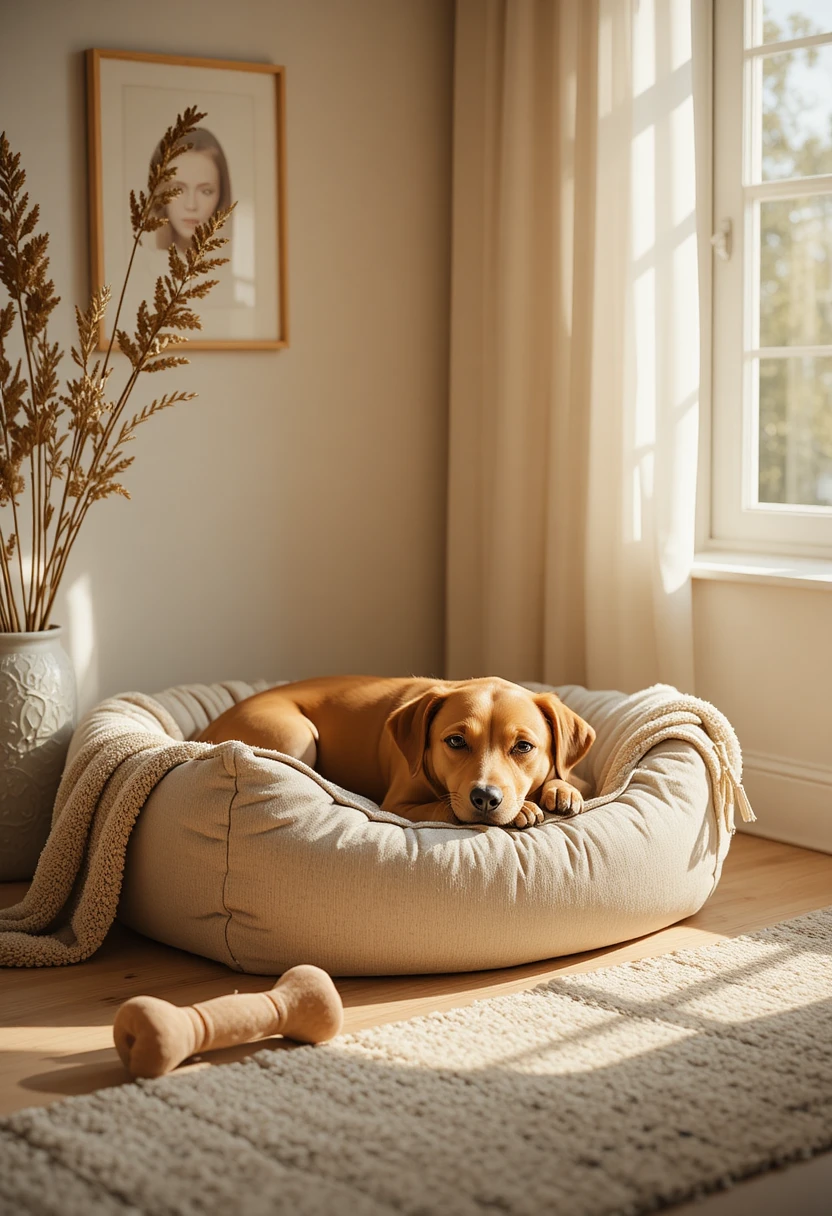
A designated “safe zone” whether it’s a crate, a specific room, or a cozy corner gives your dog a sense of security. To set this up well:
- Use a crate only if your dog already sees it as a positive space (never as punishment)
- Add a worn t-shirt with your scent
- Include a comfortable bed, water, and safe chew toys
- Keep the space consistent so it becomes a predictable, calming environment
4. Use Puzzle Toys and Long-Lasting Chews
Mental stimulation is one of the most effective natural anxiety reducers. Try:
- Frozen Kongs stuffed with peanut butter or wet food
- Snuffle mats
- Treat-dispensing puzzle toys
- Long-lasting dental chews
The goal is to redirect your dog’s focus from your absence to a rewarding, engaging activity.
5. Exercise Before You Leave
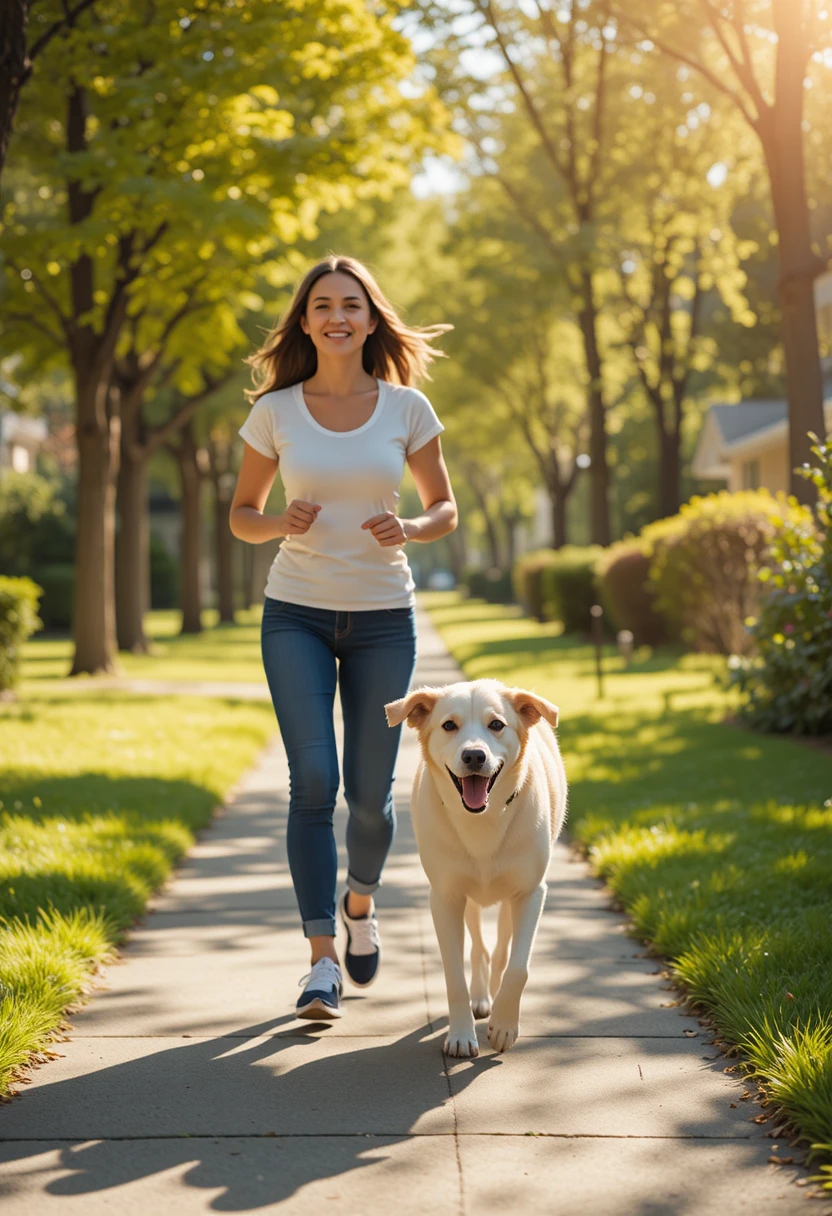
A tired dog is a calmer dog. Before leaving the house:
- Take your dog for a brisk 20-30 minute walk
- Add in mental exercises like basic obedience drills or scent games
- For high-energy breeds, consider a run or a game of fetch
Physical exertion releases pent-up energy and naturally lowers anxiety levels.
Read Also: How to Stop a Dog From Barking: 11+ Ideas That Actually Work
6. Practice “Independence Training” at Home
Even when you’re home, encourage your dog to spend time alone in another room. This might include:
- Closing a baby gate between rooms for short periods
- Rewarding calm behavior when they’re not glued to your side
- Avoiding constant physical contact throughout the day
This builds resilience and reduces hyper-attachment, which is often at the root of separation anxiety.
7. Try Calming Aids and Natural Supplements
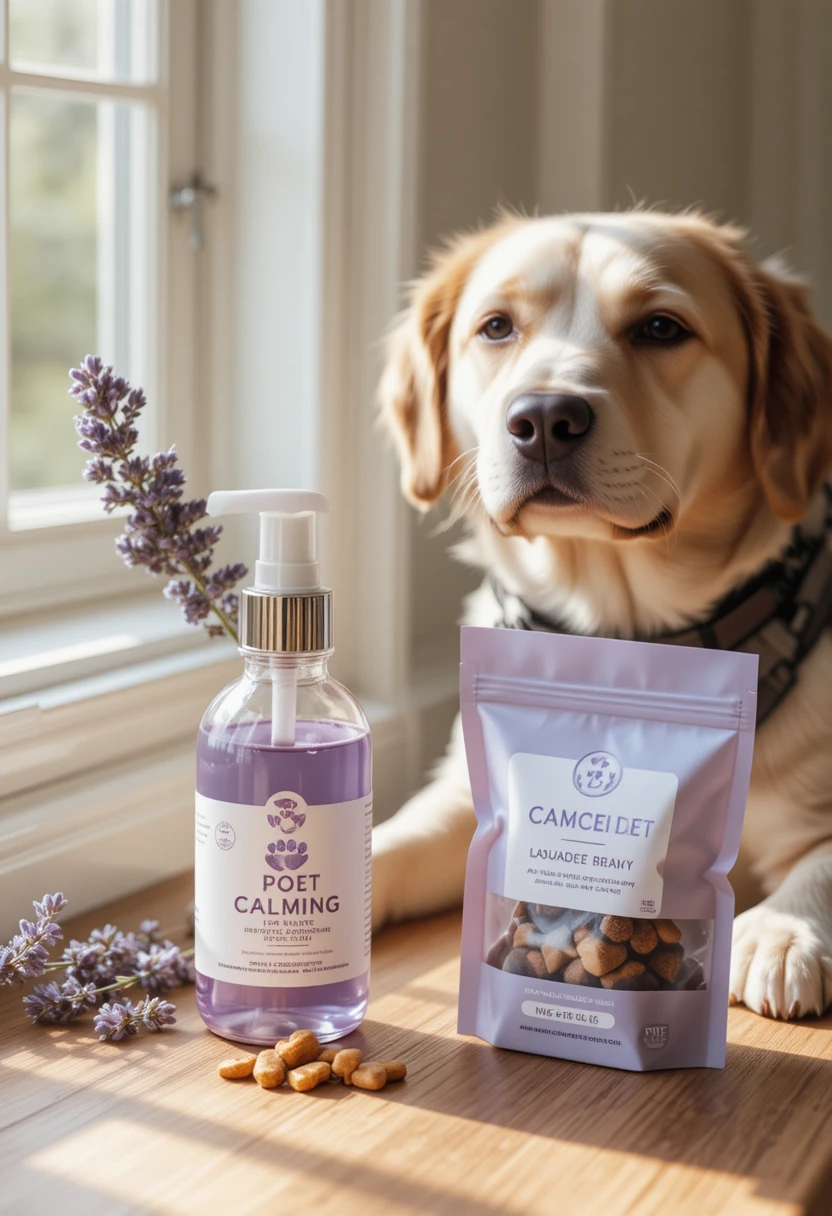
Several calming products can support (not replace) behavioral training:
- Pheromone diffusers (like Adaptil) mimic calming maternal pheromones
- Weighted or anxiety wraps (like ThunderShirts) apply gentle, constant pressure
- Calming chews with ingredients like L-theanine, chamomile, or melatonin
- Background noise white noise machines or calming music designed for dogs
Always consult your vet before introducing supplements, especially if your dog is on other medications.
8. Consider Doggy Daycare or a Dog Walker
If your dog struggles with long stretches alone, breaking up the day can make a huge difference:
- Doggy daycare a few days a week
- A midday dog walker
- A trusted neighbor or family member who checks in
Reducing total alone-time especially during the training phase takes pressure off your dog while you work on longer-term solutions.
9. Use Counter-Conditioning With Departure Cues
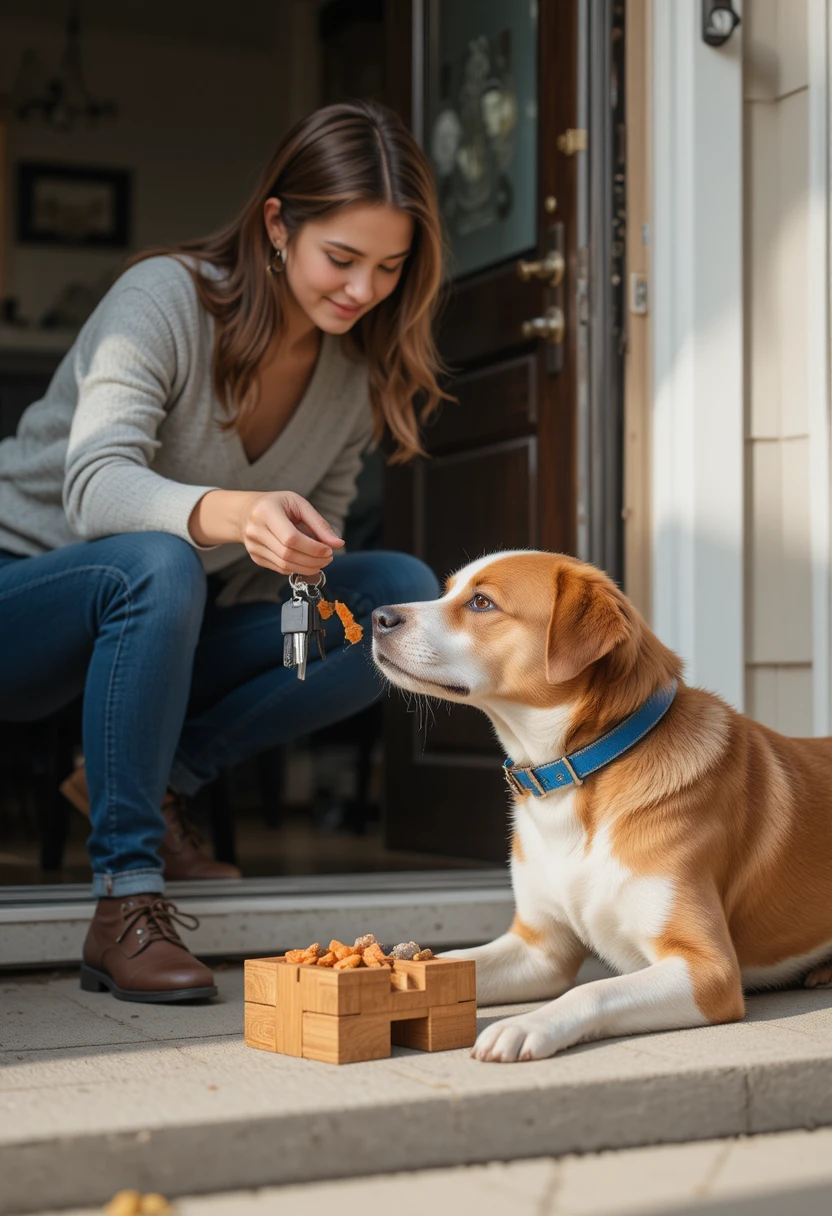
Dogs often become anxious the moment they see “leaving” signals picking up keys, putting on shoes, grabbing a bag. To break this association:
- Pick up your keys and then sit back down, repeatedly, without leaving
- Put on your shoes and walk around the house instead of leaving
- Practice these cues at random times throughout the day
Over time, your dog learns these signals don’t always mean abandonment, which reduces anticipatory anxiety.
10. Consider Professional Training or Behaviorist Support
For moderate to severe cases, working with a certified professional can make all the difference:
- A certified dog behaviorist can create a customized desensitization plan
- A veterinary behaviorist can assess whether anxiety medication is appropriate for severe cases
- Positive reinforcement trainers can help build confidence through structured exercises
There’s no shame in seeking help severe separation anxiety often requires expert guidance to resolve safely and effectively.
11. Try a Pet Camera for Monitoring and Interaction
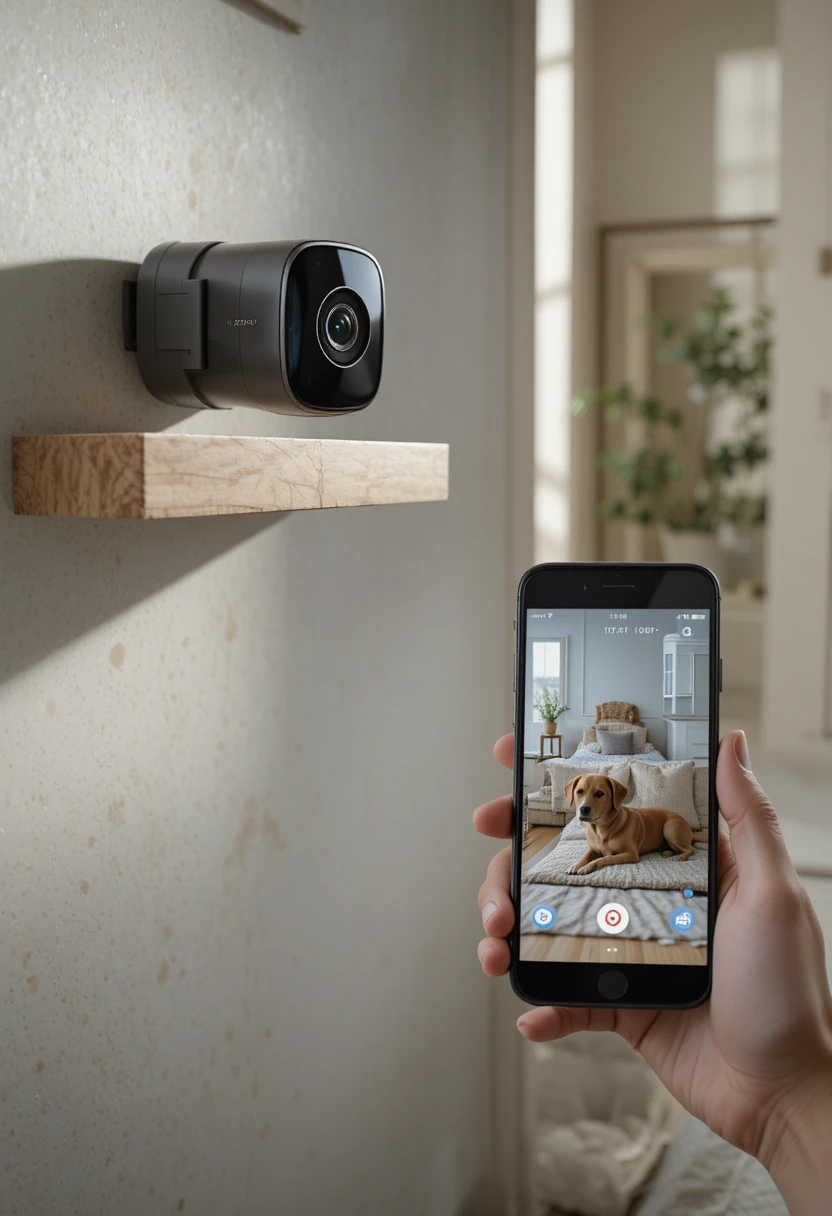
Modern pet cameras (like Furbo or Petcube) let you:
- Check in on your dog’s stress levels in real time
- Talk to them remotely for reassurance
- Dispense treats to reward calm behavior while you’re away
This can help you understand your dog’s specific anxiety patterns and track improvement over time.
12. Rule Out Medical Causes
Before assuming it’s purely behavioral, it’s worth ruling out medical issues that can mimic or worsen anxiety symptoms, such as:
- Cognitive dysfunction in senior dogs
- Pain or discomfort
- Thyroid imbalances
A quick vet visit can confirm whether there’s an underlying health factor contributing to the behavior.
How Long Does It Take to Fix Separation Anxiety?
Every dog is different. Mild cases may improve within a few weeks of consistent training, while moderate to severe cases can take several months. The key factors that speed up progress are:
- Patience avoid rushing the desensitization process
- Consistency in your training approach
- Combining multiple strategies rather than relying on just one
Final Thoughts
Separation anxiety can feel overwhelming, but it’s rarely permanent when addressed with patience, consistency, and the right combination of strategies. Start small, celebrate progress, and remember: your dog isn’t trying to be difficult — they’re genuinely struggling with fear. With the techniques above, you can help your furry companion feel safe and secure, whether you’re gone for five minutes or five hours.