
There’s a special kind of exhaustion that comes from a dog who barks at everything the mail truck, the neighbor’s cat, a leaf blowing across the yard, or apparently nothing at all. If you’ve tried shouting “quiet,” tried ignoring it, and tried everything in between, you already know that barking rarely responds to frustration. It responds to understanding.
The good news: most excessive barking is fixable once you know why it’s happening and match it with the right strategy. Below are 11+ proven ideas each one explained in depth, not just listed so you can pick what fits your dog and start seeing real progress this week.
1. Figure Out Why Your Dog Is Barking First

Every barking fix works better once you know the trigger. Dogs typically bark for one of these core reasons:
- Alert or territorial barking — someone or something is approaching their space.
- Attention-seeking barking — “notice me” or “give me that.”
- Boredom barking — an under-stimulated dog invents something to react to.
- Fear or anxiety barking — a response to a perceived threat.
- Separation-related barking — distress when left alone.
- Excitement barking — pure joy that comes out loud.
Watch your dog for a few days and note when the barking happens, what’s nearby, and how long it lasts. This single step often reveals the fastest path to quiet.
2. Teach a Reliable “Quiet” Cue

This is the foundation skill almost every trainer recommends. Wait for a natural pause in your dog’s barking even a half-second breath then immediately say “quiet” in a calm voice and reward with a treat. Repeat consistently, and your dog starts associating the word with the reward-earning behavior of silence, not the barking itself.
A few refinements that make this work faster:
- Use a clicker to mark the exact instant of silence dogs learn faster from a crisp, consistent sound than from a spoken word.
- Keep treats small and high-value (chicken, cheese) so training sessions don’t fill your dog up too fast.
- Practice in calm settings first, then gradually introduce mild triggers once the cue is solid.
3. Ignore Attention-Seeking Barking Completely

If your dog barks and you respond even with a stern “no” you’ve just given them attention, which is exactly what they wanted. To break this cycle:
- Turn your back and walk away the moment barking starts.
- Avoid eye contact, talking, or touching until your dog is quiet.
- The instant they stop, even briefly, turn back and reward calm behavior, like sitting or making eye contact.
This can feel counterintuitive because the barking often gets louder before it gets quieter dogs test whether the old strategy still works. Stay consistent, and most dogs adjust within a week or two.
4. Manage the Environment So Triggers Are Less Visible
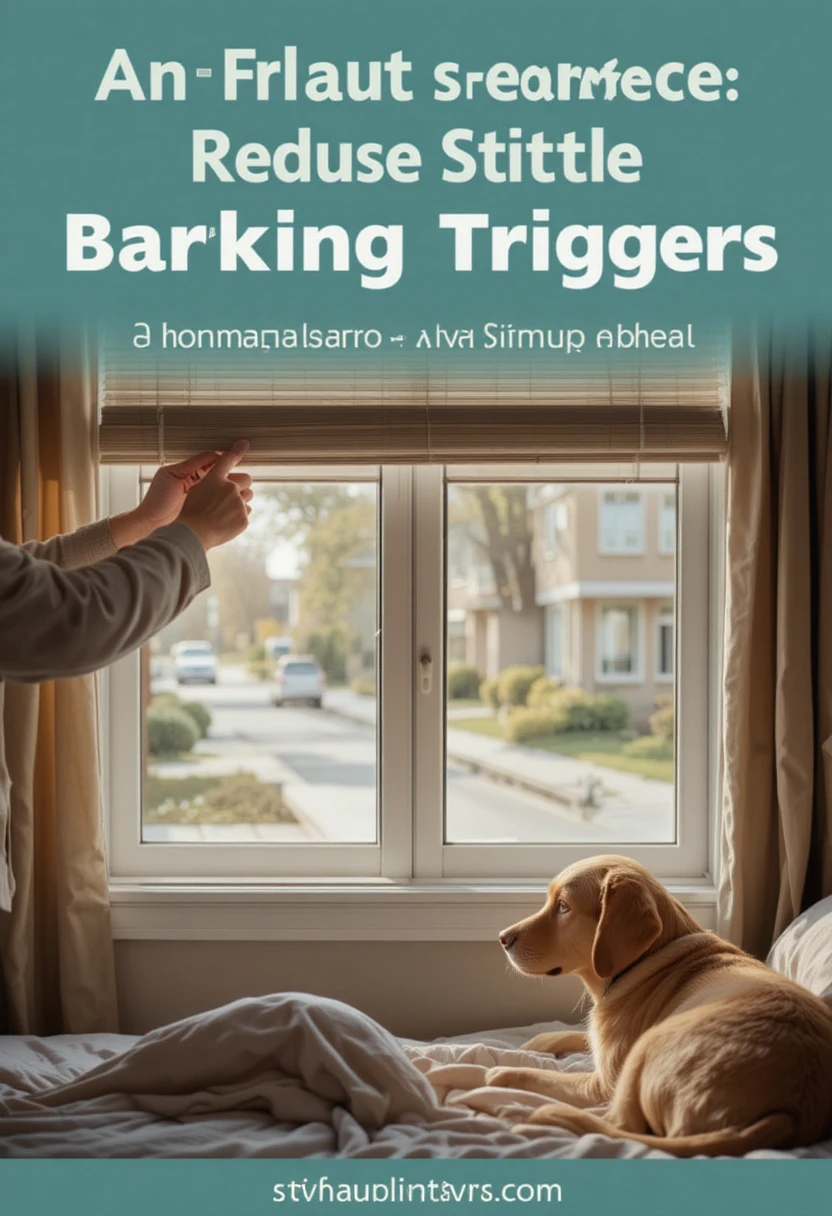
Sometimes the fastest win isn’t training your dog it’s adjusting what they can see and hear.
- Apply removable privacy film to lower windows so passersby aren’t a constant visual trigger.
- Close blinds during high-traffic times of day.
- Rearrange furniture so your dog can’t perch on the back of the couch watching the street.
- Use a white noise machine to muffle outside sounds that set off alert barking.
- Move your dog’s bed away from windows and doors if that’s their barking “post.”
Environmental management doesn’t teach new behavior, but it buys you breathing room while training takes effect.
Read Also: How to Socialize a Puppy: 11+ Simple Ideas for a Confident, Happy Dog
5. Desensitize and Counter-Condition Specific Triggers

For dogs who reliably bark at the same thing the doorbell, a specific neighbor’s dog, the vacuum gradual exposure paired with something wonderful can reframe the trigger entirely.
- Play a recording of the doorbell at low volume, and feed treats the moment it plays.
- Slowly increase volume over several sessions, only moving forward once your dog stays calm.
- For triggers you can’t control the volume of (like a passing dog), increase distance instead of volume, rewarding calm behavior at whatever distance keeps your dog under threshold.
This method takes patience, but it’s one of the most effective long-term fixes because it changes how your dog feels about the trigger, not just how they react to it.
6. Give Your Dog a Job Instead of a Reaction
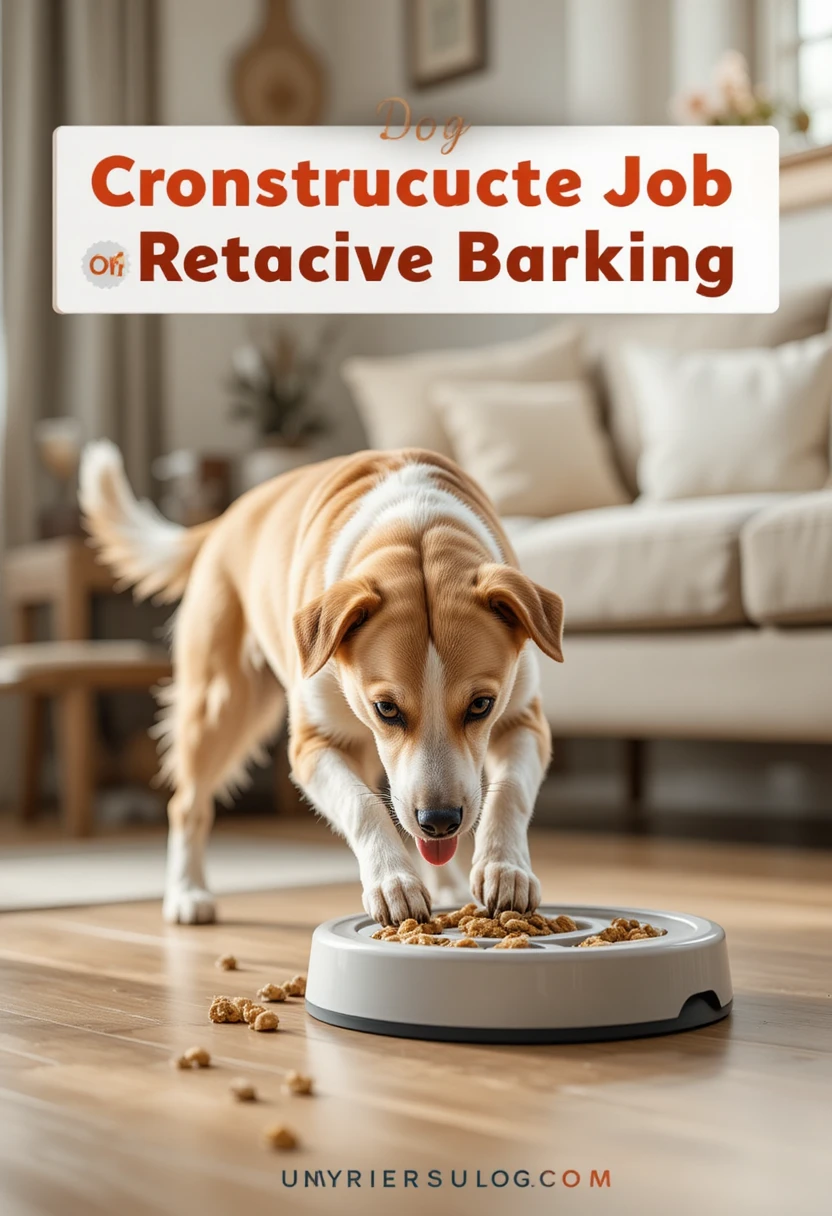
Dogs bark less when they have something specific to do instead. Teaching a “go to your place” cue gives your dog a default behavior the moment a trigger appears the doorbell rings, and instead of running to the door barking, they head to their mat.
To build this:
- Choose a spot (a bed, mat, or crate) and reward your dog heavily for going there and staying.
- Practice with no distractions first, then add mild ones.
- Use this cue proactively the moment you expect a trigger (a guest arriving, a delivery), send your dog to their place before the barking starts.
7. Increase Physical Exercise

A tired dog is, more often than not, a quiet dog. Many barking issues especially boredom and excess-energy barking improve dramatically with more consistent physical outlets.
- Add a second short walk if your dog is home alone for long stretches.
- Try fetch, tug, or flirt-pole games for high-drive breeds that need to chase and release energy.
- Consider swimming as a lower-impact option for dogs with joint sensitivities.
- If your schedule is demanding, a midday dog walker can fill the gap.
8. Add Mental Enrichment, Not Just Physical Activity

Physical tiredness alone isn’t always enough mental fatigue matters just as much, especially for smart, high-energy breeds.
- Use puzzle feeders instead of a regular bowl to slow down meals and engage the brain.
- Try snuffle mats for scent-based enrichment.
- Freeze treats inside a stuffed food toy for longer-lasting engagement during alone time.
- Rotate toys weekly so nothing gets stale.
- Add a sniffy walk no destination, just letting your dog explore smells at their own pace.
9. Address Separation-Related Barking Gradually

If your dog only barks when you leave, treating it like a simple “bad habit” often backfires. Separation-related barking is usually rooted in genuine distress, and it needs a gradual approach:
- Practice very short absences first even just stepping outside for 10 seconds and build up slowly.
- Avoid dramatic hellos and goodbyes, which can heighten anxiety around departures.
- Leave a stuffed food toy as a positive association with alone time.
- If barking is severe or paired with destructive behavior, consult your vet or a certified behaviorist, since anxiety-driven barking often needs more than training alone.
10. Avoid Punishment-Based Tools

It’s tempting to reach for a quick fix like a shock collar or citronella spray collar, but these tools suppress the sound of barking without addressing what’s causing it and they can increase fear or anxiety in some dogs, sometimes making the underlying problem worse. Positive, management-based approaches tend to produce more lasting, reliable results without the risk of unintended fallout.
11. Stay Consistent and Get the Whole Household on Board

Training only works if everyone in the home responds the same way. If barking gets ignored one day and yelled at the next, your dog receives mixed signals and progress stalls.
- Agree as a household on which cues you’ll use (“quiet,” “place,” etc.).
- Make sure everyone rewards calm behavior the same way.
- Keep training sessions short, frequent, and upbeat rather than long and frustrated.
Bonus Idea: Know When to Call a Professional
If barking appears suddenly and out of character, it’s worth a vet visit to rule out pain or illness as the underlying cause. And if barking is tied to visible fear, aggression, or compulsive patterns, a certified trainer or veterinary behaviorist can build an individualized plan — some barking simply needs more support than training alone can provide.
Frequently Asked Questions
Can you completely stop a dog from barking?
Not entirely barking is a normal part of how dogs communicate. The realistic goal is reducing excessive barking, not eliminating it altogether.
How long does it take to see results?
Many owners notice meaningful improvement within two to four weeks of consistent training, with continued progress over the following months.
Is it okay to yell at my dog to stop barking?
Not recommended. To your dog, yelling can sound like you’re barking along with them, and it doesn’t address the root cause of the behavior.
What if my dog’s barking doesn’t improve with these ideas?
Some dogs need an individualized plan, especially if fear, anxiety, or a medical issue is involved. A certified trainer or veterinary behaviorist can assess your dog’s specific situation.
Final Thoughts
Excessive barking feels overwhelming in the moment, but it’s rarely permanent. Pick two or three ideas from this list that match your dog’s specific triggers, apply them consistently for a couple of weeks, and build from there. A calmer, quieter home is closer than it feels right now.