
Your dog just finished sniffing every inch of the kibble aisle and walked away unimpressed again. Meanwhile, your neighbor’s raw-fed Labrador has a coat so shiny it looks photoshopped, and you’re wondering if you’re missing something. Raw feeding has exploded in popularity, but before you toss out the kibble bag, you need the full picture not just the Instagram-worthy before-and-afters.
This guide breaks down the real pros and cons of a raw diet for dogs, backed by what veterinarians, nutritionists, and long-time raw feeders actually say not just what sounds good on a pet food label. By the end, you’ll know exactly what to weigh before making the switch.
What Exactly Is a Raw Dog Food Diet?
Before diving into the pros and cons, it helps to understand what “raw feeding” actually means. A raw diet typically includes uncooked muscle meat, organ meat, raw bones, and sometimes fruits, vegetables, and eggs mimicking what a dog’s wild ancestors might have eaten.
The most well-known version is the BARF diet (Biologically Appropriate Raw Food, sometimes called Bones and Raw Food), a concept popularized decades ago by a veterinarian who argued dogs thrive best on a diet resembling their evolutionary eating habits. Since then, several variations have emerged, including commercially prepared raw and freeze-dried options that make the diet more convenient for modern households.
There’s no single “correct” raw diet recipe it varies by brand, breed, and pet parent but the core idea stays the same: whole, unprocessed ingredients instead of cooked, processed kibble or canned food.
💡 Save-worthy takeaway: Raw feeding isn’t one diet it’s a whole category, ranging from DIY meals to pre-portioned frozen patties you can scoop straight from the freezer.
The Pros of a Raw Diet for Dogs
1. Shinier Coat and Healthier Skin

One of the most commonly reported benefits among raw feeders is a noticeably shinier, softer coat and improved skin condition. Owners often notice less flaking, less itching, and a healthier sheen within weeks of switching.
2. Smaller, Firmer Stools
Because raw diets are often more digestible for some dogs, less waste material is left over which can translate to smaller, firmer stools and, for some owners, easier cleanup in the yard.
3. Cleaner Teeth and Fresher Breath
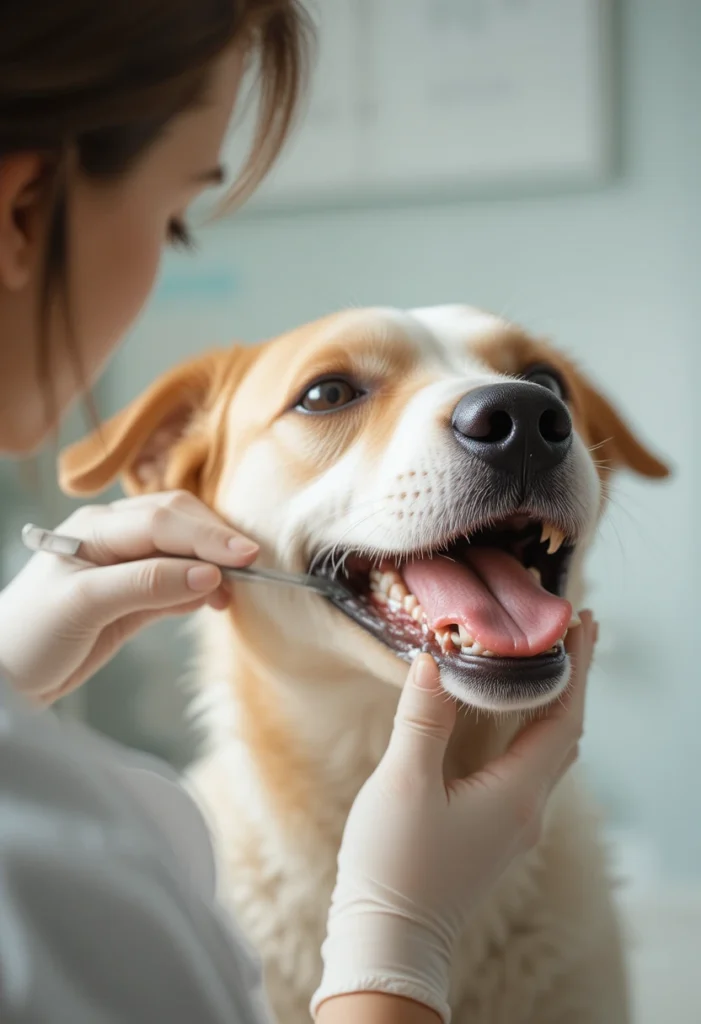
Chewing on raw meaty bones can act like a natural toothbrush, helping to scrape away plaque buildup. Many raw feeders report noticeably cleaner teeth and less doggy breath compared to dogs on a purely kibble-based diet.
Read Also:11+ Signs of Heartworm in Dogs Every Owner Should Never Ignore
4. Higher Energy Levels
A high-protein, nutrient-dense diet may give some dogs a visible boost in stamina and playfulness. Owners frequently describe their raw-fed dogs as more alert and energetic throughout the day.
5. Better Weight Management

Because raw diets tend to be higher in protein and lower in fillers than many commercial kibbles, some dogs find it easier to maintain a lean, healthy body condition when portions are managed correctly.
6. No Artificial Additives or Fillers
Raw diets skip the preservatives, artificial colors, and cheap filler ingredients found in some lower-quality commercial dog foods. For owners who prefer to know exactly what’s in every bowl, this transparency is a major draw.
7. Full Ingredient Control (Especially Helpful for Allergies)

When you prepare or choose raw meals yourself, you know precisely what’s going into your dog’s bowl. This can be especially valuable for dogs with food sensitivities or allergies, since you can eliminate specific proteins or additives with total confidence.
8. Stronger Muscle Tone
The high protein content in most raw diets supports lean muscle development, which many owners notice in active or working breeds especially.
The Cons of a Raw Diet for Dogs
1. Risk of Harmful Bacteria (Salmonella, E. coli, Listeria)
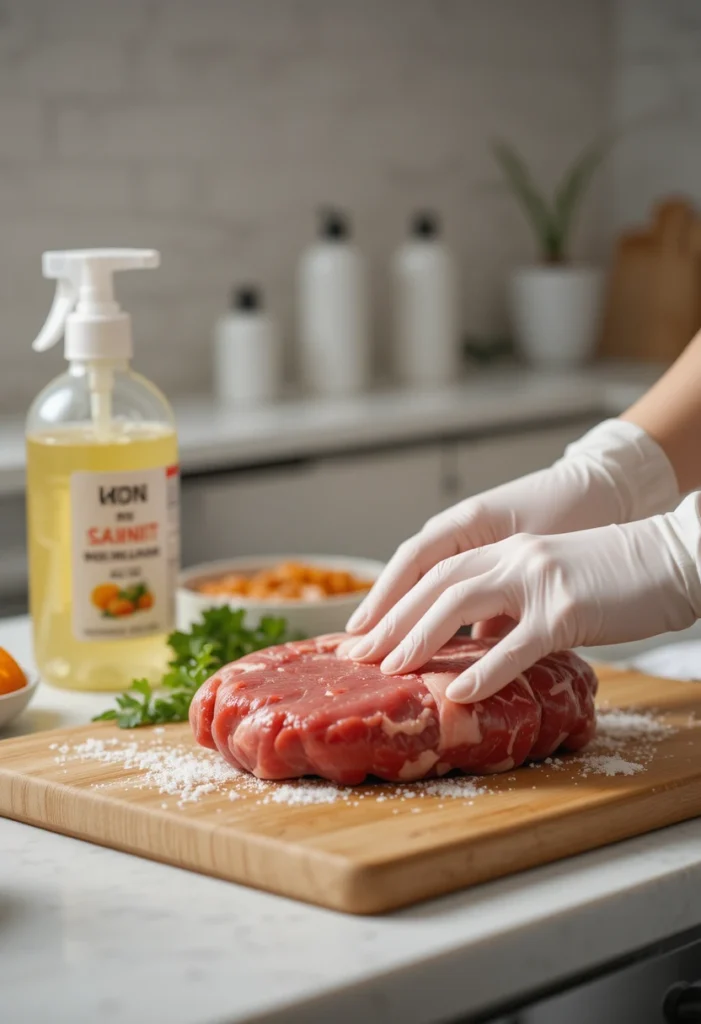
This is the single most-cited concern among veterinarians. Research has repeatedly found that raw food diets for dogs frequently contain pathogenic bacteria such as salmonella, listeria, or E. coli, which can pose a food-borne illness risk not just to your dog, but to anyone in the household who handles the food particularly children, elderly family members, or anyone with a compromised immune system.
2. Nutritional Imbalance Risk
Unlike commercial dog foods that are formulated to meet specific nutritional standards, homemade raw diets can easily end up incomplete. Dogs fed an improperly balanced raw diet may develop nutritional deficiencies that take weeks or months to become apparent meaning the damage can already be done before you notice a problem.
3. Higher Cost

Sourcing quality raw meat, organs, and bones especially from trusted suppliers is almost always pricier than a bag of standard kibble. Specialty proteins like rabbit or duck can push the cost even higher.
4. Time-Consuming Preparation
Between sourcing ingredients, portioning meals, and following food-safety protocols, raw feeding demands significantly more hands-on time than pouring kibble into a bowl. Pre-made frozen or freeze-dried raw options can ease this burden, but usually at a higher price point.
5. Choking and Dental Injury Risk from Bones

Raw bones aren’t risk-free. Dogs can choke on bone fragments, suffer intestinal blockages, or crack a tooth on a bone that’s too hard — particularly weight-bearing bones from large animals.
6. Storage Challenges
Raw food needs consistent refrigeration or freezing to stay safe, which requires extra freezer space and careful meal planning — something that’s simply not a concern with shelf-stable kibble.
7. Not Ideal for Every Dog

Puppies, senior dogs, pregnant or nursing dogs, and dogs with certain health conditions (like kidney disease or a compromised immune system) may not be good candidates for raw feeding without close veterinary supervision.
8. Requires Expert Guidance to Get Right
Many pet parents need the help of an animal nutrition expert to formulate a safe, complete raw diet, or need to add commercial supplements to ensure their dog gets all necessary nutrients this isn’t a diet you can safely improvise long-term without research or professional input. Wellness Pet Food
9. Lack of Large-Scale Scientific Consensus

While raw feeding has passionate advocates, mainstream veterinary organizations note that the risks are well documented, while the long-term health benefits are still largely anecdotal rather than backed by extensive controlled studies.
Raw Diet vs. Commercial Dog Food: A Quick Comparison
| Factor | Raw Diet | Commercial Kibble/Canned |
|---|---|---|
| Nutritional balance | Depends heavily on recipe/formulation | Formulated to meet standards |
| Cost | Higher | Generally lower |
| Convenience | Requires prep, thawing, storage | Ready to scoop and serve |
| Bacterial risk | Higher (raw meat) | Lower (processed/cooked) |
| Shelf life | Short (fridge/freezer) | Long (pantry-stable) |
| Coat/energy reports | Frequently reported improvements | Varies by formula/quality |
How to Transition Your Dog to Raw Food Safely
If, after weighing the pros and cons, you decide raw feeding is right for your household, a slow and careful transition matters:
- Talk to your vet first. Confirm your dog is a good candidate, especially if they have any existing health conditions.
- Start gradually. Mix a small amount of raw food into your dog’s current diet and increase the ratio over 7–10 days.
- Practice strict food safety. Wash hands, bowls, and prep surfaces thoroughly after every raw meal.
- Work with a canine nutritionist to make sure the diet is complete and balanced, especially for long-term feeding.
- Watch your dog’s stool, energy, and weight closely during the first few weeks and adjust portions as needed.
Frequently Asked Questions
Is raw food actually better than kibble for dogs?
It depends on the dog and how the diet is formulated. Some dogs thrive on raw diets, showing improved coat and energy, while others do perfectly well on high-quality commercial food. There’s no universal “better” it’s about what fits your dog’s needs and your household’s ability to feed it safely.
Can raw dog food make my dog sick?
Yes, it’s possible. Raw meat can carry bacteria like salmonella or E. coli, which can cause gastrointestinal illness in dogs and pose a risk to humans handling the food.
Is raw feeding safe for puppies?
Puppies have specific, fast-changing nutritional needs, so raw feeding should only be attempted under close veterinary or canine nutritionist guidance to avoid deficiencies during this critical growth stage.
How much does it cost to feed a dog raw food?
Costs vary widely depending on protein source, portion size, and whether you prepare meals yourself or buy pre-made raw food, but it’s generally more expensive than standard kibble.
Do I need to add supplements to a raw diet?
Often, yes. Because whole-prey-style raw diets can miss certain vitamins or minerals if not carefully formulated, many raw feeders add supplements to ensure the diet is complete and balanced.
Final Thoughts: Is Raw Feeding Right for Your Dog?
There’s no one-size-fits-all answer here. A raw diet can offer real benefits from a glossier coat to more visible energy but it also comes with genuine risks around bacteria, nutritional balance, and cost that shouldn’t be brushed aside. The right choice depends on your dog’s health, your budget, your schedule, and your comfort level with the extra care raw feeding demands.