
Your dog waddles instead of trots. Stairs are now a production. And that “healthy” treat jar? It’s part of the problem. If you’ve caught yourself avoiding eye contact with your vet during the last weigh-in, you’re not alone and you’re in exactly the right place.
Here’s the thing: most dog owners don’t overfeed their dogs out of neglect. They do it out of love, bad portion guidance, or a food that simply isn’t built to help a dog feel full on fewer calories. The good news? The right food changes everything, and you don’t need to starve your dog to get there.
In this guide, you’ll get 11+ of the best dog foods for weight loss, what actually makes a formula effective (hint: it’s not the word “diet” on the bag), and the exact steps to transition your dog safely. Stick around for the mistake in tip #4 that undoes most weight-loss plans before they even start..
Why Is My Dog Carrying Extra Weight in the First Place?
Before swapping foods, it helps to know what you’re actually up against. A few sneaky culprits show up again and again:
- Free-feeding leaving a full bowl out all day removes any real portion control.
- Table scraps and “just one” treats a single hot dog piece can equal a candy bar’s calories for a small dog.
- Age-related slowdown senior dogs burn fewer calories but often keep eating the same amount.
- Spay/neuter metabolism shift fixed dogs typically need 20-30% fewer calories than intact dogs.
- Low activity levels apartment living and shorter walks add up over months.
None of this means you did something wrong. It means the food and feeding routine need to catch up with your dog’s real needs — and that’s exactly what a weight-loss formula is designed to fix.
What Actually Makes a Dog Food Effective for Weight Loss?
Not every bag labeled “light” or “healthy weight” is created equal. Marketing language is cheap; the nutrition panel tells the truth. Before you buy anything, check for these four things:
1. Lower Calorie Density
Weight-loss formulas are typically less calorie-dense per cup than standard maintenance food, so your dog can eat a satisfying volume without the calorie overload. This is the single biggest lever in any weight-loss diet.
2. High-Quality, Lean Protein
Protein preserves muscle while your dog loses fat you want the pounds coming off the waistline, not the muscle mass. Look for a named animal protein (chicken, turkey, fish) as the first ingredient.
3. Added Fiber for Satiety
Ingredients like beet pulp, pea fiber, or pumpkin add bulk without calories, which helps your dog feel full and reduces the dreaded “food-guarding stare” between meals.
4. L-Carnitine
This amino acid compound helps the body convert stored fat into usable energy. It’s a common and genuinely useful addition in vet-formulated weight-management diets.
11+ Best Dog Foods for Weight Loss
This list blends over-the-counter options you can buy today with a couple of vet-exclusive therapeutic diets worth asking about at your next appointment.
1. Hill’s Science Diet Adult Perfect Weight
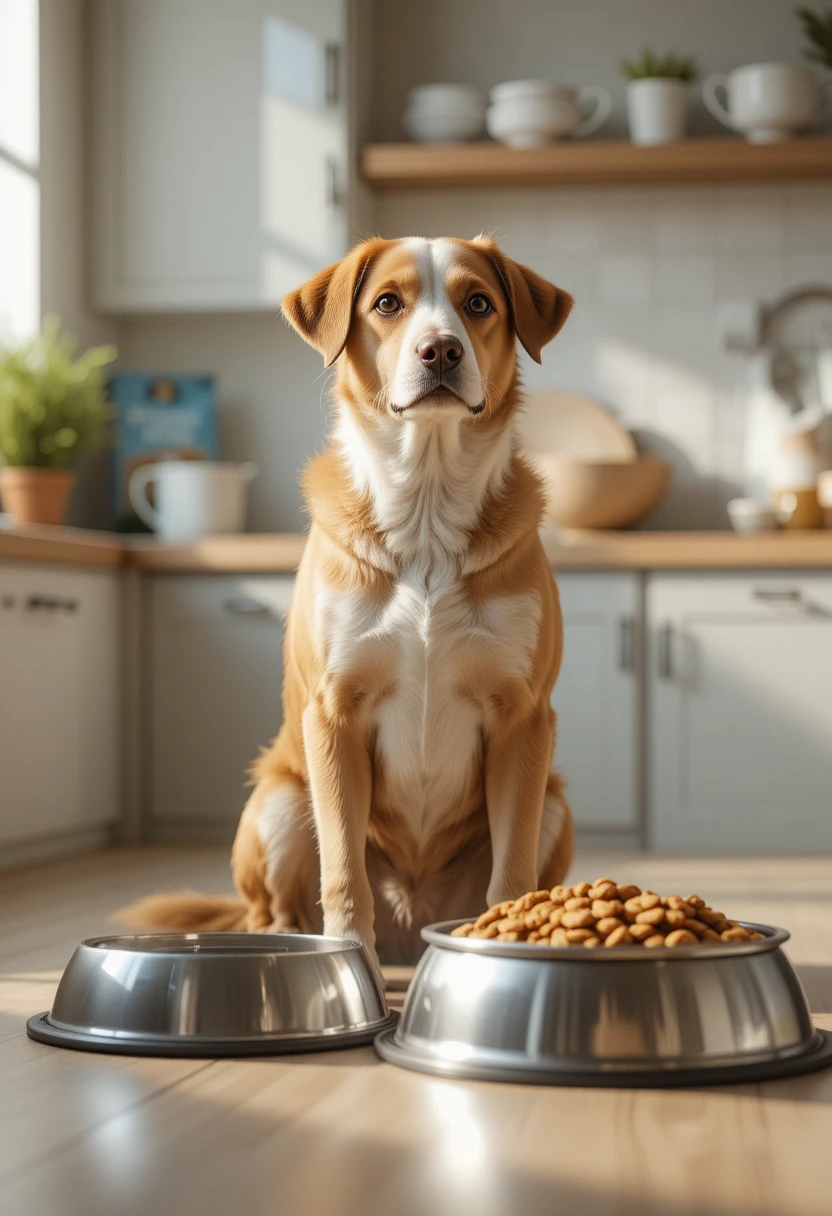
Hill’s markets this as a clinically studied formula built around a proprietary blend the brand says supports fat metabolism alongside reduced calories. It’s widely available over the counter and comes in both dry and wet formats, making it an easy first step for owners who don’t want to navigate a prescription diet.
2. Purina Pro Plan Veterinary Diets OM Overweight Management
This is a vet-authorized therapeutic diet designed for dogs who need more aggressive calorie restriction than an over-the-counter formula provides. It leans heavily on fiber to maximize fullness, which is why it’s a frequent recommendation for clinically obese dogs.
3. Royal Canin Satiety Support Weight Management
Another veterinary-exclusive option, Satiety Support is formulated specifically around the “hunger problem” the diet is built to keep dogs satisfied even at a significant calorie deficit, which is often the make-or-break factor in whether an owner can stick with the plan.
4. Blue Buffalo Life Protection Formula Healthy Weight
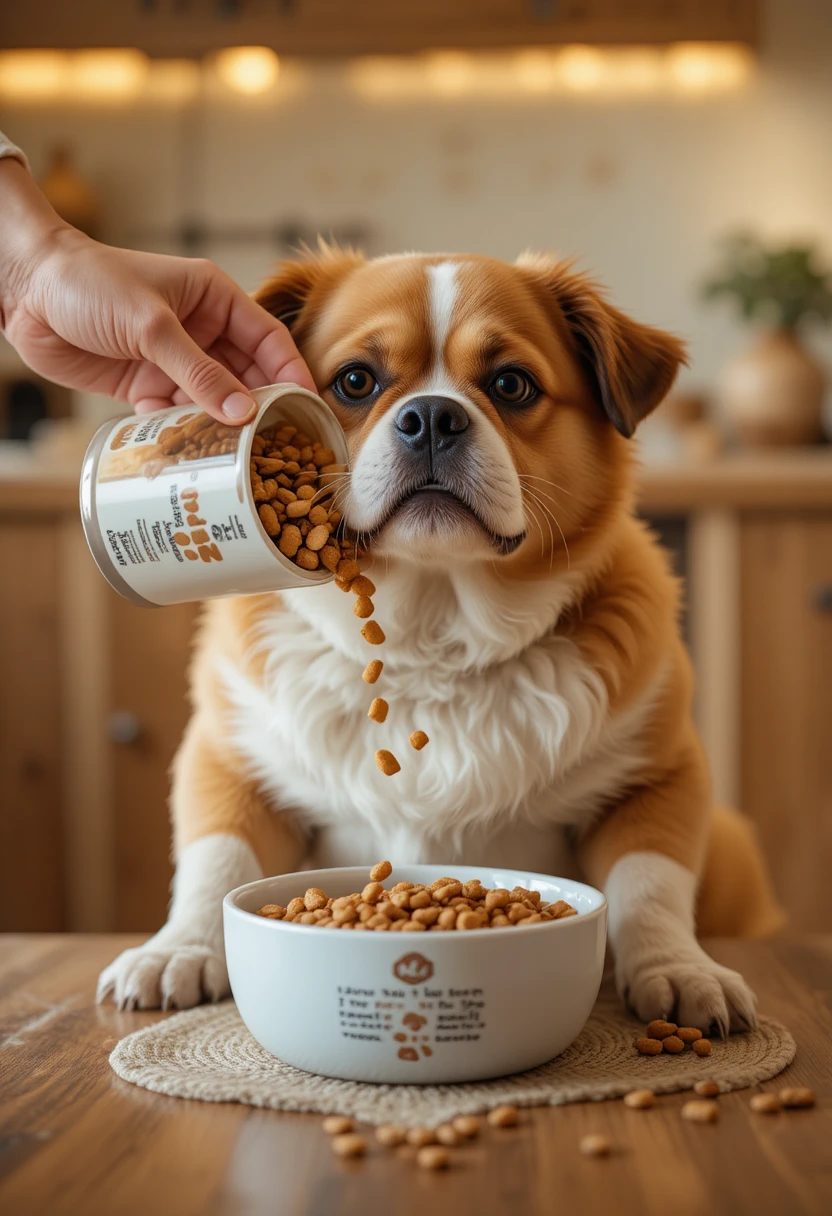
A grain-inclusive, over-the-counter option built around deboned chicken with L-carnitine and added fiber. It’s a solid middle-ground pick for dogs who are a little soft around the middle rather than clinically obese.
Read Also: 10+ Raw Diet for Dogs Pros and Cons: What Every Pet Parent Should Know Before Switching
5. Wellness CORE Reduced Fat
This grain-free formula keeps protein levels high while cutting fat content, which appeals to owners who want a weight-management diet without moving away from a grain-free ingredient list.
6. Nutro Weight Management
Nutro’s formula focuses on farm-raised chicken as the primary protein with a non-GMO ingredient list, positioning it as a “clean label” option for weight-conscious owners who also care about ingredient sourcing.
7. Annamaet Lean
A smaller, less mainstream brand that’s earned a loyal following for its favorable protein-to-fat ratio. It’s worth seeking out if bigger-box brands haven’t worked for your dog or if your dog is a picky eater with dry kibble.
8. The Farmer’s Dog (Fresh, Personalized)
For owners open to fresh food, The Farmer’s Dog builds a custom weight-loss recipe based on your dog’s exact stats. The high moisture content adds bulk and helps dogs feel full without piling on calories and the lean protein helps preserve muscle as the pounds come off.
9. Diamond Naturals Light
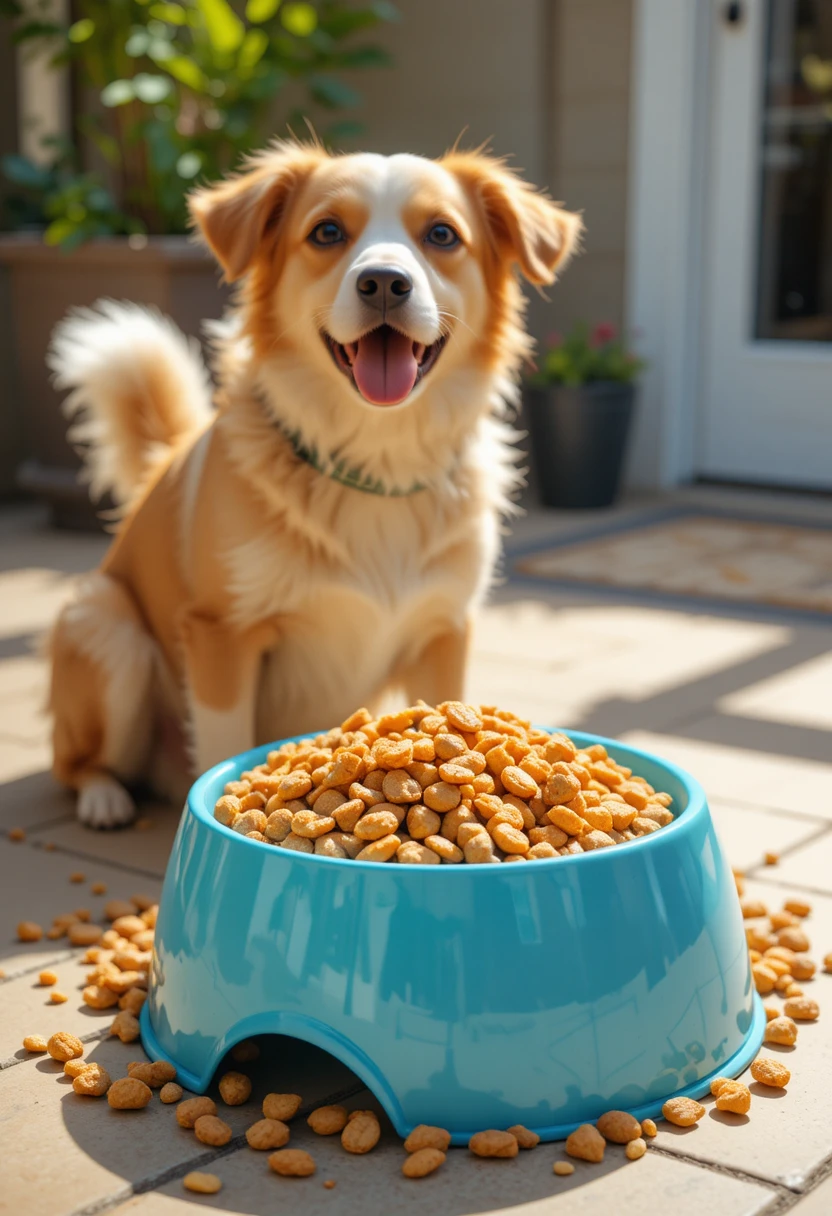
A budget-friendly, widely available option that swaps in reduced fat and added L-carnitine without a steep price tag. It’s a reasonable starting point for multi-dog households where cost matters.
10. Eukanuba Weight Control
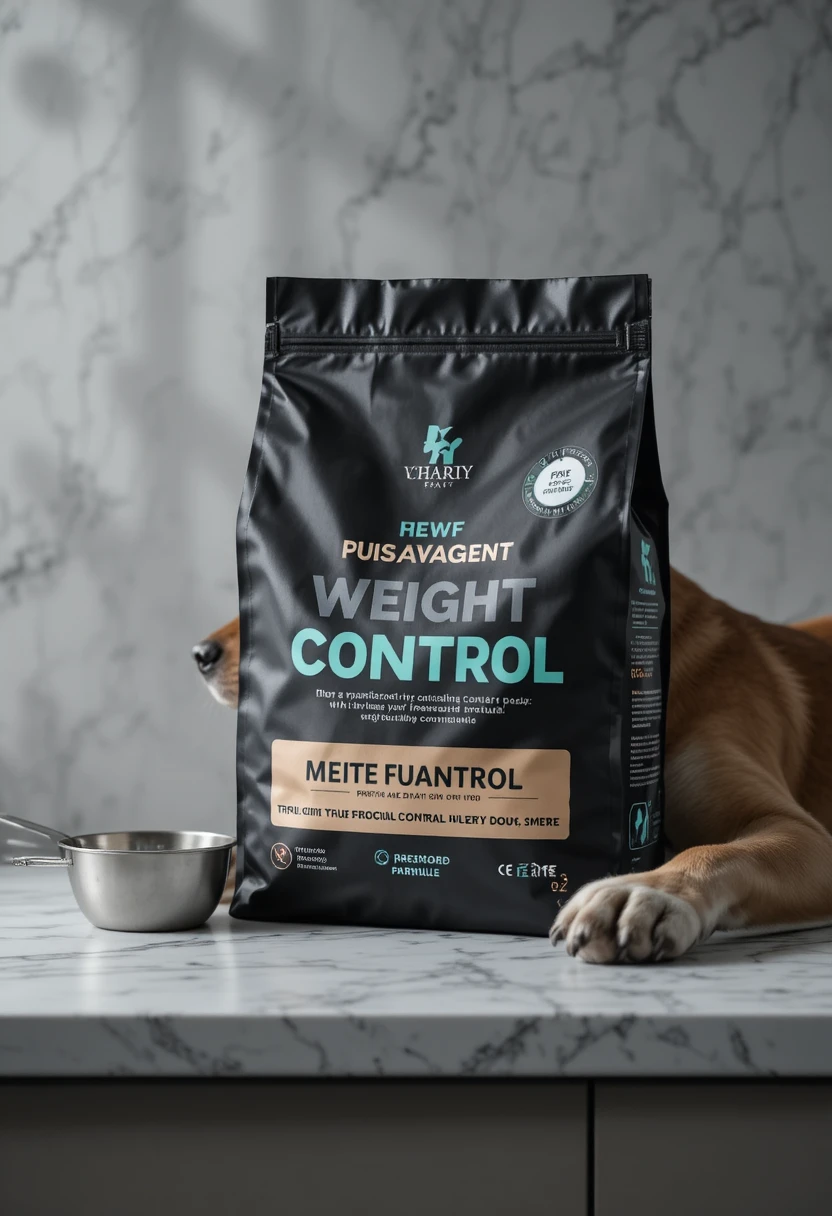
Formulated with a focus on lean muscle maintenance during calorie restriction, this formula is often recommended for larger breed dogs that need to protect joint-supporting muscle while shedding weight.
11. Iams Healthy Weight Control

An accessible, grocery-store-available formula that keeps protein relatively high while trimming fat and calories a practical pick if you want a weight-loss food without hunting down a specialty pet store.
12. Merrick Healthy Weight (Bonus Pick)
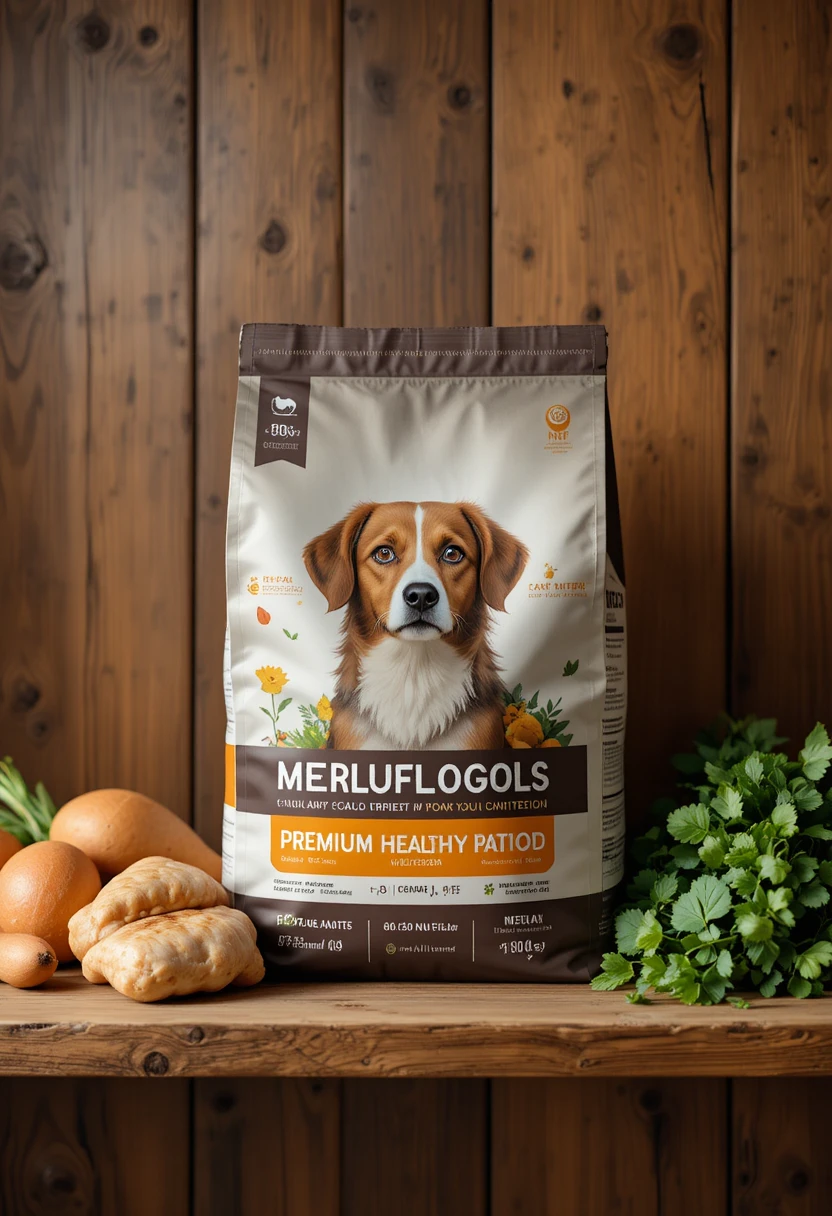
Rounding out the list, Merrick’s grain-free healthy weight formula uses deboned chicken and includes glucosamine and chondroitin a helpful bonus for overweight dogs whose joints are already under extra strain.
How to Safely Transition Your Dog to a Weight-Loss Food
But there’s a catch: switching foods too fast is one of the fastest ways to trigger digestive upset and a dog with an upset stomach is a dog who resists sticking with the new plan.
Follow this simple 7-10 day transition:
- Days 1-2: 75% old food, 25% new food
- Days 3-4: 50% old food, 50% new food
- Days 5-6: 25% old food, 75% new food
- Days 7+: 100% new food
Watch for loose stool or reluctance to eat if either shows up, slow the transition down rather than pushing through it.
So What Does This Mean for Actual Weight Loss? Portion Control Still Matters
Here’s a truth most bag labels won’t tell you loudly enough: switching foods alone won’t fix the problem if you don’t also measure portions. The feeding guide on the bag is a starting point, not gospel it’s calculated for an average dog, and your dog is not average.
- Use a kitchen scale or measuring cup, not the “eyeball” method.
- Recalculate portions every few weeks as your dog loses weight a lighter dog needs fewer calories.
- Aim for a safe, sustainable loss rate of 1-2% of body weight per week. For a 60-lb dog, that’s roughly 0.6-1.2 lbs weekly faster than that risks muscle loss.
- Track weight with a monthly weigh-in, not a daily one (daily fluctuations will just stress you out).
Don’t Forget Treats They Count Too
This is the mistake that quietly sabotages most weight-loss plans. A few high-calorie treats a day can completely cancel out the calorie deficit from a weight-loss food.
- Swap store-bought treats for single-ingredient options like baby carrots, green beans, or small pieces of plain cooked chicken.
- Follow the 10% rule: treats (including training rewards) should never exceed 10% of total daily calories.
- If you free-feed treats throughout the day, switch to using a portion of your dog’s actual meal as training rewards instead.
Exercise: The Partner Your Dog’s Diet Needs
Diet does the heavy lifting, but movement accelerates results and protects joints during the process.
- Start with short, low-impact walks (10-15 minutes) if your dog is significantly overweight, and build up gradually.
- Swimming is excellent for dogs with joint pain, since it burns calories without impact stress.
- Puzzle feeders and slow-feed bowls turn mealtime into light mental and physical activity instead of a 30-second gulp-fest.
Common Mistakes That Stall Weight Loss
- Cutting portions of regular food instead of switching formulas. Reducing a maintenance food by 30% also cuts protein and nutrients by 30% which isn’t appropriate for a dog that still needs full nutritional support.
- Assuming grain-free means lower calorie. Grain-free and low-calorie are not the same thing always check the actual calorie count.
- Skipping the vet visit. A dog that isn’t losing weight despite a calorie deficit may have an underlying issue like hypothyroidism.
- Weighing daily and getting discouraged by normal fluctuation. Stick to monthly check-ins for an accurate trend.
FAQ
How much weight should my dog lose per week?
A safe target is 1-2% of body weight per week. Faster loss can risk muscle loss and other health issues, so slow and steady wins here.
Is grain-free dog food better for weight loss?
Not necessarily. Grain-free diets aren’t inherently more effective for weight loss than grain-inclusive ones, and some research has linked certain grain-free formulas to heart issues in dogs. Choose based on calorie content and your vet’s guidance, not the grain-free label alone.
Can I just feed less of my dog’s regular food instead of buying a weight-loss formula?
You can, but it’s not ideal. Cutting a standard food’s portion size cuts its protein and nutrient levels proportionally too, which can leave your dog nutritionally short while still losing weight.
Do I need a prescription diet for my dog to lose weight?
Not always. Over-the-counter healthy-weight formulas work well for mild to moderate weight issues. Vet-exclusive therapeutic diets like Royal Canin Satiety Support or Purina Pro Plan OM are typically reserved for dogs who are clinically obese or need faster, medically supervised results.
What ingredients should I avoid in a weight-loss dog food?
Watch for excess fillers like corn, wheat, and soy, along with high-fat animal by-products listed early in the ingredient list. Focus instead on named lean proteins and added fiber sources.
How long does it typically take to see results?
Most dogs on a properly portioned weight-loss diet show noticeable changes within 8-10 weeks, though total time to reach an ideal weight depends on how much needs to come off.
Final Thoughts: Small Diet Changes, Big Quality-of-Life Wins
Helping your dog lose weight isn’t about deprivation it’s about giving their body what it actually needs to feel satisfied on fewer calories. The right food, honest portions, a little more movement, and a treat jar that isn’t running the show will get you there.
Pick one of the 11+ options above based on how much weight your dog needs to lose, loop your vet in if you’re dealing with more than a few extra pounds, and give the transition plan the full week it needs. Your dog’s joints, energy, and long-term health will thank you.