
Watching your dog slow down is one of the hardest parts of being a pet parent. The stairs that used to be nothing now get a pause. The zoomies happen less often. Maybe he’s a little foggier after naps, or a little stiffer in the mornings.
The good news is that a thoughtful supplement routine, alongside regular vet care, can genuinely help slow this process down and keep your senior dog feeling more like himself. This guide walks through 14+ of the most well supported supplement categories for aging dogs, what each one actually does, and how to think about building a routine that fits your dog’s specific needs.
As always, talk to your veterinarian before starting any new supplement, especially if your dog is on medication or has an existing health condition.
Why Aging Dogs Need Extra Nutritional Support
Most dogs are considered seniors somewhere between age seven and ten, though this varies significantly by size. Large breeds tend to enter their senior years earlier, often around seven, while small breeds may not show signs of aging until ten or later.
As dogs age, several things happen at once. Joint cartilage wears down, inflammation rises, digestion becomes less efficient, and the brain’s ability to use glucose for energy starts to decline, which can contribute to memory and learning changes. A well designed supplement routine targets these specific shifts rather than acting as a generic multivitamin.
14+ Best Supplement Categories for Senior Dogs
1. Glucosamine and Chondroitin

This is the classic joint supplement pairing, and for good reason. Glucosamine helps support cartilage repair, while chondroitin helps retain the fluid that keeps joints cushioned. Together, they’re often the first line of support for dogs showing stiffness, reluctance to climb stairs, or slower rising after rest.
Read Also: 15 Best Flea Treatment Ideas for Dogs That Actually Work in 2026
2. Omega 3 Fatty Acids (Fish Oil)
Fish oil rich in EPA and DHA is one of the most versatile supplements you can give a senior dog. It supports joint comfort by reducing inflammation, contributes to a healthier coat, and plays a meaningful role in supporting brain health as dogs age.
3. MSM (Methylsulfonylmethane)

Often paired with glucosamine and chondroitin, MSM is a natural sulfur compound that may help reduce joint inflammation and support connective tissue health. It’s commonly included in multi ingredient joint formulas rather than given on its own.
4. Turmeric (Curcumin)
Turmeric’s active compound, curcumin, has natural anti inflammatory properties that make it a popular addition to joint support routines. Look for formulas that include a compound like piperine, which helps improve curcumin’s absorption, since turmeric alone is poorly absorbed by the body.
5. SAMe (S Adenosylmethionine)

SAMe is frequently recommended for cognitive support in aging dogs, and it also plays a role in liver health. It’s a common ingredient in supplements aimed at dogs showing early signs of confusion, disrupted sleep patterns, or general cognitive decline.
6. Phosphatidylserine
This is a key ingredient in several cognitive support supplements for senior dogs. It supports healthy brain cell membranes and is often included alongside antioxidants in formulas targeting memory and mental sharpness in aging pets.
7. Antioxidants (Vitamin E and Alpha Lipoic Acid)

As dogs age, oxidative stress accumulates and contributes to cellular damage throughout the body, including in the brain. Antioxidants like vitamin E and alpha lipoic acid help neutralize free radicals, and they’re commonly bundled into both joint and cognitive support supplements.
8. MCT Oil (Medium Chain Triglycerides)
MCT oil, often derived from coconut oil, has gained attention for its role in supporting cognitive function in aging dogs. Once absorbed, certain MCTs convert into ketones that can cross into the brain and act as an alternative energy source, which may be especially helpful for dogs experiencing signs of canine cognitive dysfunction.
9. Probiotics
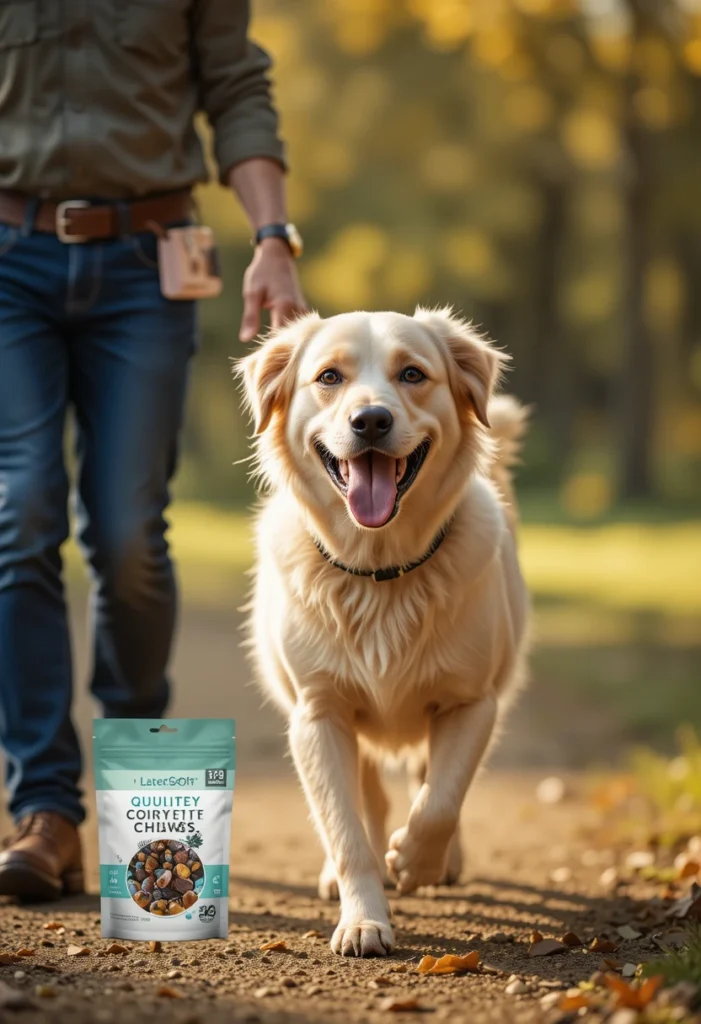
A senior dog’s digestive system often becomes less efficient at absorbing nutrients, and a multi strain probiotic can help restore balance in the gut. Better digestion means your dog gets more benefit from every meal and every other supplement in the stack.
10. Prebiotic Fiber
Prebiotics work alongside probiotics by feeding the beneficial bacteria already in your dog’s gut. Ingredients like inulin are commonly paired with probiotic blends to support more consistent digestion in older dogs.
11. CoQ10 (Coenzyme Q10)
CoQ10 plays a role in cellular energy production and has antioxidant properties that support heart health, an increasingly important consideration as dogs age. It’s often recommended for senior dogs showing signs of reduced energy or early cardiac concerns, under veterinary guidance.
12. Green Lipped Mussel
This natural source of glucosamine, chondroitin, and omega 3s is sometimes used as an alternative or addition to standard joint supplements. It provides a naturally occurring blend of joint supporting compounds in one ingredient.
13. Multivitamins Formulated for Seniors
Rather than a general adult formula, a multivitamin specifically formulated for senior dogs accounts for their reduced calorie needs while still delivering the full range of vitamins and minerals needed to maintain muscle mass, immune function, and overall vitality.
14. Milk Thistle
Milk thistle is commonly used to support liver function, which can become more important in senior dogs, especially those on long term medications that place additional strain on the liver.
15. Ginkgo Biloba
Ginkgo is included in some cognitive support formulas for its potential to support healthy blood circulation, including to the brain, which may play a role in maintaining memory and mental clarity in aging dogs.
16. Glutathione
As a powerful antioxidant your dog’s own body produces less of over time, supplemental glutathione is sometimes included in senior formulas to help combat oxidative damage associated with aging.
How to Choose the Right Supplements for Your Dog
With so many options, it helps to narrow things down based on what your dog actually needs rather than buying everything at once.
- Start with your dog’s most visible symptoms. Stiffness points toward joint support. Confusion or disrupted sleep points toward cognitive support. Digestive irregularity points toward probiotics.
- Consider a consolidated formula versus stacking individual supplements. A single well formulated senior product covering joints, cognition, and digestion is often simpler and more affordable than buying five separate bottles.
- Look for third party testing. Reputable supplement brands test their products for purity and potency rather than relying on label claims alone.
- Pay attention to palatability. A supplement your dog refuses to eat isn’t helping anyone. Chews tend to be easier for most dogs, while capsules or powders can work well for picky eaters.
- Factor in long term cost. Since senior supplements are typically a daily, ongoing commitment, weigh cost per dose alongside quality rather than just the price on the shelf.
When Prophylactic Supplementation Makes Sense
You don’t necessarily need to wait until your dog is showing clear signs of aging. For high risk breeds prone to joint issues, some veterinarians recommend starting joint support supplements as early as three to six years old, well before symptoms appear. Starting early can help slow the progression of joint wear rather than only managing it after discomfort has already set in.
Signs Your Senior Dog May Need Supplement Support
Watch for these common indicators that a supplement routine could help:
- Stiffness after resting, or hesitation before jumping and climbing stairs
- Slower to rise, or a noticeably changed gait
- Increased confusion, disorientation, or disrupted sleep wake cycles
- Reduced interest in food or noticeably less energy
- A duller coat or increased digestive upset
If you notice several of these at once, it’s worth a conversation with your vet about which supplement categories make the most sense, and whether any underlying medical issue needs to be ruled out first.
Frequently Asked Questions
At what age should I start giving my dog senior supplements?
This varies by breed size. Large breeds often benefit starting around age seven, medium breeds around eight to nine, and small breeds around ten, though high risk breeds may benefit from earlier joint support.
Can I give my senior dog too many supplements at once?
Yes, over supplementing is possible, and some ingredients can interact with medications. This is exactly why checking with your veterinarian before building a stack matters, especially if your dog already takes prescription medication.
Do senior dog supplements actually work, or is it mostly marketing?
Categories like glucosamine, omega 3s, and probiotics have meaningful research support behind them. That said, quality and dosing vary widely between products, so choosing a reputable, tested brand matters as much as the ingredient list itself.
How long does it take to see results from joint or cognitive supplements?
Most owners report noticing changes over several weeks to a couple of months of consistent use, since these supplements tend to work gradually rather than instantly.
The Bottom Line
Aging is inevitable, but how comfortably your dog ages is something you have real influence over. The right combination of joint support, cognitive support, and digestive support, chosen based on your dog’s specific needs rather than a one size fits all approach, can make a meaningful difference in how your senior dog feels day to day.
Before starting anything new, loop in your veterinarian. They can help you prioritize which categories matter most for your dog right now, flag any interactions with existing medications, and make sure you’re building a routine that actually supports your dog’s golden years rather than just adding more bottles to the cabinet.